
Fukui Travel Guide
Little-visited but quietly remarkable. Eiheiji — one of Japan's most austere Zen monasteries — sits deep in a cedar forest, its wooden corridors unchanged for seven centuries. The Echizen coast is wild and dramatic; Mikata-goko's five lakes cycle through nine color shifts with the seasons; and Fukui's dinosaur museum is genuinely world-class.
Hidden Gems in Fukui
Hand-picked spots off the tourist trail — all personally curated.
Awara Onsen
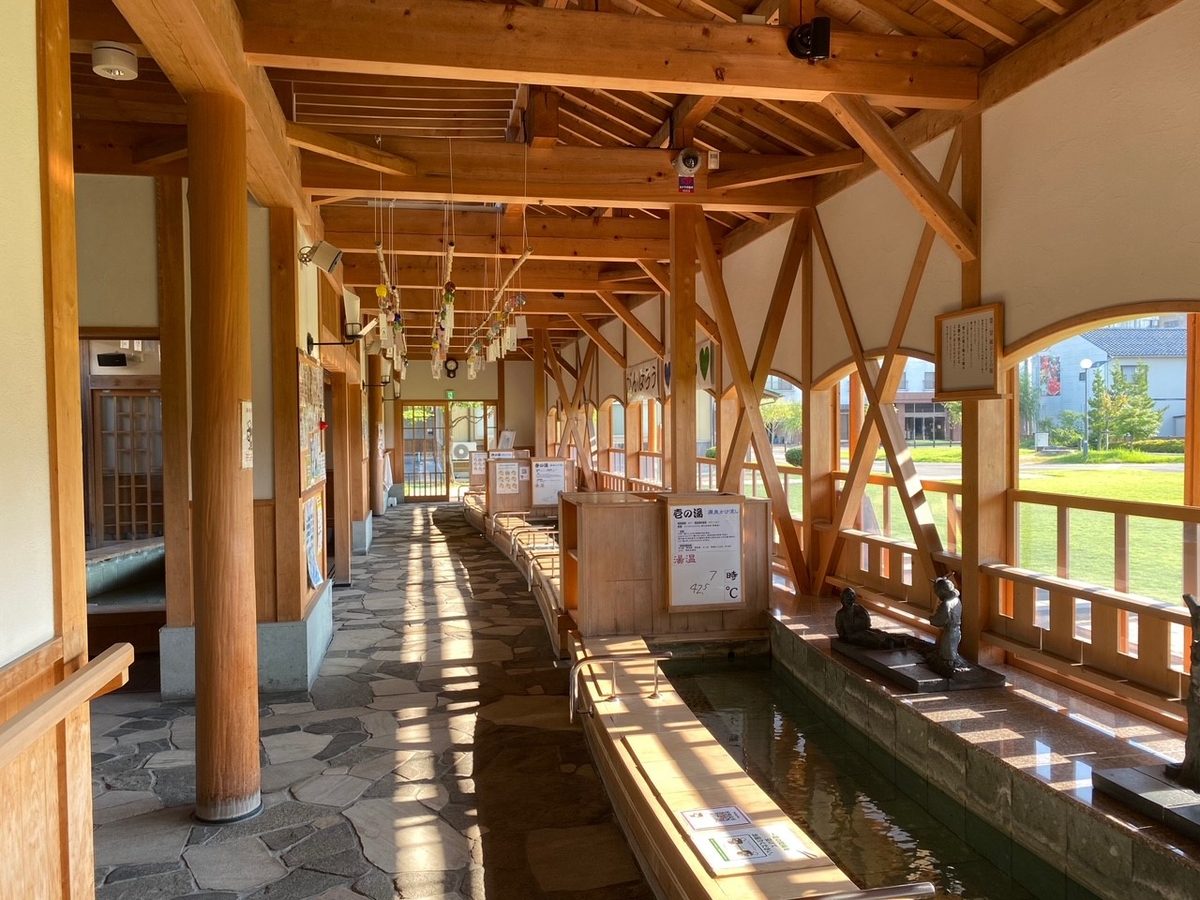
Fukui's most celebrated hot spring resort — a traditional geisha town discovered when a farmer struck boiling water while digging in 1883. The resort was the setting for Izumi Kyoka's novel "The Holy Man of Mt Koya" and is considered Hokuriku's most atmospheric onsen town. The Yukemuri Yokocho alley has free public foot baths and evening geisha performances.
Echizen Washi Village
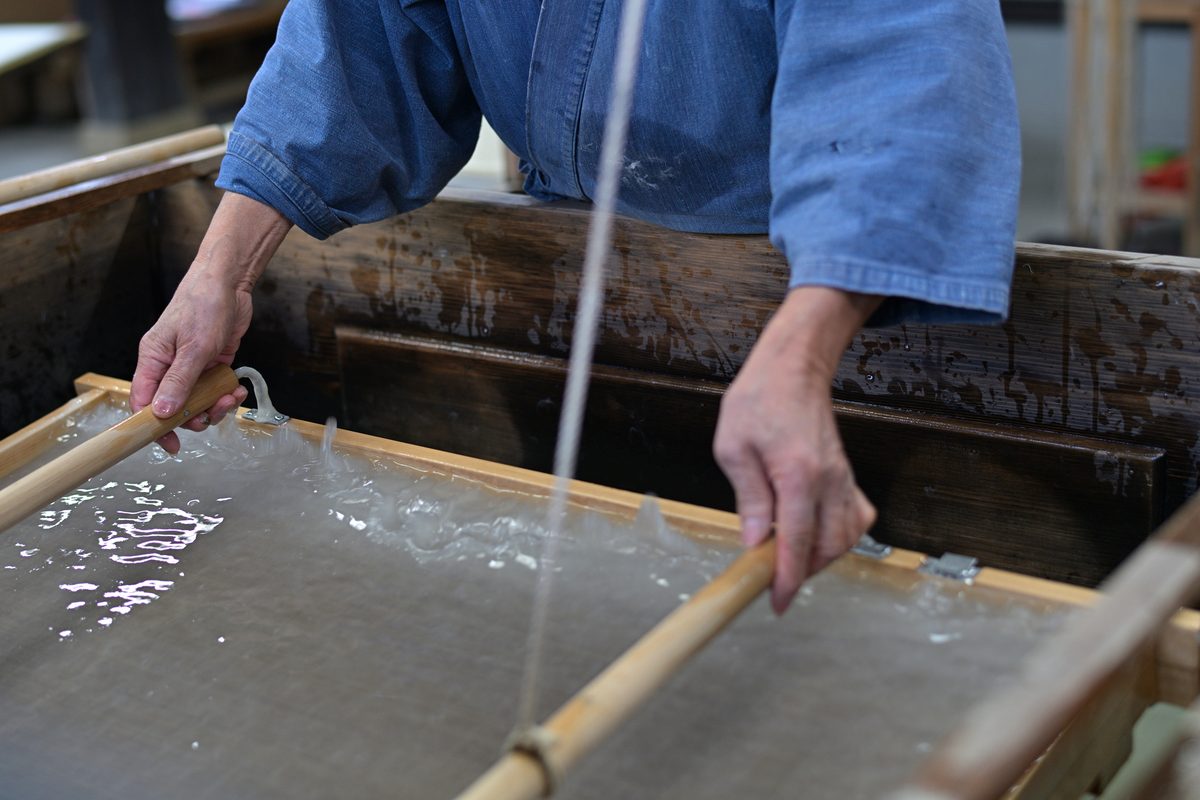
The birthplace of Japanese paper (washi) — Echizen has been producing paper for 1,500 years, longer than any other region. The Papyrus Museum and Paper Village (Udatsu no Kamimachi) have 10 working paper studios where visitors can make their own sheets using 1,500-year-old techniques. Echizen paper is used for official government documents and National Treasure restoration.
Eiheiji Temple
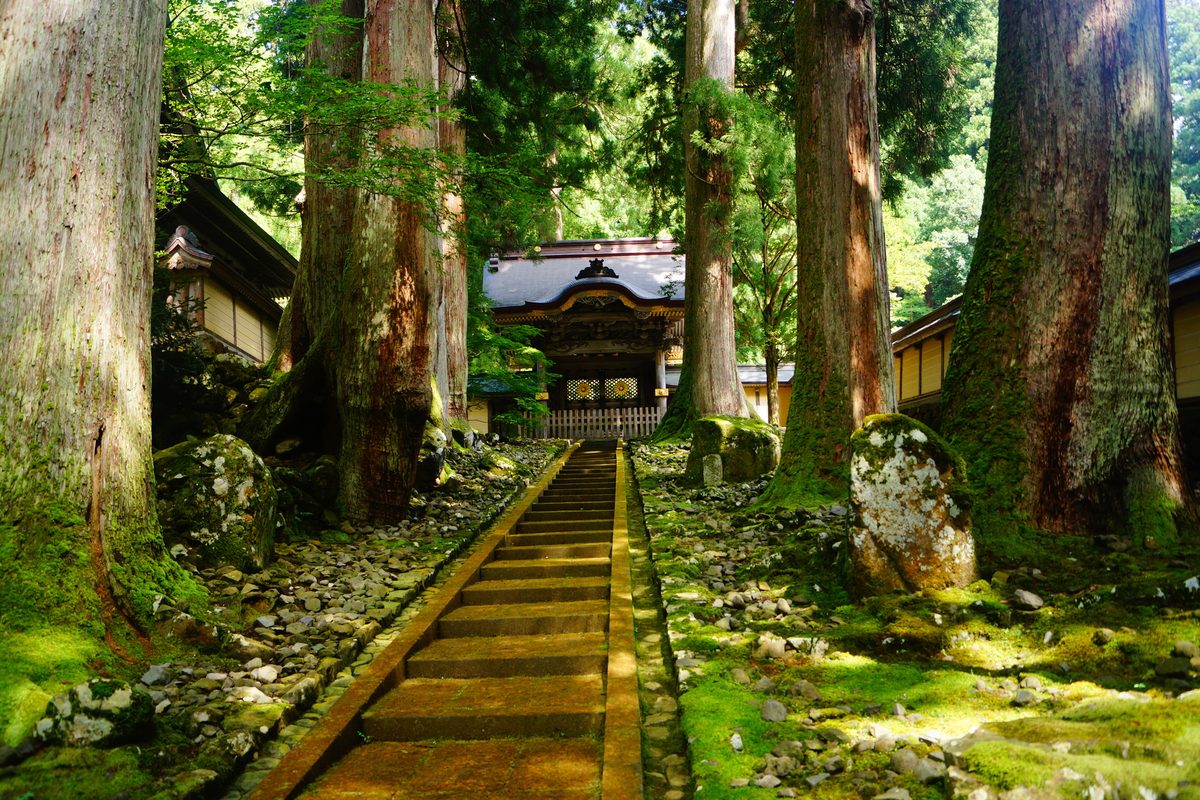
The head training monastery of Soto Zen Buddhism — founded by Dogen Zenji in 1244, still home to 150–200 trainee monks undergoing rigorous daily practice. The 70 temple buildings are connected by wooden corridors through ancient cedar forest. Visitors enter freely but must observe strict silence — this is a living, active monastery, not a museum.
Fukui Prefectural Dinosaur Museum
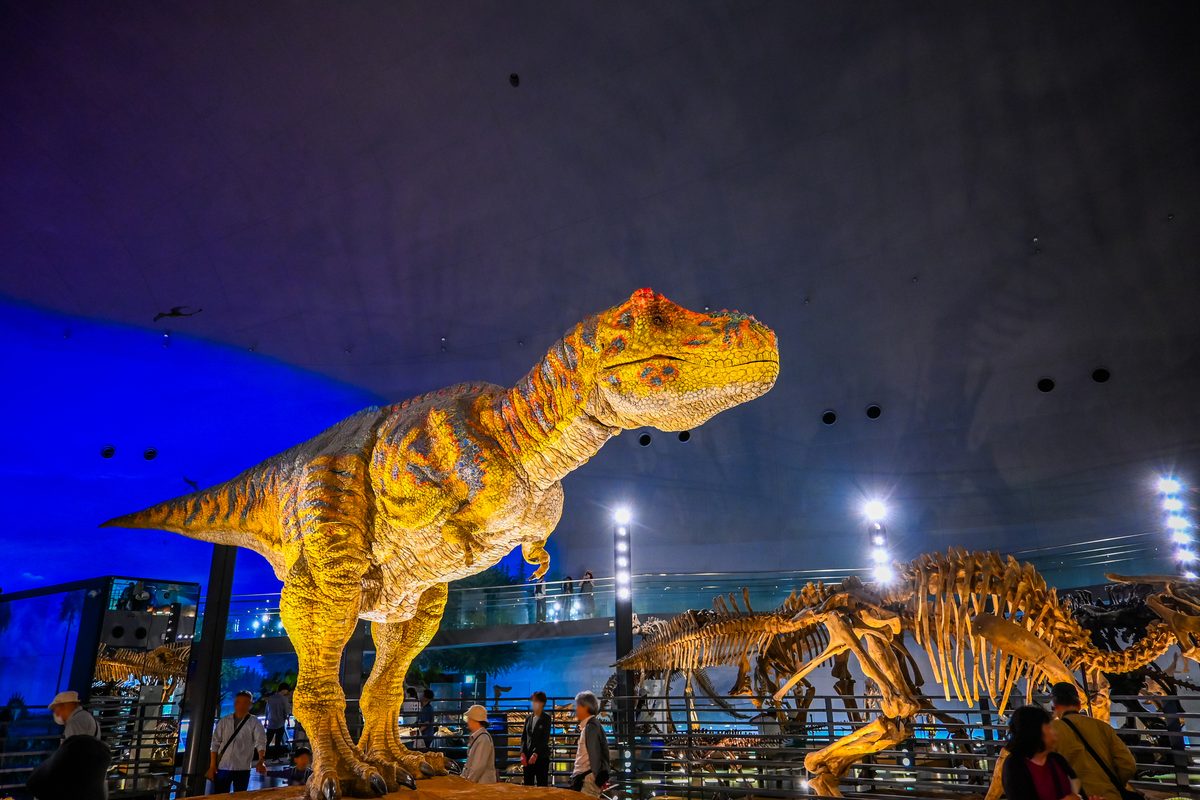
Japan's top dinosaur museum and one of the world's finest — Fukui has produced more dinosaur species than any other prefecture (8 species named, including Fukuiraptor and Fukuisaurus). The museum holds 44 complete skeletons and over 1,000 fossils in a massive domed building beside the active dig site at Kitadani.
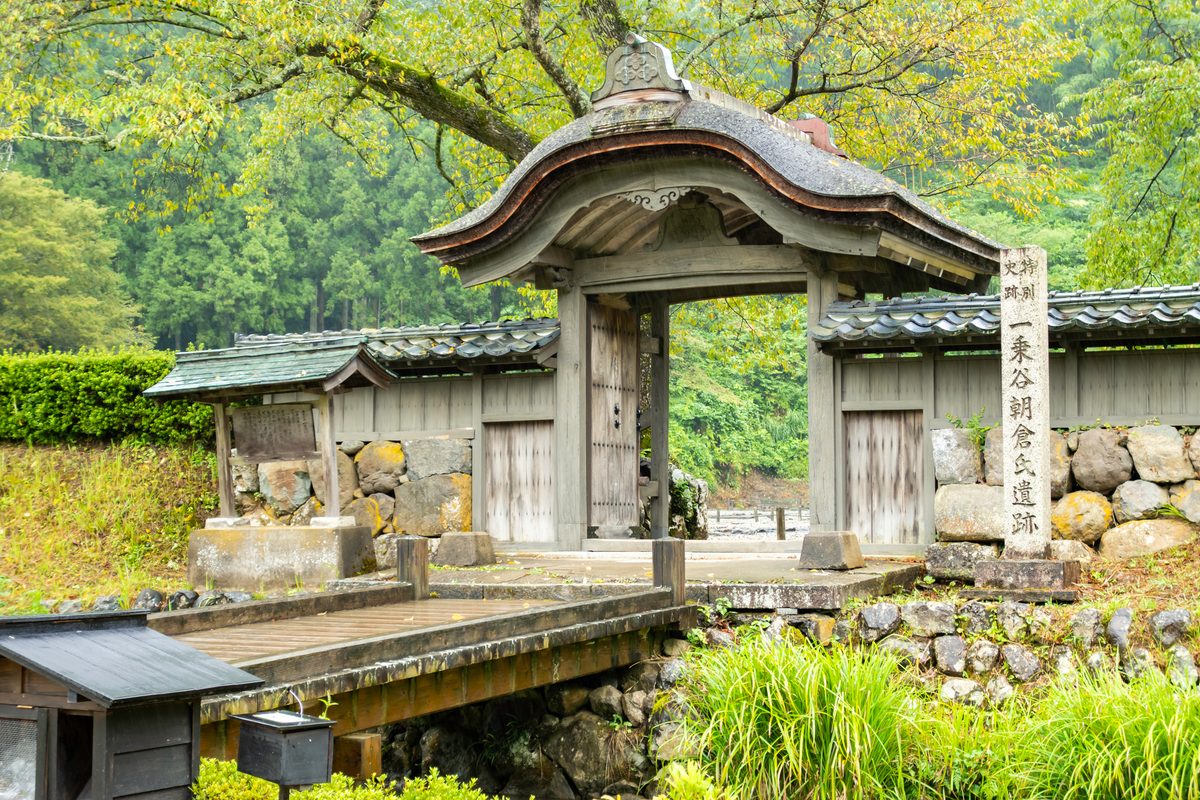
Ichijodani Asakura Clan Ruins
An entire medieval city frozen in time — the Asakura clan ruled Echizen from this valley for 103 years (1471–1573), building a city of 10,000 people. When Oda Nobunaga burned it to the ground in 1573, it was abandoned and buried. Excavations since 1967 have revealed complete urban infrastructure: streets, buildings, and gardens precisely as they were the day it burned.
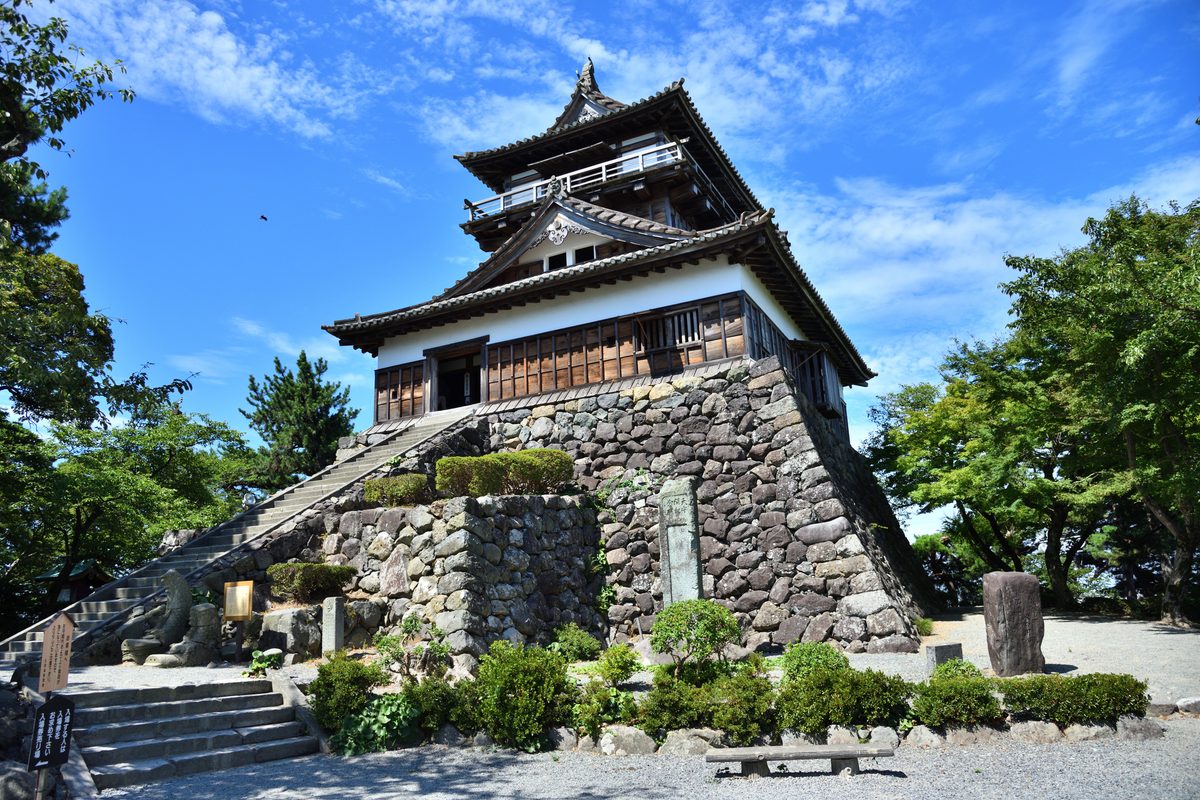
Maruoka Castle
One of Japan's twelve surviving original castle keeps — a small three-storey tower built in 1576, making it one of the oldest in Japan. The castle is nicknamed "Kiri-no-Shiro" (Misty Castle) for the sea fog that rolls in from Fukui's coast to surround it. The steep wooden stairs inside are the most authentic of any remaining castle in Japan.
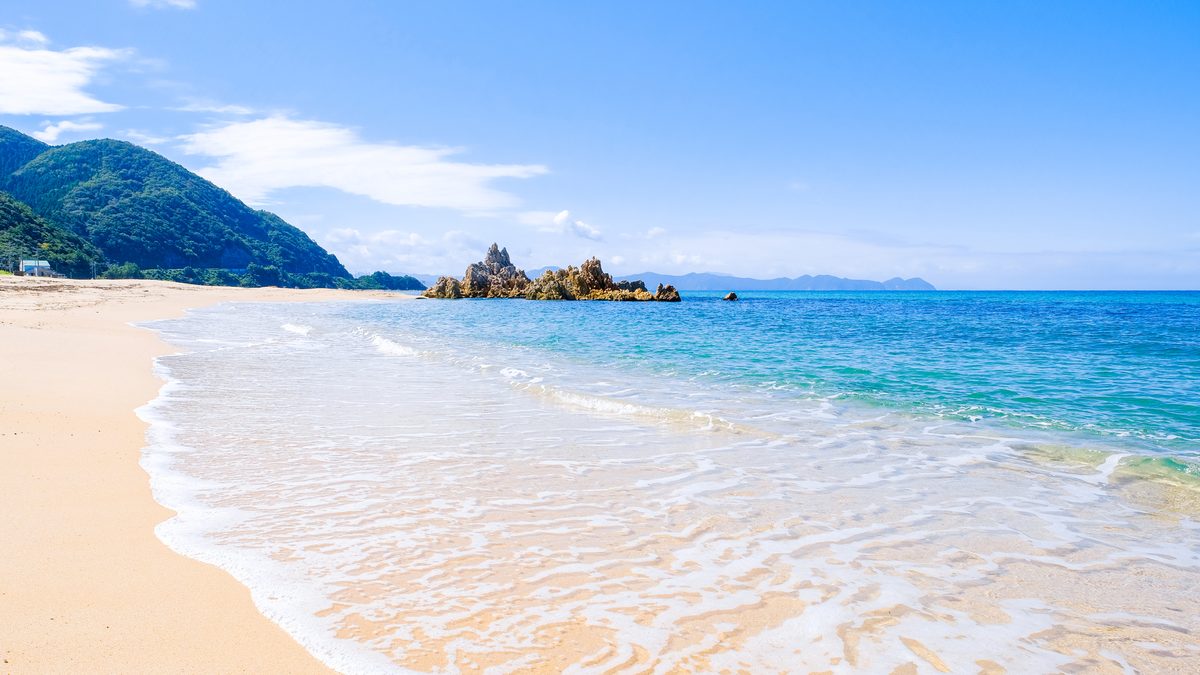
Mihama — Wakasa Bay Coast
The Wakasa Bay coast is Fukui's finest natural asset — a series of white sand beaches, rocky headlands, and fishing hamlets along the Wakasa Wan Quasi-National Park. Suishohama beach is sometimes called Japan's "tropical beach" for its clear turquoise water, while the Sotomo coast has sea caves and natural arches.
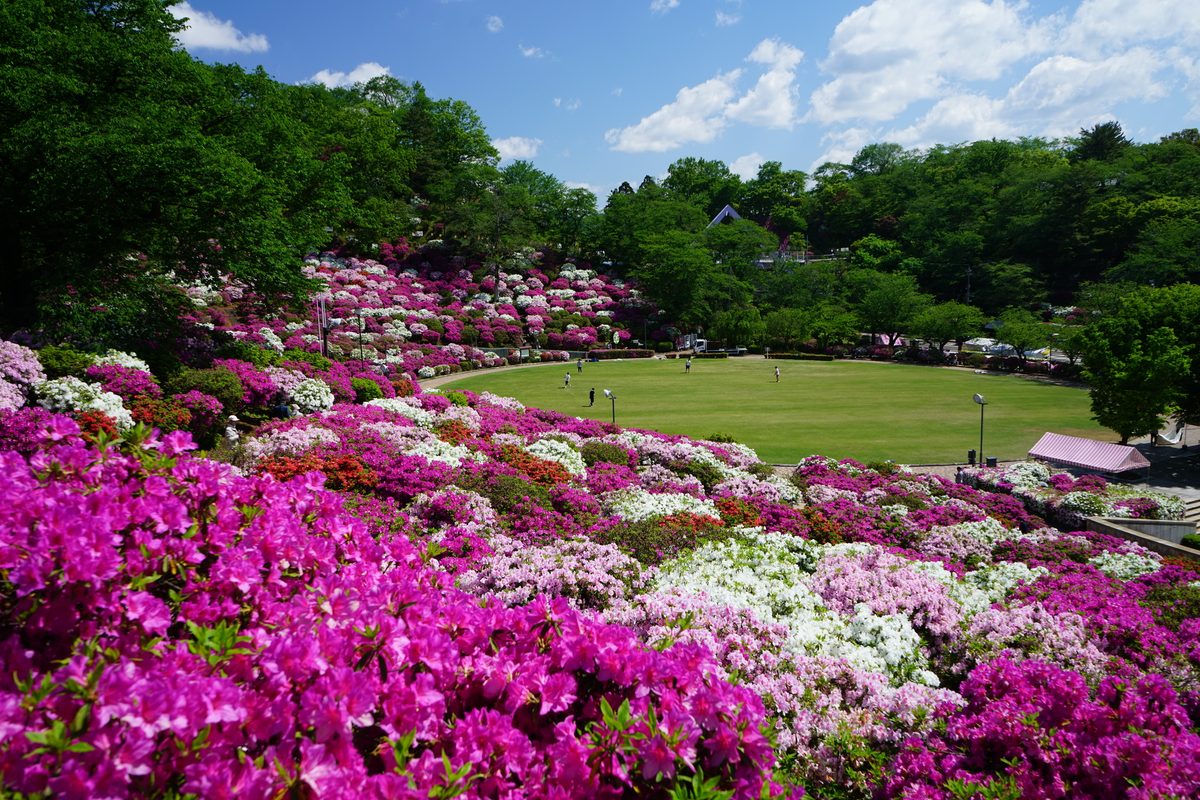
Nishiyama Park Azaleas
A hillside park above Sabae City with 100,000 azalea plants (50 varieties) covering the slopes in mid-May — one of Japan's top three azalea spectacles. The park also has Japan Sea views, deer wandering freely through the flower fields, and a small deer enclosure.
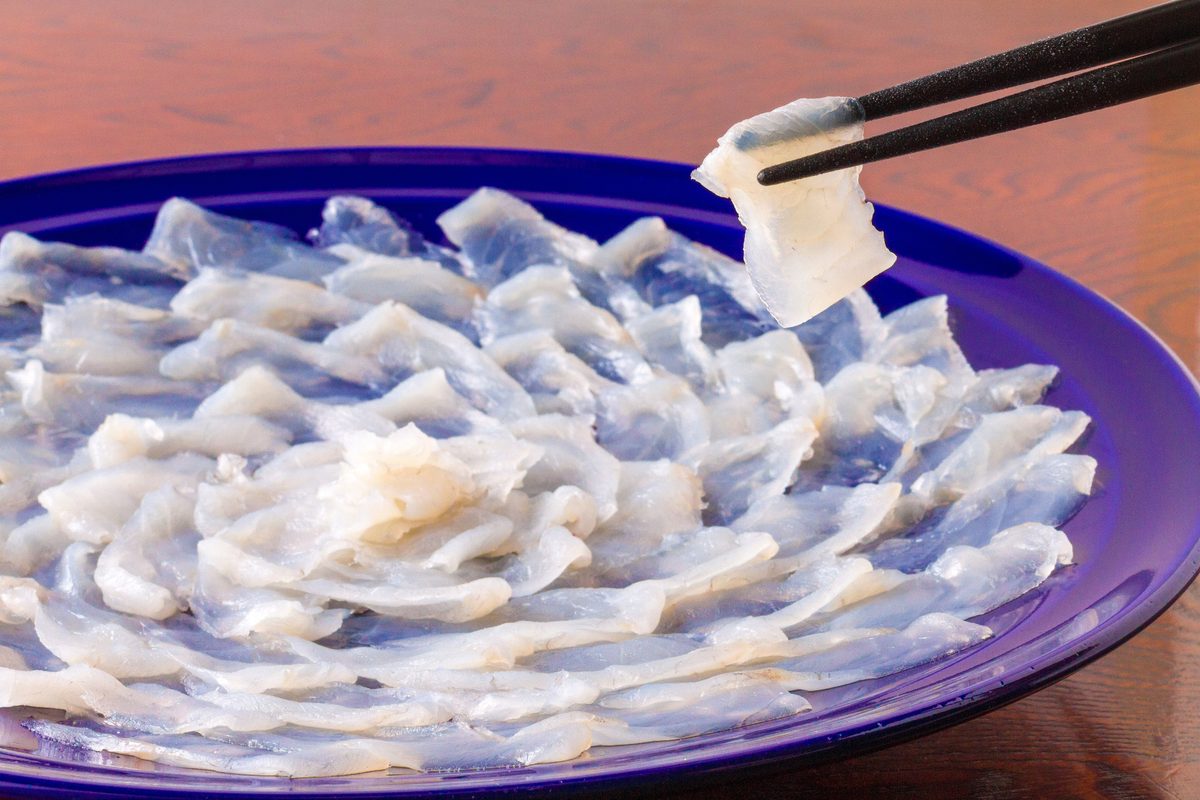
Obama — Ancient Food Capital
Obama City (no relation to the US president) was the primary supplier of fresh seafood to the ancient capital Nara — the "Obama Road" carried saltwater fish inland 75km to the imperial court. Today the city has 120 varieties of fresh Wakasa Bay fish served at harbour restaurants, and the Mackerel Street (Saba Kaido) cultural route traces the original delivery route.
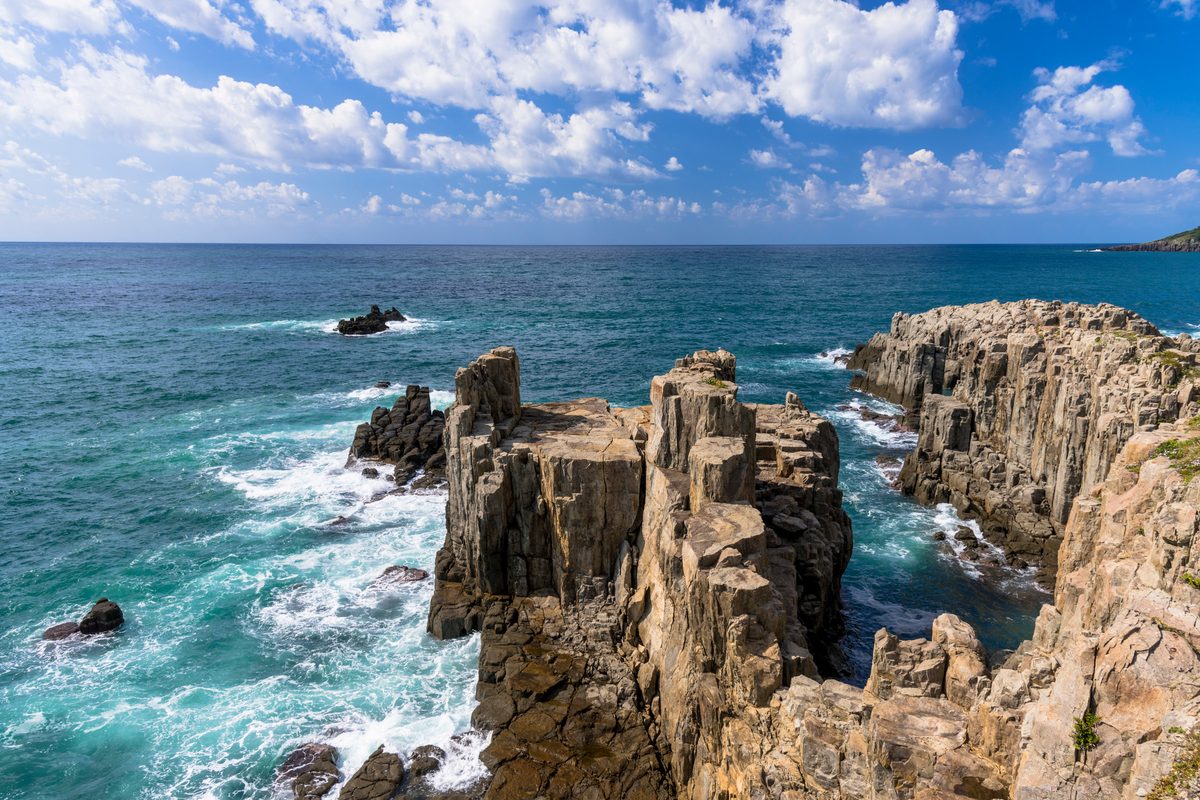
Tojinbo Cliffs
A 1km stretch of basalt sea cliffs rising 20–25 metres from the Japan Sea — formed by volcanic cooling 12–13 million years ago and eroded into hexagonal columns by wave action. One of only three such geological formations in the world. The columns are visible at low tide from the observation platforms on the clifftop, and sightseeing boats pass close to the base.
Advertisement
When to Visit Fukui
Peak spots by season — ordered by best match.
More from Hokuriku
Other prefectures in the same region
Ready to visit Fukui?
Let AI build a personalized day-by-day itinerary based on your interests and travel style.
Create a Fukui Itinerary