
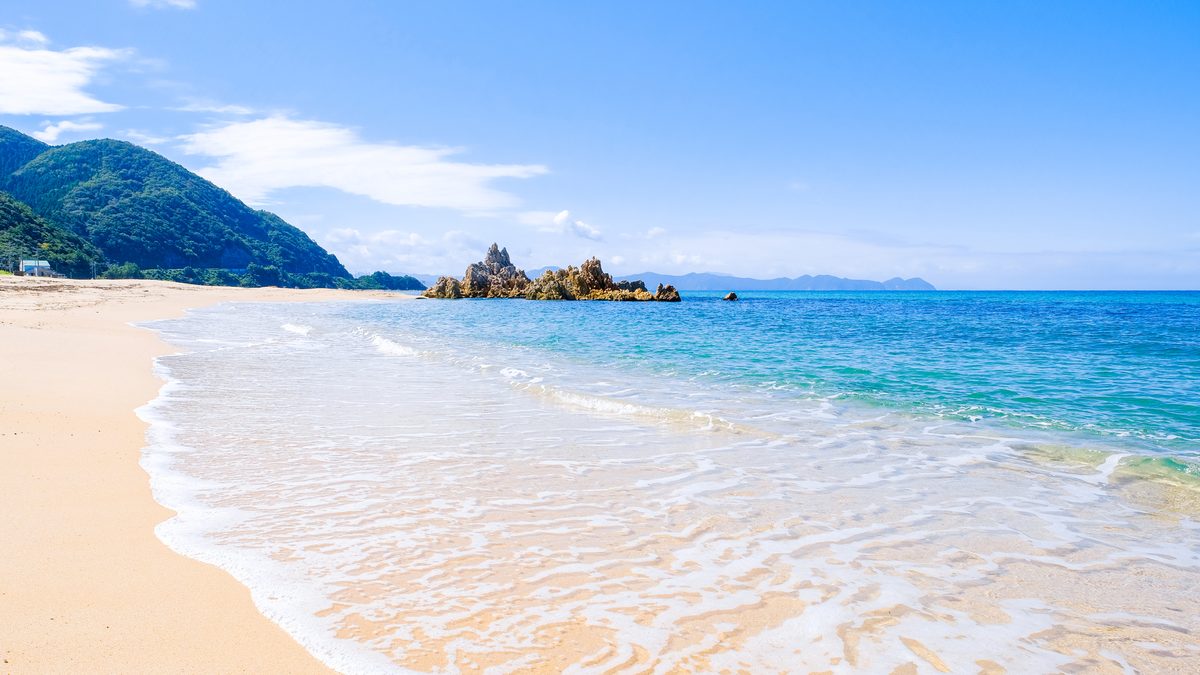
Mihama — Wakasa Bay Coast
The Wakasa Bay coast is Fukui's finest natural asset — a series of white sand beaches, rocky headlands, and fishing hamlets along the Wakasa Wan Quasi-National Park. Suishohama beach is sometimes called Japan's "tropical beach" for its clear turquoise water, while the Sotomo coast has sea caves and natural arches.
Half day
Free
Beach: always open; tourist facilities: May–Sep peak
July–August (swimming), Year-round (coastal scenery)
Mihama Station on JR Obama Line (from Tsuruga, 35 min)
Location
Why Visit
- 1
Suishohama Beach: turquoise water over white sand — the clearest Japan Sea beach in Honshu
- 2
Sotomo sea caves and natural arches accessible by sightseeing boat in 20 minutes
- 3
The coast road cycling route connects 12 fishing villages in 50km with sea views throughout
Local Tips
The Wakasa Bay coast around Mihama has some of Fukui's best beaches — clear water, white sand, and pine forests typical of the Japan Sea coast. The Obama–Wakasa area nearby has its own UNESCO-related history as the source of fresh fish for Kyoto (the Saba Kaido mackerel road). Tie-dye (somemonoshop) workshops are a local craft activity.
Add to your AI itinerary
Let AI build a multi-day trip around this spot.
Advertisement
More in Fukui
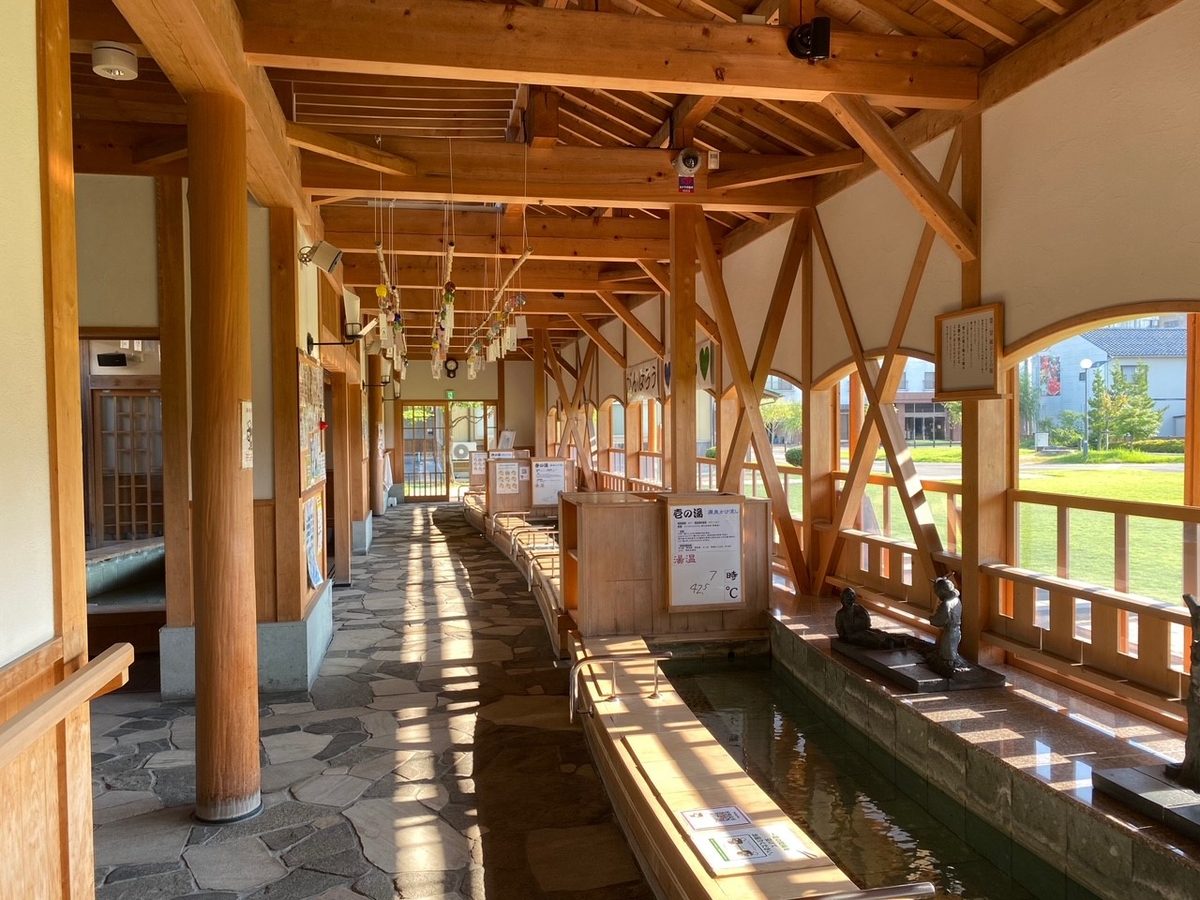
Awara Onsen
Fukui's most celebrated hot spring resort — a traditional geisha town discovered when a farmer struck boiling water while digging in 1883. The resort was the setting for Izumi Kyoka's novel "The Holy Man of Mt Koya" and is considered Hokuriku's most atmospheric onsen town. The Yukemuri Yokocho alley has free public foot baths and evening geisha performances.
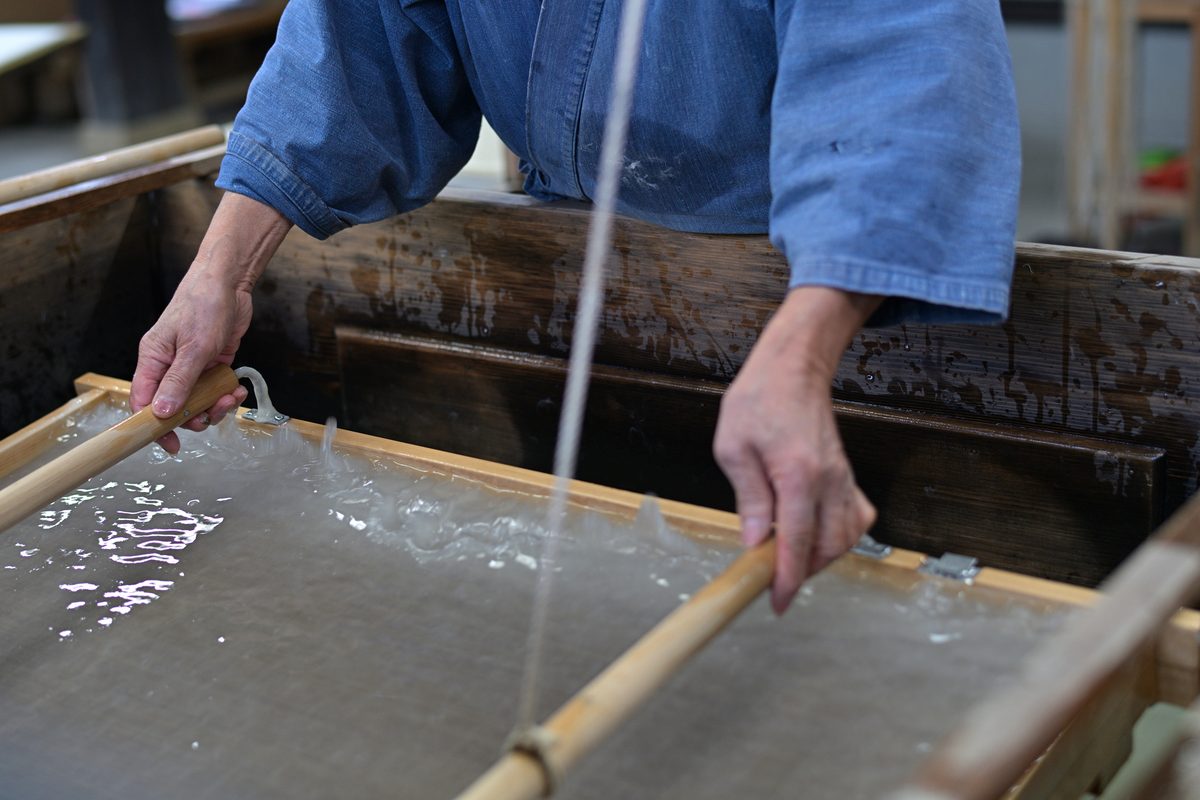
Echizen Washi Village
The birthplace of Japanese paper (washi) — Echizen has been producing paper for 1,500 years, longer than any other region. The Papyrus Museum and Paper Village (Udatsu no Kamimachi) have 10 working paper studios where visitors can make their own sheets using 1,500-year-old techniques. Echizen paper is used for official government documents and National Treasure restoration.
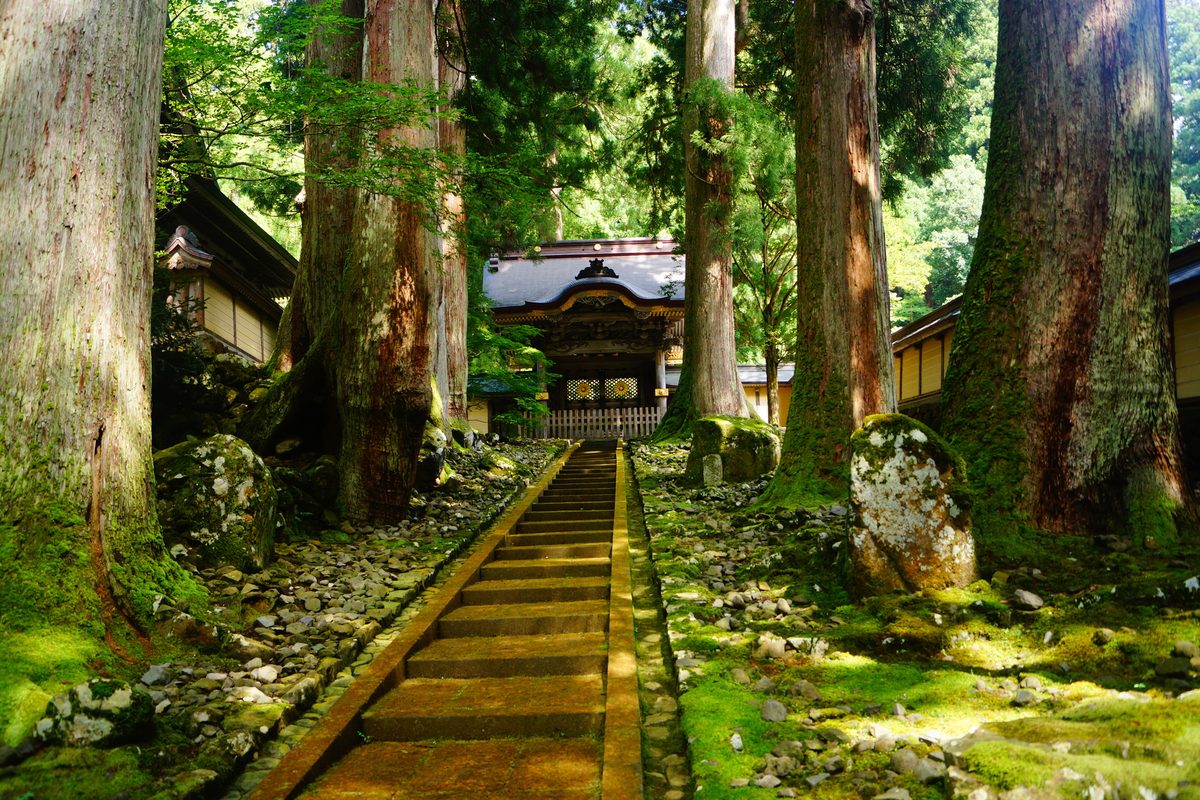
Eiheiji Temple
The head training monastery of Soto Zen Buddhism — founded by Dogen Zenji in 1244, still home to 150–200 trainee monks undergoing rigorous daily practice. The 70 temple buildings are connected by wooden corridors through ancient cedar forest. Visitors enter freely but must observe strict silence — this is a living, active monastery, not a museum.