
Toyama Travel Guide
Toyama's defining feature is contrast: the Tateyama Kurobe Alpine Route cuts through 3,000-metre peaks draped in snow walls up to 20 metres high, while below, Toyama Bay delivers some of Japan's most exceptional seafood — firefly squid, white shrimp, and prized buri yellowtail all celebrated nationally.
Hidden Gems in Toyama
Hand-picked spots off the tourist trail — all personally curated.
Gokayama — Ainokura Village
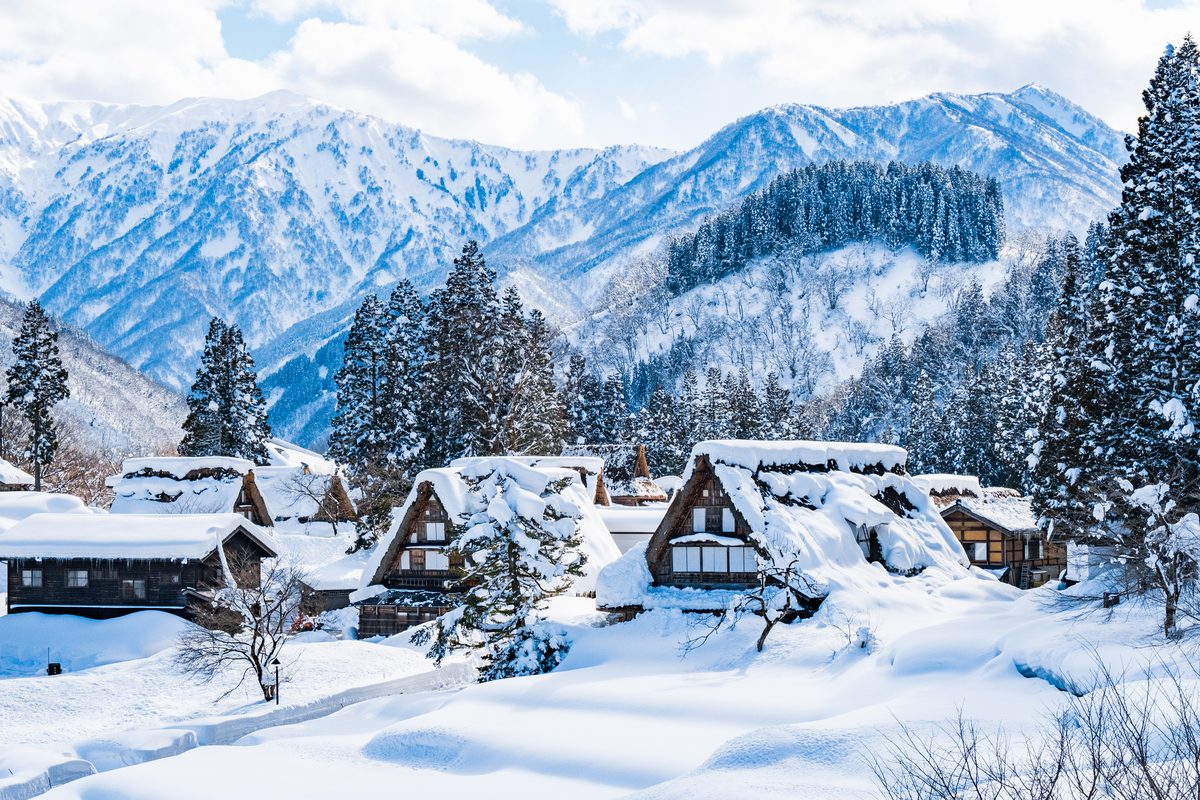
A UNESCO World Heritage village of gassho-zukuri thatched farmhouses — sister designation to nearby Shirakawa-go but even more remote and almost entirely tourist-free on weekdays. The Ainokura hamlet of 20 farmhouses sits in a narrow mountain valley with no convenience stores or chain restaurants — a genuine time capsule of mountain life.
Himi Fisherman's Wharf
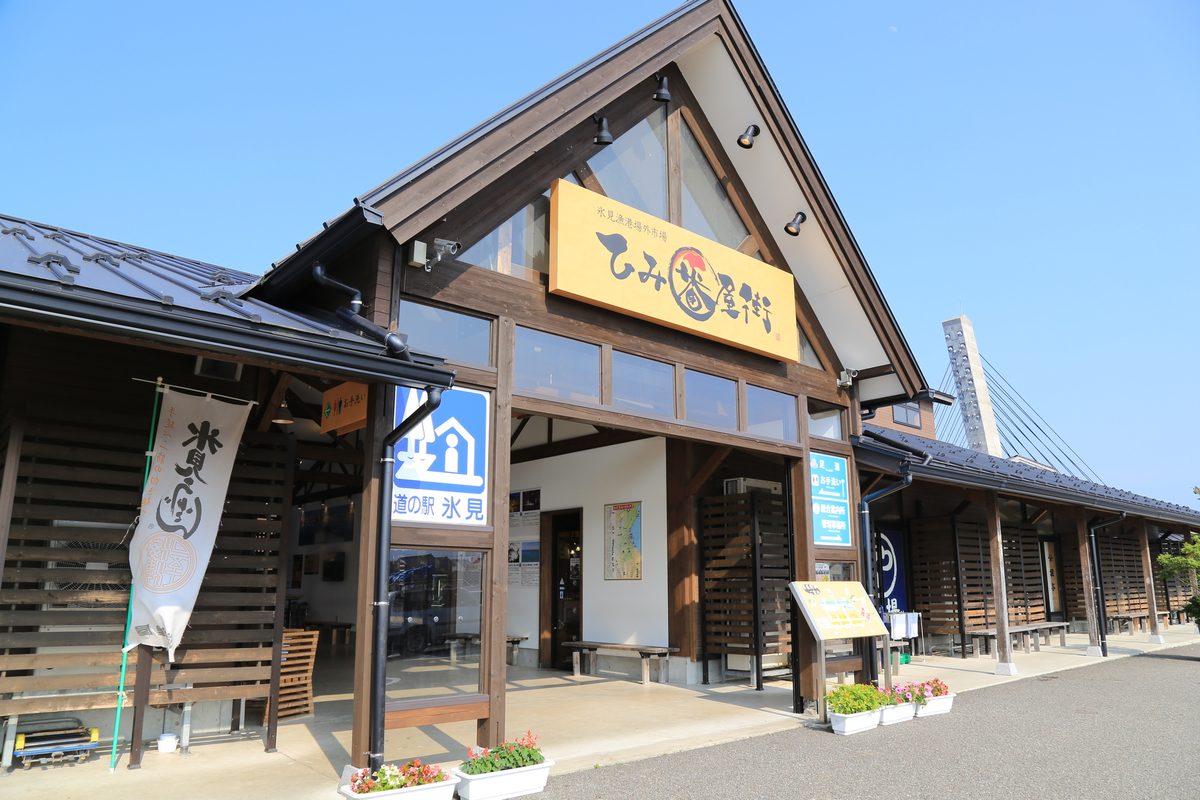
Himi is Japan's most celebrated fishing port for buri (wild yellowtail tuna) — the cold winter buri from Toyama Bay, fed on rich upwelling nutrients, are prized above all others. The Icchome Ichiba market beside the harbour serves buri shabu-shabu, crab, and fresh shiro-ebi in a glass building overlooking the Tateyama mountain range and the sea simultaneously.
Hotaruika — Firefly Squid Season
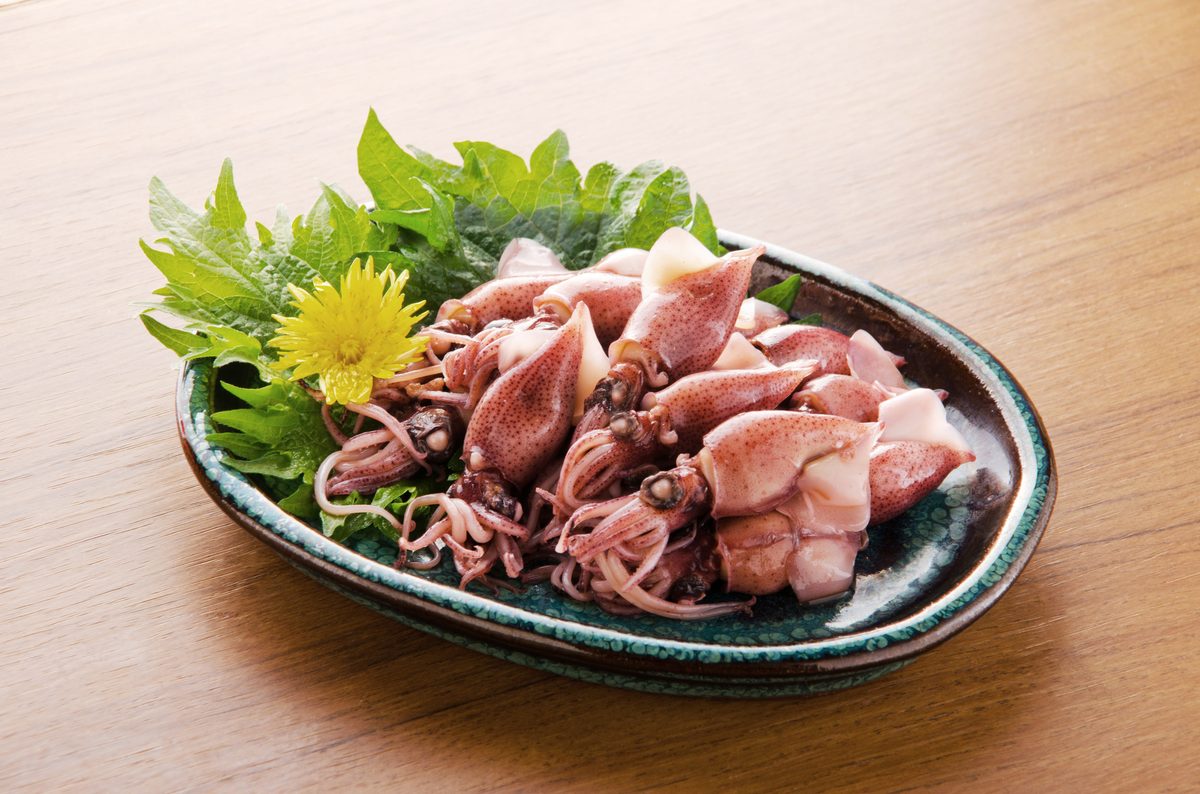
Every spring (March–June), Toyama Bay hosts the world's largest aggregation of hotaruika (firefly squid) — bioluminescent squid that glow blue while spawning in shallow water at dawn. The Namerikawa coast dawn spectacle is one of Japan's most extraordinary natural phenomena, and the fresh firefly squid served same-morning at local restaurants is impossible to find anywhere else.
Kurobe Dam
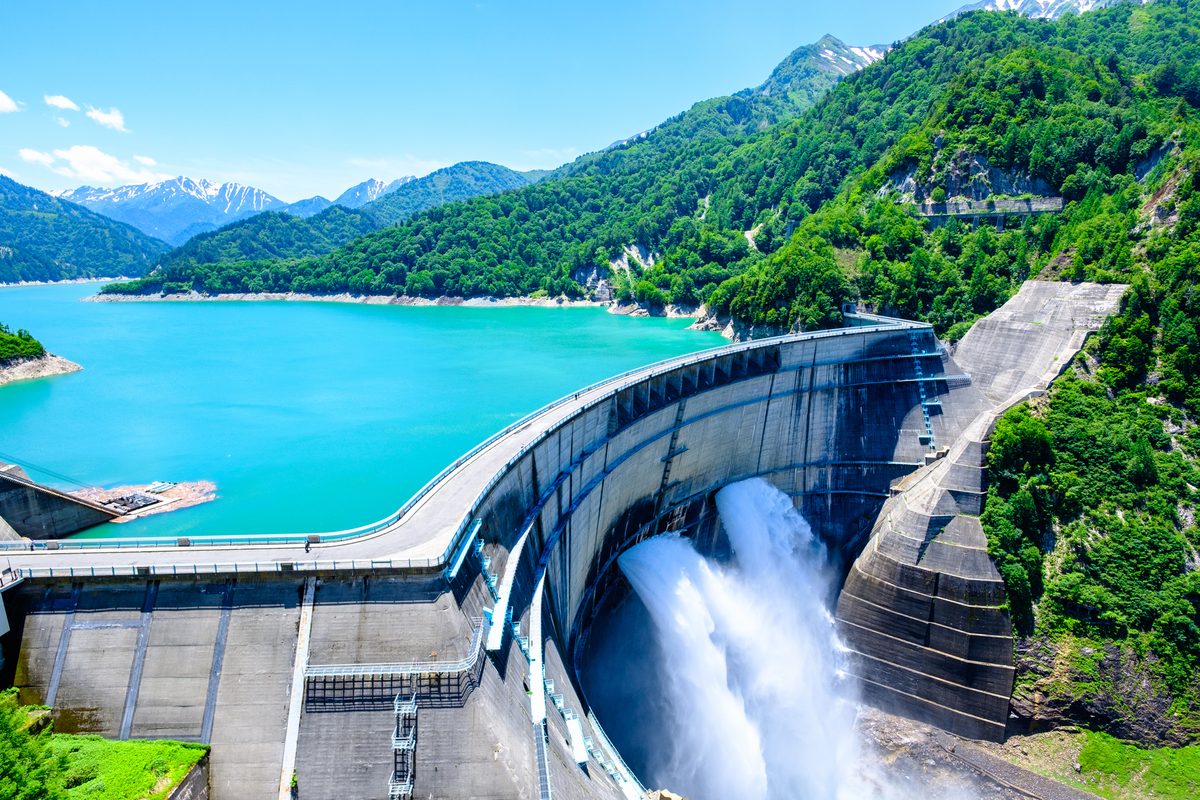
Japan's largest dam — 186 metres tall and 492 metres wide, built between 1956–1963 at enormous human cost (171 workers died) in the heart of the Tateyama-Kurobe Alpine Route. The dam discharge in summer (late June–mid-October) is an extraordinary spectacle: 15 tonnes of water per second arching from the face. The turquoise Kurobe Lake behind it stretches 6km into the Alps.
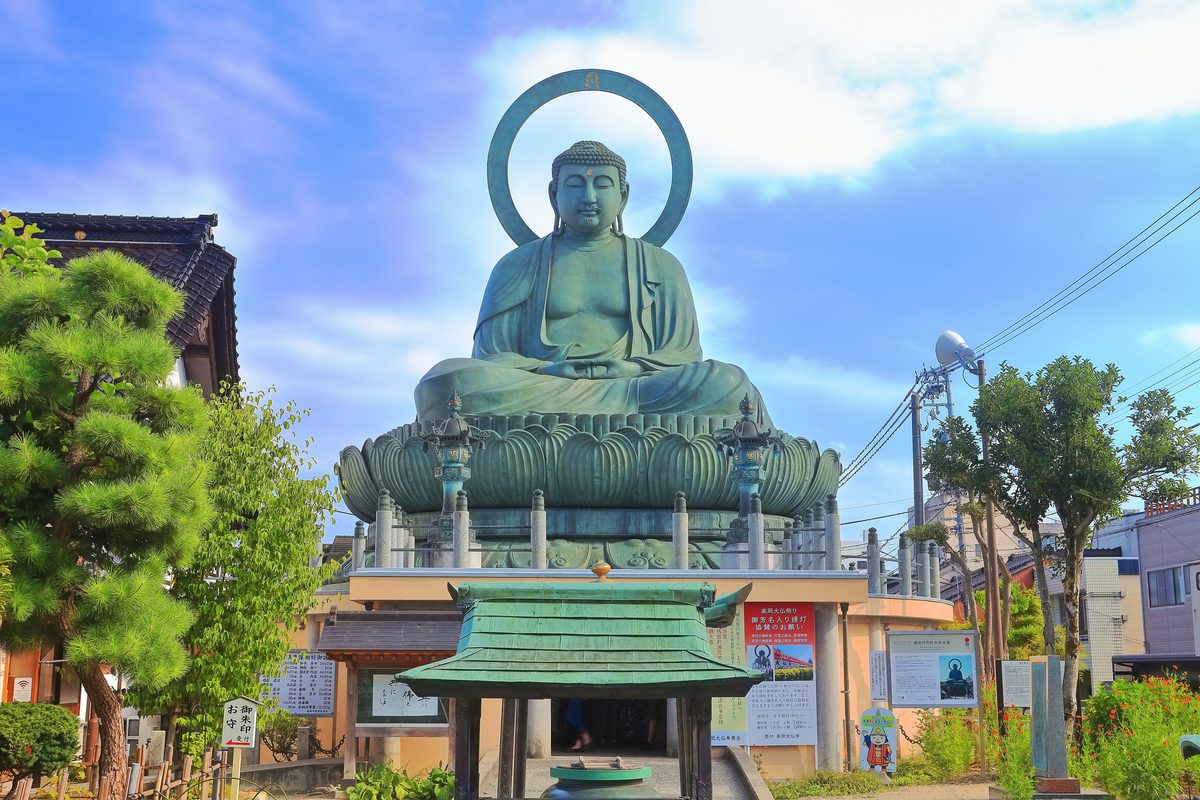
Takaoka — Casting City & Great Buddha
Takaoka has been Japan's copper and bronze casting capital for 400 years — its craftsmen produce Buddhist temple bells, lacquerware, and the famous Takaoka Daibutsu (one of Japan's three great Buddha statues). The Kanaya-machi casting district preserves original Edo foundry townhouses, and the metalwork sold in shops represents 1,000 years of technique.
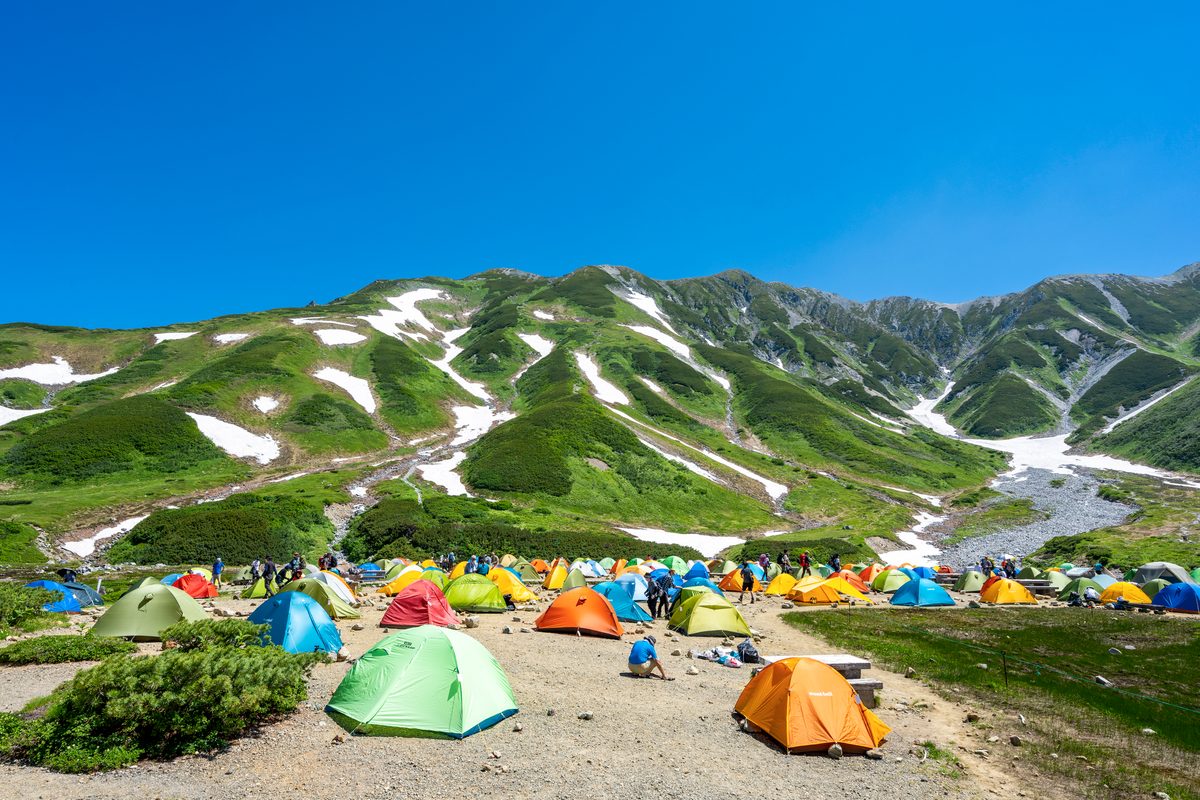
Tateyama-Kurobe Alpine Route
Japan's most dramatic mountain traverse — crossing the Northern Alps (3,000m+) via six forms of transport including Japan's highest trolley bus and a ropeway over volcanic terrain. The Snow Wall (Yuki no Otani) in April–June is 20 metres tall, and Murodo plateau is an exposed moonscape of volcanic rocks and alpine ponds above the treeline.
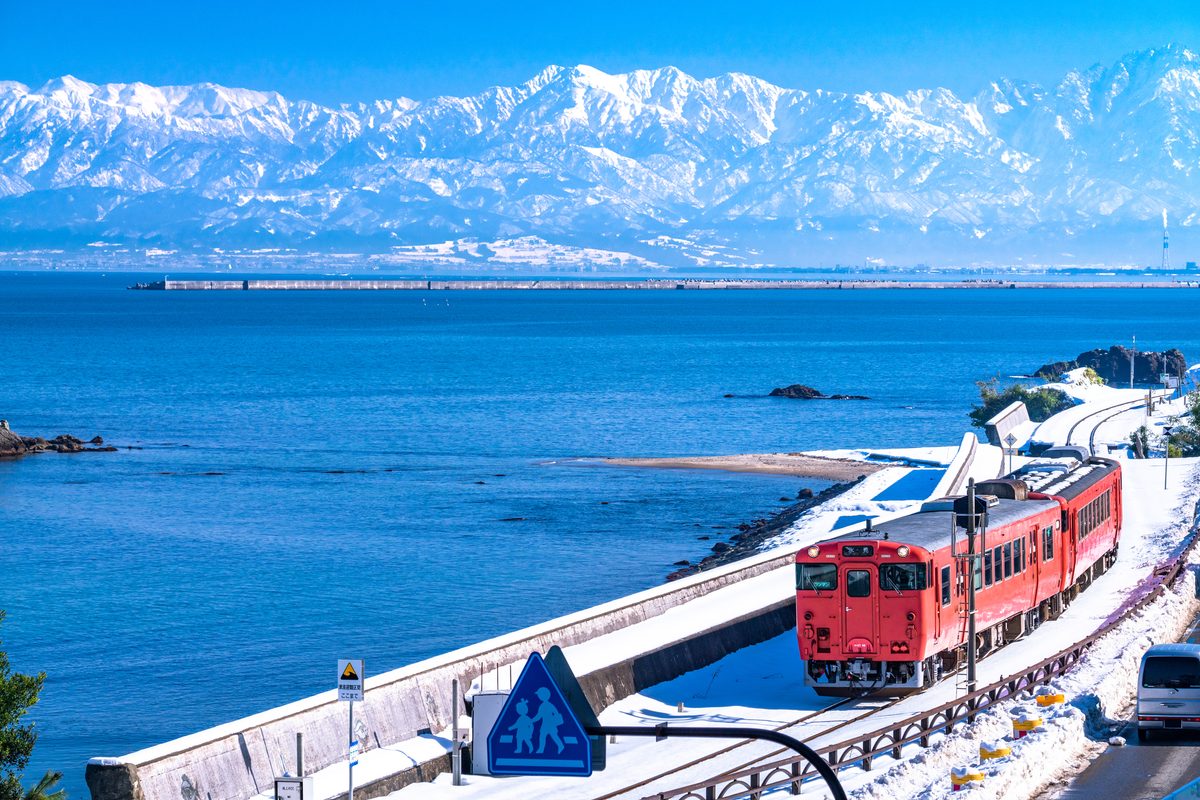
Toyama Bay — Japan's Natural Fish Tank
Toyama Bay drops from 0 to 1,000 metres within a few kilometres — a unique underwater topography creating such rich upwelling currents that UNESCO called it "Japan's natural fish tank." The bay produces shiro-ebi (white shrimp, found nowhere else), buri (yellowtail tuna), and hotaruika. The seafood-focused morning markets at Shinminato Uoichiba are extraordinary.
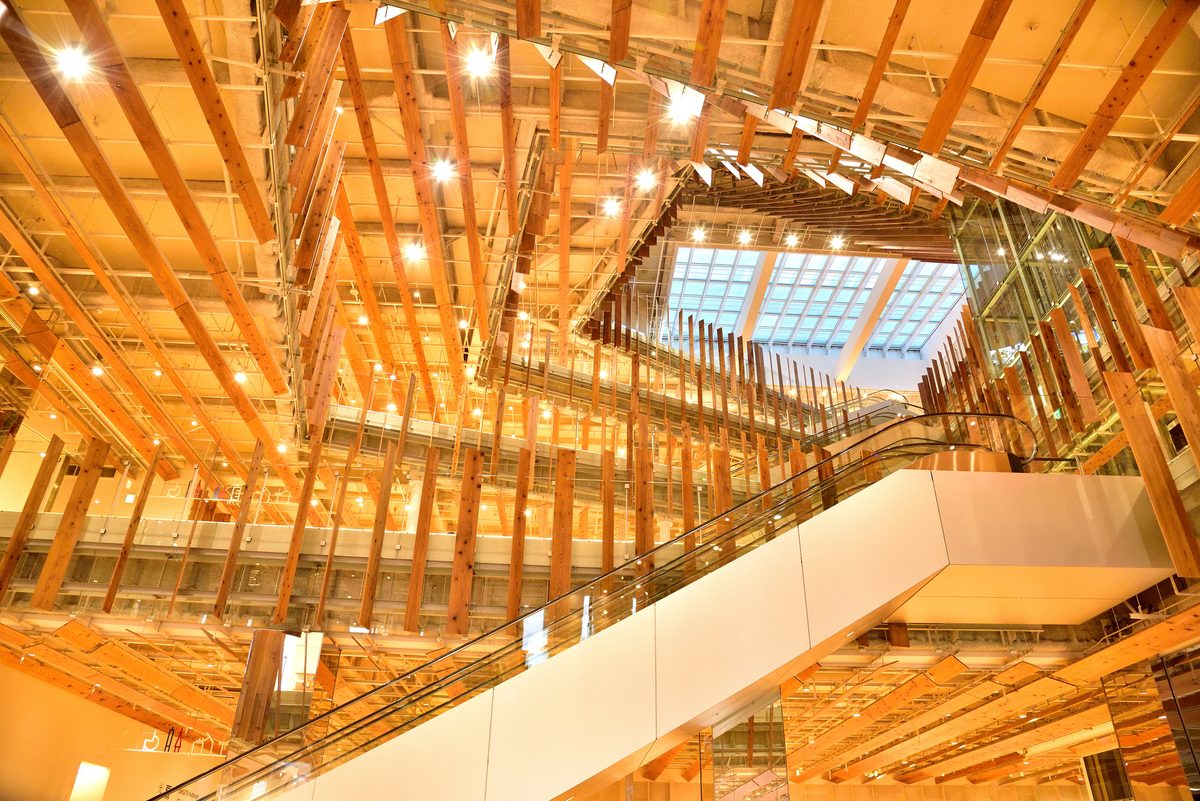
Toyama Glass Art Museum
A stunning museum designed by Kengo Kuma — a layered glass and wood structure in the heart of Toyama City housing one of the world's finest contemporary glass art collections. The permanent collection features Dale Chihuly's massive ceiling installation, and the building itself is integrated into the old Sogawa townscape with canals and weeping cherry trees.
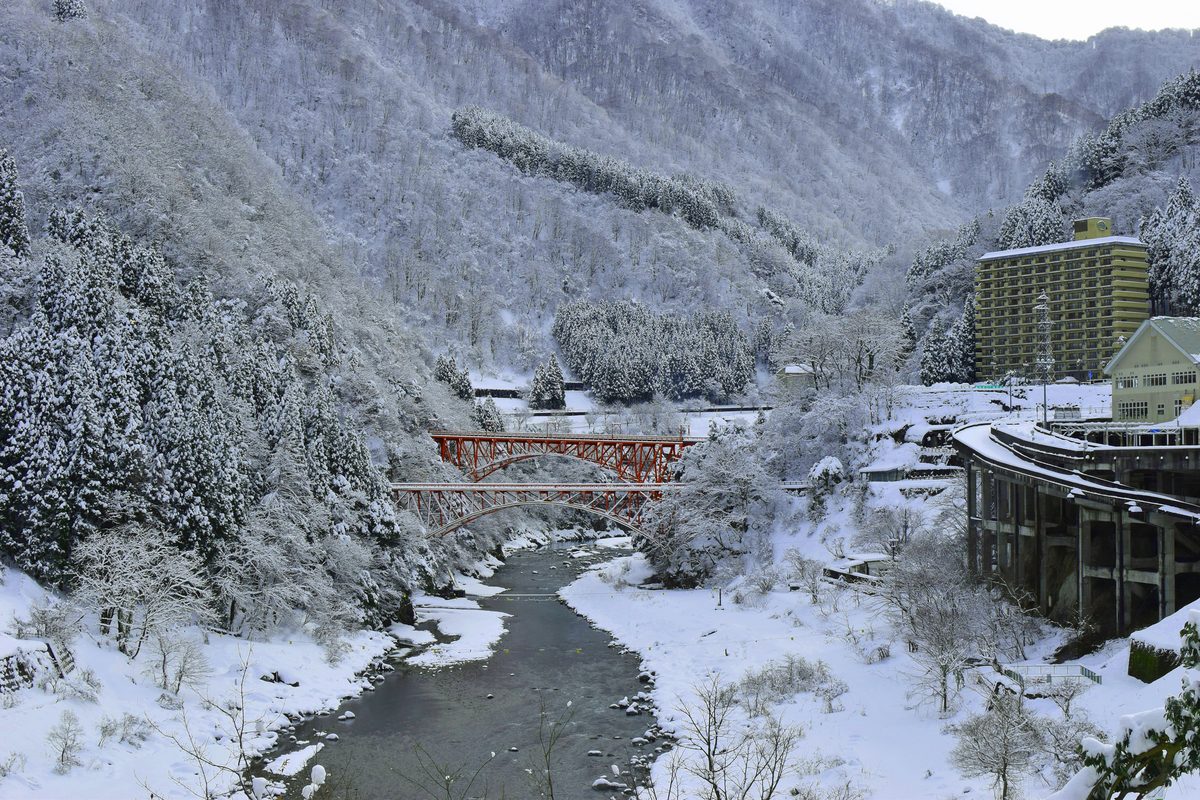
Unazuki Onsen
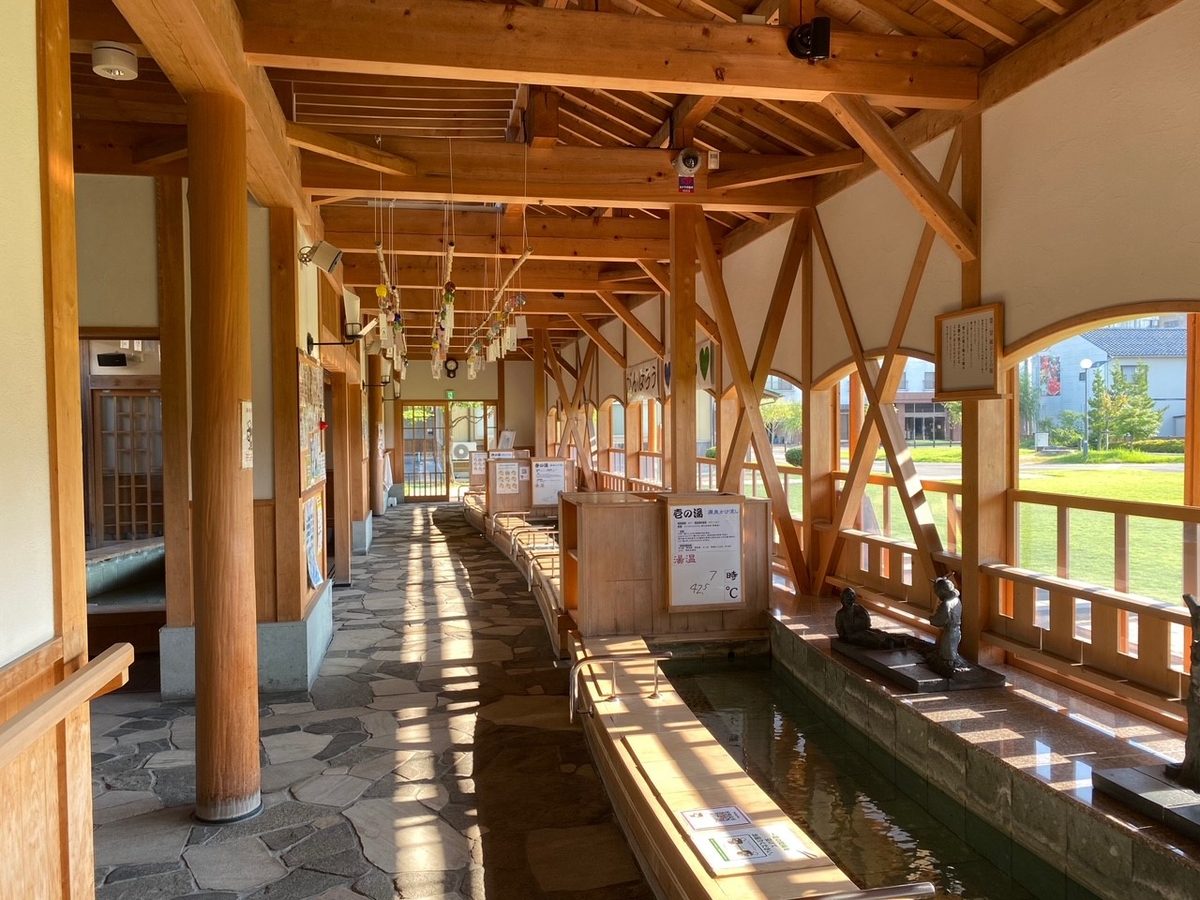
A deep gorge onsen resort at the mouth of the Kurobe River canyon — the starting point of the Kurobe Gorge Railway (Torokko train), which follows 20km of sheer cliffs into the mountains. The hot spring water (alkaline, 97°C at source) is piped 6km from the source in the gorge to the resort. The canyon walls are 200m tall beside the train.
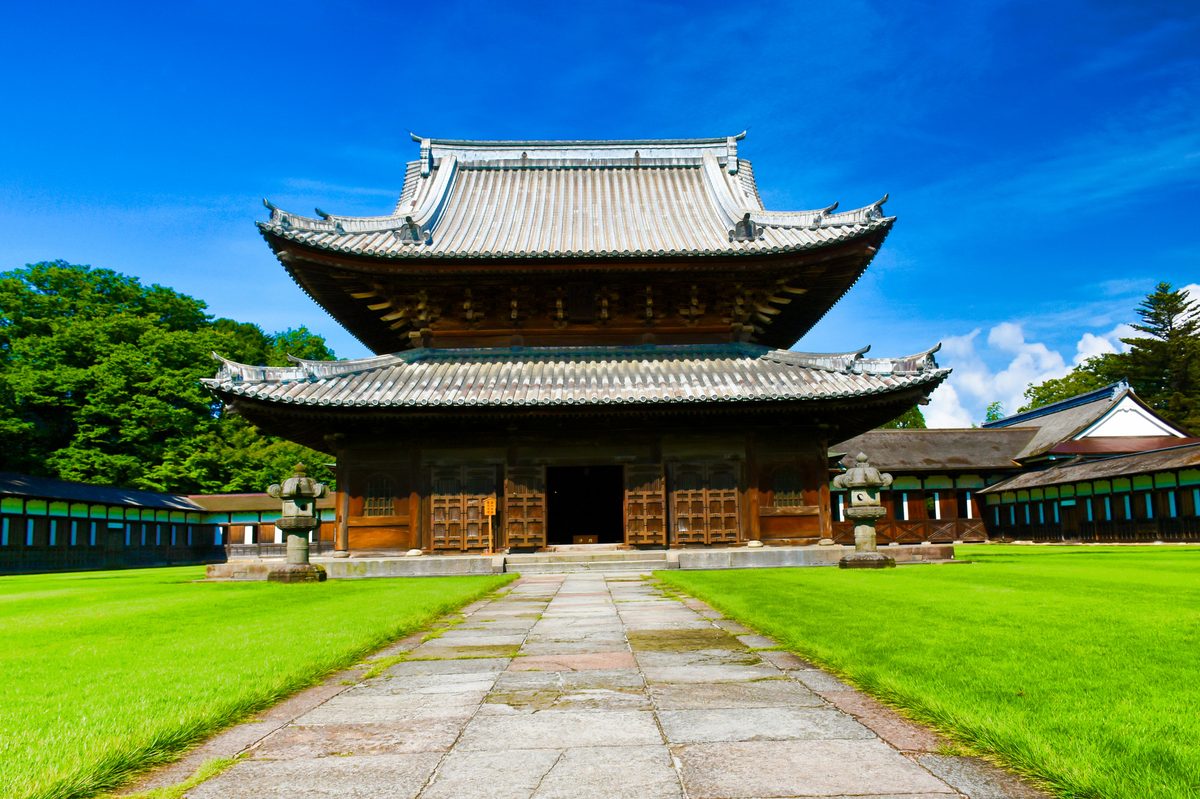
Zuiryuji Temple
The finest Zen temple in the Hokuriku region — a complete Edo-period monastery built in 1659 with an unaltered main gate, Buddha hall, and dry garden aligned on a single axis. Designated a National Treasure, it is considered a perfect example of authentic Soto Zen temple architecture, free from later additions or reconstruction.
Advertisement
When to Visit Toyama
Peak spots by season — ordered by best match.
More from Hokuriku
Other prefectures in the same region
Ready to visit Toyama?
Let AI build a personalized day-by-day itinerary based on your interests and travel style.
Create a Toyama Itinerary