
Niigata Travel Guide
Facing the Japan Sea, Niigata is where rice and sake reach their purest expression. Koshihikari rice from Uonuma, aged in cold humidity, is widely considered Japan's finest. The island of Sado — home to the Kodo taiko drumming tradition, golden mining history, and the elusive toki (crested ibis) — sits offshore like a world apart.
Hidden Gems in Niigata
Hand-picked spots off the tourist trail — all personally curated.
Echigo-Tsumari Art Field
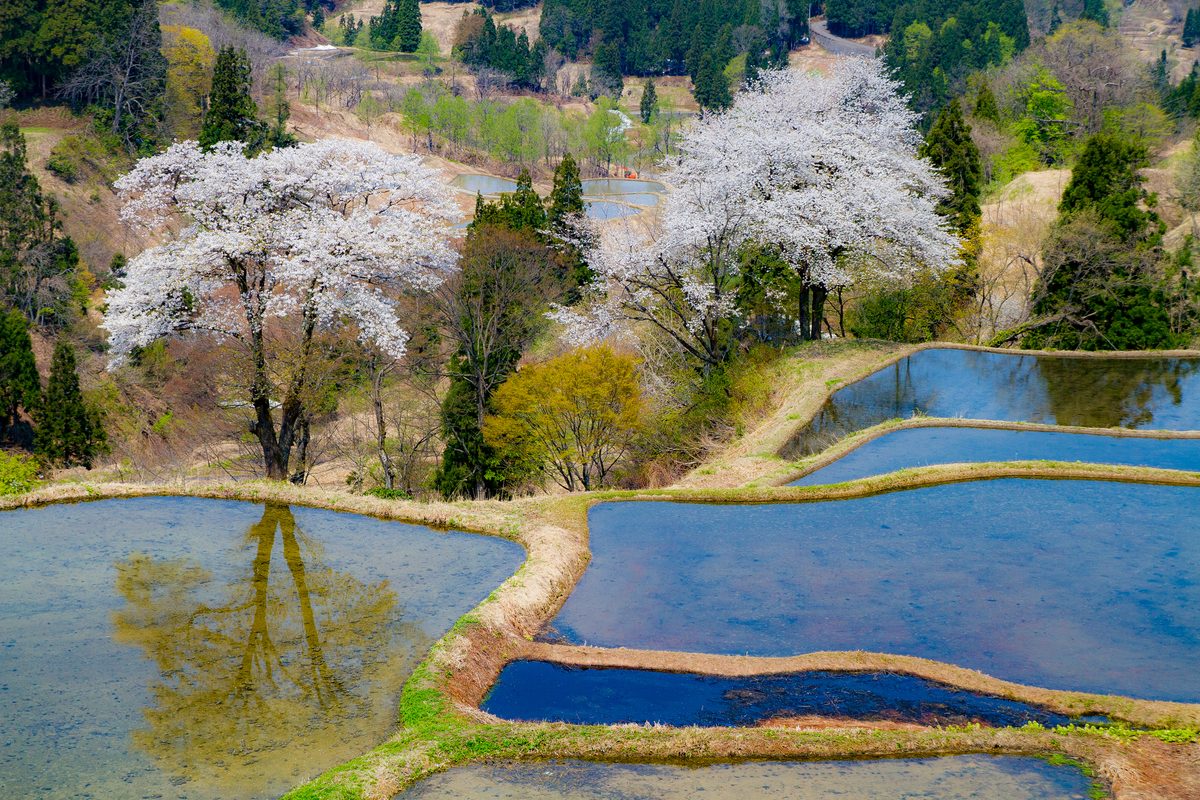
The world's largest outdoor art festival — 760 artworks by 330 artists from 40 countries scattered across 760 square kilometres of rice terraces and mountain villages in the Tokamachi district. Works are permanently installed in farmhouses, forests, and fields, making every rice paddy potentially a gallery. The Tunnel of Light (James Turrell) alone justifies the journey.
Fossa Magna Museum — Itoigawa
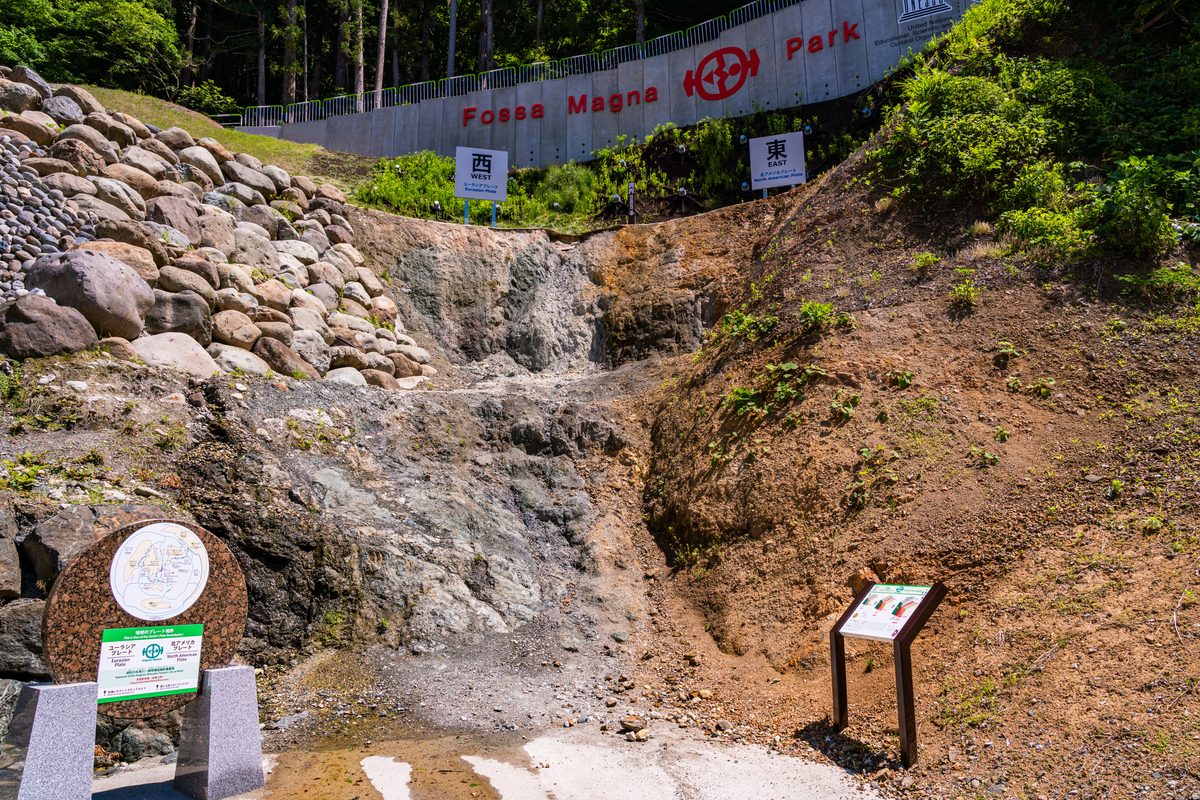
Itoigawa is where the Fossa Magna — the geological rift that divides eastern and western Japan — reaches the Japan Sea. The seabed pebble beaches here produce Japan's finest jadeite: the only place in Japan where you can legally collect jade directly from the beach. The Fossa Magna Museum explains the tectonic drama that created Japan.
Myoko Kogen
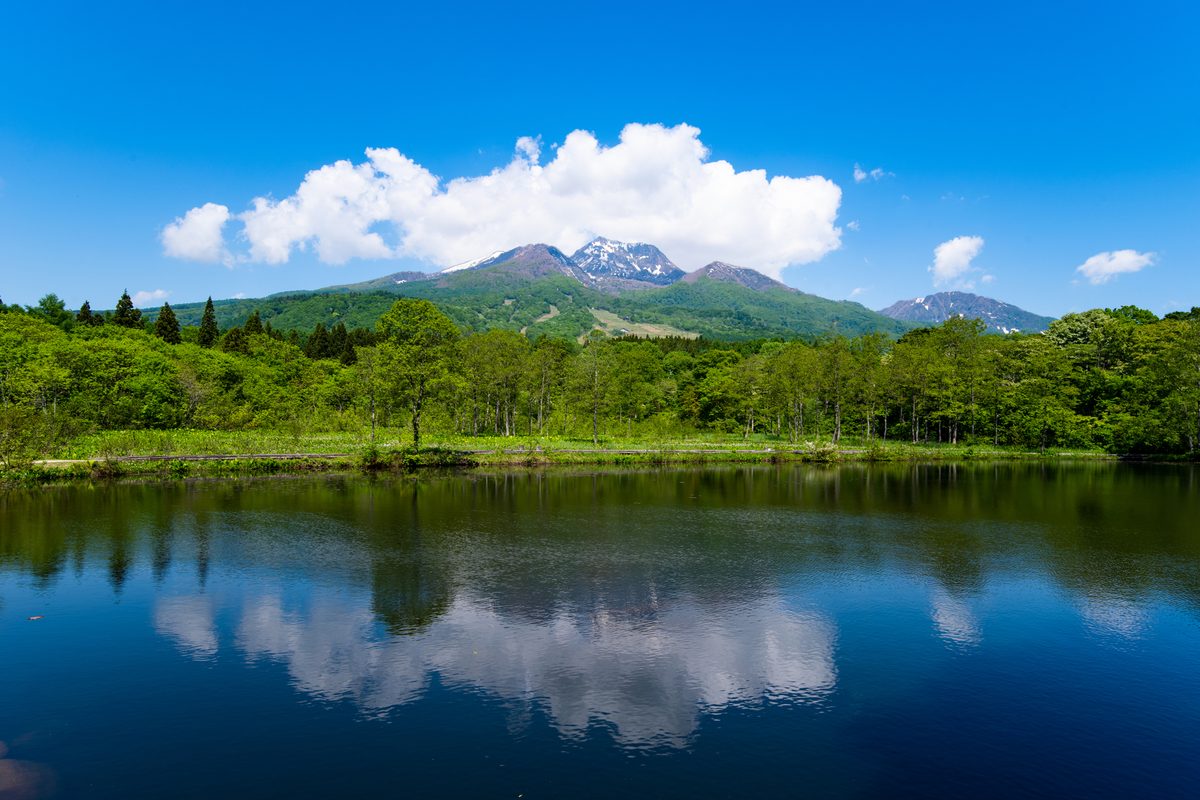
A volcanic highland with one of Japan's deepest consistent powder snowfalls — 10–15 metres per season make Myoko one of the world's top powder destinations alongside Niseko. The hot spring town has operated for 1,200 years, and summer brings lush beech forests, wildflower meadows, and paragliding above the volcanic crater lakes.
Naeba Ski Resort
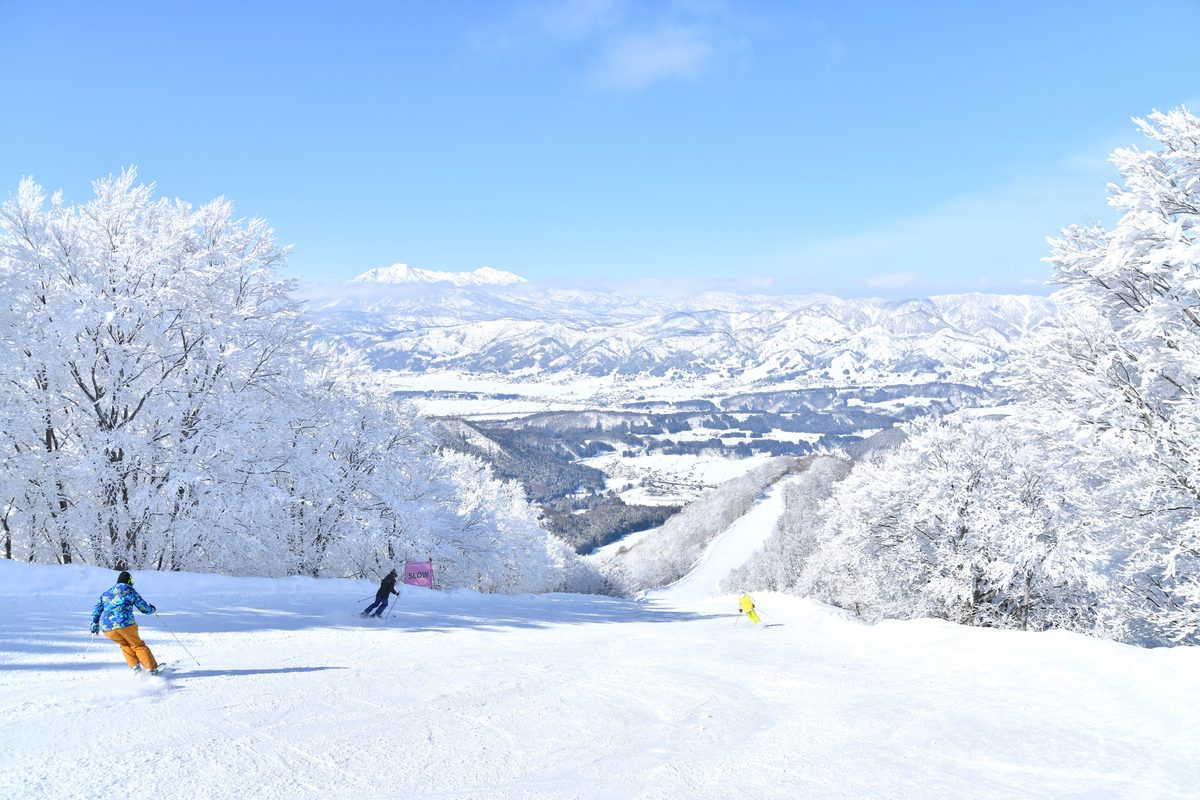
Japan's largest ski resort by piste length — 30 runs covering 200 hectares with the Dragon Gondola (5.5km, Japan's longest) connecting to neighbouring Kagura resort. Naeba is also the site of Fuji Rock Festival, Japan's largest and most prestigious music festival (late July), which draws 120,000 people to a mountain meadow snow-free for just three months.
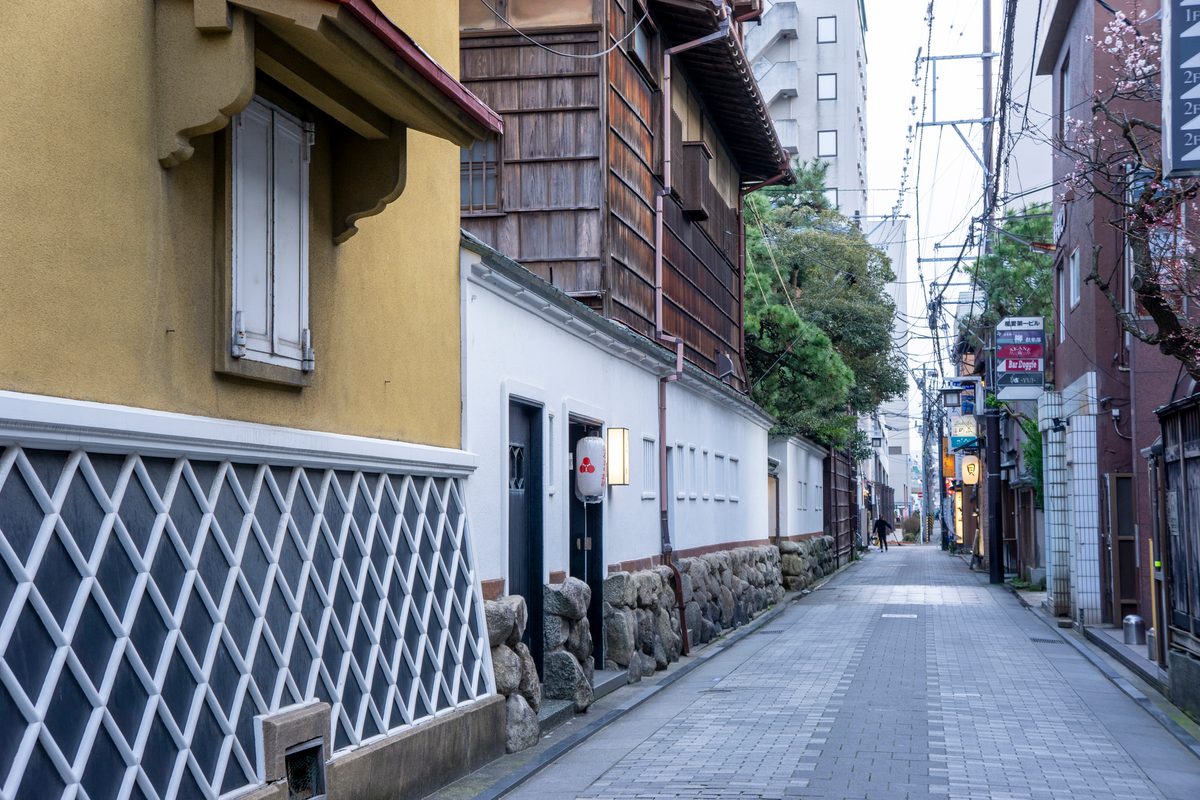
Niigata City — Furumachi & Canal Town
Niigata City sits on an island between the Shinano River and the Japan Sea — its historic Furumachi geisha district still has active ochaya, and the canal network that made the city Japan's primary Japan Sea port until the Meiji era is still navigable. The city is Japan's leading producer of rice crackers (senbei) and sake.
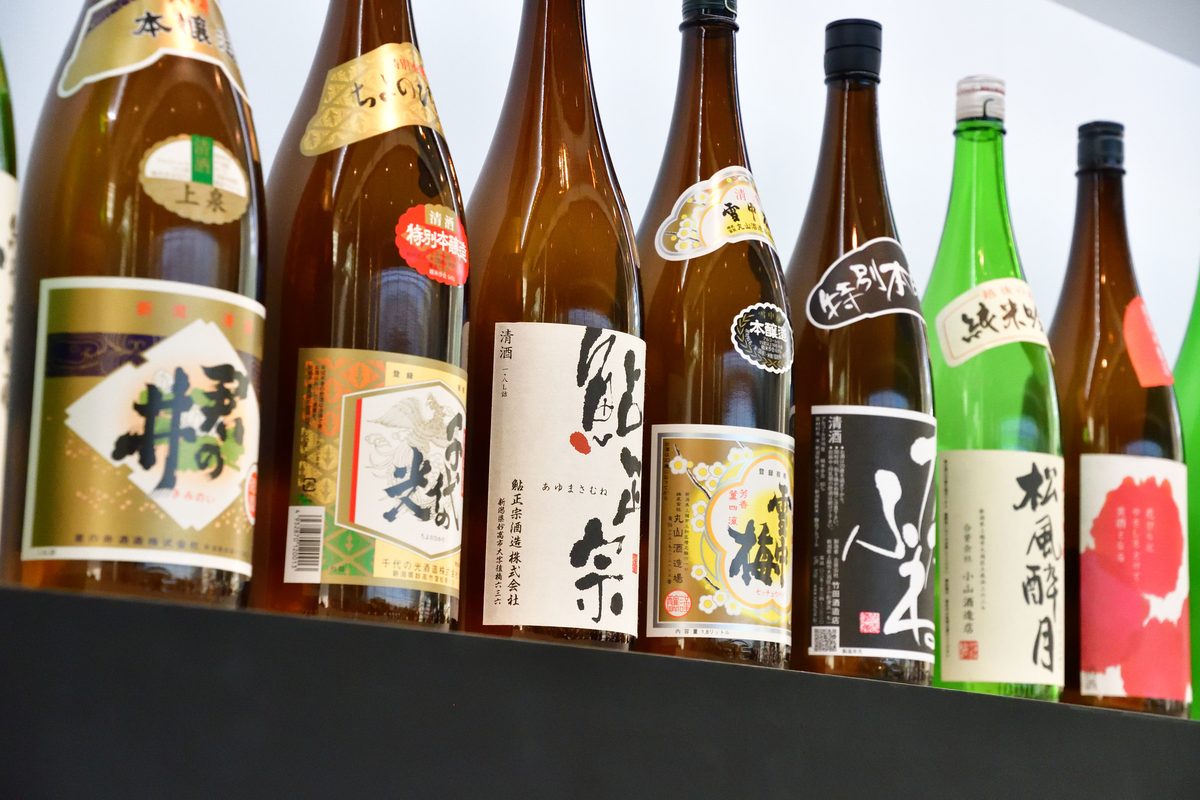
Niigata Sake Breweries
Niigata has more sake breweries than any other prefecture — 90 active breweries producing the tanrei karakuchi (light and dry) style that defines modern Japanese sake. The prefecture's soft snowmelt water, cold winters, and premium Koshihikari rice combine to create the ideal brewing conditions. The Ponshukan sake museum at Niigata Station has 100 varieties in coin-operated tasting machines.
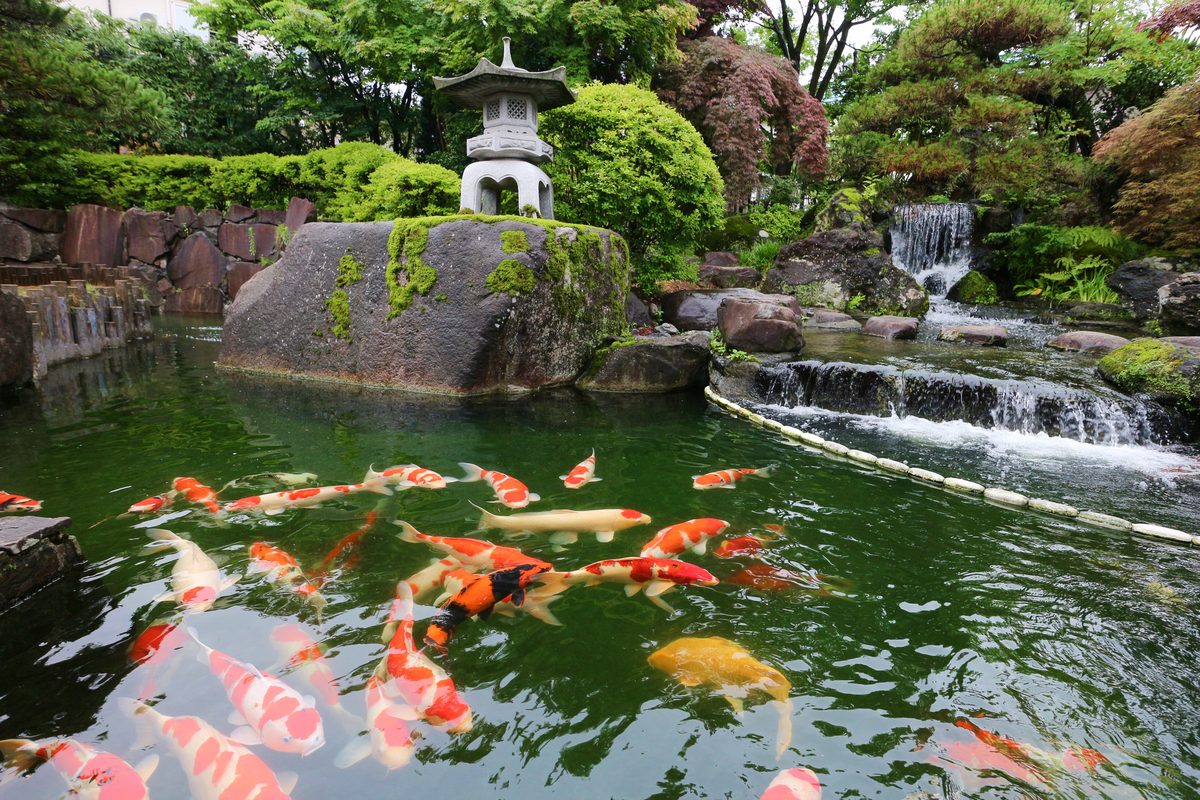
Ojiya — Koi Carp Capital
The birthplace of Nishikigoi (ornamental koi carp) — the living jewels that now sell for millions of dollars at international auctions. The koi mutation was first bred here in 1820 from rice paddy carp. The Nishikigoi no Sato museum has 1,000 prize-winning koi in display ponds, and surrounding farms let visitors view breeding stock.
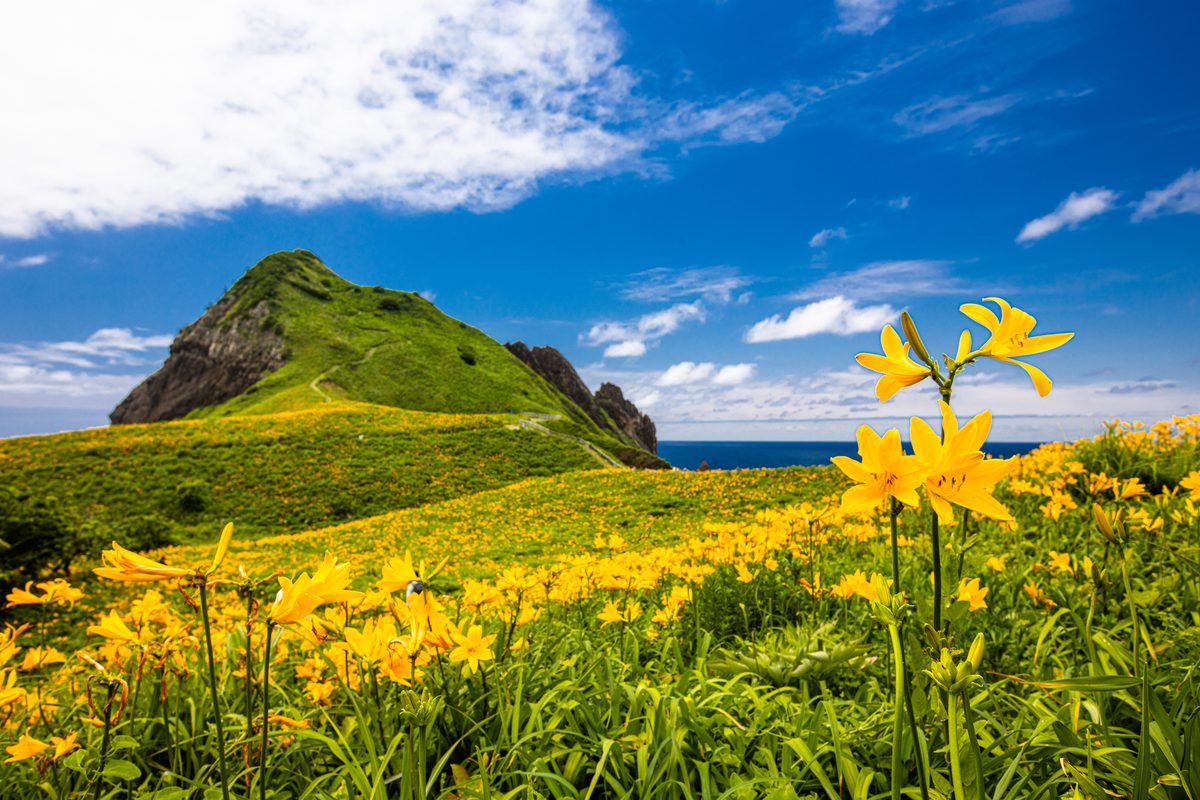
Sado Island
Japan's sixth-largest island — an hour by ferry from Niigata City, once the site of Japan's largest gold mine and the place of exile for two emperors, a shogun, and the Buddhist monk Nichiren. The Kodo drumming group's annual Earth Celebration festival has made it internationally famous. The tub boats (tarai-bune) rowed by women in scenic coves are Sado's most iconic image.
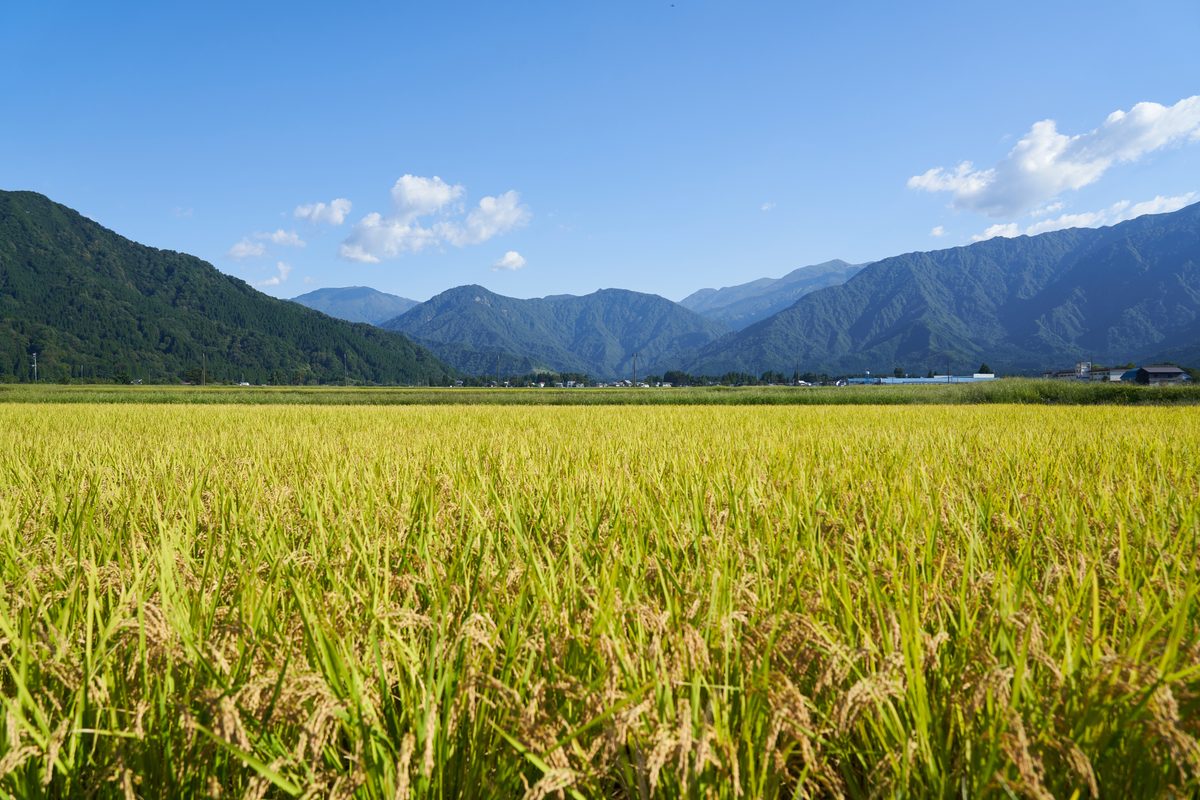
Uonuma — Koshihikari Rice Country
The Uonuma Valley produces Japan's most prized rice — Uonuma Koshihikari commands three times the price of regular rice and is served at top Tokyo restaurants. The secret is snowmelt water from the Echigo Mountains, extreme temperature variation between day and night, and over 100 years of careful cultivation. In winter the valley receives 3 metres of snow.
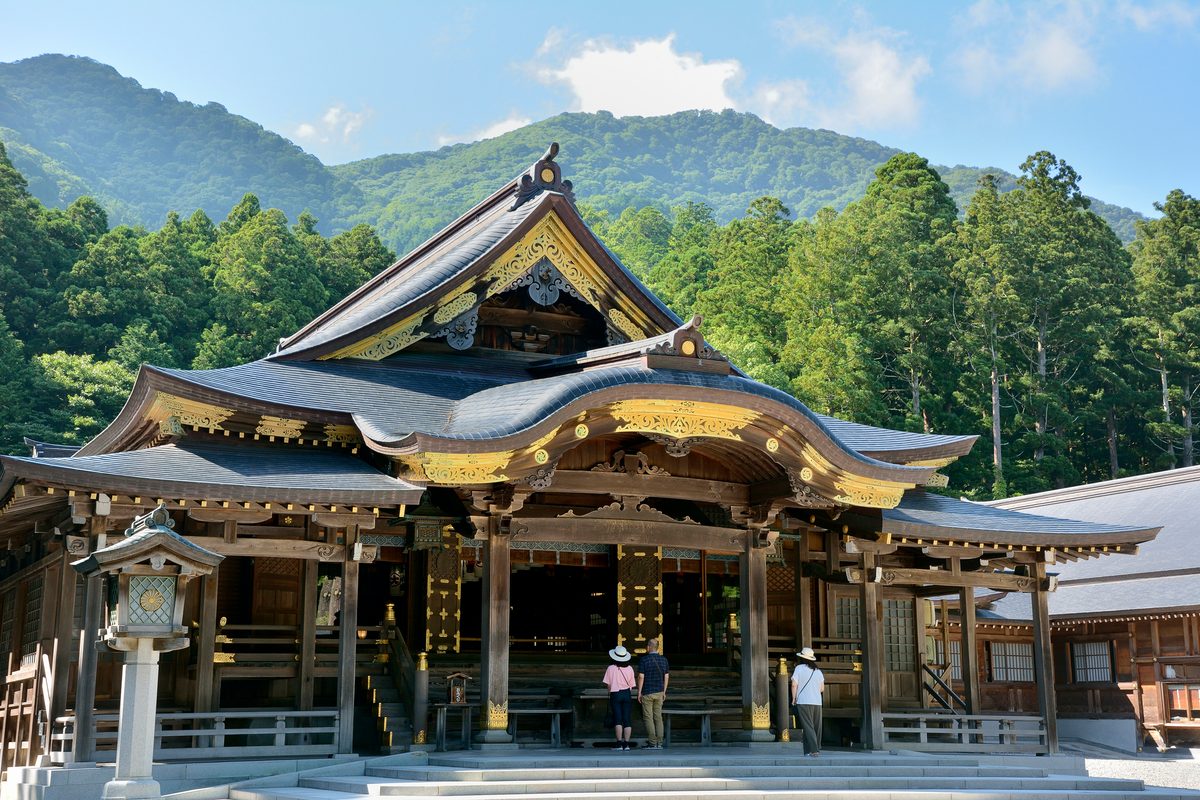
Yahiko Shrine & Mt Yahiko
Niigata's most important shrine — founded according to legend when the deity Amano-kagami-kun crossed the sea to bring culture to the region. The 638m Mt Yahiko behind the shrine has a ropeway to the summit, from which the entire Echigo Plain, Sado Island, and the Japan Sea are visible. The autumn foliage on the mountain path rivals Nikko.
Advertisement
When to Visit Niigata
Peak spots by season — ordered by best match.
More from Hokuriku
Other prefectures in the same region
Ready to visit Niigata?
Let AI build a personalized day-by-day itinerary based on your interests and travel style.
Create a Niigata Itinerary