
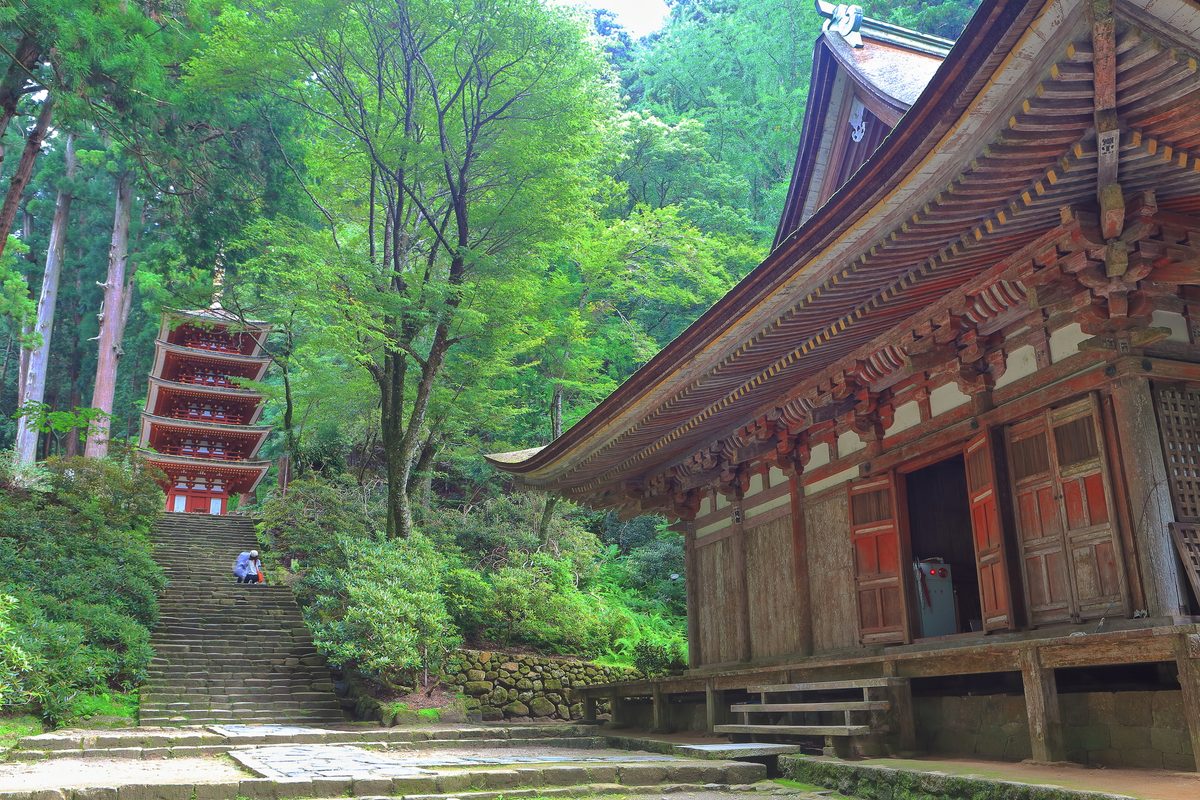
Muro-ji Temple
A remote Shingon temple deep in the Muro mountains of eastern Nara, famous for its five-story pagoda — Japan's smallest, yet perhaps its most perfectly proportioned, standing amid ancient cryptomeria trees. The temple welcomed female worshippers when all other Koya-san affiliated temples were closed to women.
Location
Location available to Pro members
Upgrade to ProPro Spot
Upgrade to Pro to access local tips, secret timing, and insider highlights for this spot.
Upgrade to Pro — $4.99/moLocal Tips
Muro-ji is nicknamed 'the women's Koya-san' because it accepted female pilgrims when Mt Koya refused them. The five-story pagoda in the cedar forest is one of Japan's smallest and most beautiful. The mountain path continues to the inner sanctuary above — a 20-minute climb worth doing. The hydrangea season (June) makes the approach path spectacular.
Add to your AI itinerary
Let AI build a multi-day trip around this spot.
Advertisement
More in Nara
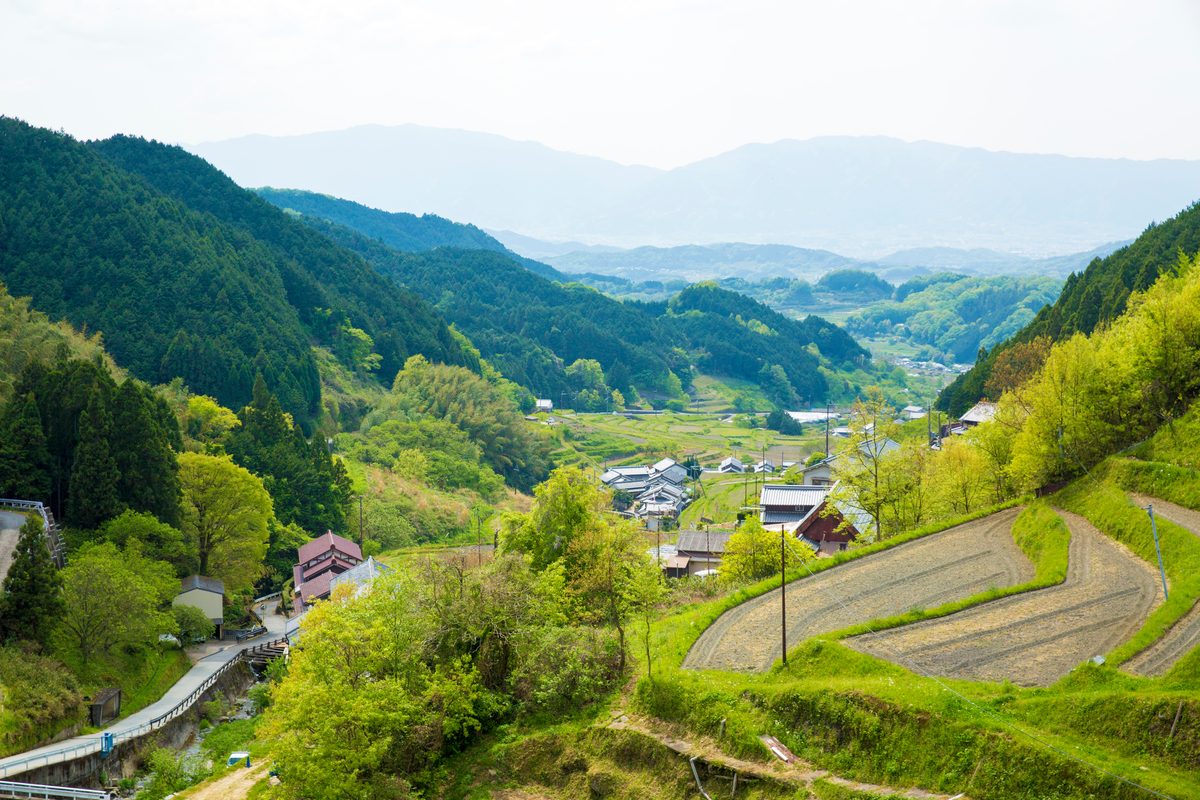
Asuka Village
Japan's ancient capital before Nara — the seat of power in the 6th and 7th centuries, dotted with mysterious stone sculptures, burial mounds, and the oldest Buddhist carvings in Japan. Best explored by rental bicycle through rice fields connecting colossal granite figures, imperial tombs, and the Asuka-dera temple (Japan's oldest).
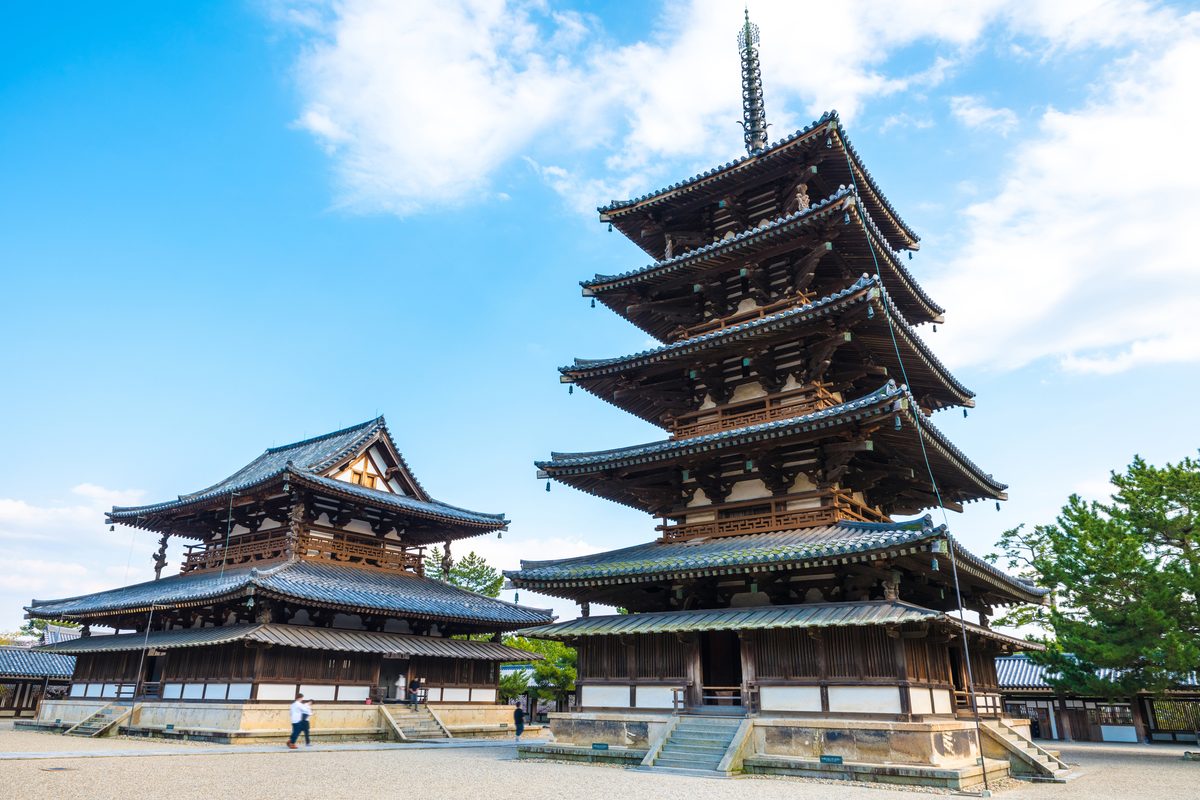
Horyuji Temple
The world's oldest surviving wooden structures — the main hall (kondo) and five-storey pagoda were built in 607 CE and have stood for 1,400 years. A UNESCO World Heritage site and the temple founded by Prince Shotoku himself. The attached Yumedono (Hall of Dreams) houses Japan's most perfectly preserved 7th-century gilt bronze statue.
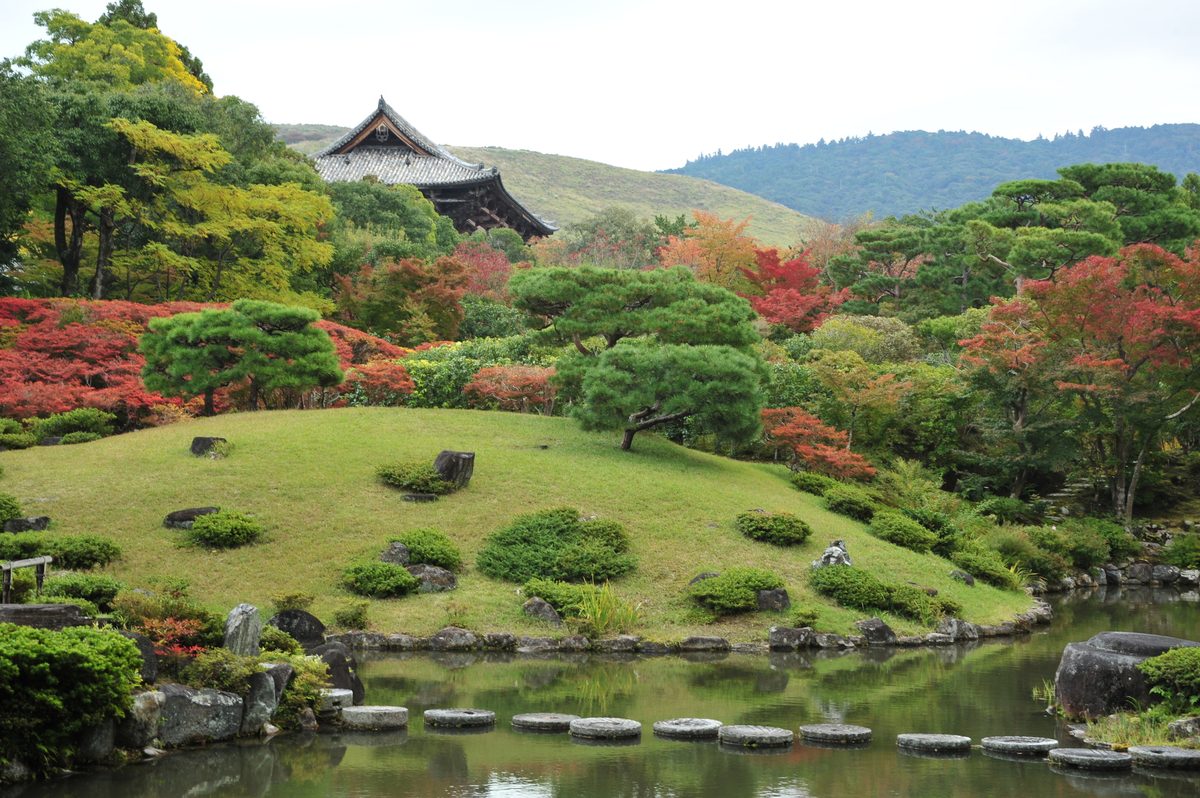
Isuien Garden
Nara's finest stroll garden — a succession of ponds, bridges, and viewpoints that incorporate Mt Mikasa and the Great Buddha Hall roof into the composition as "borrowed scenery." Built in the 17th and 19th centuries, it remains one of Japan's most sophisticated examples of the shakkei technique.