
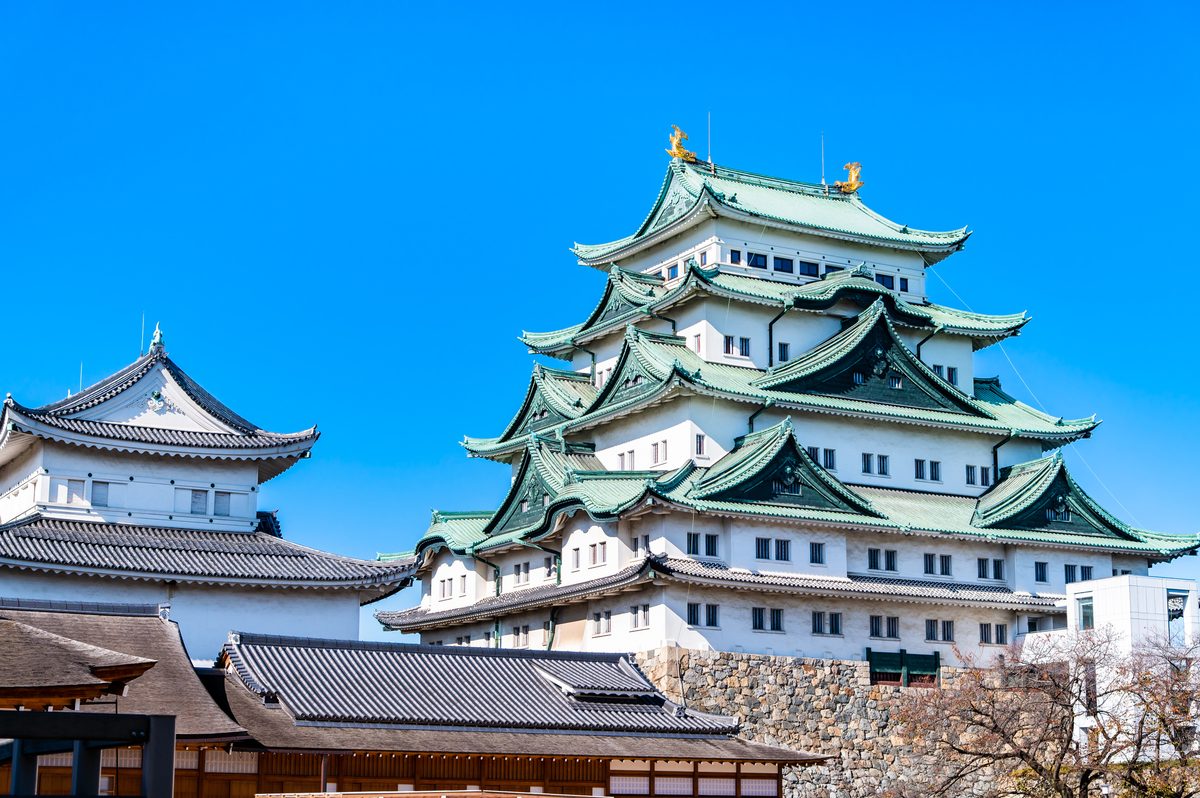
Nagoya Castle
One of Japan's most iconic feudal castles, built by Tokugawa Ieyasu in 1612 as a symbol of shogunal power. Its golden pair of shachihoko (tiger-headed carp) ornaments atop the keep are synonymous with Nagoya. The recently reconstructed Honmaru Palace inside the grounds features lavish painted interiors.
1.5–2 hours
¥500
9:00–16:30 (last entry 16:00); closed Dec 29–31
March–April (cherry blossoms fill the moat), October–November
5 min walk from Nagoya-jo Station (Meijo Line), 7th exit
Location
Why Visit
- 1
The golden shachihoko fish-tiger on the roof are 2.4 m tall — replicas are city icons sold everywhere
- 2
Honmaru Palace has immaculate cedar-and-gold fusuma paintings restored over 10 years of work
- 3
The castle tower is slated for full wood reconstruction — visit the current concrete version before it closes
Local Tips
The golden shachi (tiger-fish) on the castle's roof corners are Nagoya's most iconic symbol. The Honmaru Palace reconstruction (completed 2018) uses traditional techniques and materials — the painted interior rooms are extraordinary. The original main tower is under reconstruction; the Honmaru Palace is the main current attraction. Combine with Atsuta Jingu for a full Nagoya historical day.
Add to your AI itinerary
Let AI build a multi-day trip around this spot.
Advertisement
More in Aichi
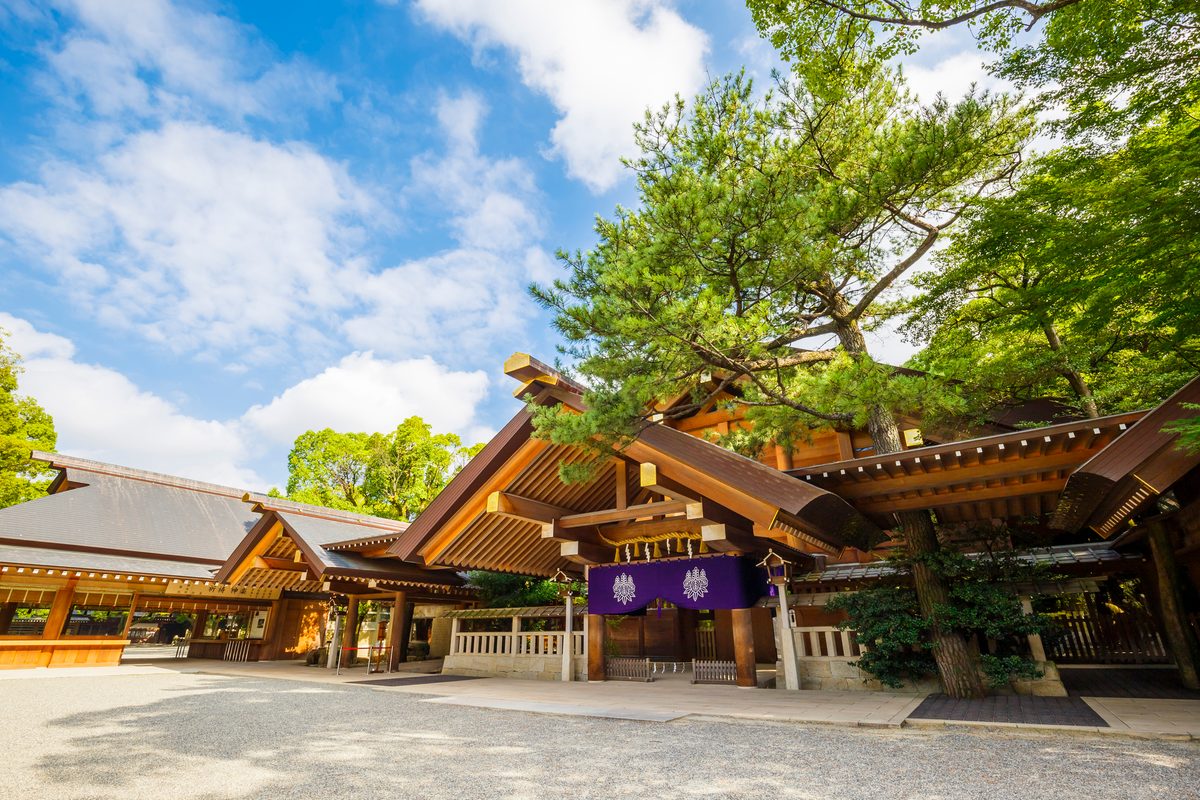
Atsuta Jingu
One of Japan's two most sacred Shinto shrines, Atsuta houses the Kusanagi-no-Tsurugi sword — one of the three Imperial Treasures of Japan. The 200,000-square-metre forested grounds feel ancient and serene, with massive camphor trees said to have been planted by Kobo Daishi over 1,200 years ago.
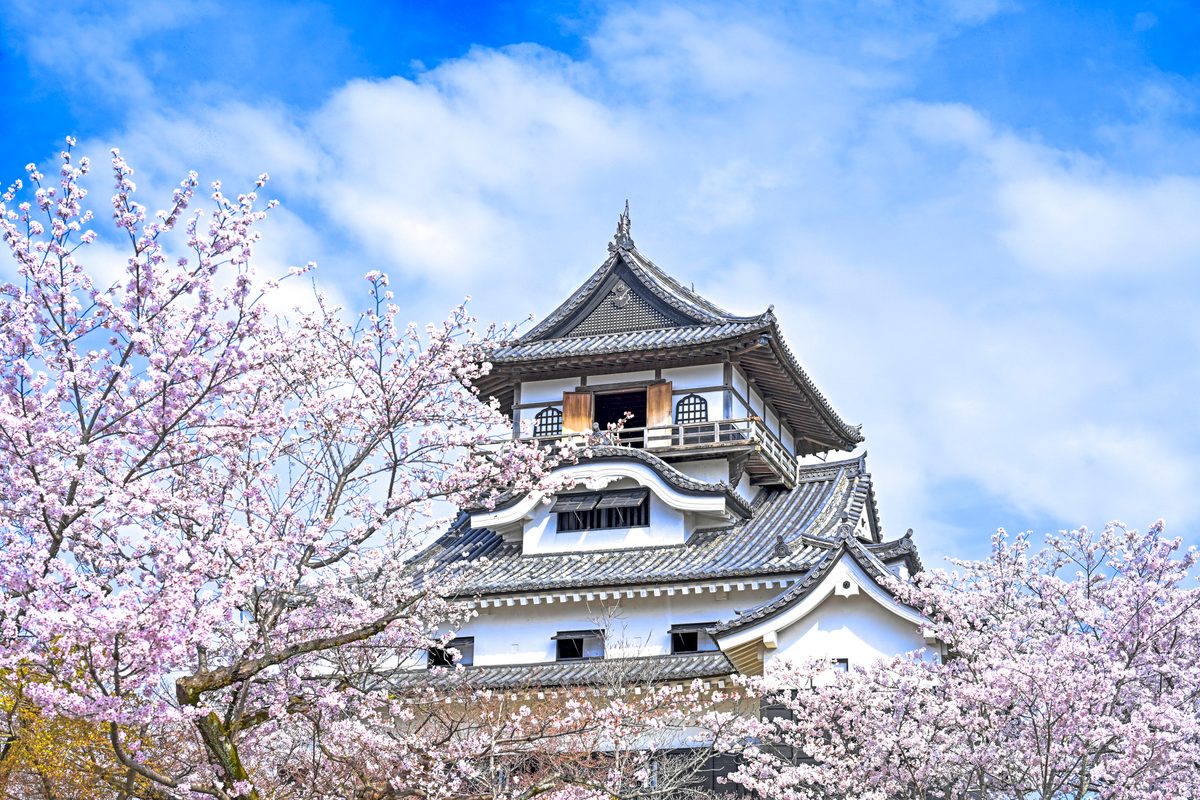
Inuyama Castle
Japan's oldest existing castle (1537) and the only one historically owned by a private individual until 2004. It perches dramatically on a cliff above the Kiso River, offering views unchanged for centuries. The unpainted natural wood interior and veranda on the top floor feel genuinely ancient.
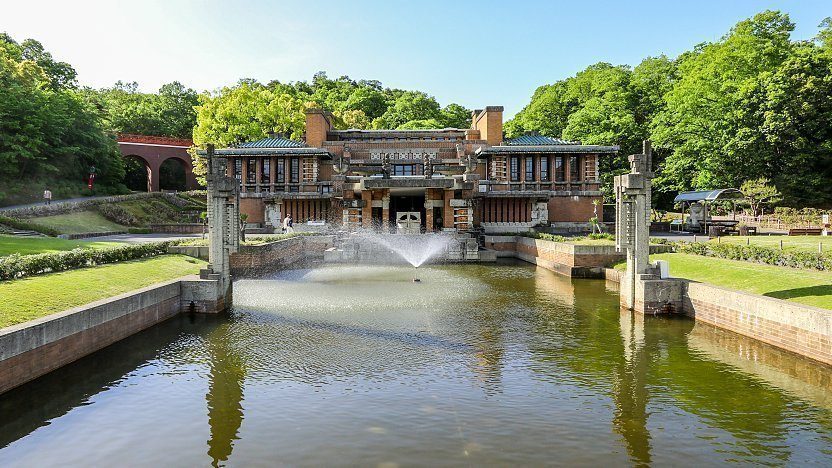
Meiji Mura Open Air Museum
A sprawling hillside park preserving 67 original Meiji-era (1868–1912) buildings relocated from across Japan — government offices, a Frank Lloyd Wright imperial hotel lobby, lighthouses, and kabuki theatres. One of the most unique museums in Japan, offering a full day's walk through the architectural past.