
Aichi Travel Guide
Nagoya — Japan's fourth city and economic engine of the Chubu region — anchors Aichi with a character all its own: the castle's golden dolphin roof ornaments, the Atsuta Shrine's sacred blade, and a hyper-local food culture of miso katsu, hitsumabushi eel, and morning 'morning service' cafe culture. The Toyota museum and Inuyama's authentic hilltop castle add historic depth.
2 hidden gems in Aichi include insider locations, local tips, and full access details.
Hidden Gems in Aichi
Hand-picked spots off the tourist trail — all personally curated.
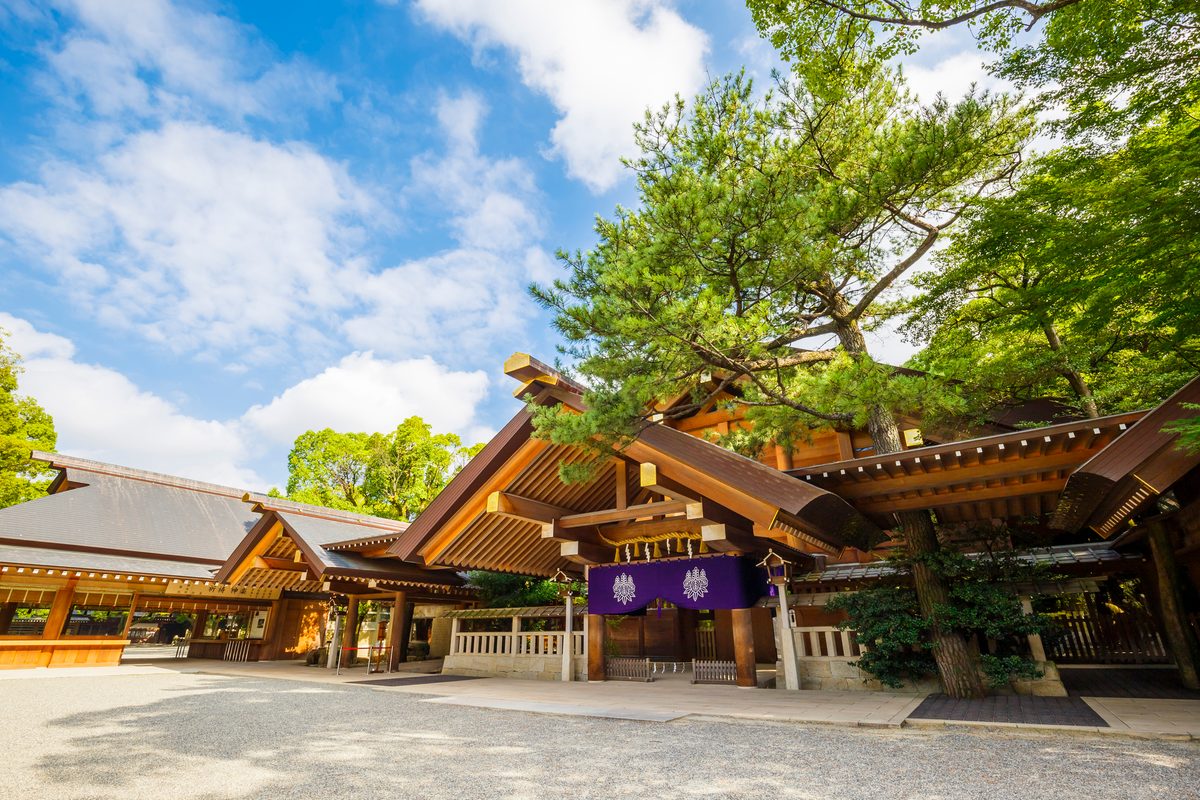
Atsuta Jingu
One of Japan's two most sacred Shinto shrines, Atsuta houses the Kusanagi-no-Tsurugi sword — one of the three Imperial Treasures of Japan. The 200,000-square-metre forested grounds feel ancient and serene, with massive camphor trees said to have been planted by Kobo Daishi over 1,200 years ago.
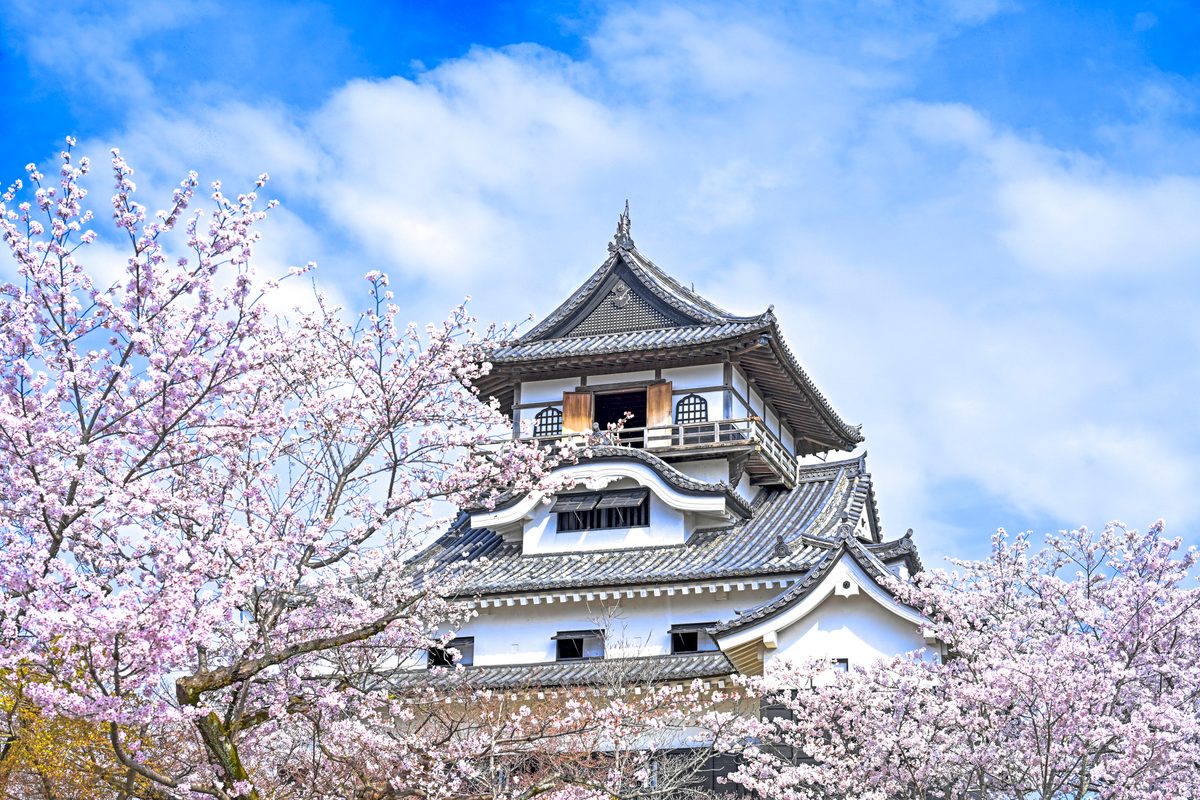
Inuyama Castle
Japan's oldest existing castle (1537) and the only one historically owned by a private individual until 2004. It perches dramatically on a cliff above the Kiso River, offering views unchanged for centuries. The unpainted natural wood interior and veranda on the top floor feel genuinely ancient.
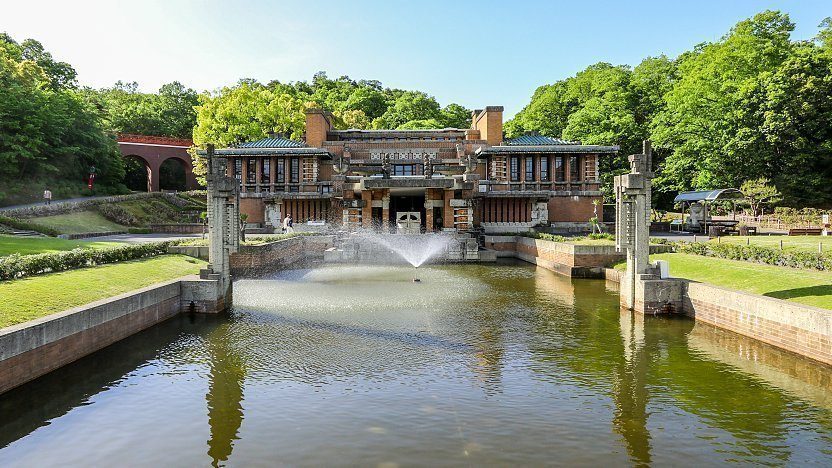
Meiji Mura Open Air Museum
A sprawling hillside park preserving 67 original Meiji-era (1868–1912) buildings relocated from across Japan — government offices, a Frank Lloyd Wright imperial hotel lobby, lighthouses, and kabuki theatres. One of the most unique museums in Japan, offering a full day's walk through the architectural past.
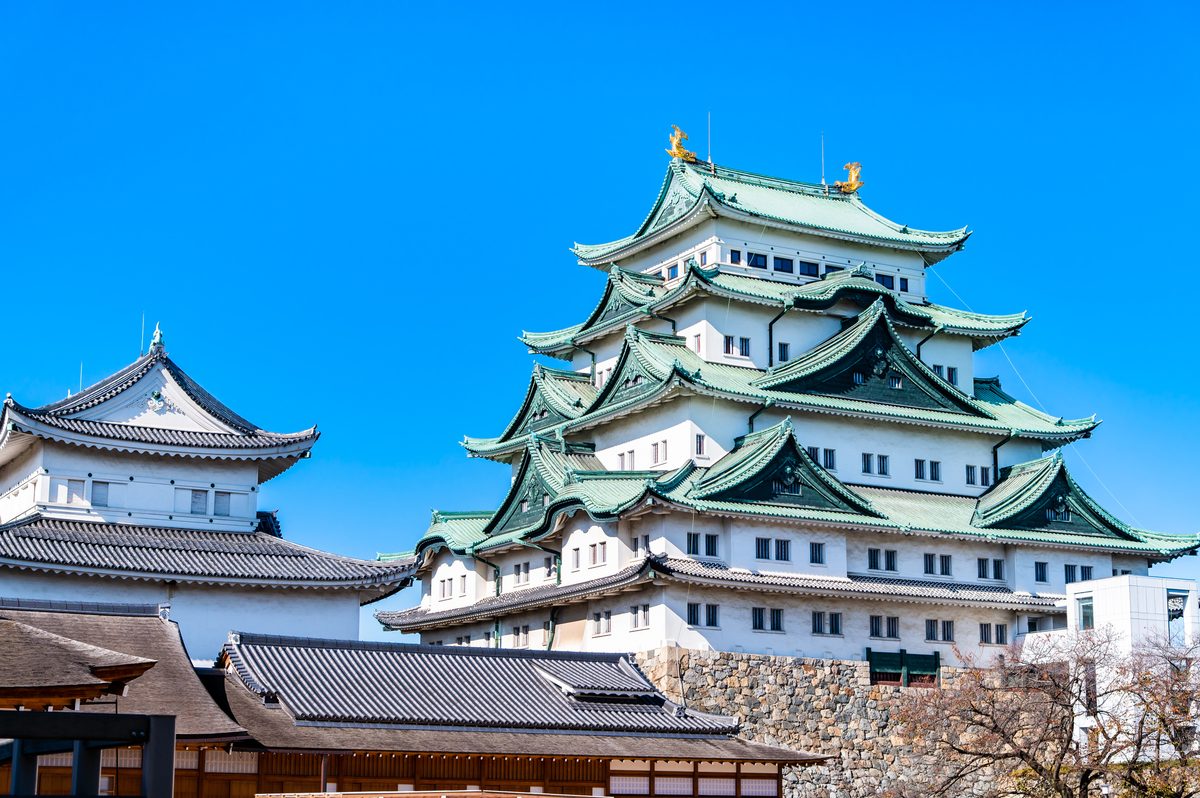
Nagoya Castle
One of Japan's most iconic feudal castles, built by Tokugawa Ieyasu in 1612 as a symbol of shogunal power. Its golden pair of shachihoko (tiger-headed carp) ornaments atop the keep are synonymous with Nagoya. The recently reconstructed Honmaru Palace inside the grounds features lavish painted interiors.
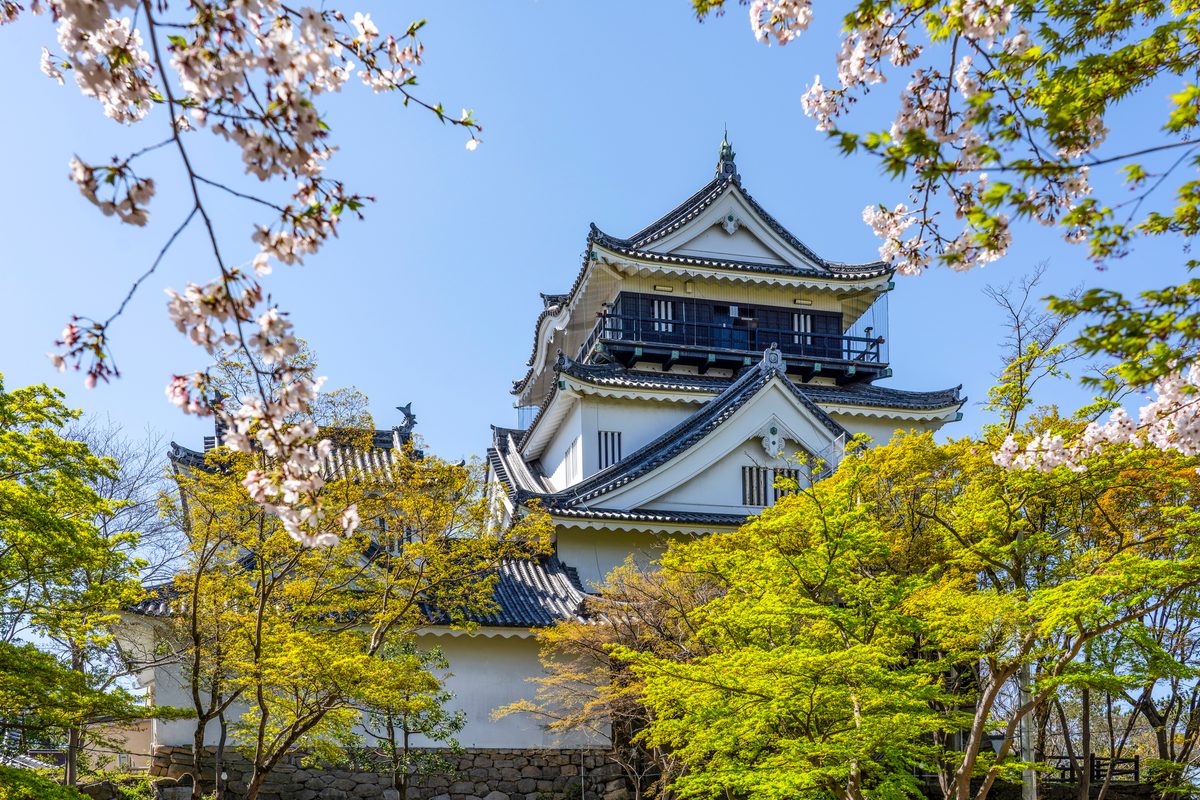
Okazaki Castle
Birthplace of Tokugawa Ieyasu, the founder of the Edo shogunate. The compact three-tiered castle sits within Okazaki Park, renowned for its 800-metre tunnel of cherry trees lining the Oto River. The castle museum narrates the rise of the Tokugawa clan.
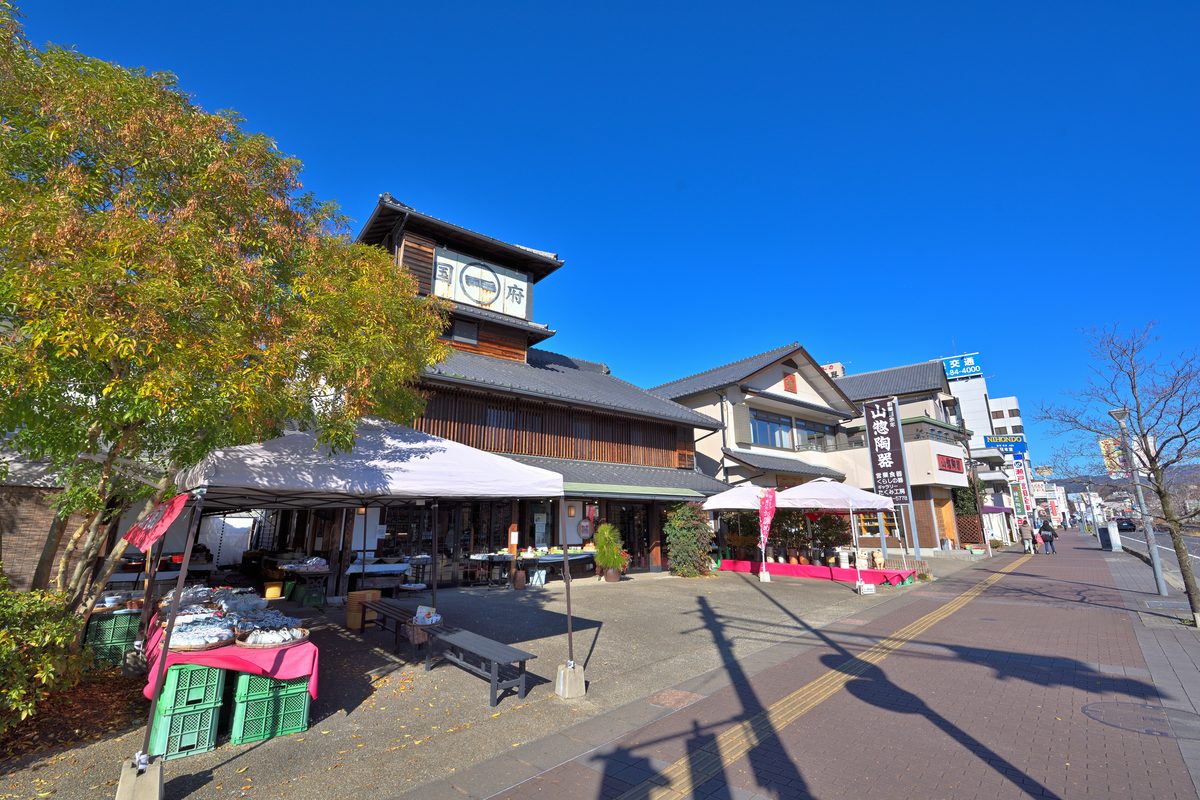
Seto — Japan's Pottery Capital
Seto has been Japan's ceramics heartland for 1,000 years — so central to pottery that the Japanese word "setomono" (ceramic ware) derives from the city's name. The streets are lined with kilns, galleries, and pottery-themed museums. The Seto Ceramic Fair each September turns the whole city into an outdoor market.
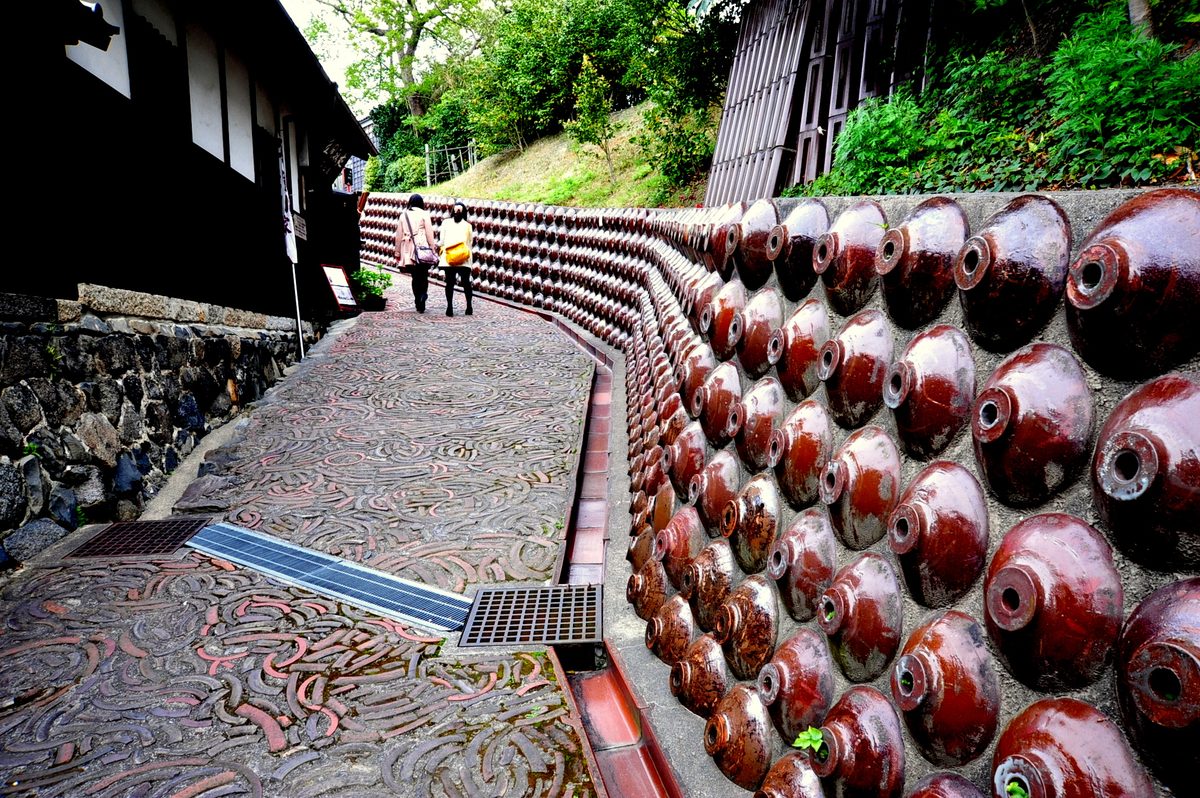
Tokoname — Pottery Street
One of Japan's Six Ancient Kilns (Rokkoyō), Tokoname has produced pottery for 1,000 years and is famous worldwide for its unglazed red teapots (shudei). The old kilns district has a walking path lined with pottery walls, giant pots, and chimney ruins — an open-air museum through the city itself.
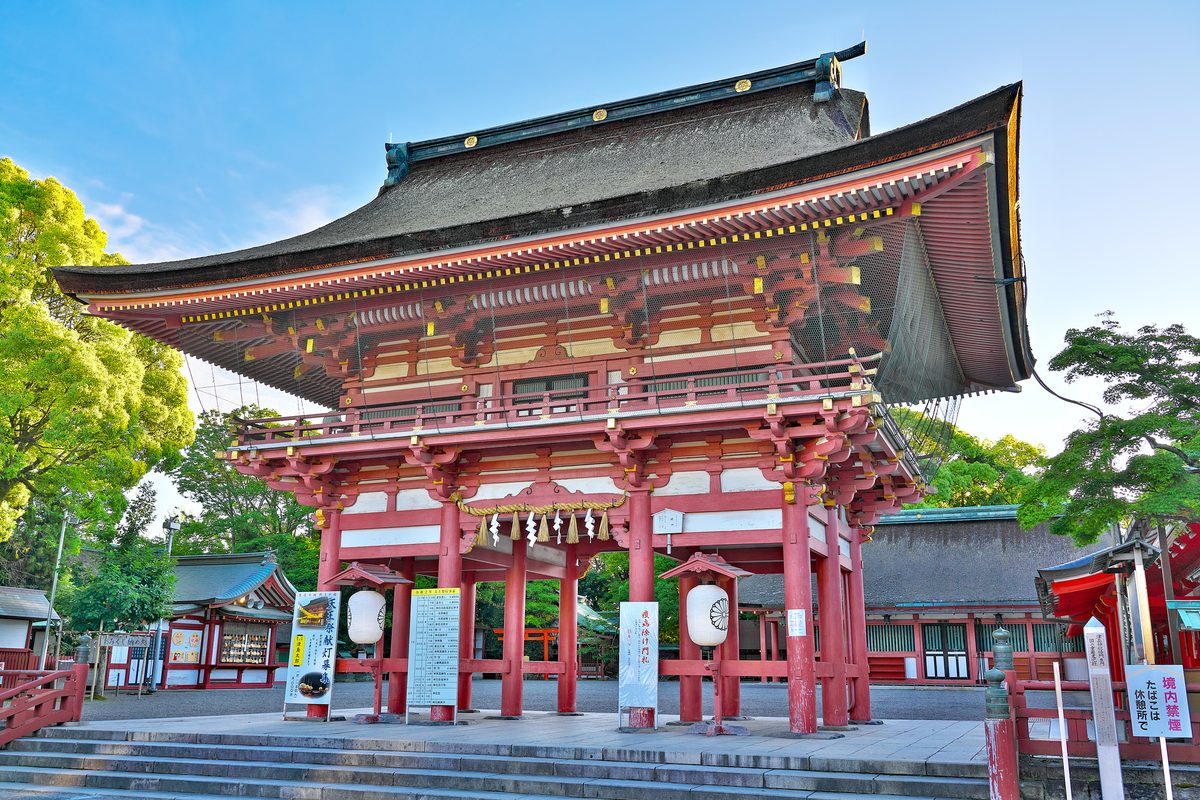
Tsushima Shrine
A serene shrine built over a pond — the corridor leading to the main hall appears to float above water, giving it a unique character unlike any other in Aichi. It hosts the Tsushima Tenno Festival in July, considered one of Japan's three great water festivals with enormous lantern-lit boats drifting on the Mitsu River.
Advertisement
When to Visit Aichi
Peak spots by season — ordered by best match.
More from Chubu
Other prefectures in the same region
Ready to visit Aichi?
Let AI build a personalized day-by-day itinerary based on your interests and travel style.
Create a Aichi Itinerary