
Gifu Travel Guide
Bisected by the Kiso River valley, Gifu combines two UNESCO-listed villages — Shirakawa-go's towering gasshozukuri thatched farmhouses — with the 1,300-year-old cormorant fishing tradition of the Nagara River. The well-preserved Edo merchant town of Takayama completes an extraordinary trifecta of living heritage.
Hidden Gems in Gifu
Hand-picked spots off the tourist trail — all personally curated.
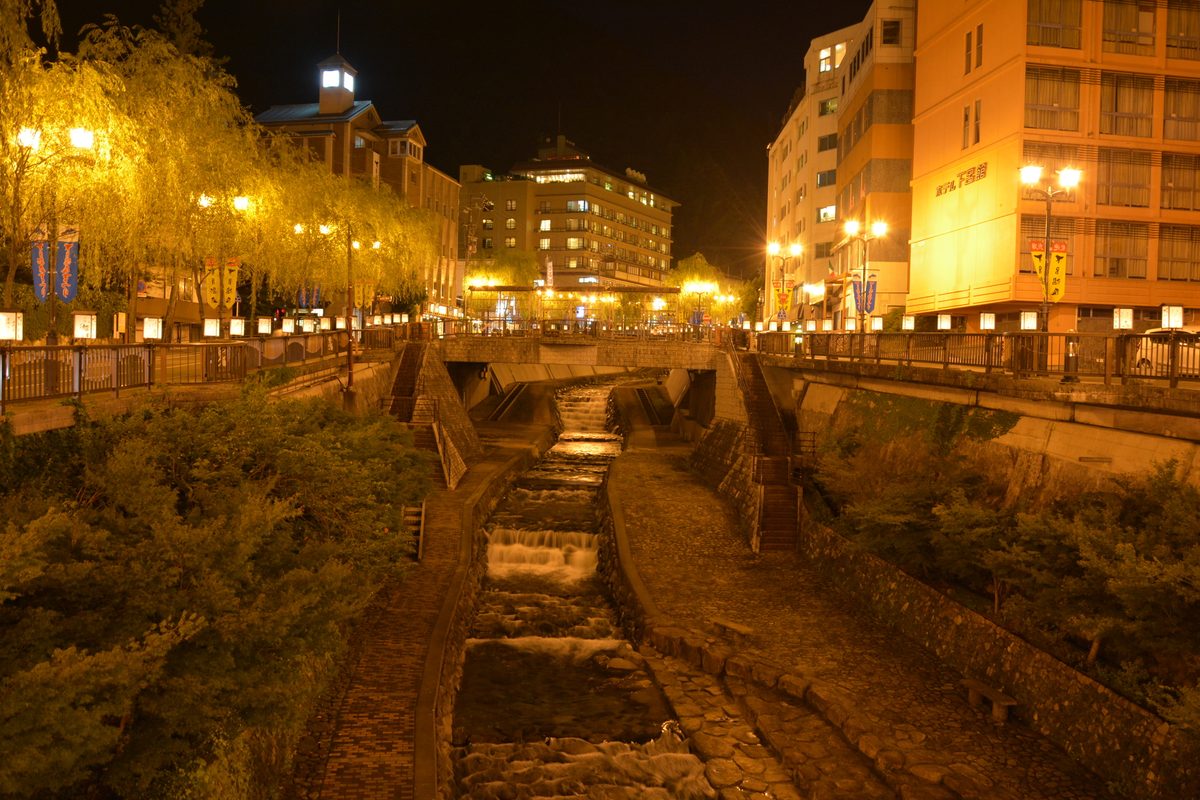
Gero Onsen
One of Japan's three great onsen alongside Arima and Kusatsu — Gero has been listed as a national hot spring since 1246. The bicarbonate spring water is mildly alkaline and produces silky skin. The riverside ryokan district, with outdoor baths overlooking the Hida River, is the classic Japanese onsen scene.
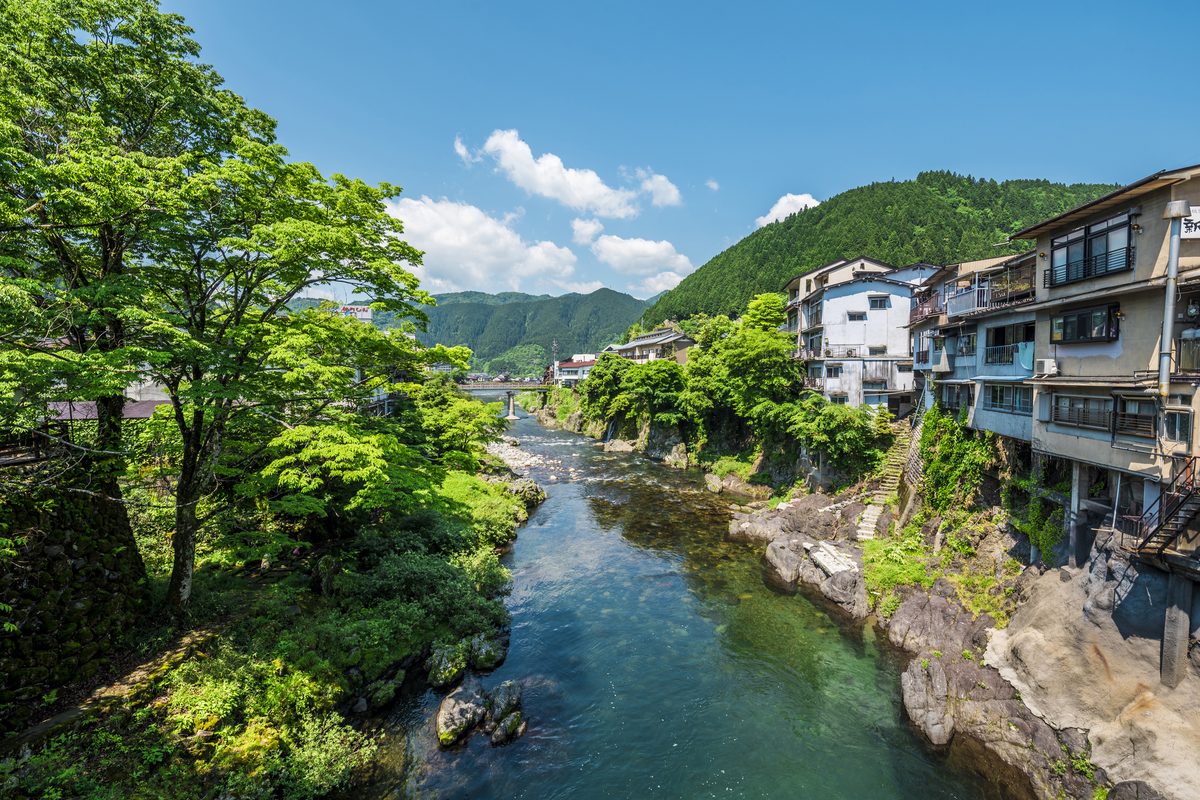
Gujo Hachiman
A mountain castle town threaded by crystal-clear streams where children still swim and play as they have for centuries. The town's water channels (suiro) were engineered so carefully that each neighbourhood has its own designated times for water usage — drinking, washing clothes, washing vegetables, and so on — a system still observed today.
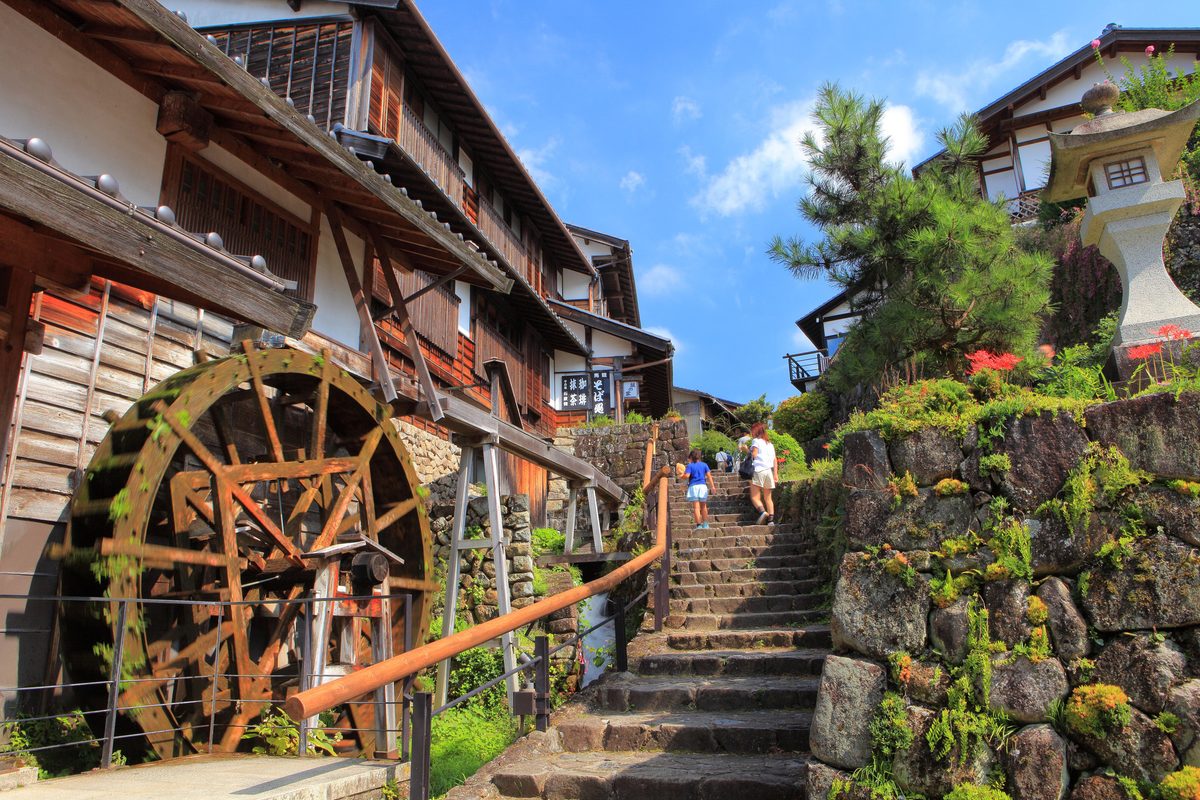
Magome-juku
The southern gateway to the Nakasendo mountain highway — a cobblestone post town on a hillside cleared of all modern signage and wiring. The Shimazaki Toson Literary Museum celebrates the novelist who set his masterpiece "Before the Dawn" here. The walk north to Tsumago-juku passes through forests unchanged for centuries.
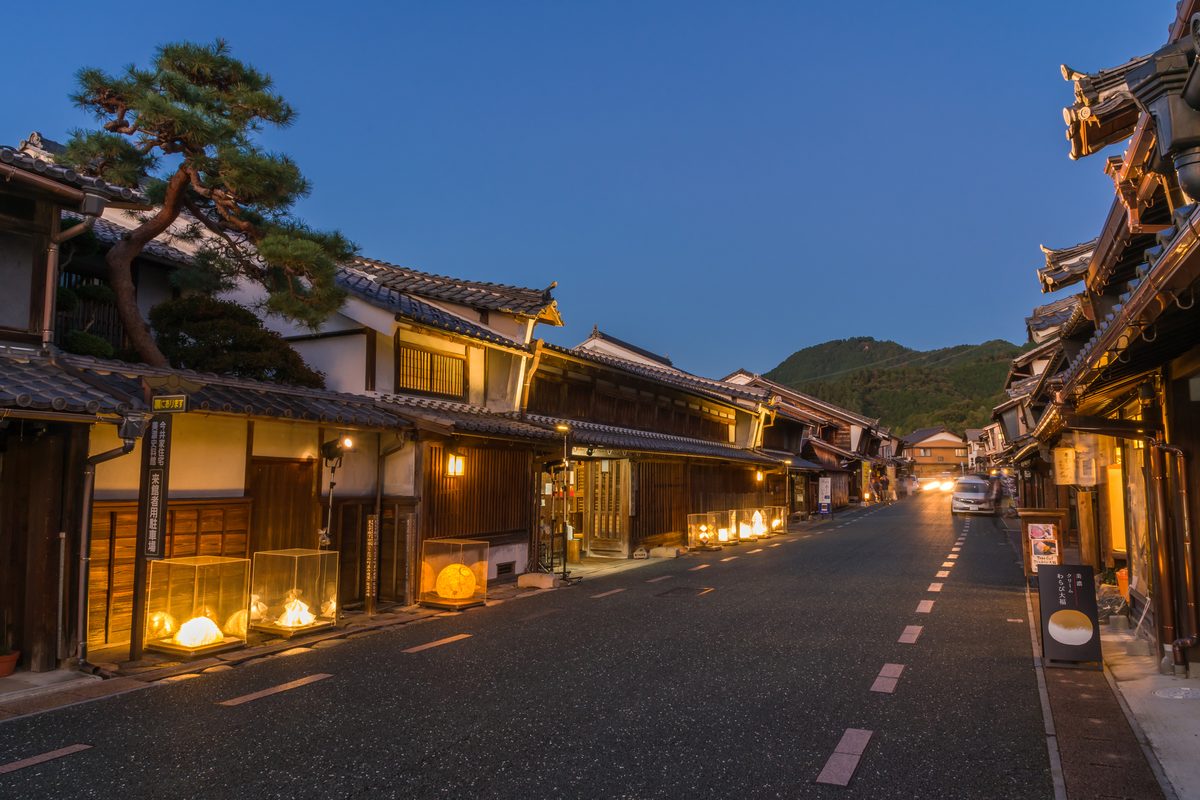
Mino — Washi Paper Town
A thousand-year-old washi (Japanese paper) production town with a preserved merchant street whose second-storeys are screened with hanging washi panels instead of shutters. Mino washi is designated a UNESCO Intangible Cultural Heritage. Visitors can make their own sheets at several workshops along the Udatsu townscape.
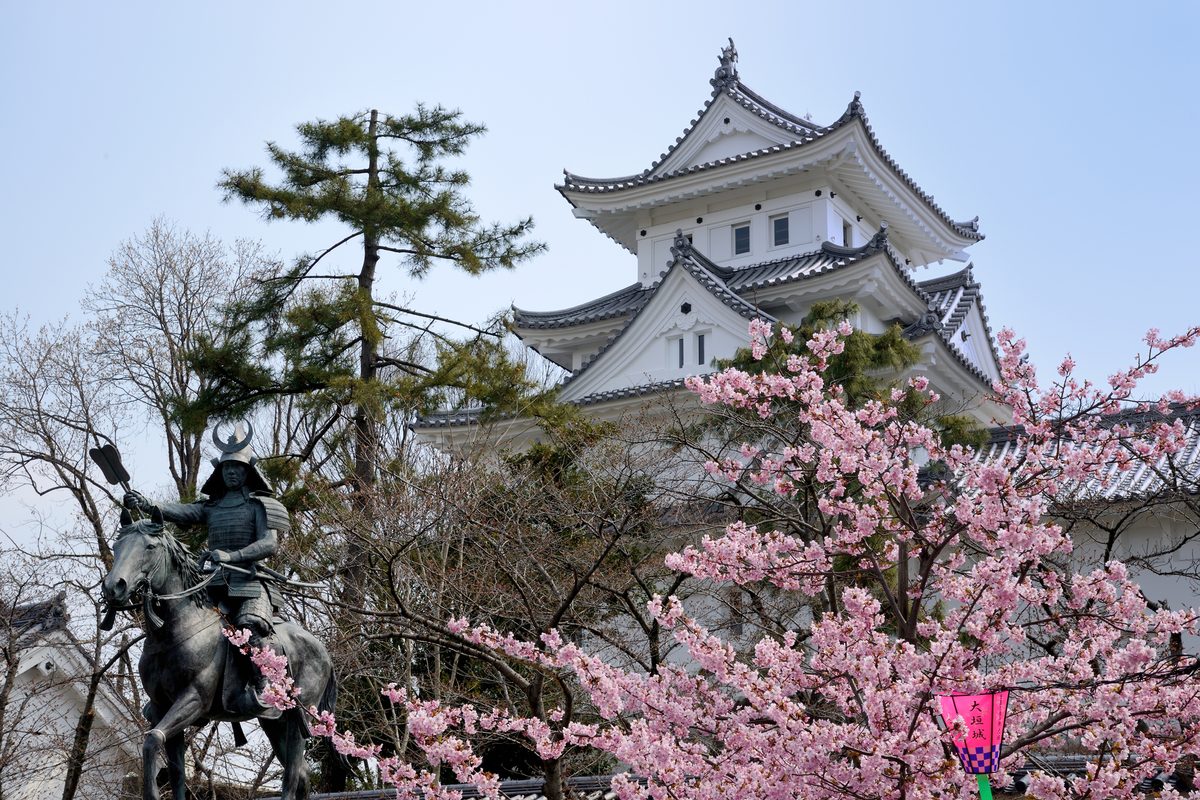
Ogaki Castle
The last castle before the Sekigahara battlefield and Matsuo Basho's final destination before writing "Oku no Hosomichi." The surviving four-storey keep is one of Gifu's few remaining original castle structures. A small but genuine time capsule, it sits in the heart of Ogaki city almost unvisited by tourists.
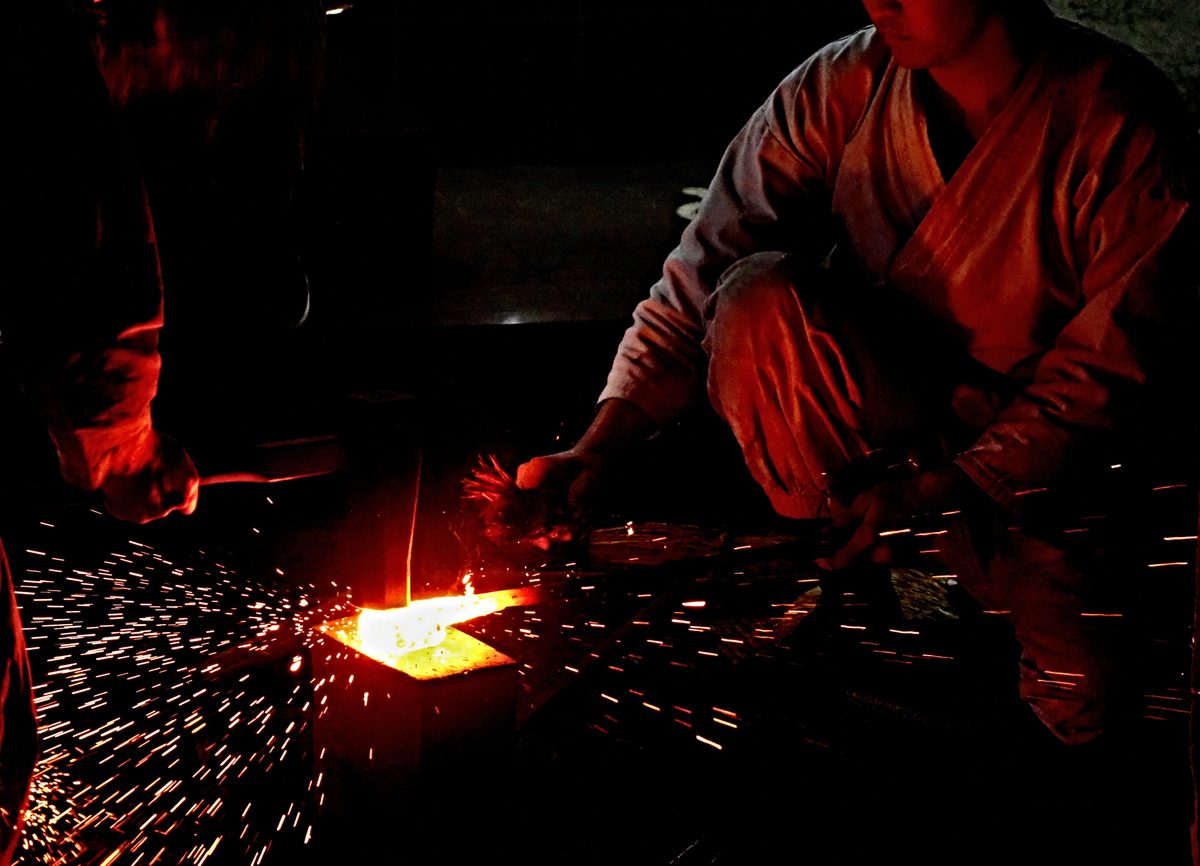
Seki — Japan's Sword & Blade City
Japan's sword-making capital since the 13th century, now the world's leading producer of precision cutlery. Seki forged swords for samurai across medieval Japan; today its workshops produce kitchen knives and surgical blades for global markets. The Seki Traditional Swordsmith Museum hosts live forging demonstrations.
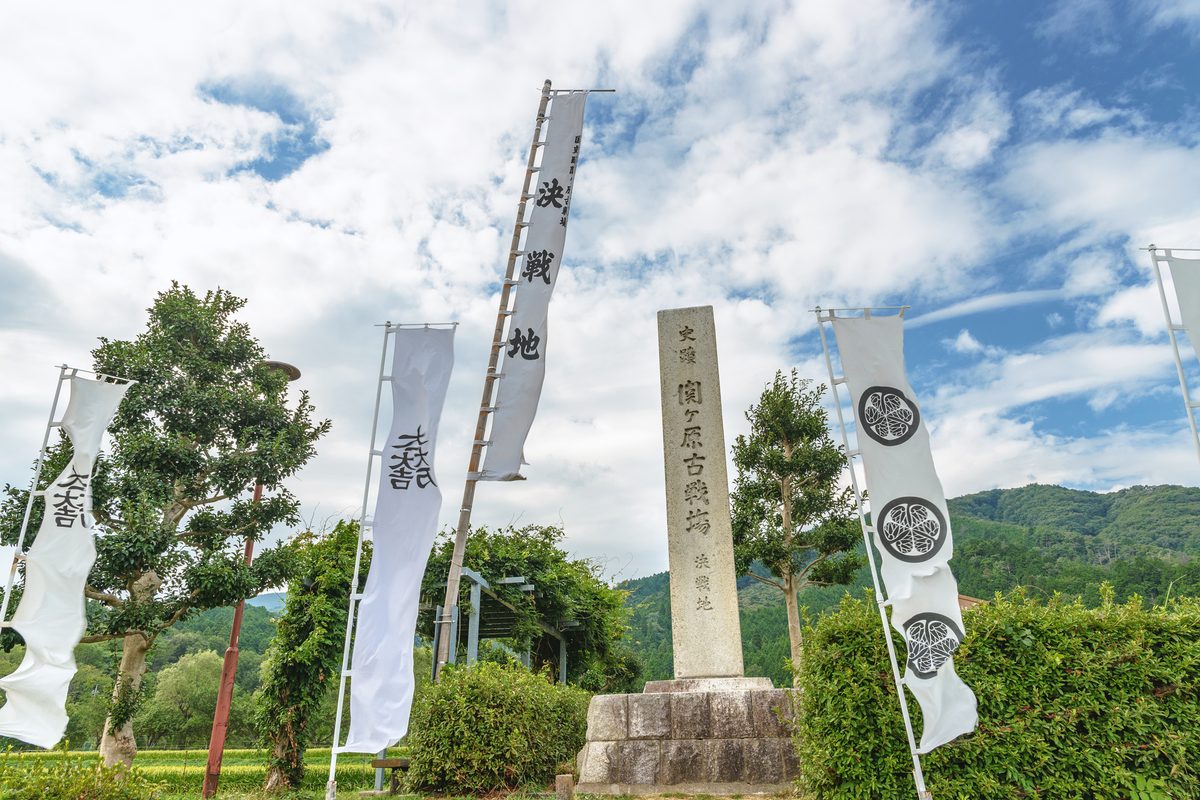
Sekigahara Battlefield
The site of Japan's most decisive battle (October 21, 1600) — the conflict that determined Tokugawa hegemony and the political structure of Japan for the next 265 years. The battlefield is mostly farmland but a new museum (2020) uses life-size dioramas and VR to recreate the 80,000-man engagement.
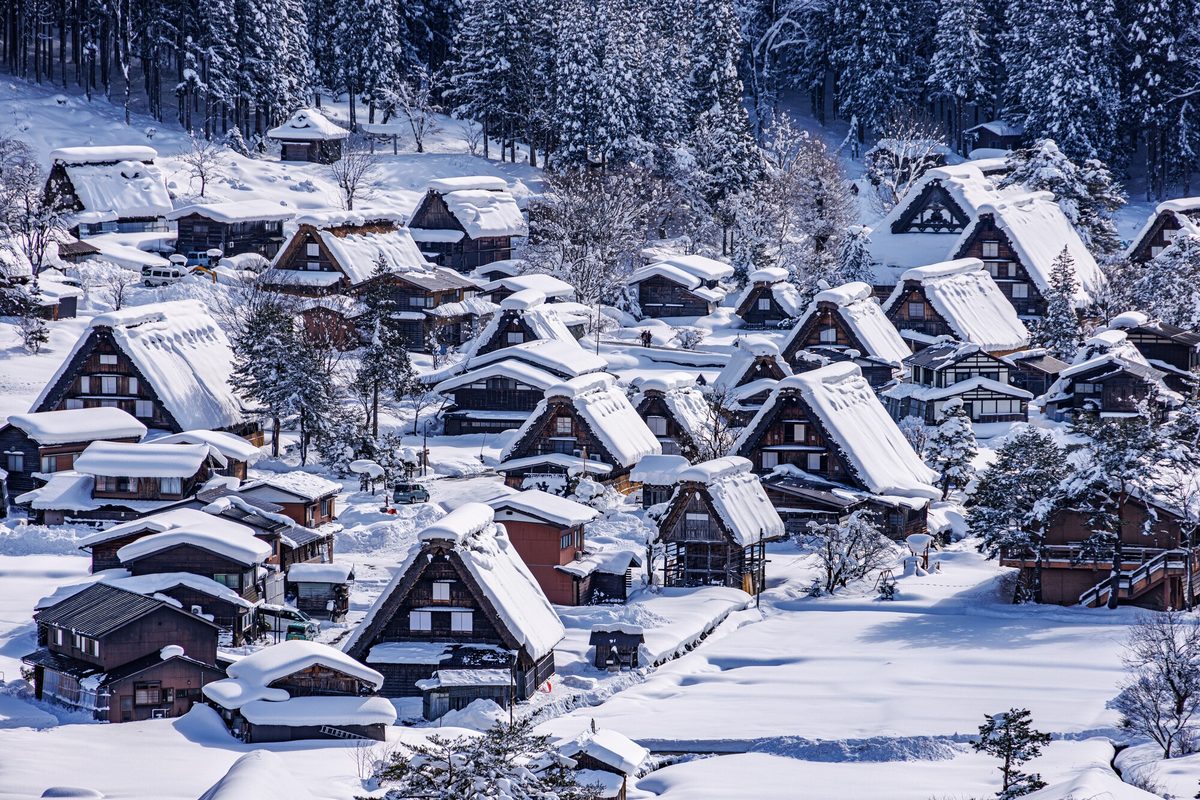
Shirakawa-go
A UNESCO World Heritage village of gassho-zukuri farmhouses — their steeply pitched thatched roofs designed to shed the Japan Alps' crushing winter snowfall. The village sits in an isolated valley and in winter looks exactly like a snow globe. Several farmhouses operate as minshuku (family inns), letting visitors sleep inside them.
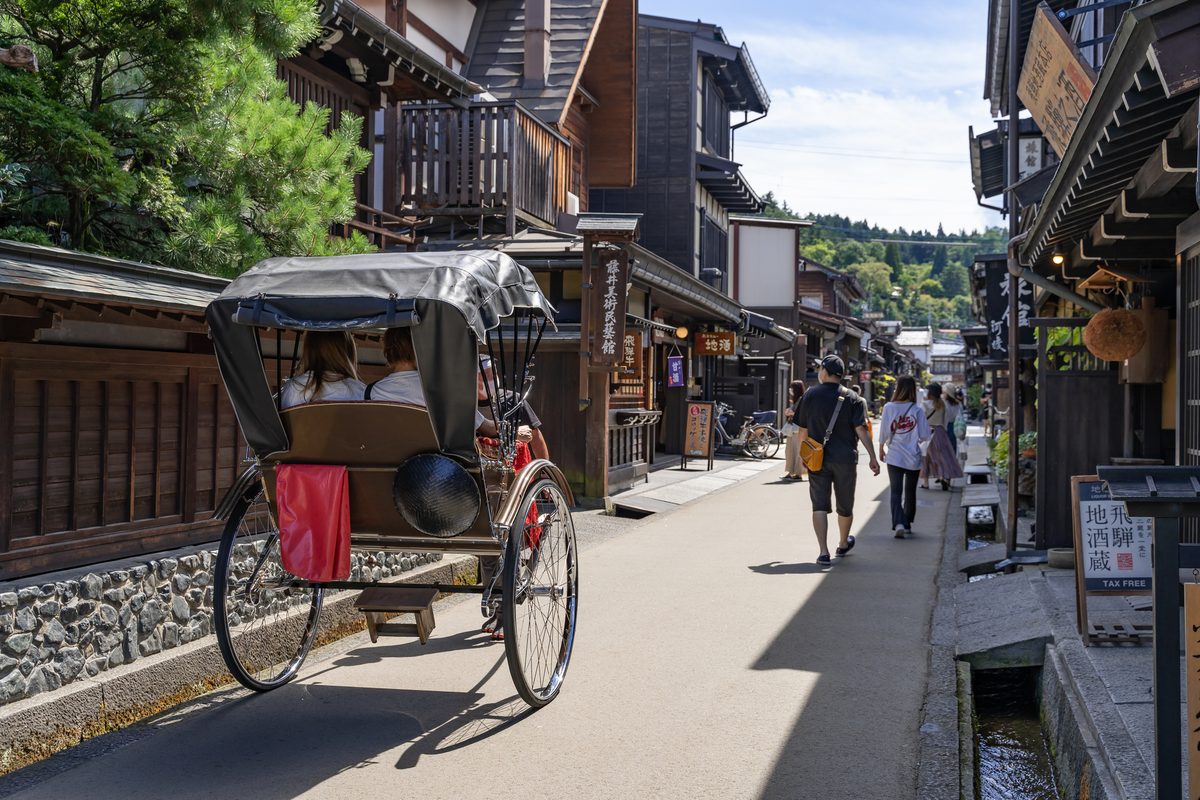
Takayama Old Town
Japan's best-preserved Edo-period merchant district — three rows of dark-timbered sake breweries, craft shops, and teahouses stretching along canals in the Japan Alps. Hida beef (a wagyu rival to Kobe) is sold as skewers for ¥500 at every corner. The morning markets (asaichi) have run continuously since the Edo period.
Advertisement
When to Visit Gifu
Peak spots by season — ordered by best match.
More from Chubu
Other prefectures in the same region
Ready to visit Gifu?
Let AI build a personalized day-by-day itinerary based on your interests and travel style.
Create a Gifu Itinerary