
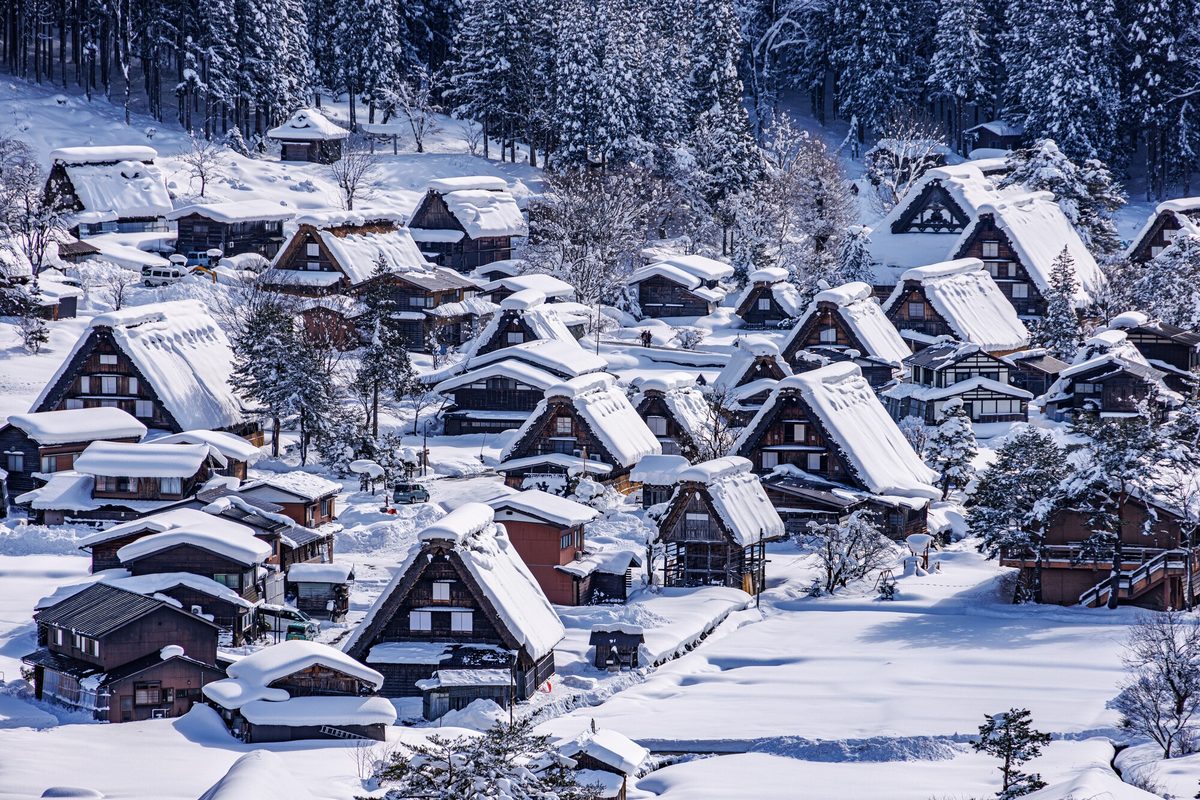
Shirakawa-go
A UNESCO World Heritage village of gassho-zukuri farmhouses — their steeply pitched thatched roofs designed to shed the Japan Alps' crushing winter snowfall. The village sits in an isolated valley and in winter looks exactly like a snow globe. Several farmhouses operate as minshuku (family inns), letting visitors sleep inside them.
Half day–1 day
Free (individual buildings ¥300–600)
Village: always accessible; Wada-ke house: 9:00–17:00; UNESCO site open year-round
December–February (snow), April–May (green), October (foliage)
Bus from Nagoya (approx. 2 hr 30 min) or Kanazawa (approx. 1 hr 20 min); reservation recommended
Location
Why Visit
- 1
UNESCO World Heritage since 1995 — the thatched gassho-zukuri roofs are unique to this valley
- 2
Winter illumination nights (February) turn the snow-covered village into a magical scene
- 3
Several farmhouses are operating family minshuku — sleep inside a 200-year-old thatched farmhouse
Local Tips
Snow-covered gassho-zukuri farmhouses in winter (December–March) create Japan's most iconic winter village scene. The Ogimachi viewpoint 5 minutes above the village gives the classic overhead angle. Weekdays in spring and autumn are far more peaceful than summer weekends when hundreds of tour buses arrive. Stay overnight in a farmhouse guesthouse to experience the village after day-trippers leave.
Add to your AI itinerary
Let AI build a multi-day trip around this spot.
Advertisement
More in Gifu
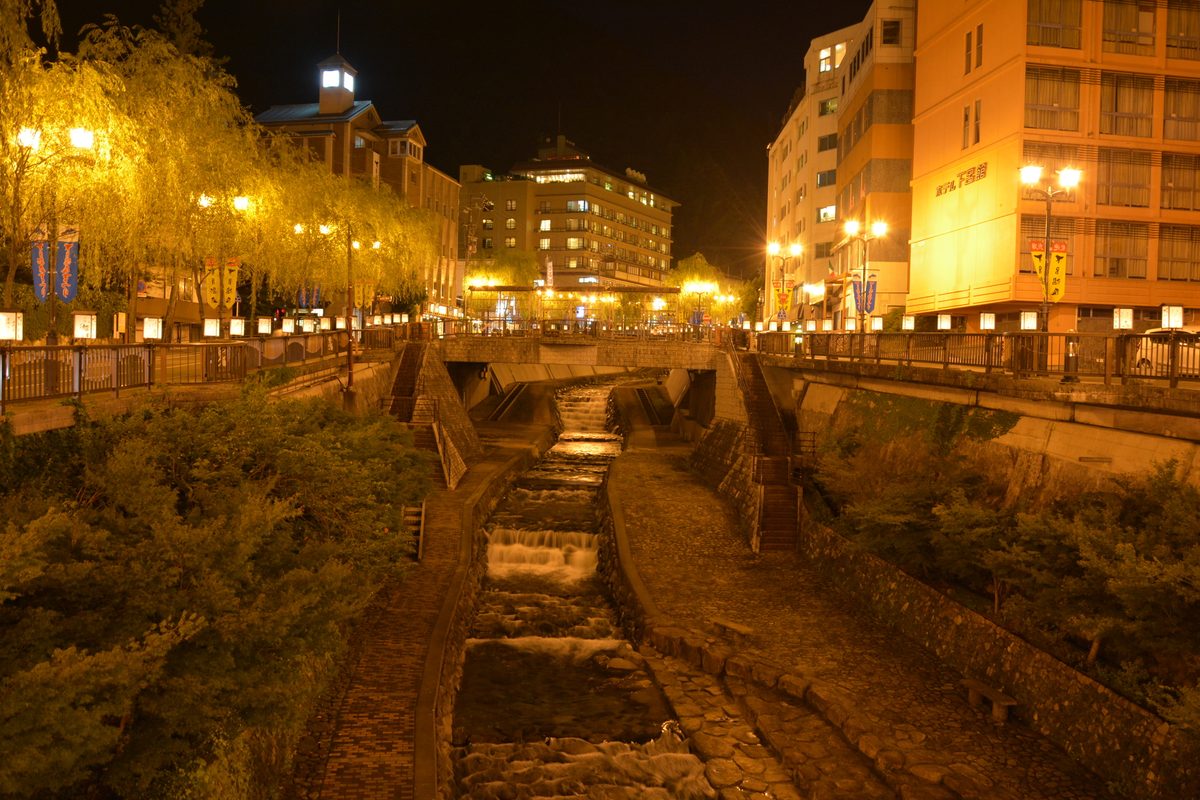
Gero Onsen
One of Japan's three great onsen alongside Arima and Kusatsu — Gero has been listed as a national hot spring since 1246. The bicarbonate spring water is mildly alkaline and produces silky skin. The riverside ryokan district, with outdoor baths overlooking the Hida River, is the classic Japanese onsen scene.
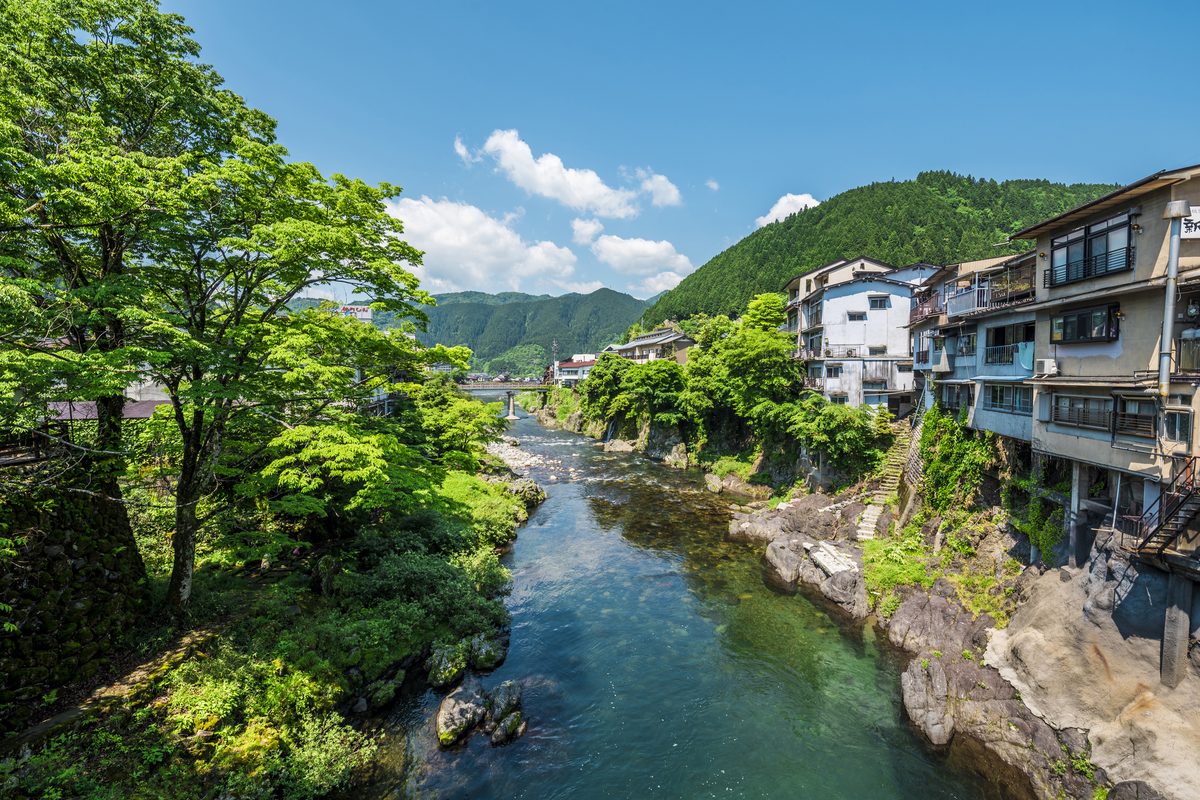
Gujo Hachiman
A mountain castle town threaded by crystal-clear streams where children still swim and play as they have for centuries. The town's water channels (suiro) were engineered so carefully that each neighbourhood has its own designated times for water usage — drinking, washing clothes, washing vegetables, and so on — a system still observed today.
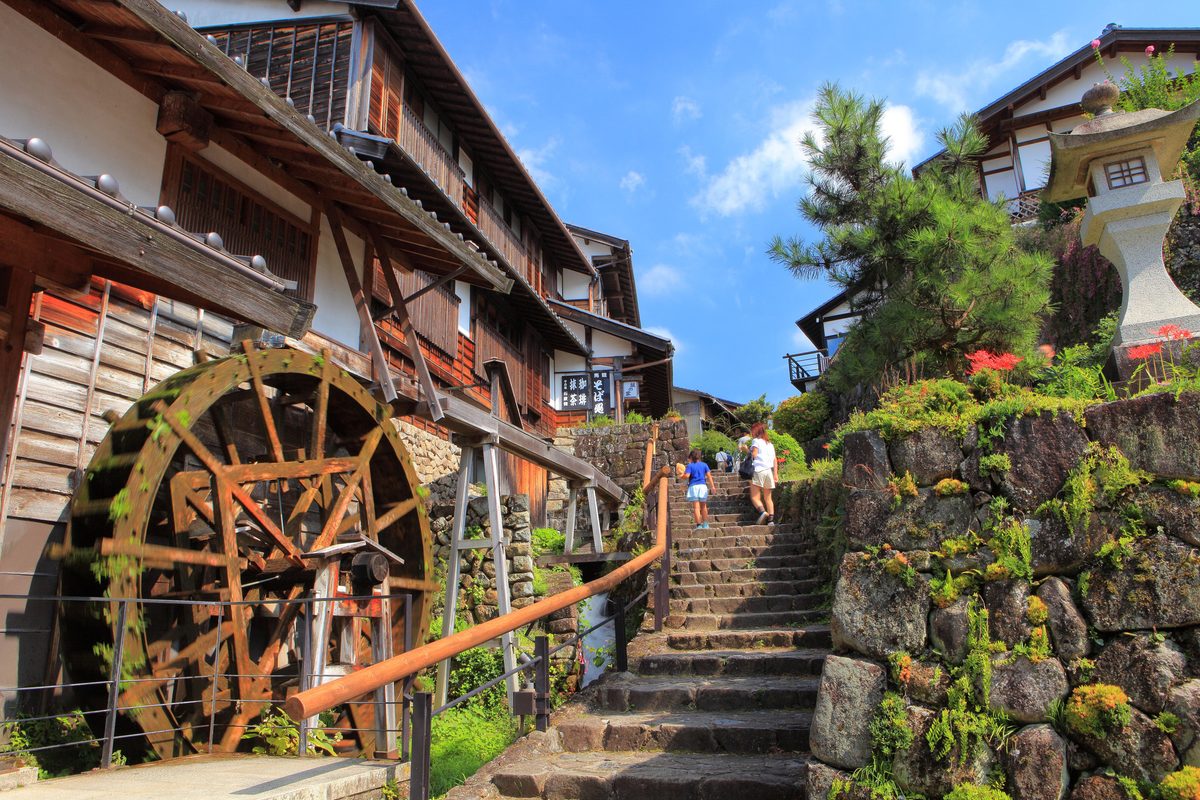
Magome-juku
The southern gateway to the Nakasendo mountain highway — a cobblestone post town on a hillside cleared of all modern signage and wiring. The Shimazaki Toson Literary Museum celebrates the novelist who set his masterpiece "Before the Dawn" here. The walk north to Tsumago-juku passes through forests unchanged for centuries.