
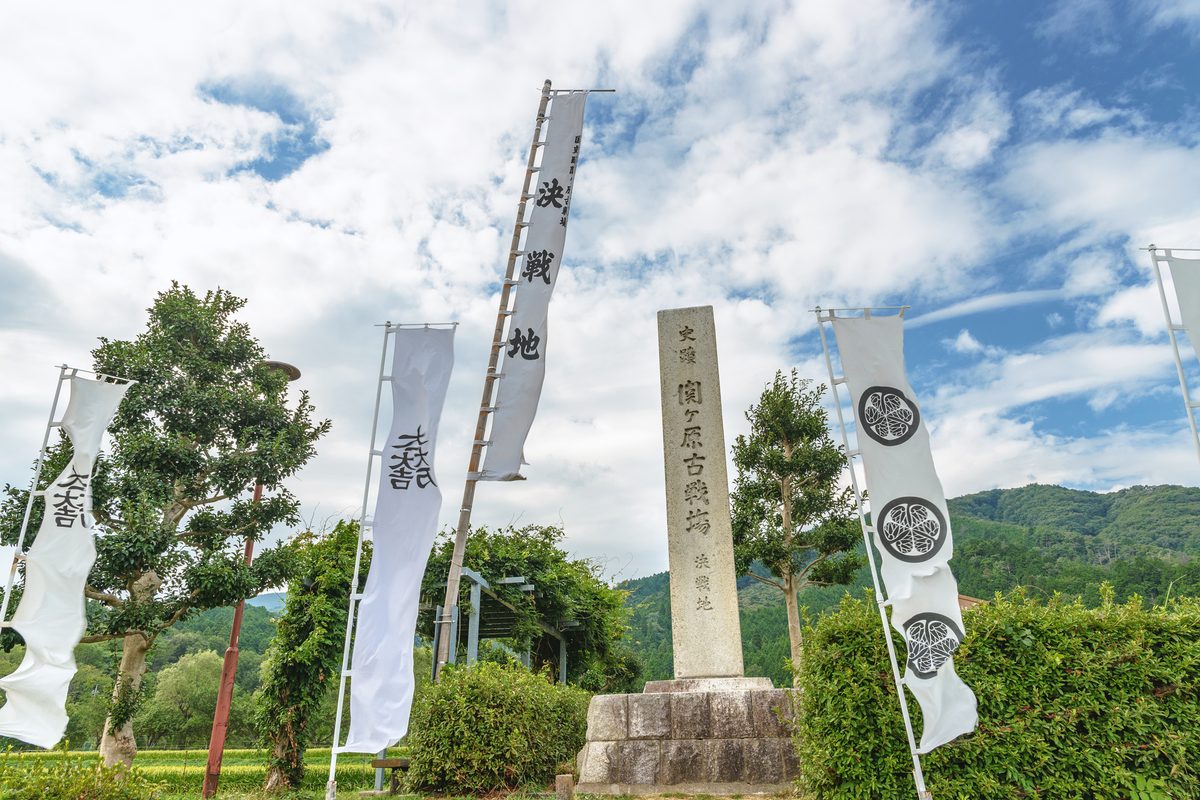
Sekigahara Battlefield
The site of Japan's most decisive battle (October 21, 1600) — the conflict that determined Tokugawa hegemony and the political structure of Japan for the next 265 years. The battlefield is mostly farmland but a new museum (2020) uses life-size dioramas and VR to recreate the 80,000-man engagement.
2–3 hours
Museum ¥500 (adult)
Battlefield: always accessible; Sekigahara Battlefield Museum: 9:30–17:00, closed Mon
Year-round (October 21 is the battle anniversary)
Sekigahara Station on JR Tokaido Line (from Nagoya, approx. 45 min)
Location
Why Visit
- 1
The Battle of Sekigahara (1600) ended Japan's civil wars — the most consequential single day in Japanese history
- 2
The modern Sekigahara History Museum (2020) uses VR to place you in the battlefield
- 3
Stone monuments mark where each army commander positioned their forces — the battlefield is largely untouched
Local Tips
The 1600 Battle of Sekigahara decided Japan's destiny — Tokugawa Ieyasu's victory here established 265 years of shogunate rule. The museum opened in 2020 and is genuinely outstanding with large-scale dioramas and artifacts. The battlefield markers across the valley floor allow a self-guided 3-hour walking route. Combine with nearby Ogaki Castle for a full Gifu history day.
Add to your AI itinerary
Let AI build a multi-day trip around this spot.
Advertisement
More in Gifu
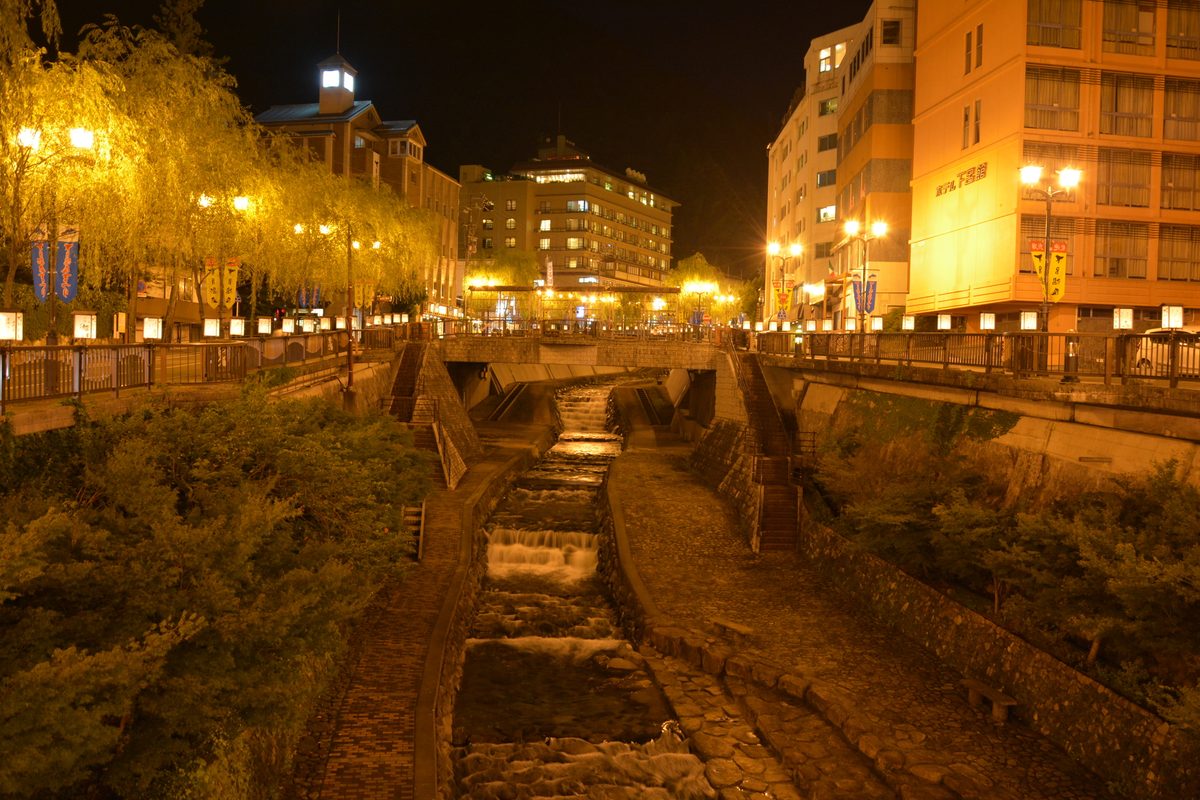
Gero Onsen
One of Japan's three great onsen alongside Arima and Kusatsu — Gero has been listed as a national hot spring since 1246. The bicarbonate spring water is mildly alkaline and produces silky skin. The riverside ryokan district, with outdoor baths overlooking the Hida River, is the classic Japanese onsen scene.
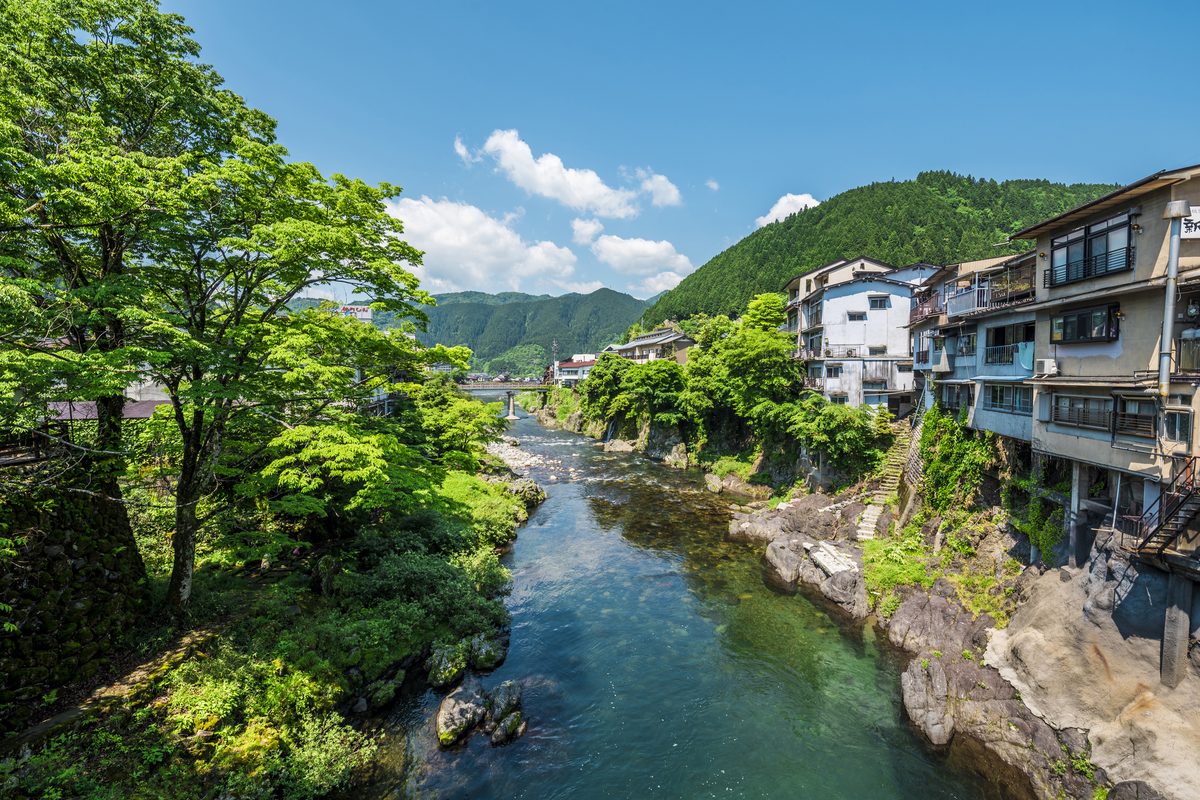
Gujo Hachiman
A mountain castle town threaded by crystal-clear streams where children still swim and play as they have for centuries. The town's water channels (suiro) were engineered so carefully that each neighbourhood has its own designated times for water usage — drinking, washing clothes, washing vegetables, and so on — a system still observed today.
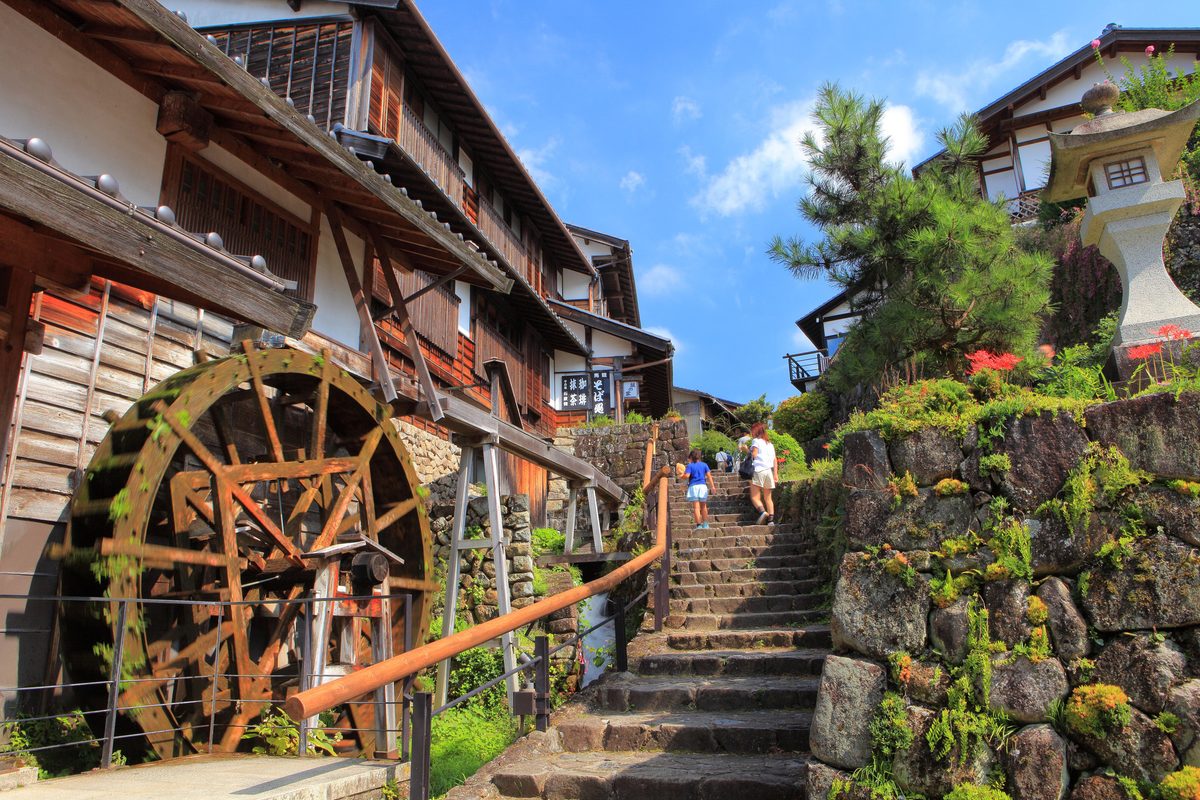
Magome-juku
The southern gateway to the Nakasendo mountain highway — a cobblestone post town on a hillside cleared of all modern signage and wiring. The Shimazaki Toson Literary Museum celebrates the novelist who set his masterpiece "Before the Dawn" here. The walk north to Tsumago-juku passes through forests unchanged for centuries.