
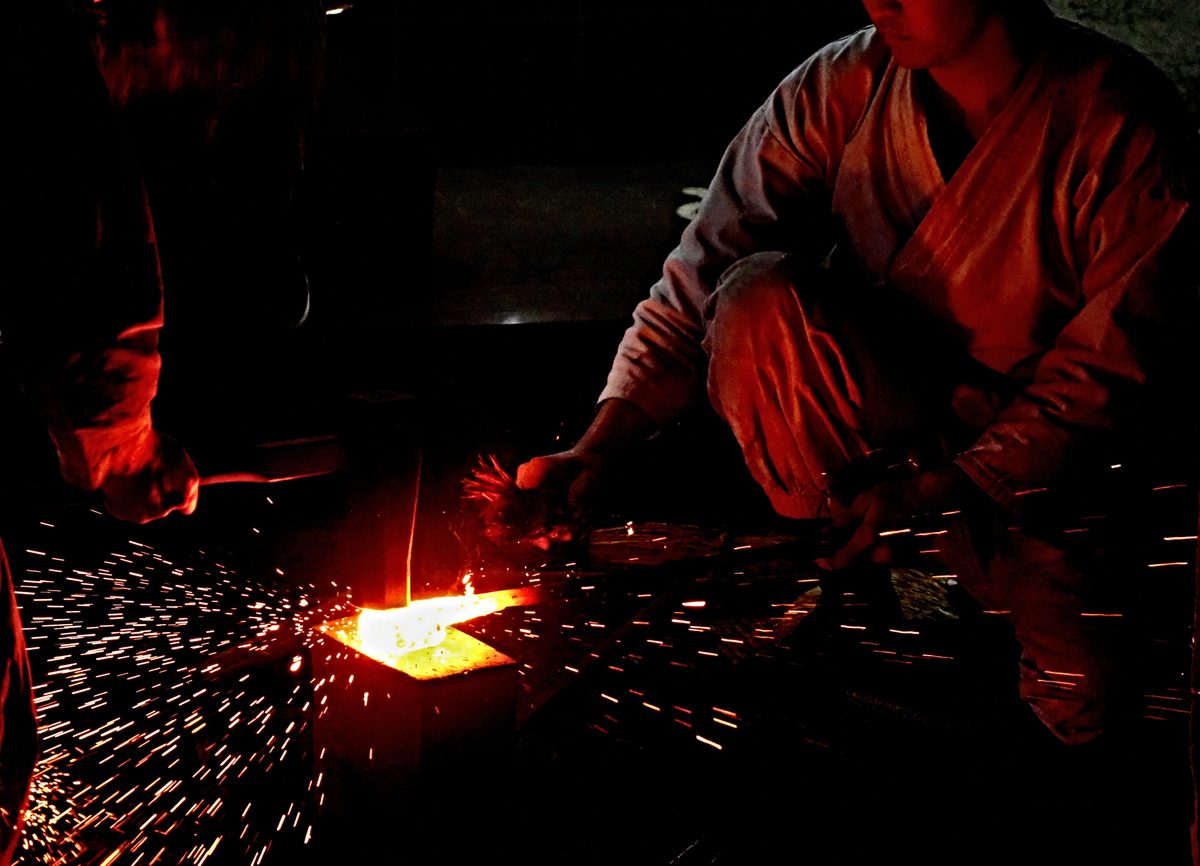
Seki — Japan's Sword & Blade City
Japan's sword-making capital since the 13th century, now the world's leading producer of precision cutlery. Seki forged swords for samurai across medieval Japan; today its workshops produce kitchen knives and surgical blades for global markets. The Seki Traditional Swordsmith Museum hosts live forging demonstrations.
2–3 hours
Museum ¥300
Seki Cutlery Hall (Seki Hamono Kaikan): 9:00–17:00; closed Dec 29–Jan 1 only
Year-round (October for the Cutlery Festival)
30 min from Gifu Station by Nagaragawa Railway
Location
Why Visit
- 1
Japan's sword capital since the 13th century — the tradition of samurai blades lives on here
- 2
Live sword-forging demonstrations at the Seki Traditional Swordsmith Museum
- 3
The Hamono (cutlery) shopping street sells chef's knives that cost a fraction of Tokyo retail prices
Local Tips
Seki has produced blades for 700 years and remains Japan's knife and scissor capital. The Seki Hamono Museum displays 700 years of blade history and live blacksmith demonstrations. Several factories (Spyderco Japan, Global knife) offer factory tours by reservation. The Blade Festival in October (Hamono Matsuri) has hundreds of stalls selling blades at significant discounts.
Add to your AI itinerary
Let AI build a multi-day trip around this spot.
Advertisement
More in Gifu
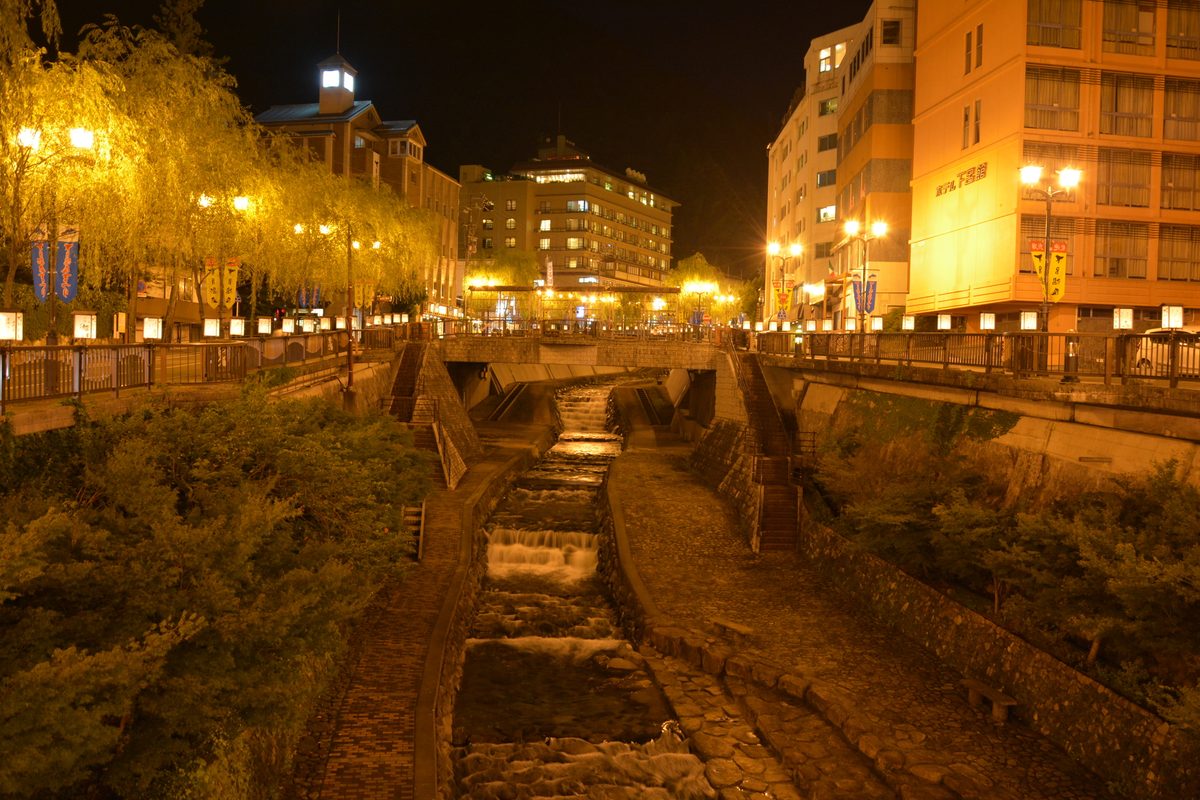
Gero Onsen
One of Japan's three great onsen alongside Arima and Kusatsu — Gero has been listed as a national hot spring since 1246. The bicarbonate spring water is mildly alkaline and produces silky skin. The riverside ryokan district, with outdoor baths overlooking the Hida River, is the classic Japanese onsen scene.
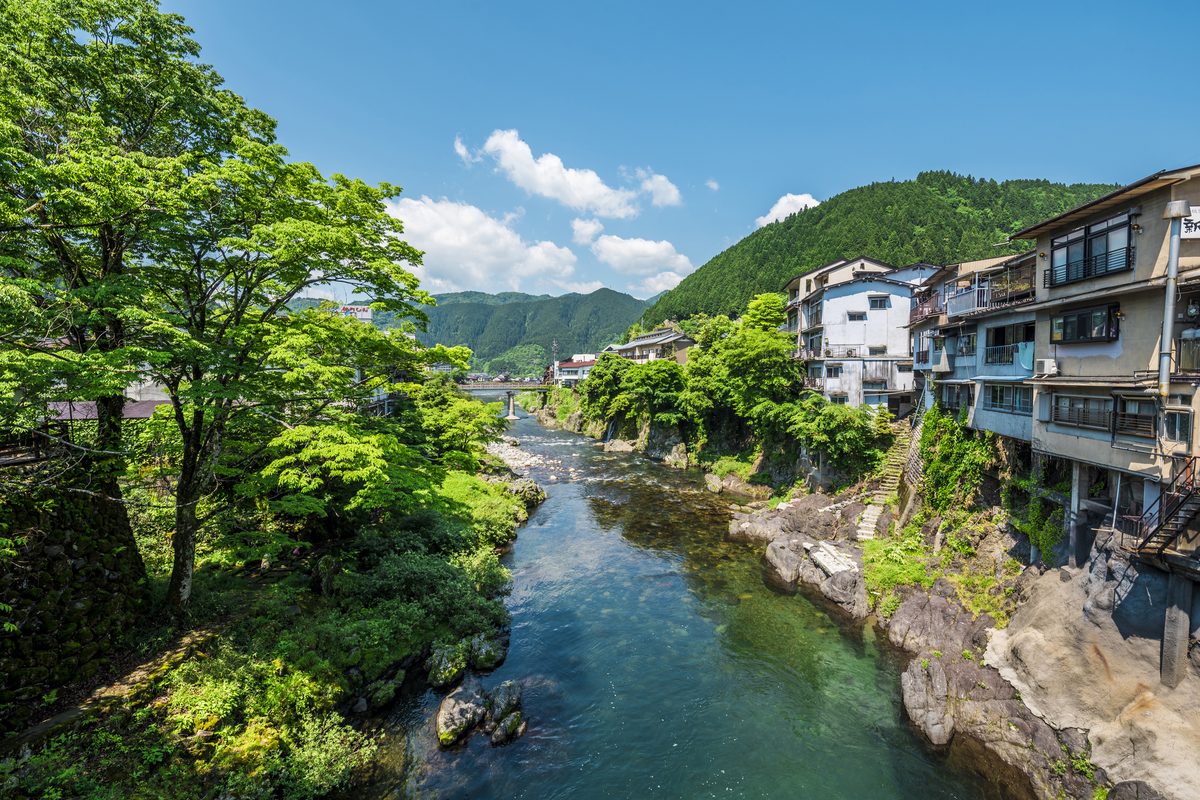
Gujo Hachiman
A mountain castle town threaded by crystal-clear streams where children still swim and play as they have for centuries. The town's water channels (suiro) were engineered so carefully that each neighbourhood has its own designated times for water usage — drinking, washing clothes, washing vegetables, and so on — a system still observed today.
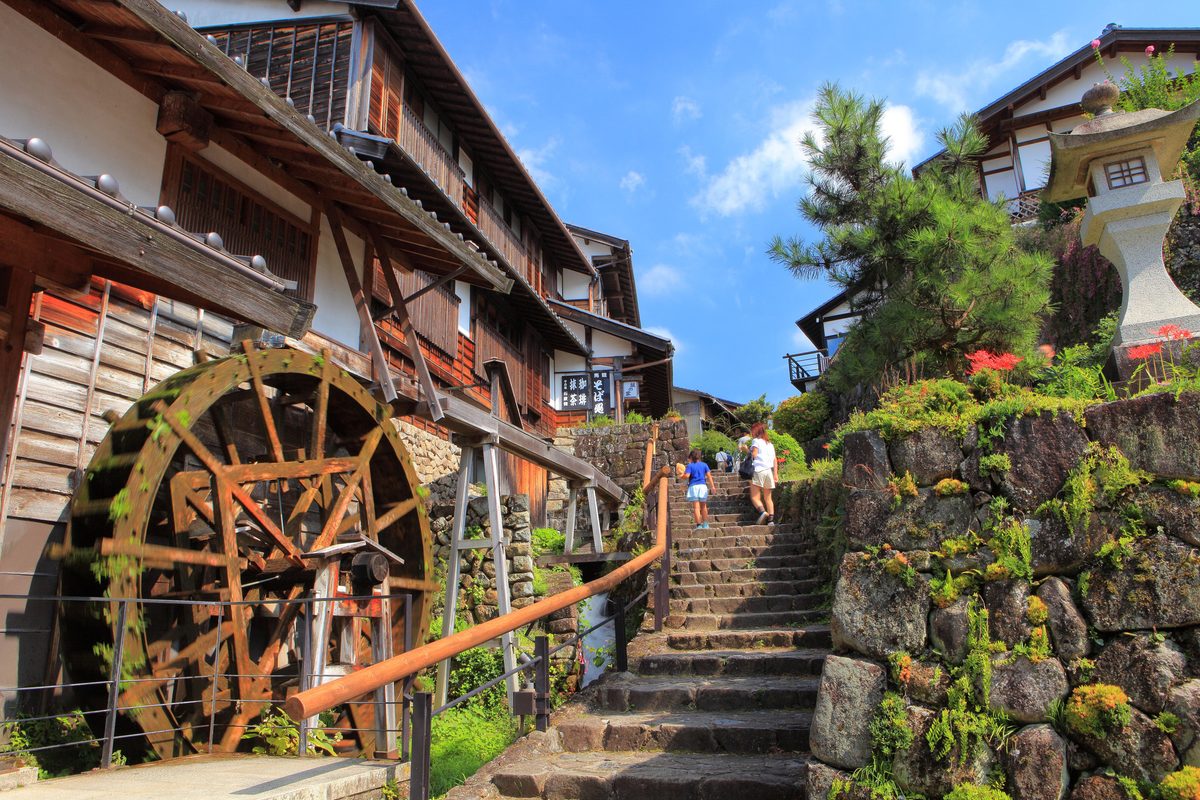
Magome-juku
The southern gateway to the Nakasendo mountain highway — a cobblestone post town on a hillside cleared of all modern signage and wiring. The Shimazaki Toson Literary Museum celebrates the novelist who set his masterpiece "Before the Dawn" here. The walk north to Tsumago-juku passes through forests unchanged for centuries.