
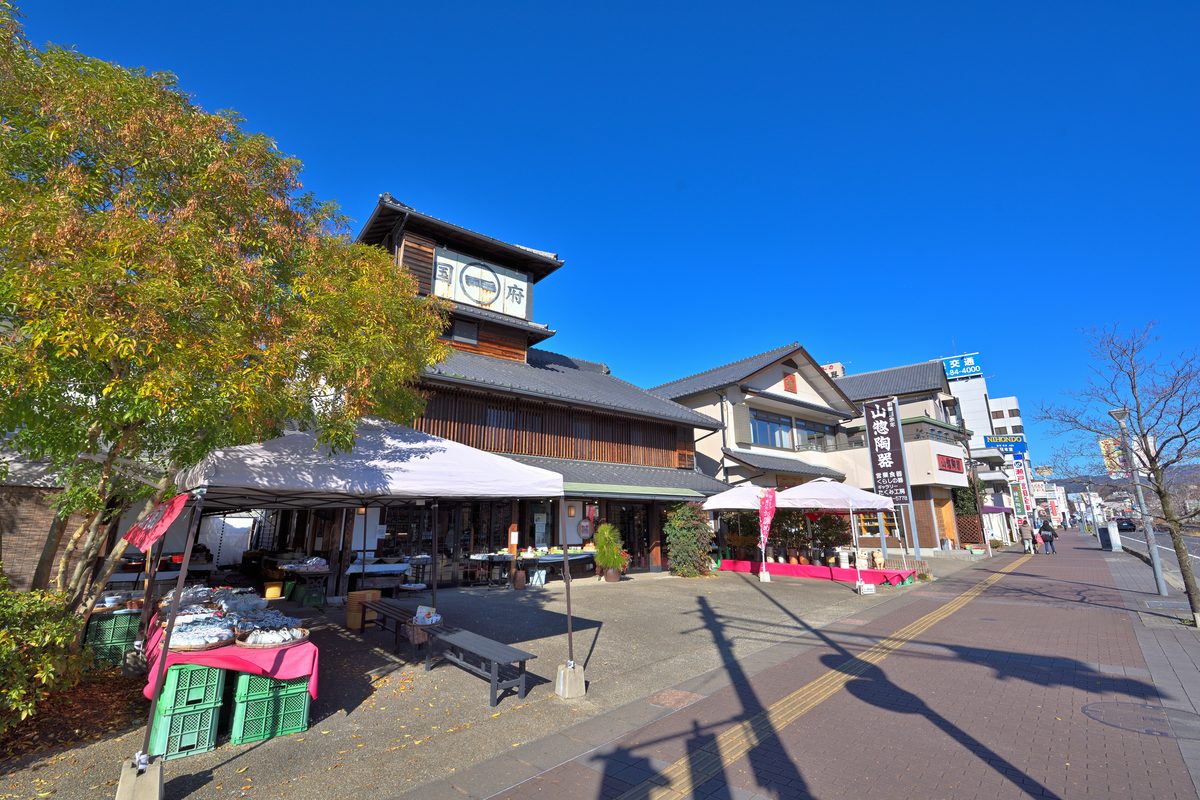
Seto — Japan's Pottery Capital
Seto has been Japan's ceramics heartland for 1,000 years — so central to pottery that the Japanese word "setomono" (ceramic ware) derives from the city's name. The streets are lined with kilns, galleries, and pottery-themed museums. The Seto Ceramic Fair each September turns the whole city into an outdoor market.
Location
Location available to Pro members
Upgrade to ProPro Spot
Upgrade to Pro to access local tips, secret timing, and insider highlights for this spot.
Upgrade to Pro — $4.99/moLocal Tips
Seto has produced over half of Japan's ceramic output since the 12th century — 'setomono' is still the generic Japanese word for ceramics. The Suemono-yama preservation area has traditional kilns and workshops. The Seto Ceramics Market (September) brings 300+ artists. The town is 30 min from Nagoya by Meitetsu Seto Line.
Add to your AI itinerary
Let AI build a multi-day trip around this spot.
Advertisement
More in Aichi
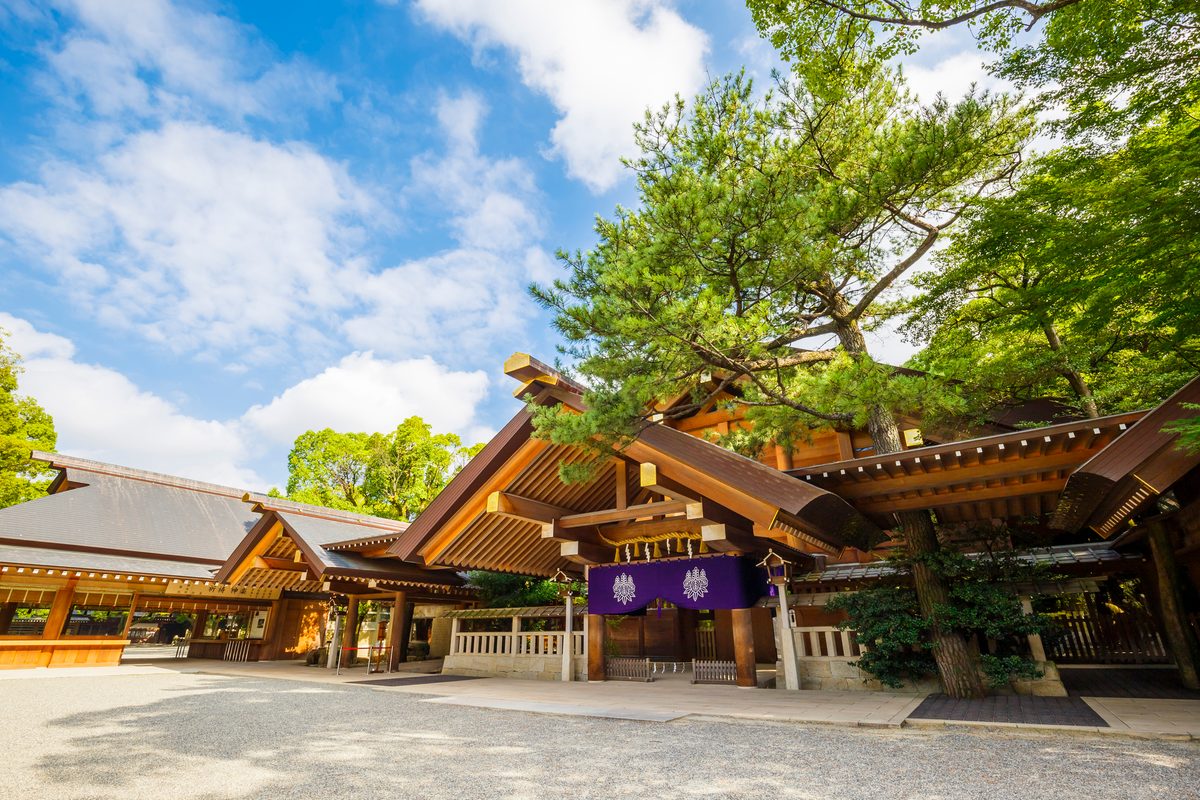
Atsuta Jingu
One of Japan's two most sacred Shinto shrines, Atsuta houses the Kusanagi-no-Tsurugi sword — one of the three Imperial Treasures of Japan. The 200,000-square-metre forested grounds feel ancient and serene, with massive camphor trees said to have been planted by Kobo Daishi over 1,200 years ago.
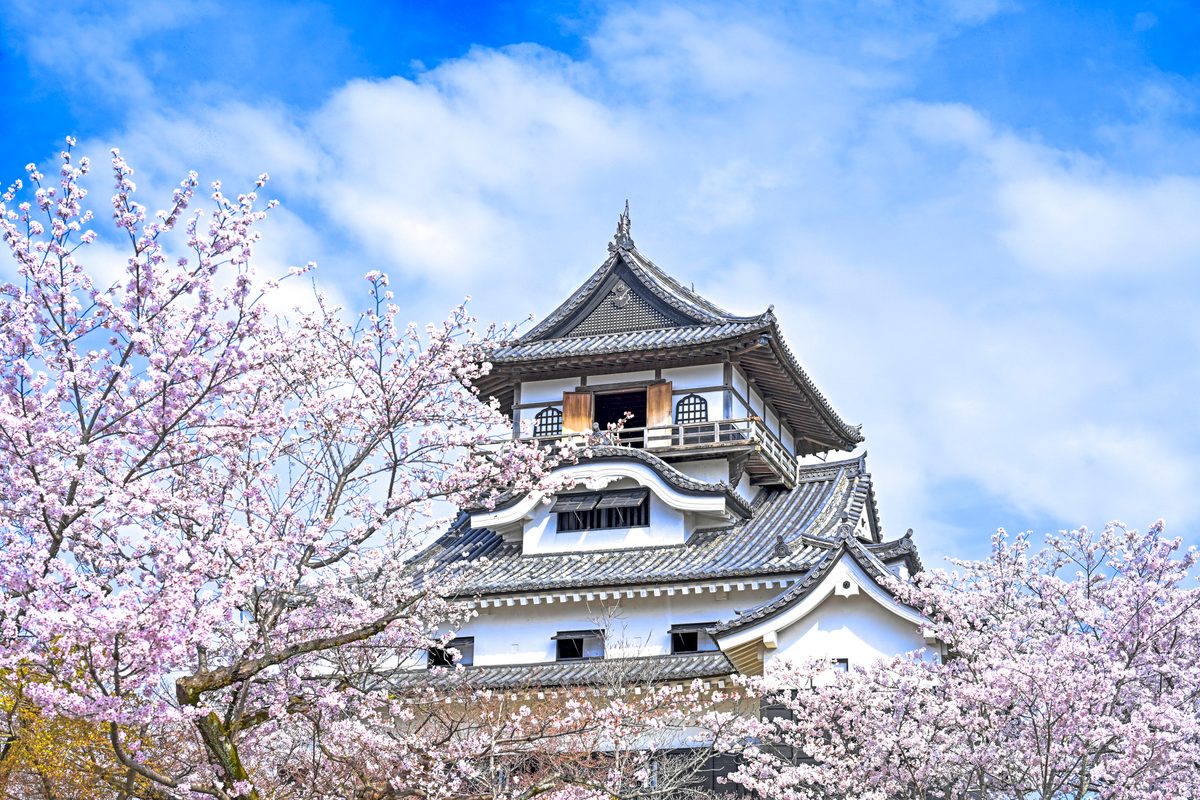
Inuyama Castle
Japan's oldest existing castle (1537) and the only one historically owned by a private individual until 2004. It perches dramatically on a cliff above the Kiso River, offering views unchanged for centuries. The unpainted natural wood interior and veranda on the top floor feel genuinely ancient.
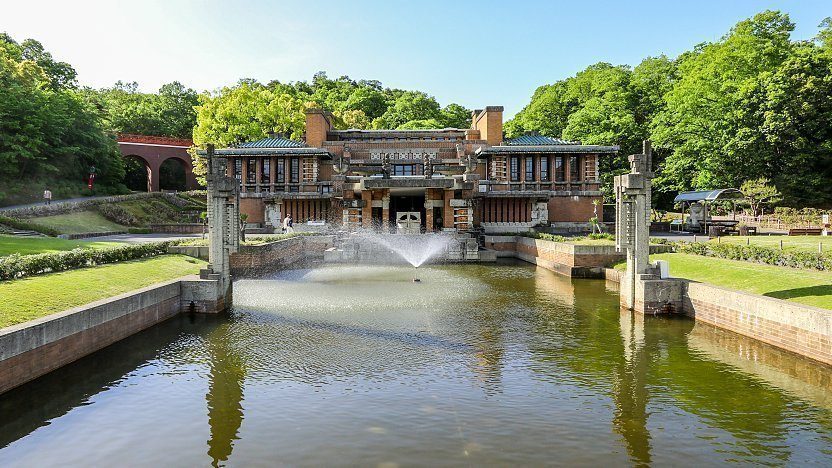
Meiji Mura Open Air Museum
A sprawling hillside park preserving 67 original Meiji-era (1868–1912) buildings relocated from across Japan — government offices, a Frank Lloyd Wright imperial hotel lobby, lighthouses, and kabuki theatres. One of the most unique museums in Japan, offering a full day's walk through the architectural past.