
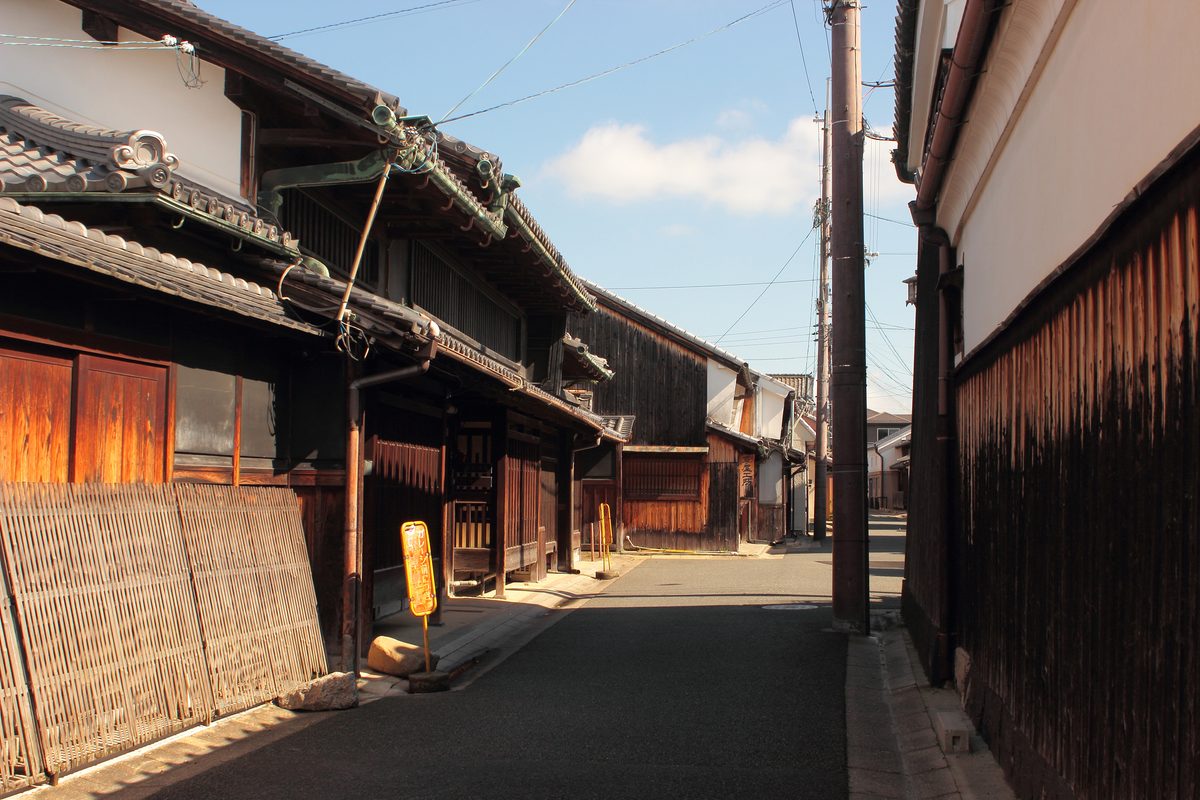
Naramachi Merchant Quarter
The preserved Edo-period merchant district of Nara, where narrow lanes wind between machiya townhouses and small workshops. Unlike the deer-park crowds, Naramachi moves at an unhurried pace with traditional craft shops, sake breweries, and hidden garden cafes occupying centuries-old buildings. The best after-hours Nara experience.
1–2 hours
Free (some venues paid)
Always accessible; Naramachi Koshi-no-Ie: 9:00–17:00, closed Mon
Year-round
15 min walk from Kintetsu Nara Station
Location
Why Visit
- 1
Koshi-no-ie (grated window house) is a fully restored Edo machiya you can enter for free
- 2
Independent craft studios sell Nara-specific items: ink sticks, brushes, and persimmon-tanned leather
- 3
Fewer than 5 minutes from the deer park yet receives a fraction of the visitor numbers
Local Tips
The machiya townhouses of Naramachi have narrow frontages but extend deeply back — the 'unagi-no-nedoko' (eel's bed) layout. The free Naramachi Koshi-no-Ie shows the interior of a merchant house authentically. The small lanes are ideal for getting lost on foot. The area is quieter than central Nara and gives a sense of the old city away from the deer and temples.
Add to your AI itinerary
Let AI build a multi-day trip around this spot.
Advertisement
More in Nara
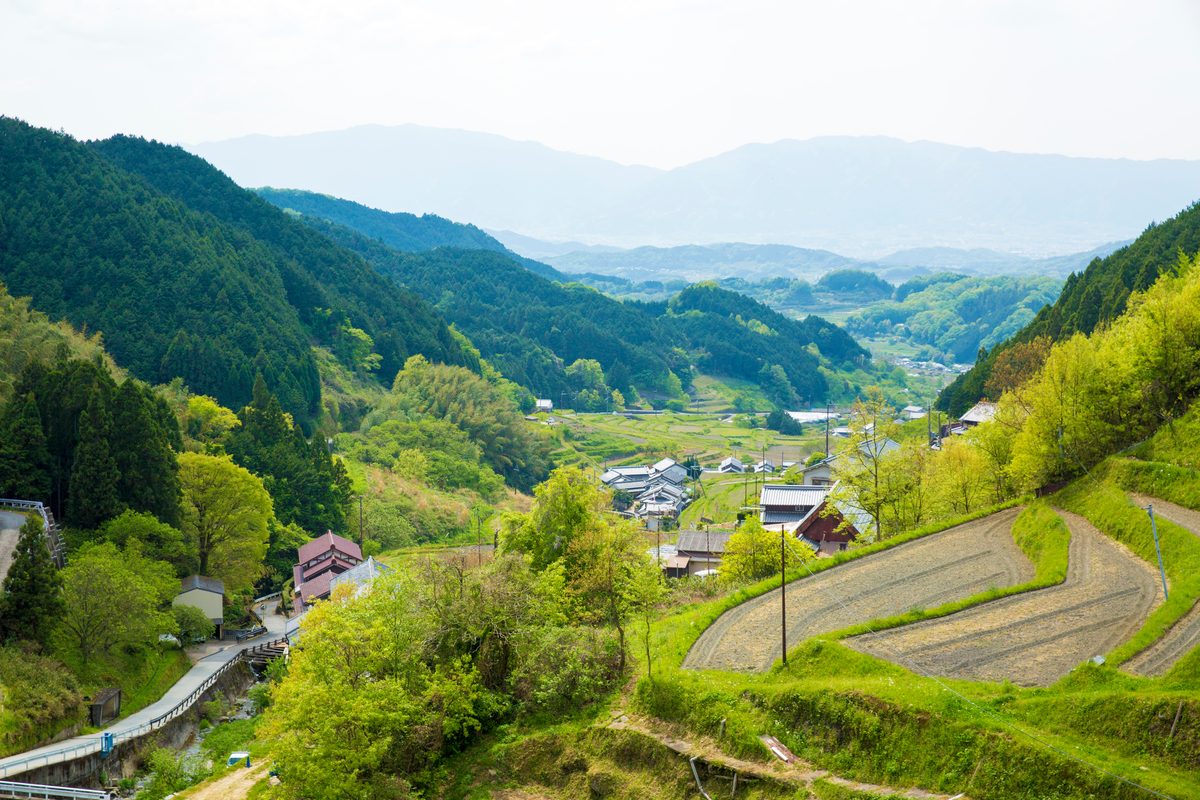
Asuka Village
Japan's ancient capital before Nara — the seat of power in the 6th and 7th centuries, dotted with mysterious stone sculptures, burial mounds, and the oldest Buddhist carvings in Japan. Best explored by rental bicycle through rice fields connecting colossal granite figures, imperial tombs, and the Asuka-dera temple (Japan's oldest).
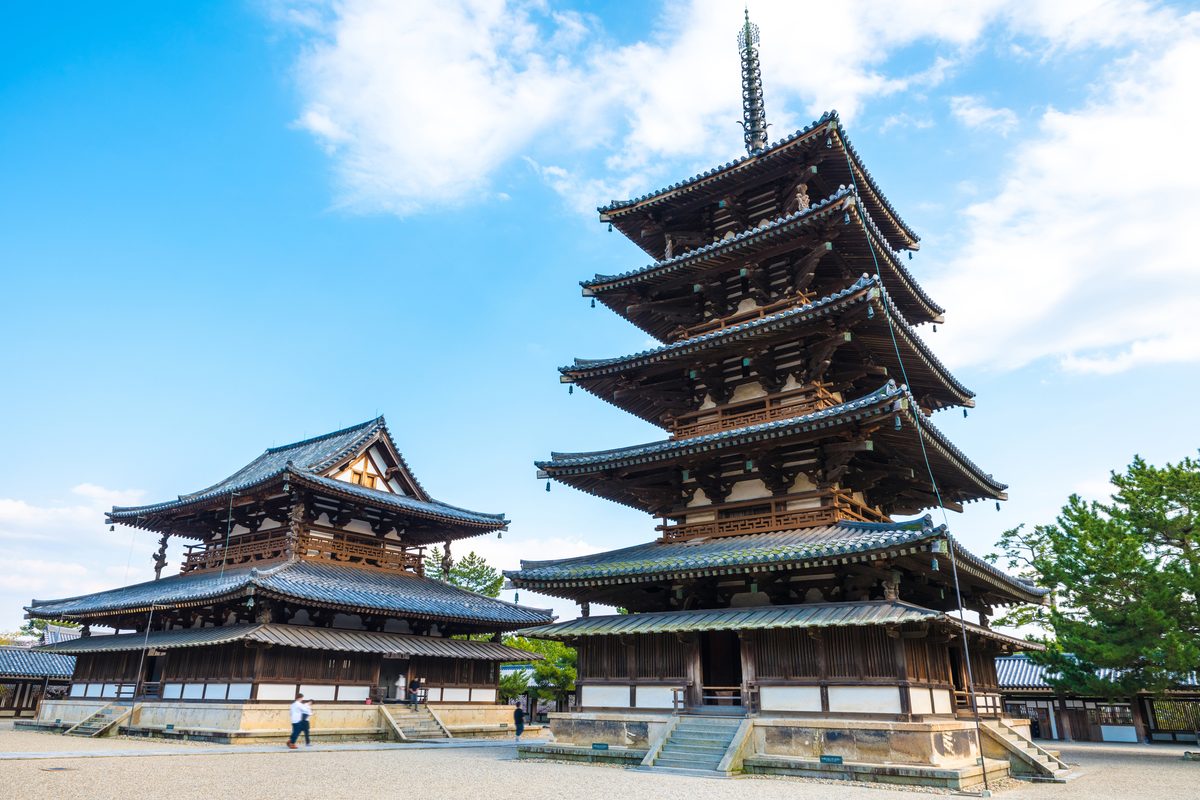
Horyuji Temple
The world's oldest surviving wooden structures — the main hall (kondo) and five-storey pagoda were built in 607 CE and have stood for 1,400 years. A UNESCO World Heritage site and the temple founded by Prince Shotoku himself. The attached Yumedono (Hall of Dreams) houses Japan's most perfectly preserved 7th-century gilt bronze statue.
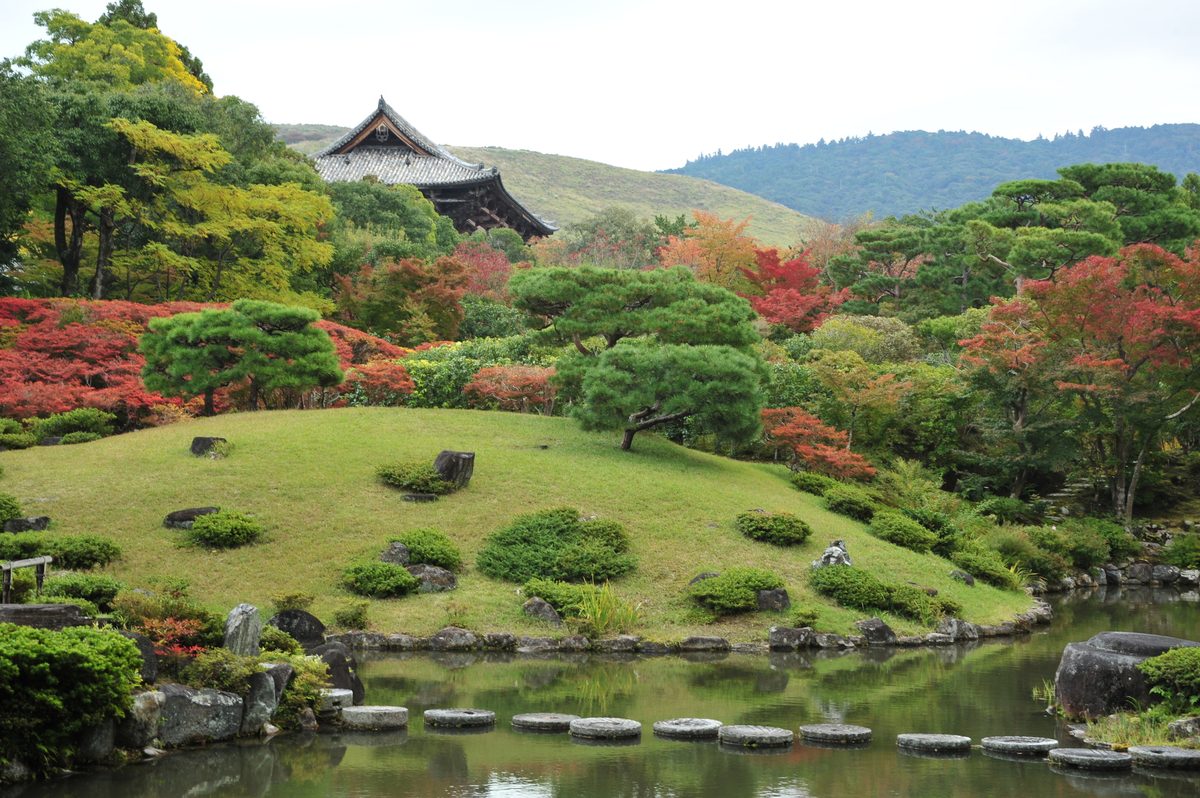
Isuien Garden
Nara's finest stroll garden — a succession of ponds, bridges, and viewpoints that incorporate Mt Mikasa and the Great Buddha Hall roof into the composition as "borrowed scenery." Built in the 17th and 19th centuries, it remains one of Japan's most sophisticated examples of the shakkei technique.