
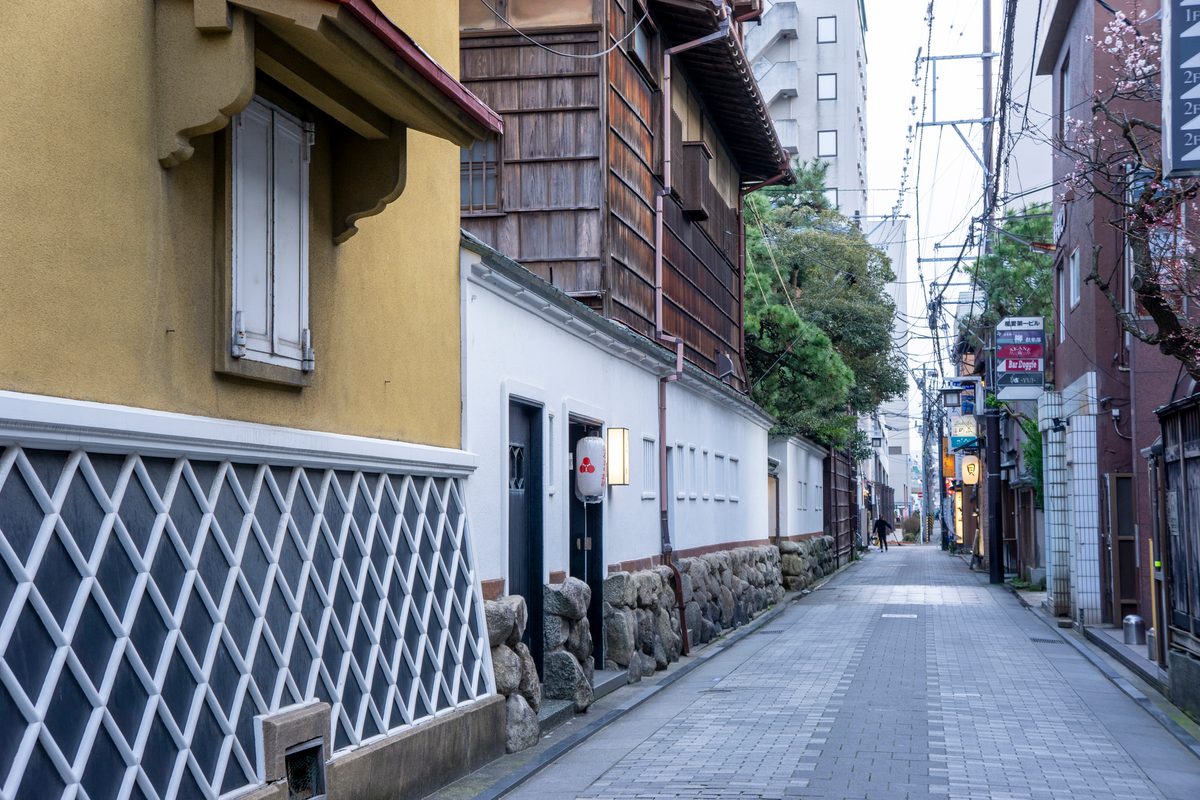
Niigata City — Furumachi & Canal Town
Niigata City sits on an island between the Shinano River and the Japan Sea — its historic Furumachi geisha district still has active ochaya, and the canal network that made the city Japan's primary Japan Sea port until the Meiji era is still navigable. The city is Japan's leading producer of rice crackers (senbei) and sake.
Half day
Free
Furumachi district: always accessible; restaurants: 11:00–22:00; Bandai City market area: 9:00–20:00
Year-round
Niigata Station (Joetsu Shinkansen, about 90 min from Tokyo, fastest 1h 29m)
Location
Why Visit
- 1
Furumachi is one of Japan's last surviving geisha districts outside Kyoto — active ochaya still operate
- 2
The Bandai Bridge over the Shinano River (1929) is a National Important Cultural Property
- 3
Japan's top senbei (rice cracker) and sake city — every department store has a specialty floor
Local Tips
Niigata is Japan's rice and sake capital — the combination of the highest quality rice (Koshihikari) and local water makes the sake here exceptional. The Furumachi geisha district still has active ochaya. Niigata City's craft beer scene has grown dramatically — good pairing with local seafood. The Minato district around the old port is being revitalised and worth exploring.
Add to your AI itinerary
Let AI build a multi-day trip around this spot.
Advertisement
More in Niigata
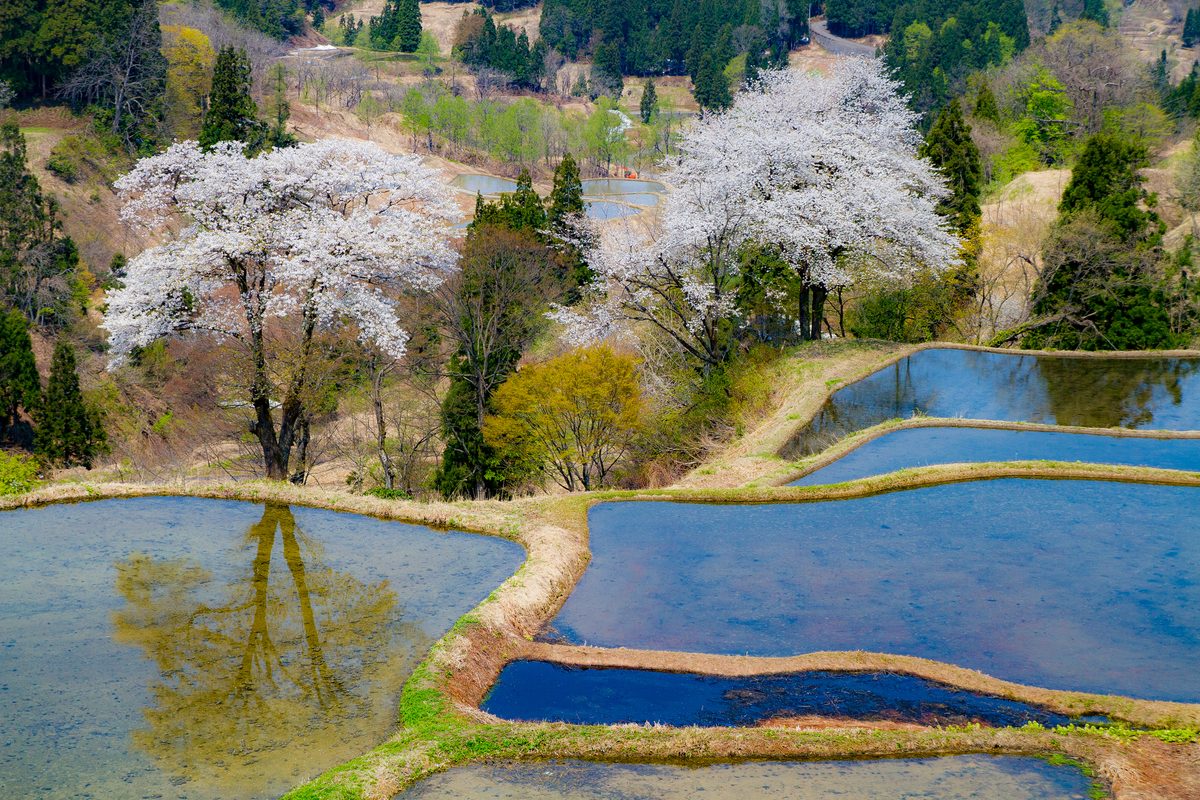
Echigo-Tsumari Art Field
The world's largest outdoor art festival — 760 artworks by 330 artists from 40 countries scattered across 760 square kilometres of rice terraces and mountain villages in the Tokamachi district. Works are permanently installed in farmhouses, forests, and fields, making every rice paddy potentially a gallery. The Tunnel of Light (James Turrell) alone justifies the journey.
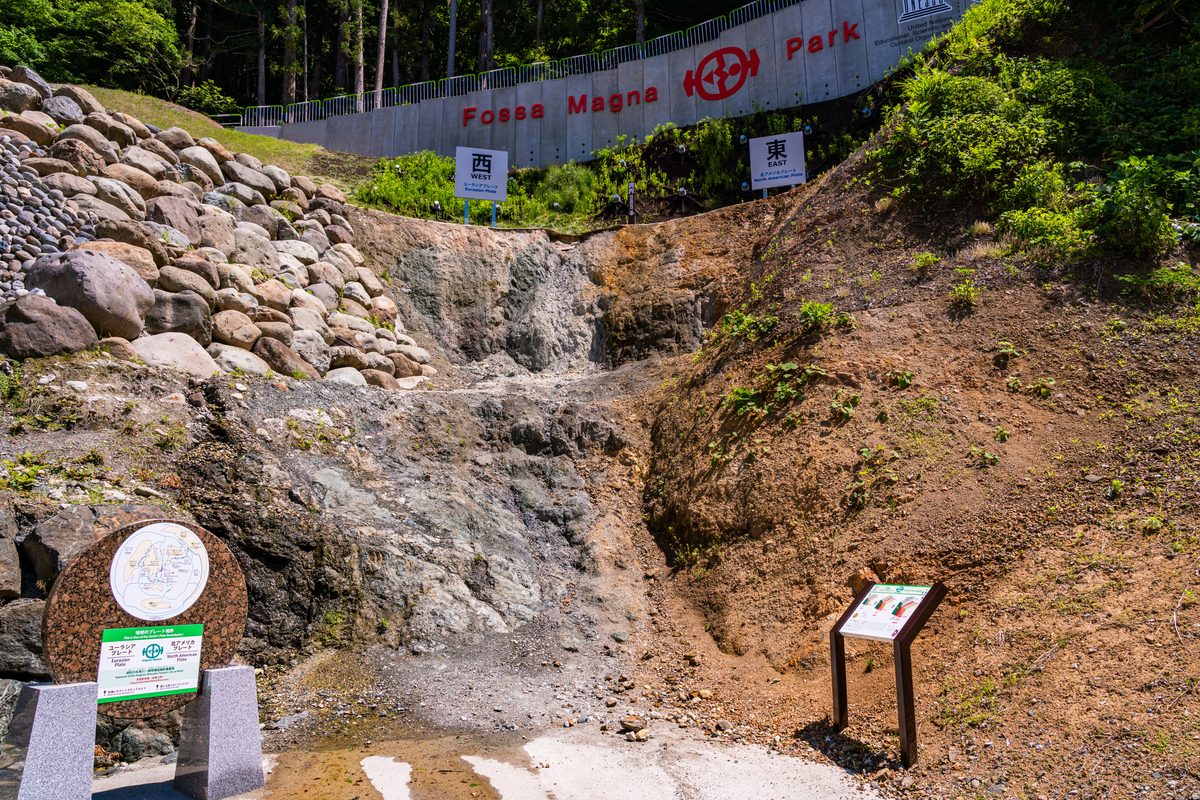
Fossa Magna Museum — Itoigawa
Itoigawa is where the Fossa Magna — the geological rift that divides eastern and western Japan — reaches the Japan Sea. The seabed pebble beaches here produce Japan's finest jadeite: the only place in Japan where you can legally collect jade directly from the beach. The Fossa Magna Museum explains the tectonic drama that created Japan.
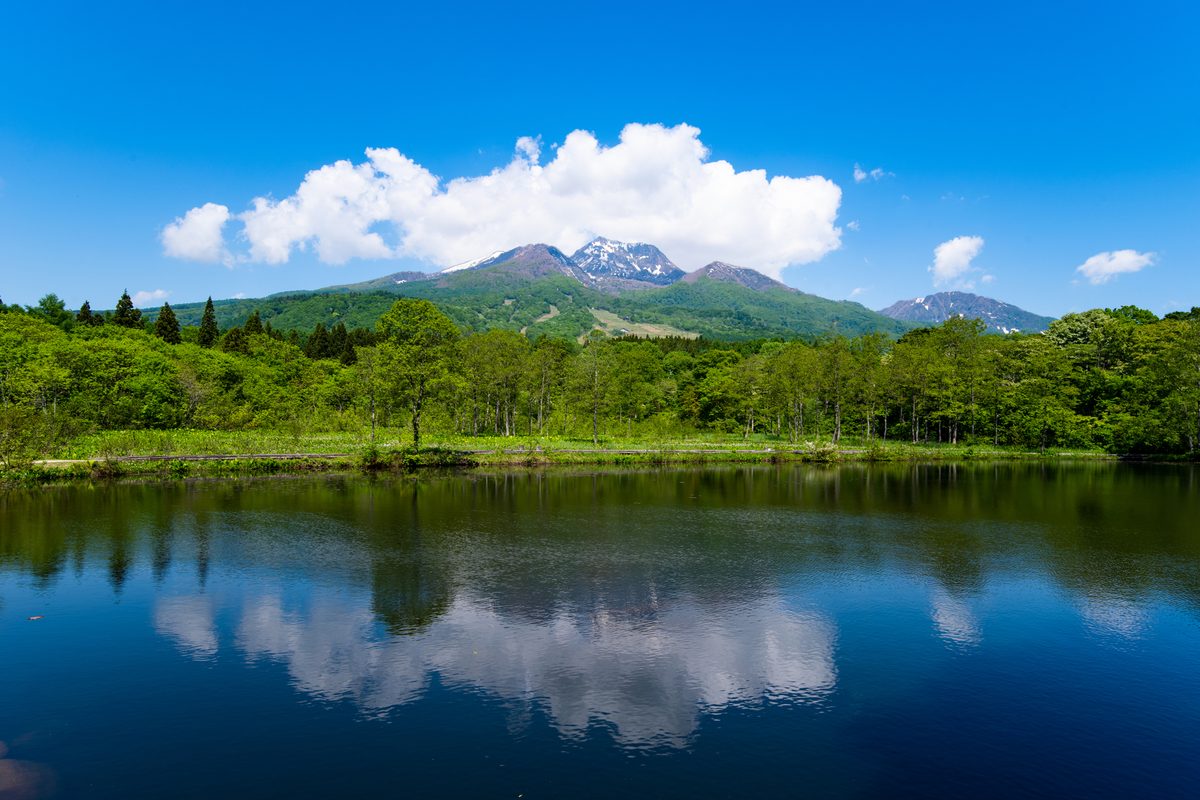
Myoko Kogen
A volcanic highland with one of Japan's deepest consistent powder snowfalls — 10–15 metres per season make Myoko one of the world's top powder destinations alongside Niseko. The hot spring town has operated for 1,200 years, and summer brings lush beech forests, wildflower meadows, and paragliding above the volcanic crater lakes.