
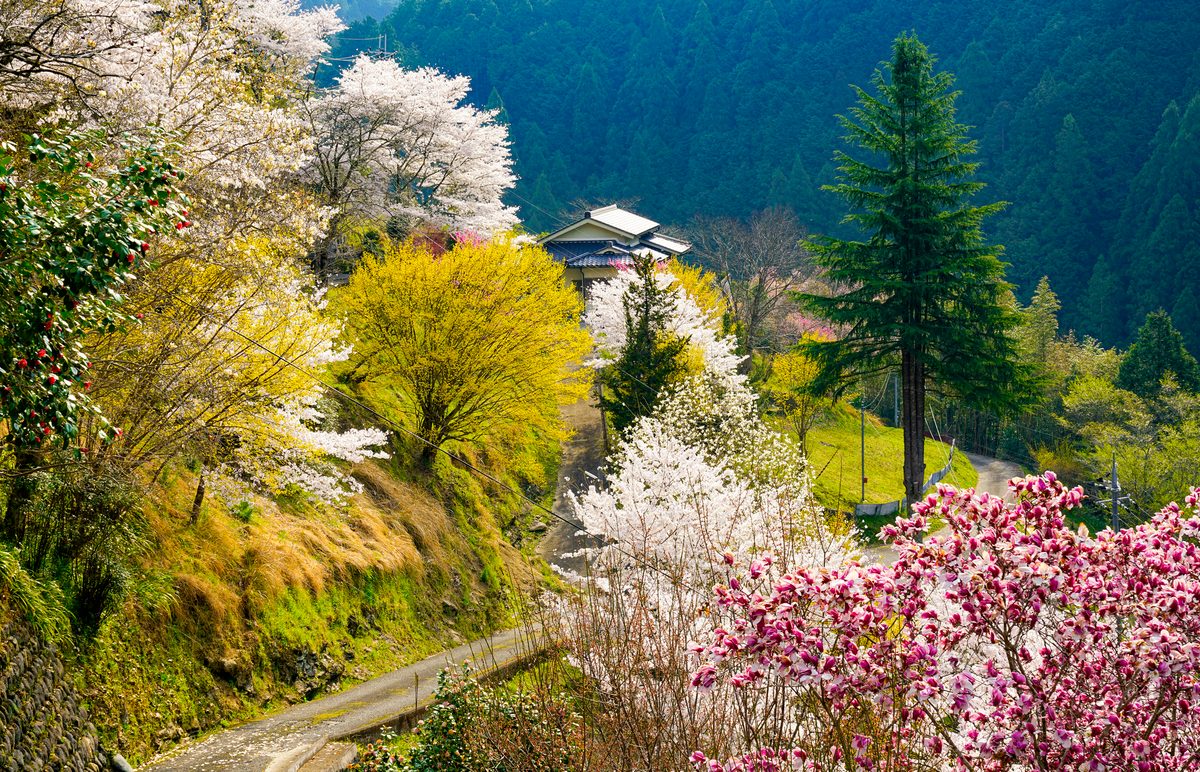
Nishiyoshino Mimosa Valley
Japan's most stunning mimosa blossom landscape — thousands of mimosa trees covering entire hillsides in bright yellow in late February, weeks before sakura. The river valley in Nishiyoshino turns completely gold, and the contrast with the snow-dusted mountains behind makes for extraordinary photographs largely unknown to foreign visitors.
1.5–2 hours
Free
Park area: always open; mimosa peak: late February–mid March
Late February–early March
Nishiyoshino Station on Kintetsu Yoshino Line
Location
Why Visit
- 1
The entire valley turns gold in late February — one of Japan's most spectacular winter-spring transitions
- 2
Almost unknown to foreign tourists — entirely local pilgrimage for Japanese flower-watchers
- 3
Often combined with Yoshino cherry blossoms for a two-season Nara flower itinerary
Local Tips
A valley of 200 mimosa trees in full yellow bloom in late February — one of Japan's earliest and most unusual spring spectacles. The trees line a 1km walking path through a mountain village. Very remote (requires a car); combine with Yoshino's plum blossoms (40 min north) if visiting in the same window.
Add to your AI itinerary
Let AI build a multi-day trip around this spot.
Advertisement
More in Nara
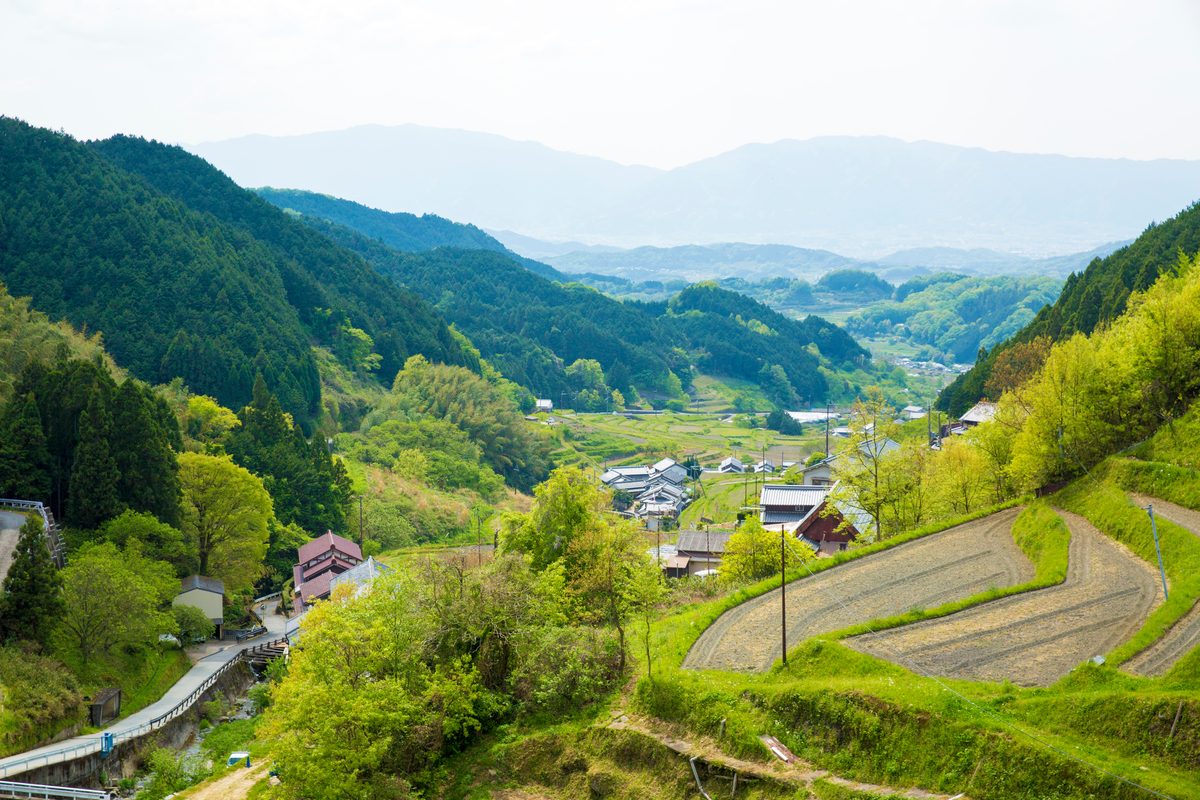
Asuka Village
Japan's ancient capital before Nara — the seat of power in the 6th and 7th centuries, dotted with mysterious stone sculptures, burial mounds, and the oldest Buddhist carvings in Japan. Best explored by rental bicycle through rice fields connecting colossal granite figures, imperial tombs, and the Asuka-dera temple (Japan's oldest).
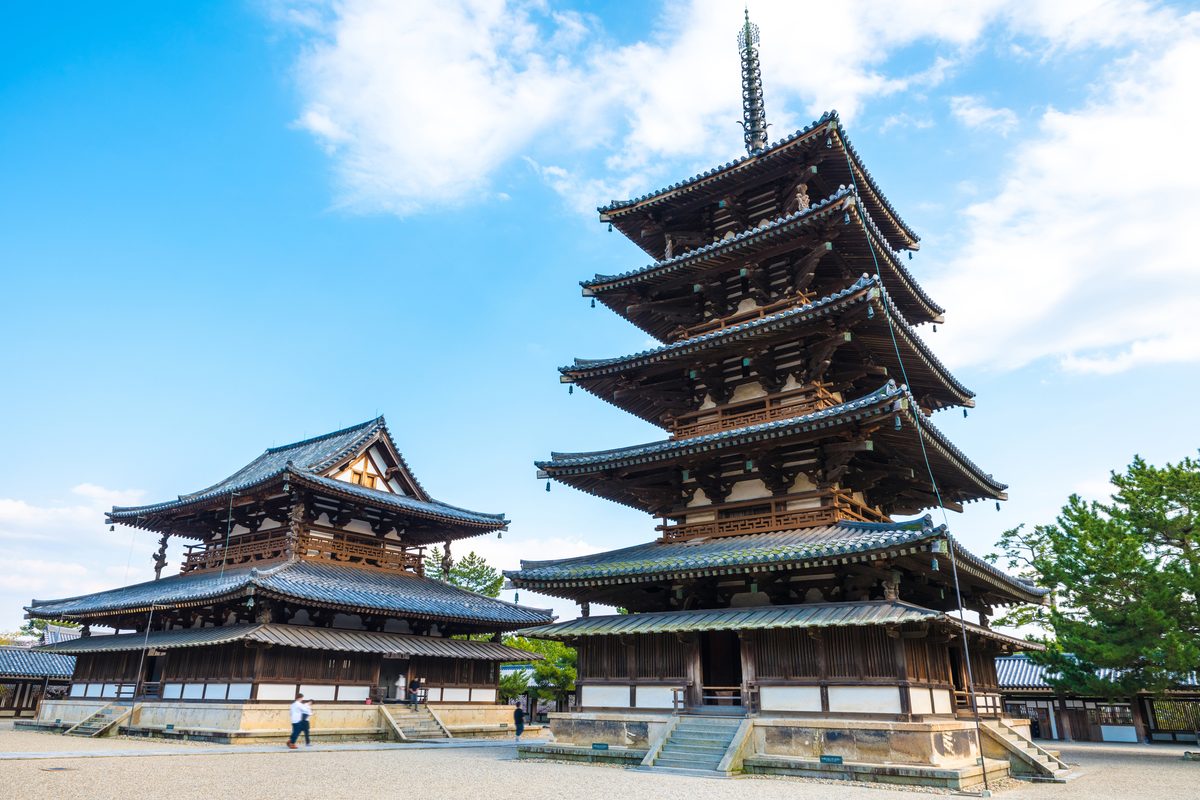
Horyuji Temple
The world's oldest surviving wooden structures — the main hall (kondo) and five-storey pagoda were built in 607 CE and have stood for 1,400 years. A UNESCO World Heritage site and the temple founded by Prince Shotoku himself. The attached Yumedono (Hall of Dreams) houses Japan's most perfectly preserved 7th-century gilt bronze statue.
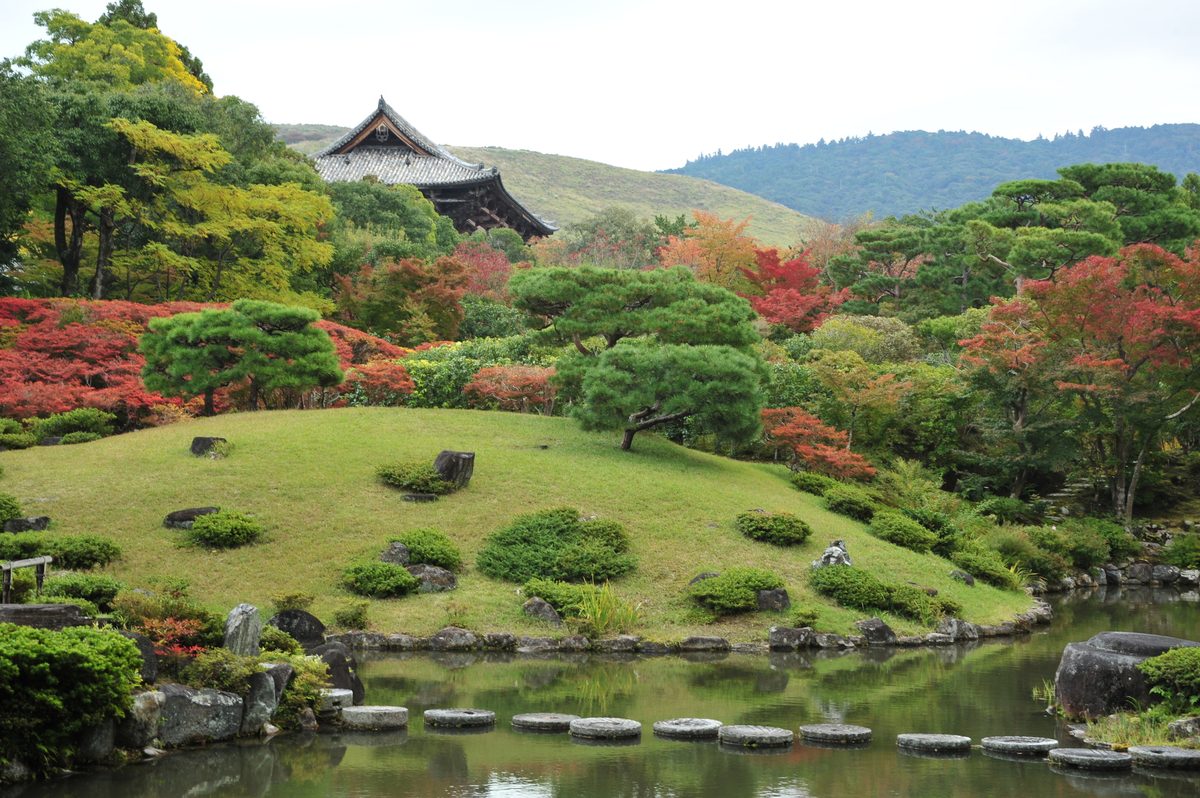
Isuien Garden
Nara's finest stroll garden — a succession of ponds, bridges, and viewpoints that incorporate Mt Mikasa and the Great Buddha Hall roof into the composition as "borrowed scenery." Built in the 17th and 19th centuries, it remains one of Japan's most sophisticated examples of the shakkei technique.