
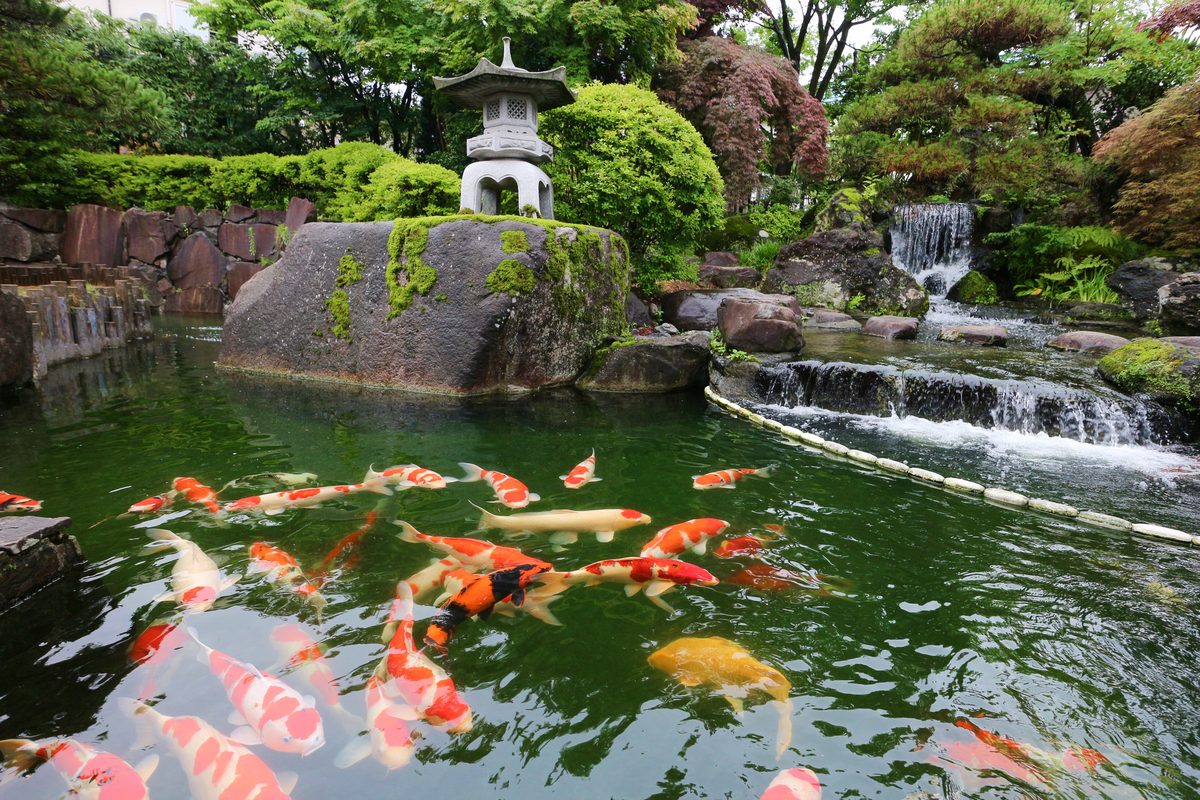
Ojiya — Koi Carp Capital
The birthplace of Nishikigoi (ornamental koi carp) — the living jewels that now sell for millions of dollars at international auctions. The koi mutation was first bred here in 1820 from rice paddy carp. The Nishikigoi no Sato museum has 1,000 prize-winning koi in display ponds, and surrounding farms let visitors view breeding stock.
1.5–2 hours
Museum ¥550 (from Apr 2026), ¥520 until then
Nishikigoi no Sato (Koi museum): 9:00–17:00 (9:00–17:00 Dec–Feb); closed New Year only; koi farms viewable from roads.
Year-round
Ojiya Station on Joetsu Line (from Nagaoka, 15 min)
Location
Why Visit
- 1
Nishikigoi were first bred here in 1820 — every ornamental koi worldwide traces its ancestry to Ojiya
- 2
Nishikigoi no Sato: 1,000 champion koi in display pools — fish worth ¥1–100 million each
- 3
The koi auctions at October Ojiya festival draw buyers from 50 countries
Local Tips
Ojiya is the birthplace of Nishikigoi (ornamental koi carp) — the colourful varieties developed here in the 19th century. The museum explains 200 years of selective breeding. The Ojiya Konjakikan Koi Farm allows close viewing and feeding of championship-grade koi. Local sake and snow-country cuisine (snow-aged food, Uonuma rice) are also outstanding.
Add to your AI itinerary
Let AI build a multi-day trip around this spot.
Advertisement
More in Niigata
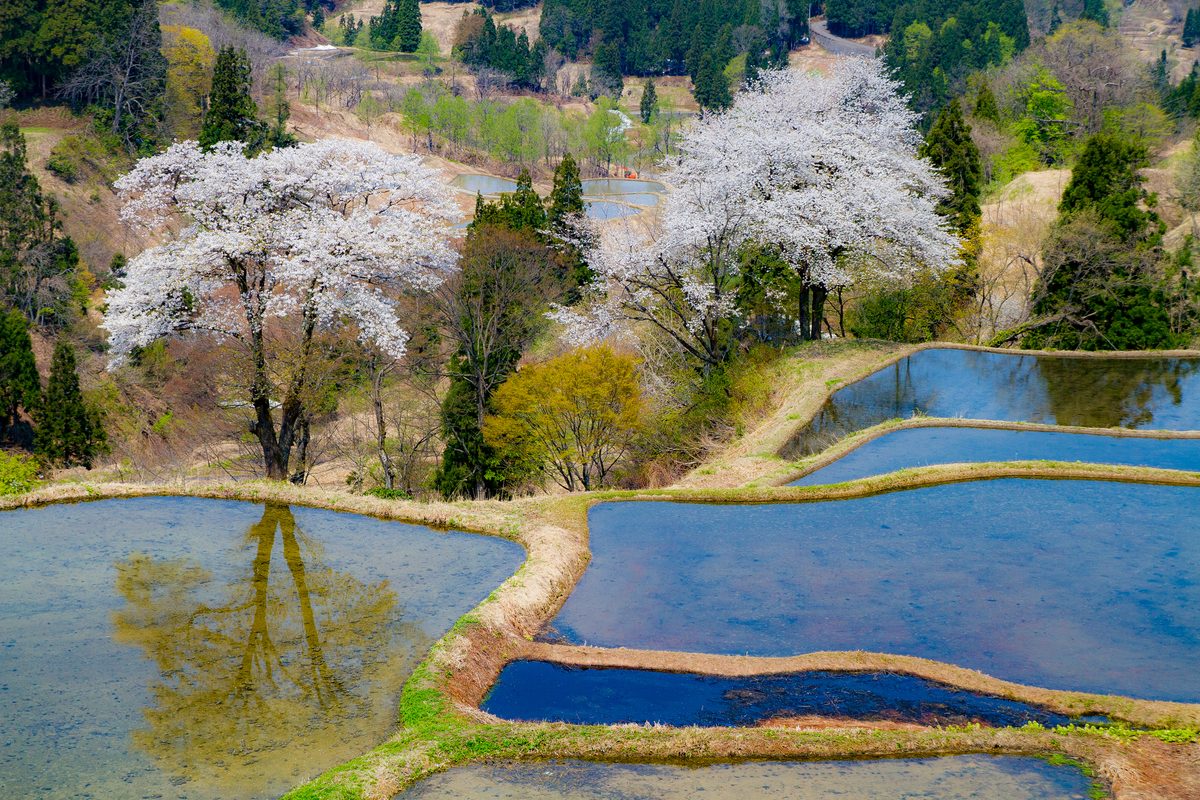
Echigo-Tsumari Art Field
The world's largest outdoor art festival — 760 artworks by 330 artists from 40 countries scattered across 760 square kilometres of rice terraces and mountain villages in the Tokamachi district. Works are permanently installed in farmhouses, forests, and fields, making every rice paddy potentially a gallery. The Tunnel of Light (James Turrell) alone justifies the journey.
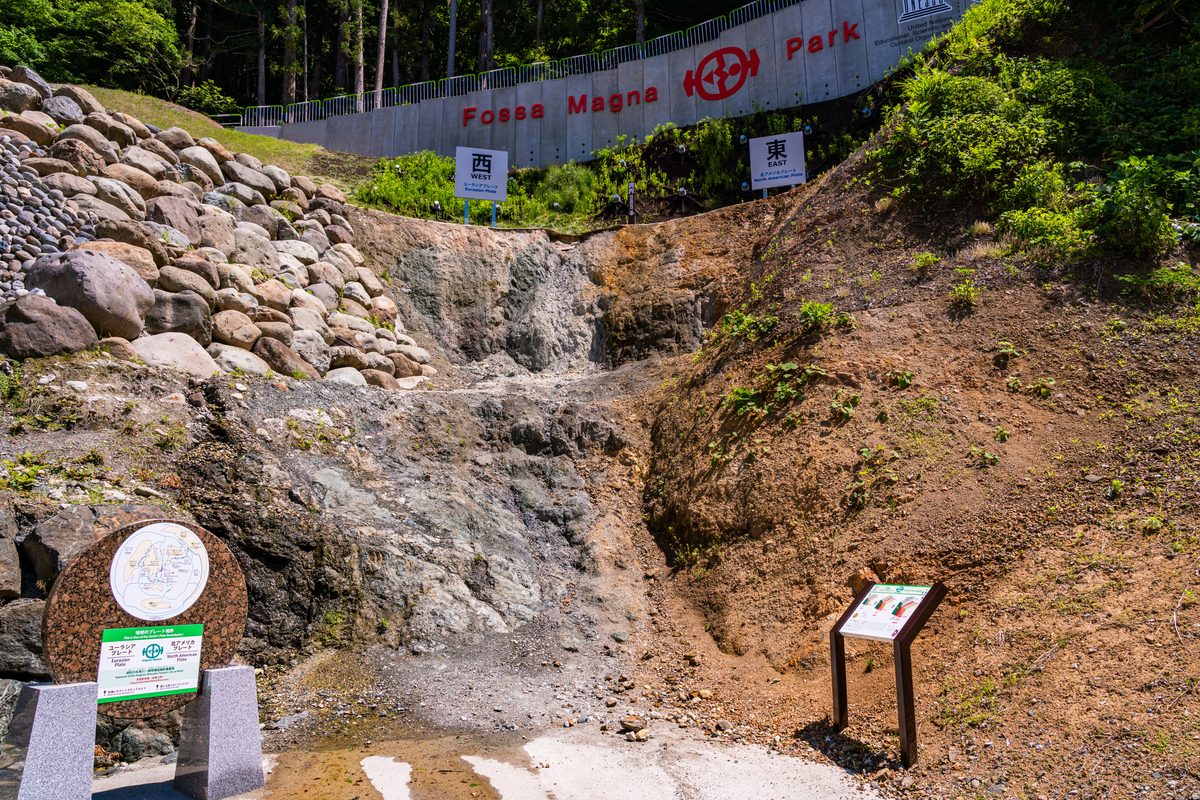
Fossa Magna Museum — Itoigawa
Itoigawa is where the Fossa Magna — the geological rift that divides eastern and western Japan — reaches the Japan Sea. The seabed pebble beaches here produce Japan's finest jadeite: the only place in Japan where you can legally collect jade directly from the beach. The Fossa Magna Museum explains the tectonic drama that created Japan.
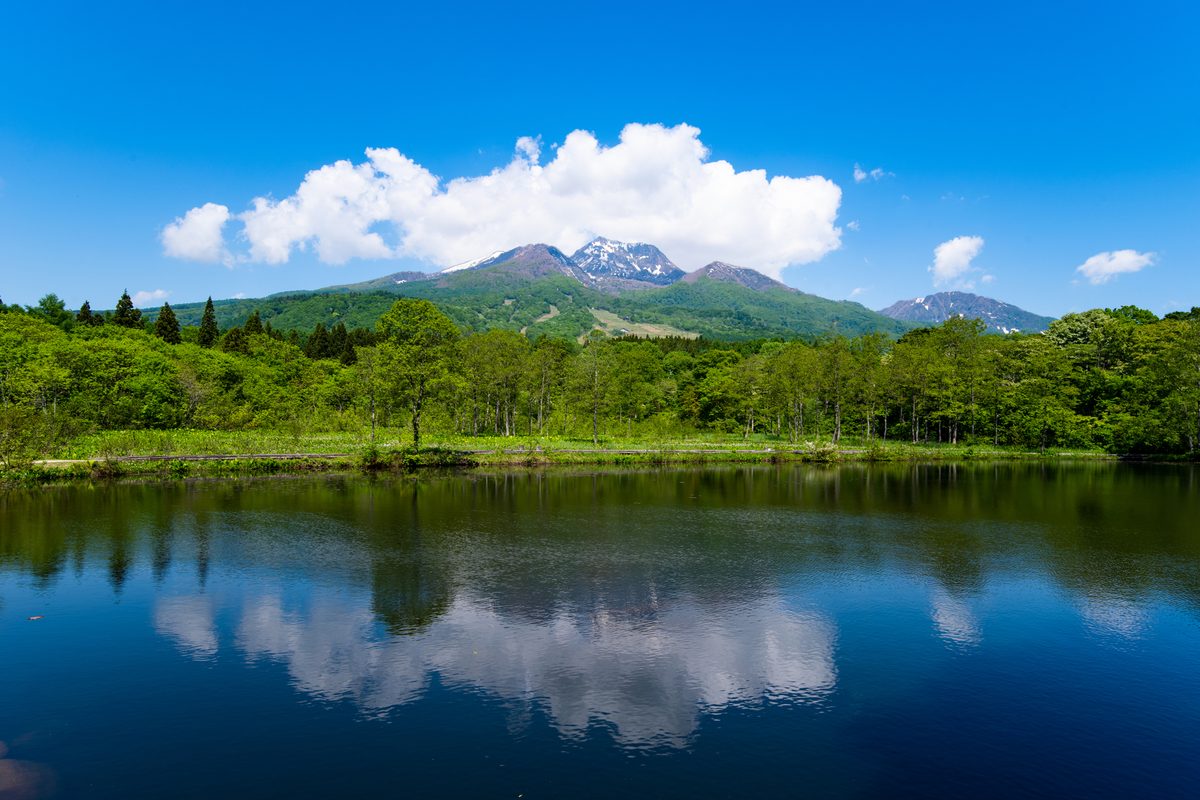
Myoko Kogen
A volcanic highland with one of Japan's deepest consistent powder snowfalls — 10–15 metres per season make Myoko one of the world's top powder destinations alongside Niseko. The hot spring town has operated for 1,200 years, and summer brings lush beech forests, wildflower meadows, and paragliding above the volcanic crater lakes.