
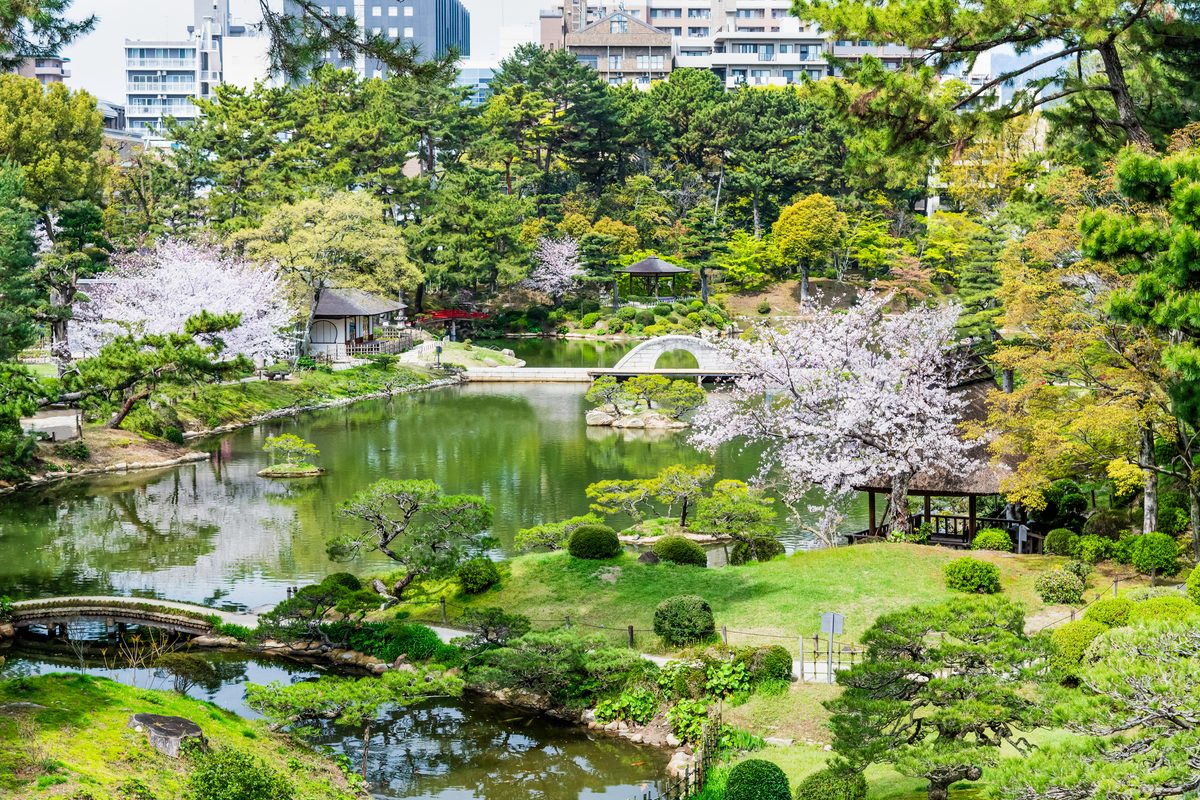
Shukkei-en Garden
A 400-year-old stroll garden in central Hiroshima — the name means 'garden of condensed landscapes' for its miniature mountains, streams, and stone islands. One of the few places in Hiroshima with direct atomic bomb survivor stories.
1–1.5 hours
¥260
9:00–18:00 (Apr–Sep); 9:00–17:00 (Oct–Mar). Closed Dec 29–Jan 3.
spring,autumn
5 min walk from Hiroshima Station; also accessible by tram
Location
Why Visit
- 1
400-year-old garden commissioned by the Asano clan
- 2
Atomic bomb survivors sought refuge here — memorial inside
- 3
Spring: cherry blossoms over the central pond
- 4
Autumn: maple reflections in the winding waterways
Local Tips
The garden survived the atomic bomb (which fell 1km away) and served as an emergency treatment area for survivors — a fact that adds emotional weight to its serene beauty. The 'contracted scenery' design miniaturises a mountain lake landscape within a small area. The island pavilion tea house is worth the ¥250 extra for a bowl of matcha with the garden view.
Add to your AI itinerary
Let AI build a multi-day trip around this spot.
Advertisement
More in Hiroshima
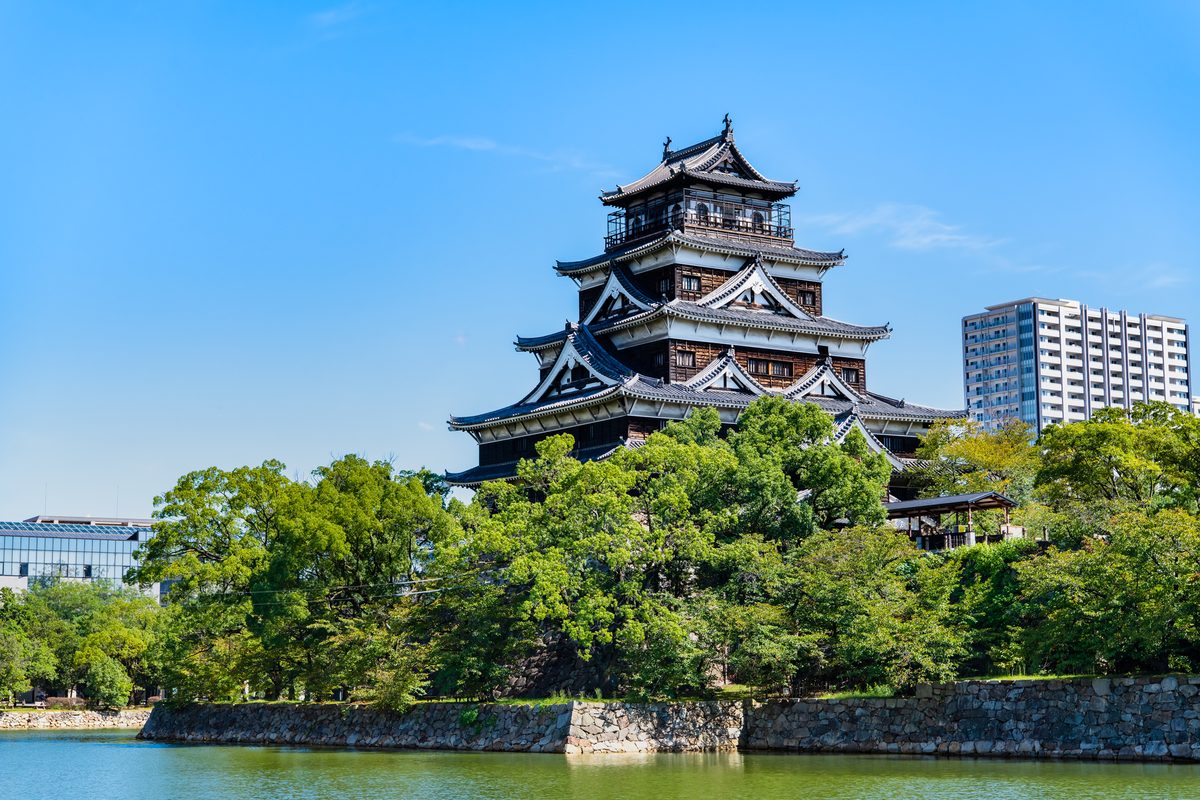
Hiroshima Castle
Rebuilt in 1958 after the atomic bomb destroyed the original, Hiroshima Castle offers exhibits on samurai life and the city's reconstruction. The surrounding moat park is one of Hiroshima's best cherry blossom destinations.
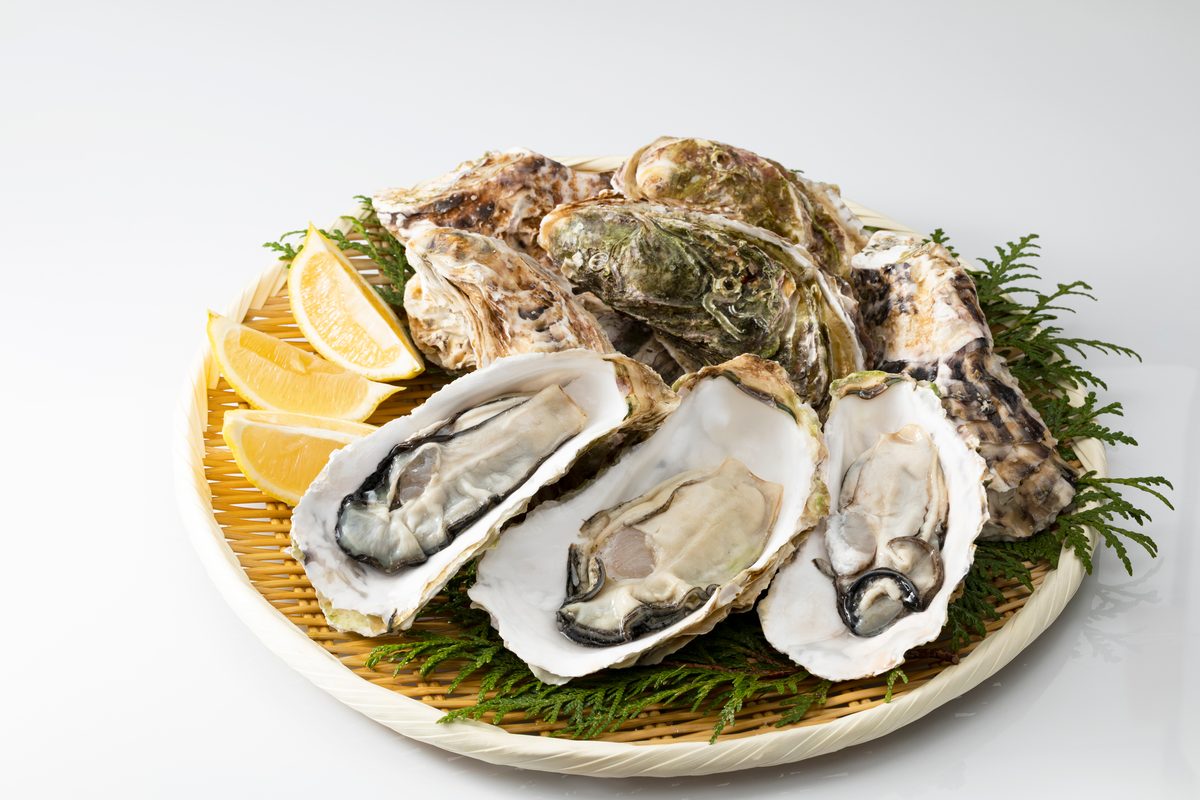
Hiroshima Oyster Experience
Hiroshima produces 60% of Japan's oysters — the Seto Inland Sea's nutrient-rich currents grow them fat and briny. Hire a grill at a waterfront shack in Miyajima or Etajima, eat them charcoal-grilled with lemon, or raw over rice.
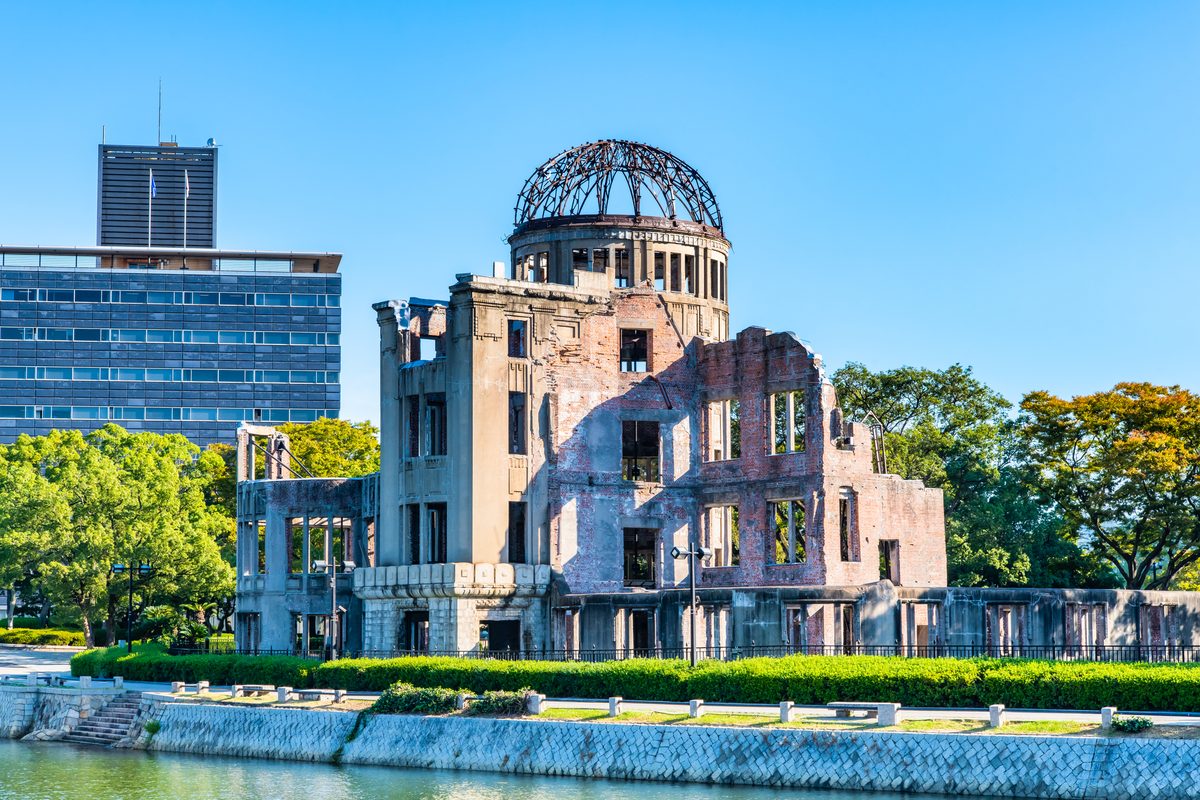
Hiroshima Peace Memorial (A-Bomb Dome)
The only structure left standing near the epicenter of the world's first atomic bomb attack on August 6, 1945. Left deliberately unrestored as a permanent witness and a plea for its non-repetition. UNESCO World Heritage Site.