
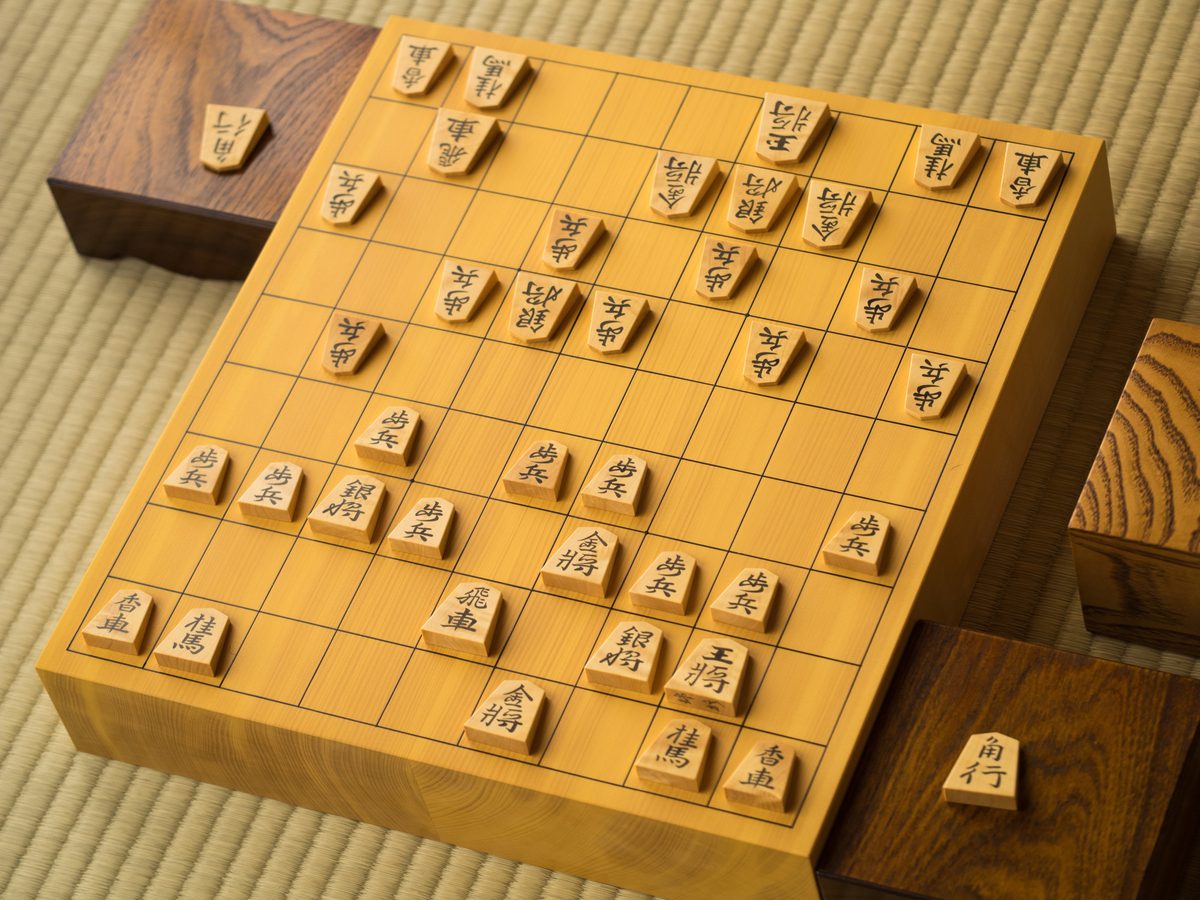
Tendo Shogi Craft
Tendo produces 95% of all shogi pieces in Japan — each piece hand-lacquered and inscribed by craftsmen using techniques unchanged since the Edo period. In spring, a "human shogi" tournament uses townspeople as living chess pieces.
2 hours
Museum ¥320 (adults)
Museum: 9:00–17:00, closed Mon; craft workshops: available by reservation
Year-round; April (Human Chess)
Tendo Station (Yamagata Line, 15 min from Yamagata)
Location
Why Visit
- 1
Master artisans hand-brush the two Chinese characters on each piece — a single craftsman makes 200+ daily
- 2
"Jinto Shogi" Human Chess in April uses players in period costume as living pieces on a giant board
- 3
The Tendo Shogi Museum lets you observe craftsmen at work and try basic lacquering
- 4
Custom shogi sets can be ordered from local workshops as exceptional Japan souvenirs
Local Tips
Tendo produces 95% of Japan's shogi (chess) pieces. The hand-crafting process (koma-tsukuri) involves over 30 steps and takes months for high-quality pieces. The museum demonstrates the craft with excellent displays and live demonstrations. The Tendo Sakura Festival (late April) features a human shogi match with people dressed as shogi pieces — one of Japan's most unique events.
Add to your AI itinerary
Let AI build a multi-day trip around this spot.
Advertisement
More in Yamagata
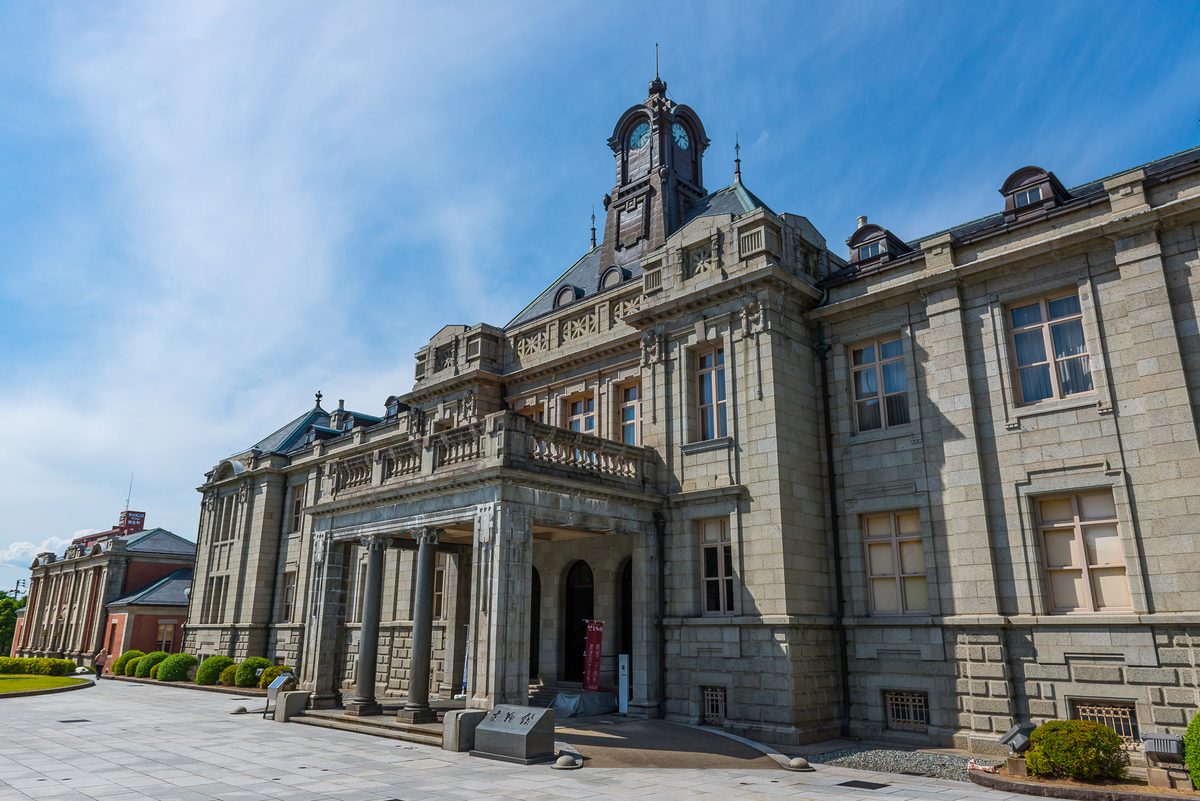
Bunshokan — Yamagata Prefectural Museum
Bunshokan is a striking red-brick building completed in 1916, originally serving as the Yamagata Prefectural Office and Assembly Hall before being designated an Important Cultural Property of Japan. The Taisho-era Western-style architecture, complete with a central clocktower, stands in sharp contrast to the castle walls of the adjacent Kajo Park, offering a window into a different chapter of Yamagata's history. Today the building functions as the Yamagata Prefectural Museum of Art, housing rotating exhibitions and permanent displays, and remains one of the most recognisable landmarks in the city.
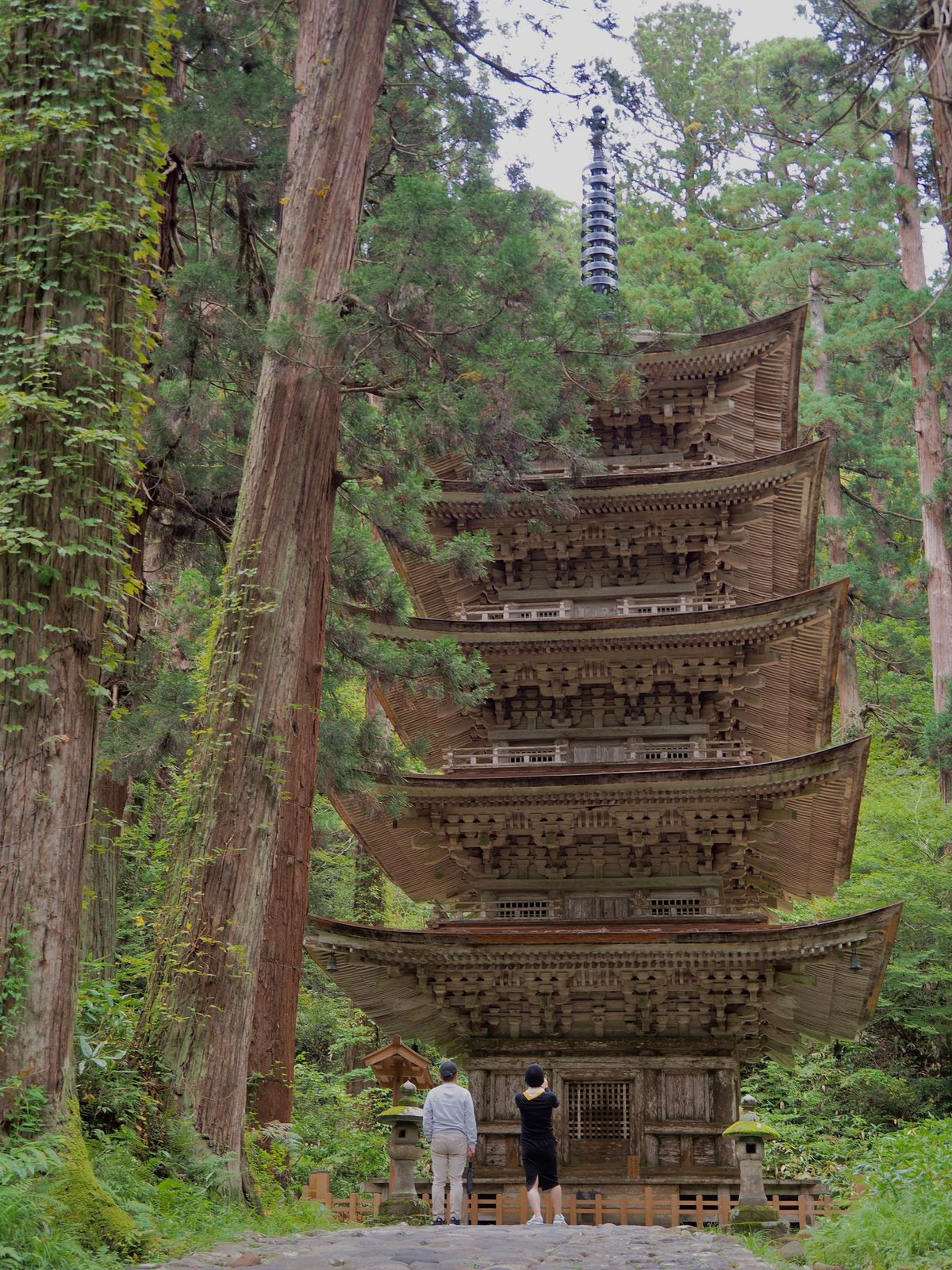
Dewa Sanzan
Three sacred mountains — Haguro (birth), Gassan (death) and Yudono (rebirth) — pilgrimage circuit of the ancient yamabushi mountain ascetics. The Haguro-san five-storey pagoda among 600-year-old cedar trees is one of Japan's most atmospheric.
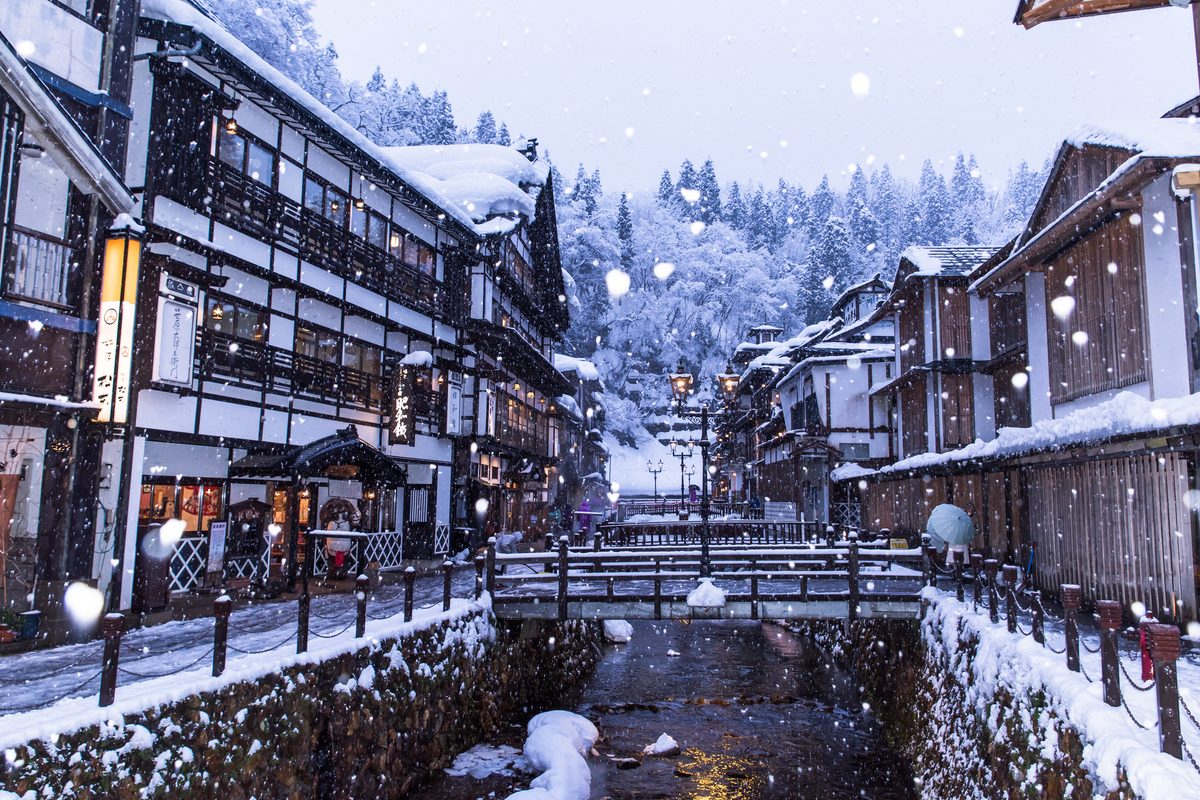
Ginzan Onsen
Japan's most photogenic hot spring village — Taisho-era multi-storey wooden ryokan line both banks of a narrow mountain stream, their gas lanterns glowing golden on the water at dusk. Snow transforms it into a perfect winter world.