
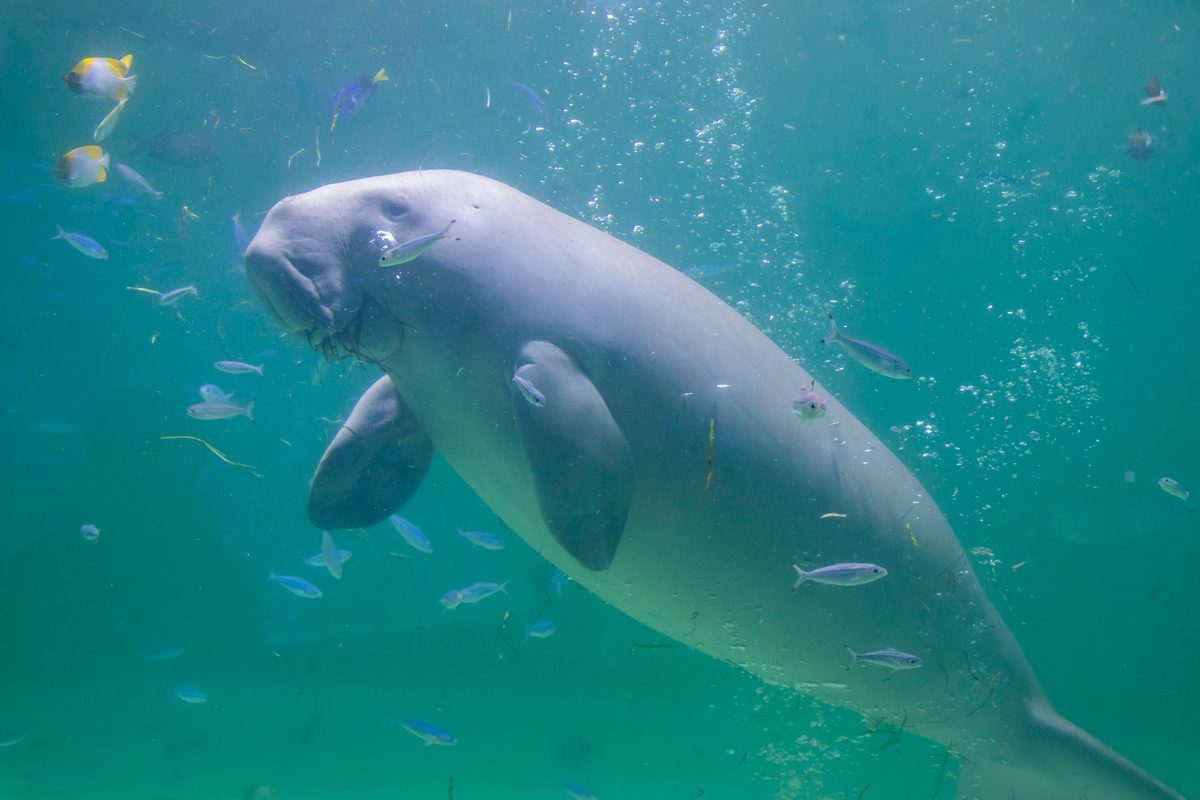
Toba Aquarium
Japan's most species-diverse aquarium — 1,200 species in 30 themed halls built around Toba Bay. The dugong (sea cow) exhibit is the only one in Japan outside Okinawa. The bay-side location allows live pearl diving demonstrations and ama diver performances, connecting the aquarium directly to the Mie fishing culture.
2–3 hours
Adults ¥2,800, school children ¥1,600, ages 3+ ¥800
9:30–17:00 (last entry 16:00) normally; 9:00–17:30 during GW and summer; open year-round
Year-round
5 min walk from Toba Station (Kintetsu Line)
Location
Why Visit
- 1
Japan's second-oldest and most species-rich aquarium — 1,200 species across 30 habitats
- 2
The only dugong in Japan outside Okinawa — a rare marine mammal related to the manatee
- 3
Live pearl diving demonstrations in the bay — connecting the exhibit to Mie's real fishing industry
Local Tips
One of Japan's largest aquariums with the world's most diverse collection of sea mammals — dugongs, sea otters, polar bears, and seven species of seal all in one facility. The ama diver show in the main tank is unique to Toba. Combine with Mikimoto Pearl Island (5 min by boat) and Futami Meoto Iwa for a full Toba day.
Add to your AI itinerary
Let AI build a multi-day trip around this spot.
Advertisement
More in Mie
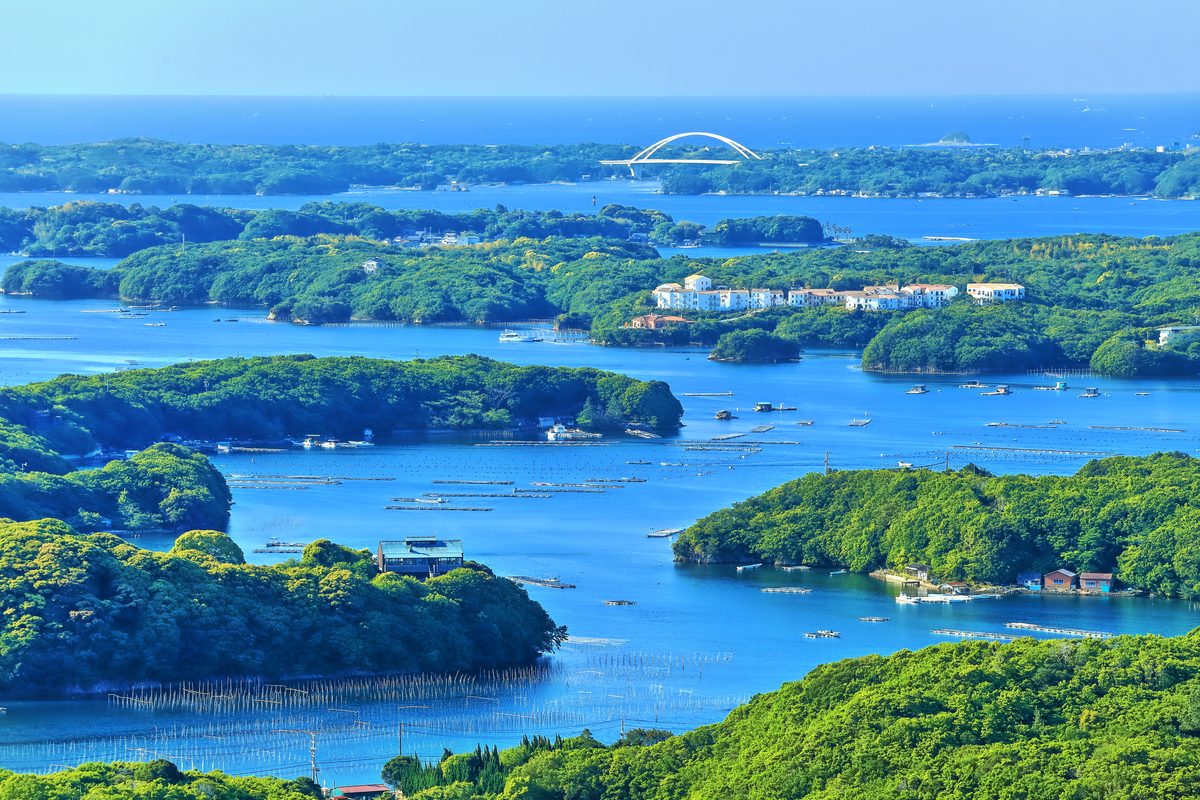
Ago Bay Pearl Farms
The sheltered, island-dotted bay where Mikimoto Kokichi cultivated the world's first cultured pearl in 1893, creating an industry that transformed Japan. Boat tours pass working pearl raft farms where akoya oysters still grow under the same conditions. Toba Aquarium beside the bay is Japan's largest and most scientifically serious.
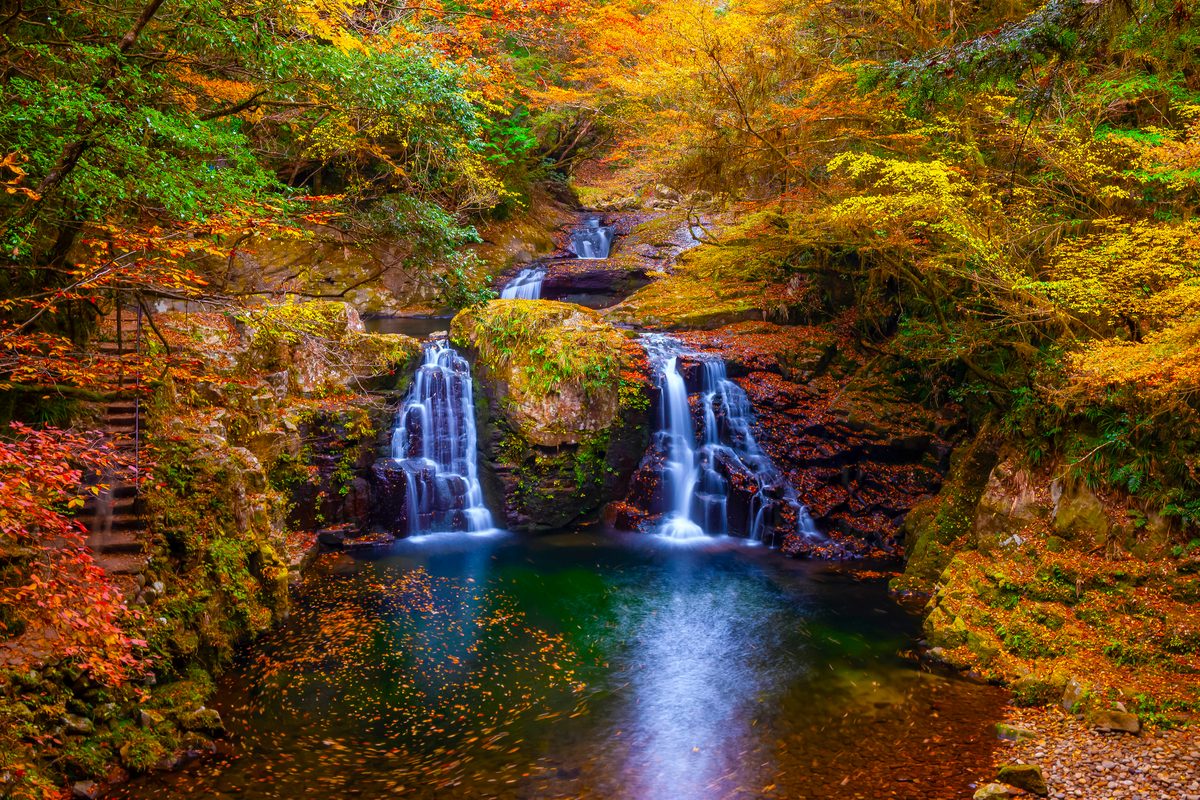
Akame 48 Waterfalls
A spectacular gorge hike through 4km of ancient forest passing 48 named waterfalls — from gentle veils to thundering drops. The trail is a designated area of natural monument, filled with giant ferns, giant salamanders (Japan's largest amphibian), and fireflies in early summer. The name "Akame" (red-eye) comes from the giant salamander's eyes.
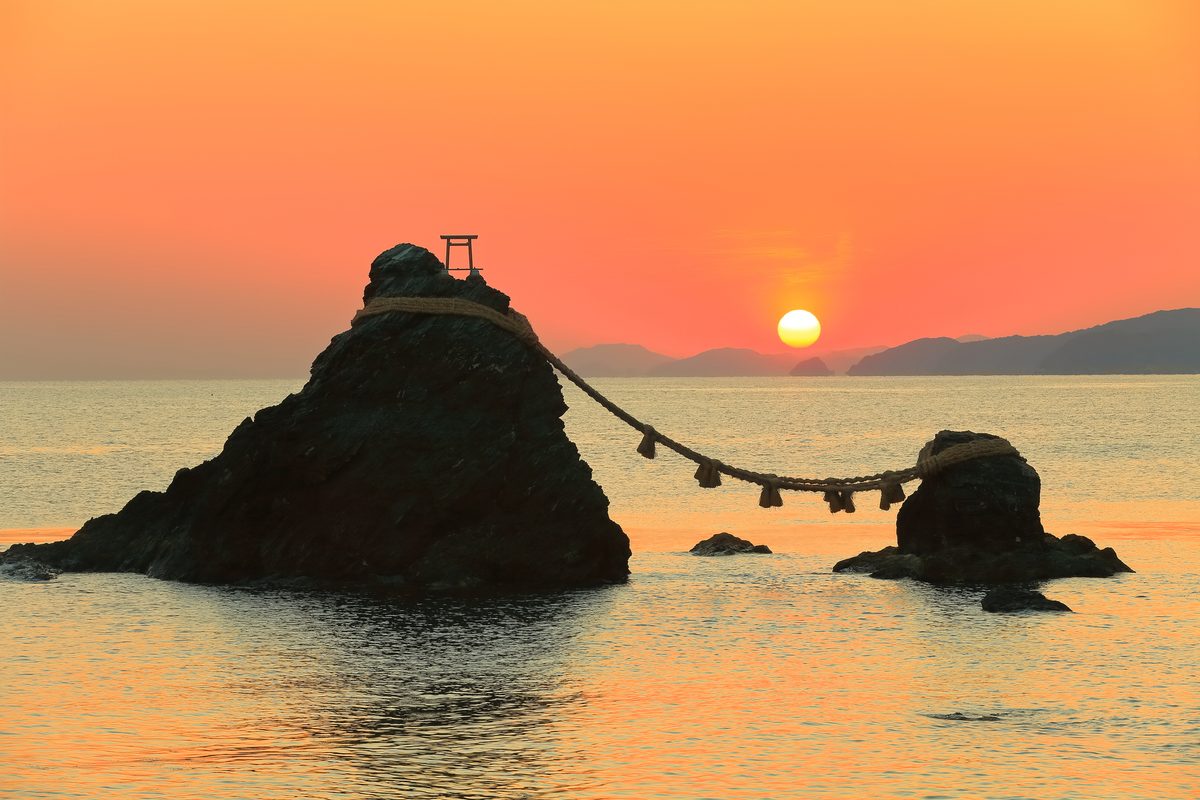
Futami Okitama Shrine & Meoto Iwa
A Shinto shrine on the coast where two sacred rocks — the "Married Couple Rocks" (Meoto Iwa) — are joined by a shimenawa rope renewed three times a year. The large rock enshrines Amaterasu and the small rock her husband — a symbol of marriage, partnership, and renewal. The sunrise between the rocks on the summer solstice is a famous ritual.