
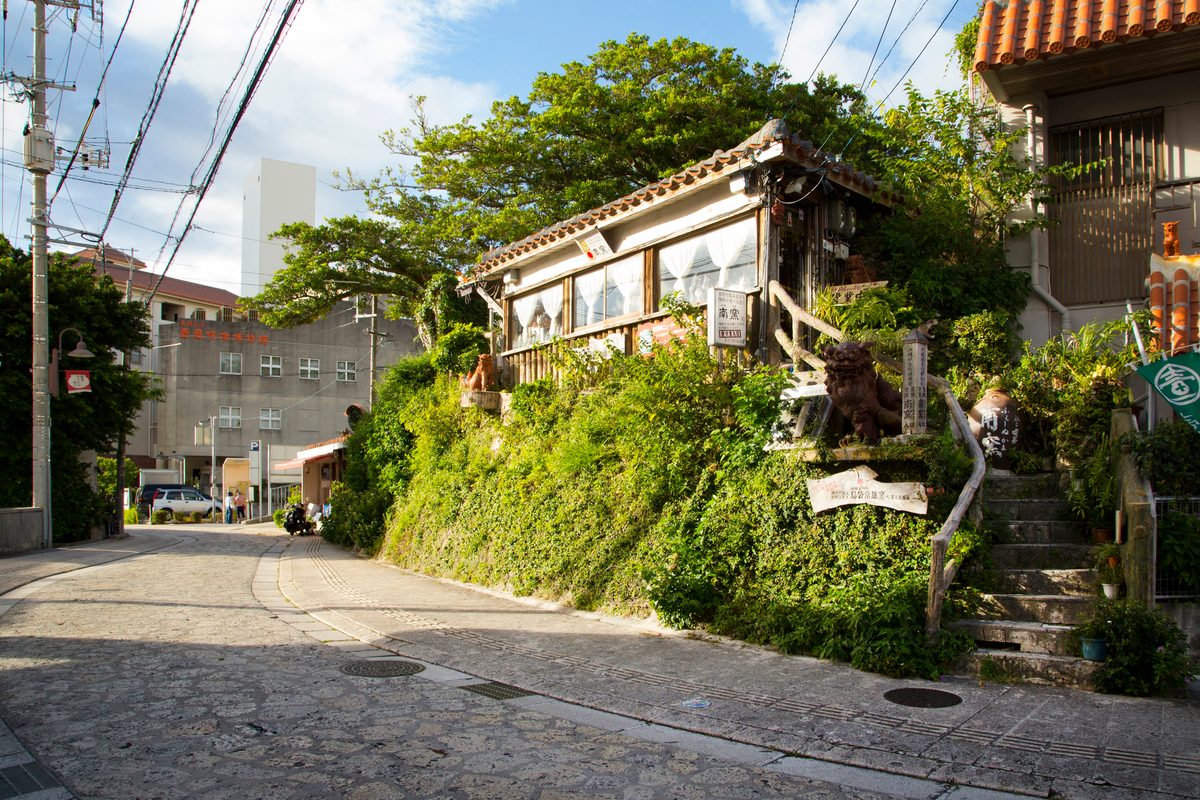
Tsuboya Pottery District
A cobblestone lane in Naha where Okinawan pottery (yachimun) has been crafted since the 17th century. Around 20 active kilns and galleries sell shisa guardian lions, sake cups, and coral-patterned bowls.
1–2 hours
Free
District always accessible; Tsuboya Pottery Museum: 10:00–18:00, closed Mon
year-round
10 min walk from Makishi monorail station
Location
Why Visit
- 1
Over 300 years of unbroken pottery tradition
- 2
Living workshops alongside retail galleries
- 3
Traditional shisa lion-dog sculptures
- 4
Yachimun-no-Sato village in Yomitan for larger selections
Local Tips
The cobblestone Yachimun-dori lane has over 20 active pottery studios and galleries — far more intimate than the larger Yachimun-no-Sato village in Yomitan. The Tsuboya Pottery Museum (¥350) gives excellent context for 300+ years of Okinawan yachimun traditions. Buy shisa guardian lion pairs directly from the makers — prices are significantly lower than airport souvenir shops.
Add to your AI itinerary
Let AI build a multi-day trip around this spot.
Advertisement
More in Okinawa
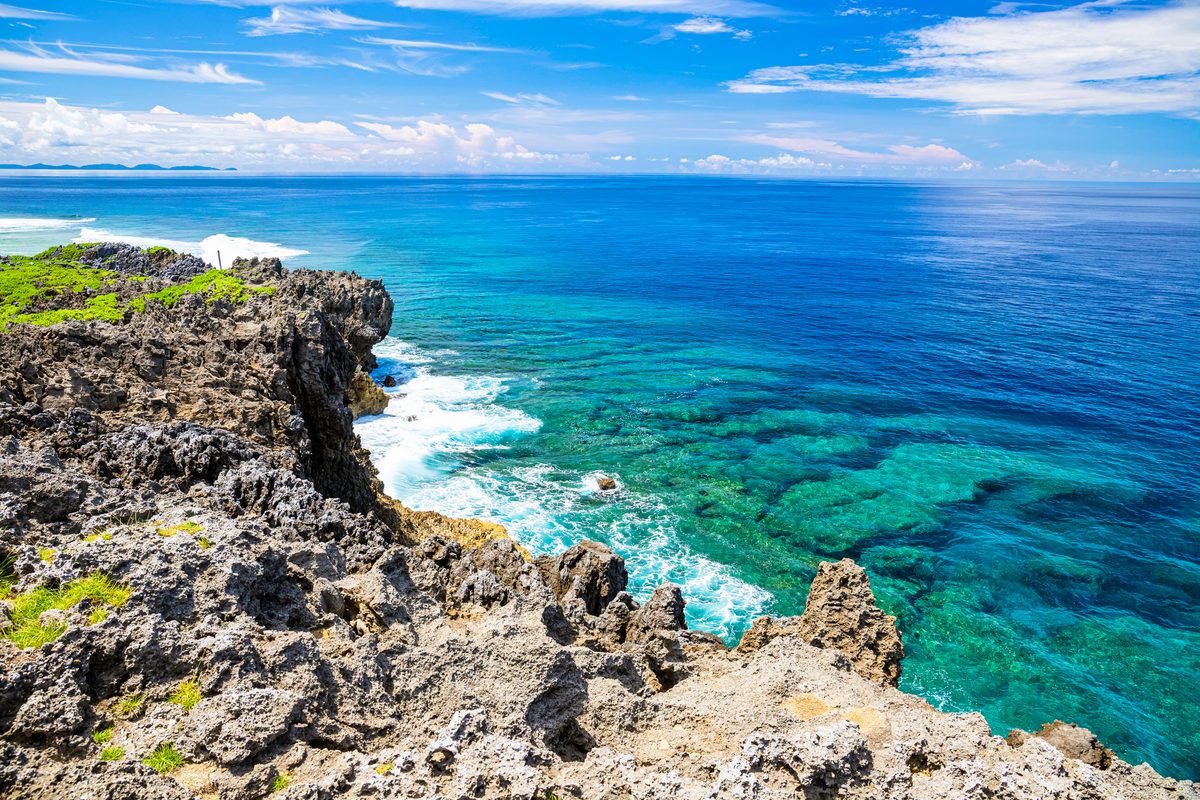
Cape Hedo
The wild, windswept northernmost tip of Okinawa main island, where the Pacific Ocean and East China Sea visibly meet in churning swells. A monument commemorates Okinawa's return to Japan in 1972.
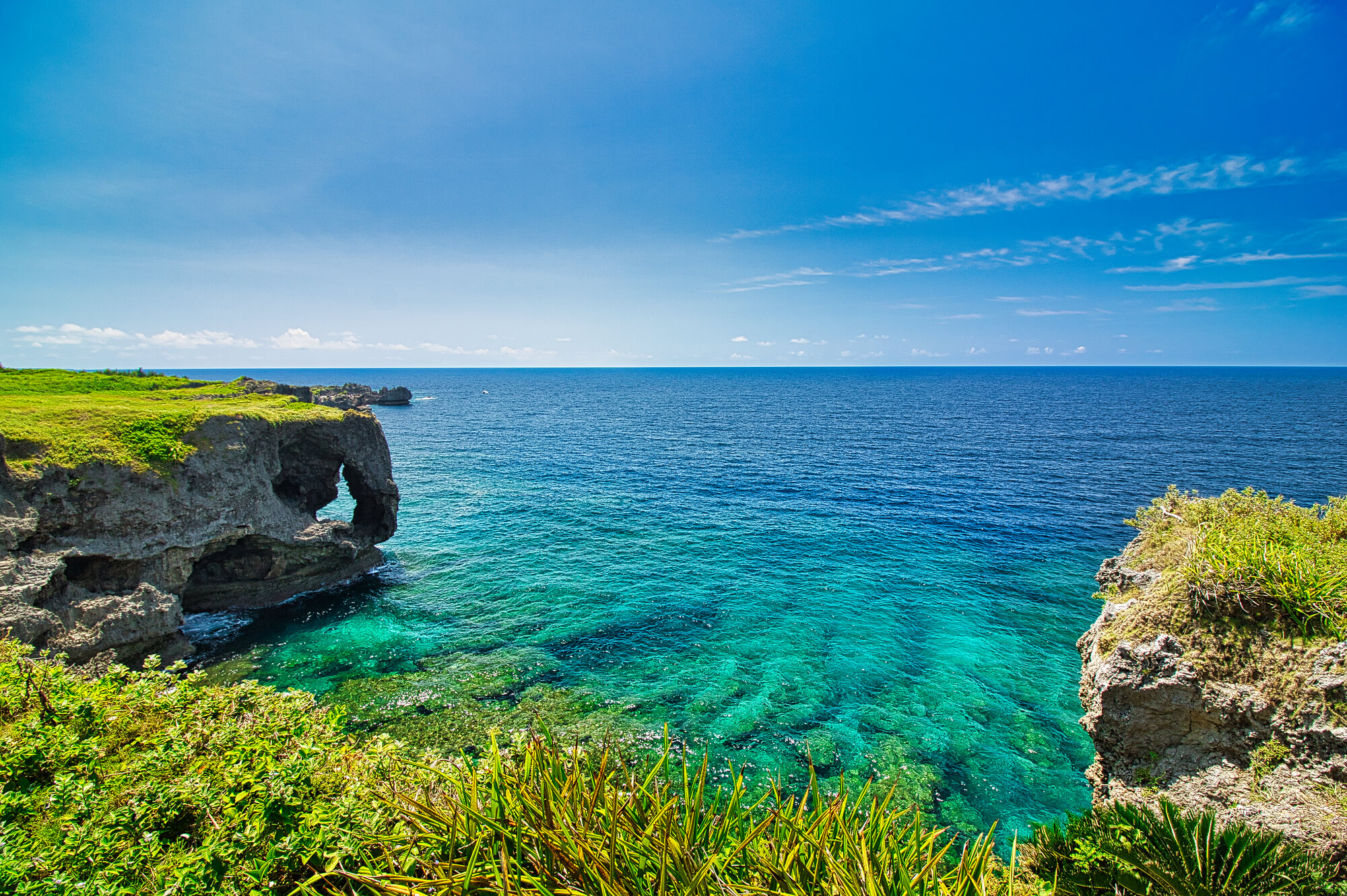
Cape Manzamo
A dramatic coral-limestone clifftop where the rock has been sculpted by the sea into an elephant trunk shape. One of Okinawa's most iconic viewpoints, looking out over electric-blue water to the East China Sea.
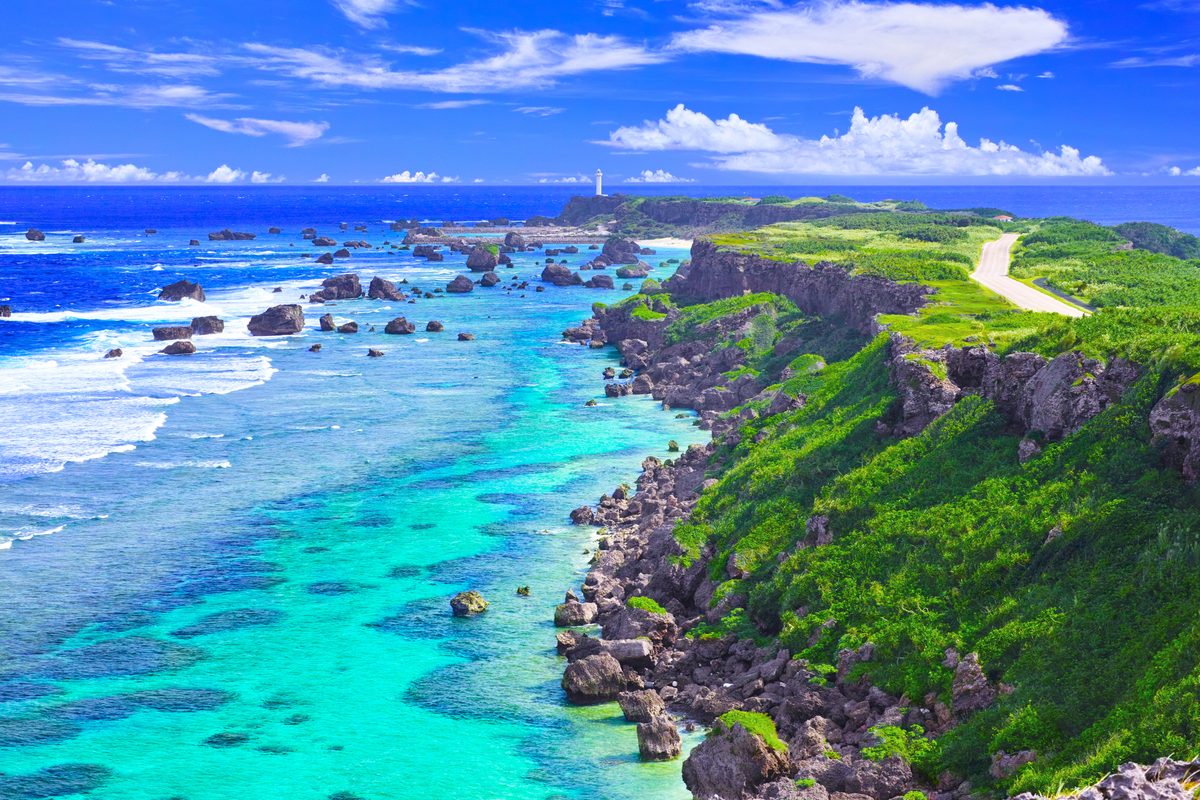
East Hennazaki Cape
A narrow 2km peninsula jutting into the Pacific with a lighthouse at the tip, flanked by lily fields in spring. A National Scenic Beauty — the walk out feels like being on the prow of a ship sailing into open ocean.