
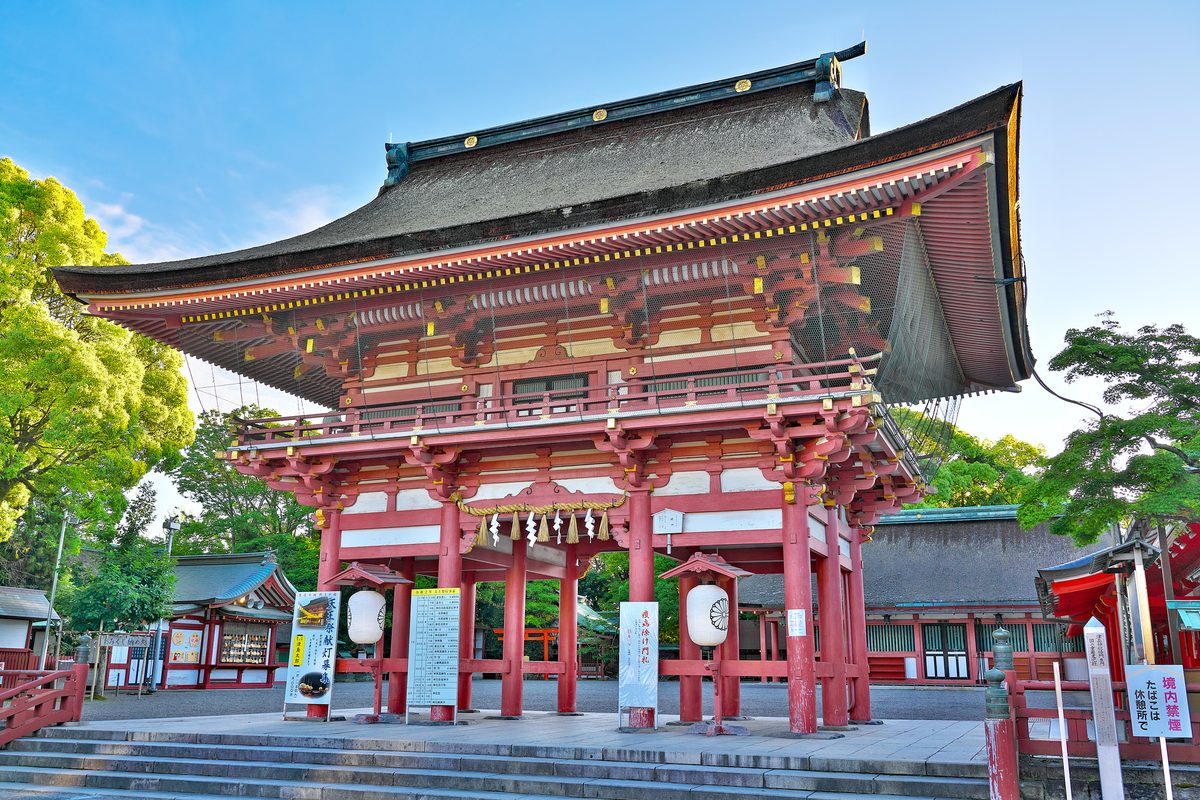
Tsushima Shrine
A serene shrine built over a pond — the corridor leading to the main hall appears to float above water, giving it a unique character unlike any other in Aichi. It hosts the Tsushima Tenno Festival in July, considered one of Japan's three great water festivals with enormous lantern-lit boats drifting on the Mitsu River.
30–60 min
Free
Shrine: always accessible; Tenno Festival (June): one of Japan's three great river festivals
July (festival), Year-round
15 min walk from Tsushima Station (Meitetsu Tsushima Line)
Location
Why Visit
- 1
The shrine corridor appears to float directly over the surrounding pond — a quiet, ethereal setting
- 2
Tsushima Tenno Festival in July features giant lantern boats on the river — one of Japan's top water festivals
- 3
Less than an hour from Nagoya but visited by almost no foreign tourists
Local Tips
Tsushima Shrine is the head of all Gozuten shrines in Japan and home to the Owari Tsushima Tenno Festival — lantern boats on the Kiso River in June. The shrine buildings include important structures dating to the Edo period. Combine with Inuyama Castle (30 min by car) and Meiji Mura for a full western Aichi day.
Add to your AI itinerary
Let AI build a multi-day trip around this spot.
Advertisement
More in Aichi
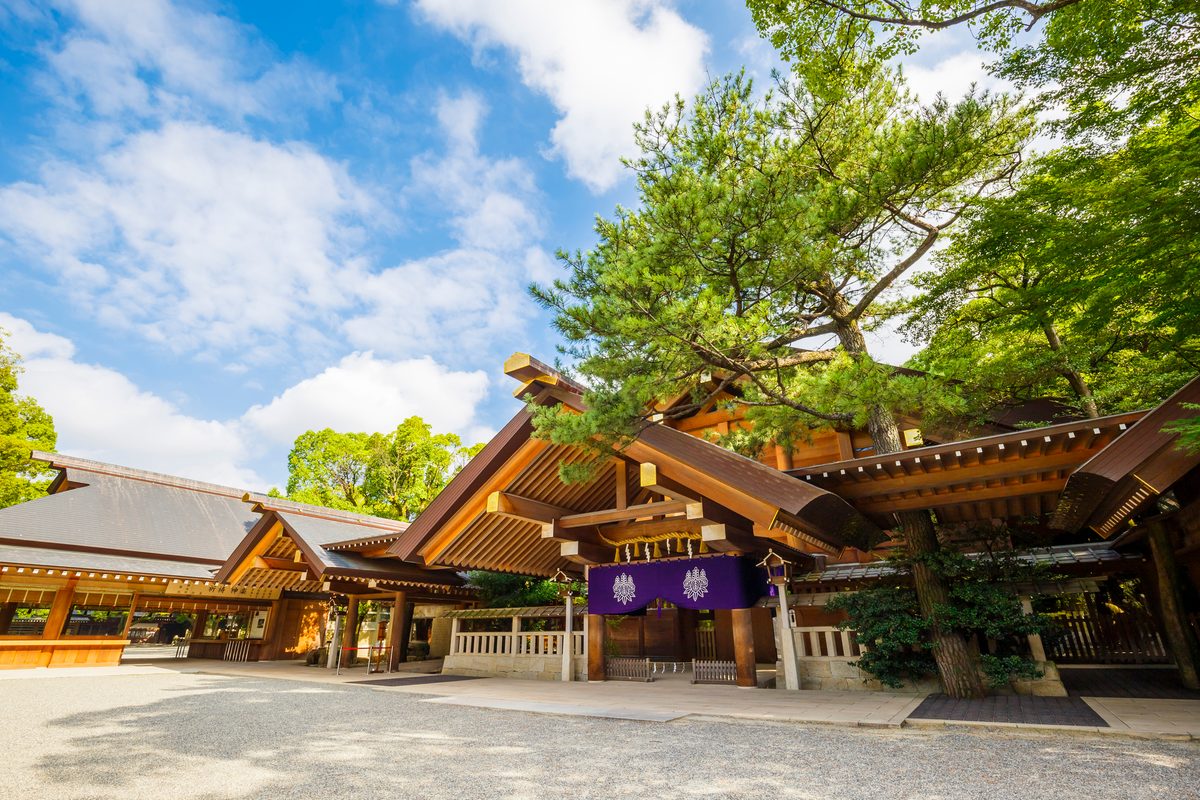
Atsuta Jingu
One of Japan's two most sacred Shinto shrines, Atsuta houses the Kusanagi-no-Tsurugi sword — one of the three Imperial Treasures of Japan. The 200,000-square-metre forested grounds feel ancient and serene, with massive camphor trees said to have been planted by Kobo Daishi over 1,200 years ago.
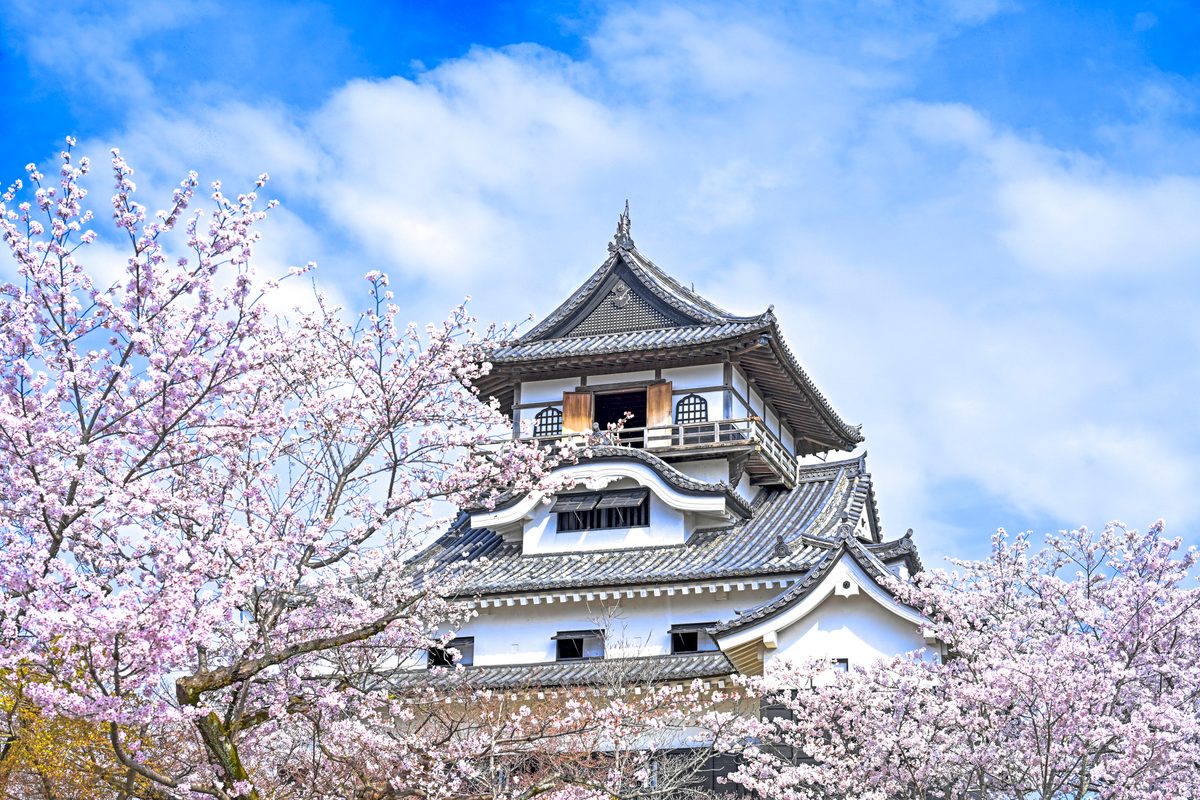
Inuyama Castle
Japan's oldest existing castle (1537) and the only one historically owned by a private individual until 2004. It perches dramatically on a cliff above the Kiso River, offering views unchanged for centuries. The unpainted natural wood interior and veranda on the top floor feel genuinely ancient.
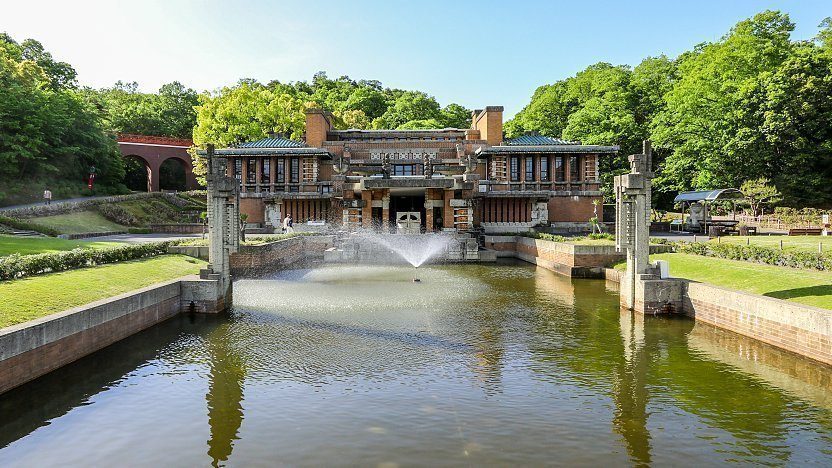
Meiji Mura Open Air Museum
A sprawling hillside park preserving 67 original Meiji-era (1868–1912) buildings relocated from across Japan — government offices, a Frank Lloyd Wright imperial hotel lobby, lighthouses, and kabuki theatres. One of the most unique museums in Japan, offering a full day's walk through the architectural past.