
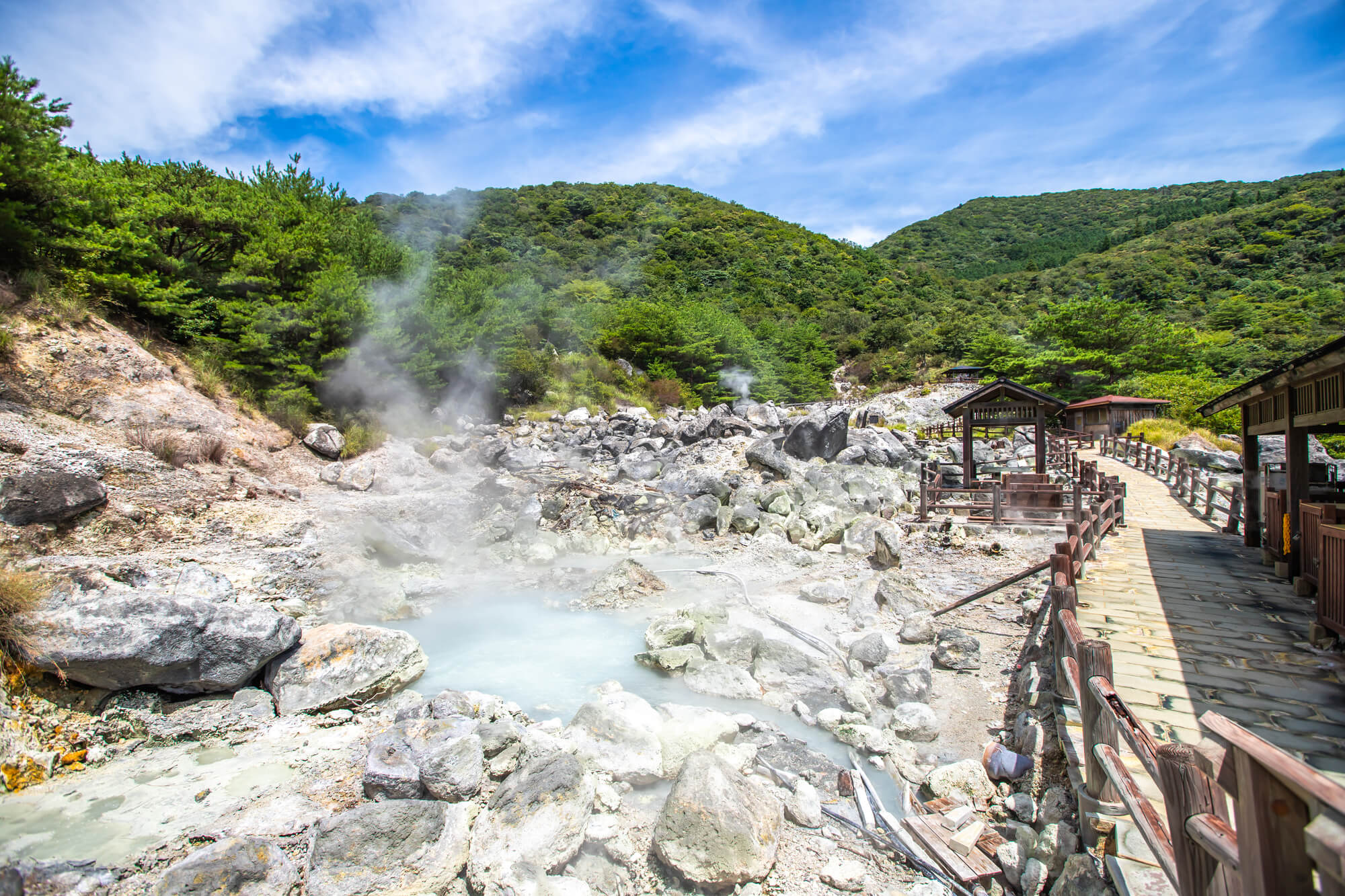
Unzen Onsen & Hell Springs
A volcano-top hot spring resort surrounded by 30 active sulfur vents known as Unzen Jigoku (Hells). The town sits inside Unzen-Amakusa National Park with dramatic hiking trails above the clouds.
2–4 hours or overnight
Free (hell springs boardwalk); onsen bath from ¥500
Hell springs: always accessible (boardwalk); onsen facilities: varies by facility; Unzen Spa House: 9:00–21:00
June (azalea season) or October–November (autumn)
Bus from Nagasaki or Shimabara (~1.5 hrs)
Location
Why Visit
- 1
Walk the free Jigoku (Hells) boardwalk at dusk when steam glows orange in the last light
- 2
Climb Heisei Shinzan — a peak that rose 1994 after volcanic activity — for extraordinary views
- 3
Buy Unzen onsen tamago (hot spring eggs) cooked in the vents at the trailhead stalls
Local Tips
The steam vents and boiling sulphur pools of the Unzen Jigoku (Unzen Hell) are eerie and dramatic — the site where 26 Christians were martyred in 1627 by being thrown into the boiling springs adds historical weight. The onsen water is highly sulphurous — excellent for skin. The surrounding Shimabara Peninsula scenery (Mt Unzen, Ariake Sea) is excellent. Combine with Shimabara Castle and Nagasaki for a full peninsula day.
Add to your AI itinerary
Let AI build a multi-day trip around this spot.
Advertisement
More in Nagasaki
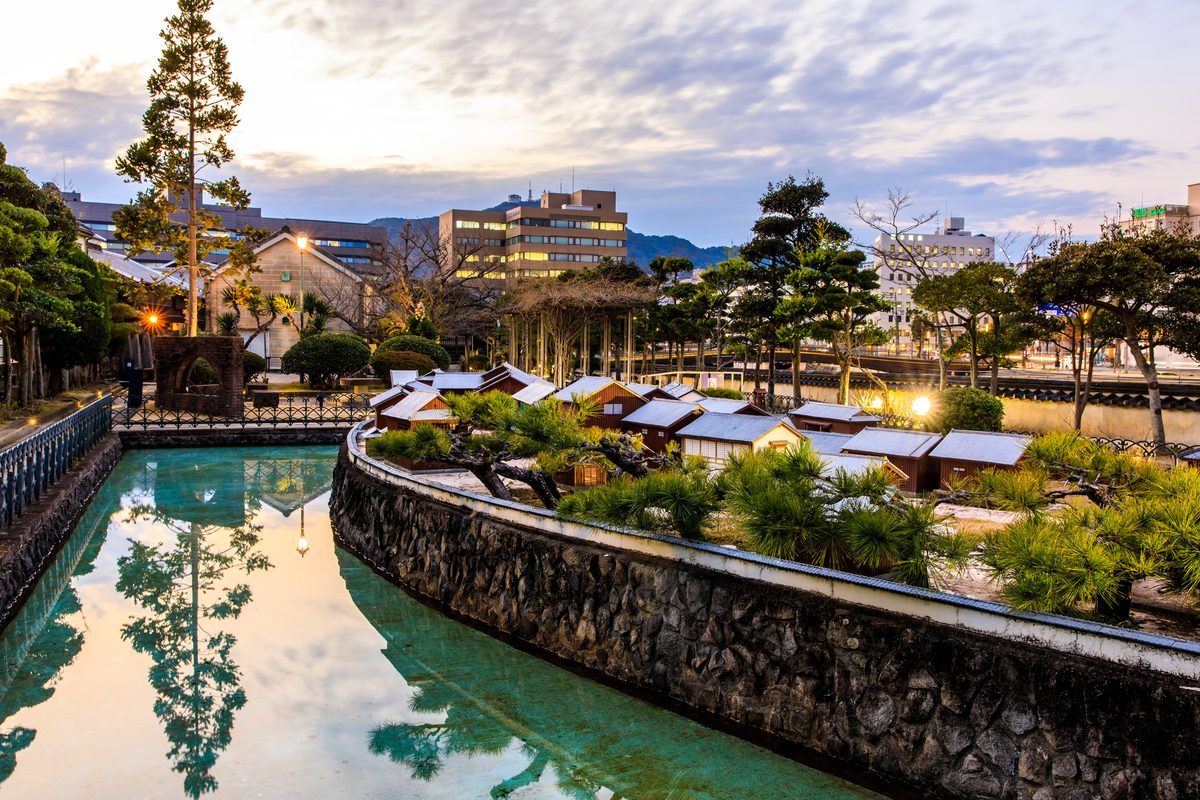
Dejima Dutch Trading Post
For 200 years during Japan's isolation period, this tiny fan-shaped artificial island was the only point of contact between Japan and the Western world. Dutch traders lived here under strict conditions; their books, clocks, and scientific instruments slowly changed Japan. The island has been meticulously reconstructed to its 1820s appearance, complete with furnished warehouses, a VOC flag, and Dutch gardens.
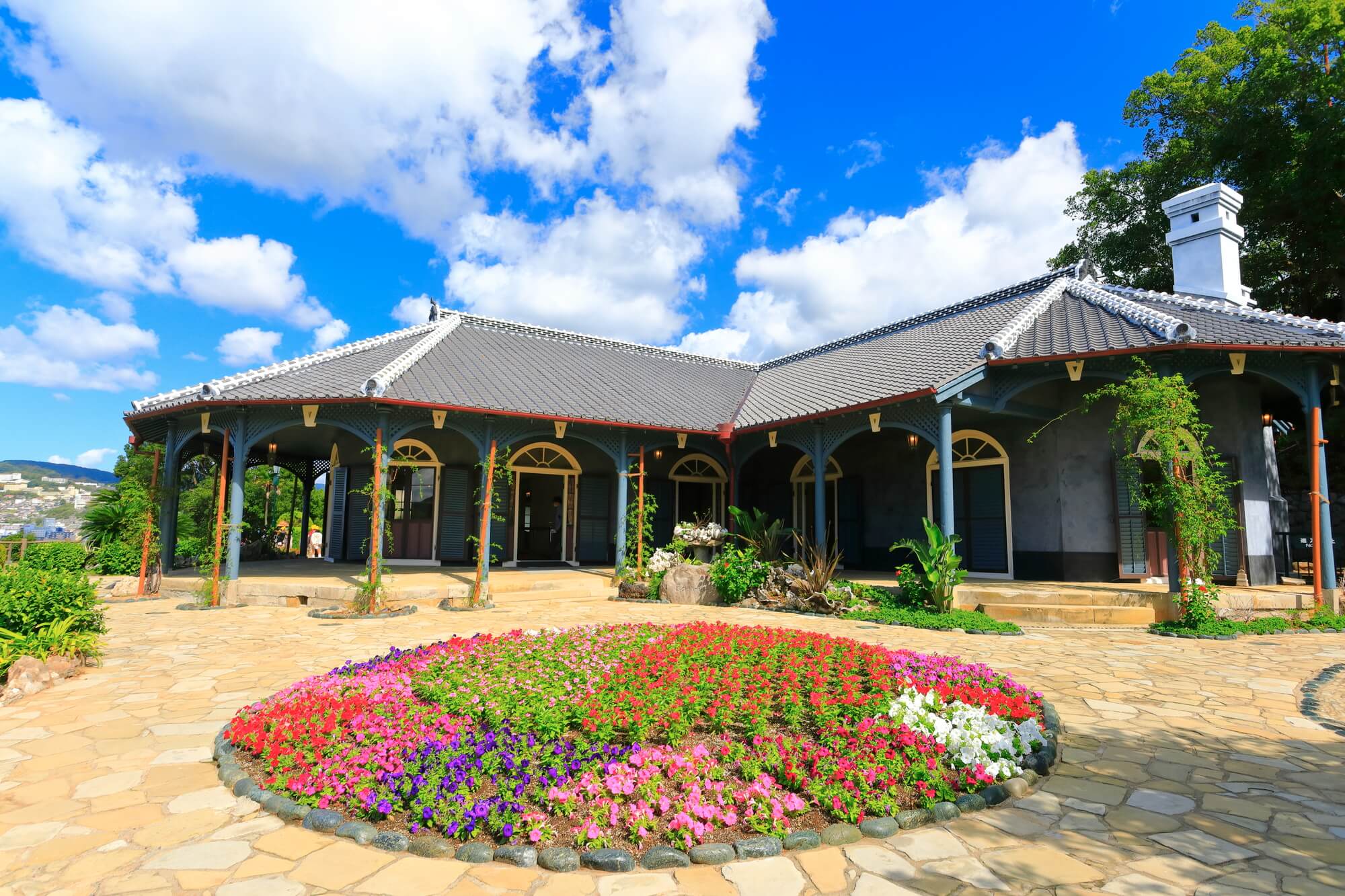
Glover Garden
An open-air hilltop museum of Western-style residences built by Meiji-era foreign merchants. Thomas Glover's stone villa (1863) is Japan's oldest surviving Western-style house, with sweeping harbor views.
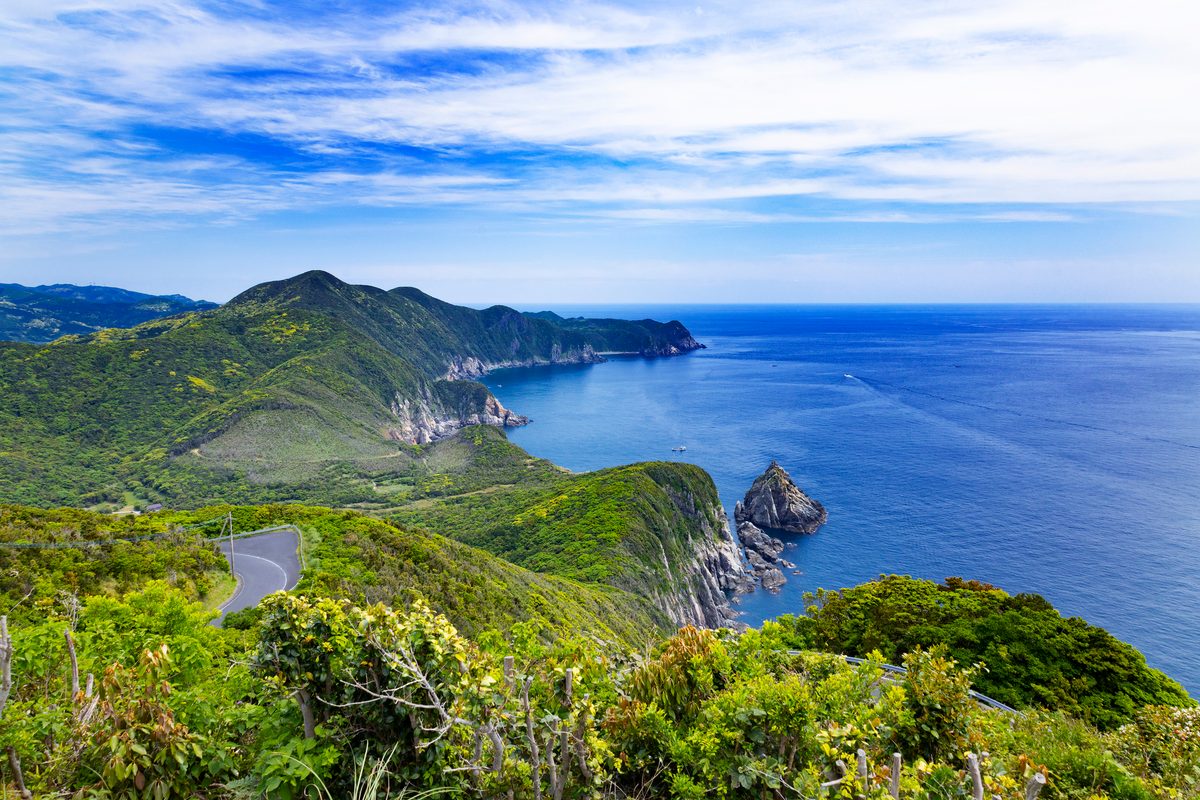
Goto Islands
An archipelago of 140 islands where 30,000 "hidden Christians" (kakure kirishitan) secretly maintained their faith for 250 years under the death penalty. The UNESCO-listed churches, set in fishing villages against a backdrop of spectacularly clear emerald sea, represent one of the world's most extraordinary stories of religious perseverance.