
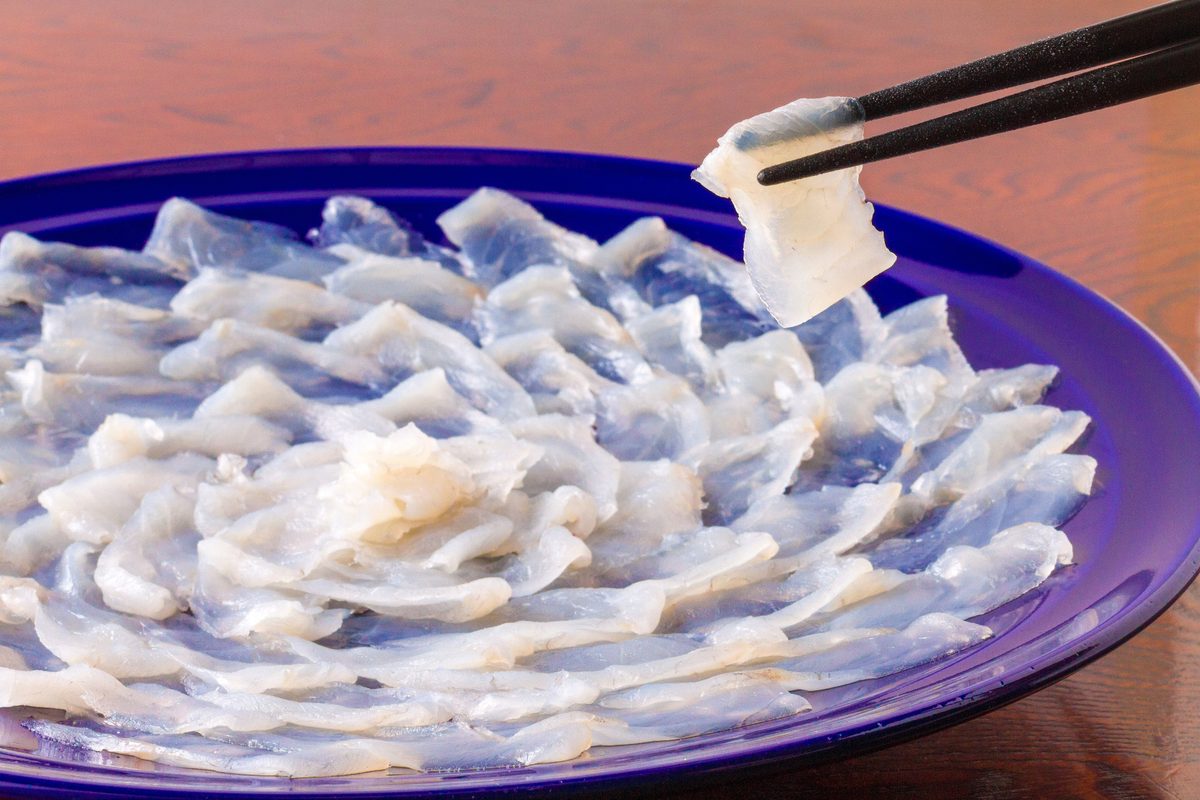
Obama — Ancient Food Capital
Obama City (no relation to the US president) was the primary supplier of fresh seafood to the ancient capital Nara — the "Obama Road" carried saltwater fish inland 75km to the imperial court. Today the city has 120 varieties of fresh Wakasa Bay fish served at harbour restaurants, and the Mackerel Street (Saba Kaido) cultural route traces the original delivery route.
Half day
Free
City always accessible; Wakasa Fureai Market: 9:00–18:00 (17:00 in winter); Ukanoya: check locally (typically Tue–Sun).
Year-round
Obama Station on JR Obama Line (from Tsuruga, 60 min)
Location
Why Visit
- 1
The "Saba Kaido" (Mackerel Road) carried fresh fish to the Nara Imperial Court 1,300 years ago
- 2
120 varieties of fresh seafood from Wakasa Bay — fewer tourists than Kanazawa, equally good fish
- 3
The city became famous internationally when Barack Obama was elected — it raises statues and signs for the connection
Local Tips
Obama supplied fresh fish to the Kyoto imperial court for over 1,000 years via the 'Saba Kaido' (mackerel road). The Obama Onsen foot bath near the port runs continuously — the water emerges at 80°C. Obama lacquerware (Obama nuri) is a refined local craft. The Obama Grill, serving traditional local food at the port, is excellent for lunch.
Add to your AI itinerary
Let AI build a multi-day trip around this spot.
Advertisement
More in Fukui
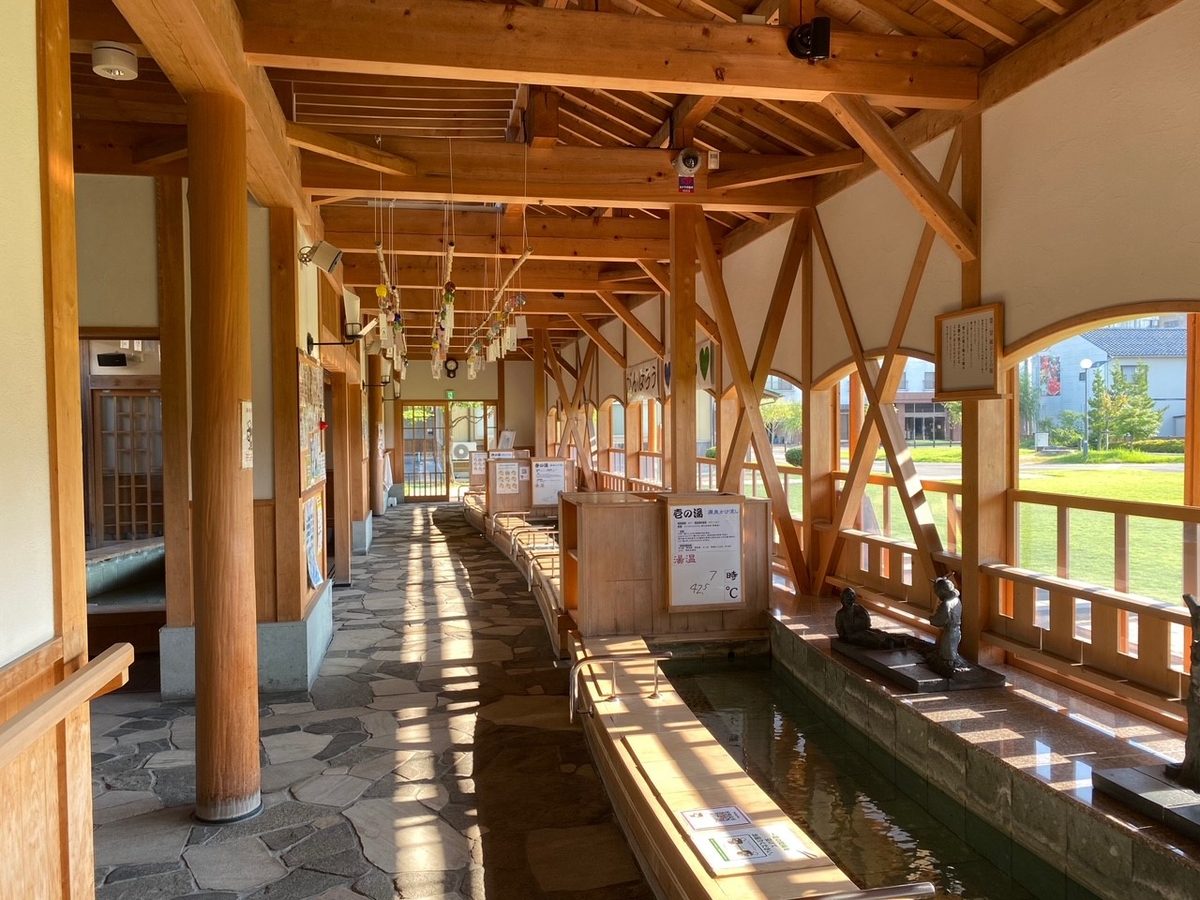
Awara Onsen
Fukui's most celebrated hot spring resort — a traditional geisha town discovered when a farmer struck boiling water while digging in 1883. The resort was the setting for Izumi Kyoka's novel "The Holy Man of Mt Koya" and is considered Hokuriku's most atmospheric onsen town. The Yukemuri Yokocho alley has free public foot baths and evening geisha performances.
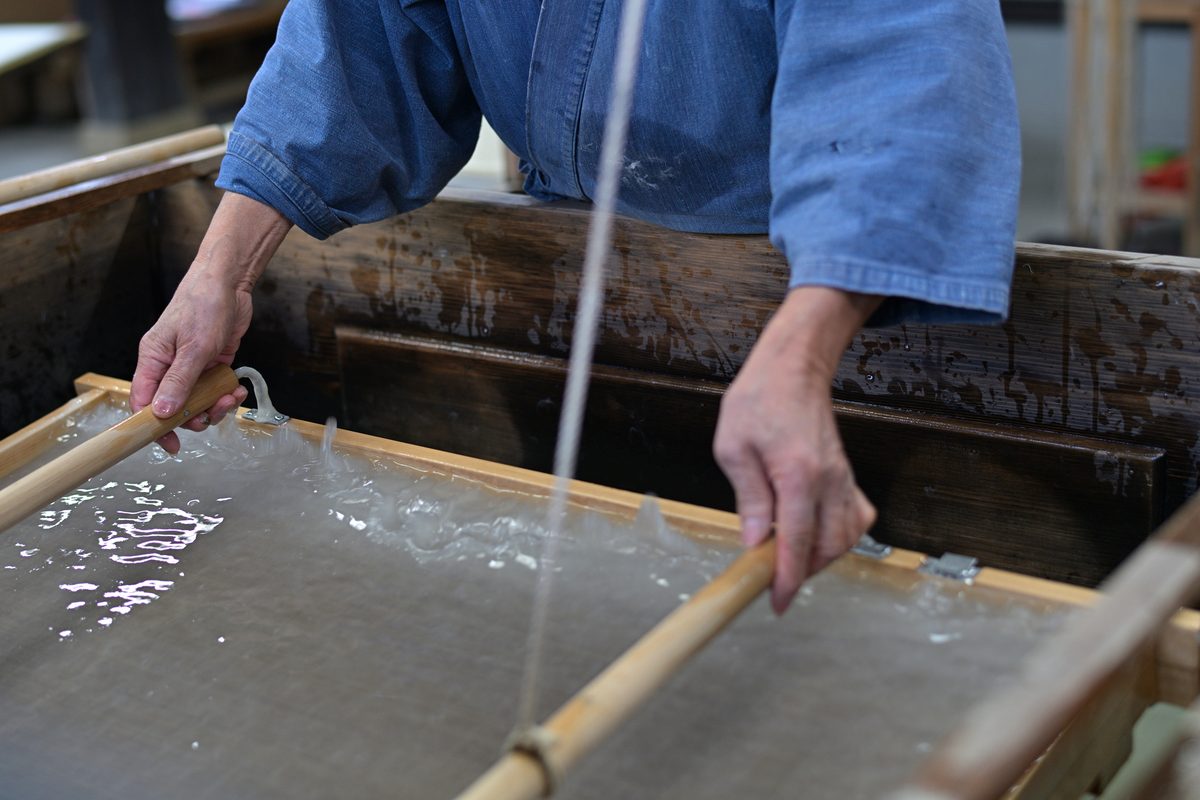
Echizen Washi Village
The birthplace of Japanese paper (washi) — Echizen has been producing paper for 1,500 years, longer than any other region. The Papyrus Museum and Paper Village (Udatsu no Kamimachi) have 10 working paper studios where visitors can make their own sheets using 1,500-year-old techniques. Echizen paper is used for official government documents and National Treasure restoration.
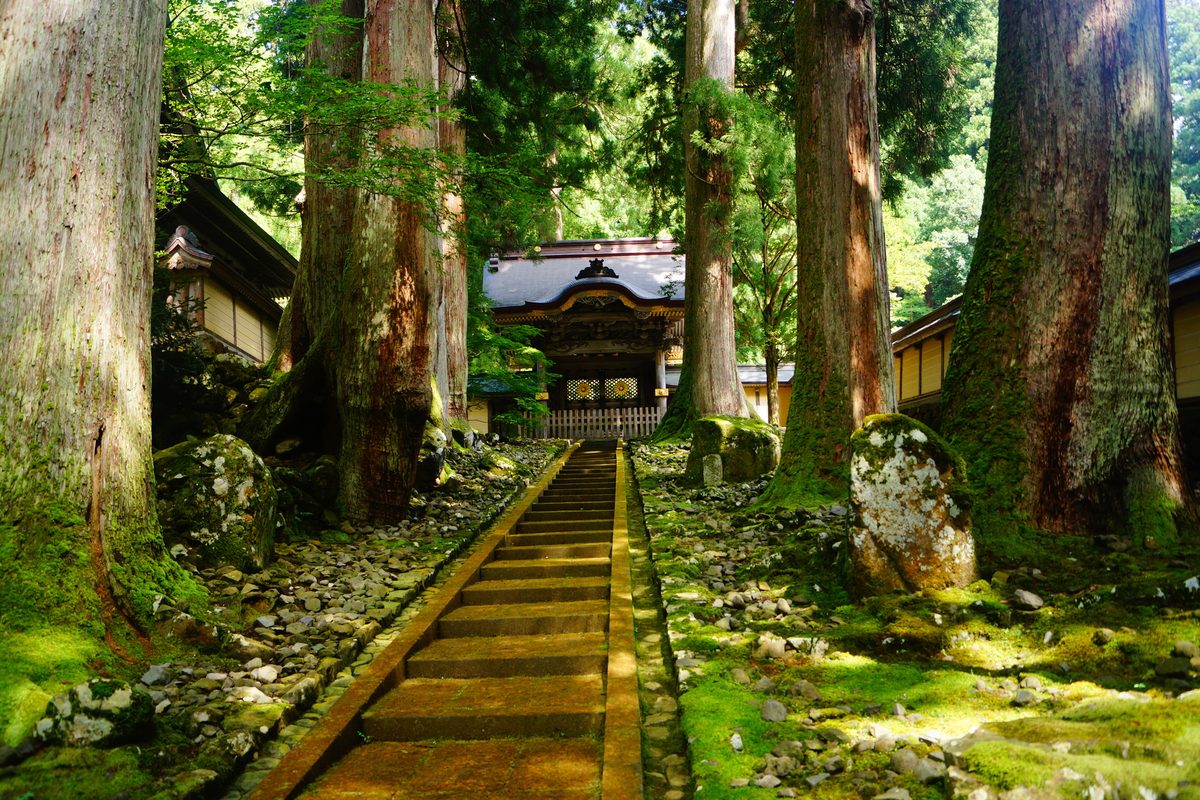
Eiheiji Temple
The head training monastery of Soto Zen Buddhism — founded by Dogen Zenji in 1244, still home to 150–200 trainee monks undergoing rigorous daily practice. The 70 temple buildings are connected by wooden corridors through ancient cedar forest. Visitors enter freely but must observe strict silence — this is a living, active monastery, not a museum.