

Yamagata Imoni Festival
Every September, the banks of the Mamigasaki River in Yamagata city become the site of one of Japan's most extraordinary food events: the Yamagata Imoni Festival, where a 6-metre-wide iron pot is used to cook imoni (taro root stew) for approximately 30,000 people in a single day. The stew, made with beef, taro, konjac, and leeks in a soy-based broth, is the defining autumn dish of Yamagata. A construction crane is used to stir the pot, and the whole event has the infectious energy of a city letting its hair down. The festival is a perfect introduction to Yamagata's food culture and its distinctive personality.
2–3 hours (festival day); 1 hour (restaurant)
Free to enter; giant-pot imoni requires a sponsorship ticket (2025: advance-reservation tickets from ¥600, same-day tickets from ¥700). Paid reserved seating is separate.
Held once a year in September; date and schedule vary by year. Official 2025 schedule: ticket distribution from 8:30, serving from 9:20 until sold out.
September (festival); September–November (restaurants)
Festival site: Mamigasaki riverbed near Sogetsu Bridge. From JR Yamagata Station East Exit, take a Yamakobus bound for Numanobe and get off at "Yamagata Shobosho-mae". Private cars must use designated parking lots and shuttle buses; there is no parking at the venue.
Location
Why Visit
- 1
A 6-metre iron pot feeds 30,000 people in one day — stirred by a construction crane.
- 2
Imoni (taro and beef stew) is Yamagata's defining autumn comfort food.
- 3
Held on the first Sunday of September on the banks of the Mamigasaki River.
- 4
Beyond the festival, imoni restaurants serve the dish across Yamagata from September to November.
Local Tips
Check the official festival site for the exact annual date and ticketing rules before visiting. Arrive early if using same-day tickets, and do not plan to drive directly to the venue — on-site parking is unavailable.
Add to your AI itinerary
Let AI build a multi-day trip around this spot.
Advertisement
More in Yamagata
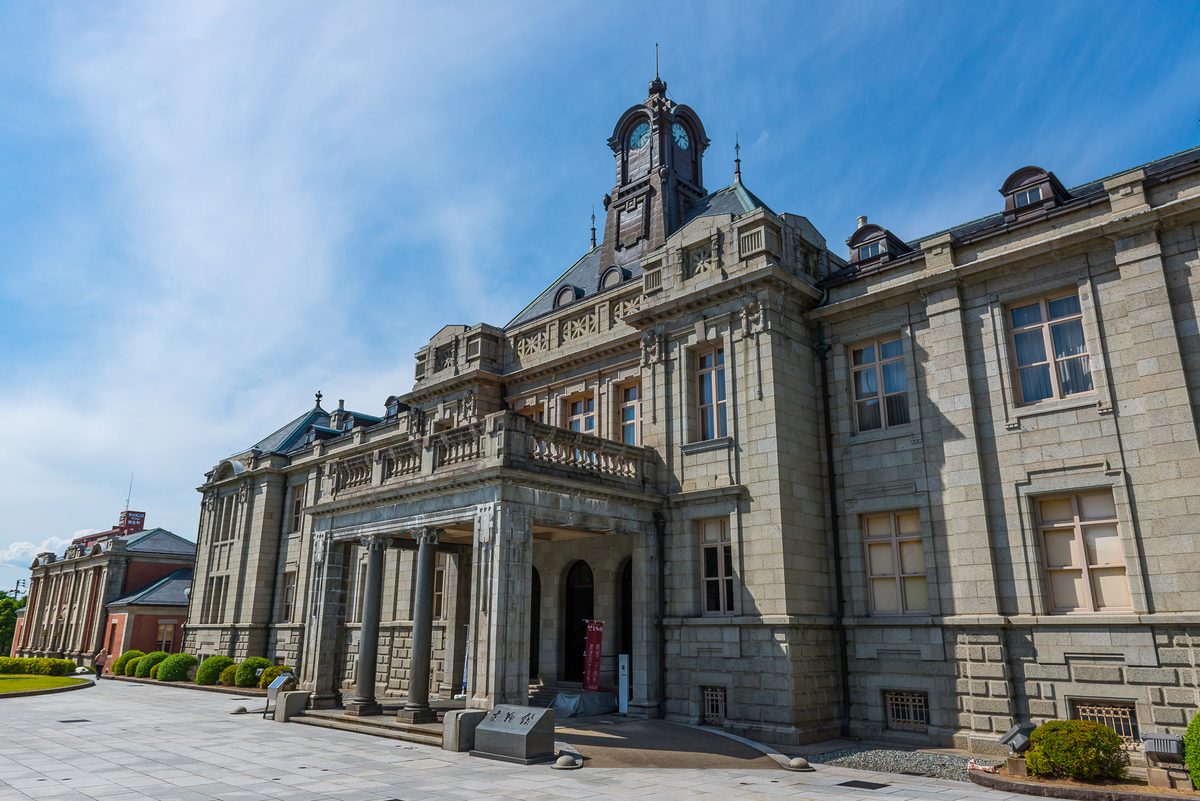
Bunshokan — Yamagata Prefectural Museum
Bunshokan is a striking red-brick building completed in 1916, originally serving as the Yamagata Prefectural Office and Assembly Hall before being designated an Important Cultural Property of Japan. The Taisho-era Western-style architecture, complete with a central clocktower, stands in sharp contrast to the castle walls of the adjacent Kajo Park, offering a window into a different chapter of Yamagata's history. Today the building functions as the Yamagata Prefectural Museum of Art, housing rotating exhibitions and permanent displays, and remains one of the most recognisable landmarks in the city.
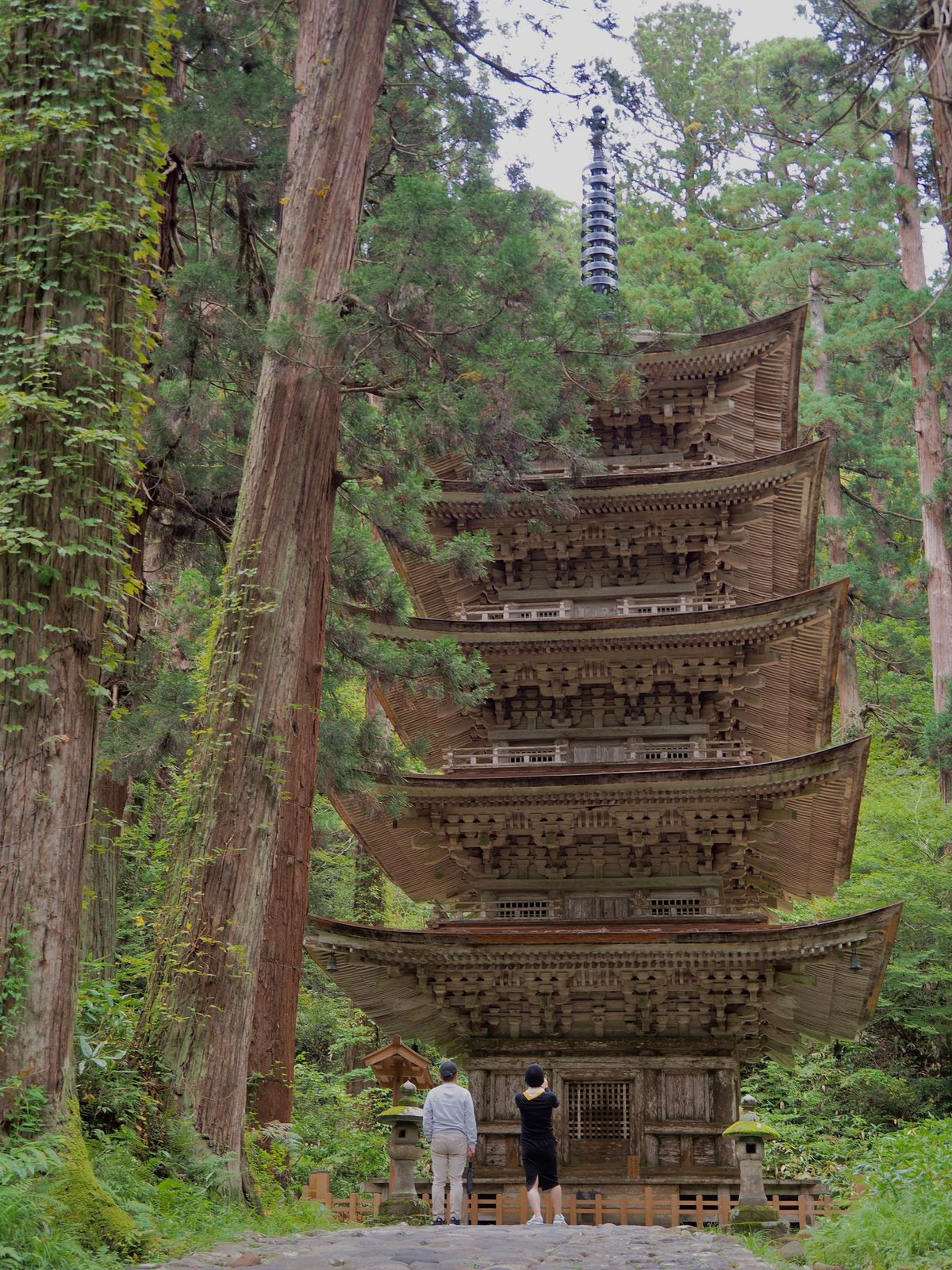
Dewa Sanzan
Three sacred mountains — Haguro (birth), Gassan (death) and Yudono (rebirth) — pilgrimage circuit of the ancient yamabushi mountain ascetics. The Haguro-san five-storey pagoda among 600-year-old cedar trees is one of Japan's most atmospheric.
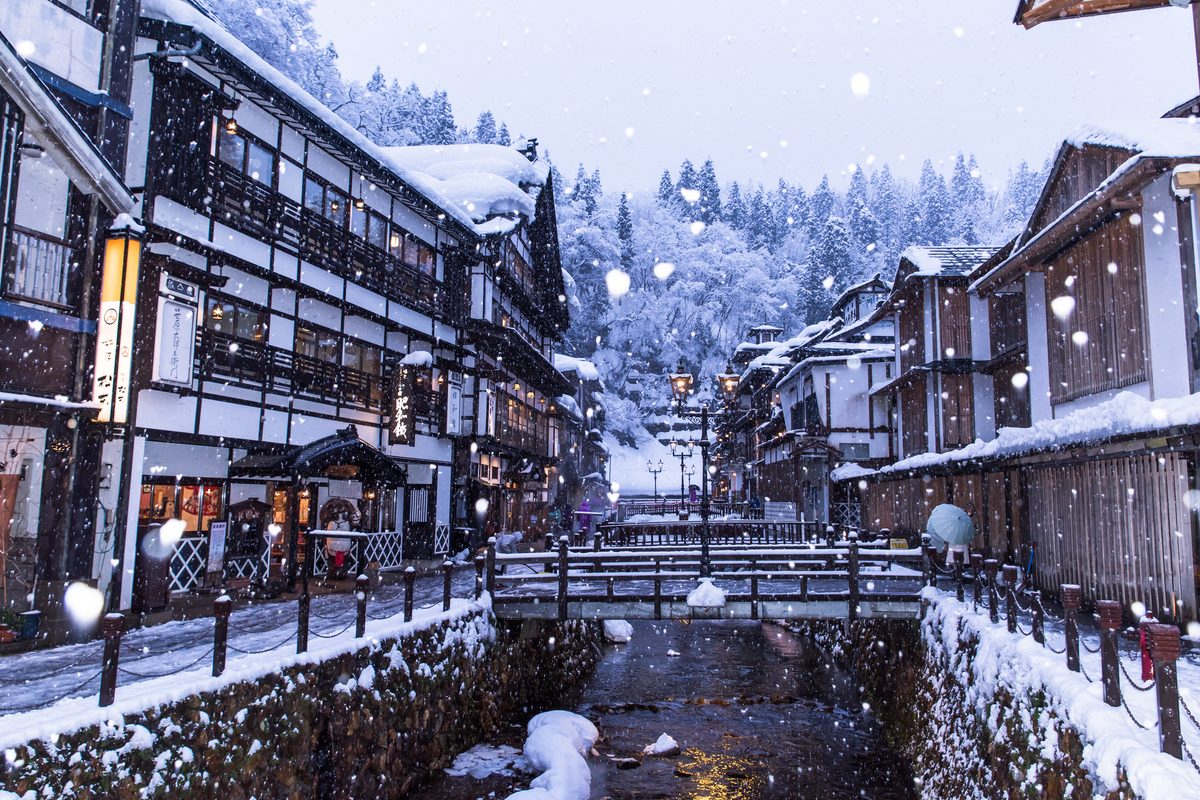
Ginzan Onsen
Japan's most photogenic hot spring village — Taisho-era multi-storey wooden ryokan line both banks of a narrow mountain stream, their gas lanterns glowing golden on the water at dusk. Snow transforms it into a perfect winter world.