
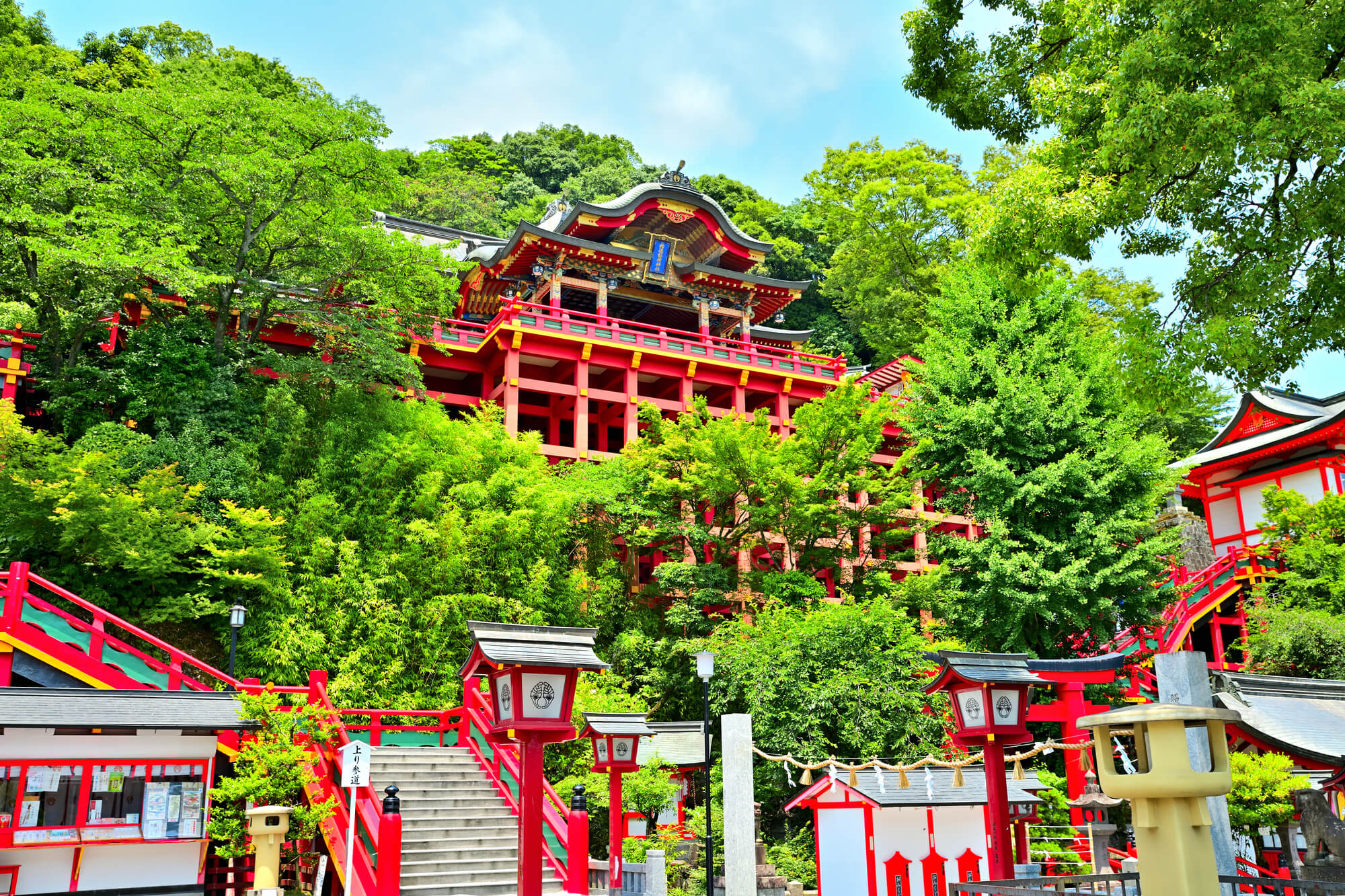
Yutoku Inari Shrine
One of Japan's three greatest Inari shrines, and the most architecturally dramatic in Kyushu. The main hall is built on stilts over a forested hillside using the same method as Kyoto's Kiyomizudera.
45 min
¥200 adults (inner area)
6:00–18:00 (winter 6:30); free entry to grounds
March–April or November
Bus from JR Hizen-Kashima Station (~15 min)
Location
Why Visit
- 1
Climb the outer staircase for free views over the gate and forest without paying entry
- 2
The inner shrine complex is much quieter than Fushimi Inari and far less photographed
- 3
November is spectacular when autumn color frames the vermilion buildings
Local Tips
One of Japan's top three Inari shrines. The main hall is built on pillars jutting out over a ravine — dramatic and photogenic. Visit at opening time when morning light hits the orange torii. The steep staircase is the classic shot; the hillside trail above rewards those who continue climbing.
Add to your AI itinerary
Let AI build a multi-day trip around this spot.
Advertisement
More in Saga
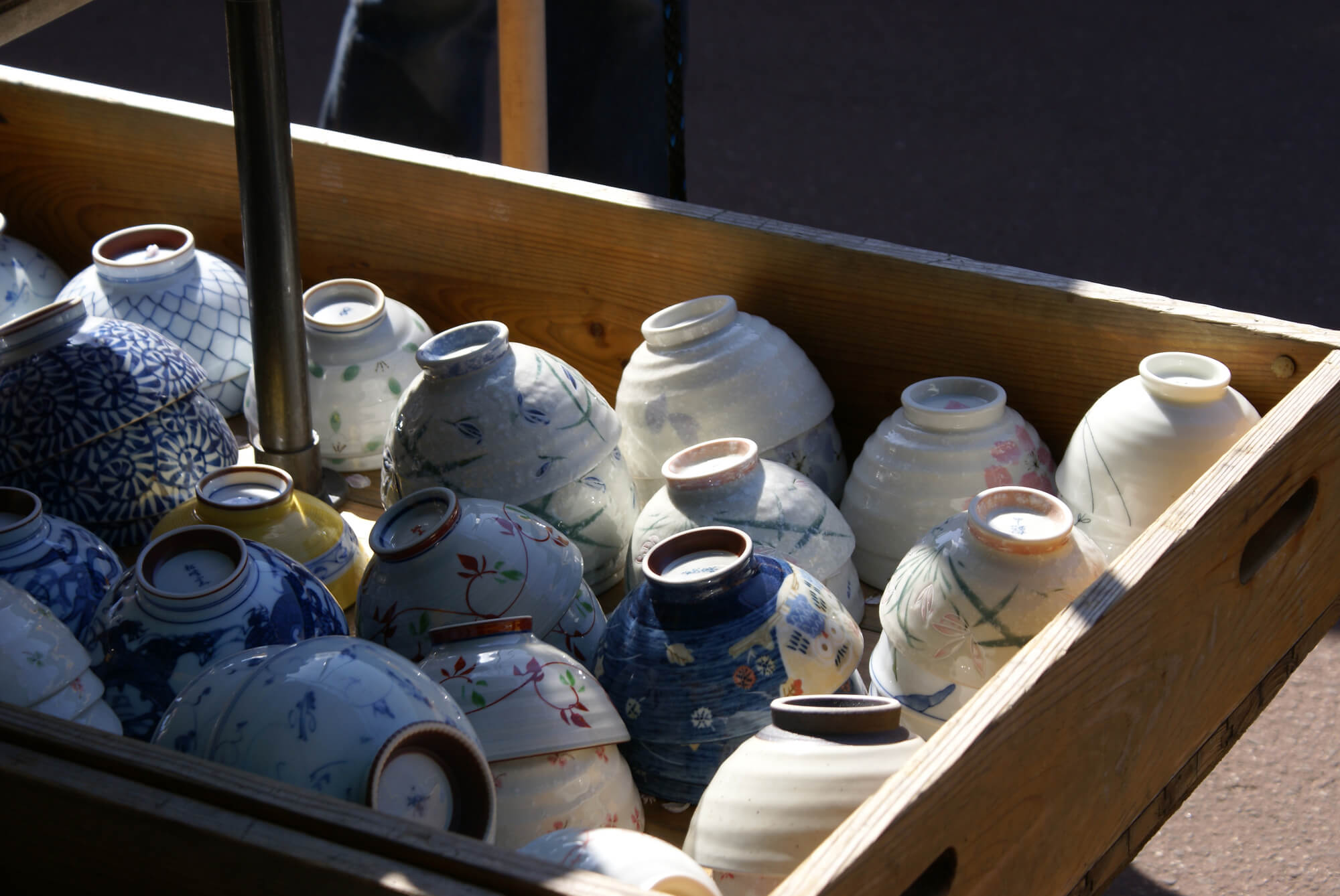
Arita Pottery Town
The birthplace of Japanese porcelain, where ceramic production began in 1616 after kaolin clay was discovered. The main street is lined with kilns, galleries, and manufacturers exporting worldwide.
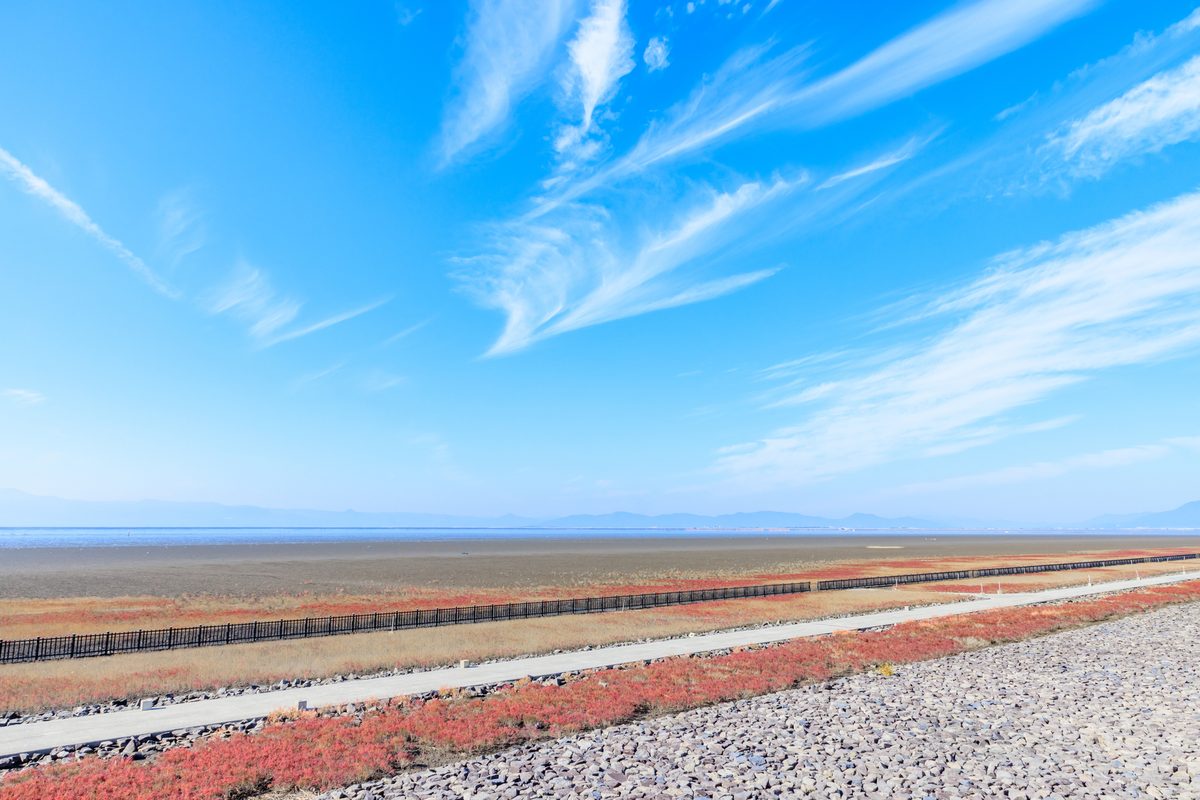
Higashiyoka Tidal Flat
A Ramsar Convention wetland on Ariake Sea — one of Japan's most biodiverse tidal flats, home to 140 species of migratory birds and the spectacle of mudskippers and fiddler crabs at low tide. In autumn, the shichimenso (salicornia) turns the mudflat a vivid red, creating an otherworldly landscape.
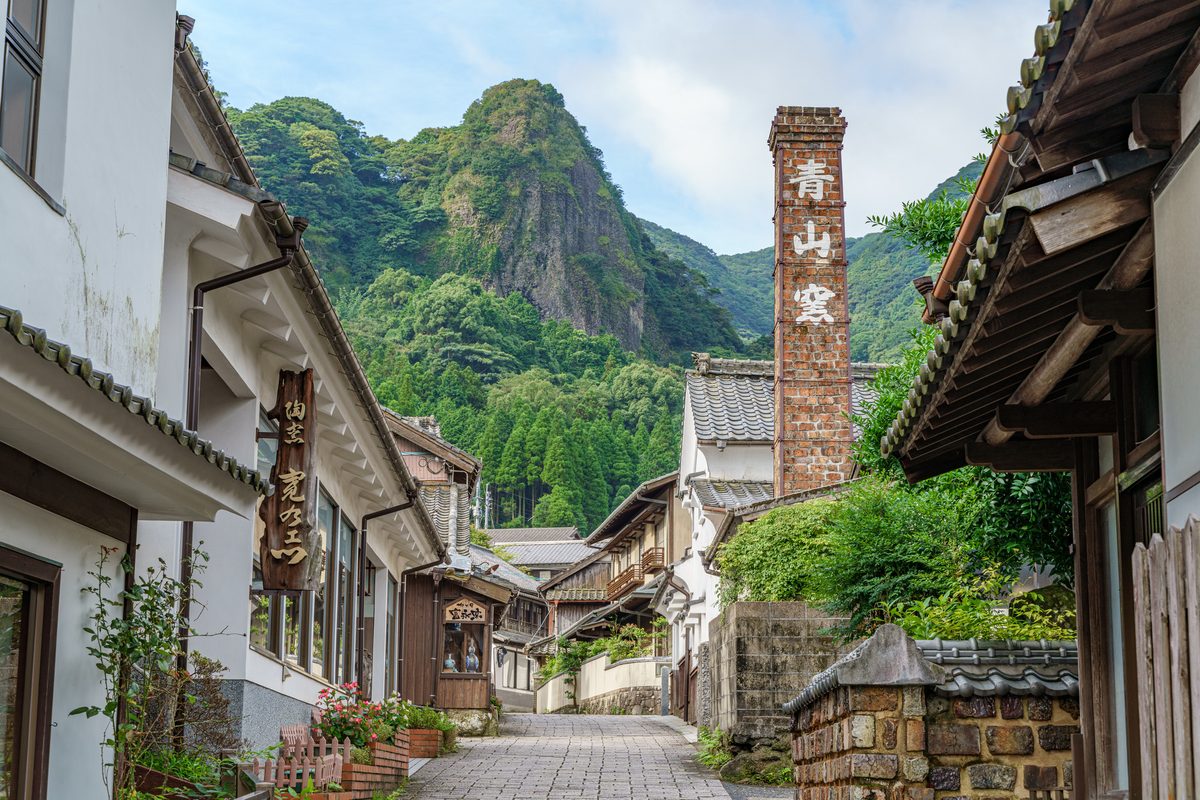
Imari Okawachi-yama Kiln Village
A hidden valley where the Nabeshima clan's secret kilns produced porcelain exclusively for the Edo shogunate and European royalty. Today 30+ kilns still operate in this quiet mountain valley — you can watch master potters at work and buy directly from the kilns that supplied Versailles.