
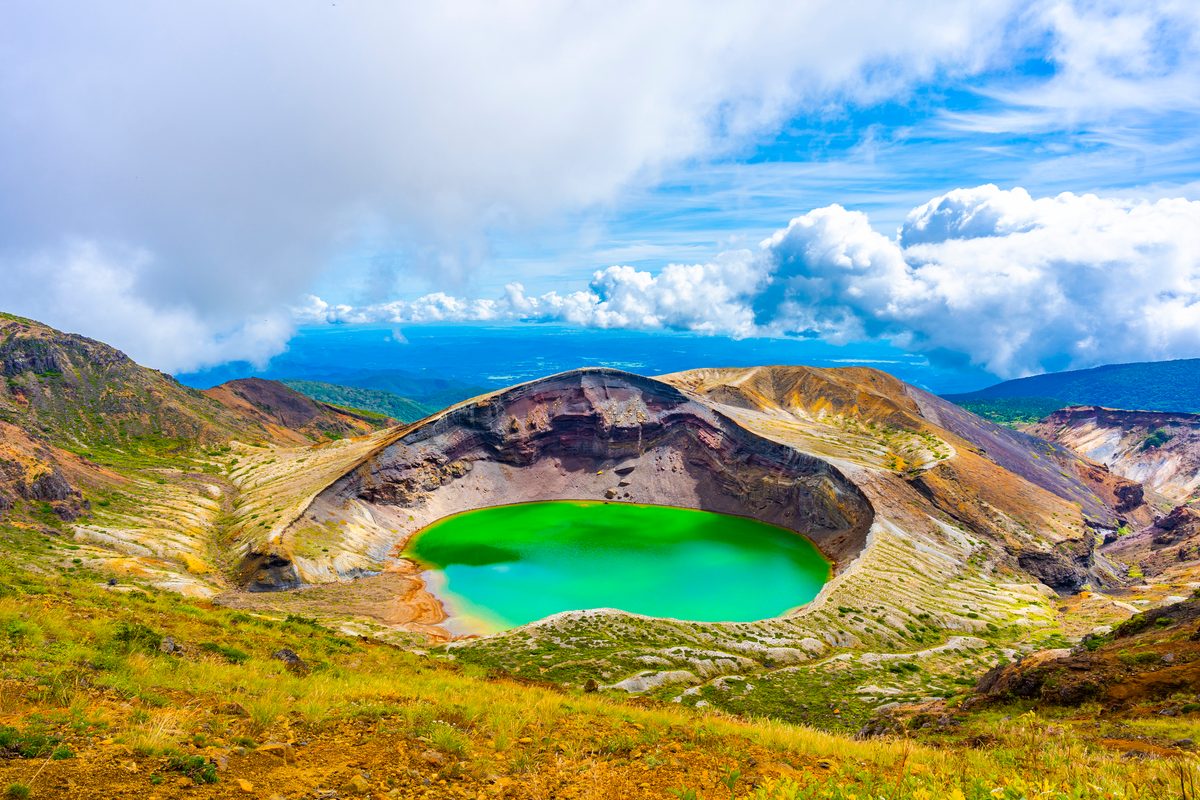
Zao Okama Crater Lake
An active volcano's crater lake that shifts between emerald green, milky turquoise and deep cobalt depending on volcanic activity and season. Called "Okama" (the iron pot) for its perfectly round bowl shape.
1–2 hours
Free
Eco-Line road: late Apr–early Nov; crater viewpoint always open when road is open
May–November (road open)
Drive up Zao Echoline from Yamagata City (approx. 1 hr); weekend/holiday bus from Zao Onsen (late April–early November only)
Location
Why Visit
- 1
The lake water is so acidic (pH 3.5) it corrodes metal — signs warn against touching the water
- 2
Colour changes from turquoise to green to opaque white within a single day depending on gases
- 3
The Zao Echoline mountain road passes directly by the crater — no hiking required
- 4
Combined with Zao Onsen below for a full-day volcanic landscape experience
Local Tips
The emerald Okama lake changes hue with weather and season. Come in May just after the road opens when surrounding snow remains and the contrast is dramatic. The drive up the Zao Echo Line through volcanic moonscape is itself spectacular. Combine with Zao ski area in winter.
Add to your AI itinerary
Let AI build a multi-day trip around this spot.
Advertisement
More in Yamagata
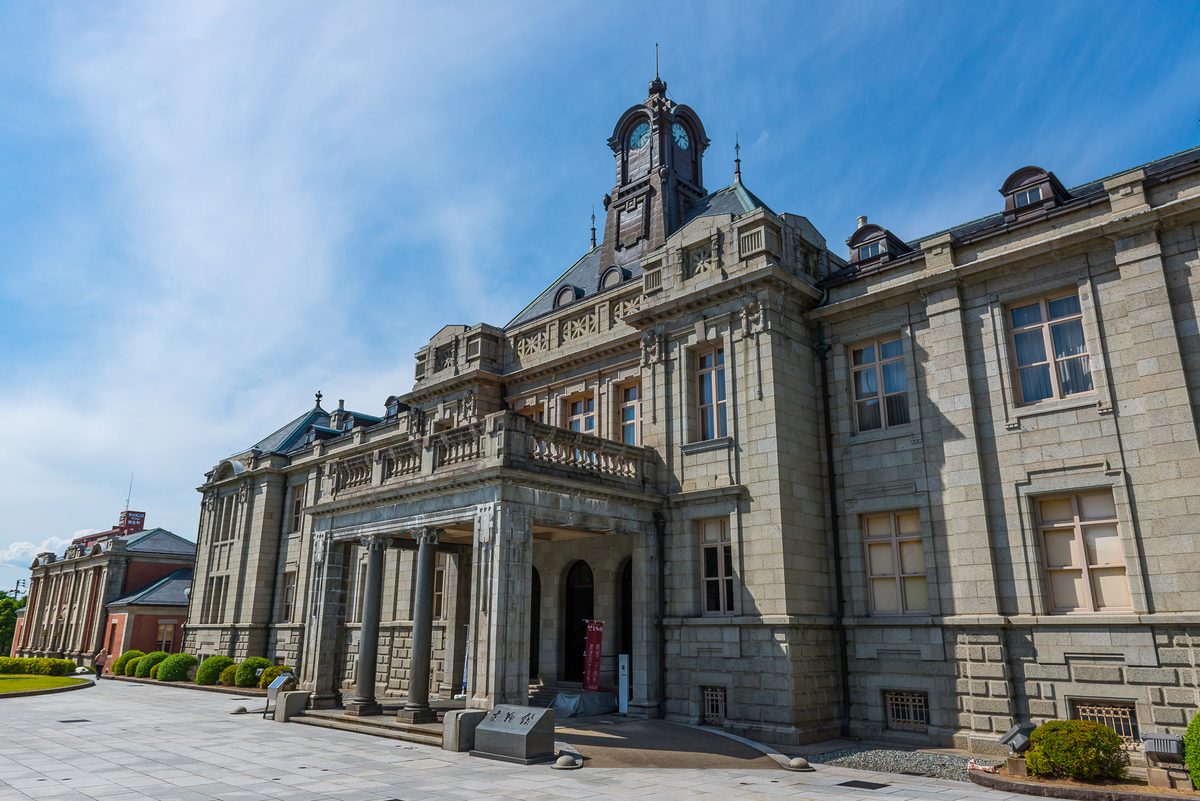
Bunshokan — Yamagata Prefectural Museum
Bunshokan is a striking red-brick building completed in 1916, originally serving as the Yamagata Prefectural Office and Assembly Hall before being designated an Important Cultural Property of Japan. The Taisho-era Western-style architecture, complete with a central clocktower, stands in sharp contrast to the castle walls of the adjacent Kajo Park, offering a window into a different chapter of Yamagata's history. Today the building functions as the Yamagata Prefectural Museum of Art, housing rotating exhibitions and permanent displays, and remains one of the most recognisable landmarks in the city.
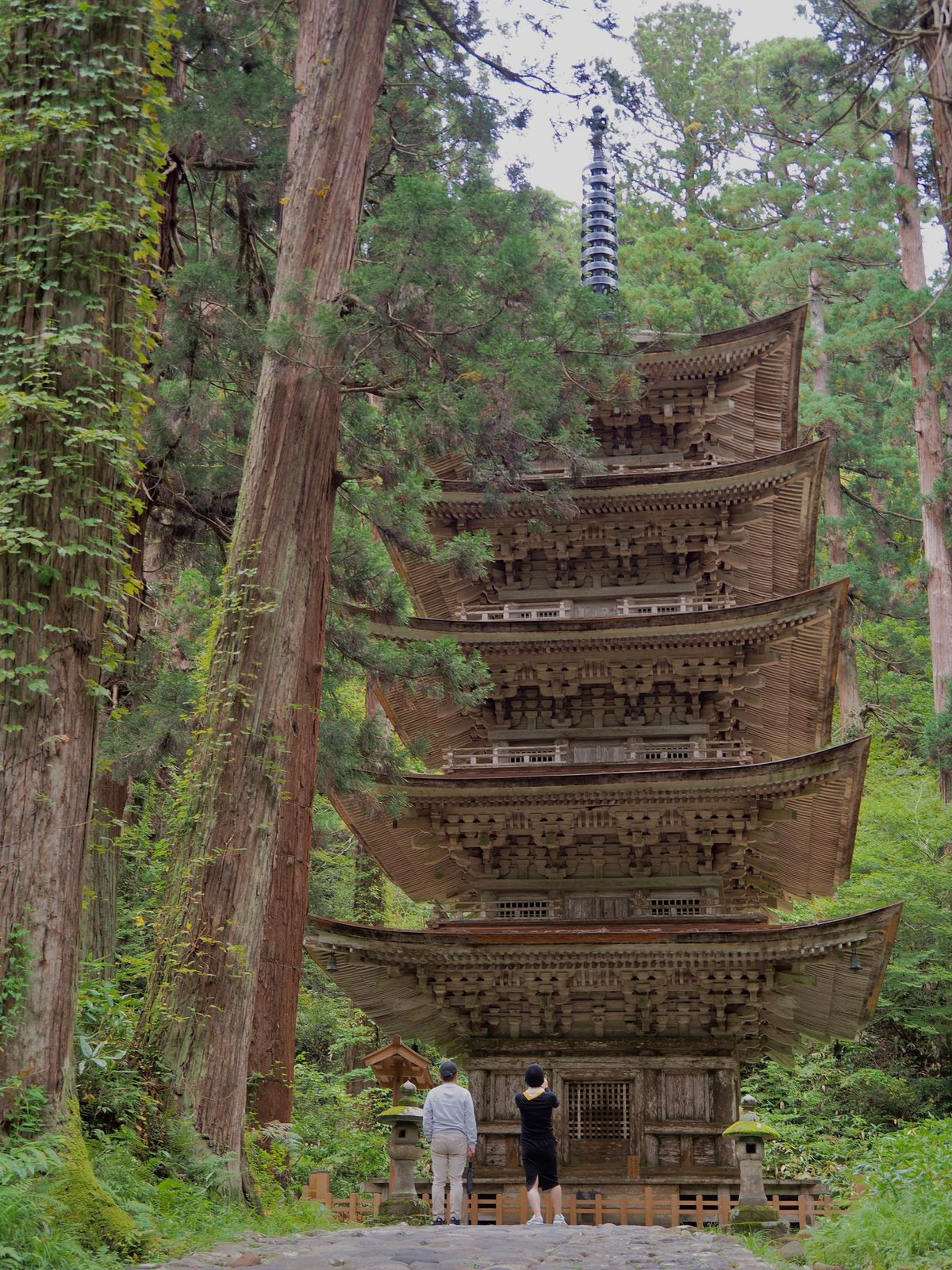
Dewa Sanzan
Three sacred mountains — Haguro (birth), Gassan (death) and Yudono (rebirth) — pilgrimage circuit of the ancient yamabushi mountain ascetics. The Haguro-san five-storey pagoda among 600-year-old cedar trees is one of Japan's most atmospheric.
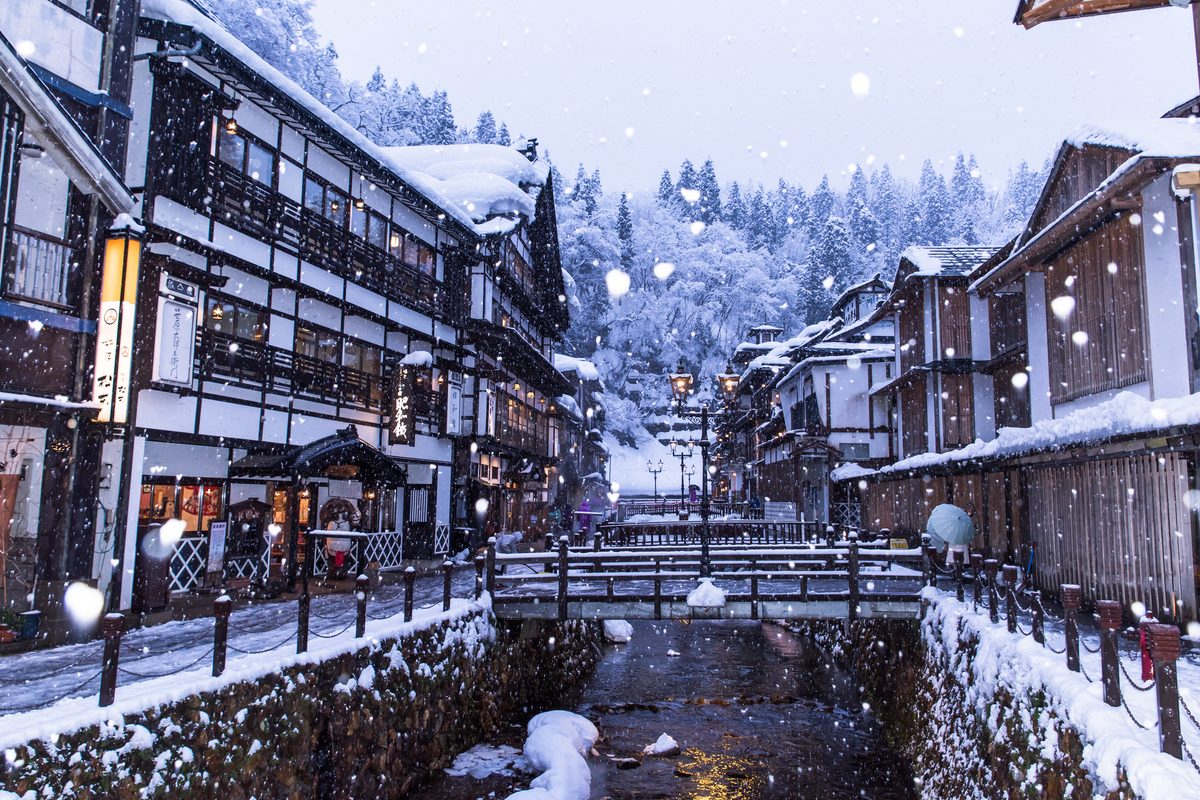
Ginzan Onsen
Japan's most photogenic hot spring village — Taisho-era multi-storey wooden ryokan line both banks of a narrow mountain stream, their gas lanterns glowing golden on the water at dusk. Snow transforms it into a perfect winter world.