
Aomori Travel Guide
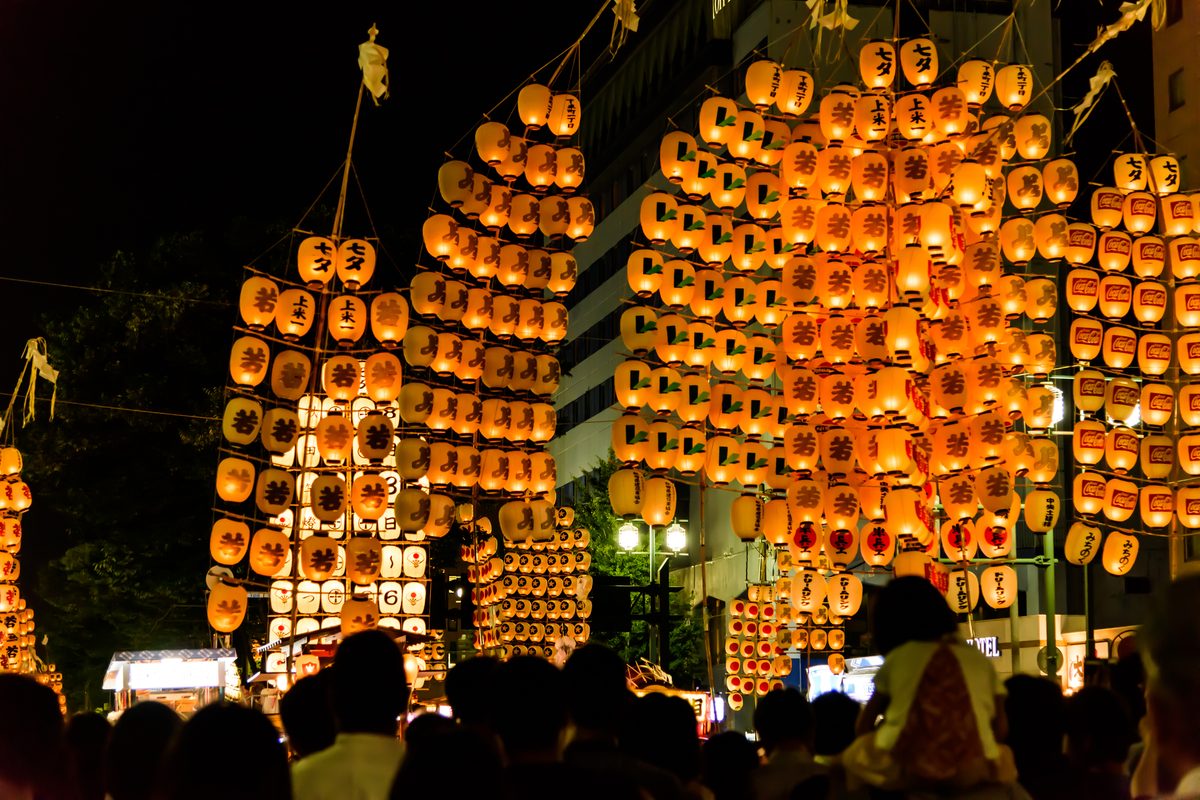
The end of Honshu's mainland, where Tohoku's spirit runs deepest. Home to the iconic Nebuta Festival, the sacred volcanic caldera of Osorezan, and some of Japan's finest apples and scallops. The Shirakami-Sanchi beech forest — a UNESCO World Heritage site — stretches unspoiled across the mountains in primeval silence.
5 hidden gems in Aomori include insider locations, local tips, and full access details.
Hidden Gems in Aomori
Hand-picked spots off the tourist trail — all personally curated.
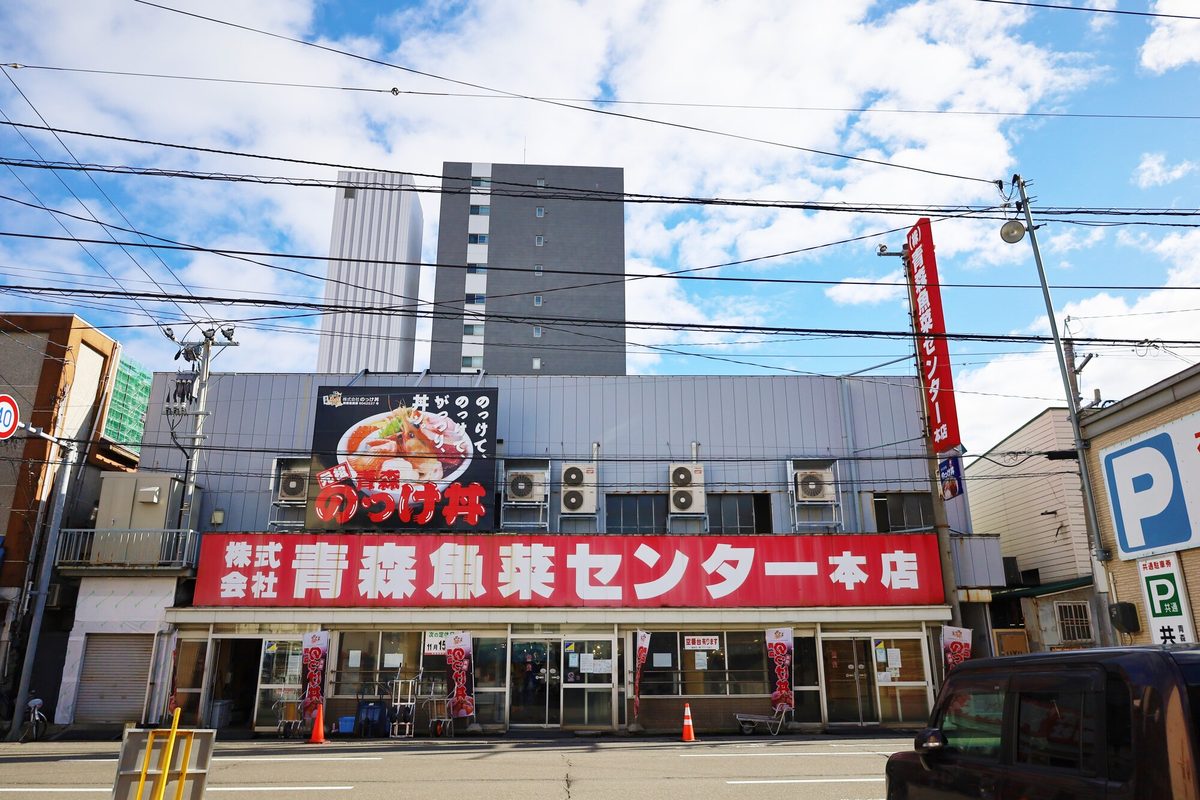
Aomori Gyosai Center (Furukawa Fish Market)
A working market a short walk from Aomori Station where the signature experience is nokkedon — a bowl of rice topped with sashimi you choose yourself from stalls selling tickets by the slice. Scallops from Mutsu Bay, tuna, sea urchin and squid are local specialties. The market opens early and fills with locals and travellers grabbing breakfast before trains and ferries.
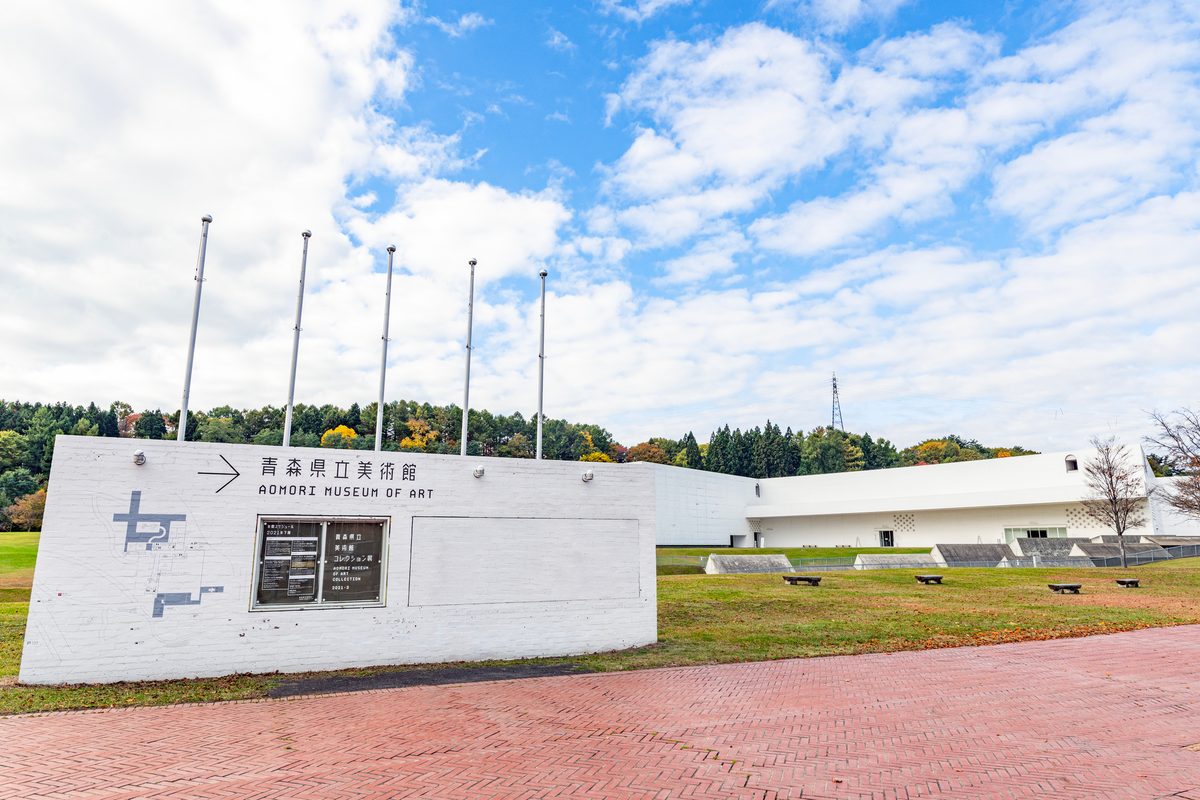
Aomori Museum of Art
A striking contemporary museum on Aomori Bay designed by Jun Aoki, known for its tall, light-filled atrium and major holdings of Marc Chagall — including stage backdrops for ballet that rank among the largest Chagall works on public display outside Russia. The collection also features works by local artists and rotating exhibitions of modern Japanese art. The building itself, with its white geometric facade, has become a symbol of the city alongside the Nebuta Museum.
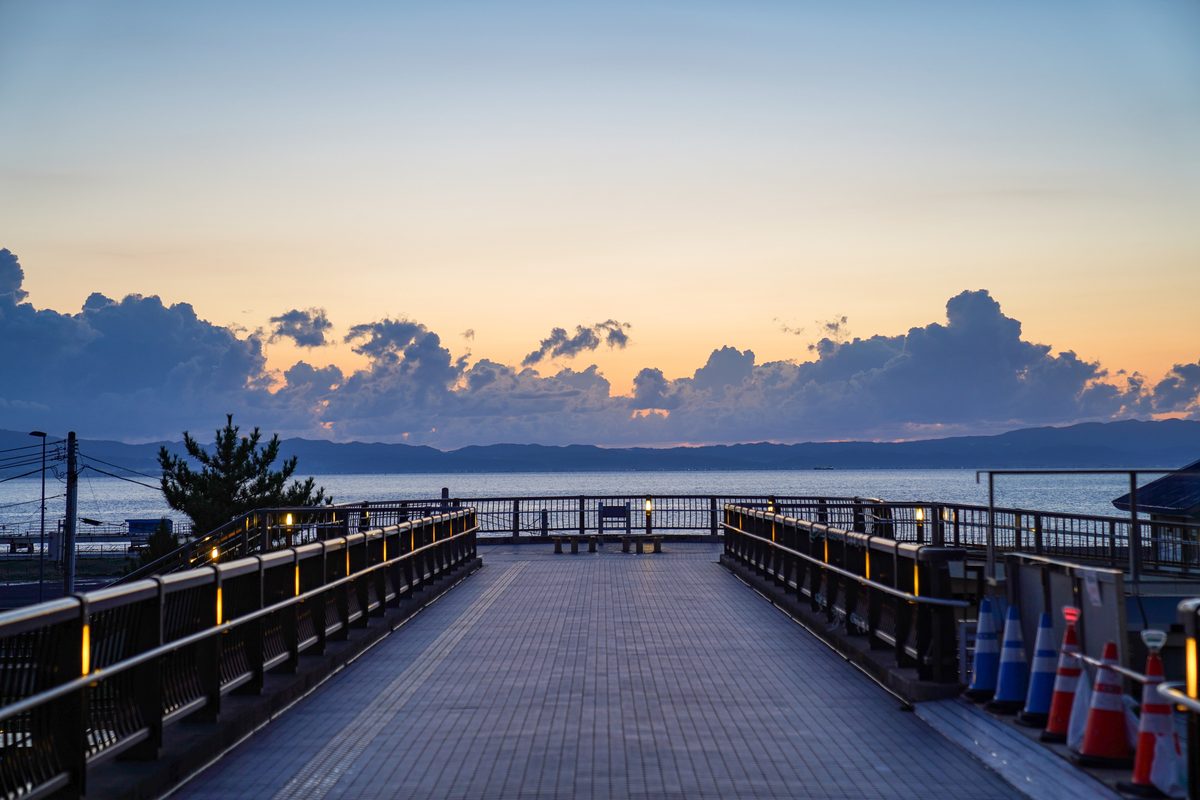
Asamushi Onsen
A historic hot-spring village on Mutsu Bay northeast of Aomori City, where ryokan and day-use baths line a quiet coast of pine and tidal flats. The water is mild and said to be gentle on the skin. Small aquarium and walking paths along the shore make it a relaxed half-day escape from the city without heading as far as Shimokita.
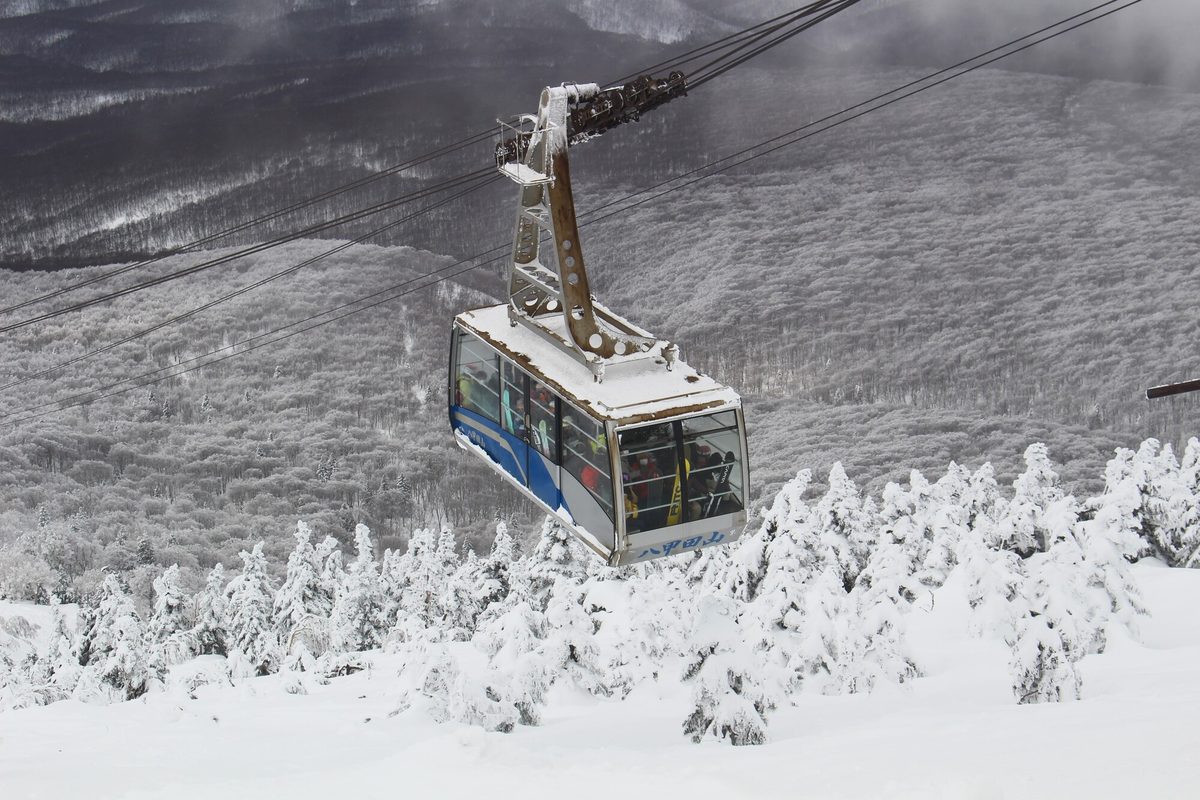
Hakkoda Ropeway & Sukayu Onsen
The Hakkoda ropeway climbs from near Sukayu Onsen into the Hakkoda mountain range, famous for deep snow, alpine marshland and, in winter, "snow monster" juhyo ice-coated trees. Sukayu below is known for Japan's largest mixed-gender cedar bath (konyoku) in a classic mountain setting. Summer offers hiking and wildflowers above the treeline.
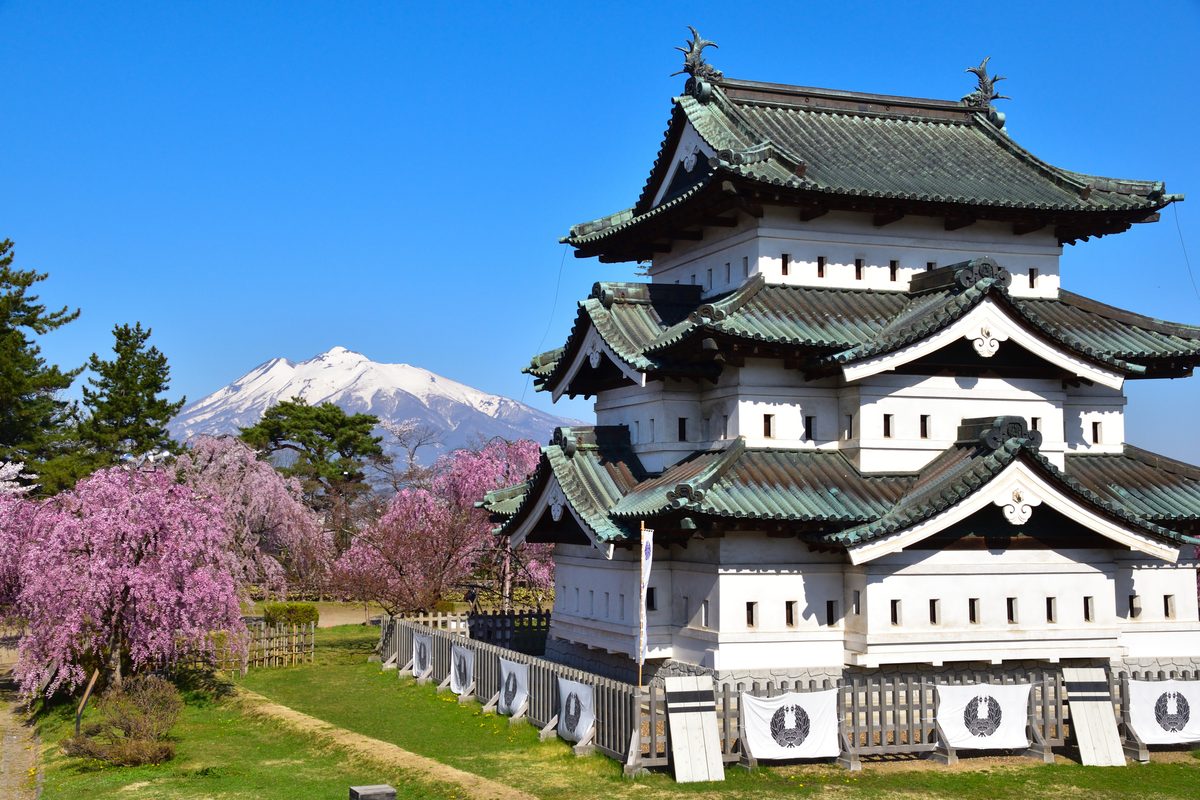
Hirosaki Castle
Japan's best-preserved original wooden castle keep, encircled by 2,600 cherry trees that transform the moat into a pink tunnel each spring. One of only twelve original castles remaining in Japan.
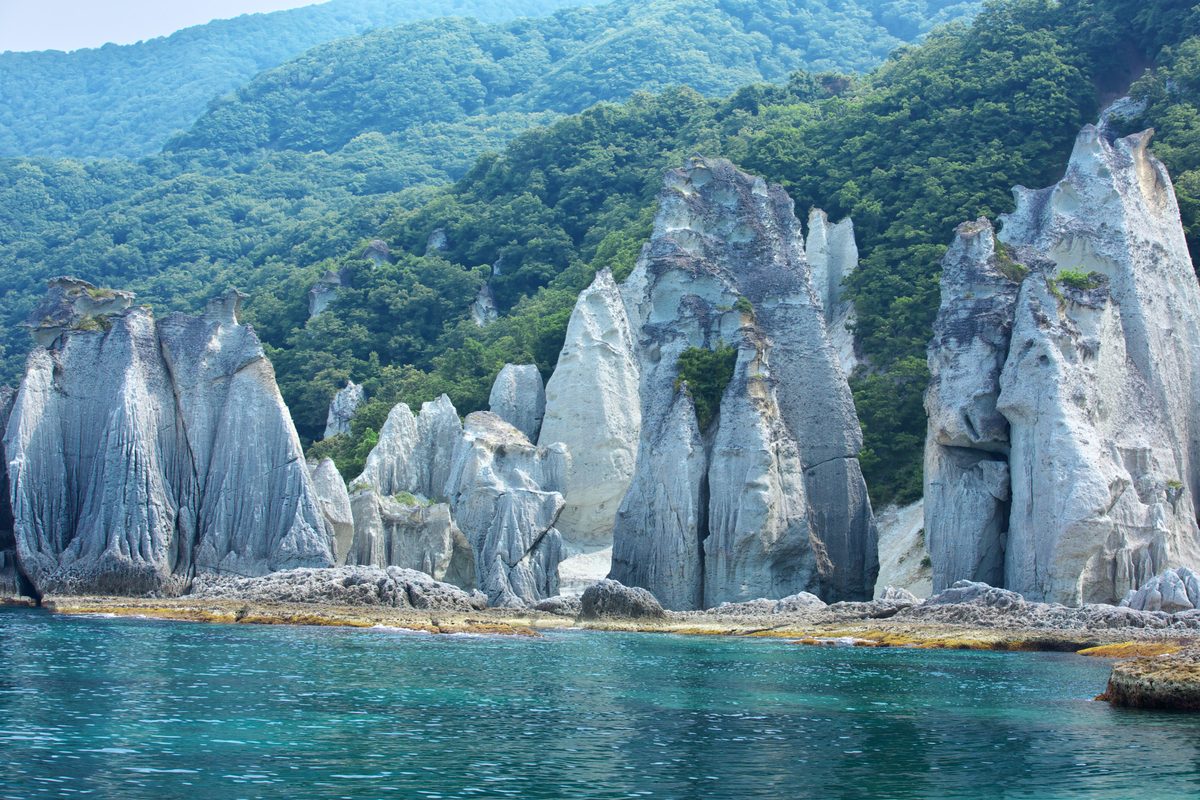
Hotokegaura (Buddha Shore)
A sea cliff of towering white rhyolite spires rising from the sapphire water of the Tsugaru Strait, accessible only by sightseeing boat. The formations look like Buddhas and bodhisattvas carved by the sea over millennia.
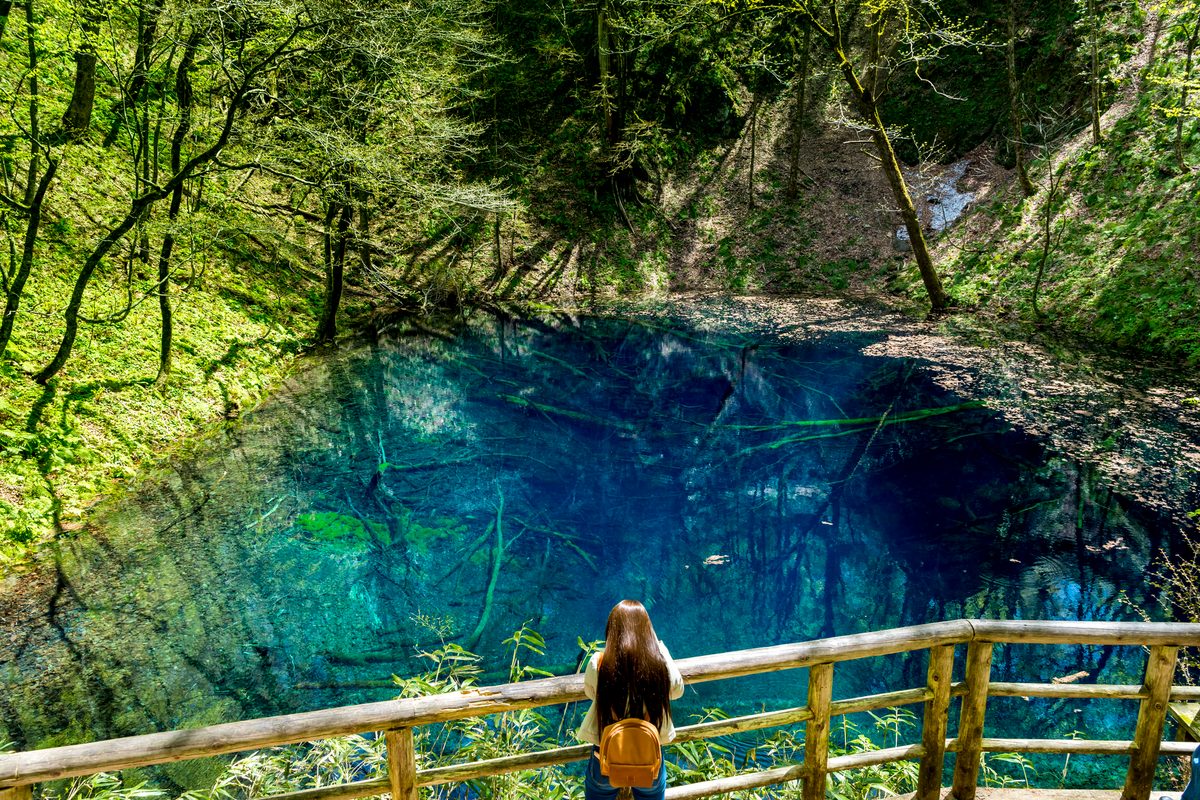
Juniko (Twelve Lakes)
Thirty-three mysterious forest lakes hidden in an ancient beech forest in the Shirakami-Sanchi UNESCO World Heritage area. The jewel is Aoike (Blue Pond) — a perfectly still pool of such vivid turquoise that it seems painted.
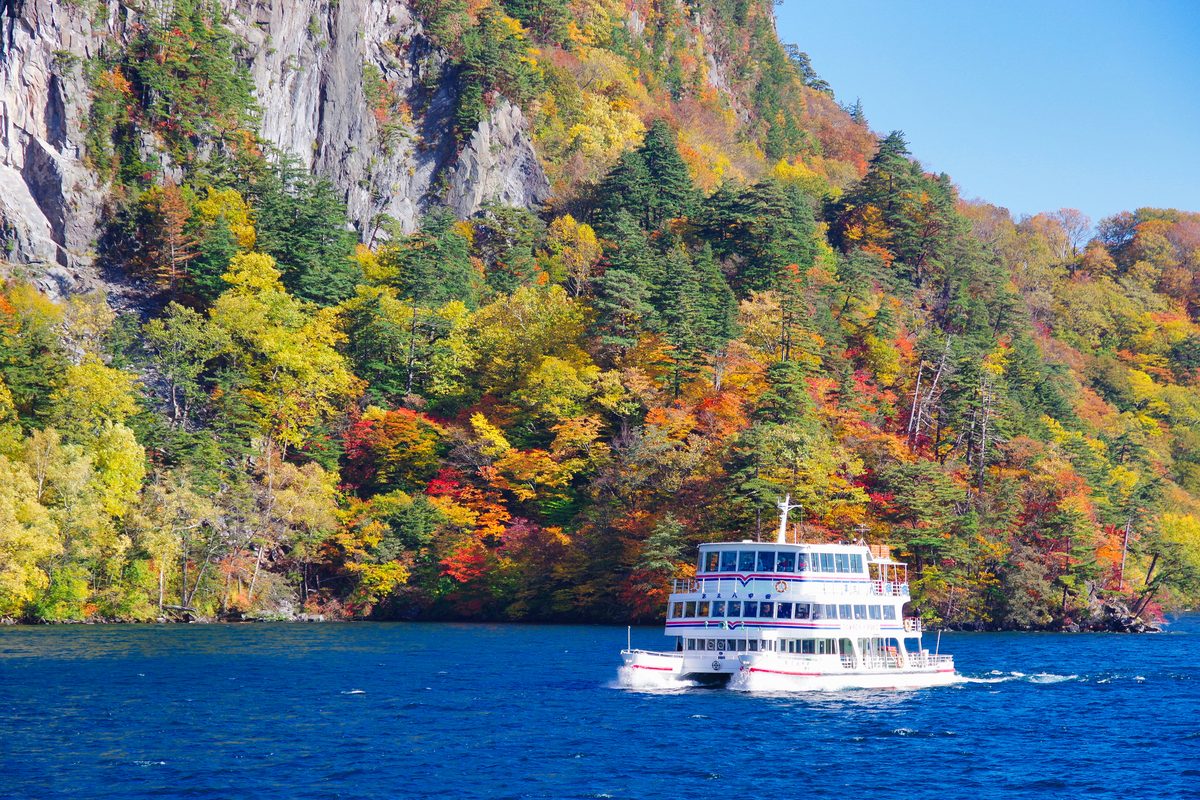
Lake Towada
A vast double-caldera lake straddling Aomori and Akita, known for exceptional clarity and deep blue water. Surrounded by ancient beech forest, the lake feels like the centre of another world — remote, silent and vast.

Nebuta Museum Wa・Rasse
A dramatic red-mesh building on the Aomori waterfront housing year-round exhibitions of the giant illuminated paper-and-wire nebuta floats from one of Japan's most famous summer festivals. Up close, the warrior figures are monumental.
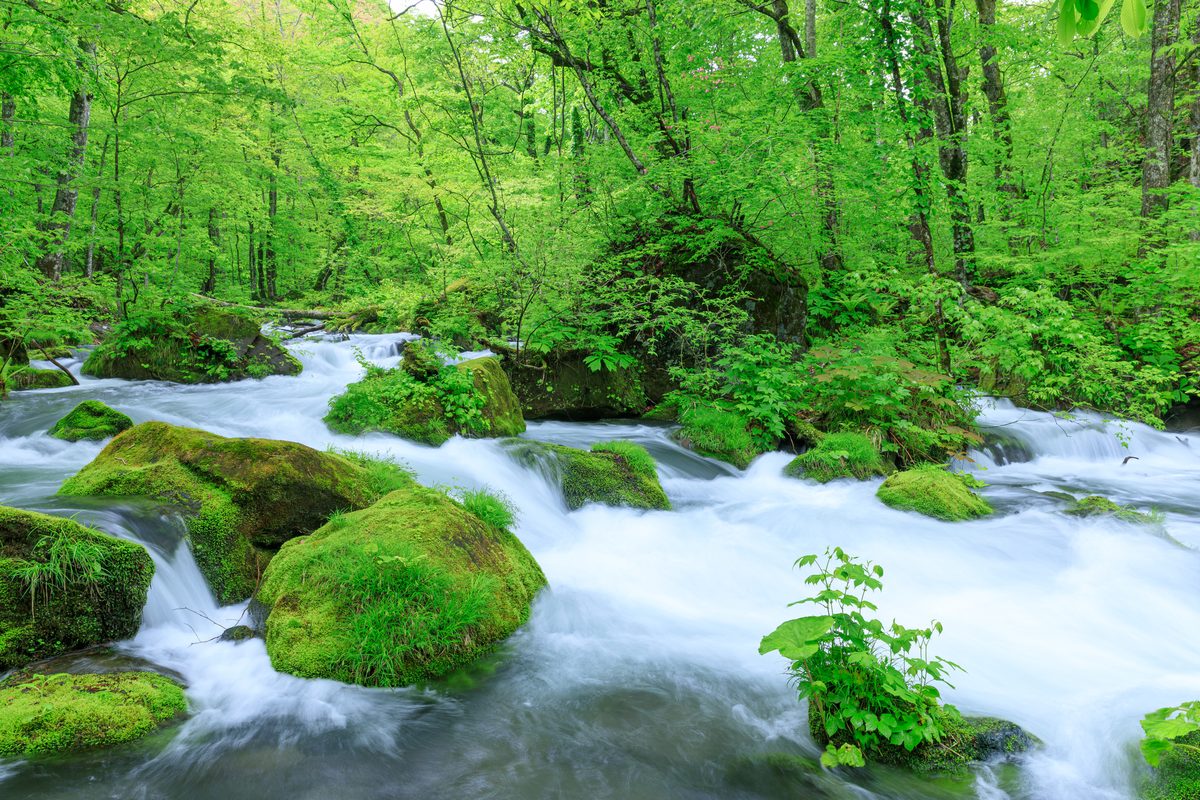
Oirase Gorge
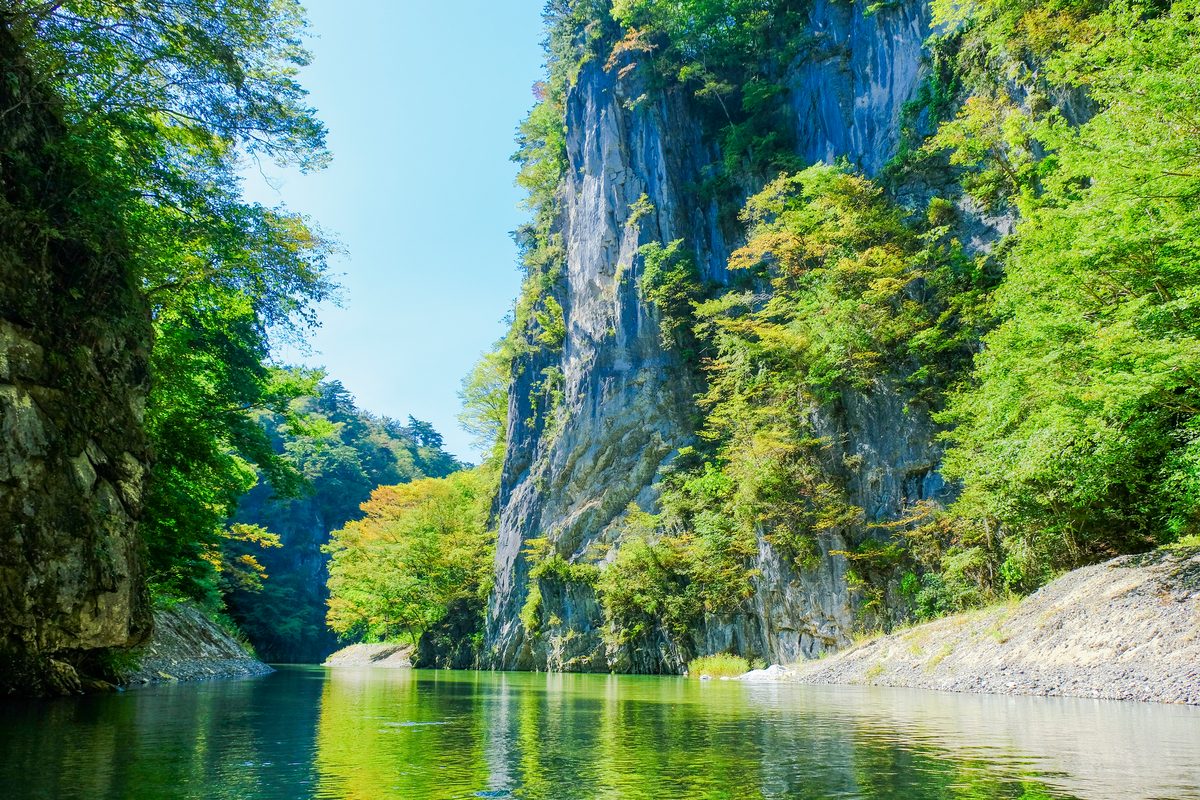
A 14-kilometre forest stream walk where the Oirase River tumbles over moss-covered boulders and drops into dozens of named waterfalls. The only stream flowing out of Lake Towada, it runs clear green year-round.
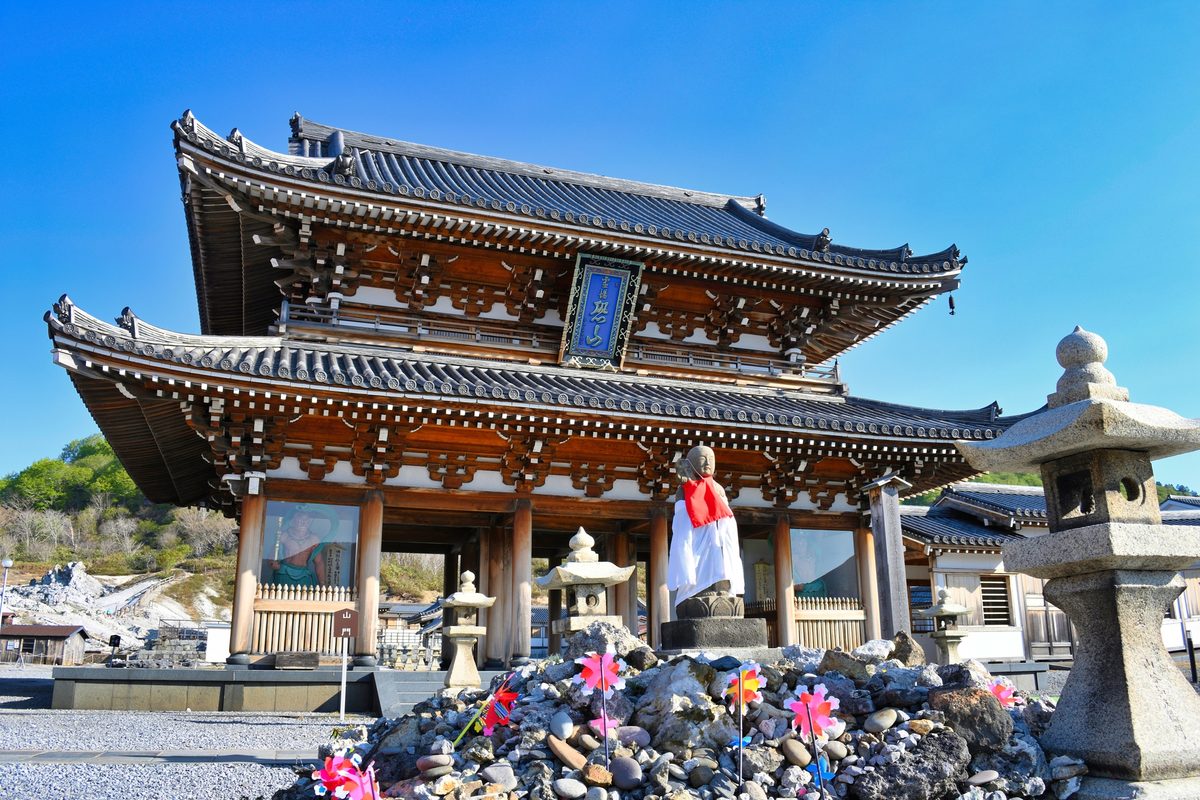
Osorezan (Mount Osore)
One of Japan's three sacred mountains and one of the world's few places considered a literal gateway to the afterlife. The volcanic caldera landscape of toxic yellow soil, steaming vents and a turquoise lake mirrors the Buddhist image of hell.
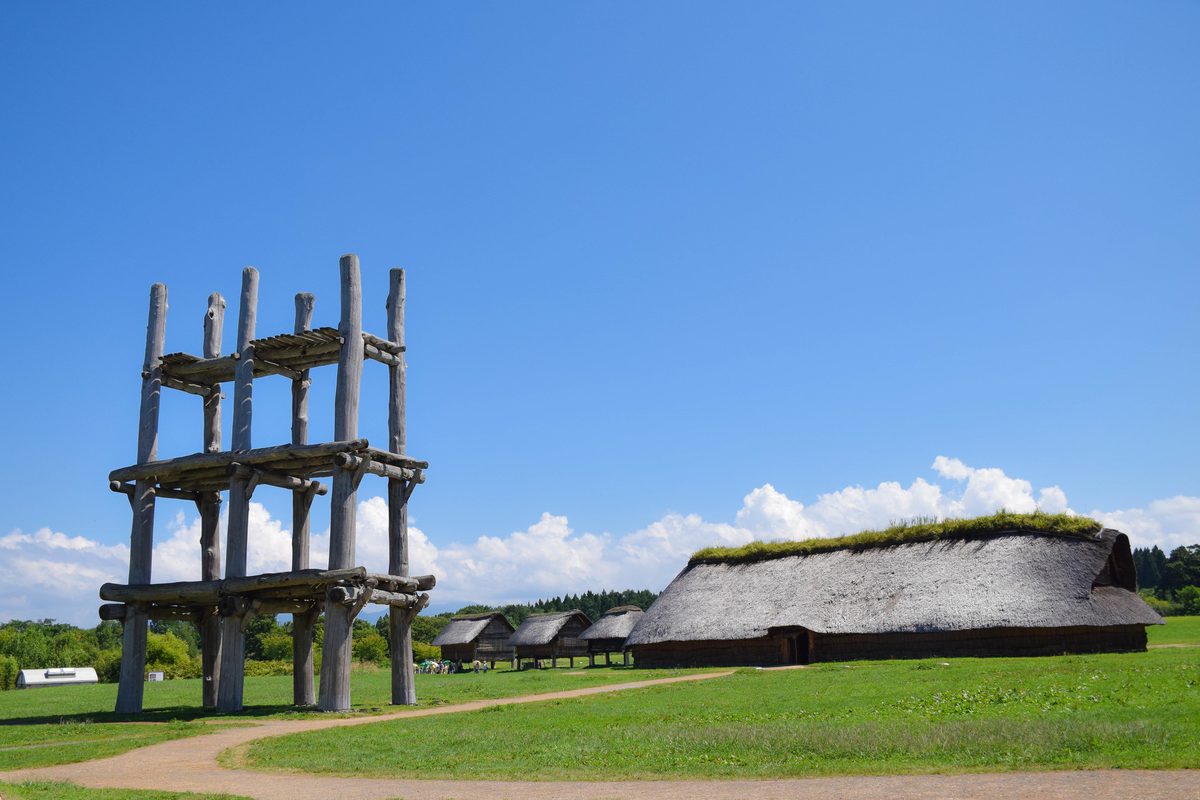
Sannai-Maruyama Site
Japan's largest Jomon period archaeological site, newly inscribed as UNESCO World Heritage in 2021. A 5,900-year-old village with reconstructed pit dwellings and the iconic six-pillar wooden watchtower rising above the excavation.
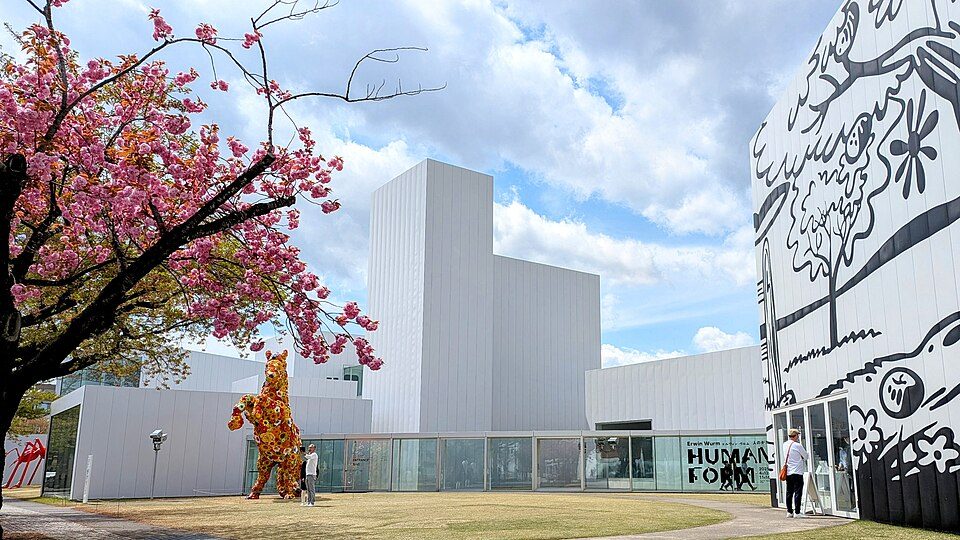
Towada Art Center
A contemporary art museum in Towada City that anchors a public "art town" project — outdoor sculptures and installations line streets and parks, and the building hosts major names in Japanese and international art including site-specific commissions. The city promotes cycling routes linking the museum to outdoor works. It pairs naturally with Lake Towada and Oirase for a two-day art-and-nature itinerary.
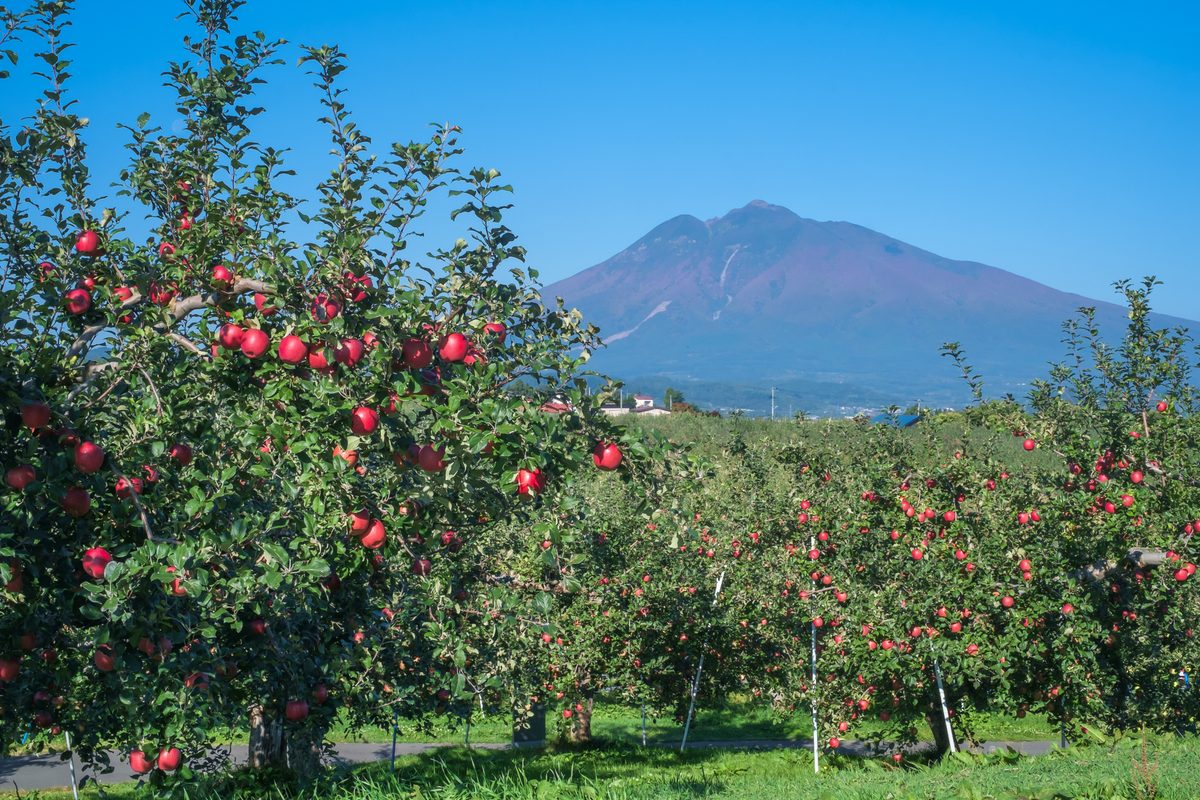
Tsugaru Apple Orchards
Aomori produces over half of all Japanese apples, and the Tsugaru plain around Hirosaki is the heartland. In autumn the orchards glow red for kilometres; farm visits include picking, pressing and tasting Japan's finest Fuji apples.
Advertisement
When to Visit Aomori
Peak spots by season — ordered by best match.
More from Tohoku
Other prefectures in the same region
Ready to visit Aomori?
Let AI build a personalized day-by-day itinerary based on your interests and travel style.
Create a Aomori Itinerary