
Best Places in Japan Beyond Tokyo
Most people come back to Japan. The first trip follows the same arc: Tokyo, Shinkansen south, Kyoto, Osaka. It's a good arc — those cities earned their reputations. But the second trip is when Japan really opens up. This guide is for that second trip: seven destinations that are genuinely distinct from each other, each with a case for why they belong on the list.
Kanazawa — The Kyoto Nobody Told You About
On the Sea of Japan coast, Kanazawa was one of the few major cities never bombed during World War II. The result is an intact old quarter of samurai residences, geisha districts, and teahouses that feels genuinely lived-in rather than preserved for tourism.
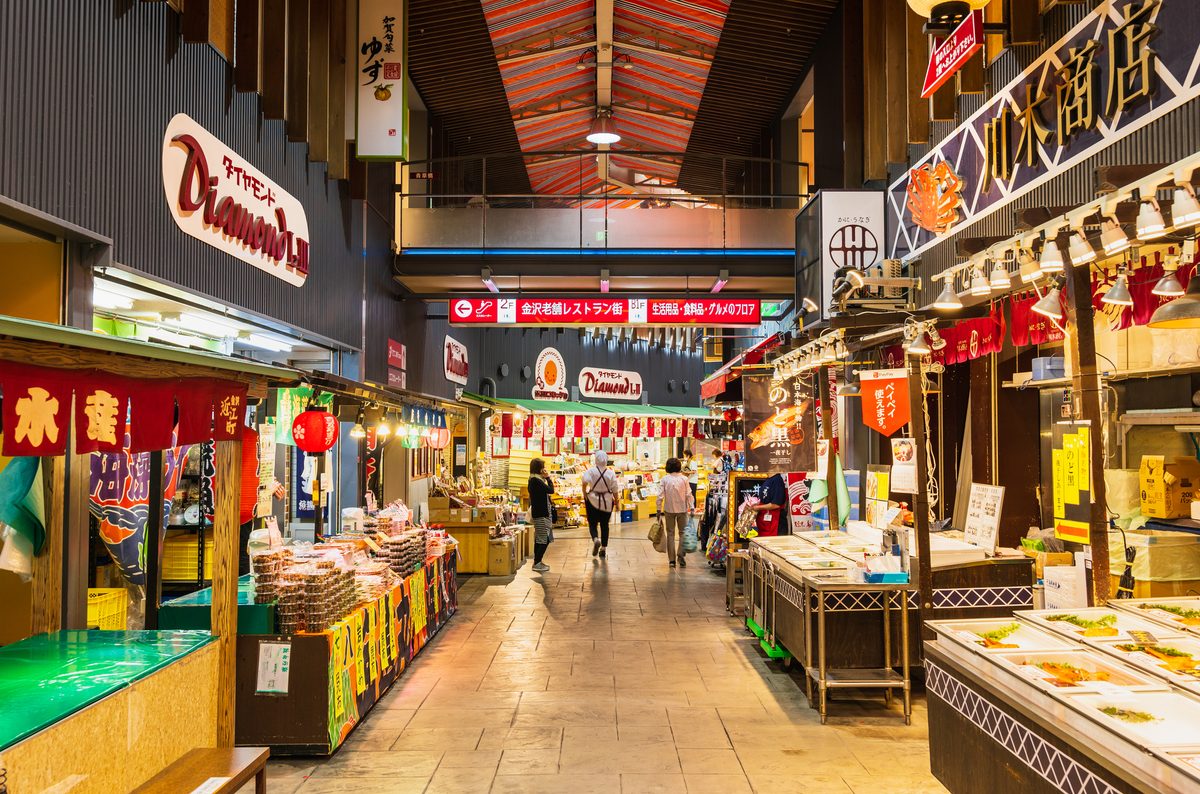
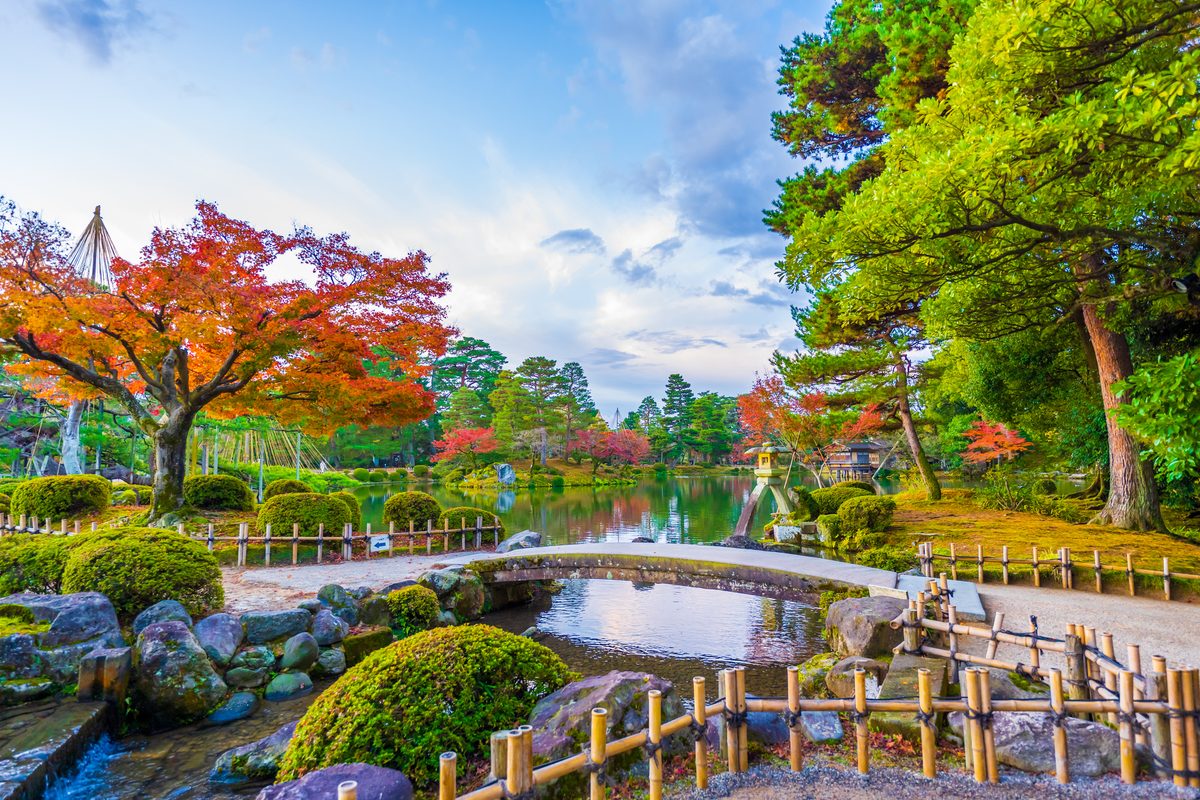
Kenroku-en, one of Japan's three great gardens, is worth the visit alone — but the real draw is wandering the Higashi Chaya district at dusk, or finding a counter seat in the Omicho market fish hall for a bowl of fresh seafood on rice. Kanazawa is the food capital of the Hokuriku coast, and that's a high bar.
Kanazawa is the destination for travellers who loved Kyoto but found it overcrowded. The culture is the same depth, the crowds are a fraction of the size, and the food is arguably better.
Explore Kanazawa & Ishikawa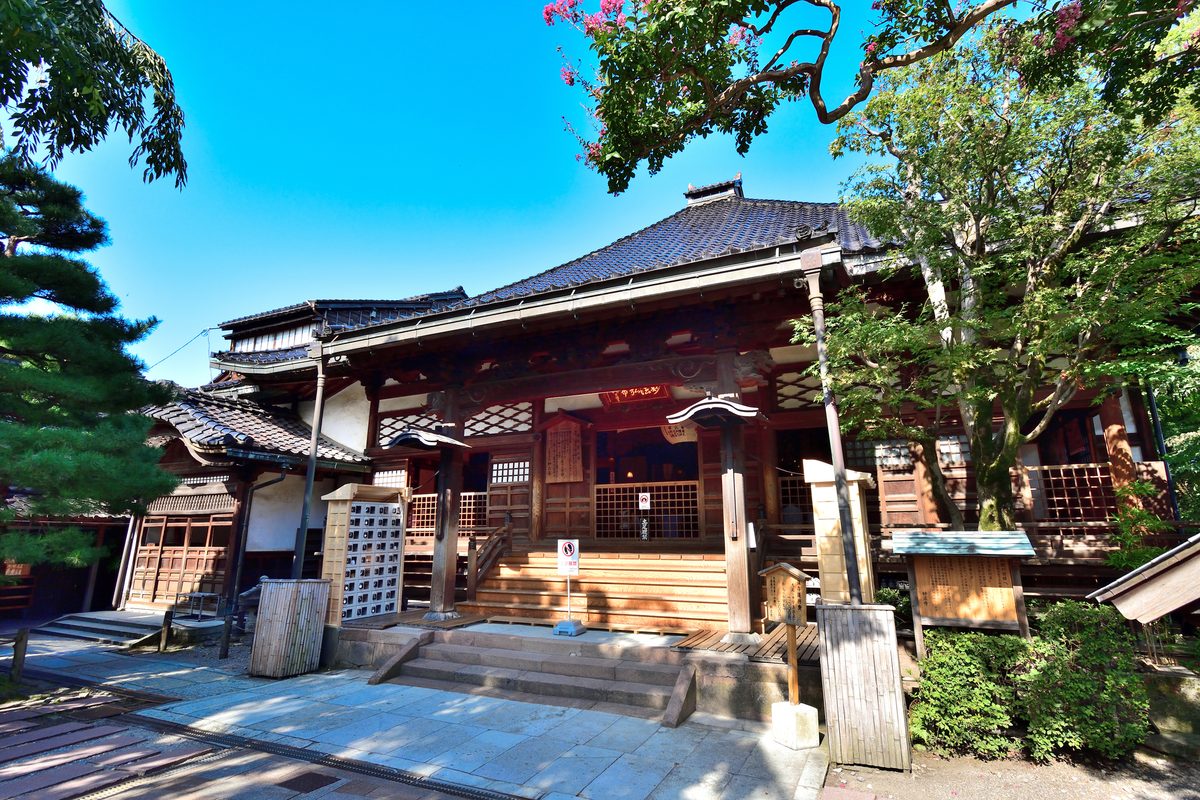
Yakushima — A Forest That Predates Civilisation
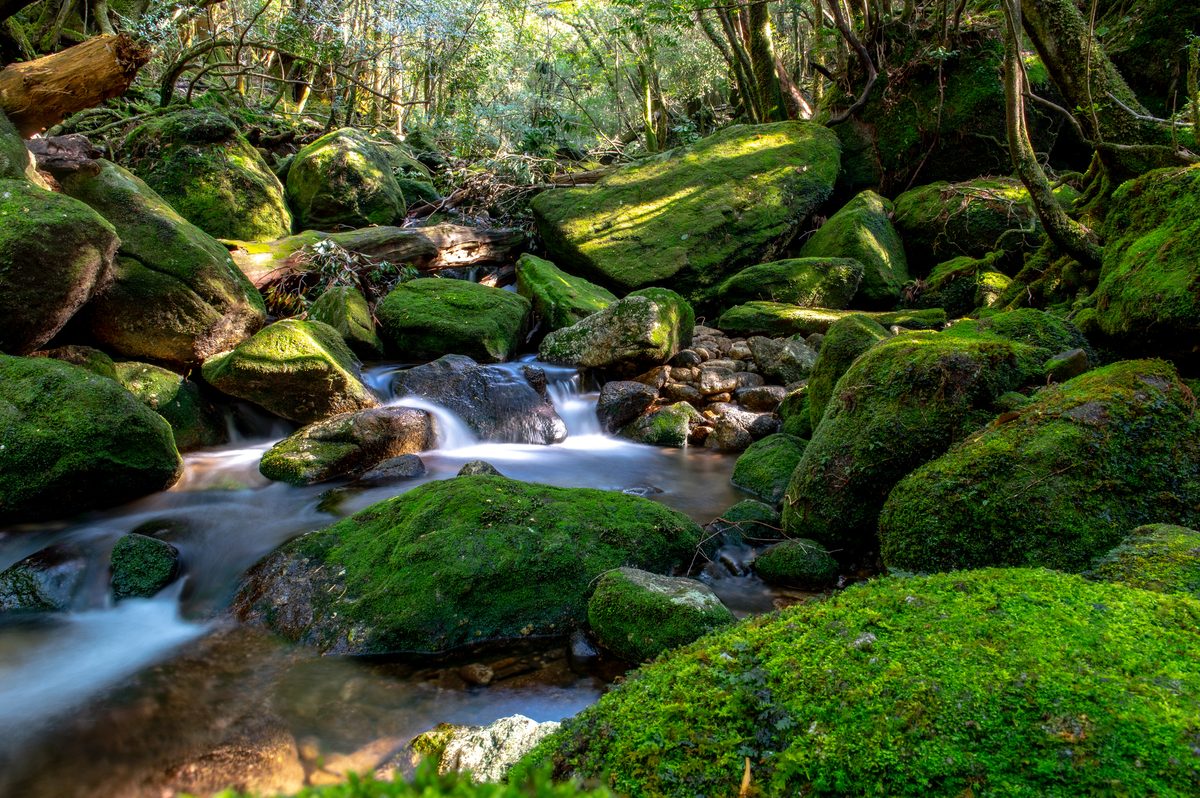
The island of Yakushima sits off the southern tip of Kyushu, and its interior is ancient in a way that's hard to convey in photographs. The yakusugi cedar trees — some over 3,000 years old — grow through moss-covered terrain that inspired the landscapes of Princess Mononoke. Rainfall here is measured in metres, not centimetres, which is why the forest looks the way it does.
The Jomonsugi hike, at 22km round-trip, is the main event — but the island has beaches where sea turtles nest, waterfalls that drop directly into the sea, and a handful of onsen that cost almost nothing. This is one of the few places in Japan that genuinely feels wild.
Yakushima is for travellers who've done the temple circuit and want to understand what Japan looked like before humans arrived. That barrier is exactly why it stays uncrowded.
Explore KagoshimaMatsumoto — A Castle Town in the Alps
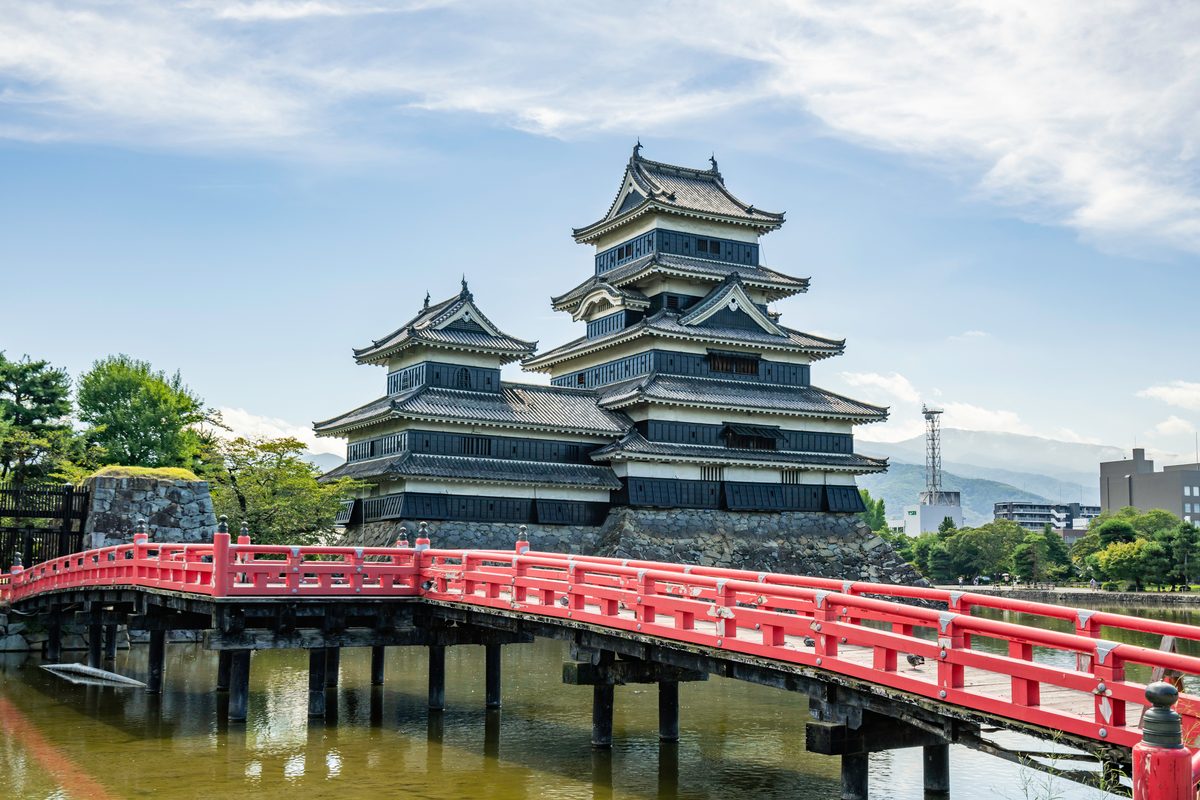
The Japanese Alps don't get the attention of the Swiss or French equivalents, but the scenery is comparable and the access is far easier. Matsumoto sits at the foot of the Azumino valley and makes a practical base for both mountain and city experiences.
The centrepiece is Matsumoto Castle — jet-black and reflected in its surrounding moat, it's the oldest surviving original castle in Japan. The old town around it has galleries, sake breweries, and craft shops that don't feel like tourist traps. From here, the Kamikochi valley is 90 minutes by bus: glacially carved, ringed by 3,000-metre peaks, and closed to private vehicles. Late October brings foliage that competes with anything in Nikko.
Matsumoto works particularly well for travellers combining it with Tokyo — the alpine scenery resets the experience after a week in the city.
Explore Nagano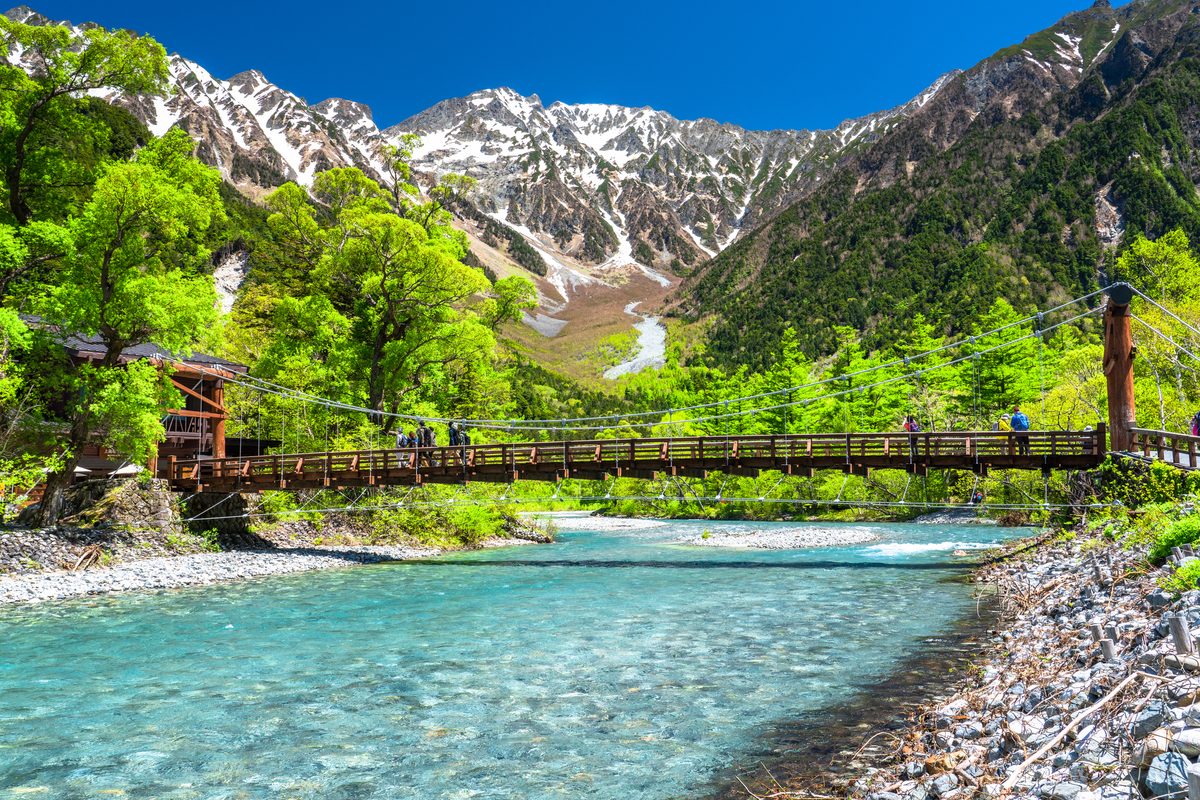
Beppu — Where the Earth Is Still Boiling
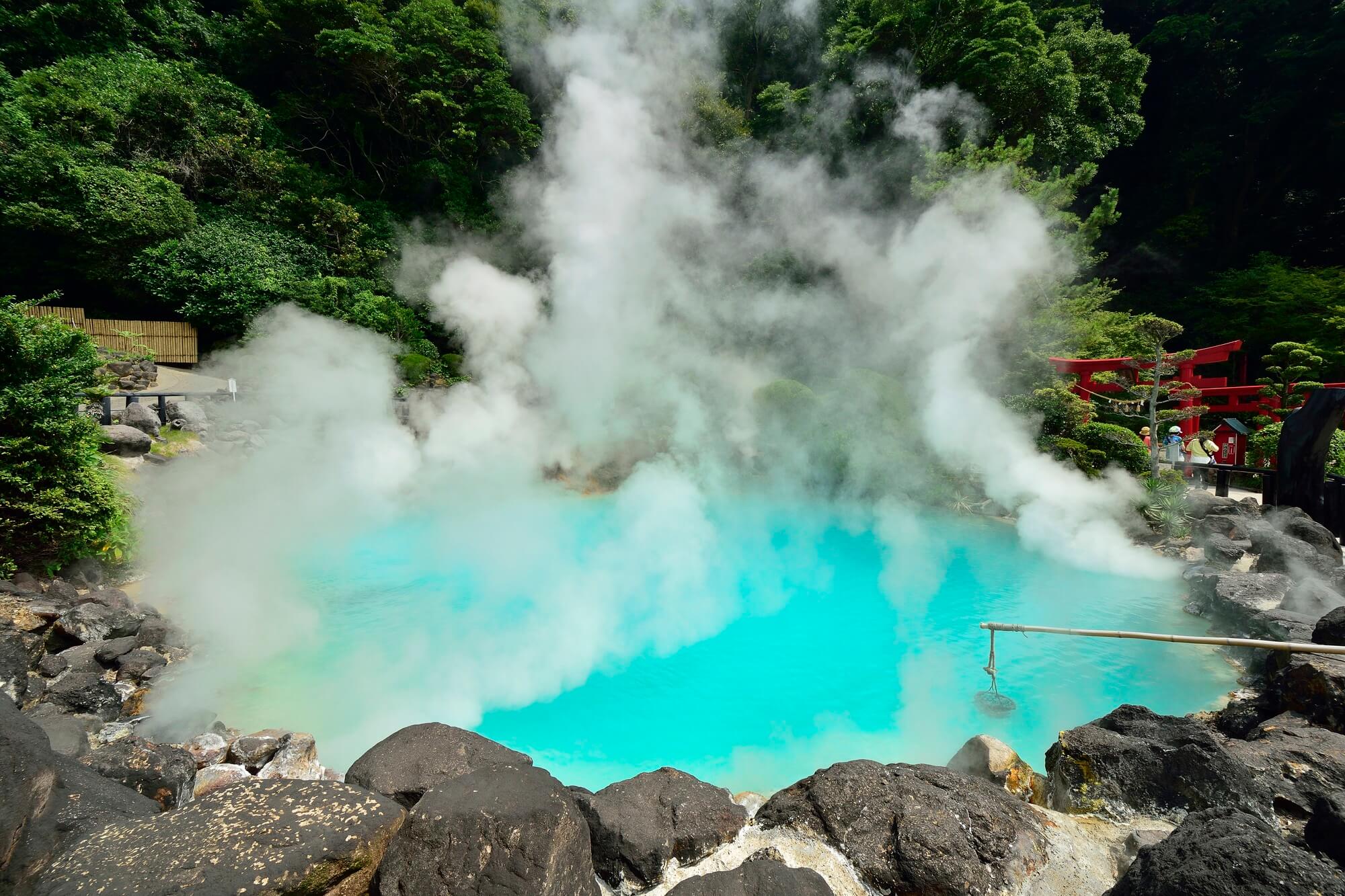
Beppu, on the east coast of Kyushu, produces more geothermal output than anywhere in Japan outside of Hokkaido. The city has eight geothermal zones — called the 'Hells' — where boiling water erupts in different colours: blood red, cobalt blue, grey mud. These are not spa resorts. They're geological phenomena that happen to be within a medium-sized Japanese city.
But Beppu is also a serious onsen town. The variety of baths is unusual even by Japanese standards — sand baths where attendants bury you to the neck, steam rooms built over vents in the ground, and rotenburo with views of Beppu Bay. It's one of the more genuinely strange places in the country, and it rewards two nights.
First-time visitors tend to skip Kyushu entirely. That's the main reason to go on a second trip — the island operates at a different pace and has a distinct character from Honshu. Beppu is the most concentrated expression of what makes Kyushu different.
Explore all Oita spotsAomori — The Apple Country at the Top of Honshu
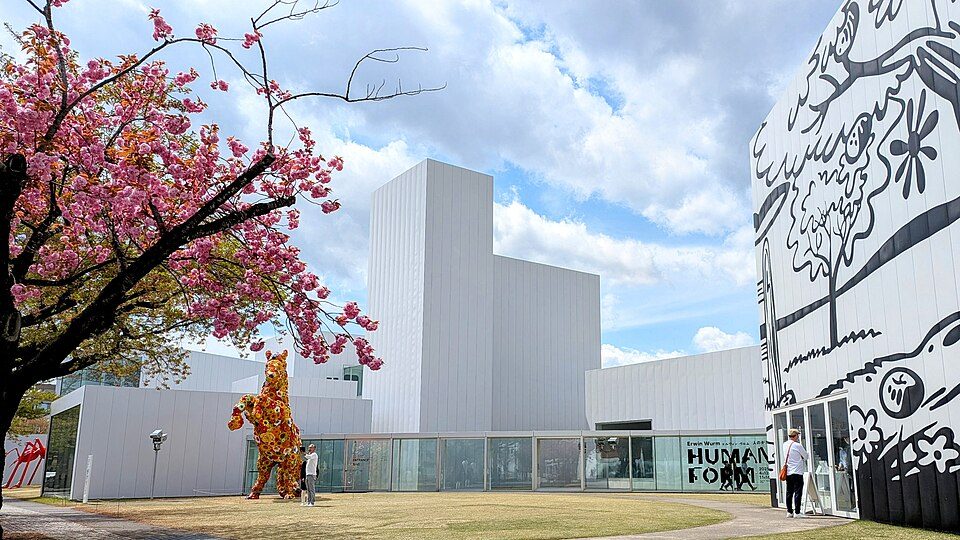
Most Tohoku itineraries end in Sendai. That's a mistake. Aomori, at the very top of Honshu, is the jumping-off point for Osorezan — a volcanic crater lake that's been associated with the entrance to the underworld for over a thousand years — and the Shirakami-Sanchi beech forest, a UNESCO site that spans the prefecture's mountainous interior.
The city itself is best in August, when the Nebuta festival fills the streets with enormous illuminated floats carried through the night by dancing crowds. Outside festival season, the market at Furukawa serves the best scallops you're likely to eat anywhere, and the Aomori Museum of Art contains a Chagall stage backdrop — the largest Chagall work outside Russia — that most people in Japan don't know exists.
Aomori rewards travellers who've already covered Japan's main sights and are looking for something they couldn't describe to someone who hadn't been. Osorezan alone — desolate, sulphurous, entirely unlike anywhere else — is worth the detour.
Explore Aomori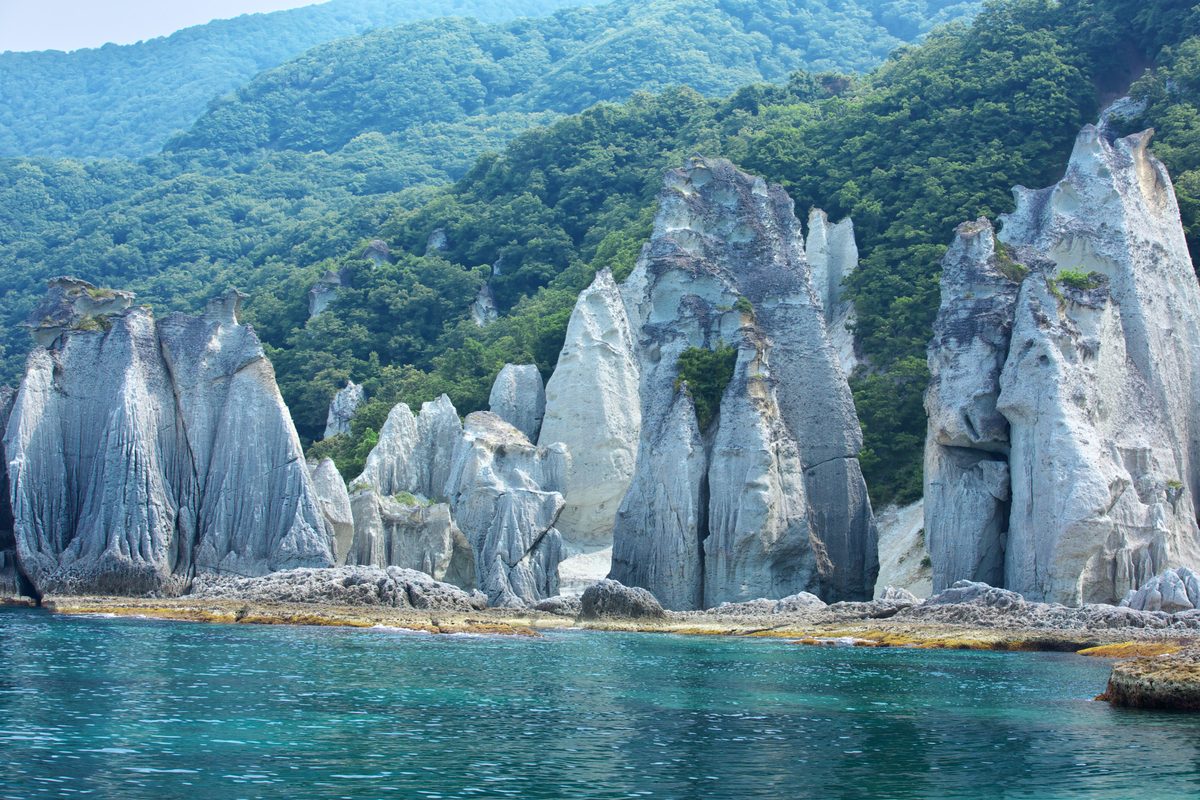
The Noto Peninsula — Where Japan Slows Down
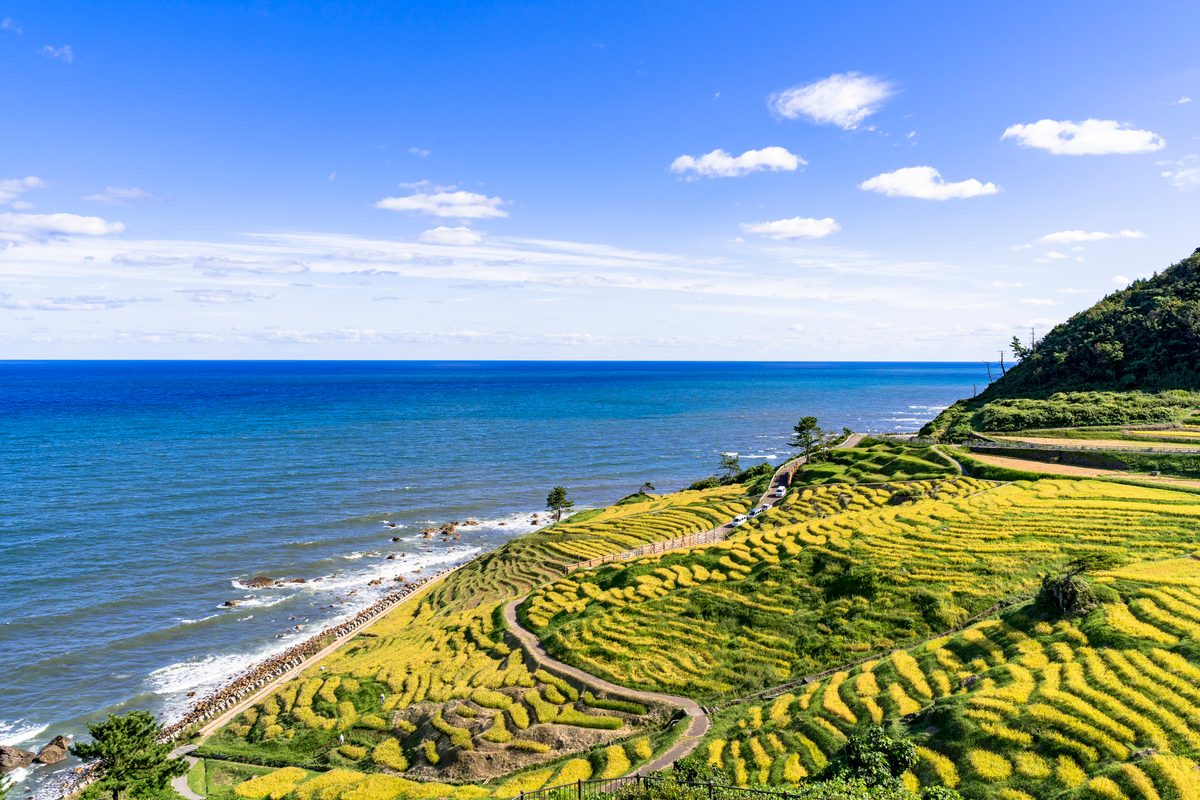
The Noto Peninsula juts into the Sea of Japan from Ishikawa Prefecture, and it operates at a different pace from almost everywhere else in the country. The coastline on the western side — called the Okunoto — has cliffs, sea stacks, and small fishing villages where families have been salt-farming for centuries.
Noto was severely damaged by the January 2024 earthquake, and the recovery is ongoing. Visiting now is both an act of support for local businesses and an opportunity to see a part of Japan that few international travellers ever reach. The ryokan on the coast here — old wooden buildings with seafood dinners and outdoor baths facing the water — represent a kind of slow travel that's increasingly rare.
If you've already done Japan's famous ryokan circuit — Hakone, Kyoto's Higashiyama, Kinosaki — Noto offers something harder to replicate: an overnight that feels local rather than curated for tourists.
Explore IshikawaNaoshima — Where Art Colonised an Island
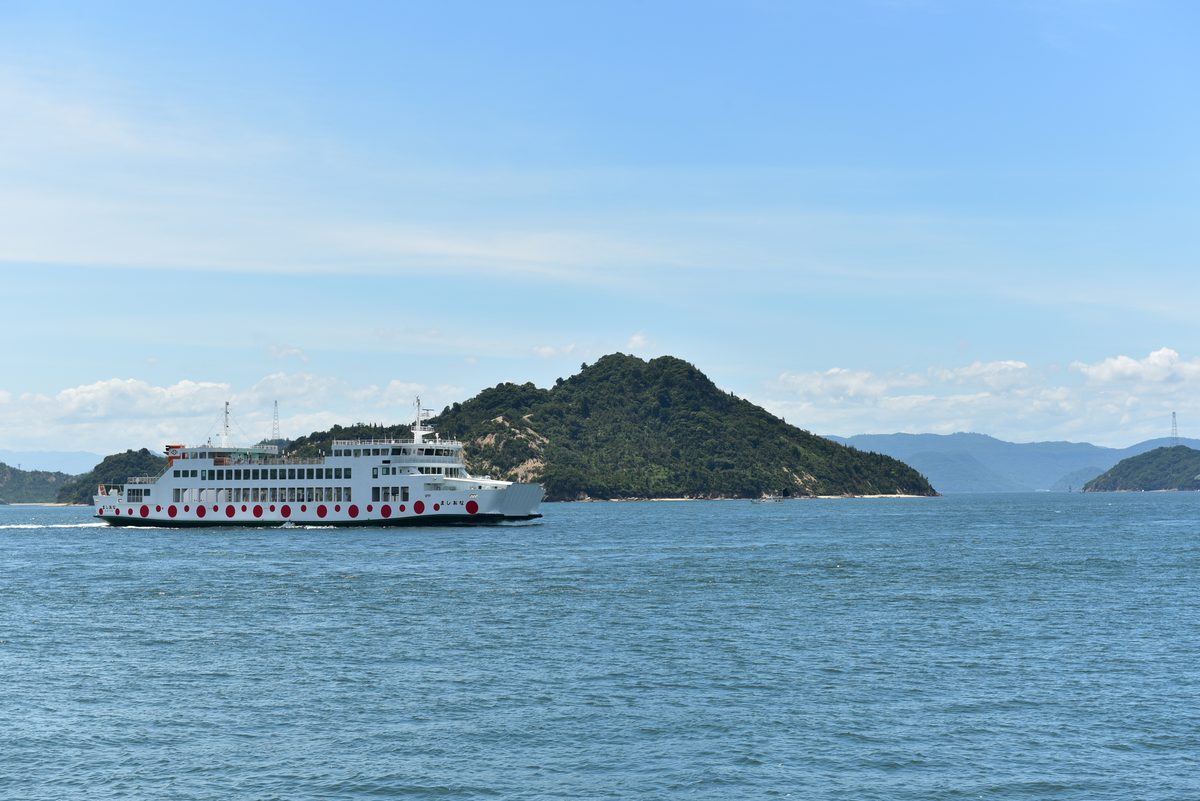
The islands of the Seto Inland Sea were depopulating by the 1980s — fishing industries declining, young people leaving. Then the Benesse Foundation chose Naoshima as the site for a long-term art installation project, and the result is something that doesn't exist anywhere else: a semi-rural island where Tadao Ando-designed museums are built into hillsides, where houses in the old fishing village have been converted into site-specific artworks, where Yayoi Kusama's polka-dotted pumpkins sit on the end of a pier.
Naoshima is 50 minutes by ferry from Takamatsu. The Chichu Art Museum alone — three Monets, a James Turrell, and a Walter De Maria, all in a building entirely below ground — is one of the most affecting experiences in Japan.
Naoshima makes sense on a second trip because you need the first trip to establish a baseline. Coming here feels like exhaling.
Explore KagawaHow Far to Go
The destinations above are not particularly difficult to reach. Kanazawa has direct shinkansen from Tokyo and Osaka. Yakushima has flights from Kagoshima. Matsumoto is two hours from Shinjuku by limited express. Naoshima is a short ferry from the main Shikoku rail network.
The barrier is not logistics. It's habit — the tendency to return to the same itinerary because it's proven. Japan is unusually good at rewarding travellers who deviate from it. These places have been waiting.
If you're not sure where your interests point, use Tobira's spot finder to match yourself with destinations based on what you actually want from a trip — not what the guidebook tells you to want.
Find your Japan
Find the Japan that fits you
Answer a few questions about what draws you to Japan — nature, history, food, or onsen — and we'll match you with the spots that fit your style.
Find match spots