
Kagawa: Udon, Art Islands, and the Most Climbed Stairs in Shikoku
Kagawa is Japan's smallest prefecture and does not pretend otherwise. The compensation is density — art museums on islands that barely existed on tourist maps thirty years ago, a shrine stairway that fishermen have been climbing for a thousand years, a garden that represents two centuries of deliberate perfection. The food culture is built on a single noodle and defends it with the seriousness that wine regions apply to terroir. Visitors who arrive expecting a quick Shikoku transit and leave having eaten three bowls in a morning understand something important about the prefecture.
Kagawa is the smallest prefecture in Japan and the most visited part of Shikoku — partly because the Seto Inland Sea ferry connections and the Shinkansen link through Okayama make it the easiest entry point, and partly because it contains things difficult to find elsewhere: a strolling garden that rivals Kenroku-en, an island chain that became one of the most significant contemporary art venues in the world, and a noodle culture so specific that people drive across prefectures for a bowl.
Takamatsu — The Gateway City That Deserves More Than a Day
Takamatsu is Shikoku's most accessible city — ferry, Shinkansen connection, and domestic flights all converge here — and most visitors treat it as a transit point rather than a destination. This is a mistake. The city has two things that warrant an overnight stay before moving on.
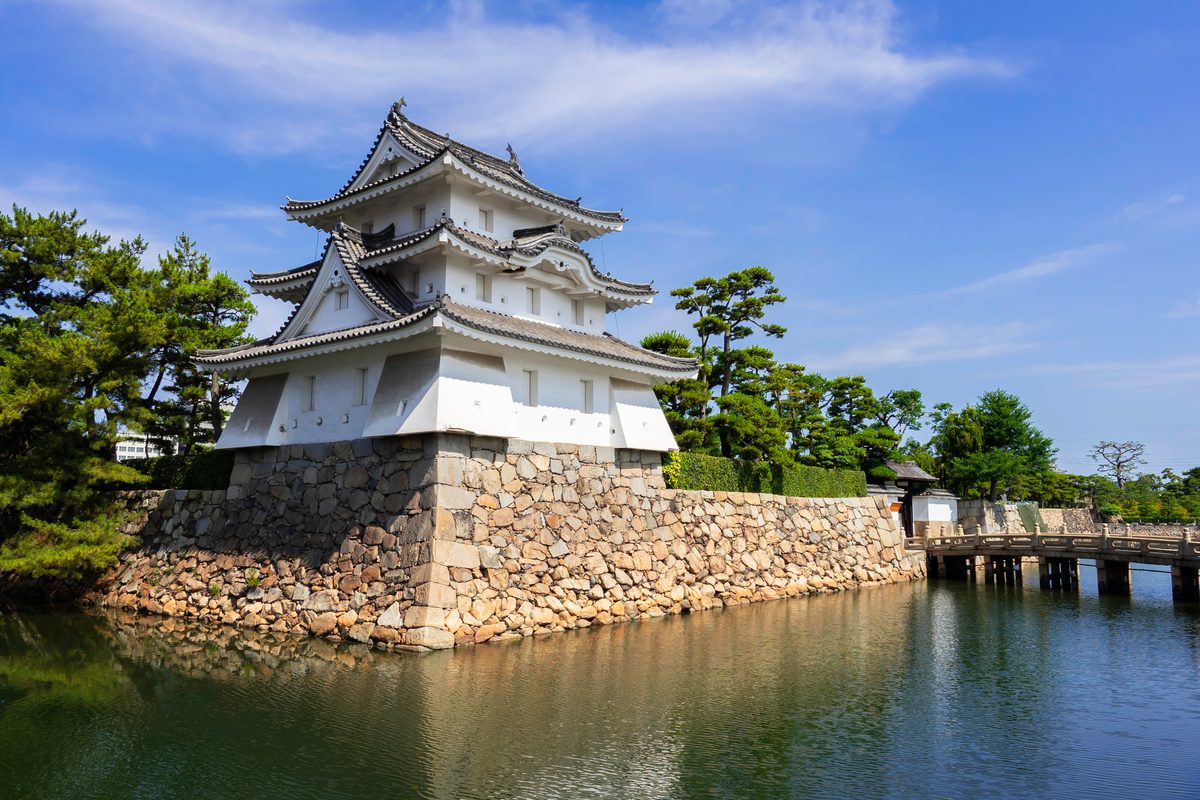
Takamatsu Castle, built on a promontory into the sea in 1588, was one of three castles built directly on the ocean — seawater filled the moat. The keep is gone but the stone walls and turrets remain, and the garden within the walls, now called Tamamo Park, gives the waterfront a quality unusual in a working port city.
Ritsurin Koen, the six-hectare strolling garden developed by the Matsudaira clan over a hundred years from 1625, is the strongest argument for staying. The garden uses the forested mountain Shiun-zan as borrowed scenery behind fourteen ponds and thirteen landscaped hills — a composition so carefully managed that Michelin gave it three stars, which is accurate in the technical sense that it alone justifies a Takamatsu trip.
Explore Takamatsu spots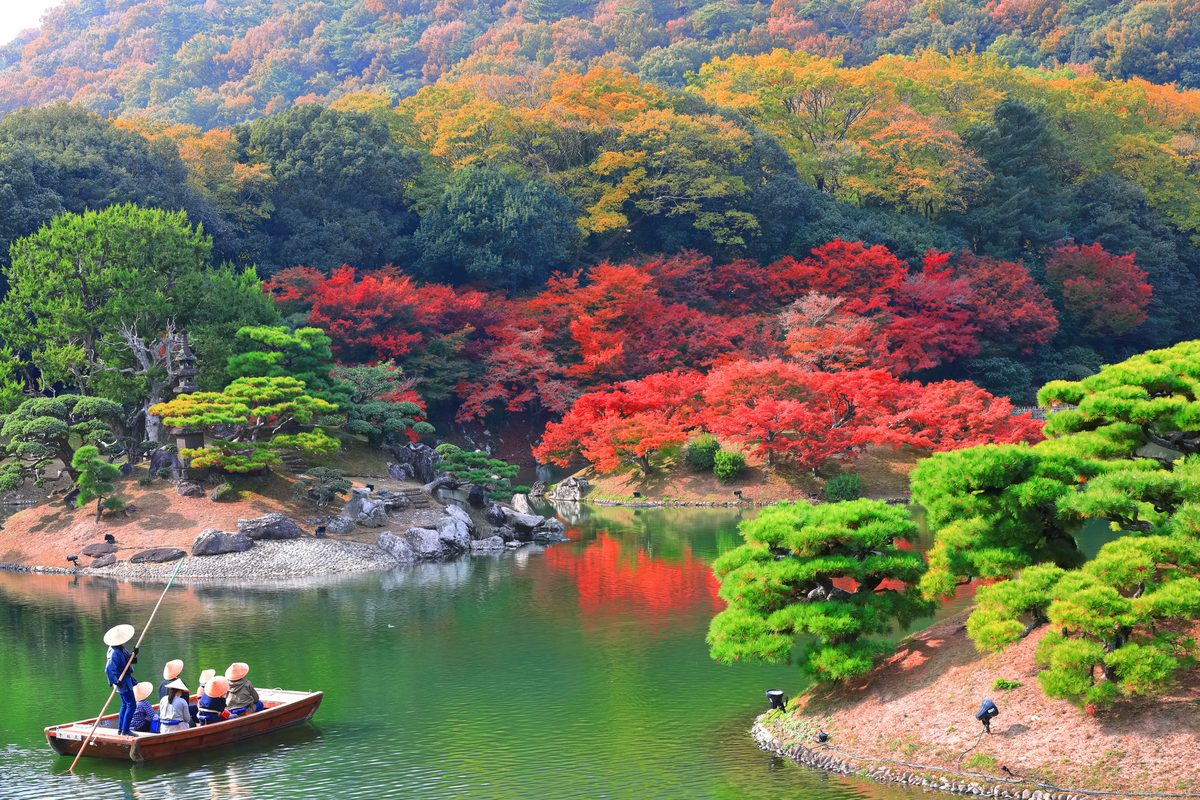
Yashima — The Plateau That Watched a Battle and Now Watches the Sea
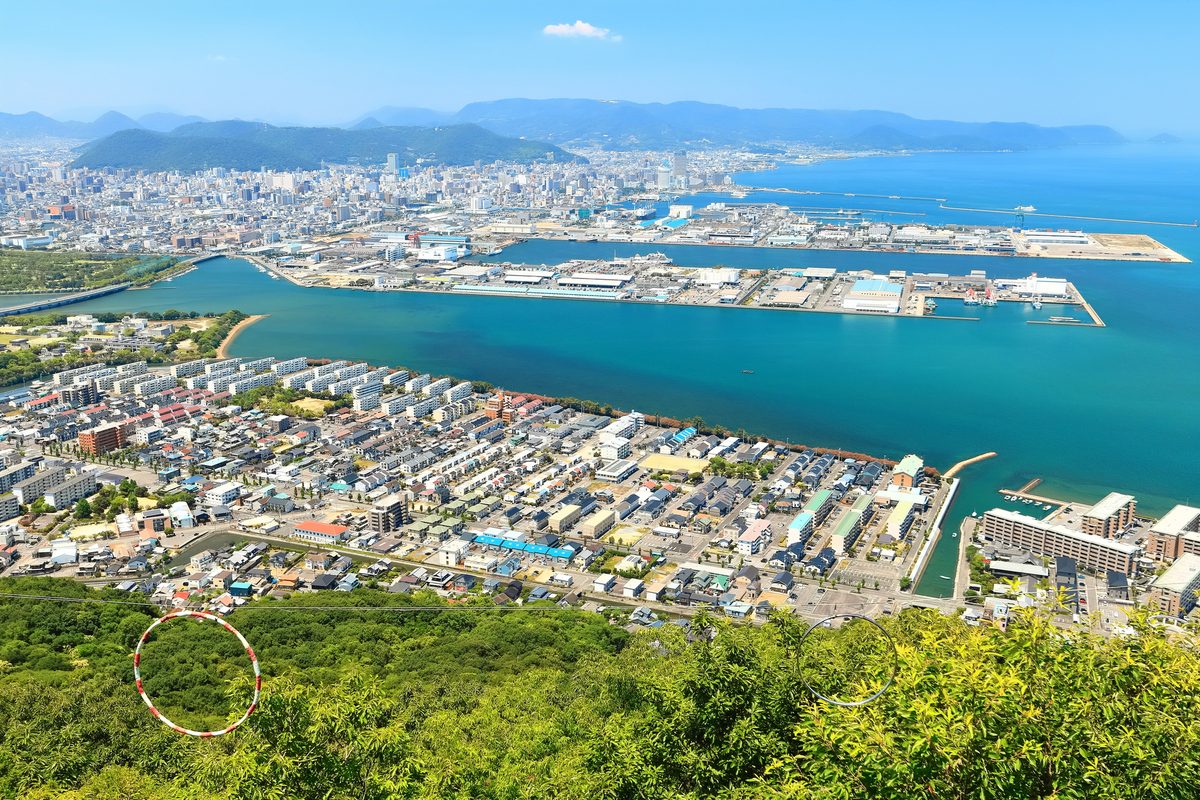
Yashima is a flat-topped plateau connected to the Takamatsu coast that was the site of one of the decisive naval battles of the Genpei War in 1185 — the engagement where the young archer Nasu no Yoichi shot a fan from the mast of a Heike boat in a famous act of bravado.
The plateau top is reached by cable car or a hiking trail; the view from the western edge takes in Takamatsu city and the islands of the eastern Seto Sea in a panorama that makes the historical significance of the position obvious. Yashima-ji, temple 84 of the Shikoku Pilgrimage, occupies the plateau centre.
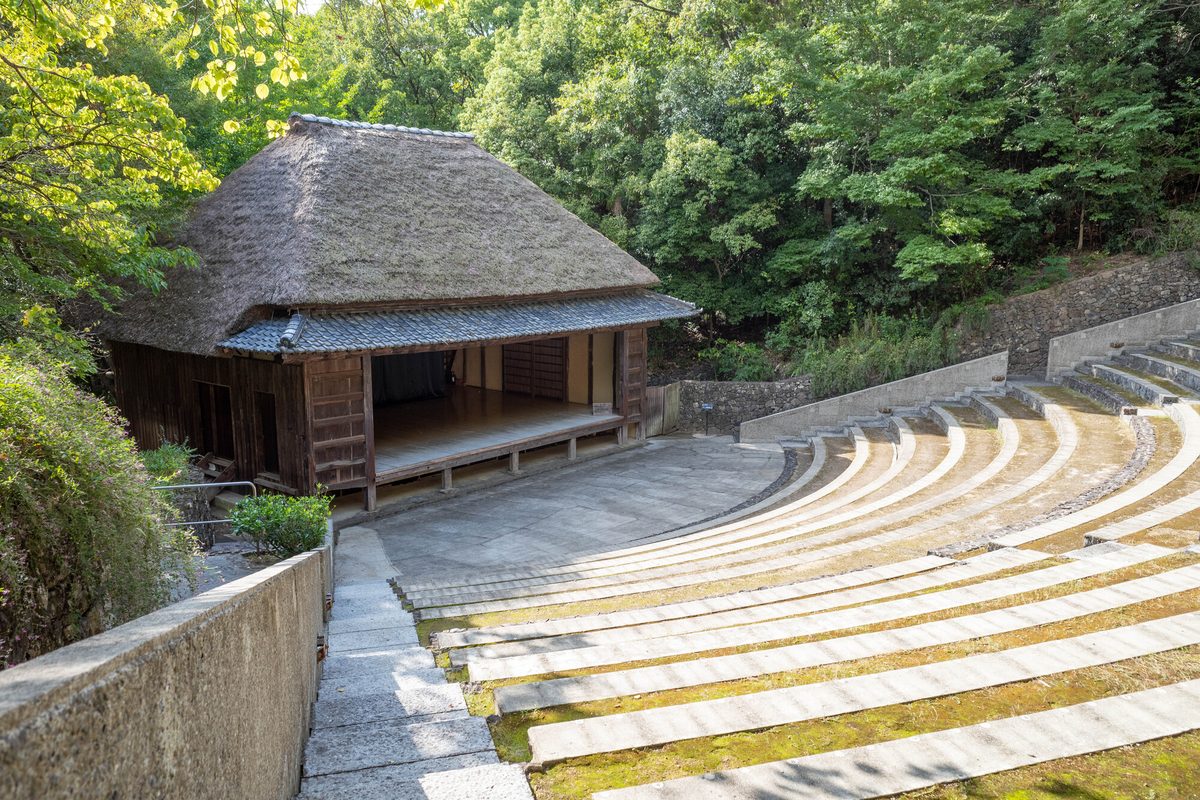
Shikoku Mura Museum, at the base of the plateau, assembles historic buildings from across Shikoku — traditional farmhouses, an indigo dyer's workshop, a lighthouse keeper's cottage — in an open-air format that works as both architecture and social history.
Explore Yashima spotsNaoshima & Teshima — Art Islands in the Seto Sea
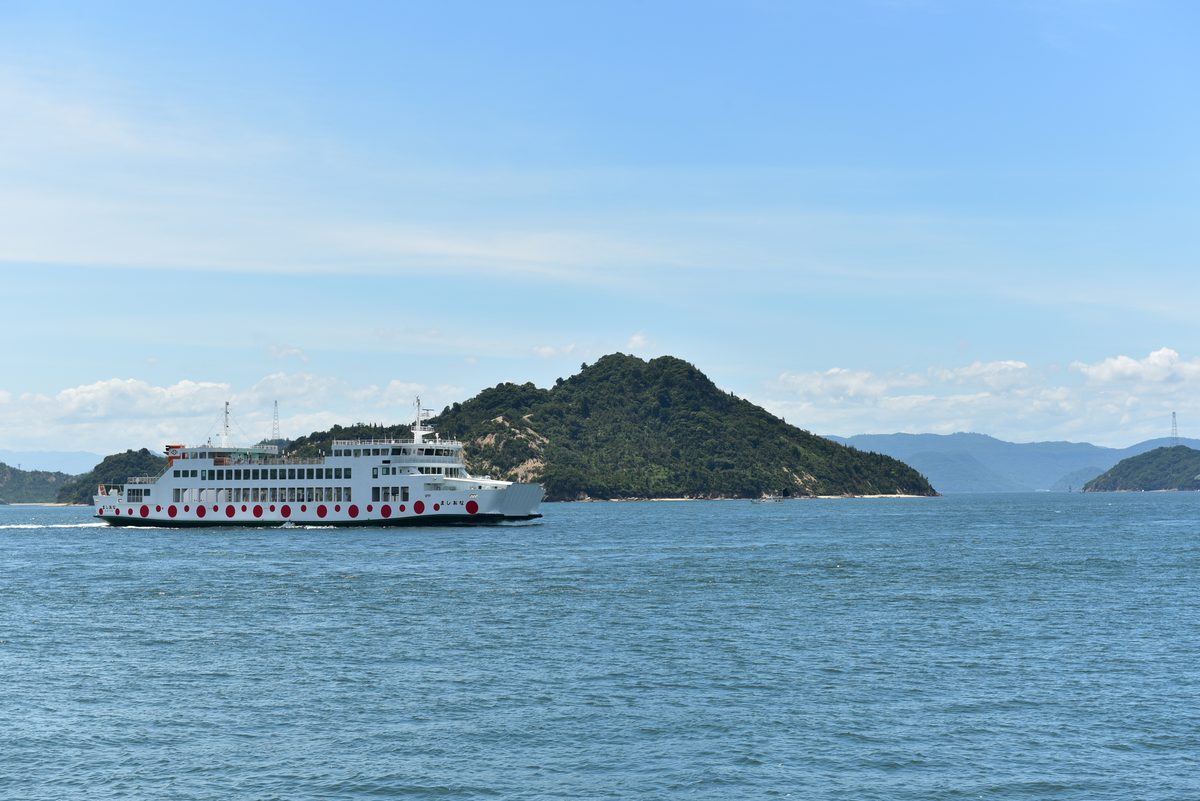
Naoshima became internationally significant in the 1990s when Benesse Holdings began commissioning permanent site-specific installations on a former industrial island. The Chichu Art Museum — partly underground, lit only by natural light — houses five works by Monet, James Turrell, and Walter De Maria in rooms designed for each piece specifically. The visit requires timed entry and rewards sustained attention.
The island also holds the Benesse House museum with works by several major international artists installed in and around the building; the Art House Project in the old village, where historic houses have been converted into permanent installations; and Yayoi Kusama's yellow pumpkin on the breakwater that has become the most photographed single object in the Seto Inland Sea.
Teshima, the neighbouring island, is quieter and greener. The Teshima Art Museum — a single concrete shell with two circular openings to the sky, from which water slowly pools and evaporates — is perhaps the most formally precise of all the Setouchi art venues. The island also holds the Teshima Yokoo House, which translates Tadanori Yokoo's graphic intensity into an architectural experience.
Explore Naoshima spots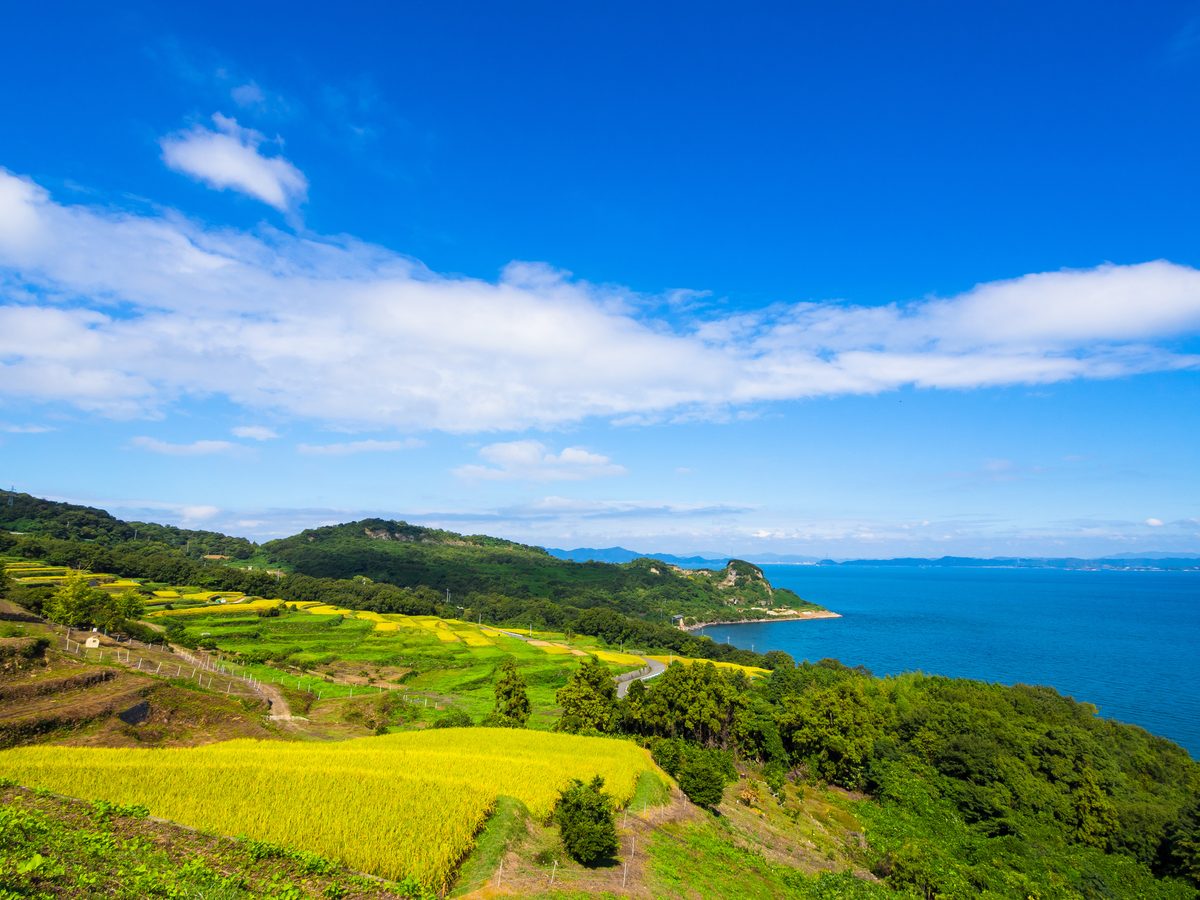
Shodoshima — Olive Groves, Soy Sauce, and a Smaller Aegean
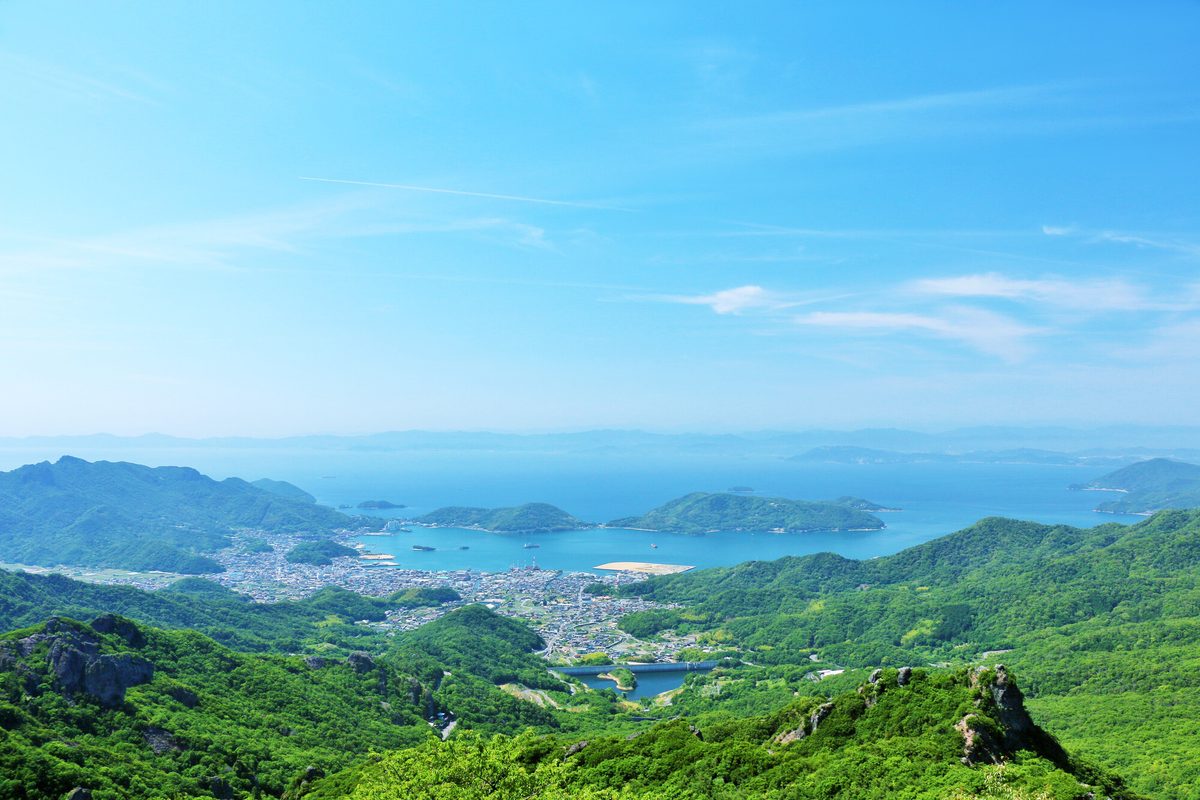
Shodoshima is the second-largest island in the Seto Inland Sea — large enough to warrant a full day or an overnight — and it produces two things Japan associates with it specifically: olive oil, introduced in the Meiji period and now cultivated on sun-facing slopes around the coast, and soy sauce, fermented in wooden barrels in a production style that is disappearing elsewhere.
The olive park on the southern coast has an atmosphere that is genuinely more Mediterranean than Japanese in certain lights — terraced stone walls, silvery trees, blue water beyond. The soy sauce breweries in Shodoshima allow visitors to walk through working production facilities where cedar barrels several generations old contain active fermentation.
The island's interior mountains hold gorges and valleys that provide a counterweight to the coastal character; the gorge above Kankakei ropeway gives views across the island chain that on clear days extend to Shikoku and Awaji.
Explore Shodoshima spotsKotohira — 1,368 Steps to Japan's God of Seafarers
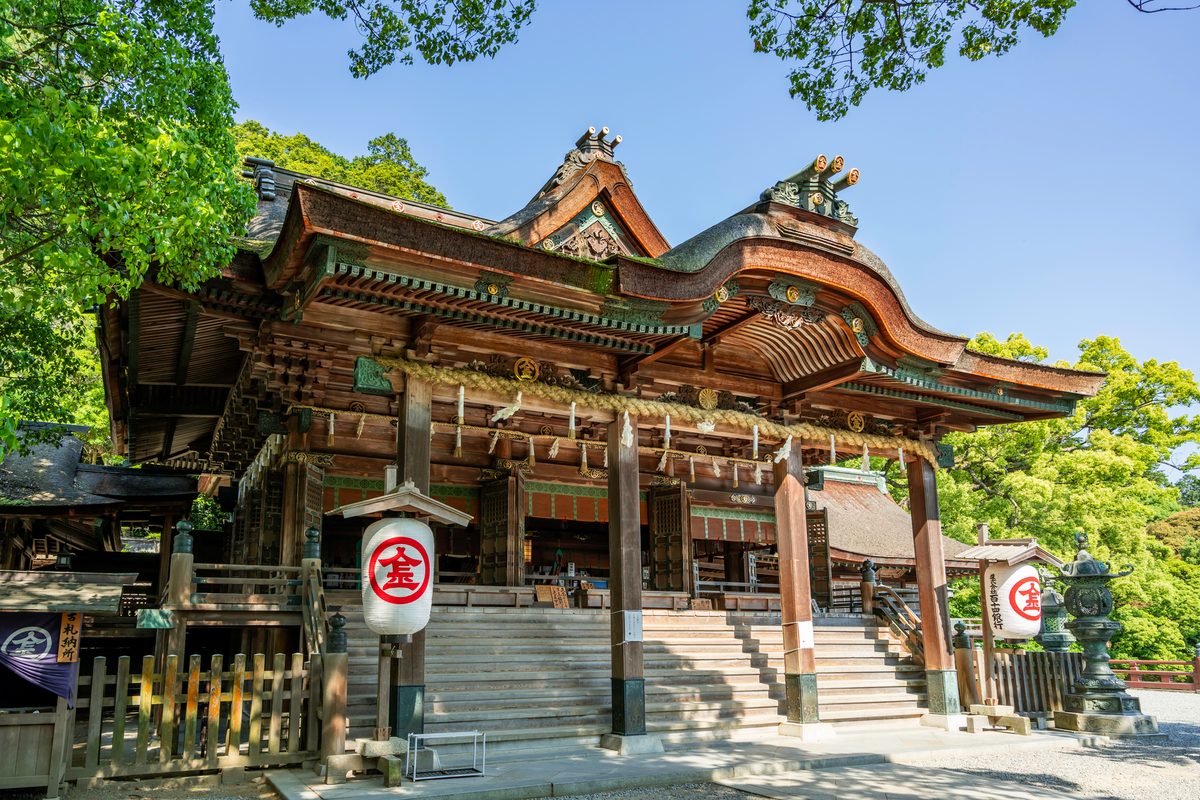
Kotohiragu — Konpira-san — has been drawing pilgrims and sailors for over a thousand years. The shrine complex climbs a steep hillside above Kotohira town via a stone stairway of 785 steps to the main hall, and a further 583 to the inner shrine — 1,368 in total, enough that rental palanquins have operated at the base since the Edo period.
The stairway itself is the experience: lined with vendors selling omamori and sweets, bordered by stone lanterns, and ascending through successive torii gates to a complex where the sea is visible from the upper terraces despite the distance from the coast. The deity is associated with maritime safety, which is why model ships and navigation instruments donated by sailors fill the treasure house.
Zentsuji, a short bus or train ride from Kotohira, is temple 75 of the Shikoku Pilgrimage and the birthplace of Kukai — the most significant figure in Japanese Buddhism after Saicho. The temple complex is the largest on the pilgrimage circuit and contains a tunnel walk through complete darkness representing the path to enlightenment.
Explore Kotohira spots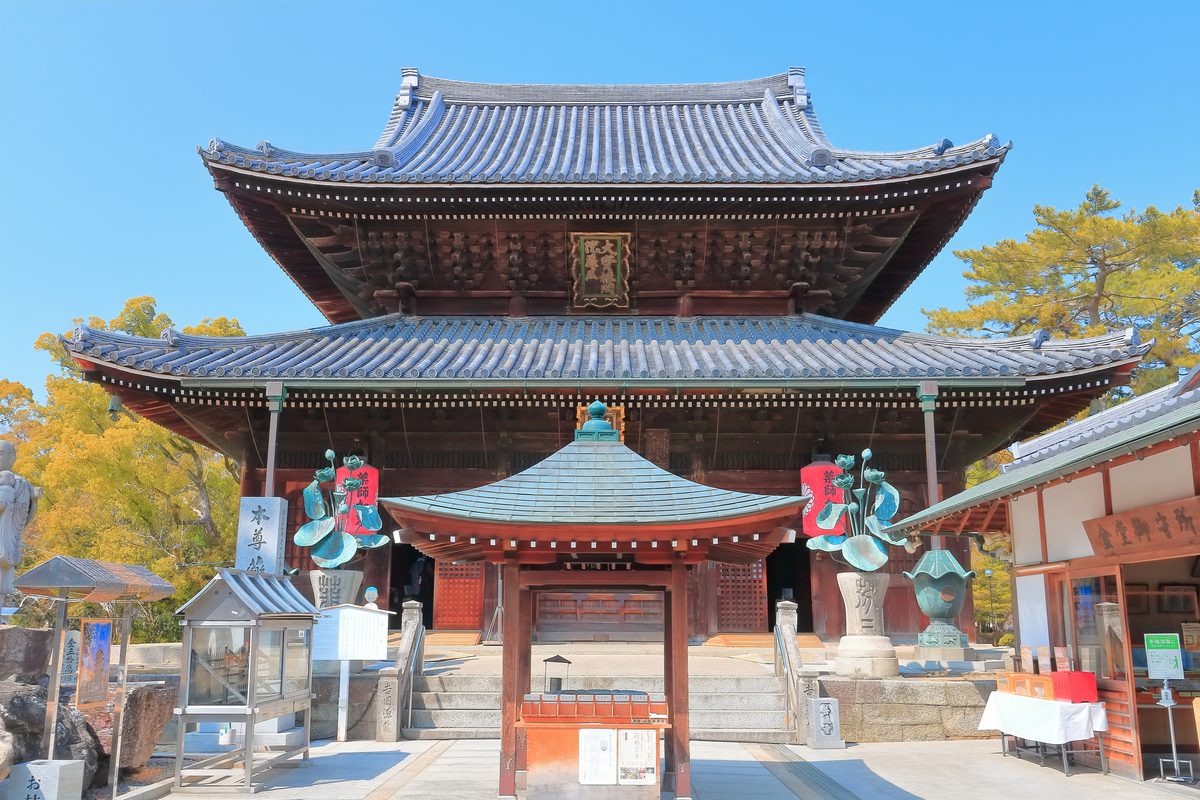
Marugame & the Shiwaku Islands — A Castle on a Hill, a Fleet's Home Port
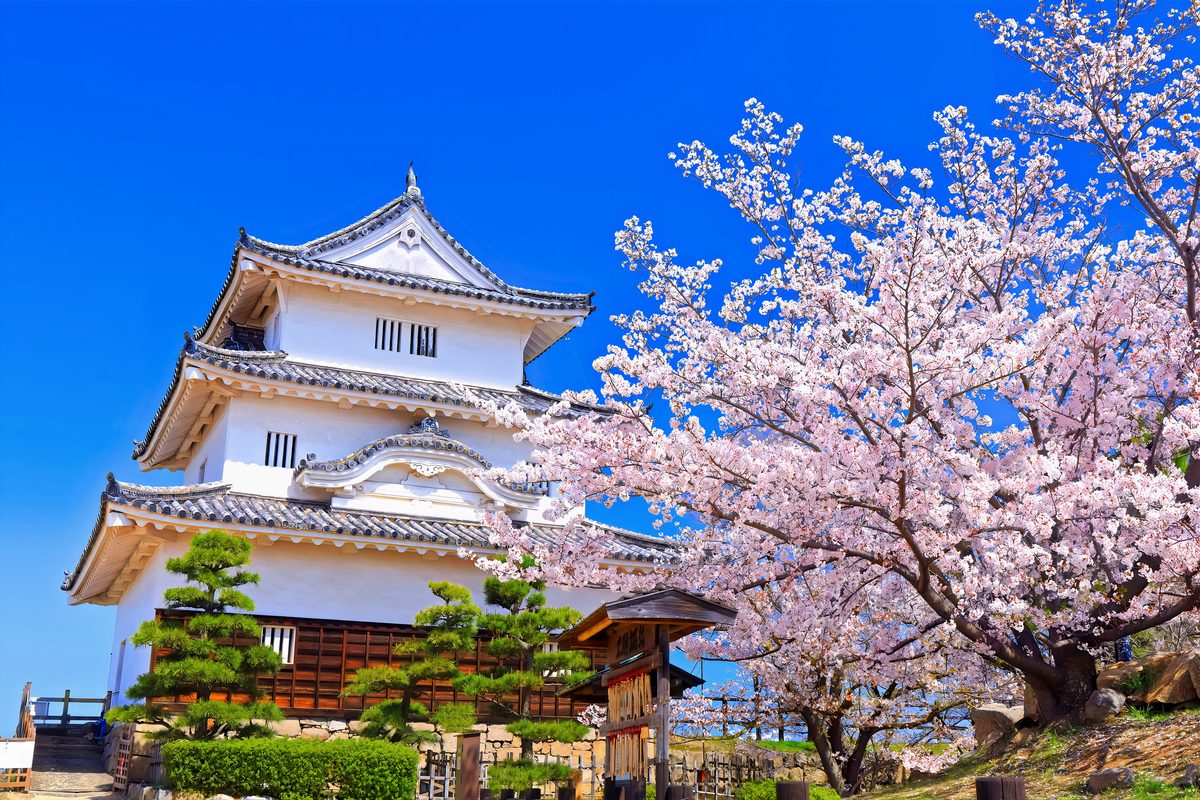
Marugame Castle is one of twelve surviving original castle keeps in Japan — a small, three-storey structure on a base of stacked stone walls whose curved profile is among the most elegantly engineered in the country. The walls were built without mortar using a technique that produces a natural curve impossible to replicate by contemporary methods; the highest sections are 60 metres from the moat.
The Shiwaku Islands, accessible by ferry from Marugame, were the home port of the Shiwaku Navy — a group of seafarers and pilots who controlled much of the Seto Inland Sea navigation during the Edo period. The islands retain a density of old merchant and seafarer residences unusual for their small population; Honjima, the main island, is walkable in a few hours.
Marugame also produces the majority of Japan's hand-painted paper fans — uchiwa — in a production tradition centred on a small number of craftspeople in the old town. The Marugame Uchiwa Museum documents the process and sells contemporary examples.
Explore Marugame spots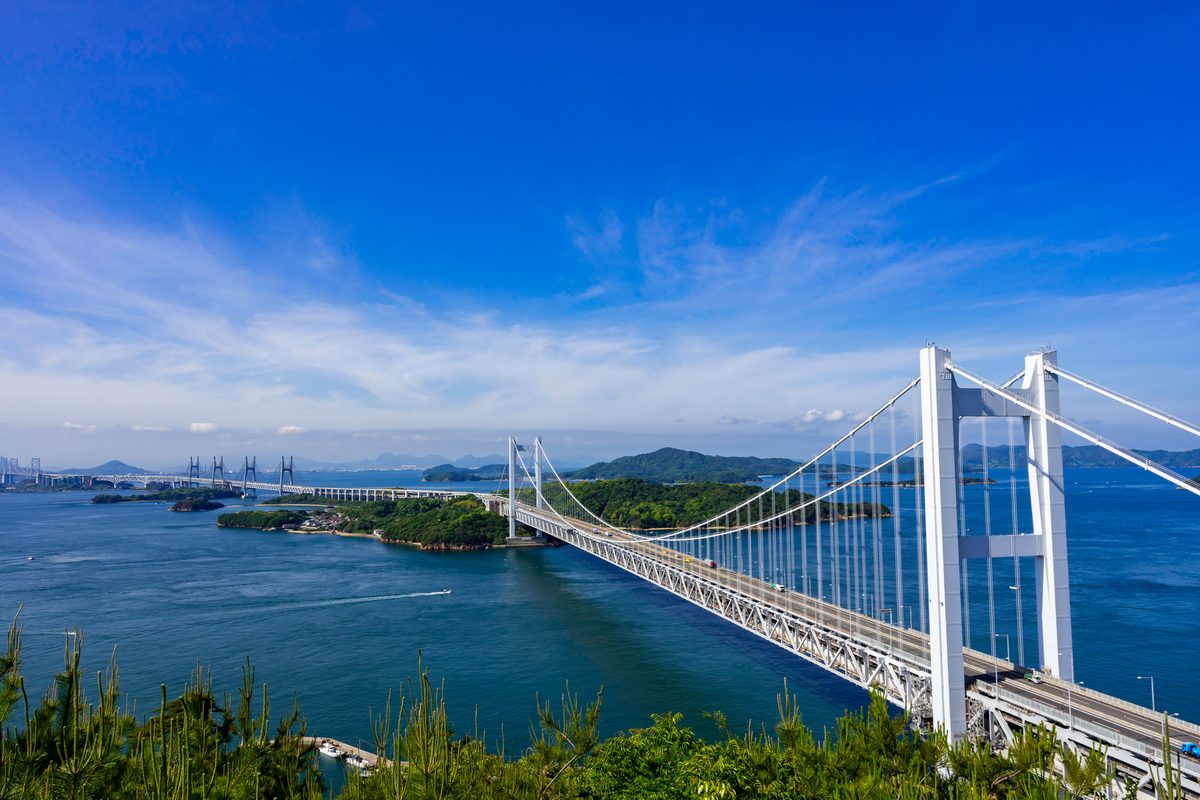
Chichibugahama — The Mirror Beach That Photographs Like Bolivia
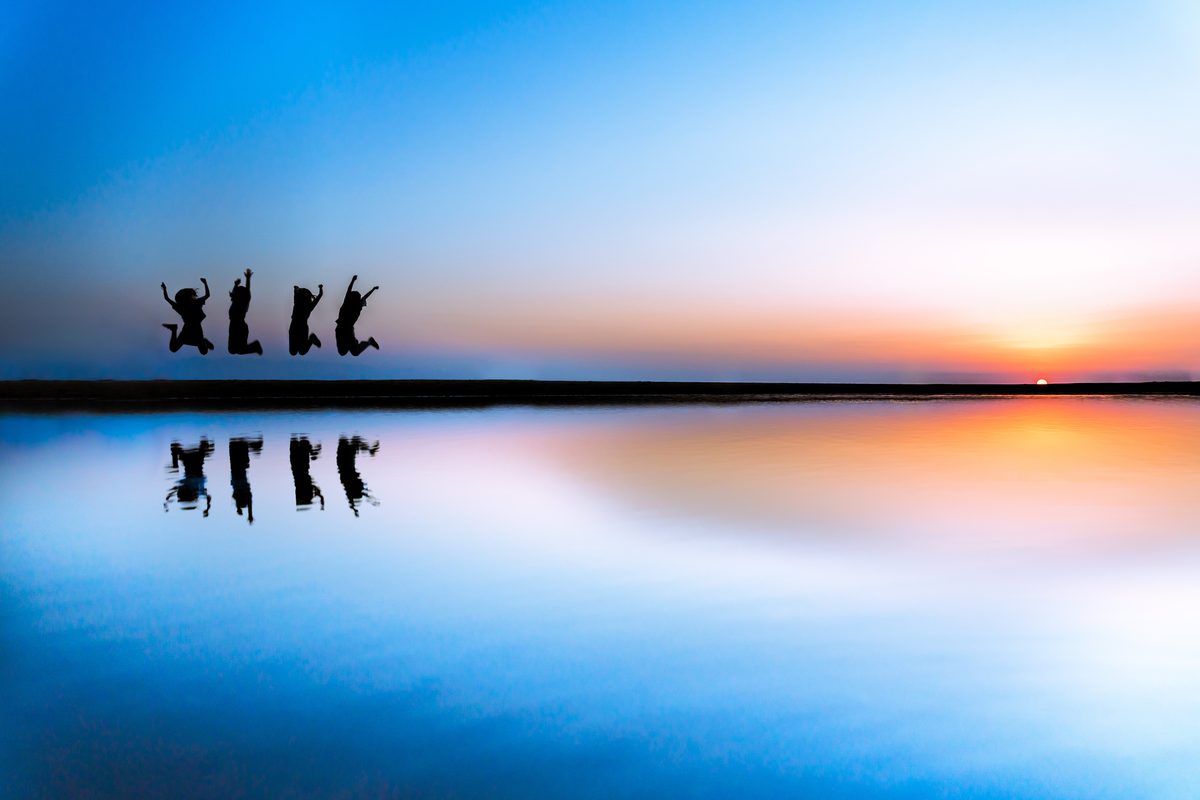
Chichibugahama is a tidal flat on the Mitoyo coast that, under the specific conditions of a calm day at low tide, reflects the sky so completely that visitors appear to be standing on a mirror. The effect has circulated widely on social media; the beach has become one of the most photographed locations in Shikoku.
The conditions required — low tide, calm water, overcast sky or sunset light — mean that not every visit produces the effect. The tourist infrastructure (car park, hire boots for the wet sand) is aimed at visitors who arrive specifically for the photograph. Those who arrive with lower expectations find a spacious tidal flat on a stretch of western Kagawa coast that is uncrowded outside the specific photo windows.
The Zenigata sand coin — a 345-metre sand figure in the shape of the old Kanei Tsuho coin, constructed in 1633 by local farmers as an offering to Konpira-san — is visible from the hillside above Kanonji City nearby, and serves as an unusual supplement to the Chichibugahama experience.
Explore Mitoyo spots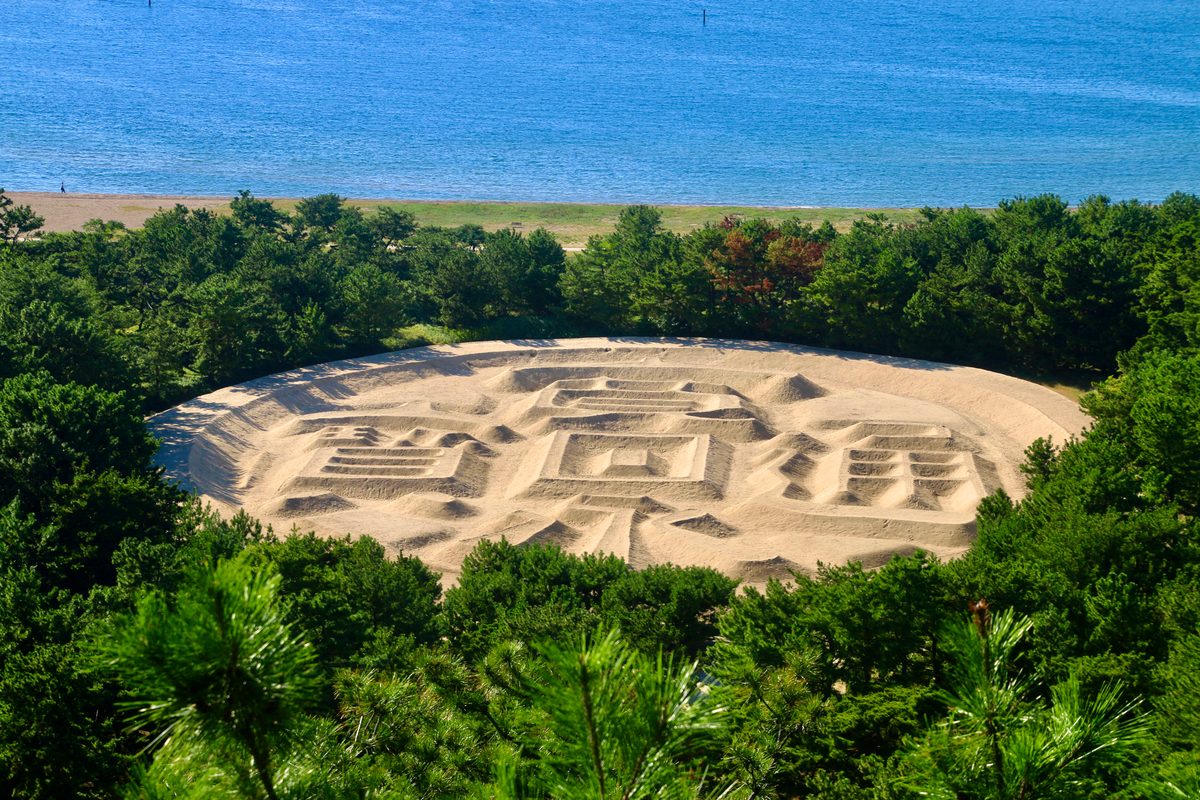
How to Plan Your Kagawa Trip
Takamatsu is the obvious base — two nights covers Ritsurin, Yashima, the castle park, and a day on Naoshima or Teshima. The art islands work best on weekday visits in spring or autumn; summer weekends bring crowds that change the quality of every experience on Naoshima.
Kotohira and Marugame are a natural pairing by rail — half a day each, or a full day moving slowly between them. Shodoshima warrants a night if you want both the olive coast and the interior gorge. Chichibugahama requires checking tide charts before arriving.
Udon matters here more than in most prefectures. Kagawa udon is made fresh, served fast, and eaten at any hour — breakfast udon from a local sento-adjacent shop is as normal as lunch. The density of udon restaurants per capita in Kagawa is the highest in Japan; navigating the best ones requires local knowledge or a reliable list.
Where are these spots?
How to Get There
Takamatsu Station is the terminus of the JR Marine Liner from Okayama, where Shinkansen connections to Tokyo and Osaka are available. The Kotoden private railway serves Ritsurin, Yashima, and Kotohira. Ferries to Naoshima, Teshima, and Shodoshima depart from Takamatsu port — timetables vary by season, book in advance for peak periods. Marugame is 30 minutes from Takamatsu by JR Marine Liner. Mitoyo and Chichibugahama are reached by JR or Kotoden west of Marugame. Rental cars are useful for western Kagawa; Takamatsu itself is manageable by tram and train.
Find your Japan
Find Your Kagawa
Browse curated spots across Kagawa Prefecture — from Ritsurin Garden and the Seto art islands to Konpira's steps and Chichibugahama — on Tobira.
Find match spotsMore Prefecture Guides
Tokushima: Whirlpools, the Valley That Time Missed, and Japan's Loudest Dance
11 min read
Kochi: The Wild Coast That Japan Forgot to Tame
12 min read
Ehime: Islands, Castles, and the Road That Goes Between
13 min read
Fukushima: Three Regions, One Prefecture, No Simple Story
12 min read
Akita: Snow Country, Rice Country, and Monsters on New Year's Eve
12 min read
Yamagata: Cherries, Sacred Mountains, and Snow That Eats the Trees
12 min read
Miyagi: The Coast, the Castle, and Sendai Between Them
11 min read
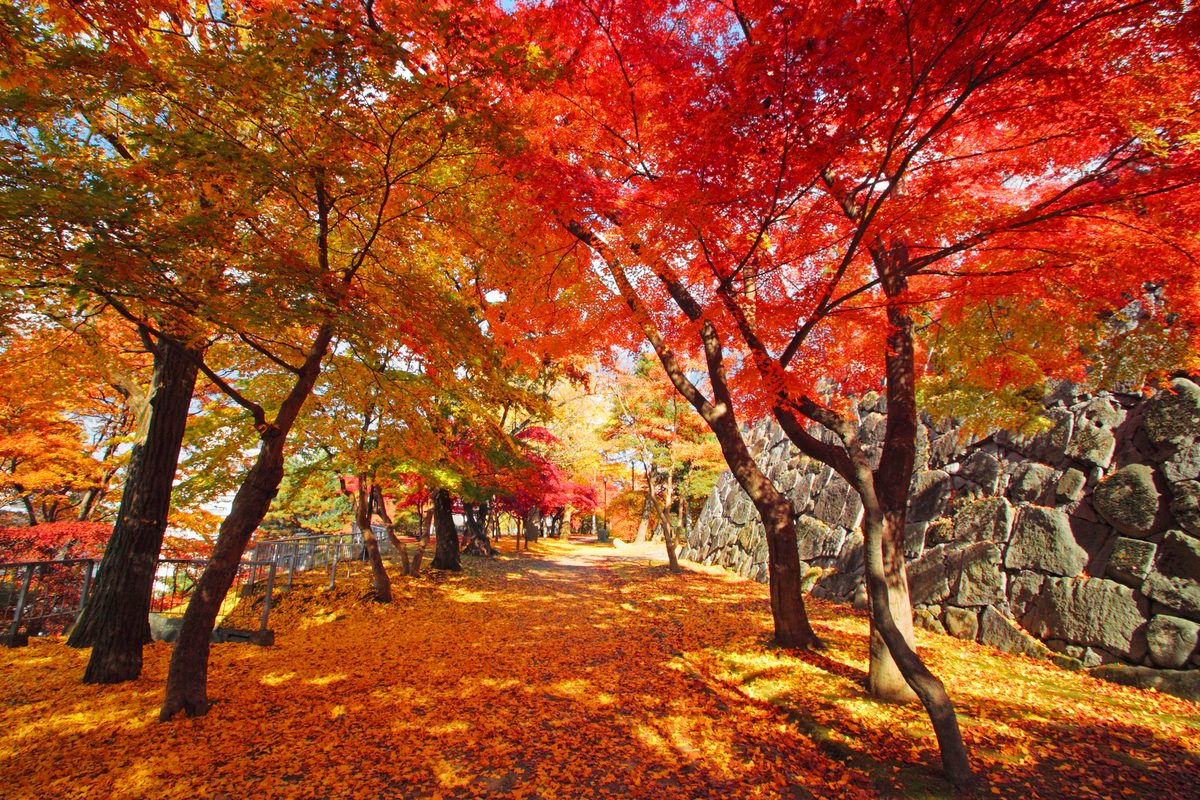
Iwate: Where the Mountains Lean Against the Pacific
12 min read
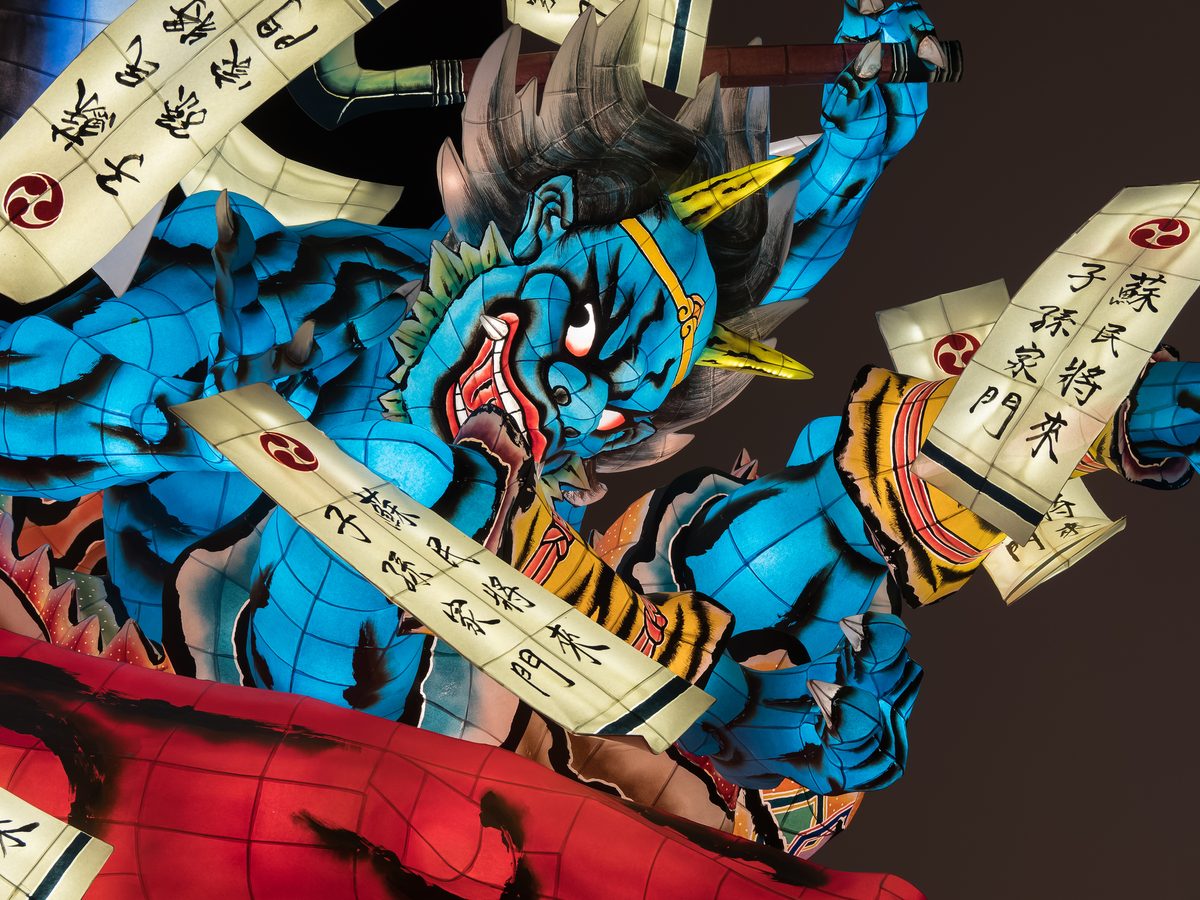
Aomori: Where Winter Invented Its Own Festival
12 min read
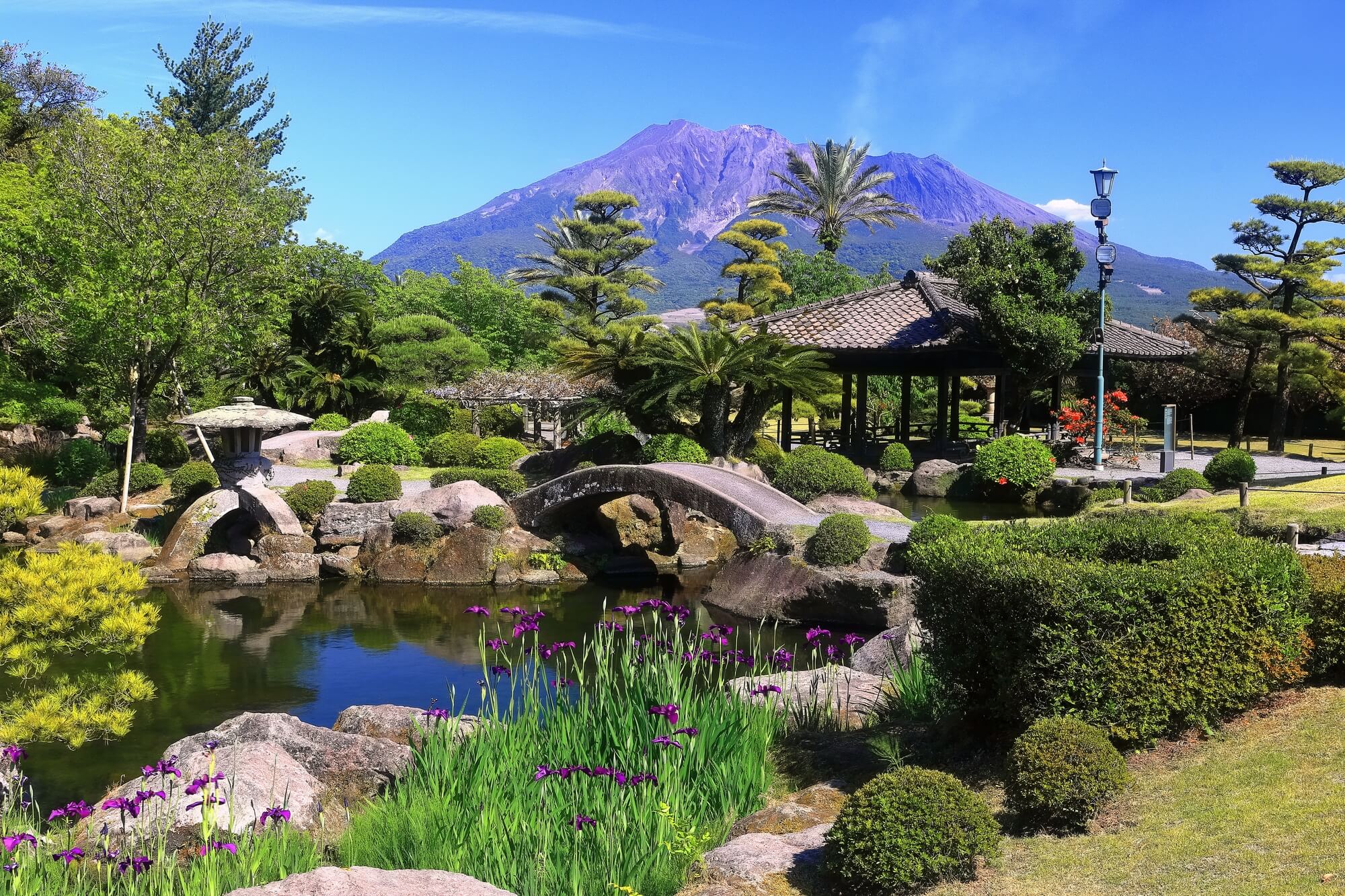
Kagoshima: Where the Mainland Finally Runs Out of Land
12 min read
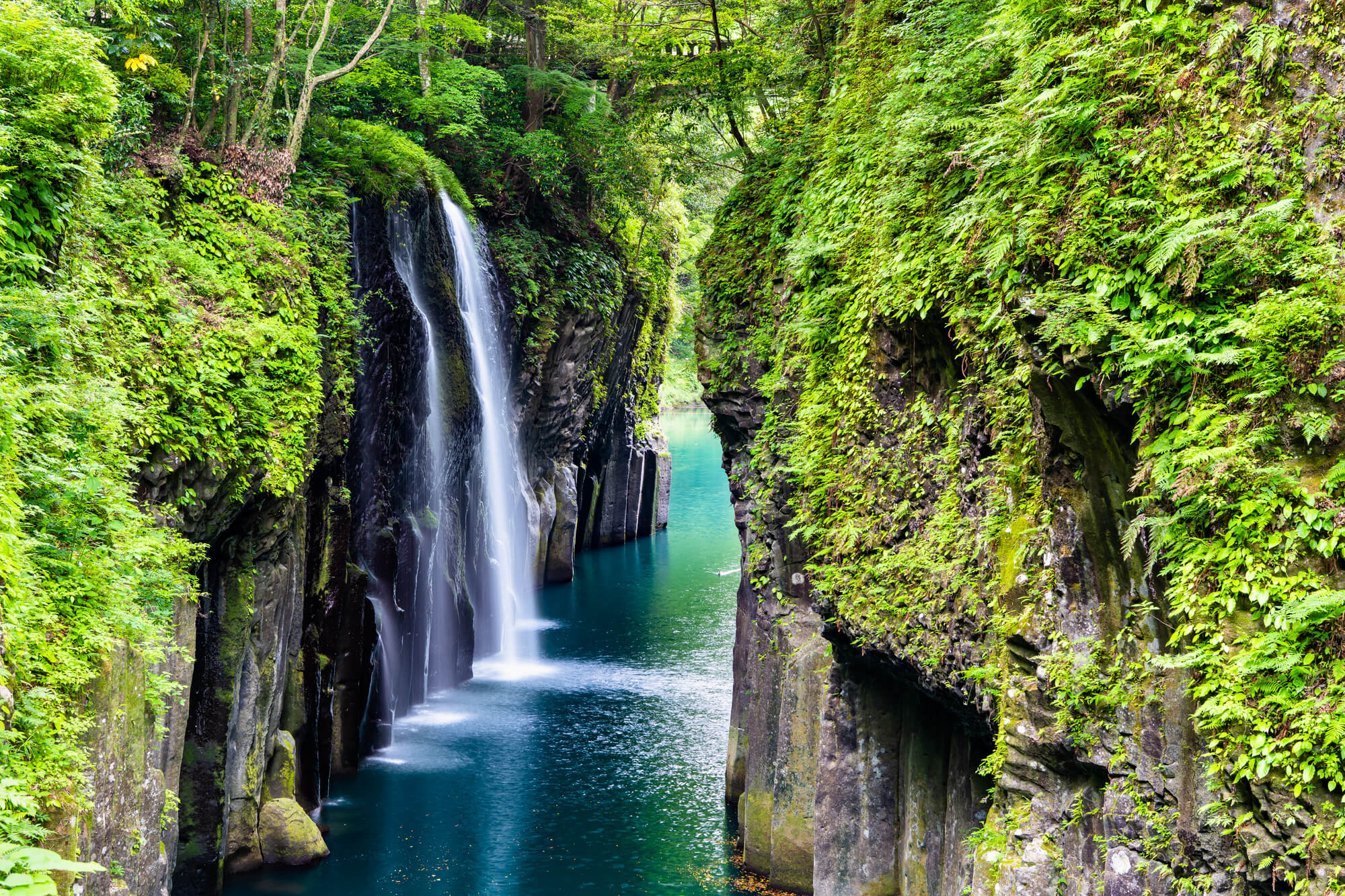
Miyazaki: Where the Sun God Hid and the Horses Run Wild
11 min read
Saga: Older Than You Think, Quieter Than Most
11 min read
Nagasaki: Where Every Century Left Something Behind
13 min read
Oita: Where the Earth Still Boils
12 min read
Fukuoka: Where Japan Eats, Breathes, and Gets On With It
14 min read
Hokkaido Travel Guide: Ten Places Beyond Sapporo
16 min read