
Yamagata: Cherries, Sacred Mountains, and Snow That Eats the Trees
Yamagata carries a kind of inward focus that coastal Tohoku prefectures sometimes lack. The basin and mountain geography kept the region relatively isolated until the Shinkansen arrived; food culture — cherries, soba, imoni, Yonezawa beef — is discussed locally with more confidence than is strictly justified by international name recognition. There is pride without performance. The winters are long enough that spring and early summer feel earned rather than assumed.
Yamagata is one of the least visited prefectures on Honshu relative to what it contains: a major cherry-producing region, three sacred mountains that have drawn pilgrims for fourteen centuries, a silver-mine onsen town straight out of a woodblock print, and a ski area where snow transforms the forest into shapes called monsters. The capital is a quiet castle town; the Sea of Japan coast has warehouse districts that once handled rice bound for Edo. Nothing here announces itself loudly — which is why most of it stays manageable.
Yamagata City — Castle Ruins, Museums, and a River Full of Imoni Pots
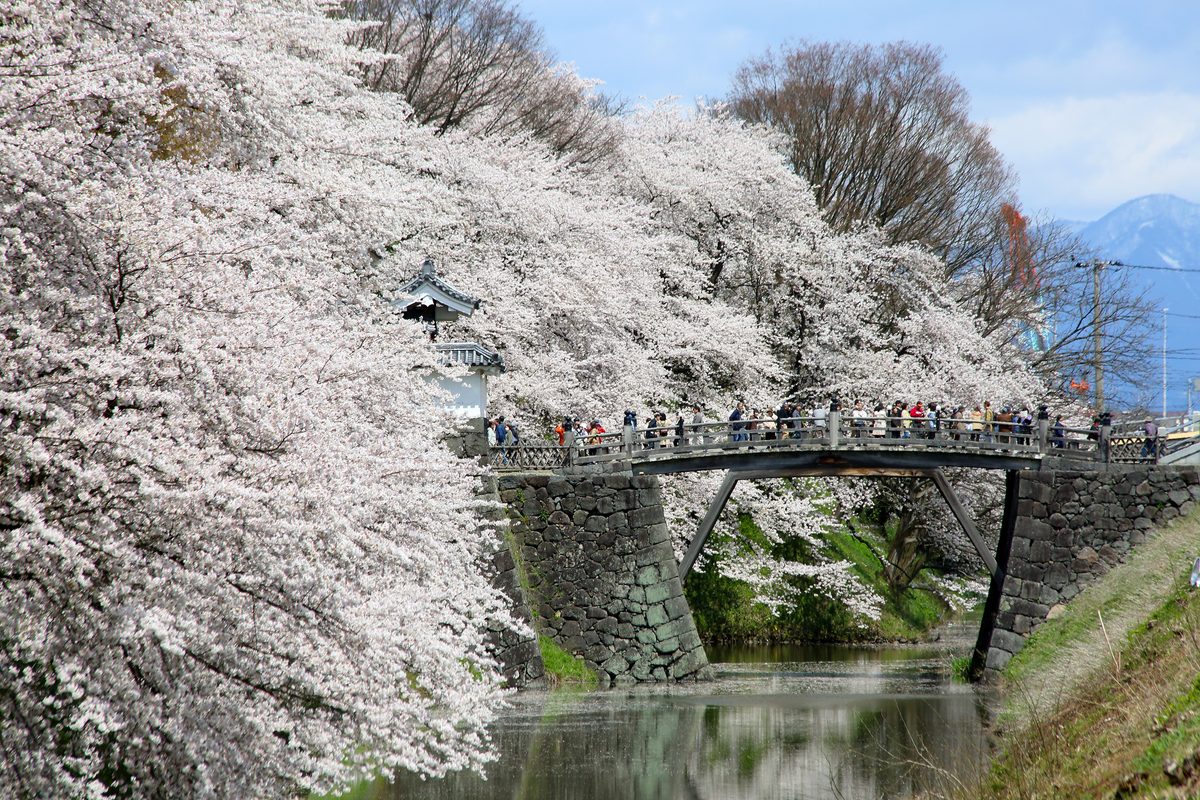
Yamagata City sits in a basin surrounded by low mountains; the air is colder in winter and clearer in summer than Sendai an hour east. Kajo Park occupies the former castle grounds — the keep is gone, but the moats, stone walls, and some 1,500 cherry trees make April the busiest week of the year locally.
The Bunshokan, a red-brick former prefectural office from 1916, now houses museum exhibitions on regional history and crafts; the building itself is the main exhibit for architecture-minded visitors. The city centre is compact enough to walk between the park, covered shopping arcades, and the Mamigasaki River in under an hour.
Imoni — a taro-and-meat stew cooked outdoors in enormous iron pots — is serious enough in Yamagata to support a festival on the riverbank each September, when thousands gather to eat from communal ladles. It is not staged for tourists; it is what people here do when the weather turns.
Kajo Park & Yamagata Castle Ruins
Yamagata
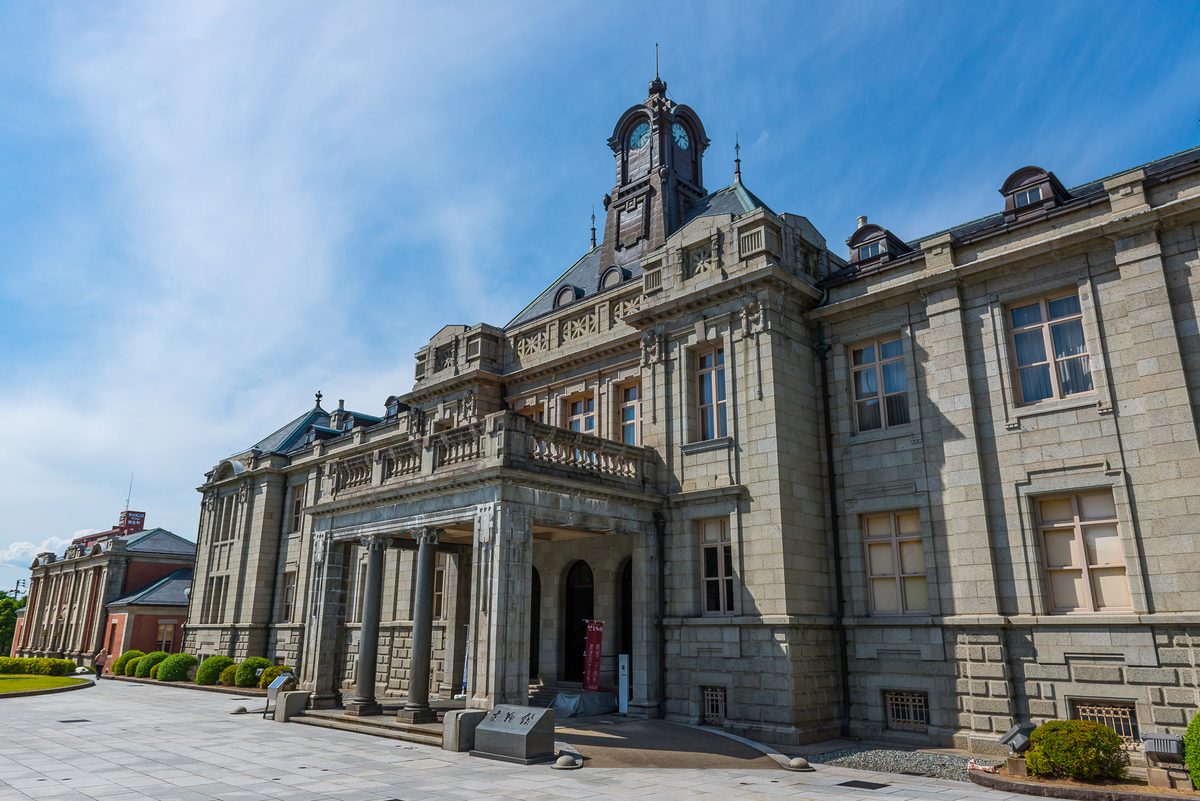
Bunshokan — Yamagata Prefectural Museum
Yamagata
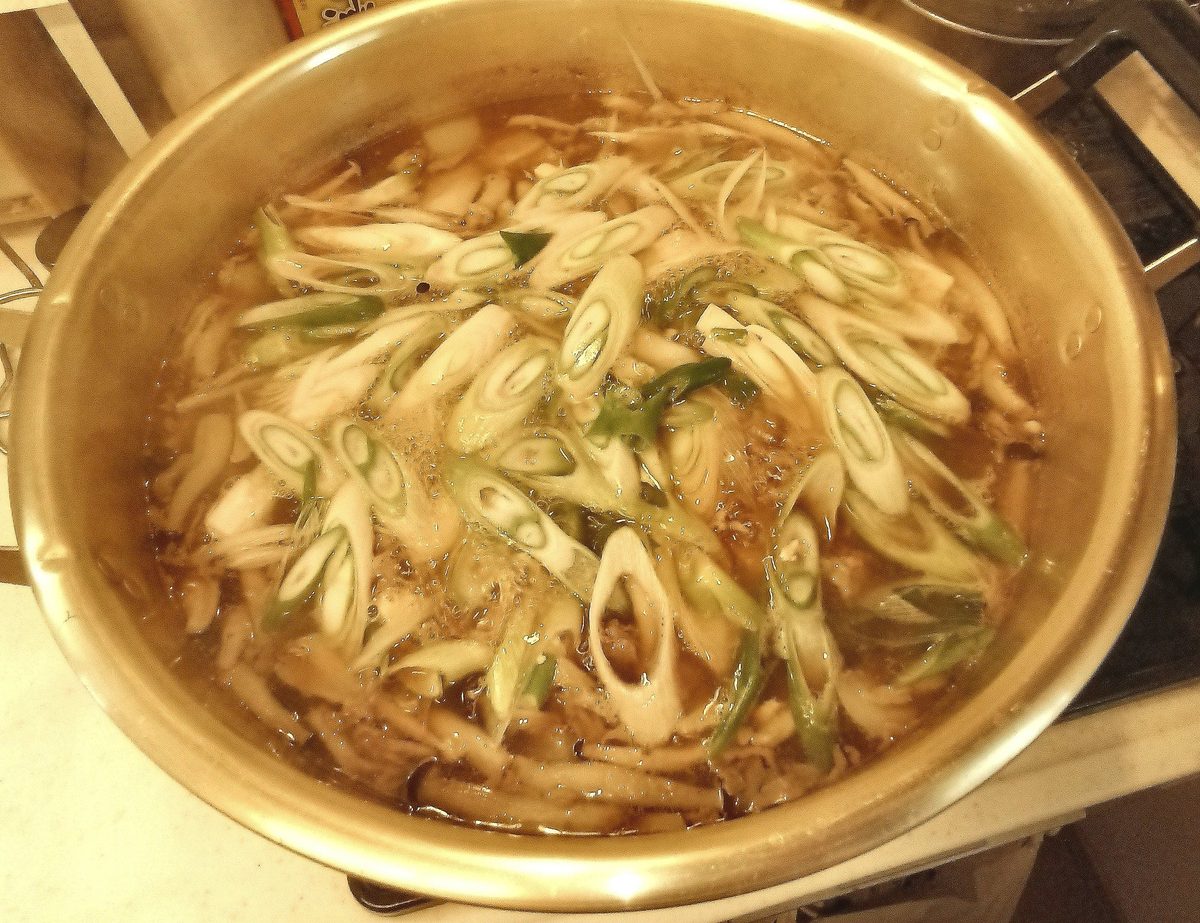
Yamagata Imoni Festival
Yamagata
Yamadera — 1,015 Steps to a Temple on the Cliff
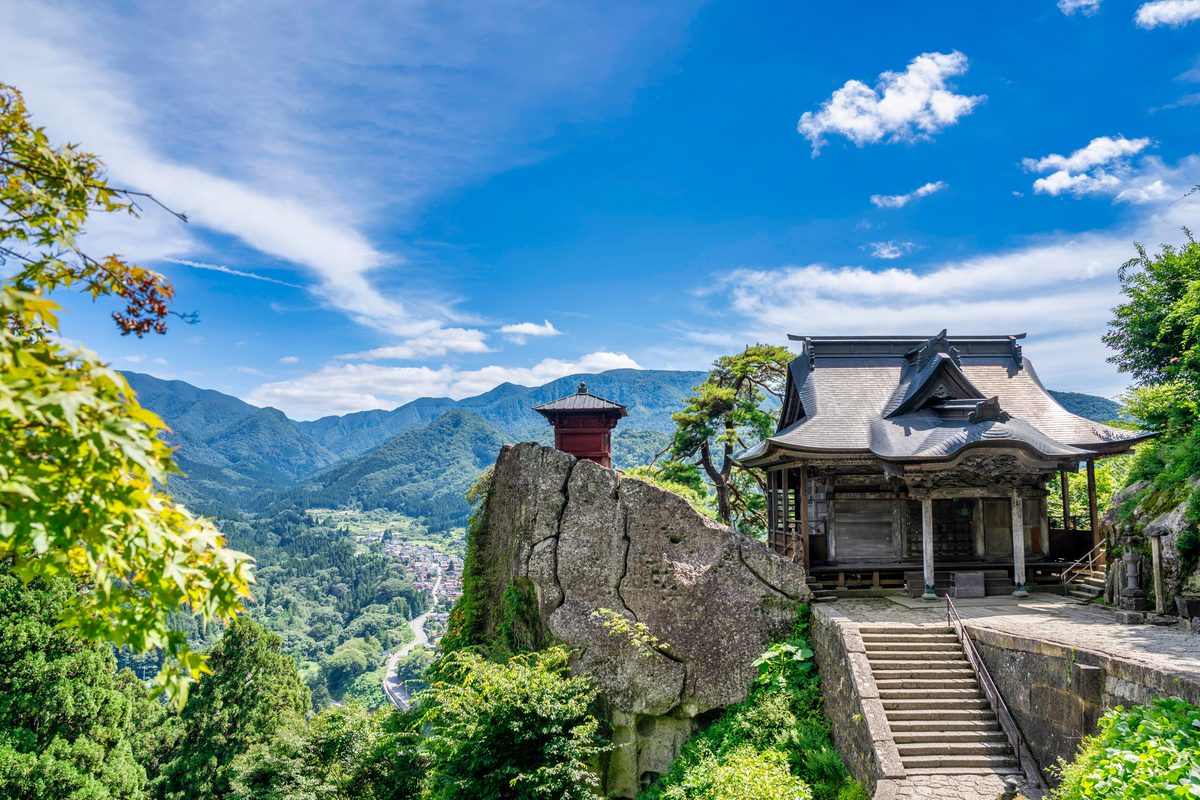
Risshakuji — universally called Yamadera after the town below — climbs a steep mountainside in a series of wooden halls and stone staircases numbering, in tradition, 1,015 steps. The poet Basho visited in 1689 and wrote one of his best-known haiku about the silence of the cicadas; the view from Godaido Hall, perched on a rock ledge, still justifies the climb.
The approach through cedar forest is cooler than the valley floor even in August; ice forms on the steps in winter, when the temple opens on reduced schedules. Crowds concentrate mid-morning; arriving at opening or late afternoon thins them substantially.
Yamadera is a half-day from Yamagata City by train; staying overnight in the small town below allows an early start before tour buses arrive from Sendai.
Explore Yamadera spotsZao & Kaminoyama — Crater Lakes, Juhyo, and Castle-Town Onsen
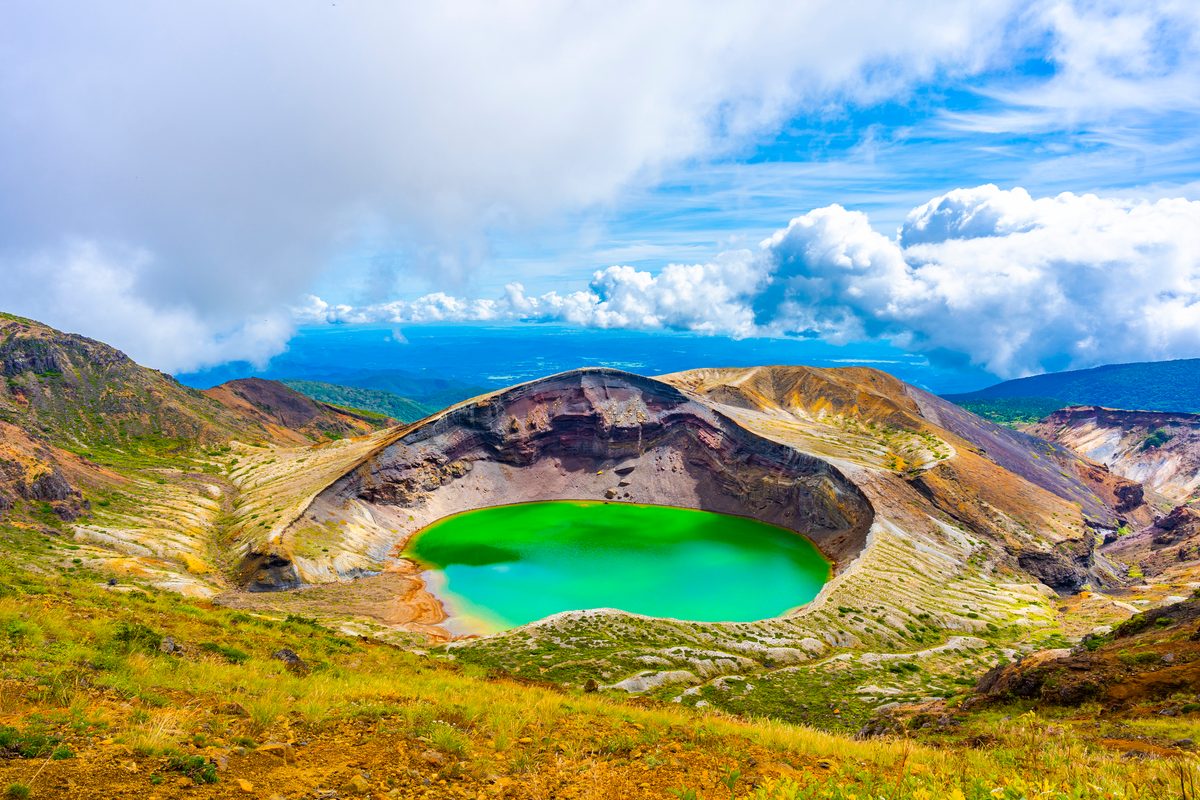
Mount Zao is an active volcano shared with Miyagi Prefecture; the Okama crater lake at the summit changes colour with mineral content and weather — a milky green that photographs almost too easily. Access is by ropeway and walking trails; volcanic gas occasionally closes the rim.
In winter, the same slopes host Zao Onsen ski resort, where supercooled water droplets freeze onto pine trees to form juhyo — 'snow monsters' — shapes that draw photographers from across Japan in February. The effect depends on specific wind and temperature conditions; some seasons disappoint, others exceed expectation.
Kaminoyama Onsen, at the mountain's southern foot, is a castle-town onsen district older than the ski development — narrow lanes, ryokan with wooden facades, and public ashiyu in the street. It pairs naturally with Zao as a place to soak after descending from the crater or the ski runs.
Explore Zao spots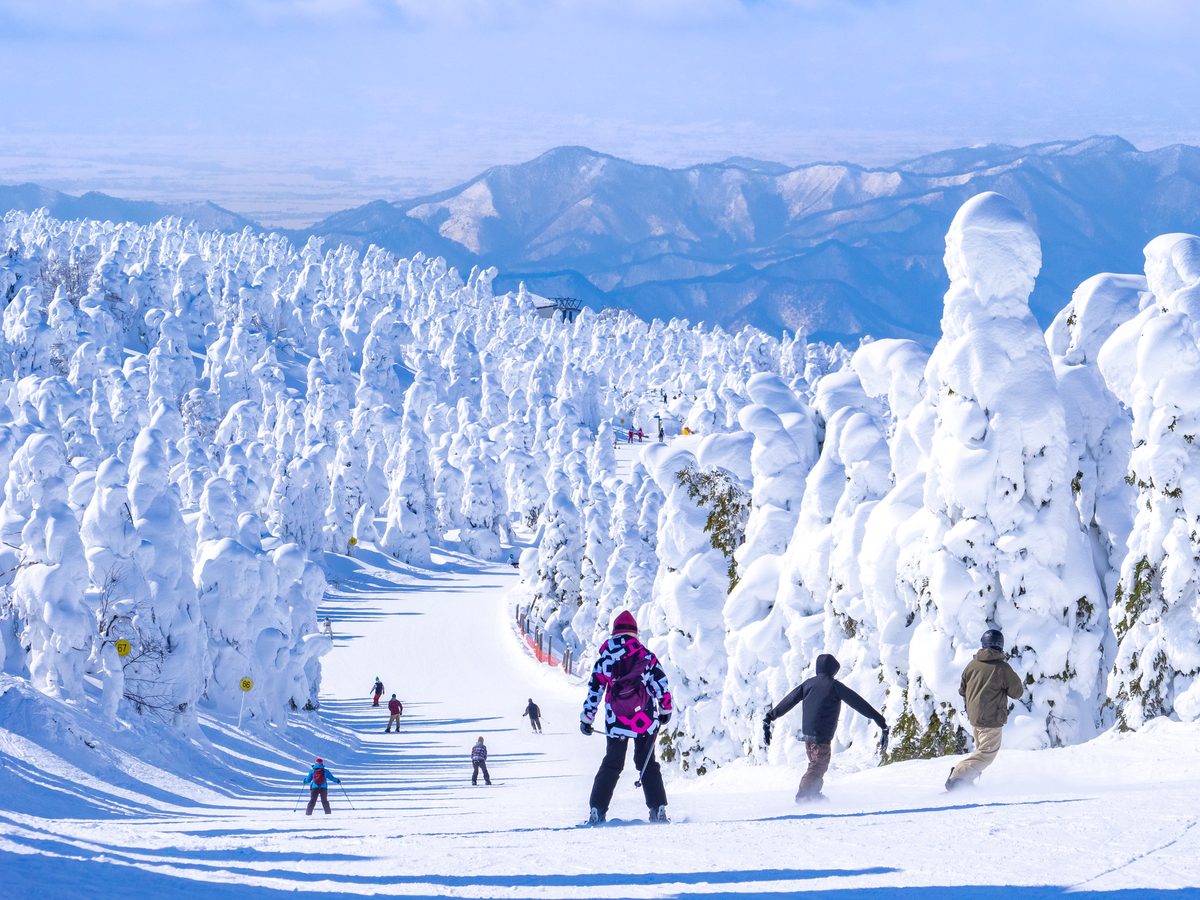
Ginzan Onsen — The Silver Mine Town That Became a Film Set
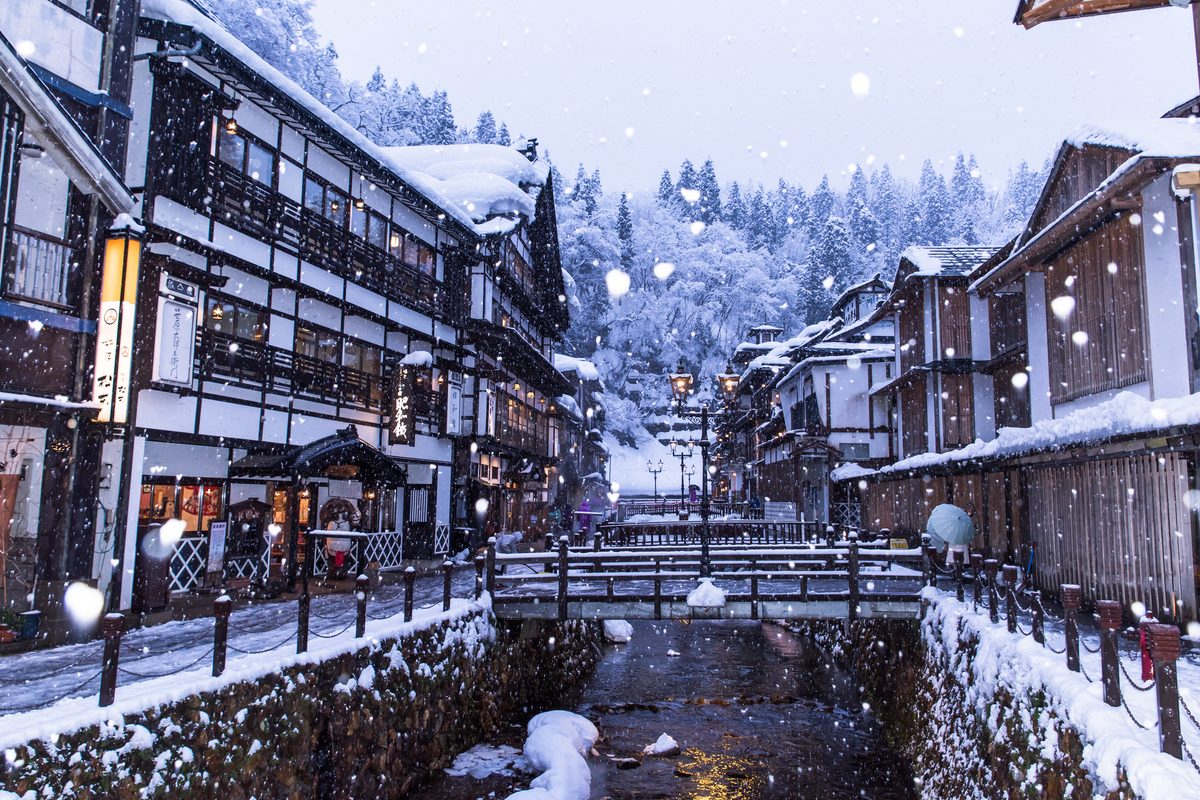
Ginzan Onsen lines a narrow valley where silver was mined from the 15th century until the early 20th; when the ore ran out, the ryokan stayed, and the three- and four-storey wooden buildings along the river were preserved with unusual strictness. The result looks deliberately period — gas lamps at night, no overhead wires in the main view — and has been used as a drama location often enough that domestic visitors sometimes arrive expecting fiction.
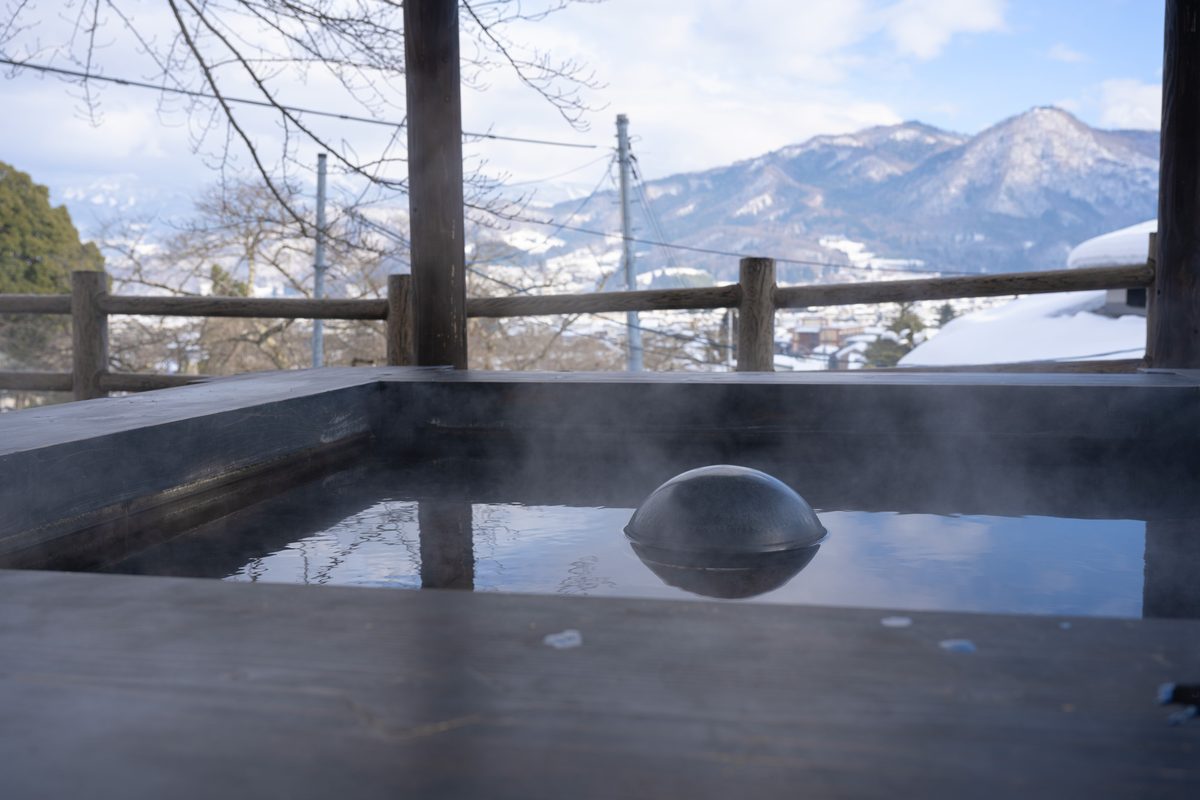
The public footpath continues upstream past a small waterfall and outdoor baths for day visitors; the water is sulphurous and runs hot enough to steam visibly in cold air. Staying overnight in one of the historic ryokan is expensive and usually requires booking months ahead; walking through as a day visitor is free and still worthwhile.
Ginzan is reached from Oishida on the Yamagata Shinkansen line — a long detour from Yamagata City if that is your only base, but logical if you are travelling between Yamagata and the Dewa Sanzan coast.
Explore Ginzan Onsen spotsDewa Sanzan — Fourteen Centuries of Mountain Asceticism
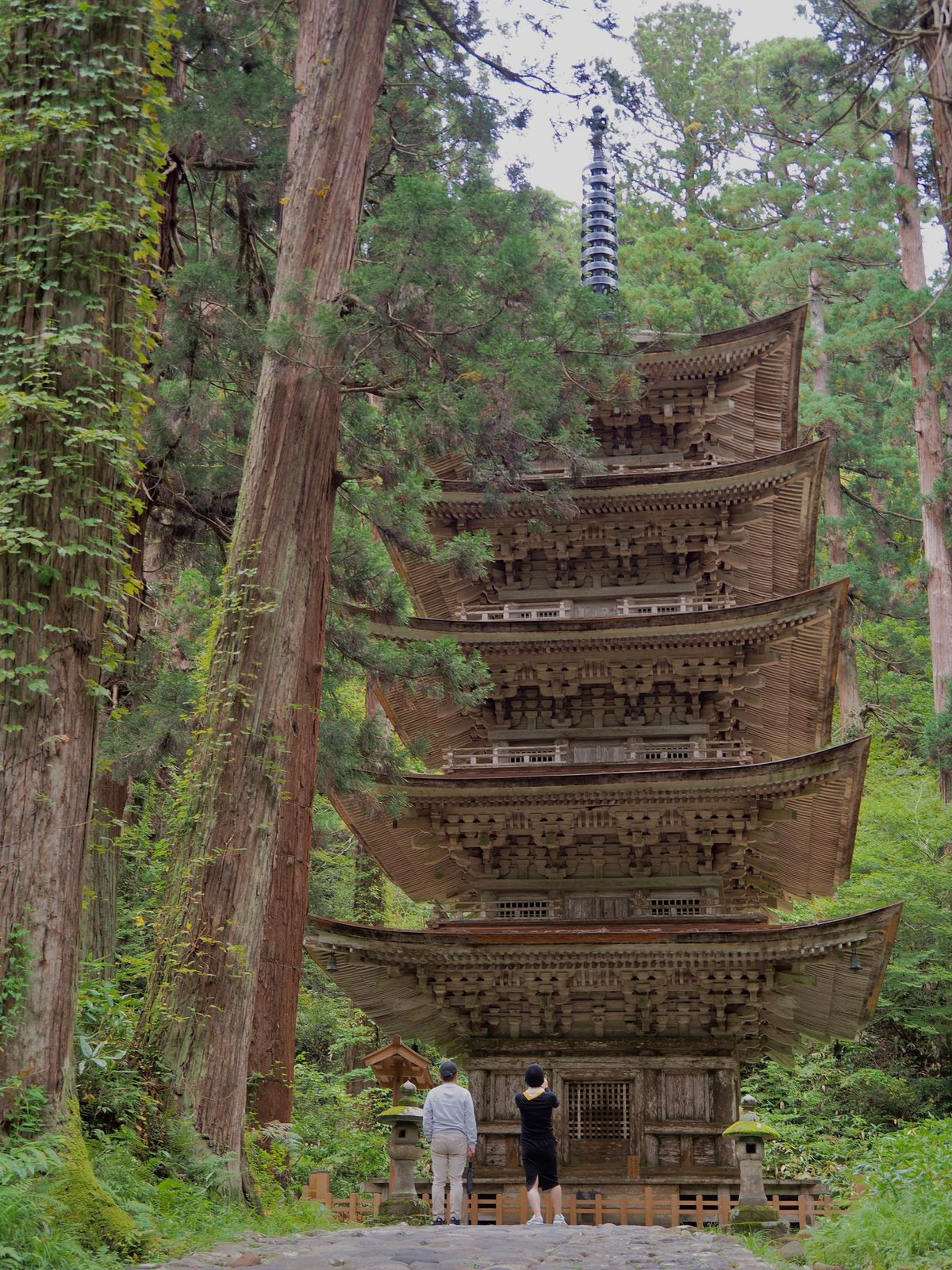
The Dewa Sanzan — Haguro, Gassan, and Yudono — are the sacred peaks of Shugendo, the mountain ascetic tradition that blended Buddhism, Shinto, and older folk practice in medieval Japan. Haguro-san is climbable year-round via a stone stairway of 2,446 steps through cedar forest to the main shrine; Gassan and Yudono open only in summer when snow permits.
Pilgrims still walk the full circuit in white robes; visitors in hiking gear are equally welcome on Haguro. The five-storey pagoda in the lower forest is one of the more photographed structures in Tohoku — older than most surviving wooden pagodas and set among trees tall enough to make the scale feel accidental.
Tsuruoka, at the foot of the range, is the practical base — museums on Shugendo history, accommodation, and bus connections. Dewa Sanzan is not a casual hour's stop; even Haguro alone takes half a day with the climb and descent.
Explore Dewa Sanzan spotsMogami Gorge — The River Basho Descended by Boat
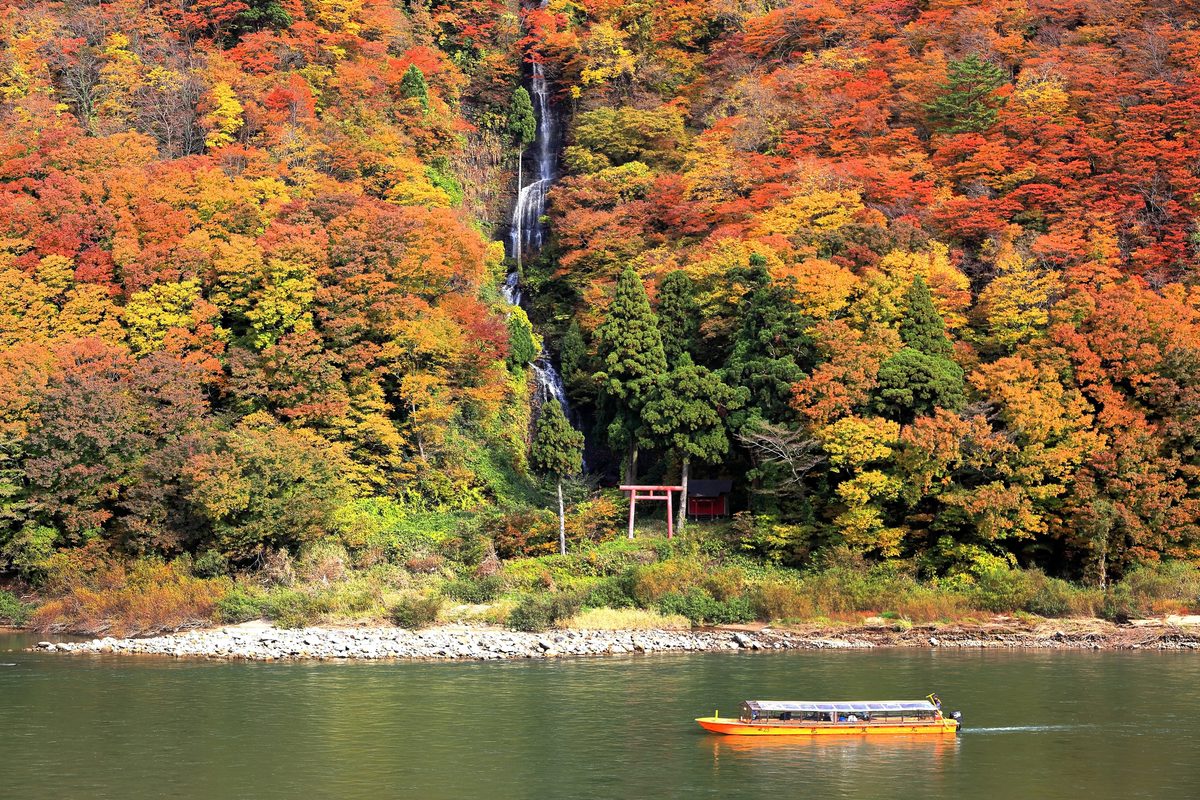
The Mogami River drains the Yamagata interior northward to the Sea of Japan; Furukuchi, in the Mogami district, is where sightseeing boats run a section of gorge — cliffs, rapids, and river towns that Basho travelled by boat in 1689, describing the journey in narrow detail.
The ride takes around an hour; boatmen still pole in shallow sections and narrate in Japanese. The water level varies sharply with season and upstream rainfall; cancellations happen without much apology when the river is too high or too low.
Mogami pairs with Yamagata City or with a coastward itinerary toward Sakata; without a car, train timing to Furukuchi requires checking the day's schedule in advance.
Explore Mogami spotsSakata — Warehouses, Rice Money, and the Kitamaebune Trade
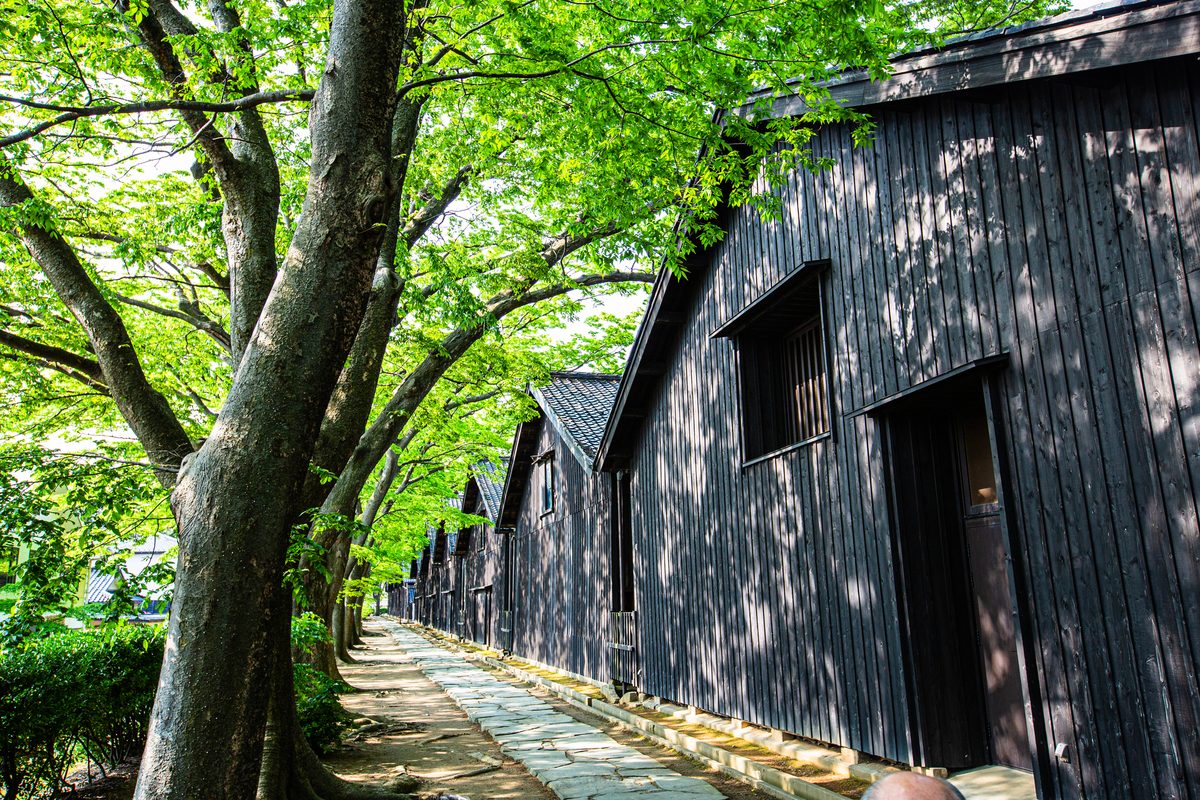
Sakata was one of the principal ports on the Sea of Japan during the Edo period — a terminus for rice shipped down the Mogami River and a hub for the Kitamaebune coastal trade that connected Hokkaido, northern Honshu, and the Kansai. The Sankyo rice warehouses, built in 1893, are preserved with earthen walls thick enough to have survived fires that destroyed surrounding districts.
The complex now includes small museums, craft shops, and a line of zelkova trees planted to shade the stored grain — the same trees photograph well in snow. The port area below is still working; the historic district above it is quiet enough that weekday visits can feel almost private.
Sakata fits naturally after Dewa Sanzan or Mogami as a coastward conclusion; reaching it from Yamagata City in one day without rushing is difficult by public transport alone.
Explore Sakata spotsTendo — Shogi Pieces and Cherry Orchards on the Yamagata Plain
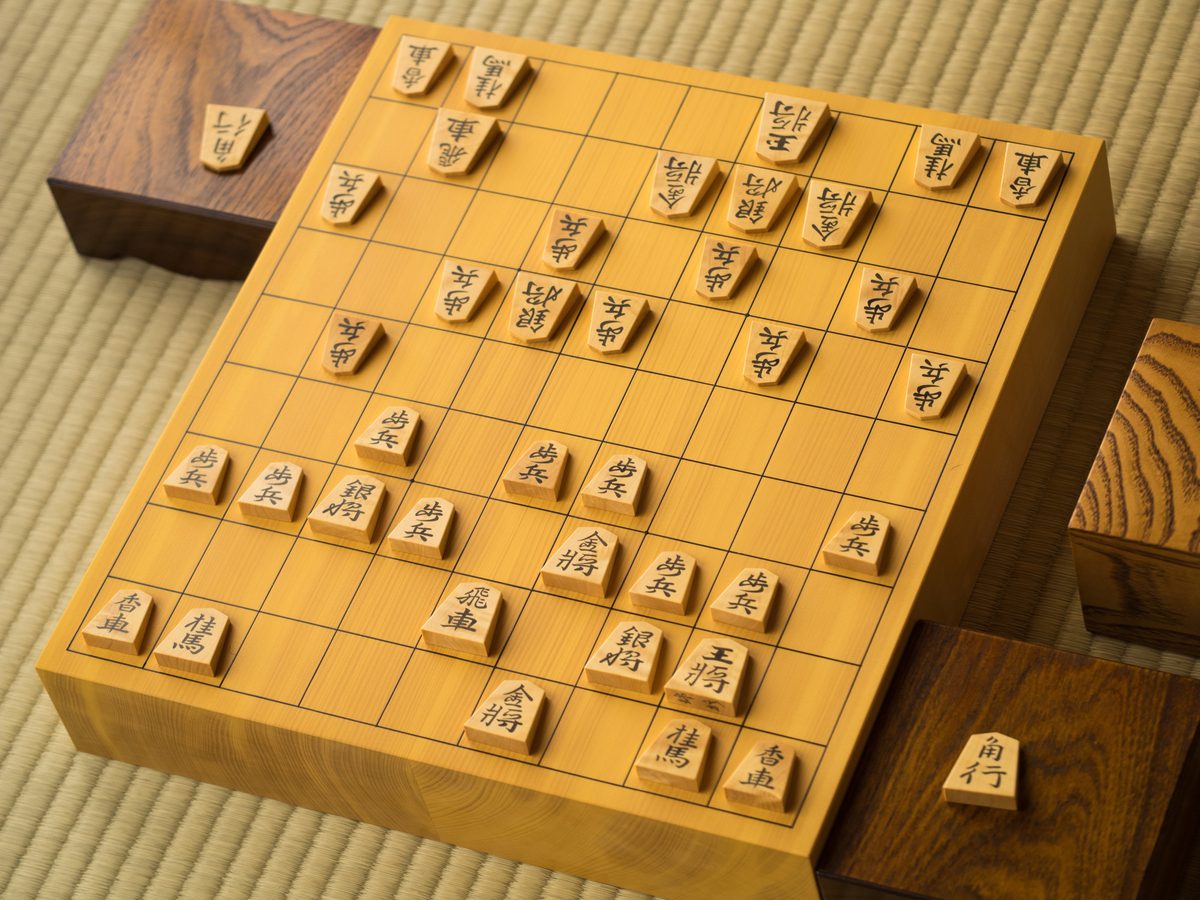
Tendo produces the majority of Japan's wooden shogi pieces — turned on lathes, hand-carved for the characters, and graded with a seriousness that tournament players recognise by touch. Workshops in town offer short carving experiences; the local museum traces the industry from Edo-period side work to national dominance.
The surrounding plain, shared with neighbouring Higashine, grows cherries in quantities that make Yamagata synonymous with the fruit domestically. Picking season runs roughly June through early July; orchards operate on admission systems that vary by farm.
Tendo is close enough to Yamagata City for a half-day excursion — shogi in the morning, orchards in early summer afternoon — without needing to change hotels.
Explore Tendo spots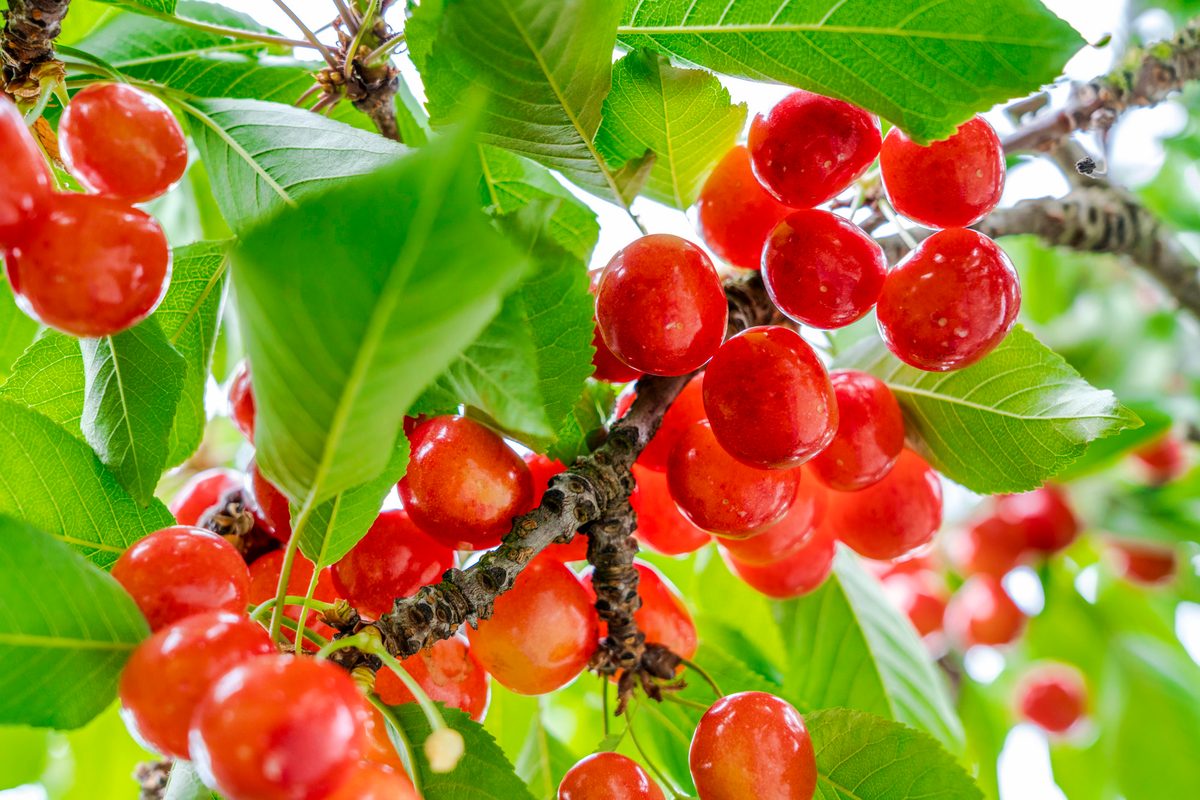
How to Plan Your Yamagata Trip
Yamagata City is the simplest base for Yamadera, Zao, Kaminoyama, and Tendo. Ginzan Onsen and Dewa Sanzan align better with a northern loop using Tsuruoka or Oishida — two or three nights on that side if you want both coast and mountains without excessive backtracking.
Zao in winter assumes snow chains or resort shuttles if driving; juhyo viewing is weather-dependent — build flexibility into the schedule. Dewa Sanzan's upper peaks open only in summer; Haguro alone is enough for a first visit.
A week allows Yamagata City, Yamadera, Zao, Ginzan, Dewa Sanzan, and one of Mogami or Sakata without rushing. Cherry picking and imoni season compress domestic crowds into short windows; book ryokan early for Ginzan and Zao Onsen in peak periods.
Where are these spots?
How to Get There
Yamagata Station is the terminus of the Yamagata Shinkansen branch from Fukushima; through services from Tokyo take under three hours. The JR Senzan Line connects Yamagata to Yamadera and Sendai. Zao Onsen is reached by bus from Yamagata Station; Kaminoyama-Onsen has its own Shinkansen stop. Oishida Station links to Ginzan Onsen by bus. Tsuruoka is the gateway for Dewa Sanzan buses. The JR Rikuwest Line serves Furukuchi for Mogami Gorge boats. Rental cars are useful for combining Sakata, Tsuruoka, and inland sites in one loop.
Find your Japan
Find Your Yamagata
Browse curated spots across Yamagata Prefecture — from sacred peaks to onsen valleys — on Tobira.
Find match spotsMore Prefecture Guides
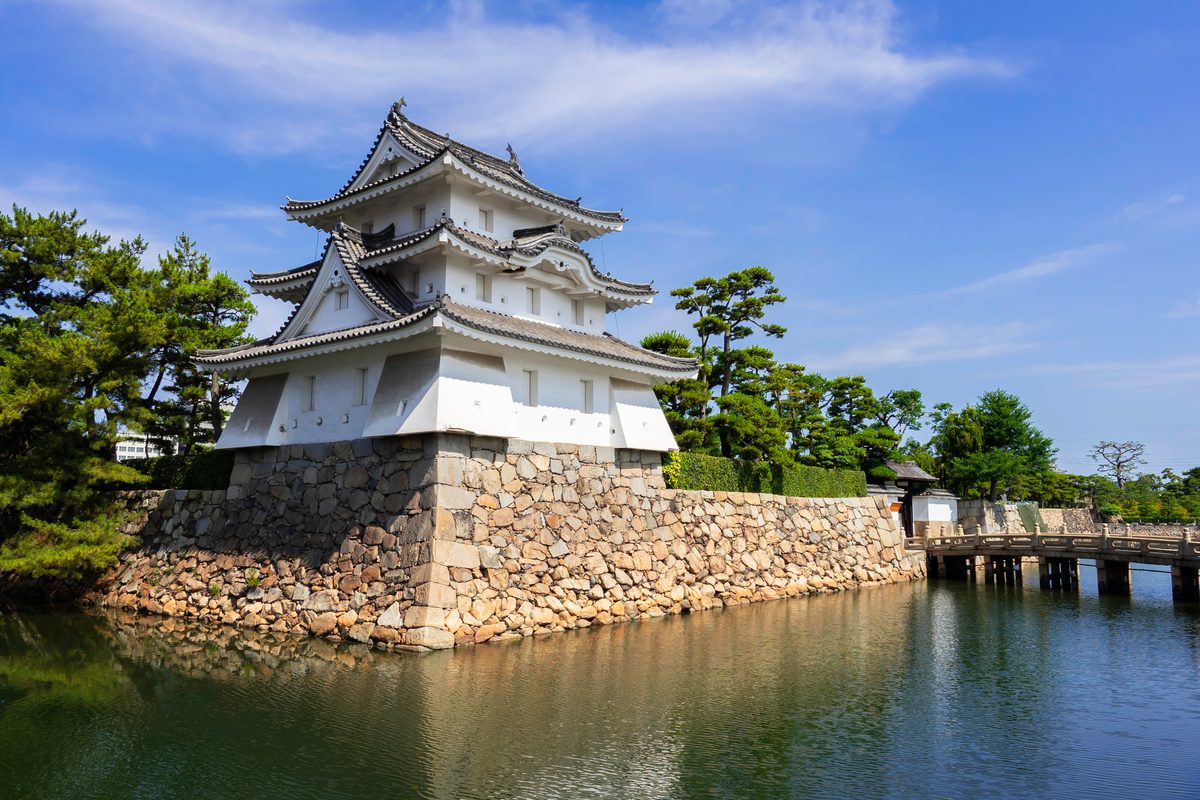
Kagawa: Udon, Art Islands, and the Most Climbed Stairs in Shikoku
11 min read
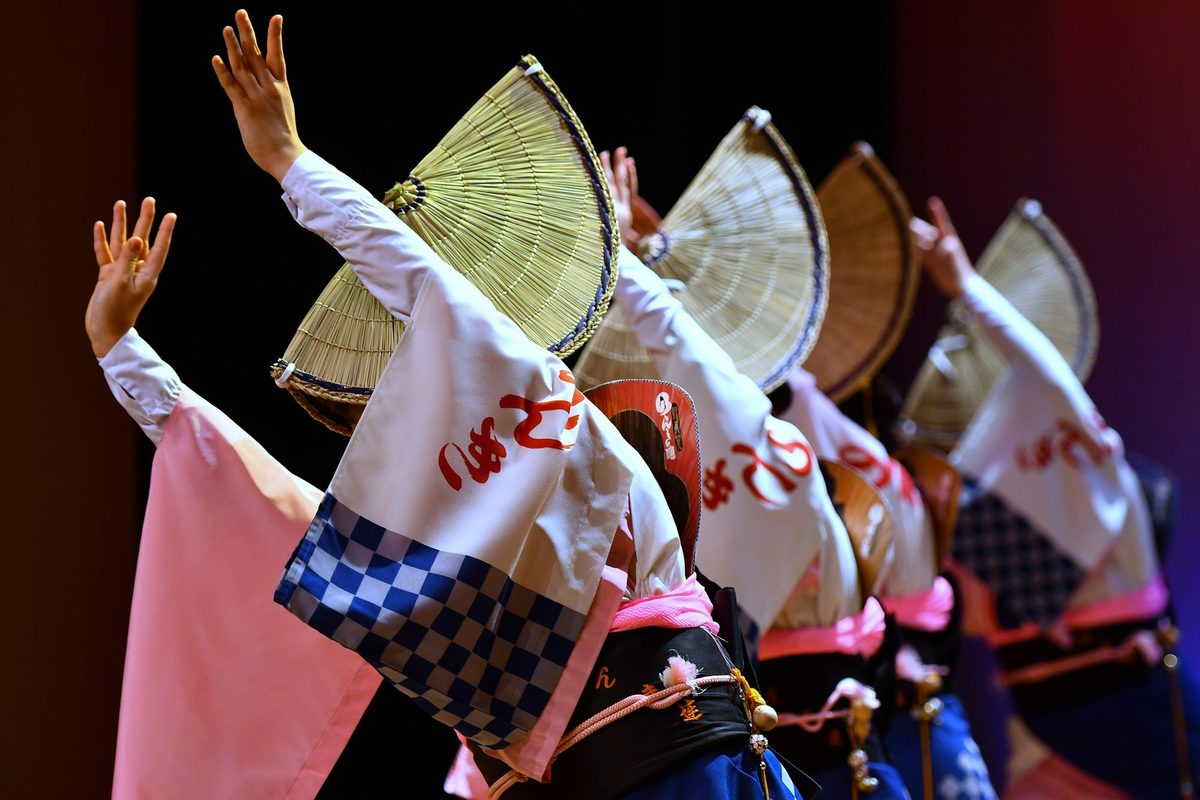
Tokushima: Whirlpools, the Valley That Time Missed, and Japan's Loudest Dance
11 min read
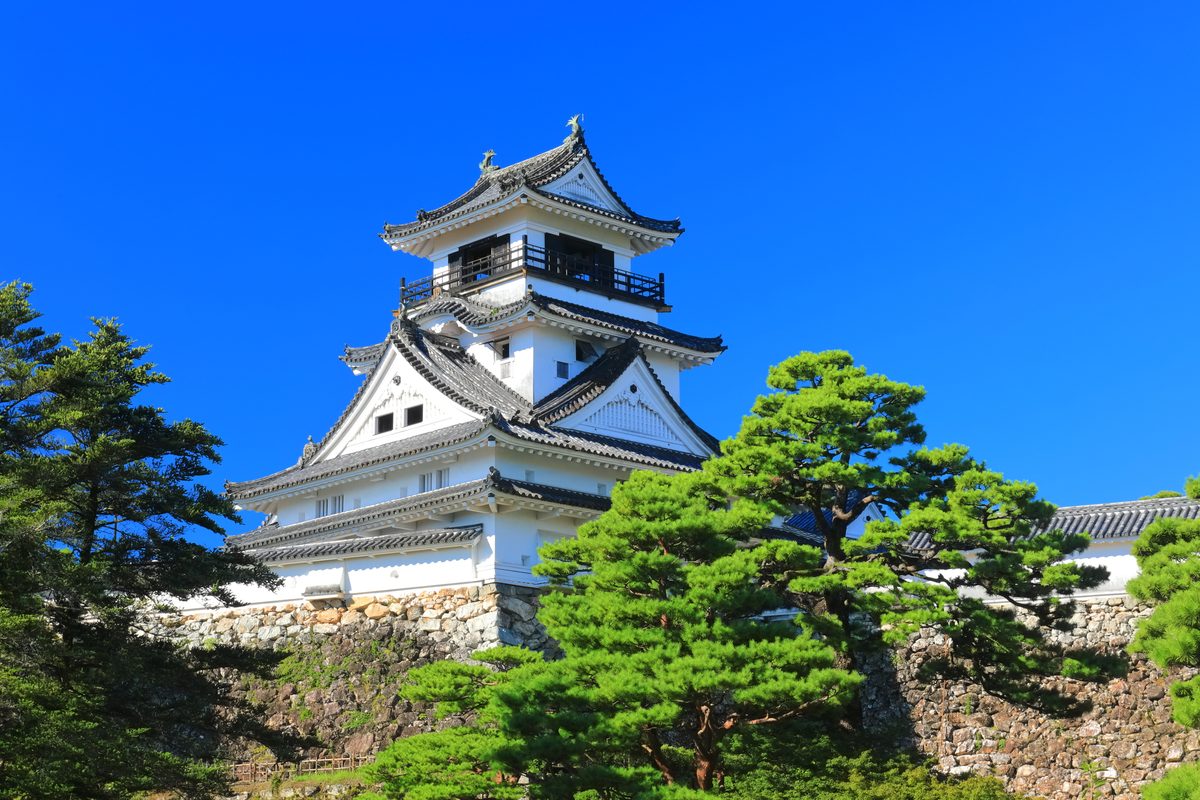
Kochi: The Wild Coast That Japan Forgot to Tame
12 min read
Ehime: Islands, Castles, and the Road That Goes Between
13 min read
Fukushima: Three Regions, One Prefecture, No Simple Story
12 min read
Akita: Snow Country, Rice Country, and Monsters on New Year's Eve
12 min read
Miyagi: The Coast, the Castle, and Sendai Between Them
11 min read
Iwate: Where the Mountains Lean Against the Pacific
12 min read
Aomori: Where Winter Invented Its Own Festival
12 min read
Kagoshima: Where the Mainland Finally Runs Out of Land
12 min read
Miyazaki: Where the Sun God Hid and the Horses Run Wild
11 min read
Saga: Older Than You Think, Quieter Than Most
11 min read
Nagasaki: Where Every Century Left Something Behind
13 min read
Oita: Where the Earth Still Boils
12 min read
Fukuoka: Where Japan Eats, Breathes, and Gets On With It
14 min read
Hokkaido Travel Guide: Ten Places Beyond Sapporo
16 min read