
Nagasaki: Where Every Century Left Something Behind
Nagasaki does not overwhelm the way Kyoto does, and it does not assert itself the way Tokyo does. It is a city shaped by things that happened to it — by the Portuguese and Dutch, by the Chinese merchants who stayed, by the bomb that fell on August 9th, 1945, by the isolation and then the sudden opening. The hills that ring the harbour give it a verticality unusual in Japan; the European-influenced architecture scattered through the residential quarters gives it an atmosphere that belongs nowhere else. It is a city that repays slow attention.
Nagasaki has more history per square kilometre than almost anywhere in Japan. Four centuries of trade with China, a Dutch trading post that was Japan's only window to the Western world, the largest population of hidden Christians in Asia, and the second atomic bomb — the city has absorbed things that would reshape entire nations and turned them into neighbourhoods.
Nagasaki City — Japan's Most Cosmopolitan Port
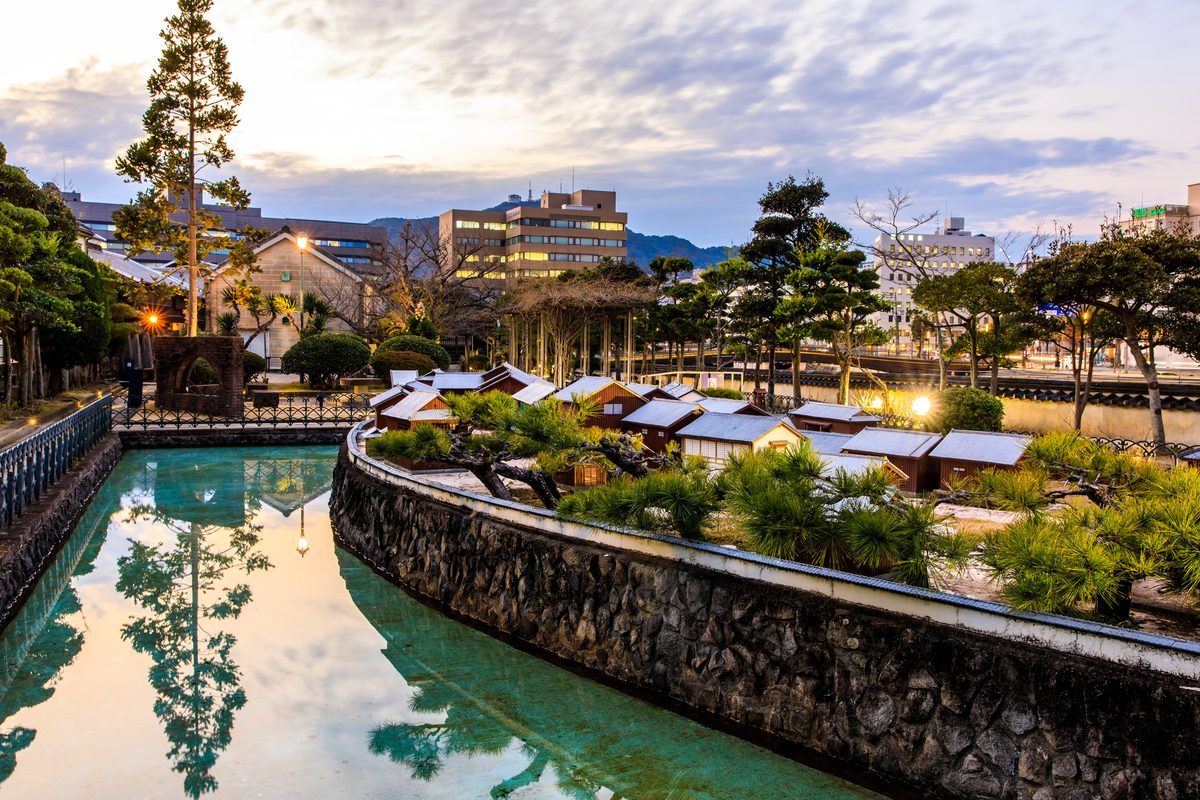
For most of Japan's history of isolation, Nagasaki was the country's only open door. The Dutch East India Company operated a trading post on the artificial island of Dejima from 1641, confined to a small fan-shaped plot in the harbour and permitted to trade on terms set entirely by the Tokugawa shogunate. Everything Japan knew of Western science, medicine, and technology during two centuries of closure came through this single point.
Dejima has been partially reconstructed, and the scale is instructive: the entire compound was smaller than a city block, housing perhaps twenty Dutch merchants at a time. The buildings are meticulous, the artefacts well chosen, and the exhibition unusually honest about the nature of the arrangement.
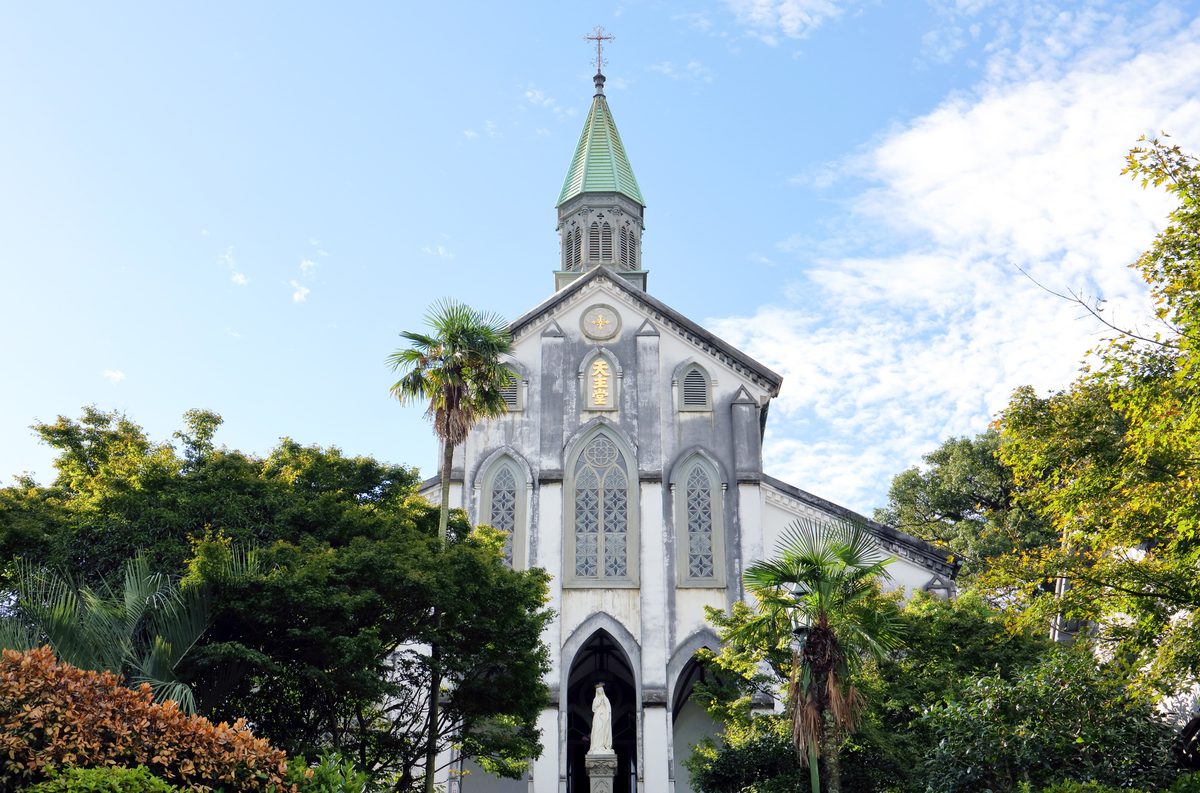
The hillside quarter of Minamiyamate preserves the residential legacy of Nagasaki's foreign traders in a different register: Glover Garden, the residence of Scottish merchant Thomas Glover, looks out over the harbour with a directness that no other vantage point in the city matches. The Oura Cathedral below, built in 1864 and the oldest Gothic cathedral in Japan, is more significant as architecture than as a tourist attraction — though it has become both.
Explore Nagasaki spots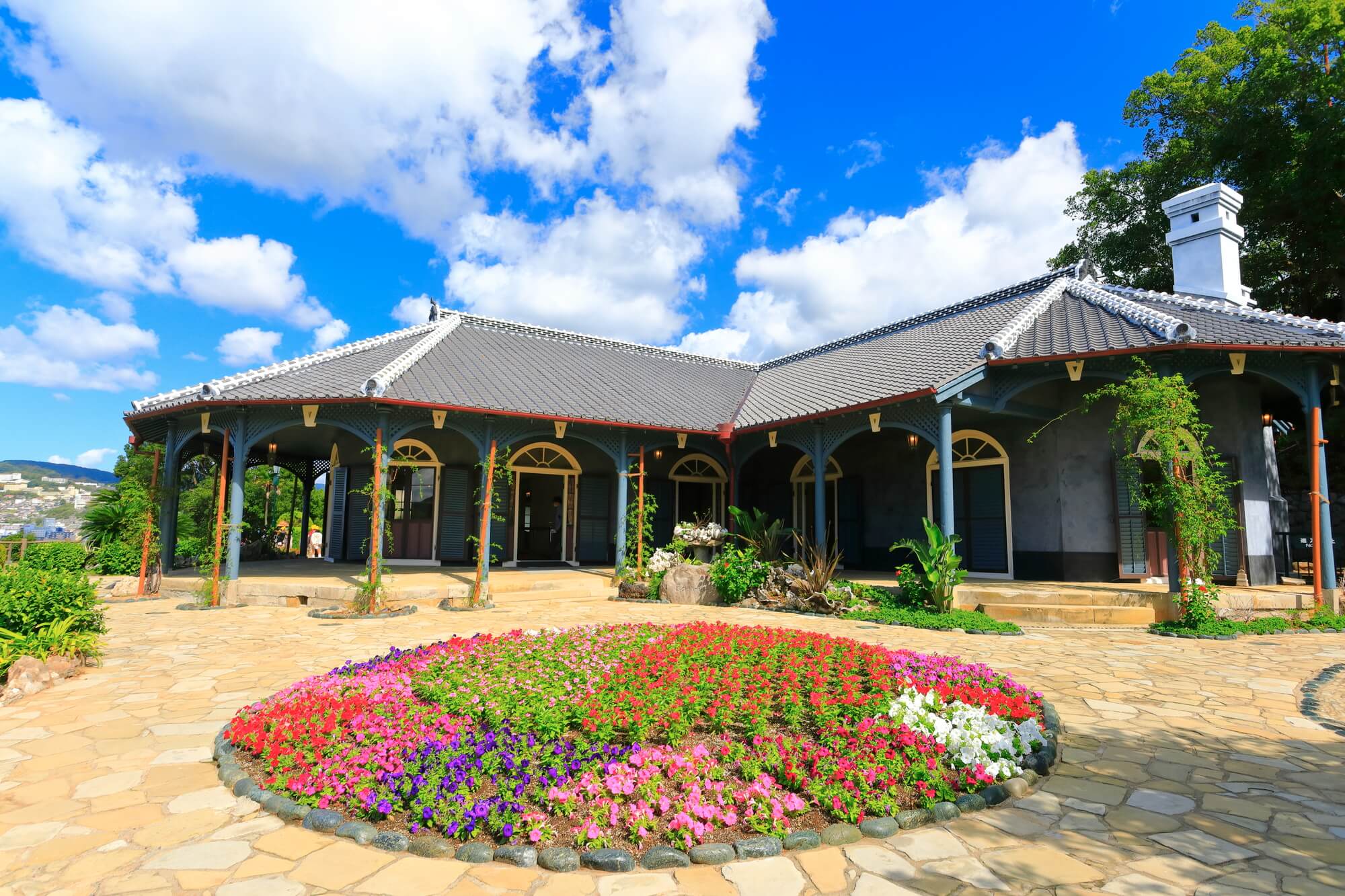
August 9th — The Weight the City Still Carries
On August 9th, 1945, at 11:02 in the morning, a plutonium bomb detonated 500 metres above the Urakami valley, killing between 40,000 and 80,000 people. Nagasaki was not the primary target that day — cloud cover over Kokura redirected the mission. The city has lived with this fact for eighty years.
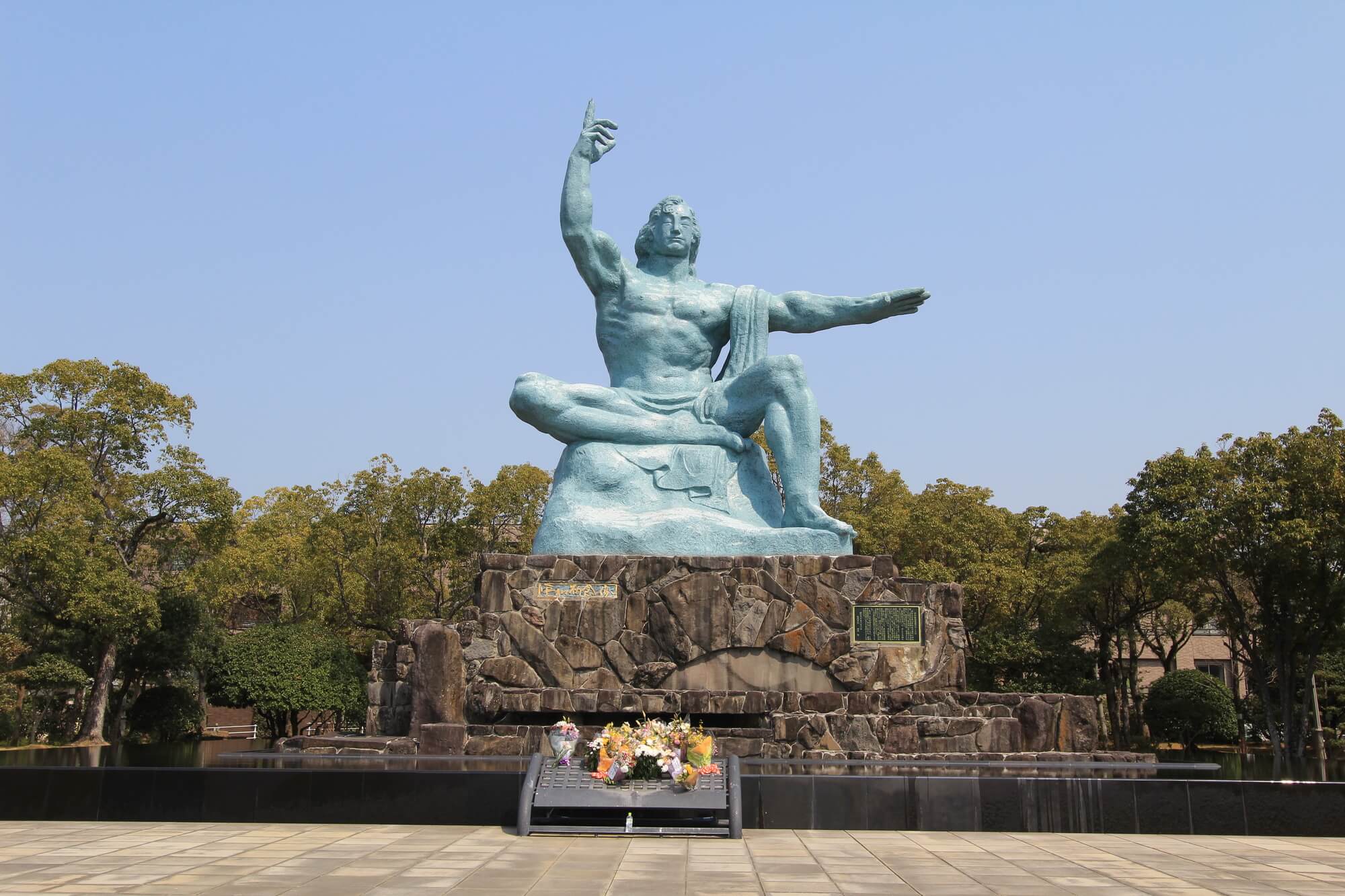
The Peace Park stands at the epicentre of the explosion, anchored by the Peace Statue — a figure with one arm pointing skyward and one arm extended horizontally, gestures that have been interpreted and reinterpreted since Kitamura Seibo completed the work in 1955. The adjacent Atomic Bomb Museum is one of the most carefully constructed memorial museums in Japan: measured in tone, precise in evidence, and deeply uncomfortable in the way that an honest account of this event is obligated to be.
The Urakami area carries its own weight separately from the museum. The Urakami Cathedral, rebuilt after the bomb destroyed the original, stands on the same hill where the largest community of hidden Christians in Japan had worshipped in secret for two centuries before being found — and then obliterated.
Explore Nagasaki spotsShinchi & Chinatown — Four Centuries of Chinese Nagasaki
The Chinese community in Nagasaki predates the Dutch by several decades. Chinese merchants were trading here from the early 17th century and eventually settled in a concentrated quarter near the harbour — Shinchi — that remains one of the four official Chinatowns in Japan, and the one with the longest unbroken presence.
The scale is modest by the standards of Yokohama or Kobe: four main gates, a grid of restaurants and import shops, and a compact temple or two. What makes Nagasaki's Chinatown distinctive is its integration with the surrounding city. The Chinese cultural influence spreads well beyond the formal boundary — in the food, in the architecture of certain temple compounds, in the festivals.
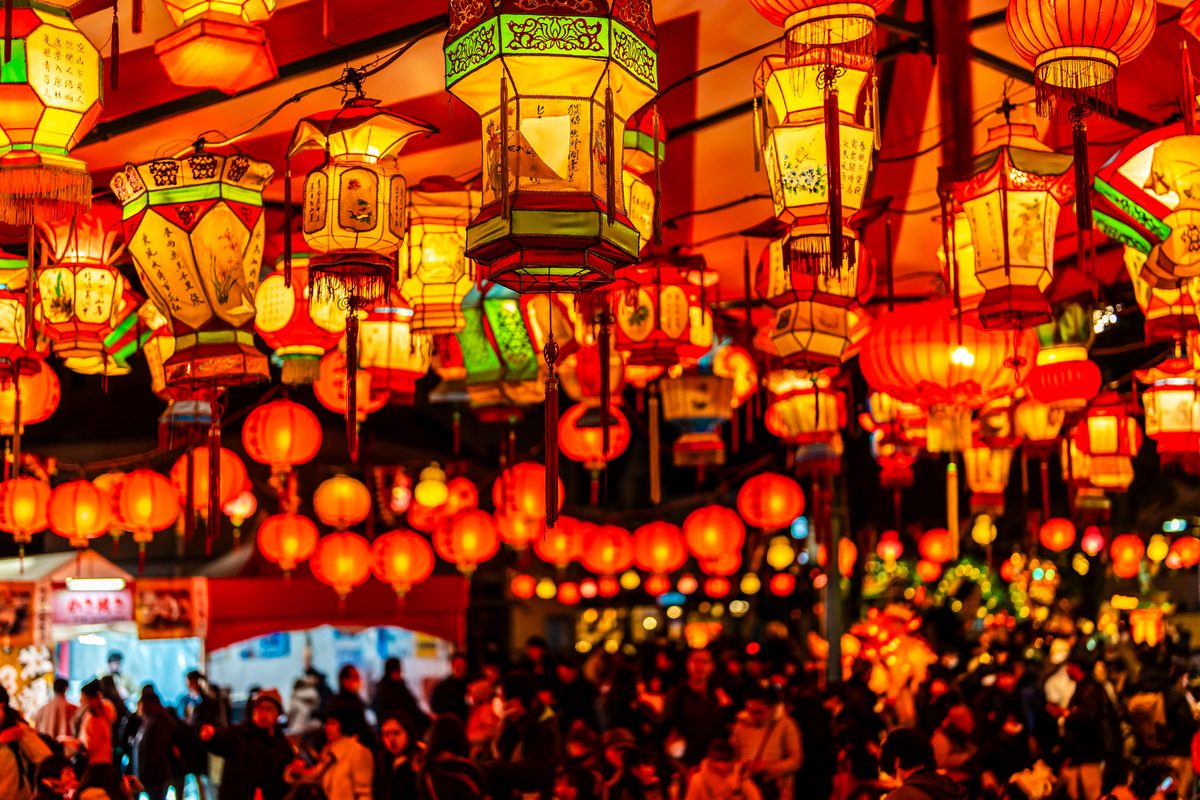
The Nagasaki Lantern Festival, held over fifteen days around the Lunar New Year, transforms Shinchi and the surrounding streets into one of the largest lantern displays in Japan. The event draws enormous crowds in February, and the combination of red lanterns against the dark harbourside streets is one of the more genuinely spectacular things the city produces.
Explore Nagasaki spots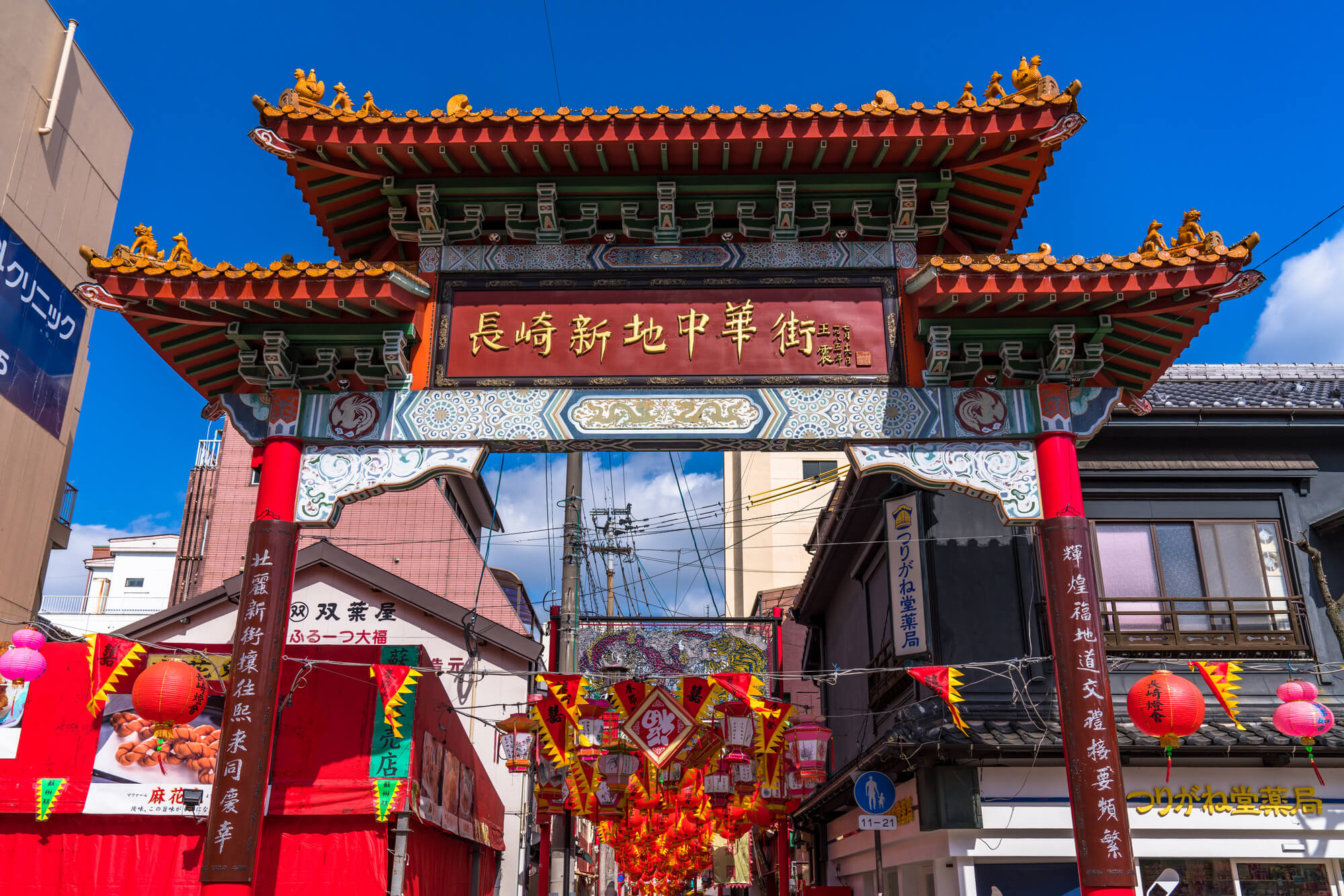
Hashima (Gunkanjima) — The Island Japan Abandoned
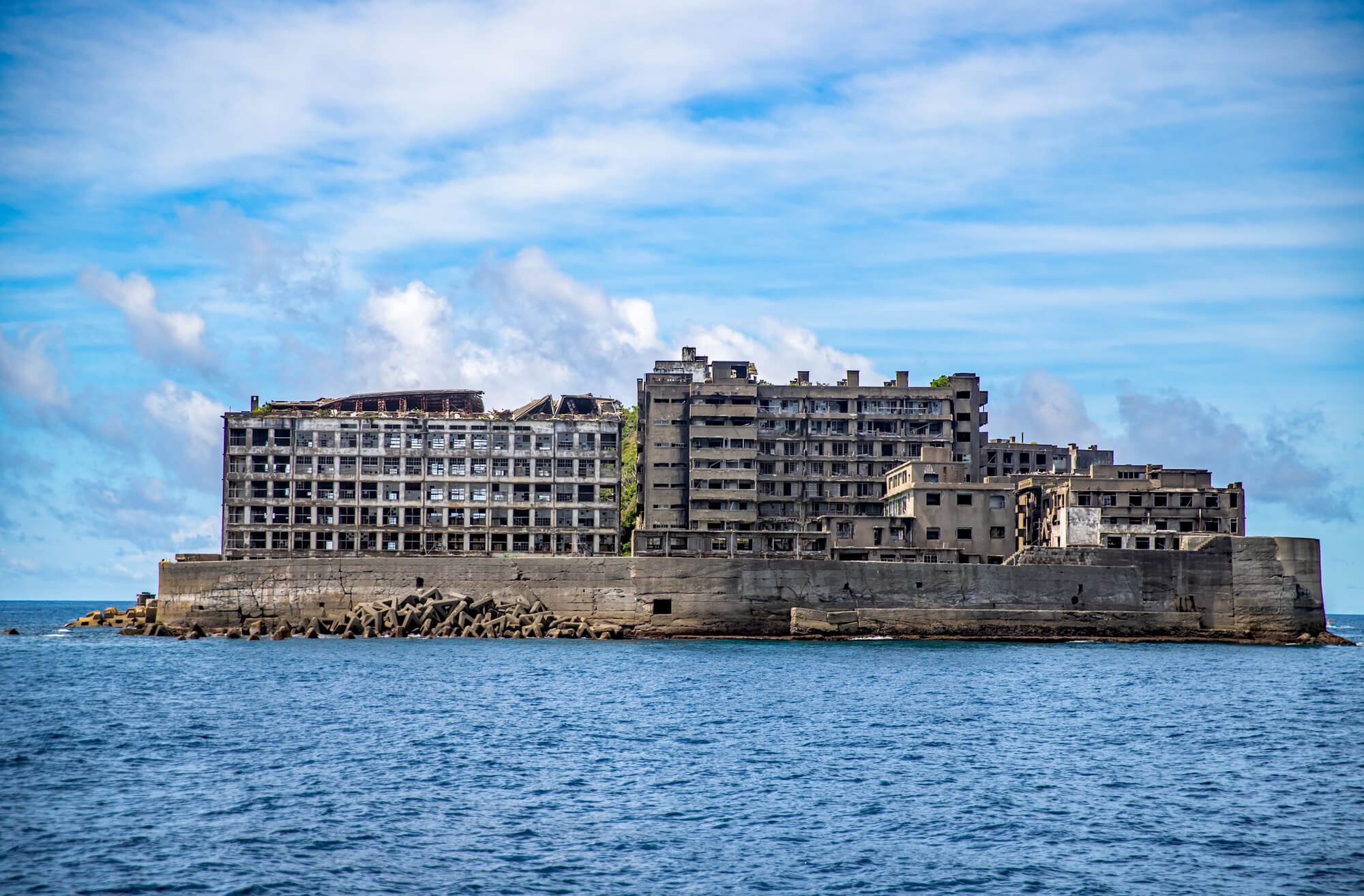
Hashima — known as Gunkanjima, 'battleship island', for its silhouette from the sea — was once the most densely populated place on earth. The island, a former coal mine operated by Mitsubishi, housed over 5,000 people on 6.3 hectares of reclaimed land at its peak in the 1950s: apartment blocks, a school, a hospital, a cinema, and pachinko parlours, all compressed into a space smaller than most urban parks.
The mine closed in 1974 as Japan shifted to oil, and within a year the island was completely abandoned. The buildings have been deteriorating for fifty years, and the effect of approaching Hashima by boat is genuinely unsettling — a vertical city emerging from the sea, emptied of its entire population in the space of a few months.
Tours from Nagasaki port run year-round, weather permitting. Access is restricted to a small section of the island's edge; the interior apartment blocks cannot be entered. Hashima was added to the UNESCO World Heritage list as part of the Meiji industrial revolution sites in 2015, a decision that generated significant diplomatic tension with South Korea over the use of Korean forced labour on the island during wartime.
Explore Nagasaki spotsUnzen — The Volcano That Changed History
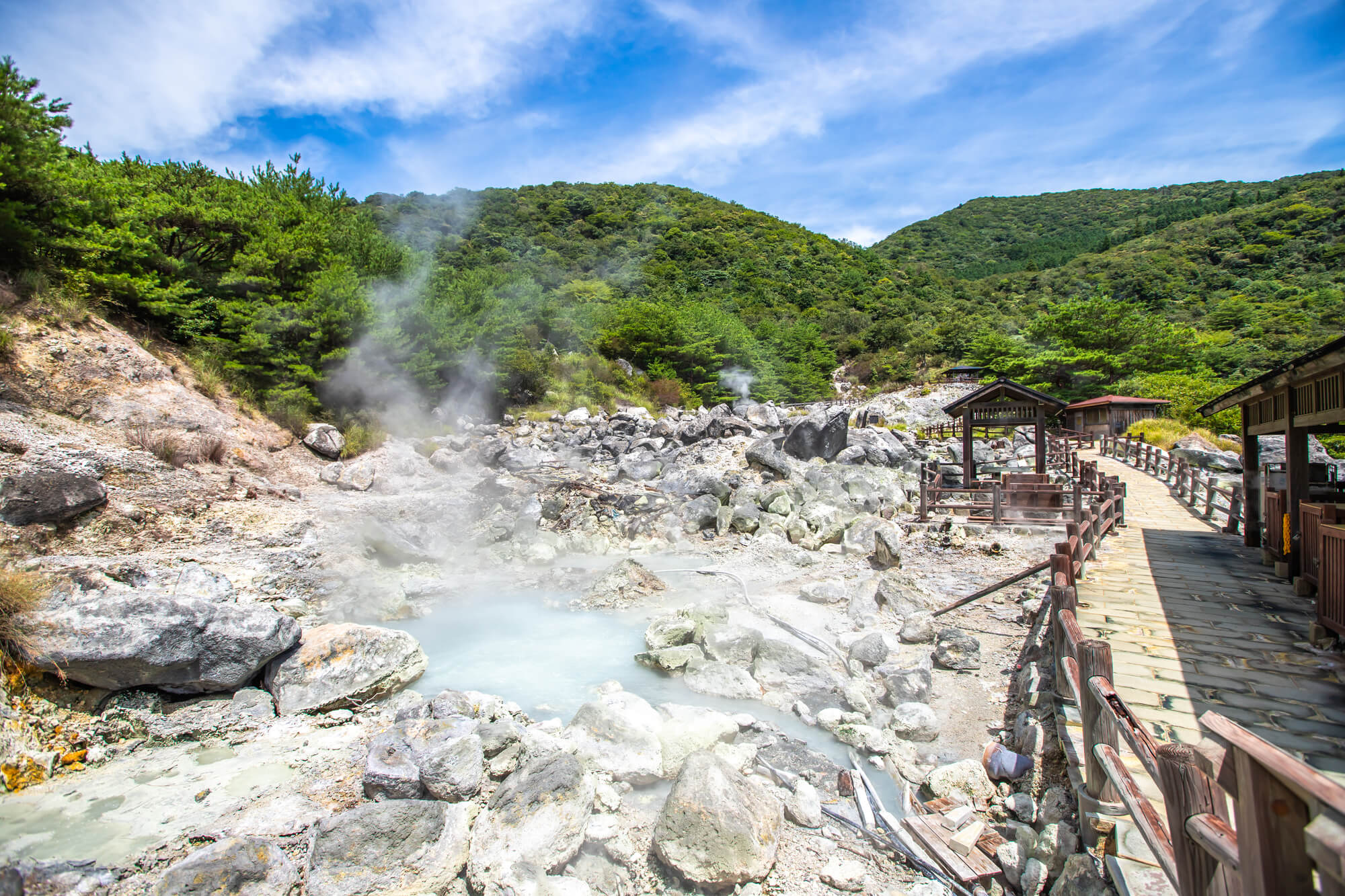
Unzen sits on the Shimabara Peninsula, and it is where one of the most significant events in Japanese religious history took place. In the 1620s and 1630s, the Tokugawa shogunate used Unzen's volcanic hot springs to torture and execute Christians — boiling prisoners in the sulphurous pools as a method of forcing apostasy. The Martyrs' Monument above the current town records the names of those who refused.
The Unzen Jigoku — the hell springs — are a field of boiling mud pools and steam vents covering several hectares around the town. Unlike Beppu's theatrically named hells, Unzen's pools have a quiet intensity: smaller, more numerous, set among walking paths through pine forest rather than a landscaped tourist circuit. The smell of sulphur is stronger here.
The onsen town itself is a Meiji-era resort that has changed little in character since its development in the early 20th century. The hotels are older, the pace is slower, and the views across the Ariake Sea from the higher paths are among the better ones in Kyushu.
Explore Unzen spotsGoto Islands — Japan's Catholic Frontier
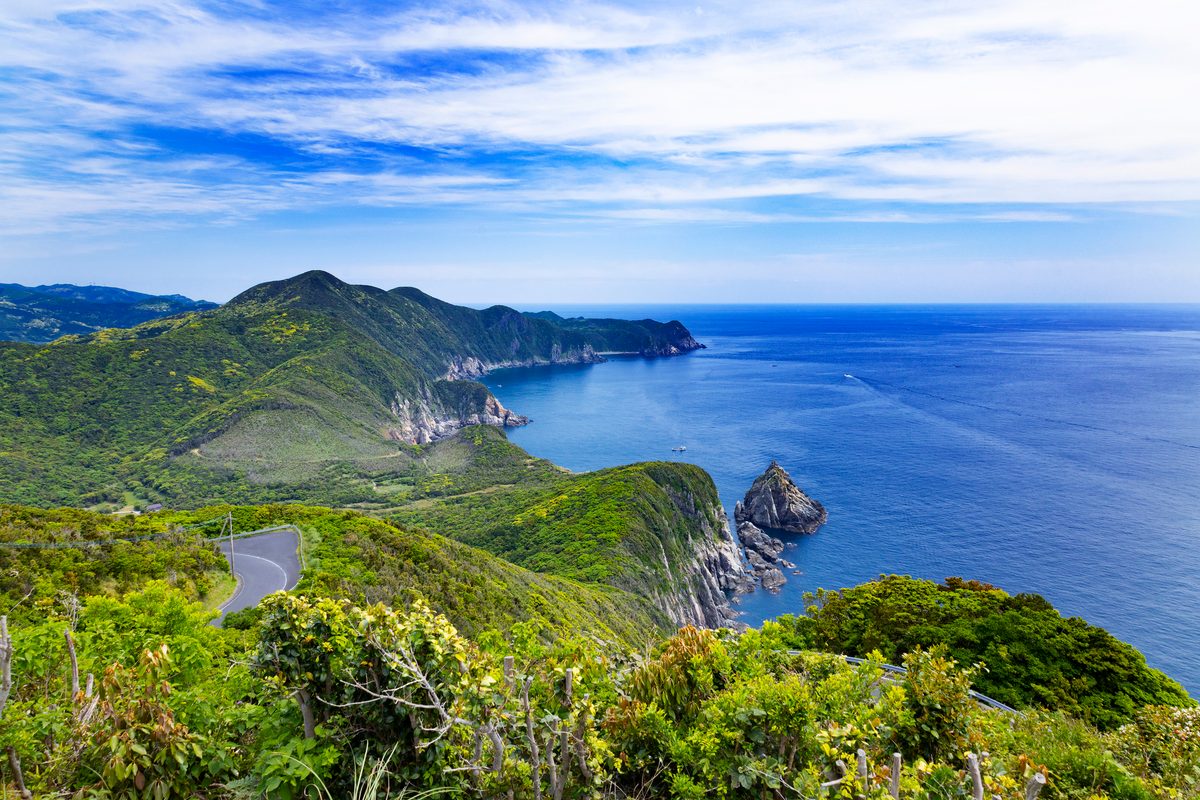
The Goto Islands sit sixty kilometres off the western coast of Nagasaki, a chain of five main islands and dozens of smaller ones that served as a refuge for Japan's hidden Christians — kakure Kirishitan — during the two-and-a-half centuries of the Tokugawa ban on Christianity. The islands' remoteness made surveillance difficult, and communities maintained their faith in secret, adapting Christian practice into local forms until the ban was lifted in the 1870s.
The legacy of this period is visible across the islands in a way unlike anything on the mainland: small Catholic churches, some of modest material but careful proportion, are scattered through fishing villages and hillside communities. The Dozaki Cathedral on Fukue Island, completed in 1908 and the oldest stone church in the Goto archipelago, stands on a promontory above the sea with a self-possession that comes from serving a community that worshipped here for decades before it was legal.
The islands are also simply beautiful in the way that remote, lightly populated Japanese coastline tends to be: clear water, cultivated terraces, small harbours with almost no tourist infrastructure. The food — Goto udon, sea urchin, freshly landed fish — is an additional reason to stay longer than a day.
Explore Goto spotsSasebo & Huis Ten Bosch — Where Nagasaki Gets Strange
Sasebo is a naval city — first Imperial Japanese Navy, then American, and now Japan Maritime Self-Defence Force — and the American military presence, which peaked during the Korean and Vietnam War periods, has left specific cultural traces. The Sasebo burger, a thick American-style sandwich developed by local restaurants catering to US personnel in the 1950s, is now a regional speciality with dedicated shops along the main street.
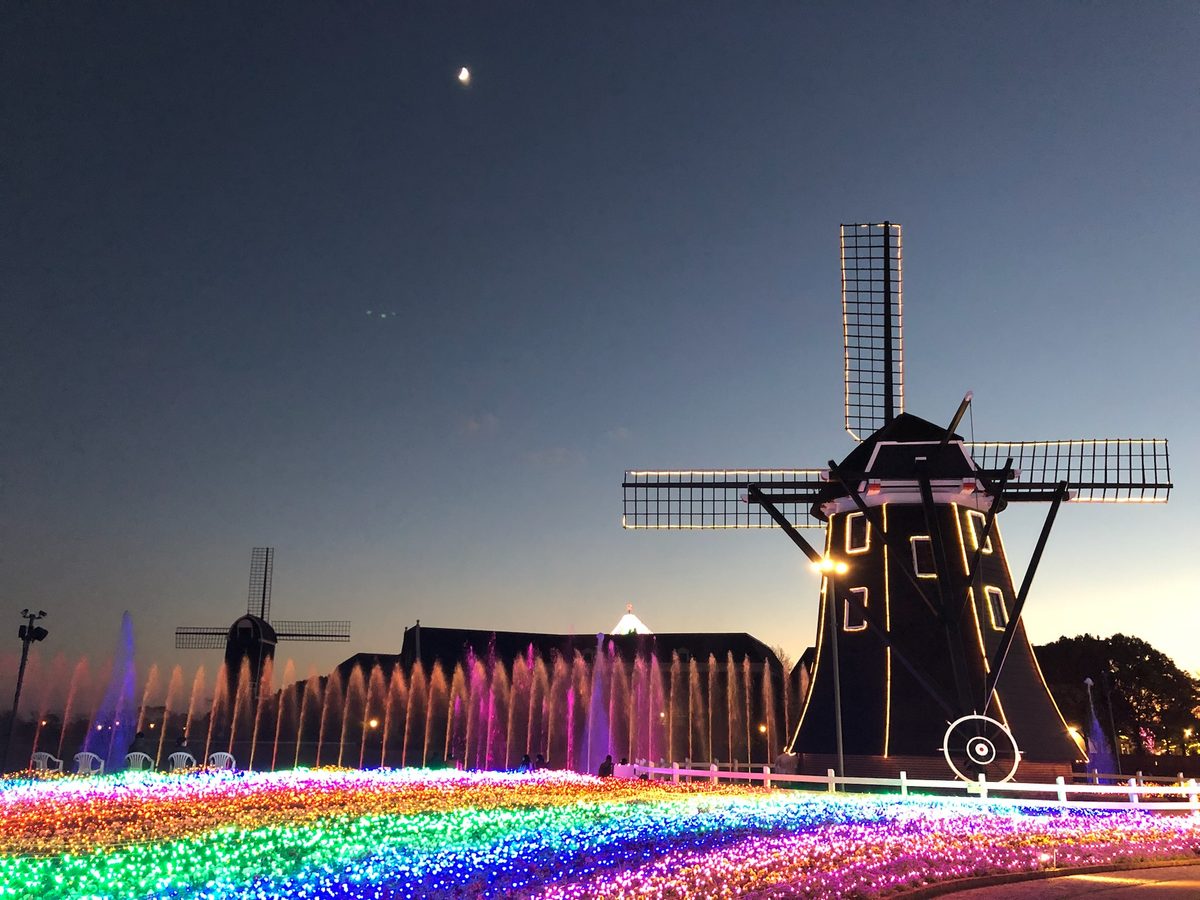
Huis Ten Bosch, a theme park built in Sasebo in 1992 to recreate a Dutch town in extraordinary detail, does not fit easily into any category. The scale is remarkable — the park covers 152 hectares, larger than Monaco — and the level of construction is not that of a conventional theme park. Buildings are modelled precisely on their Hague originals; a working windmill generates electricity; the canal network functions. Whether this constitutes a tourist attraction or an architectural curiosity is a question visitors are left to answer for themselves.
Sasebo also provides access to the Kujuku-shima archipelago — a dense chain of small forested islands in the bay best seen from the observation decks of Ishidake or from a kayak. The juxtaposition with the Dutch theme park forty minutes away is one of many things that makes Nagasaki Prefecture consistently surprising.
Explore Sasebo spotsHow to Plan Your Nagasaki Trip
Nagasaki City warrants two to three nights on its own — long enough to cover Dejima, the Peace Park, Glover Garden, and the hillside walking routes without rushing. The tram network makes the city unusually easy to navigate, and the density of significant sites within walking distance of each other is higher than in most Japanese cities of comparable size.
Gunkanjima tours take a half-day from the city and should be booked in advance, particularly in peak season. Unzen is a logical extension for anyone with a car or willing to take the bus south; the peninsula circuit via Shimabara and back across the bay by ferry is one of the better half-day drives in Kyushu.
The Goto Islands require a commitment: the fast ferry runs several times a day and the islands reward at least one night, preferably two. Sasebo and Huis Ten Bosch sit naturally at the start or end of a wider itinerary continuing towards Fukuoka. If the timing aligns, the Nagasaki Lantern Festival in February changes the city completely and is worth planning around.
Where are these spots?
How to Get There
Nagasaki Airport is on the Omura Bay coast, connected to Nagasaki City by bus in around 40 minutes. Direct flights from Tokyo (Haneda and Narita) take around 1.5 hours. From Fukuoka, the West Kyushu Shinkansen connects Hakata to Nagasaki in around 1 hour 20 minutes. Within the city, the tram network covers the main sights efficiently and cheaply. For Gunkanjima, boat tours depart from Nagasaki port and should be booked in advance. For the Goto Islands, a fast ferry from Nagasaki port takes around 1.5 hours. Unzen and Sasebo are best reached by bus or car.
Find your Japan
Find Your Nagasaki
Browse curated spots across Nagasaki Prefecture — from historic port city to volcanic islands — on Tobira.
Find match spotsMore Prefecture Guides
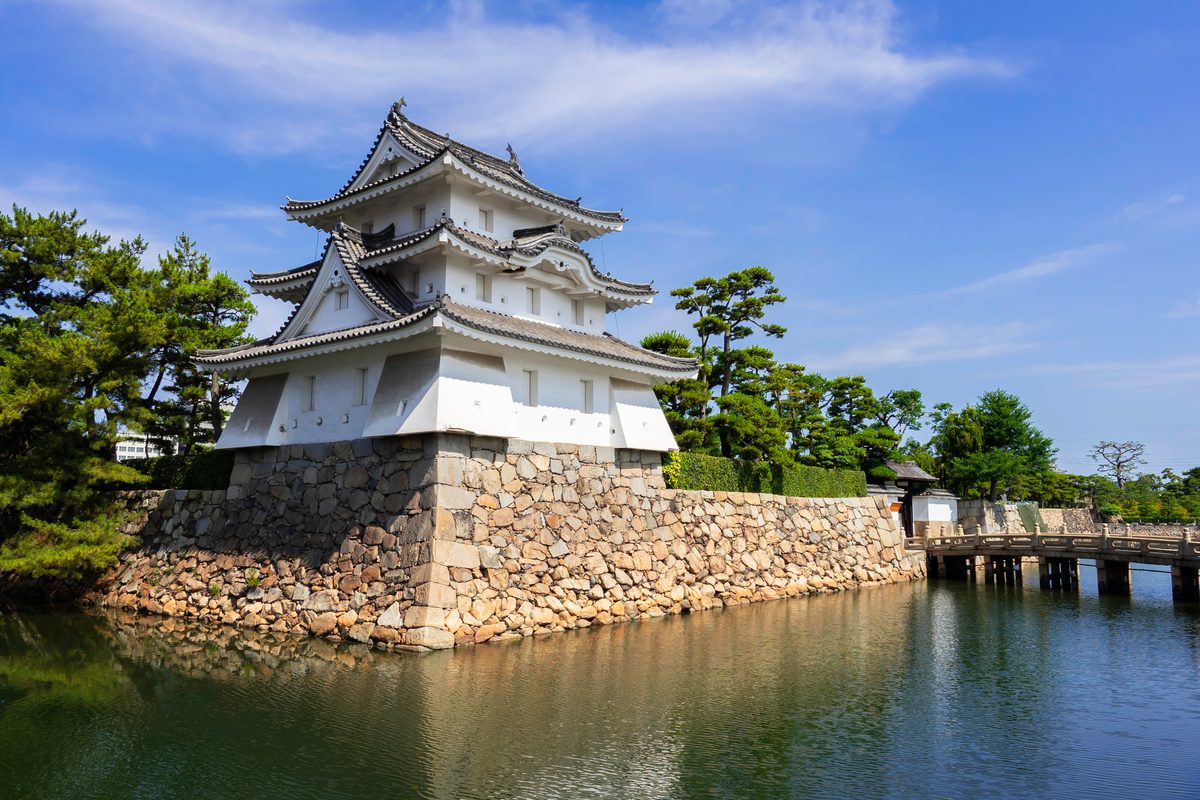
Kagawa: Udon, Art Islands, and the Most Climbed Stairs in Shikoku
11 min read
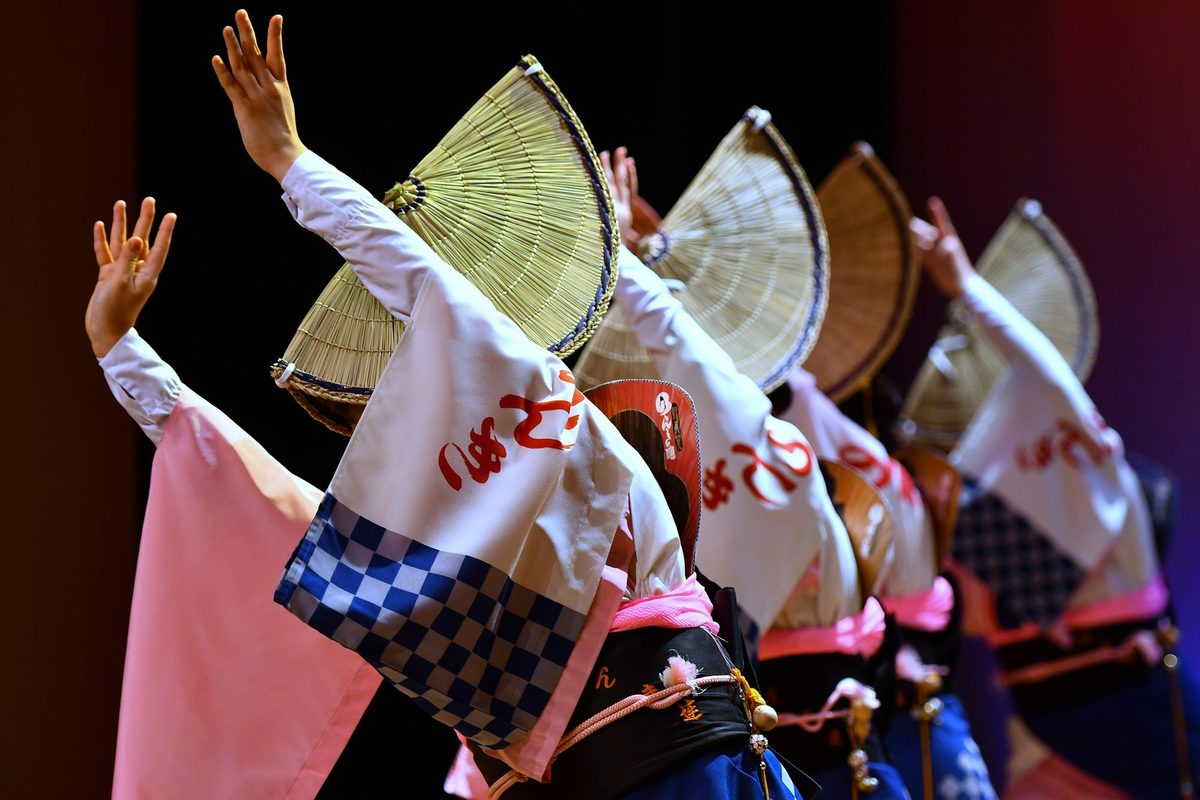
Tokushima: Whirlpools, the Valley That Time Missed, and Japan's Loudest Dance
11 min read
Kochi: The Wild Coast That Japan Forgot to Tame
12 min read
Ehime: Islands, Castles, and the Road That Goes Between
13 min read
Fukushima: Three Regions, One Prefecture, No Simple Story
12 min read
Akita: Snow Country, Rice Country, and Monsters on New Year's Eve
12 min read
Yamagata: Cherries, Sacred Mountains, and Snow That Eats the Trees
12 min read
Miyagi: The Coast, the Castle, and Sendai Between Them
11 min read
Iwate: Where the Mountains Lean Against the Pacific
12 min read
Aomori: Where Winter Invented Its Own Festival
12 min read
Kagoshima: Where the Mainland Finally Runs Out of Land
12 min read
Miyazaki: Where the Sun God Hid and the Horses Run Wild
11 min read
Saga: Older Than You Think, Quieter Than Most
11 min read
Oita: Where the Earth Still Boils
12 min read
Fukuoka: Where Japan Eats, Breathes, and Gets On With It
14 min read
Hokkaido Travel Guide: Ten Places Beyond Sapporo
16 min read