
Saga: Older Than You Think, Quieter Than Most
Saga moves at a pace that the rest of Kyushu has largely abandoned. The cities are modest, the roads are clear, and the landscape — somewhere between agricultural flatland and dramatic coastline — has none of the volcanic drama of Oita or the historical density of Nagasaki. What Saga has instead is depth: pottery towns where the craft has been continuous for four centuries, an archaeological site that rewrites Japanese prehistory, onsen towns that have not yet been discovered by tour buses. It is a prefecture that rewards curiosity over convenience.
Saga is the prefecture that most visitors to Kyushu pass through without stopping, which is a mistake that rewards those who make it. The region produced the first Japanese porcelain and remains the heart of a ceramic industry that shaped European taste for two centuries. It also contains some of the oldest settlement evidence in Japan, a castle that stands directly above the sea, and a tidal flat that hosts more migratory birds than almost anywhere in Asia.
Karatsu — Castle, Pine Forest, and Sea Caves
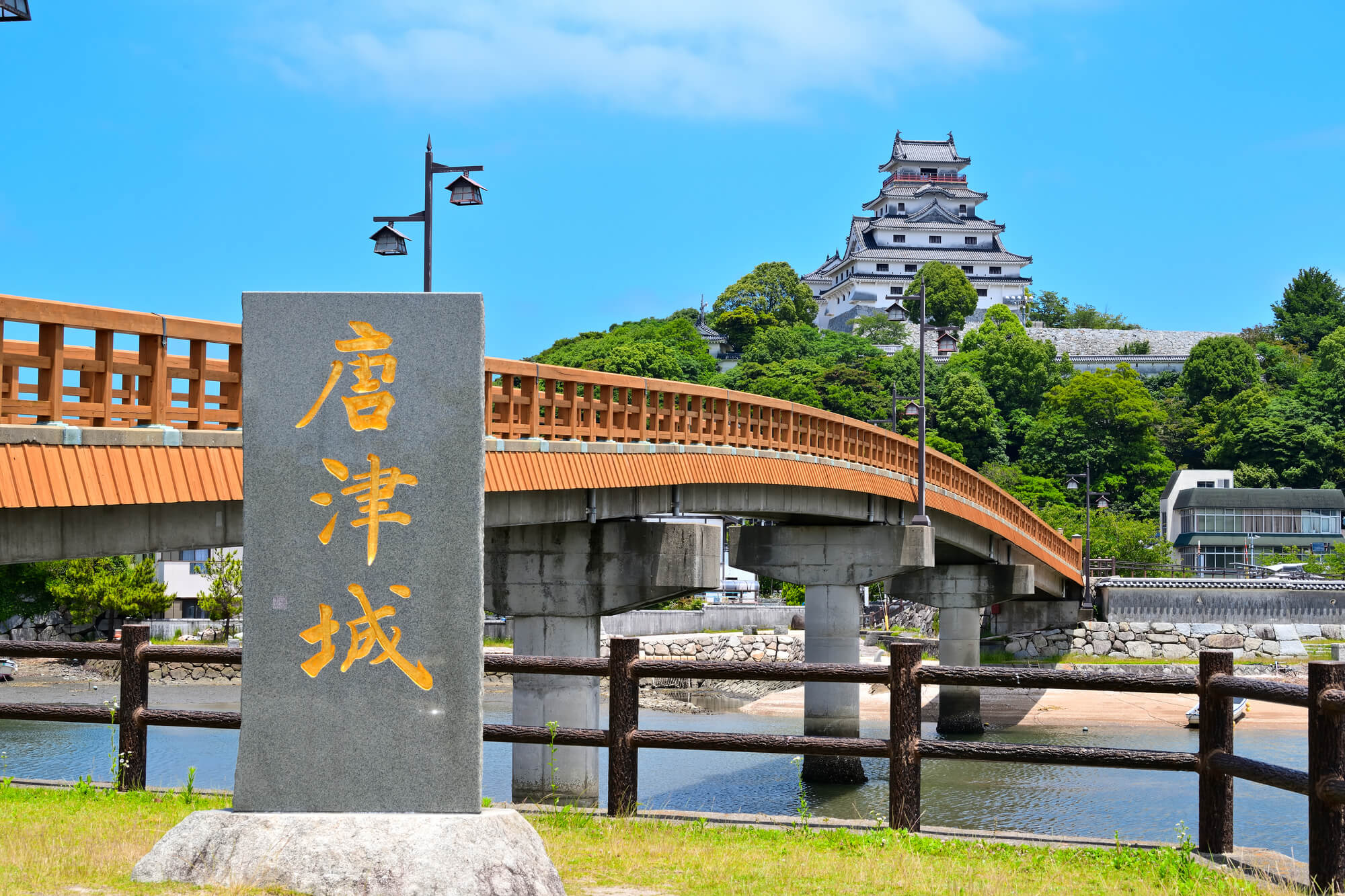
Karatsu Castle stands on a promontory directly above the sea, connected to the shore by a pine-forested causeway. The tower was rebuilt in 1966 but the position is irreplaceable: from the upper floors, the bay curves away in both directions and the Niji-no-Matsubara pine forest — seven kilometres of Japanese black pine planted in the early Edo period — runs along the shoreline below.
The beach backed by that forest is among the better stretches of coastline in northern Kyushu: wide, relatively uncrowded outside summer, and usable for swimming in July and August. The town behind it has its own ceramic tradition, separate from the more famous kilns of Arita. Karatsu-yaki, a rough-textured earthy style prized for tea ceremony use since the 16th century, is made here by a small number of kilns that do not especially advertise themselves.
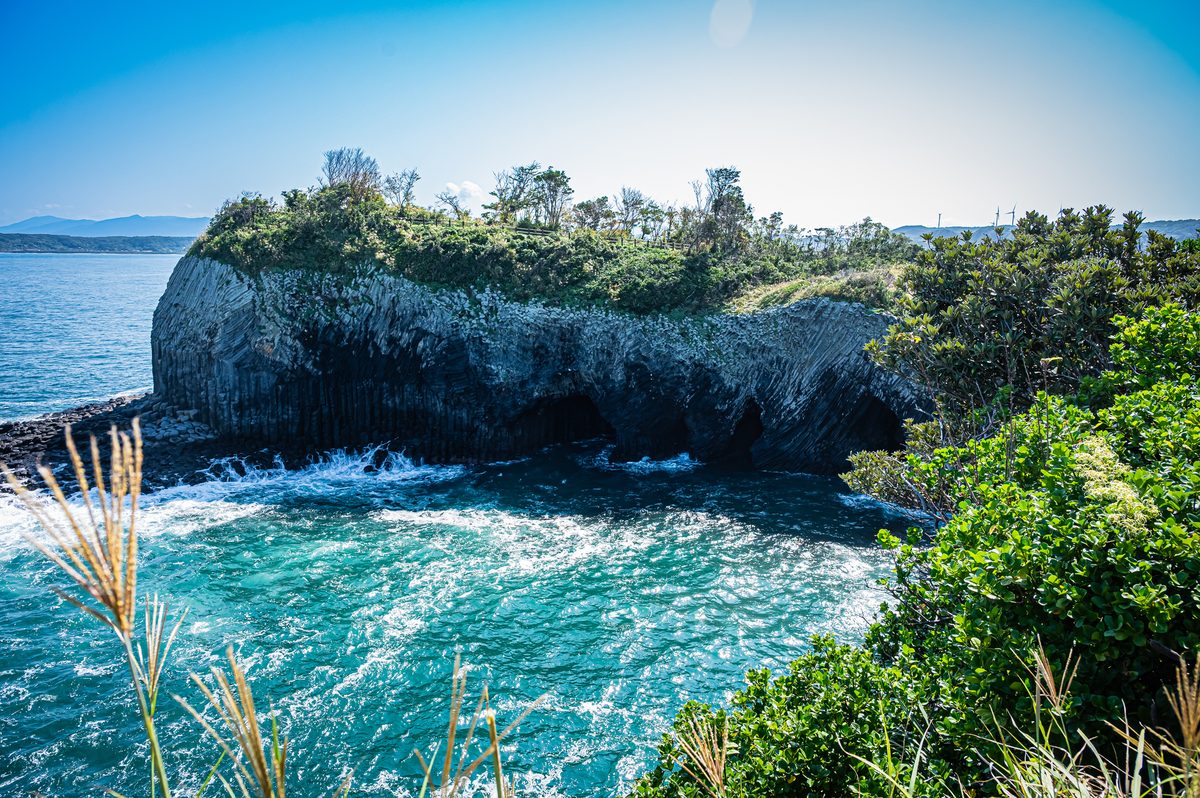
Along the coast towards Yobuko, the Nanatsugama sea caves — a series of sea-carved basalt caverns accessible by glass-bottomed boat — manage to be genuinely impressive while remaining almost entirely off international tourism radar. The boats depart from Yobuko, which is also worth visiting for its morning market and grilled squid, a local speciality serious enough to have a street dedicated to it.
Explore Karatsu spots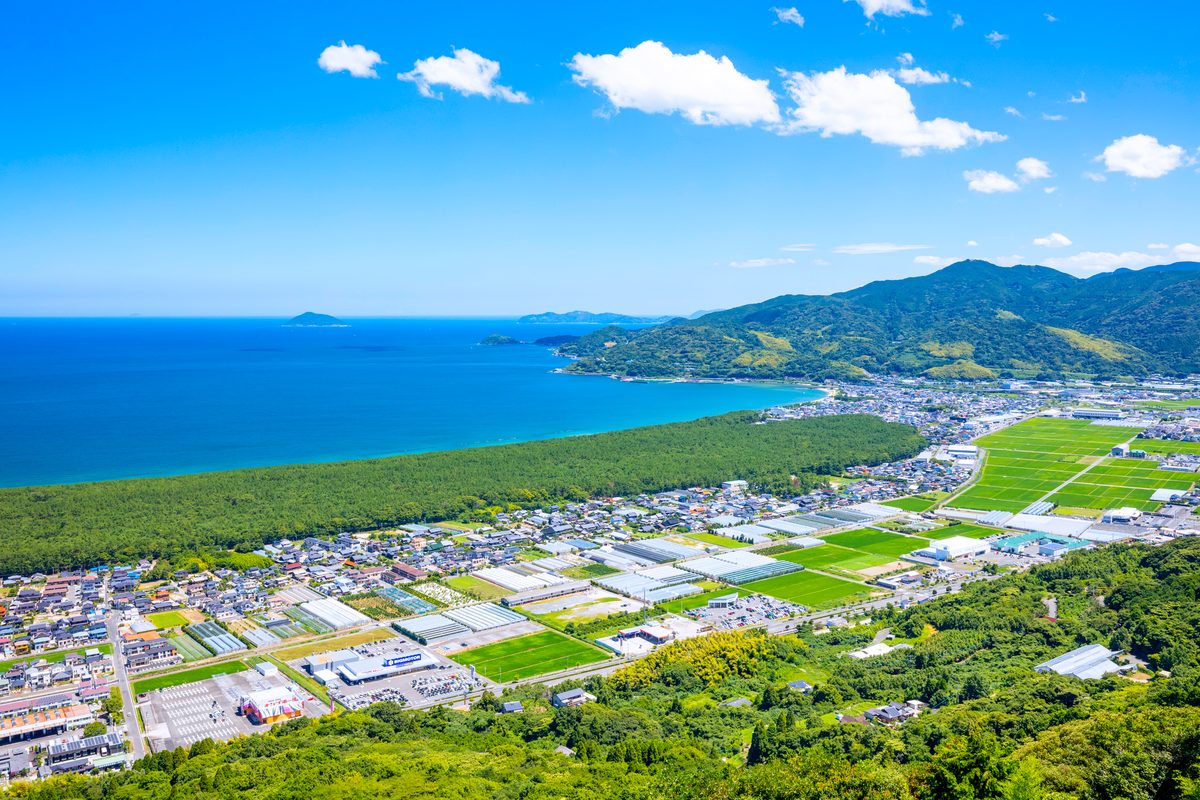
Arita & Imari — The Towns That Taught Europe to Make Porcelain
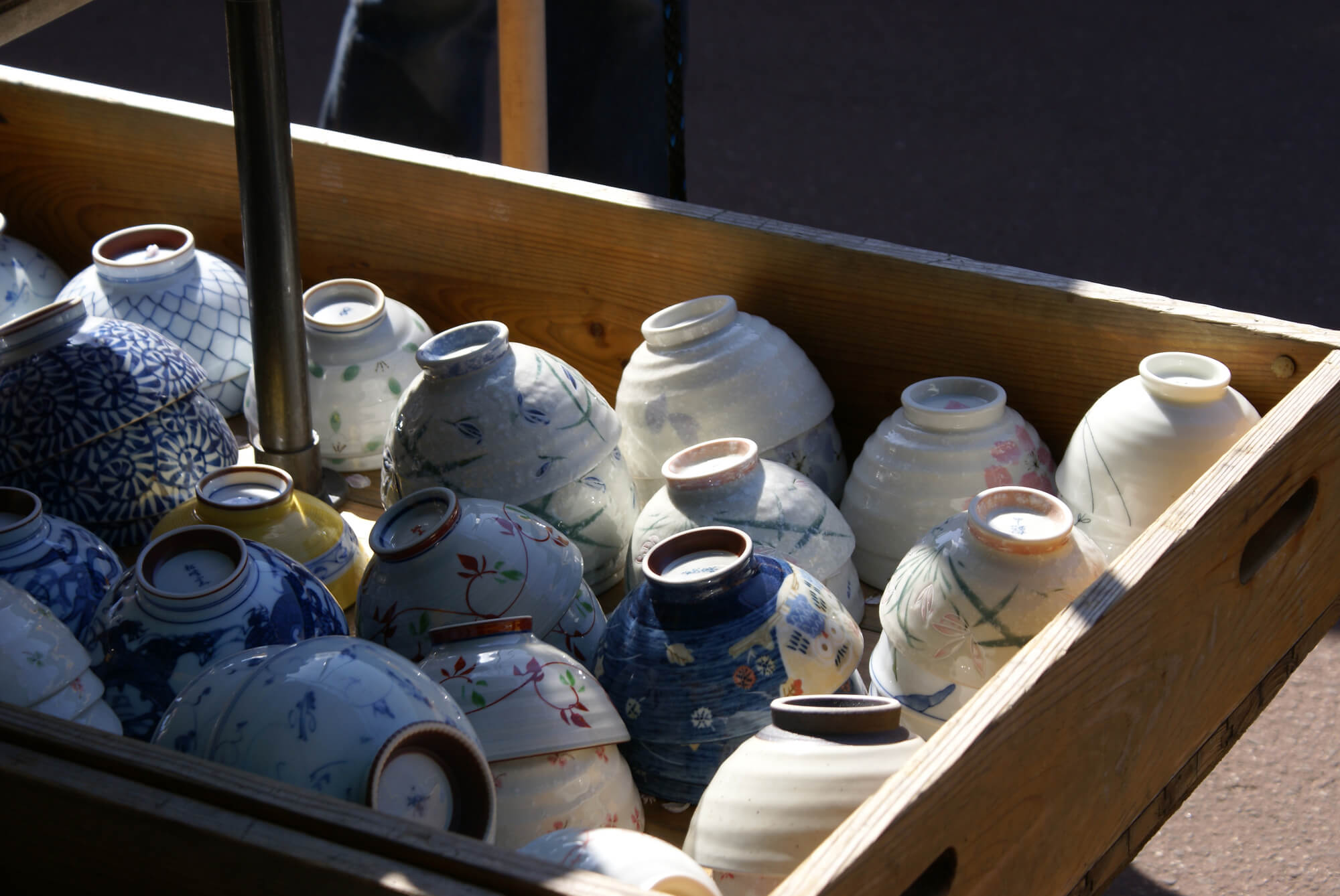
In 1616, a Korean potter named Yi Sam-pyeong discovered white kaolin clay in the hills above Arita. Within a generation the town was producing the first true porcelain in Japan, and within fifty years that porcelain was being exported to Europe through the Dutch East India Company in quantities sufficient to reshape the tastes of the European aristocracy. Meissen, Delft, and Sèvres all developed partly in response to what came out of these hills.
The Arita Pottery Town follows a single main street lined with kiln shops, galleries, and manufacturers that range from tourist-oriented to genuinely serious. The better shops are clustered near the Tozan Shrine, where a ceramic torii gate marks the importance of the craft to the community. The Arita Ceramic Fair, held over Golden Week each year, draws hundreds of thousands of buyers — which gives some indication of what the town looks like the rest of the year.
Okawachi-yama, a valley outside Imari where the Nabeshima clan established their official kilns in the 17th century, is a different experience entirely: a compact hamlet of a dozen working kilns set against a hillside, connected by stone paths and small streams, with almost no commercial infrastructure. The quality of the work here is high and the setting unusual enough to justify the detour from Arita.
Explore Arita spots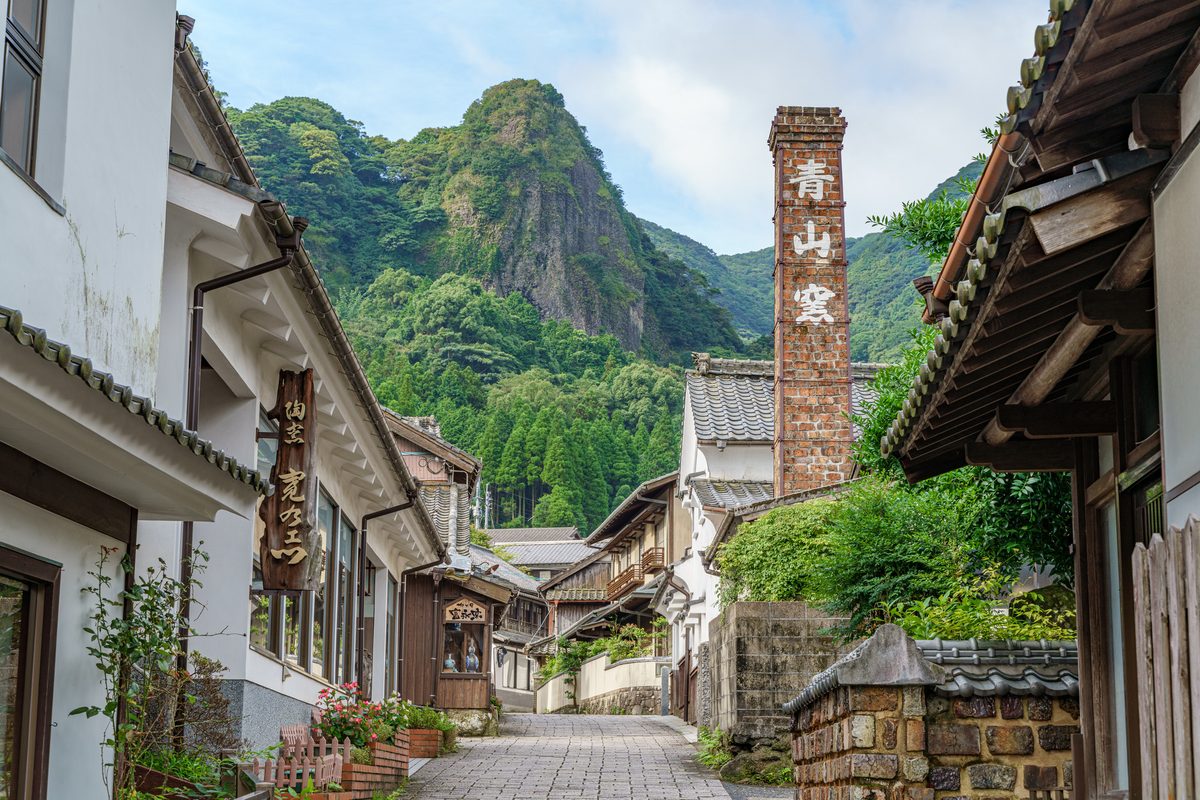
Yoshinogari — Japan Before the Sword
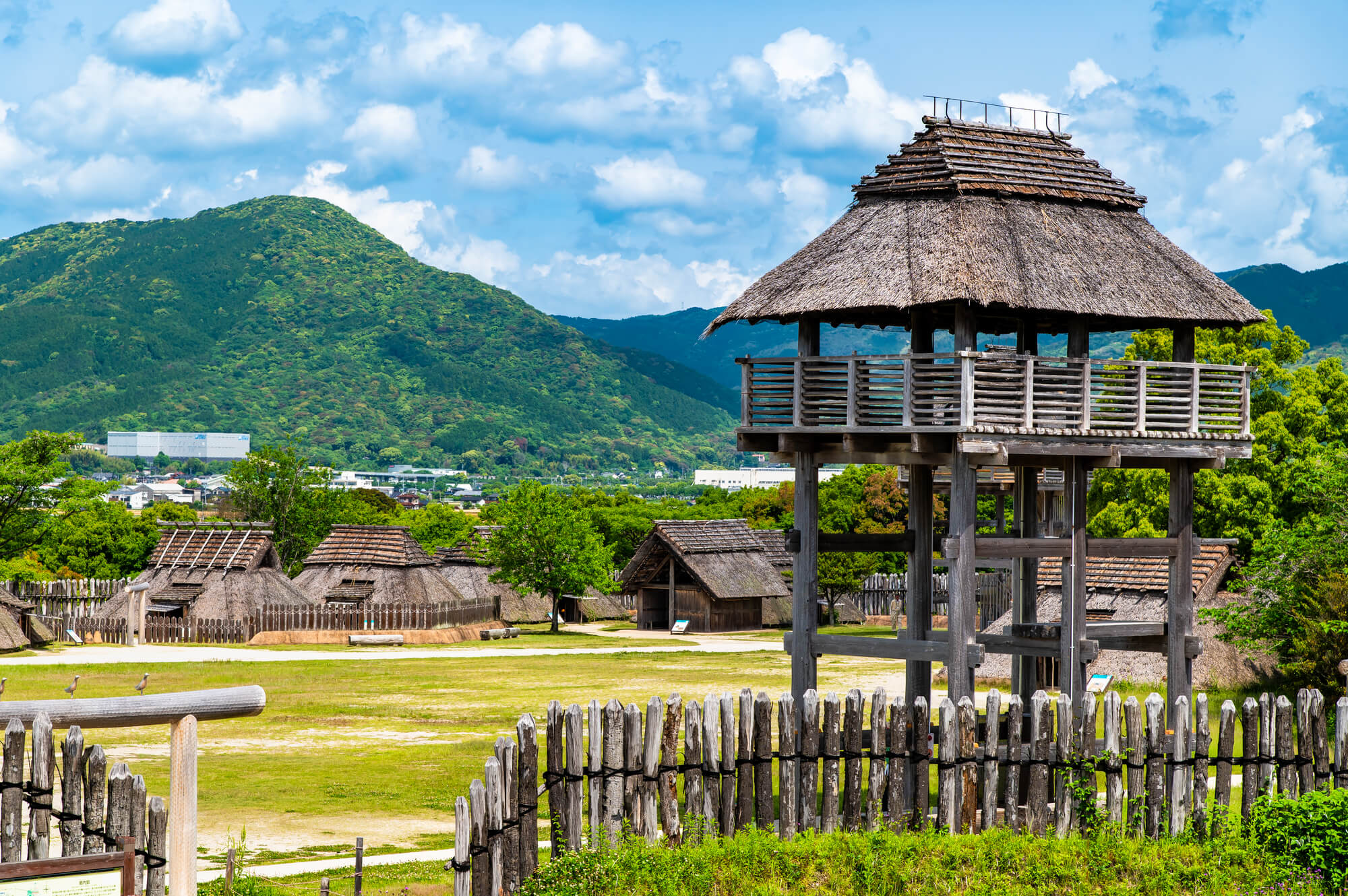
Yoshinogari is one of the largest and most significant archaeological sites in Japan, and one of the least known outside the country. The site covers over 40 hectares and dates from around 400 BCE to 300 CE, straddling the Yayoi period that transformed Japan from a hunter-gatherer society into a settled, rice-farming civilisation. The scale of the settlement and the sophistication of its defensive earthworks suggest a society considerably more complex than the standard account of early Japanese history tends to acknowledge.
The reconstructed village is large enough to require two to three hours to cover properly: watchtowers, burial mounds, ceremonial halls, and residential quarters have all been rebuilt on their original foundations using period techniques. The effect is more educational than atmospheric, but the sheer size of the site and the evidence it presents for a sophisticated pre-state society in Kyushu gives the place a weight that the visitor centre explains rather well.
Yoshinogari is also hypothesised by some scholars to be the site of Yamatai, the legendary country ruled by the shaman queen Himiko described in Chinese historical records of the 3rd century CE. The evidence is disputed and the museum is careful about the claim, but the possibility adds another layer to a site that is already remarkable on purely archaeological terms.
Explore Saga spotsTakeo — Onsen, a Garden, and a Very Famous Library
Takeo became unexpectedly famous when the city's public library, renovated by Tsutaya Books and Starbucks in 2013, became a national conversation about what a public library should be. The renovation is polarising — it is beautiful, commercially operated, and functions as a bookshop as much as a library — but it drew enough visitors to put Takeo on the map for those who would not otherwise have considered it.
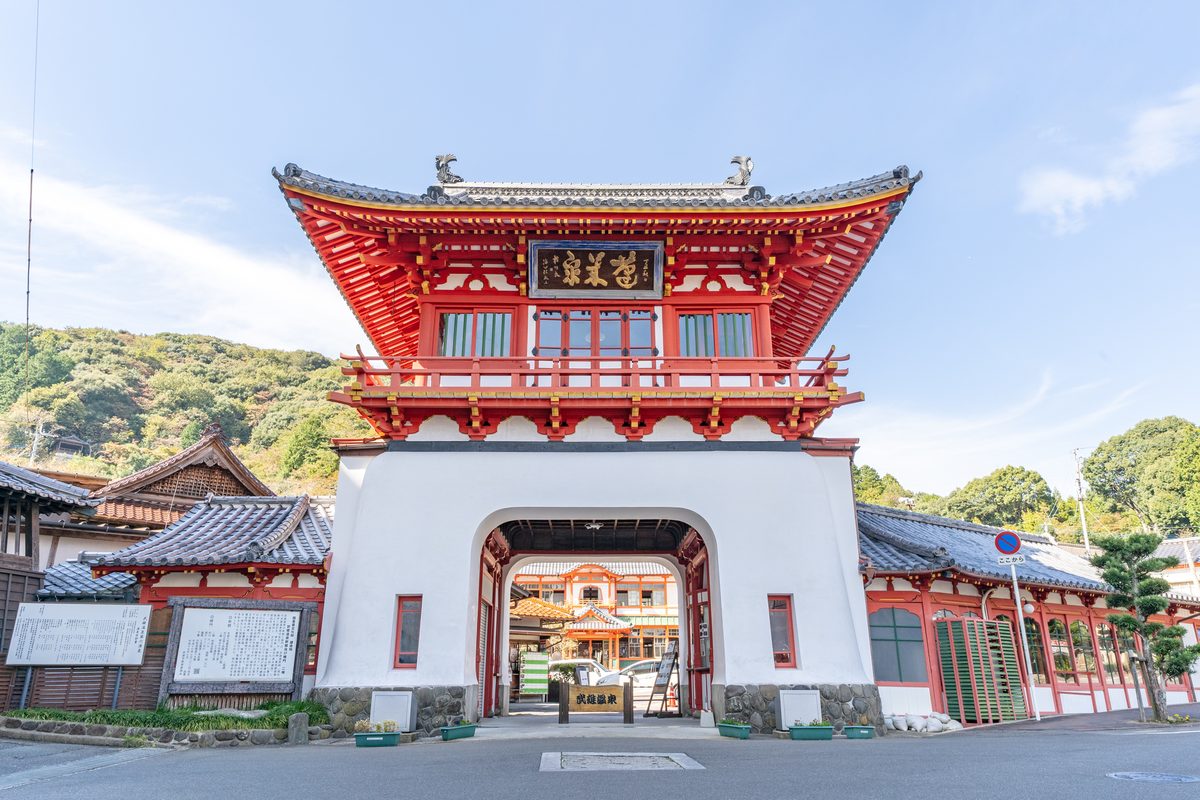
The older reason to visit is the onsen. Takeo Onsen has been operating for over 1,300 years; the current gateway building, a red-painted structure in the Chinese architectural style, dates from 1915 and is one of the more distinctive onsen entrances in Kyushu. The baths are genuinely old, the water is soft, and the town around them is compact enough to cover on foot.
Mifuneyama Rakuen, a garden covering 500,000 square metres of hillside above the town, was developed by the Nabeshima clan in the 1840s. In April and early May, azaleas cover the upper slopes in a density and colour that makes the garden one of the best flower-viewing destinations in Kyushu — a fact that has not yet been widely noted in English-language travel writing.
Explore Takeo spots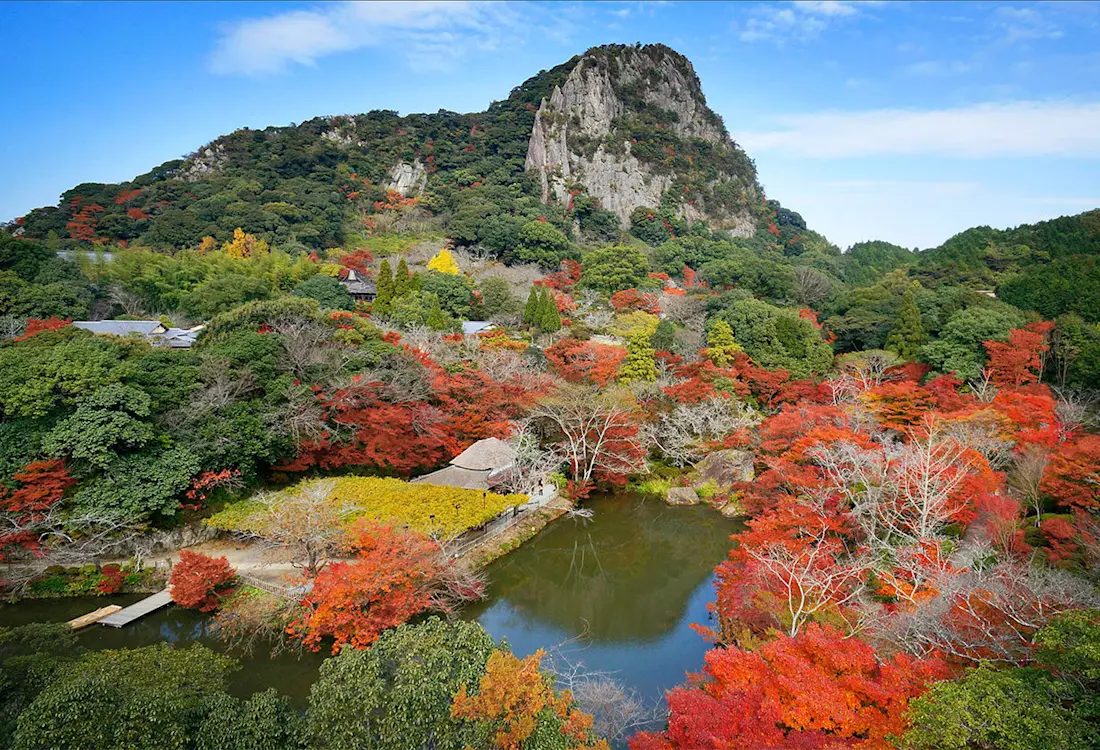
Saga City — Japan's Most Underestimated Prefectural Capital
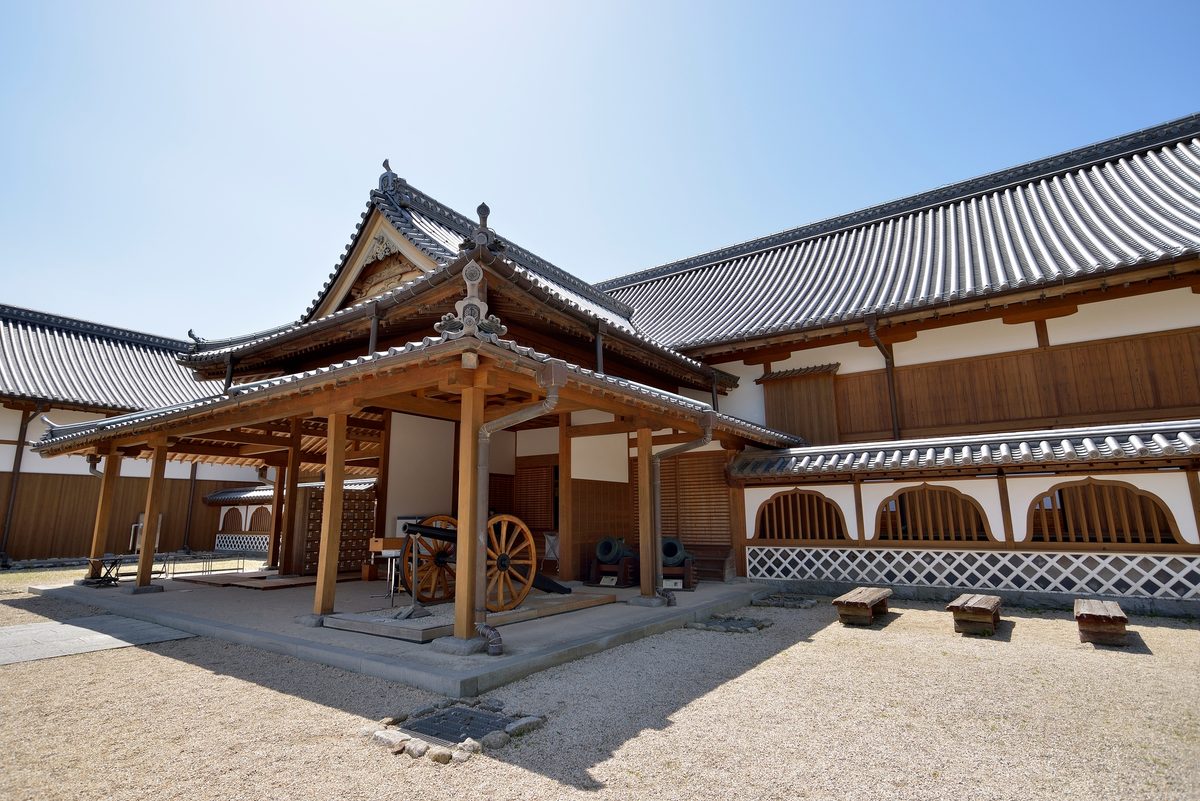
Saga City is the kind of prefectural capital that guidebooks dismiss in a paragraph and move on. This is defensible — the centre was comprehensively redeveloped in the postwar period and lacks the historic fabric of Karatsu or Arita — but it underestimates what the city offers to anyone curious about the Meiji period.
The Saga clan played an outsized role in the Meiji Restoration, producing statesmen and military leaders who shaped the new government to a degree disproportionate to the prefecture's size. The Saga Castle History Museum, built on the ruins of the original castle, covers this history in a building that is itself an architectural achievement — a full-scale reconstruction of the castle's main hall, which burned down in 1874.
The Saga International Balloon Fiesta, held each October over a week in the Kase River floodplain, is the largest hot-air balloon festival in Asia. The sight of a hundred balloons rising simultaneously over flat farmland in the early morning is, by most accounts, genuinely spectacular — and it is the event that fills every hotel in the prefecture for one week each year.
Explore Saga City spots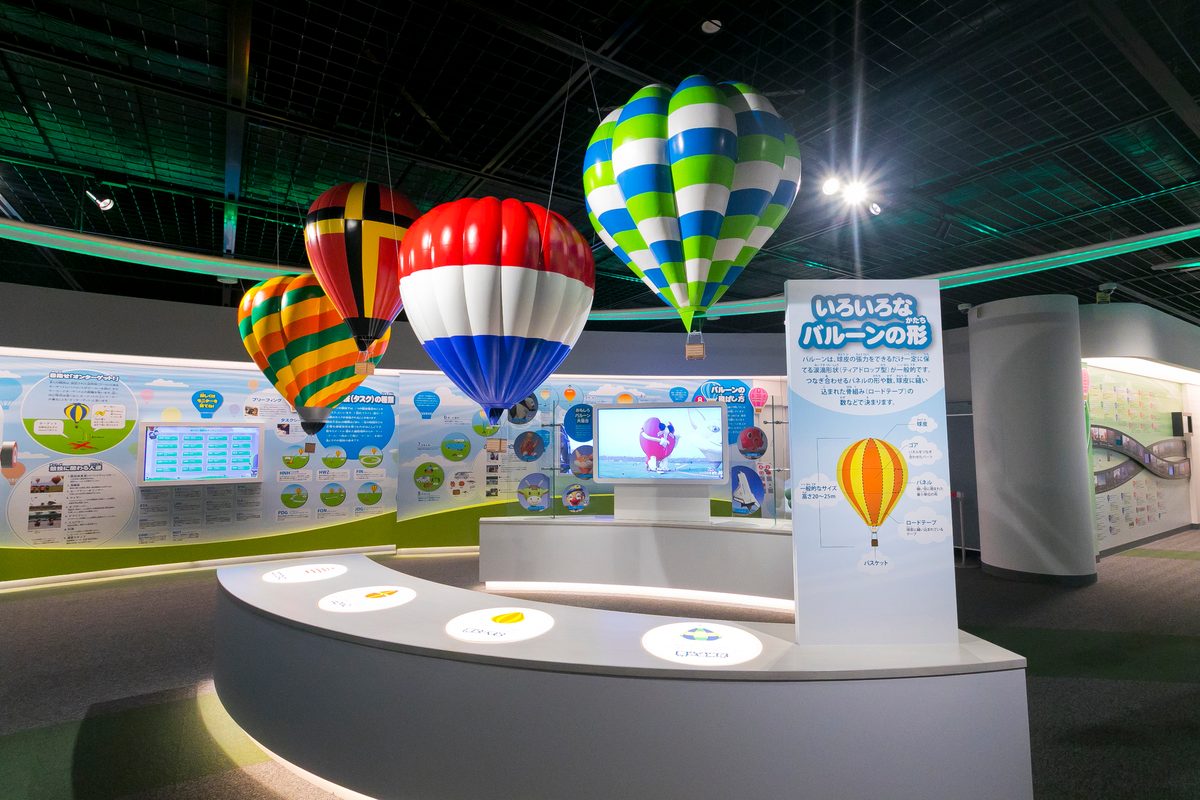
Kashima & the Ariake Coast — Shrines, Mud, and the Sea
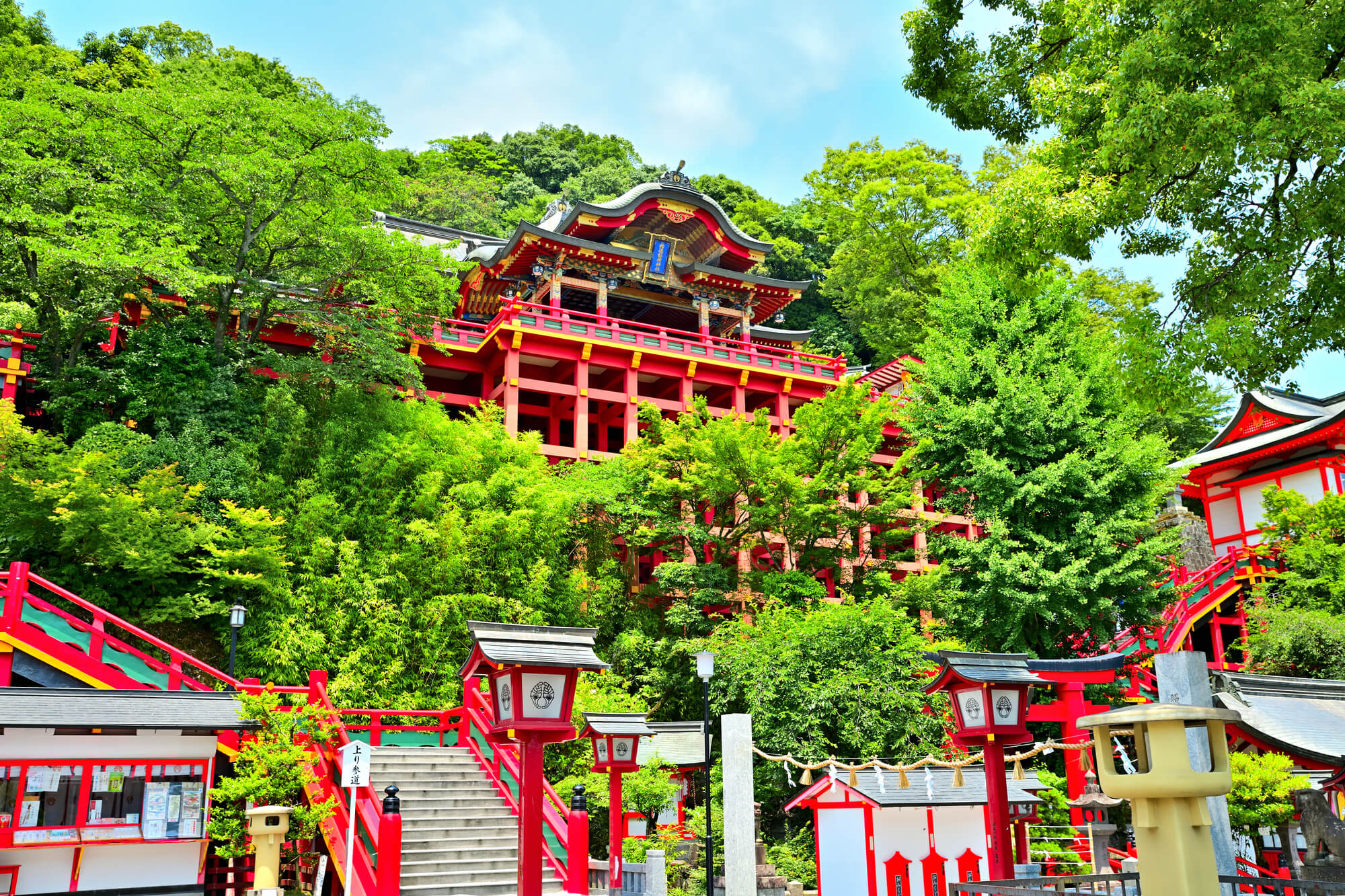
Yutoku Inari Shrine sits in a cedar-forested hillside above Kashima, its buildings constructed over a river gorge in an architectural arrangement that required considerable engineering. It is the third largest Inari shrine in Japan, a claim locals repeat with confidence and which is not inaccurate. The corridors of vermilion torii, the forest, and the river visible below the elevated walkways give the place a quality that more famous shrines have largely lost to crowds.
The Ariake Sea coast below Kashima is home to the Higashiyoka tidal flat, one of the largest intertidal wetlands in Japan and a critical staging point for migratory shorebirds moving between Siberia and Australia. The flat is most dramatic in October and November, when tens of thousands of dunlins, godwits, and sandpipers stop to feed in the mud before continuing south. The observation decks are modest and the infrastructure minimal — the kind of place that attracts serious birdwatchers and few others.
The Ariake Sea itself, enclosed on three sides by Kyushu and opening only towards the Shimabara Peninsula, has an unusual tidal range of up to six metres — the largest in Japan. The seafood from these waters, particularly the local specialities sold at the Kashima waterfront market, is considered among the best in Kyushu.
Explore Kashima spots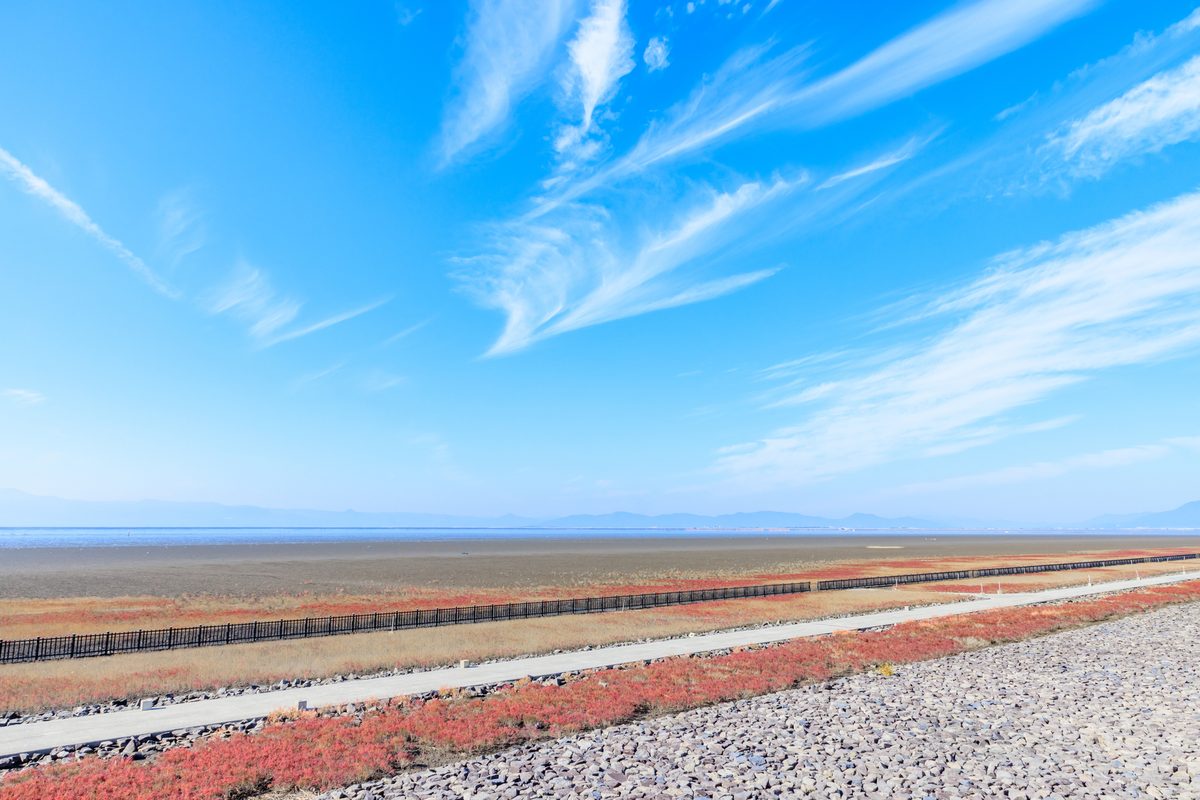
How to Plan Your Saga Trip
Saga works well as either a standalone two-to-three-day trip from Fukuoka or as part of a wider Kyushu itinerary. The prefecture is small enough that driving its length takes under two hours, and the main sites are spread in a logical arc: Karatsu in the northwest, the ceramics towns of Arita and Imari in the centre-west, Takeo and Yoshinogari in the middle, Saga City in the east, and the Ariake coast and Kashima in the south.
For a ceramics-focused trip, Arita and Imari each warrant a full day; the Arita Ceramic Fair during Golden Week is worth planning around if the crowds are acceptable. Karatsu is best with at least one night — the town is different in the evening, and the morning market at Yobuko starts early.
The Balloon Fiesta in October changes Saga City entirely and requires booking accommodation months in advance. Outside festival season the city is one of the more straightforward bases in Kyushu: affordable, well-connected to Fukuoka by train, and close enough to the main sites that a car is useful but not essential.
Where are these spots?
How to Get There
Saga Station is connected to Hakata (Fukuoka) by the JR Nagasaki Line in around 40 minutes by express. The West Kyushu Shinkansen connects Takeo-Onsen Station to Hakata in around 50 minutes, making the Takeo area particularly accessible. Karatsu is reached from Hakata by the JR Chikuhi Line in around 1 hour 20 minutes. Arita and Imari are served by the JR Sasebo Line from Hakata. Within the prefecture, a car significantly expands what is reachable — Yoshinogari, Kashima, and the Ariake coast are all more comfortable with one. Car hire is available at Saga Station.
Find your Japan
Find Your Saga
Browse curated spots across Saga Prefecture — from ancient porcelain kilns to the Ariake coastline — on Tobira.
Find match spotsMore Prefecture Guides
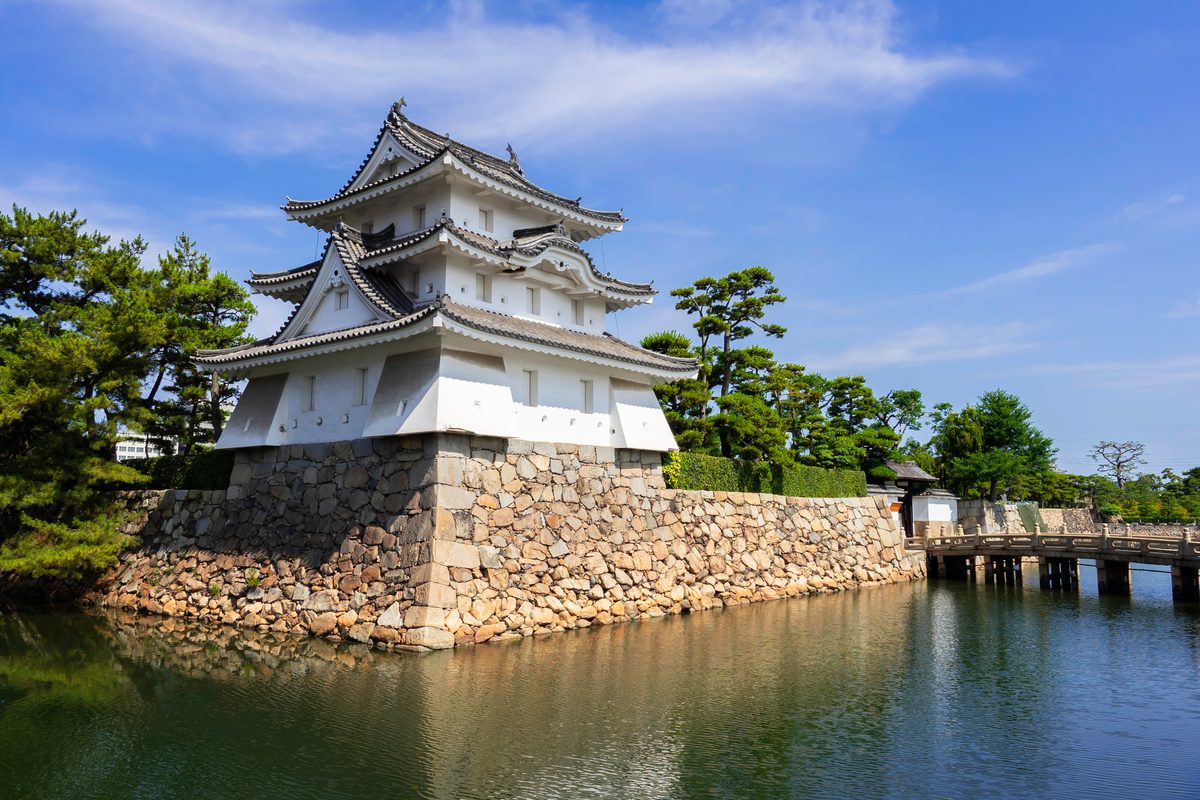
Kagawa: Udon, Art Islands, and the Most Climbed Stairs in Shikoku
11 min read
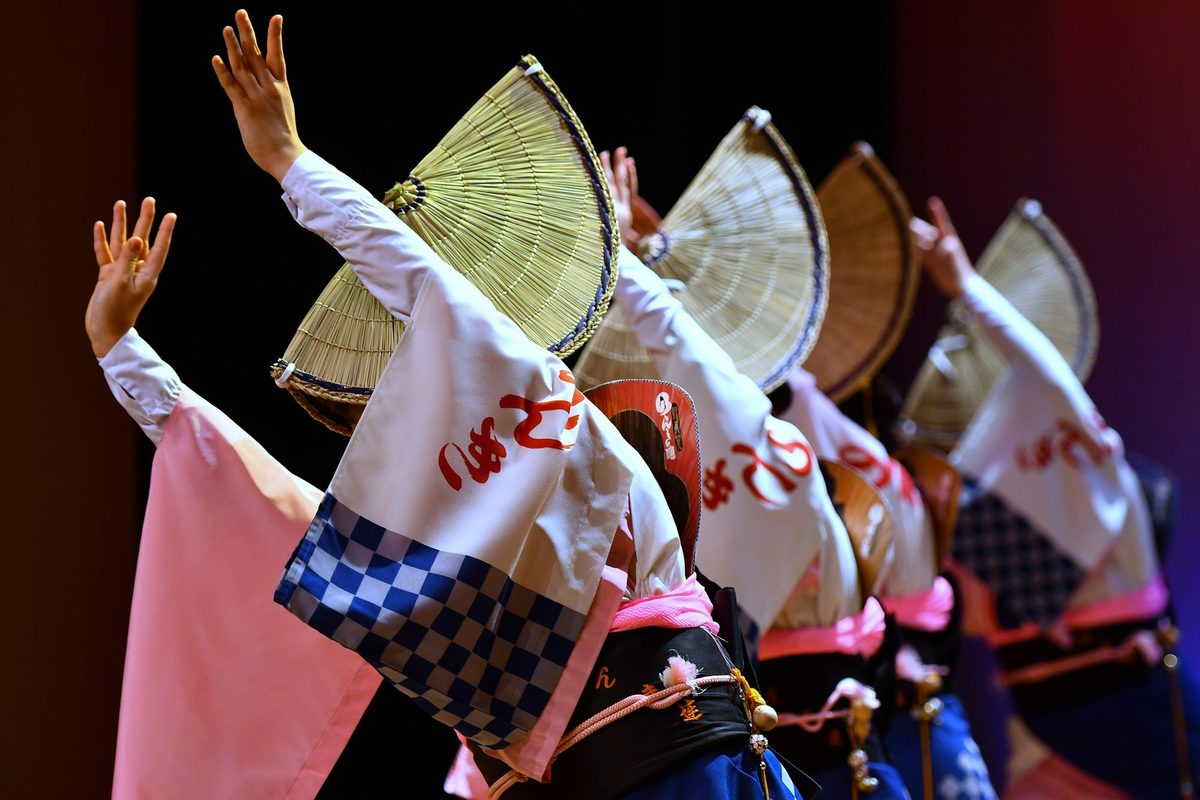
Tokushima: Whirlpools, the Valley That Time Missed, and Japan's Loudest Dance
11 min read
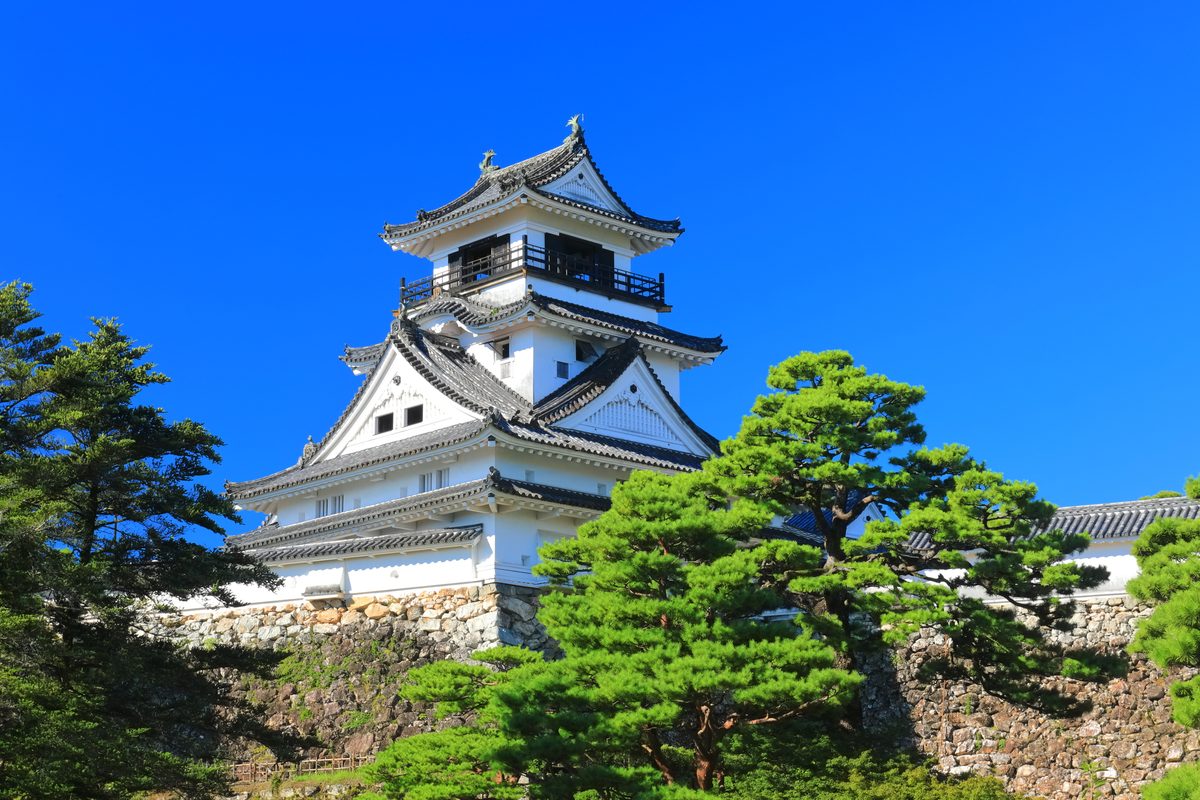
Kochi: The Wild Coast That Japan Forgot to Tame
12 min read
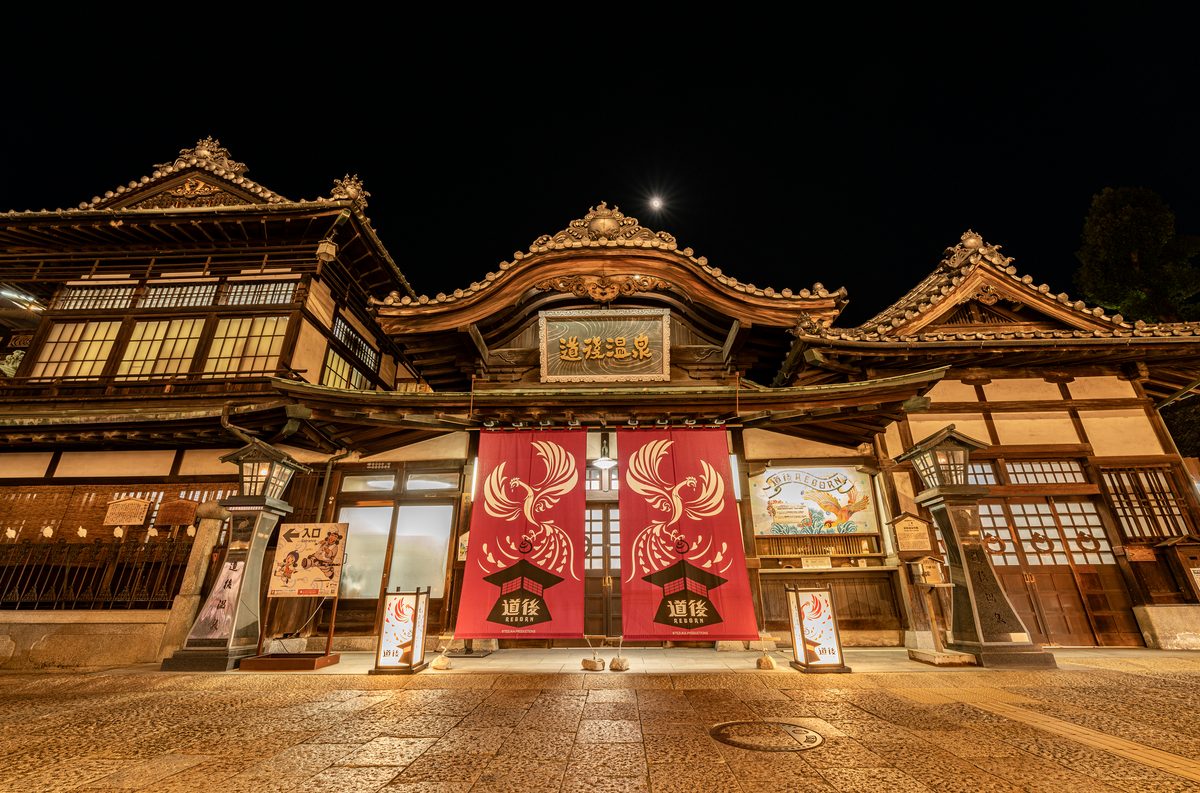
Ehime: Islands, Castles, and the Road That Goes Between
13 min read
Fukushima: Three Regions, One Prefecture, No Simple Story
12 min read
Akita: Snow Country, Rice Country, and Monsters on New Year's Eve
12 min read
Yamagata: Cherries, Sacred Mountains, and Snow That Eats the Trees
12 min read
Miyagi: The Coast, the Castle, and Sendai Between Them
11 min read
Iwate: Where the Mountains Lean Against the Pacific
12 min read

Aomori: Where Winter Invented Its Own Festival
12 min read
Kagoshima: Where the Mainland Finally Runs Out of Land
12 min read
Miyazaki: Where the Sun God Hid and the Horses Run Wild
11 min read
Nagasaki: Where Every Century Left Something Behind
13 min read
Oita: Where the Earth Still Boils
12 min read
Fukuoka: Where Japan Eats, Breathes, and Gets On With It
14 min read
Hokkaido Travel Guide: Ten Places Beyond Sapporo
16 min read