
Fukushima: Three Regions, One Prefecture, No Simple Story
Fukushima does not have the luxury of a single story. The name triggers associations overseas that residents have spent years correcting with maps and data; inland, Aizu still defines itself by a war lost in 1868. The landscape reinforces the split — volcano country in the west, rice plain in the centre, industrial coast in the east. People here are used to explaining where they live in two sentences instead of one. The food is excellent, the winters are long, and the patience required to move between regions by train is real.
Fukushima is three regions under one name on the map: the central Nakadoro corridor around Fukushima City, the inland Aizu basin where the last Tokugawa loyalists made their stand, and the Pacific coast at Iwaki — closer to Tokyo than to Aizu by car. Mount Bandai erupted in 1888 and rewrote the watershed overnight; 2011 rewrote the coast. What remains is a prefecture large enough that visitors can spend a week without repeating terrain — onsen suburbs, samurai masonry, limestone caves, and ramen towns that argue seriously about broth.
Fukushima City & Iizaka — Cherry Hills and Onsen Before the Bandai Foothills
Fukushima City sits in the Nakadoro valley south of Mount Bandai — not to be confused with the nuclear plant coastal site two hours northeast by road. The city functions as a working regional centre: covered arcades, local sake breweries, and a ring of hills that turn pink for a few weeks each spring.
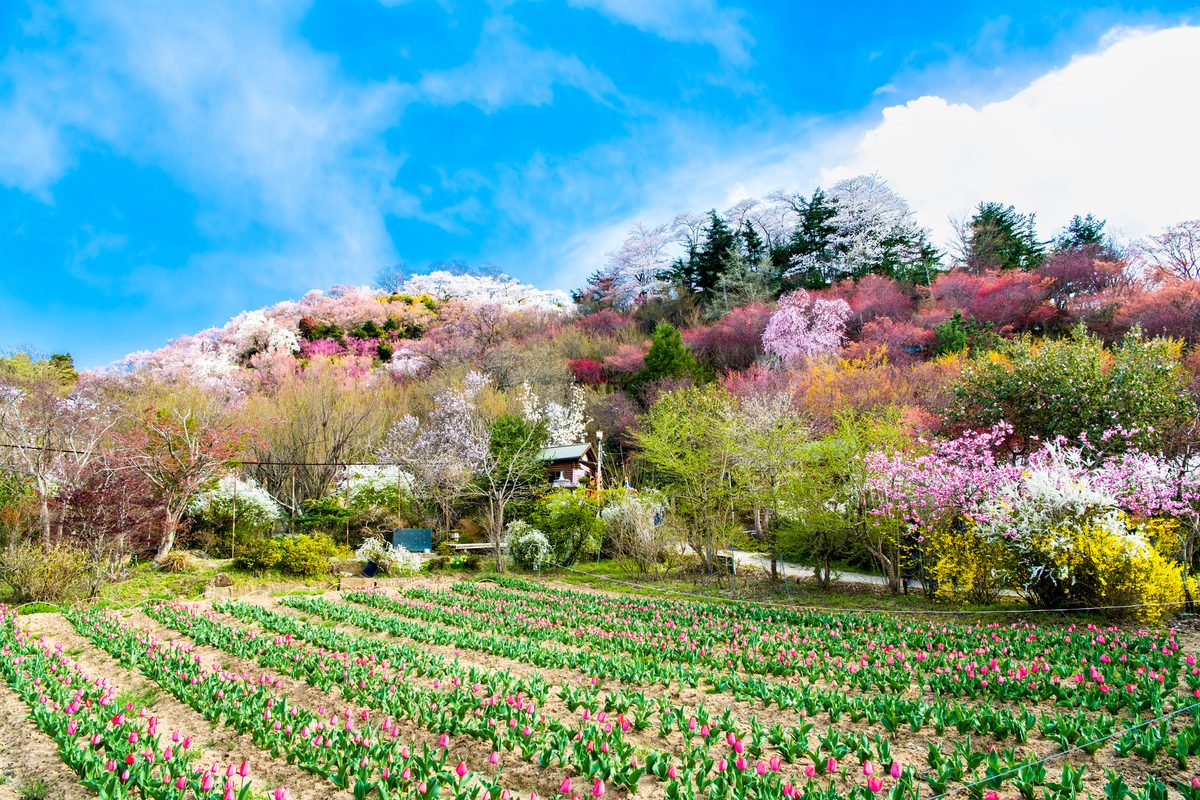
Hanamiyama Park, on those hills at the city's eastern edge, is a privately owned mountainside planted with flowering trees — cherry, plum, and forsythia layered so that something is usually in bloom from late March into April. Entry is ticketed during peak season; crowds are heavy on weekends and lighter at opening.
Iizaka Onsen, a ten-minute train ride from the city centre, is one of the older suburban hot-spring towns in Tohoku — narrow streets, wooden ryokan, and ashiyu along the river. It works as an evening soak after Hanamiyama or as a base cheaper than the resort hotels closer to Bandai.
Explore Fukushima City spots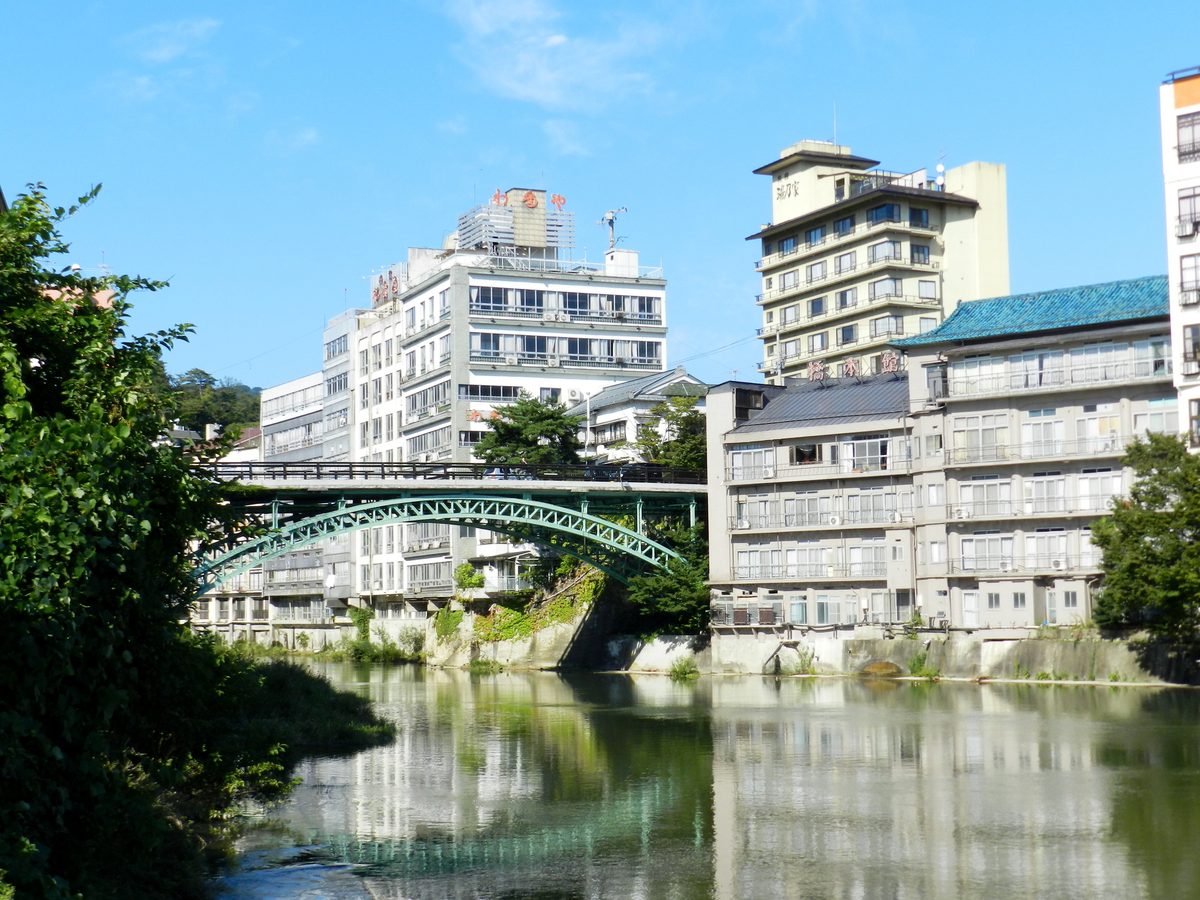
Bandai-Azuma Skyline & Goshikinuma — A Volcano's Aftermath in Colour
Mount Bandai's 1888 eruption blocked rivers and created dozens of new lakes on its northern flank. Goshikinuma — the 'five-coloured marshes' — are the most visited cluster: ponds that shift from cobalt to emerald to rust-red depending on mineral content and light, connected by boardwalks through birch forest.
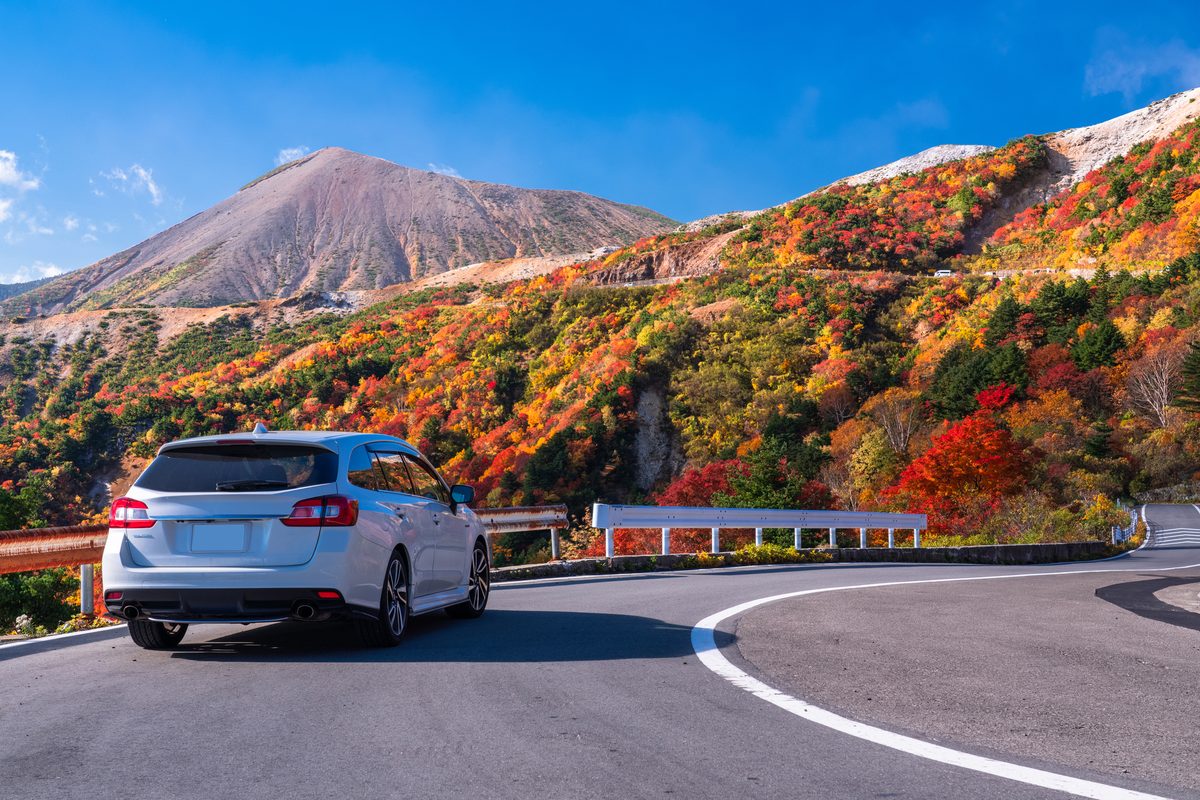
The Bandai-Azuma Skyline is a toll road running east–west across the volcanic highlands at around 1,600 metres, open seasonally when snow permits. The drive takes under an hour one way with viewpoints over the caldera landscape; it is aimed at private vehicles — buses run only occasionally.
Combining the Skyline with Goshikinuma in one day assumes a car and favourable weather; fog can close viewpoints without warning. Mid-October brings autumn colour and weekend traffic; weekdays stay quieter.
Explore Bandai spots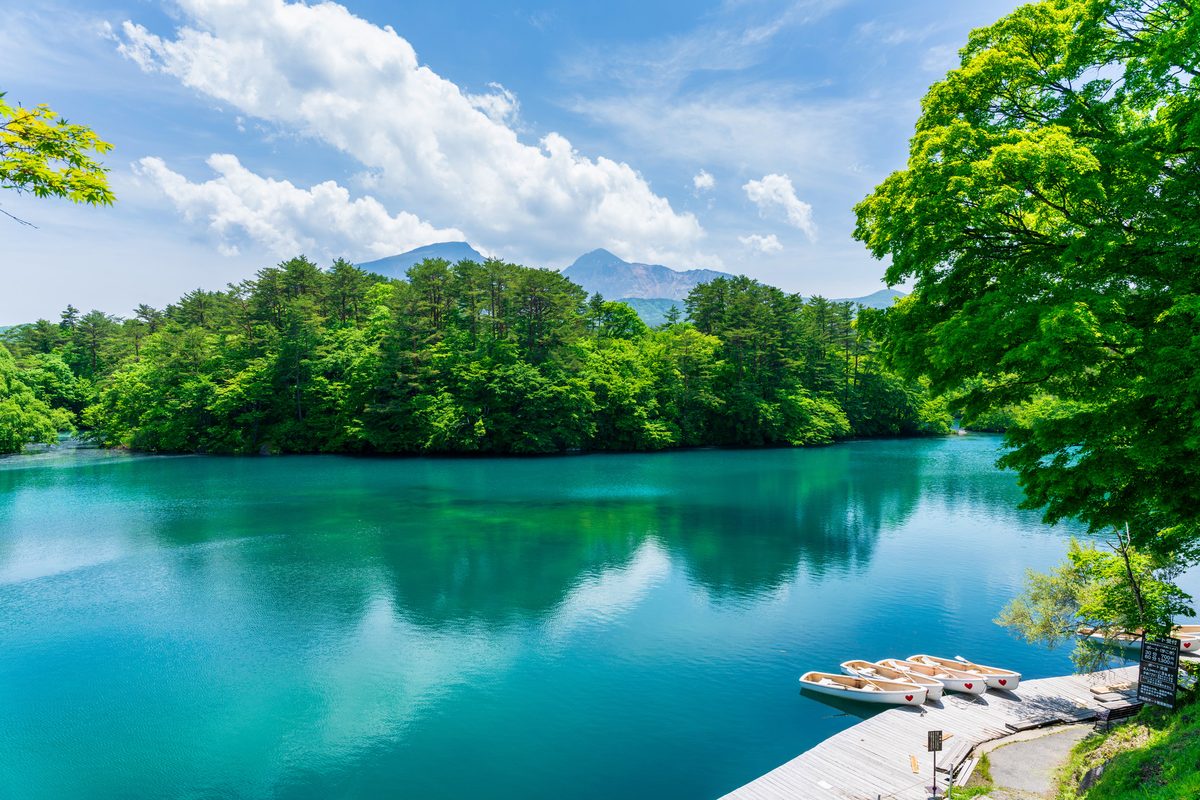
Aizu-Wakamatsu — Red Roof Tiles and the Castle That Outlasted the Shogunate
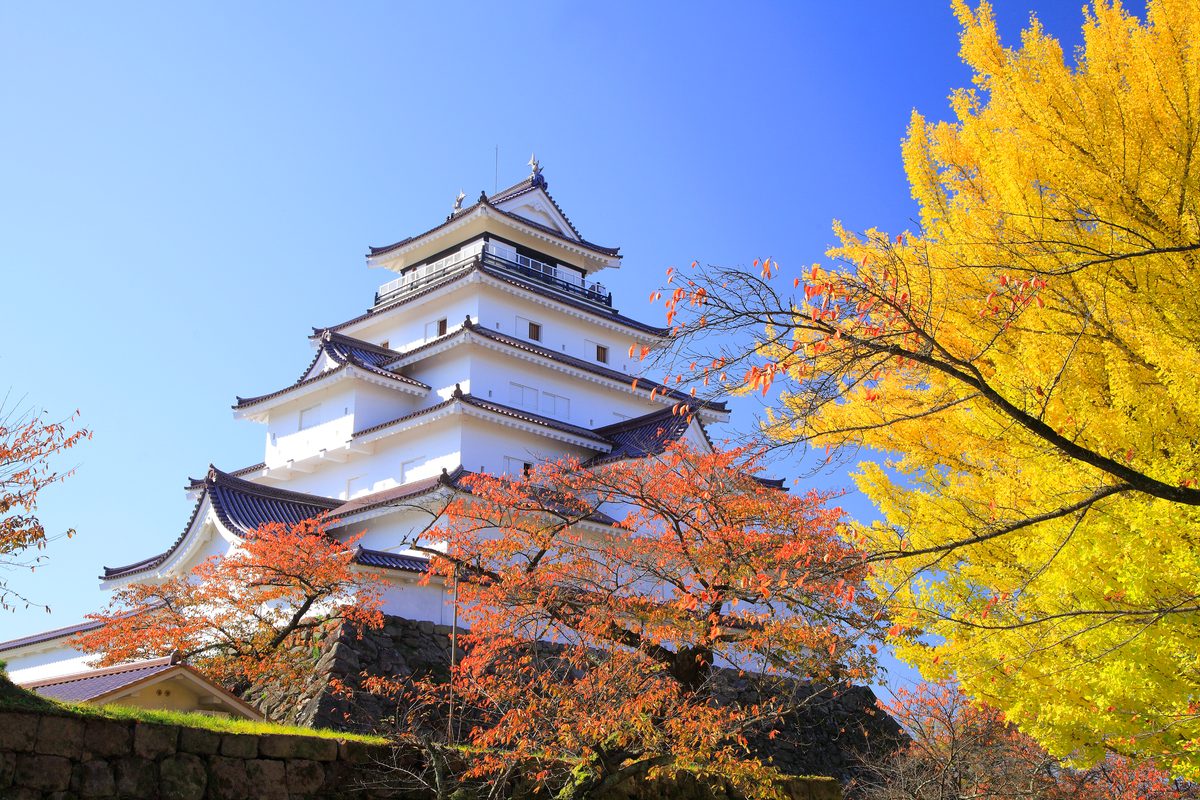
Aizu-Wakamatsu was the domain of the Matsudaira collateral branch that fought for the Tokugawa against the Meiji imperial forces in 1868 — a loyalty the city still narrates in museums and annual re-enactments. Tsurugajo Castle's keep is a concrete reconstruction, but the red roof tiles are historically accurate to the original; the stone walls and wide moats are genuine Edo-period work.
The Aizu Sazaedo is a wooden pagoda completed in 1796 with a double-helix interior — two separate staircases that spiral upward without ever meeting, allowing pilgrims to ascend and descend without crossing paths. The carpentry is the reason to visit; the hilltop setting above the city is secondary.
Aizu rewards two nights if you want castle, pagoda, and the sake breweries of the old merchant quarter without rushing. The pace is slower than Koriyama and colder in winter.
Explore Aizu-Wakamatsu spots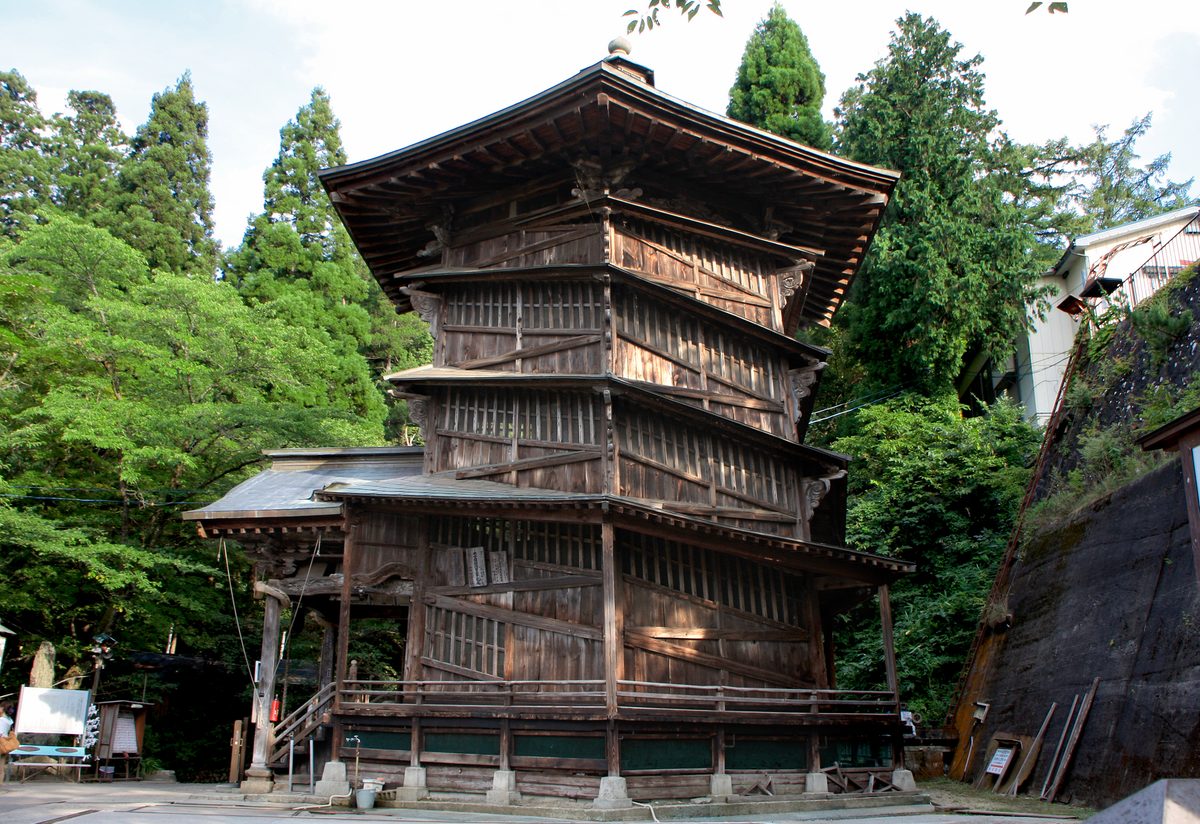
Ouchi-juku — An Edo Highway Town That Stayed Crooked on Purpose
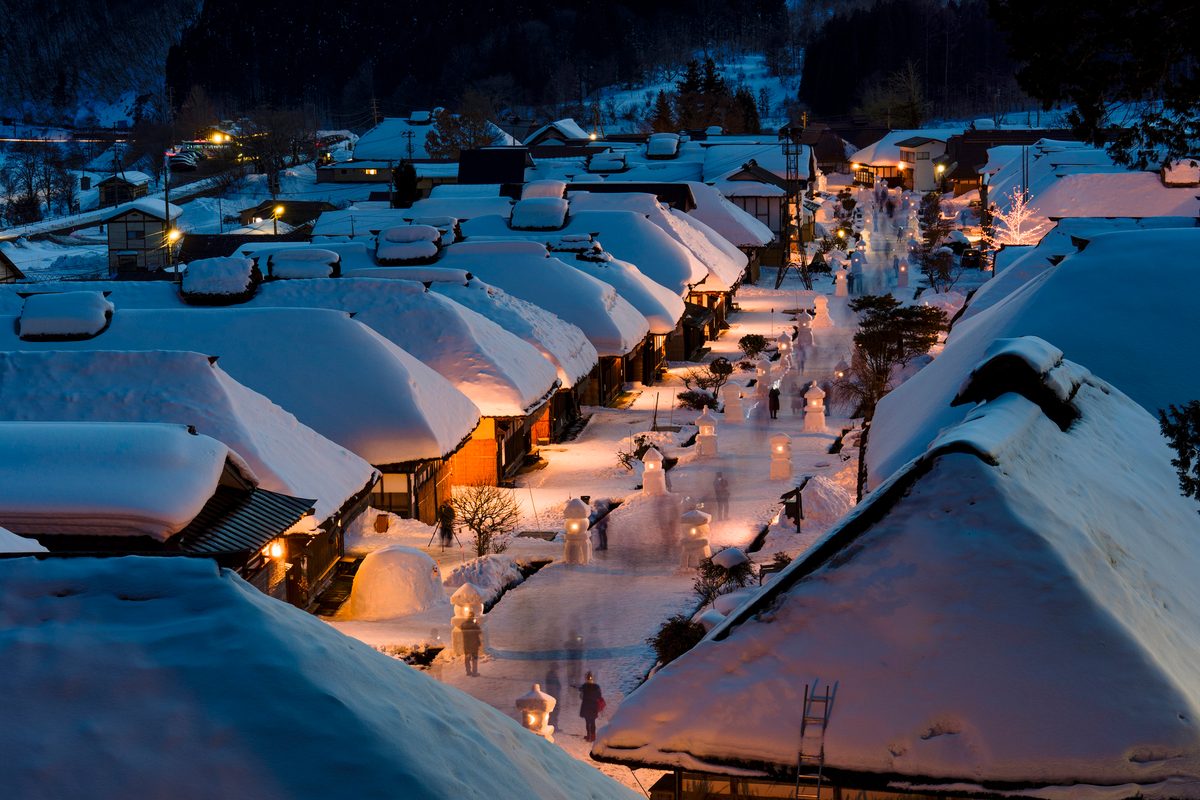
Ouchi-juku was a post town on the Aizu-Nikkō highway, lined with thatched-roof houses that now house soba shops, pickle sellers, and minshuku. The road through the centre remains unpaved gravel — deliberately, to preserve the Edo-period width and character — which makes walking awkward in rain and atmospheric in snow.
Negi soba, eaten with a leek instead of chopsticks, is the local gimmick that actually works; the shops along the main strip serve it with varying seriousness. Weekends draw tour buses from Tokyo and Sendai; weekday mornings are quiet enough to photograph the street without crowds.
Ouchi-juku is a half-day from Aizu-Wakamatsu; combining it with To-no-hetsuri or other Minamiaizu sites requires a car.
Explore Ouchi-juku spotsKitakata — A Town Built on Ramen and Miso Warehouses
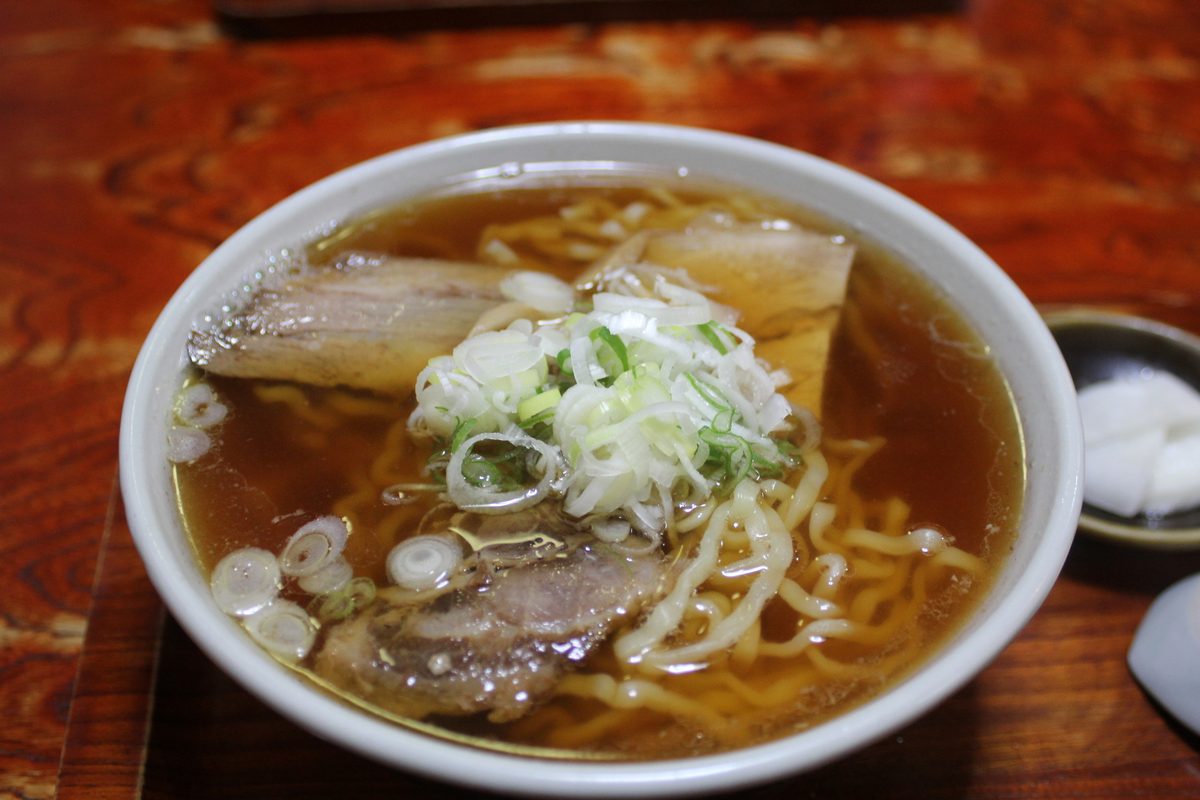
Kitakata claims more ramen shops per capita than anywhere in Japan — a statistic that sounds like marketing until you walk the back streets and count the faded noren. The local style is shoyu broth with flat, wrinkled noodles and chāshū cut thick; breakfast ramen is a normal order.
The town also preserves kura — whitewashed storehouses — in concentrations unusual even for Tohoku, a legacy of wealth from silk and sake. Many are private; some open as cafés or galleries on weekends.
Kitakata works as a lunch stop between Aizu-Wakamatsu and Niigata, or as a destination serious enough for ramen pilgrims to plan around. It is not picturesque in the Ouchi-juku sense; it is utilitarian and proud of it.
Explore Kitakata spotsIwaki — Aquarium, Heian Temple, and a Spa That Pretends to Be Hawaii
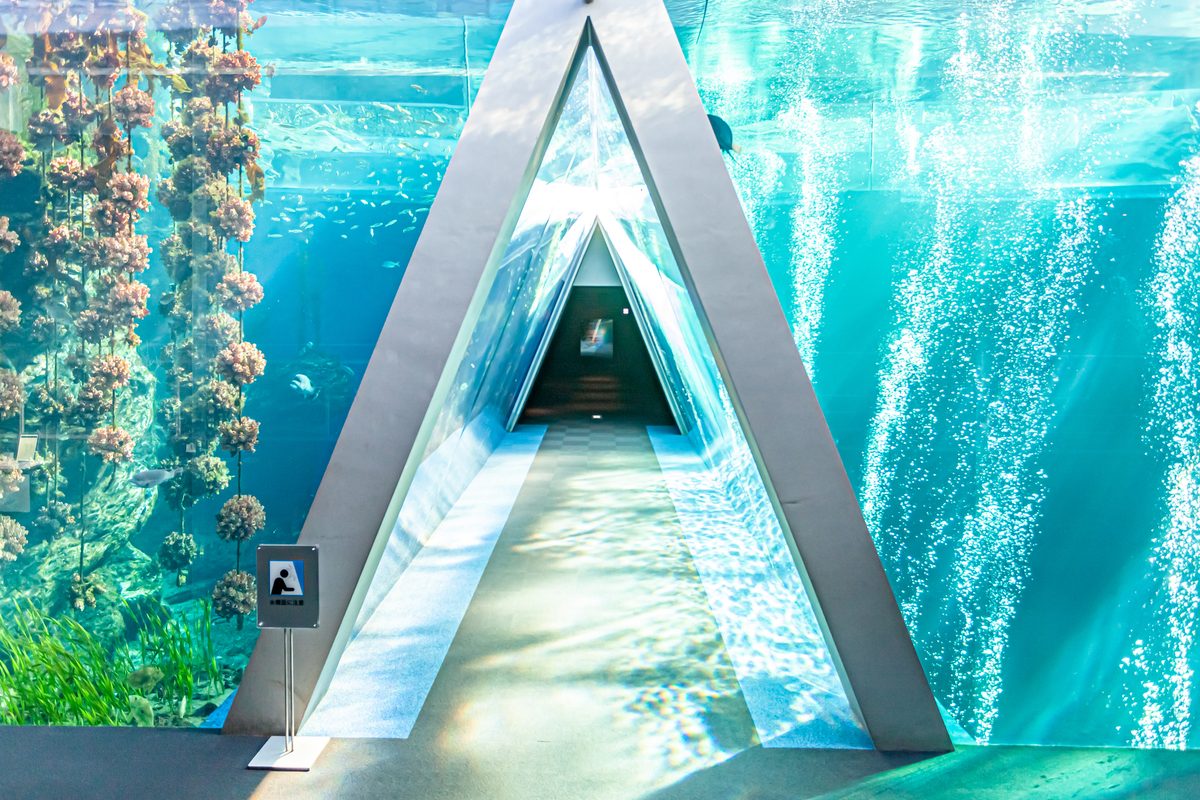
Iwaki sits on the Hamadori coast south of the areas most affected by the 2011 disaster — the city was damaged but rebuilt, and domestic tourism has returned in volume. Aquamarine Fukushima is a large aquarium focused on species from the local Pacific waters and the nearby rivers; the dolphin shows are conventional, the regional fish tanks less so.
Shiramizu Amidado, on a wooded hill above the city, is a Heian-period hall with surviving fresco fragments and a pond garden that predates most surviving Zen layouts in eastern Japan. The setting is quiet enough to feel disconnected from the resort development below.
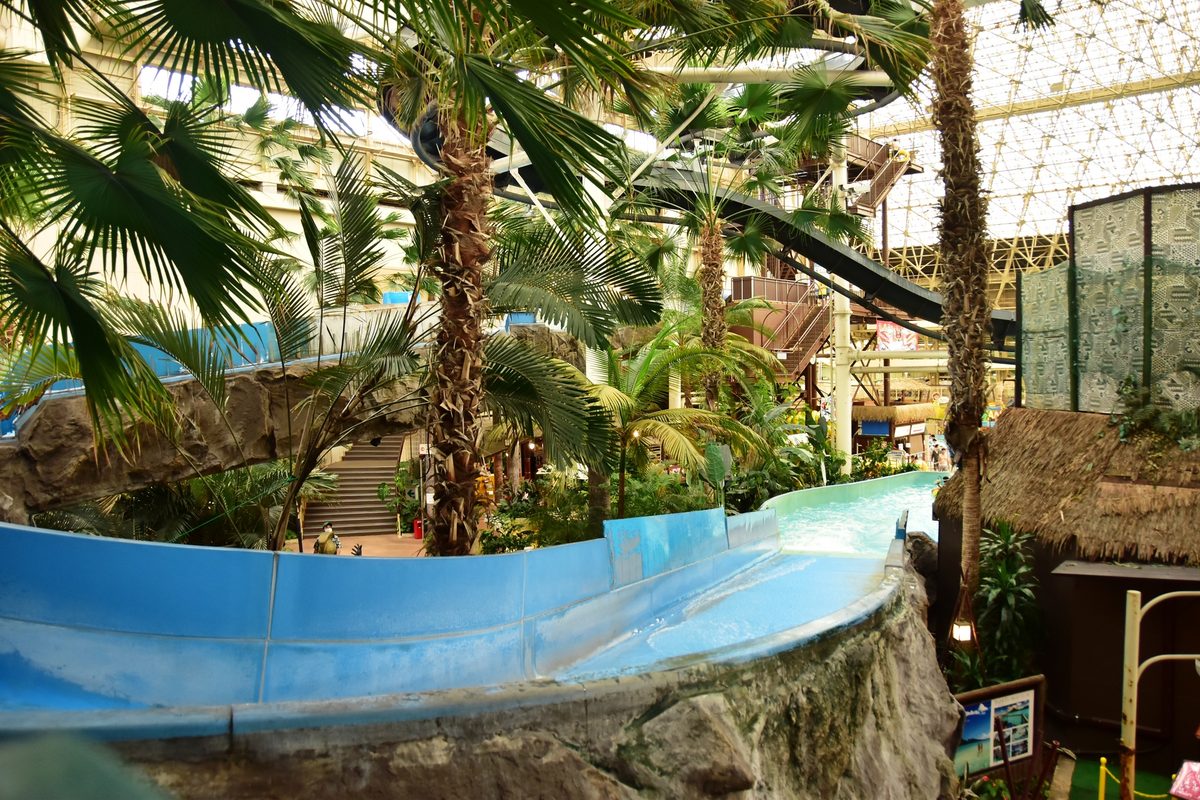
Spa Resort Hawaiians — born from the coal-mine closure in the 1960s — is a tropical-themed onsen and pool complex famous in Japan through film and television. It is kitsch with intent: hula shows, palm trees under glass, and serious hot-spring chemistry underneath the performance. Love it or not, there is nothing else like it in Tohoku.
Explore Iwaki spots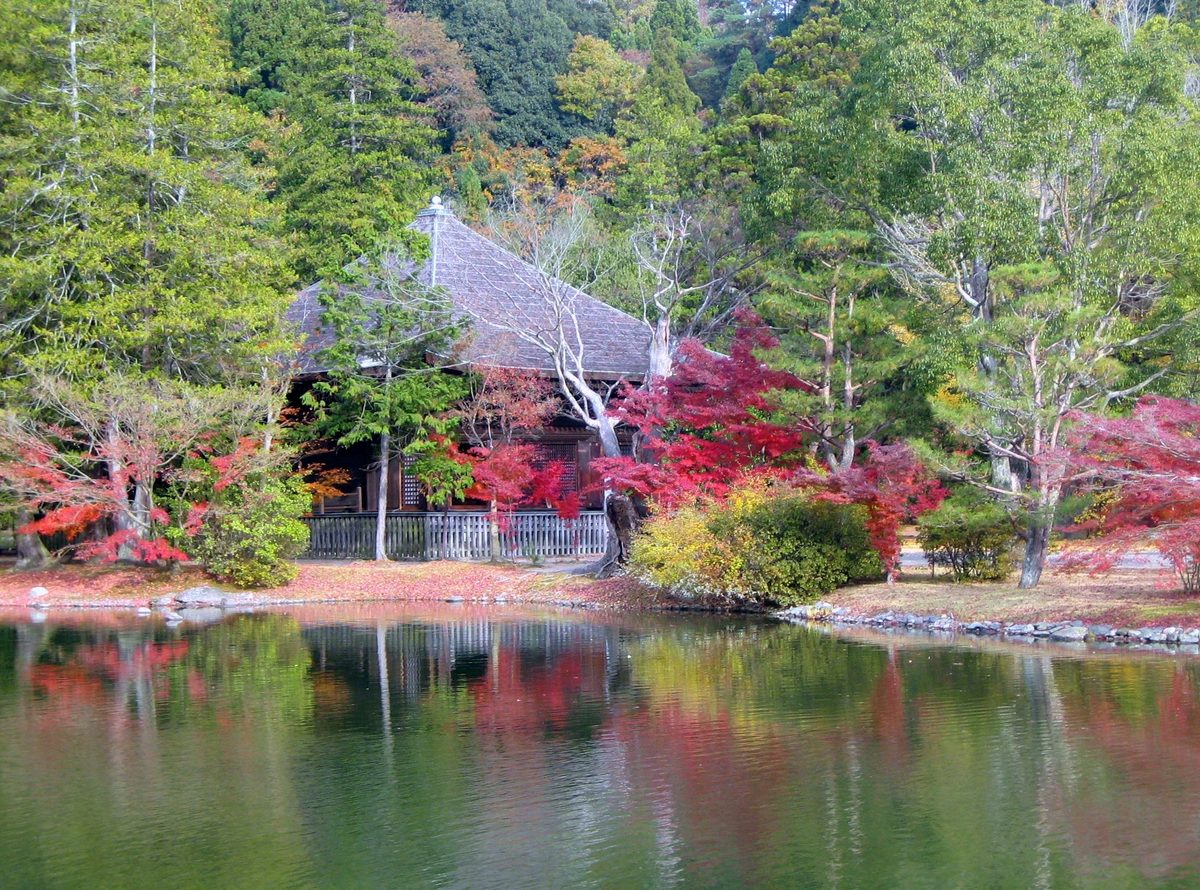
Abukuma Cave — Limestone Halls East of Bandai
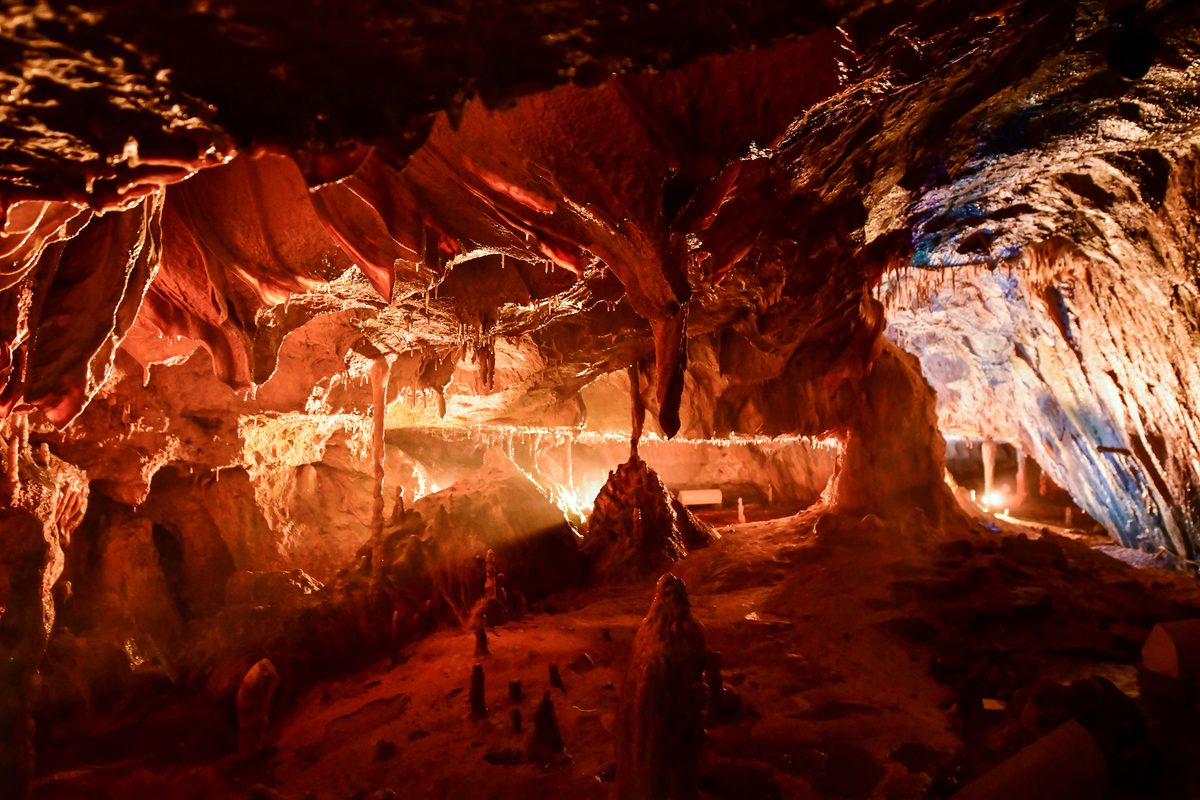
Abukuma Cave, near Tamura, is one of the longer developed limestone cave systems in Honshu — walkways lit to emphasise stalactite formations and underground pools. The temperature stays around fifteen degrees year-round, which makes it a practical stop in August heat or winter snow.
The cave is commercial in the straightforward sense: paved paths, handrails, and guided audio in Japanese. The scale is still impressive — chambers high enough to lose detail in the shadows above the lights.
Abukuma fits logically between Koriyama and the central Fukushima coast by car; public transport requires a train to nearby stations and a taxi for the last few kilometres.
Explore Tamura spotsMiharu Takizakura — One Tree That Outweighs Most Parks
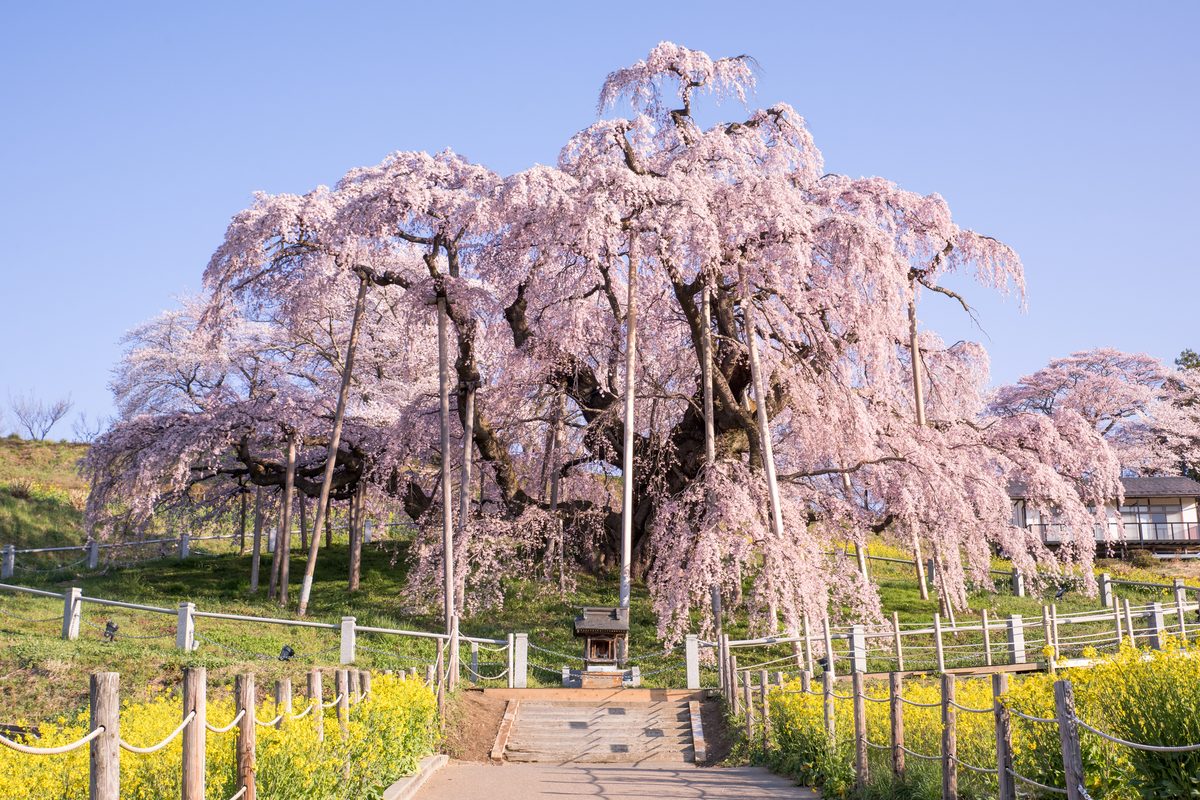
The Takizakura — 'waterfall cherry' — in Miharu is estimated at over 1,000 years old, with a crown spread wide enough that photographs struggle to frame it. It is routinely listed among Japan's three great cherry trees, and for a few days each April the field below it fills with picnic blankets and tripods.
Visiting outside blossom week means seeing an impressive tree without the festival infrastructure; visiting during peak bloom means accepting shuttle buses and timed entry. The tree stands on private land with a modest admission fee.
Miharu is a short detour from Koriyama for anyone travelling the Ban-etsu corridor in spring; it is not worth a cross-country trip outside cherry season unless you have a specific interest in ancient individual trees.
Explore Miharu spotsHow to Plan Your Fukushima Trip
Koriyama is the most connected rail hub — Shinkansen from Tokyo, transfers toward Aizu, Iwaki, and Fukushima City. Aizu-Wakamatsu deserves at least two nights for castle, Sazaedo, Ouchi-juku, and Kitakata without rushing. Fukushima City and Bandai work as a separate two-night block with a rental car strongly recommended for Goshikinuma and the Skyline.
Iwaki is reachable by limited express from Tokyo without passing through the inland cities; pairing it with Sendai or Mito is sometimes easier than with Aizu. Abukuma and Miharu assume a car or tolerance for taxi fares from the nearest stations.
Spring concentrates domestic visitors at Hanamiyama and Takizakura within the same few weeks — hotels in Koriyama and Aizu book early. Winter closes highland roads; check Skyline status before driving. Radiation monitoring along tourist routes is routine and publicly reported; standard visitor behaviour in reopened areas follows national guidance.
Where are these spots?
How to Get There
Koriyama is the main Shinkansen interchange. The Ban-etsu West Line runs from Koriyama to Aizu-Wakamatsu and Kitakata. The JR Joban Line serves Iwaki from Mito and Ueno. Fukushima City is on the Tohoku Main Line and Shinkansen. Buses connect Aizu-Wakamatsu to Ouchi-juku. Bandai-Azuma Skyline and Goshikinuma are best reached by rental car from Fukushima City or Koriyama. Taxis serve last-mile access to Abukuma Cave and rural trailheads.
Find your Japan
Find Your Fukushima
Browse curated spots across Fukushima Prefecture — from Bandai to Aizu and the Pacific coast — on Tobira.
Find match spotsMore Prefecture Guides
Kagawa: Udon, Art Islands, and the Most Climbed Stairs in Shikoku
11 min read
Tokushima: Whirlpools, the Valley That Time Missed, and Japan's Loudest Dance
11 min read
Kochi: The Wild Coast That Japan Forgot to Tame
12 min read
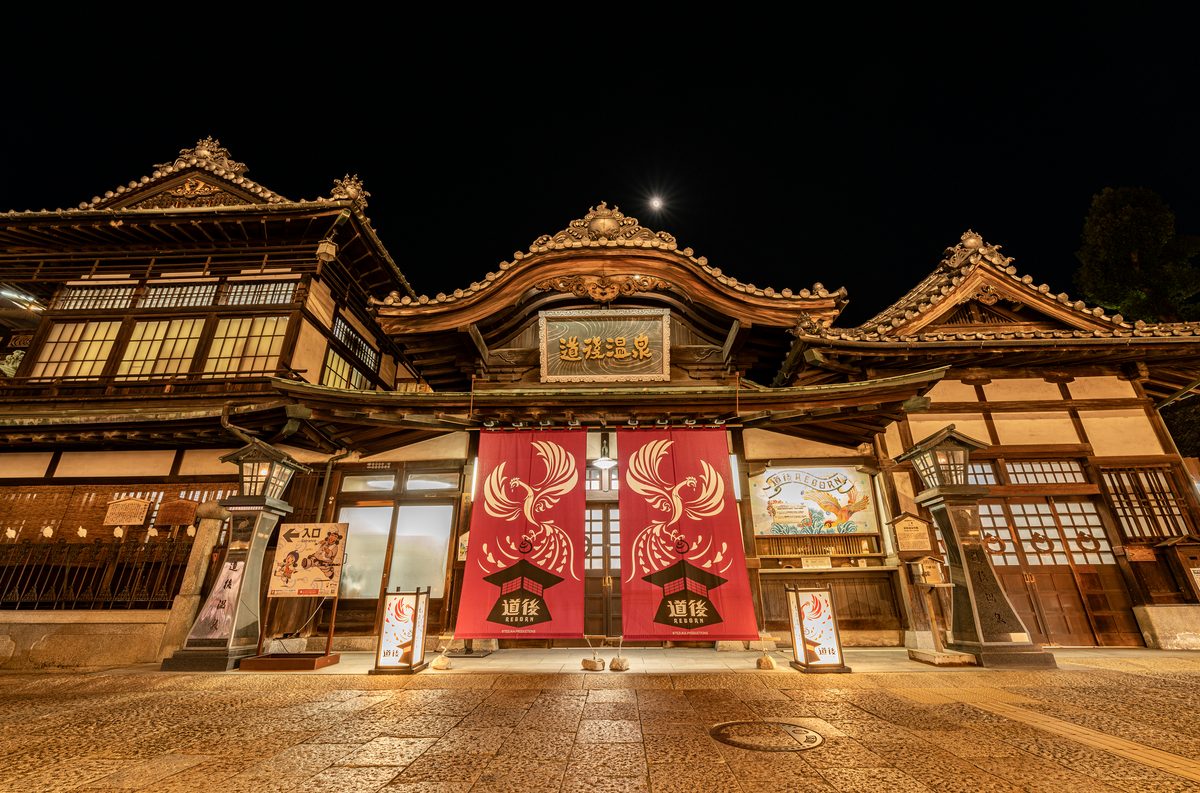
Ehime: Islands, Castles, and the Road That Goes Between
13 min read
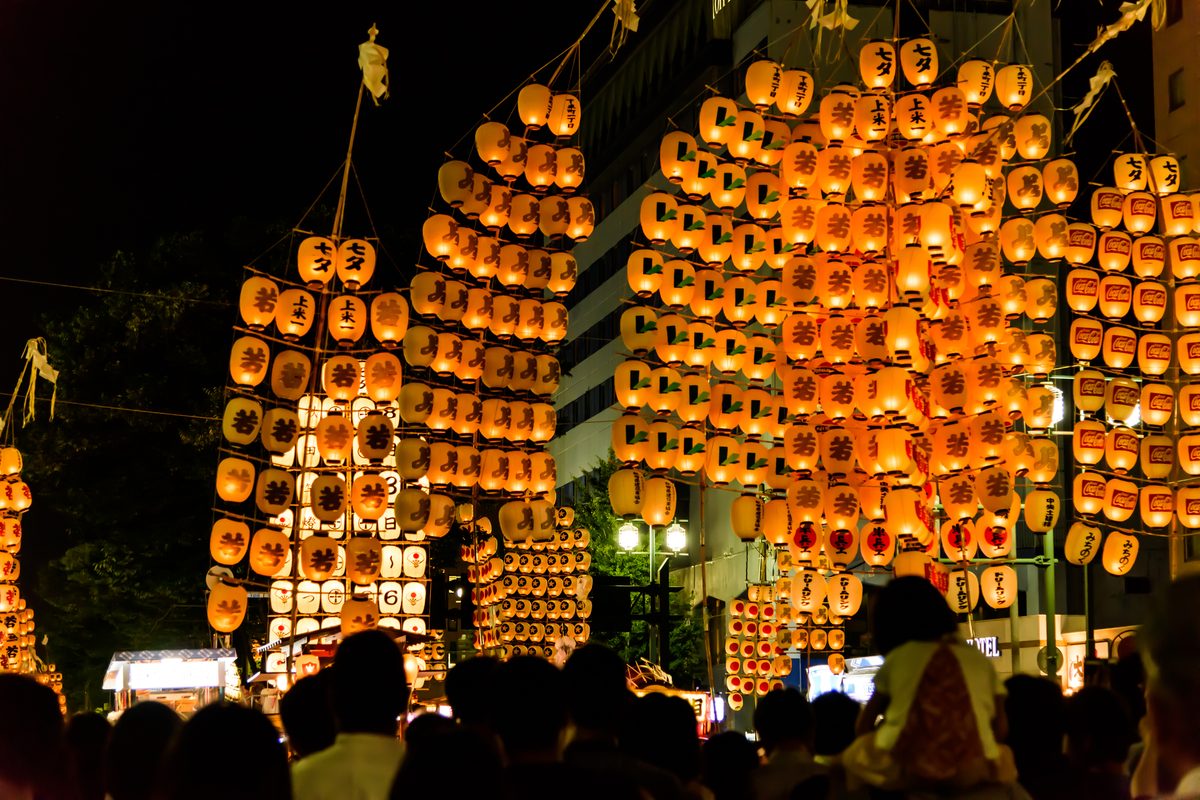
Akita: Snow Country, Rice Country, and Monsters on New Year's Eve
12 min read
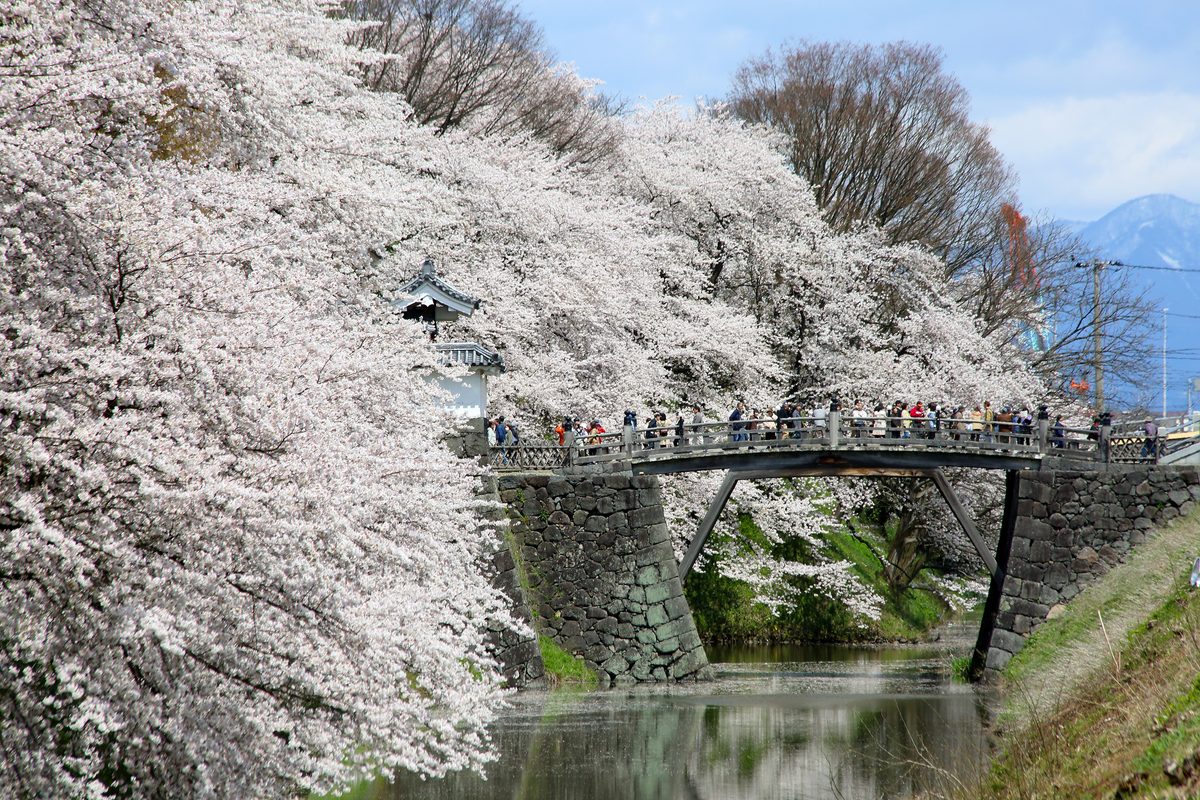
Yamagata: Cherries, Sacred Mountains, and Snow That Eats the Trees
12 min read
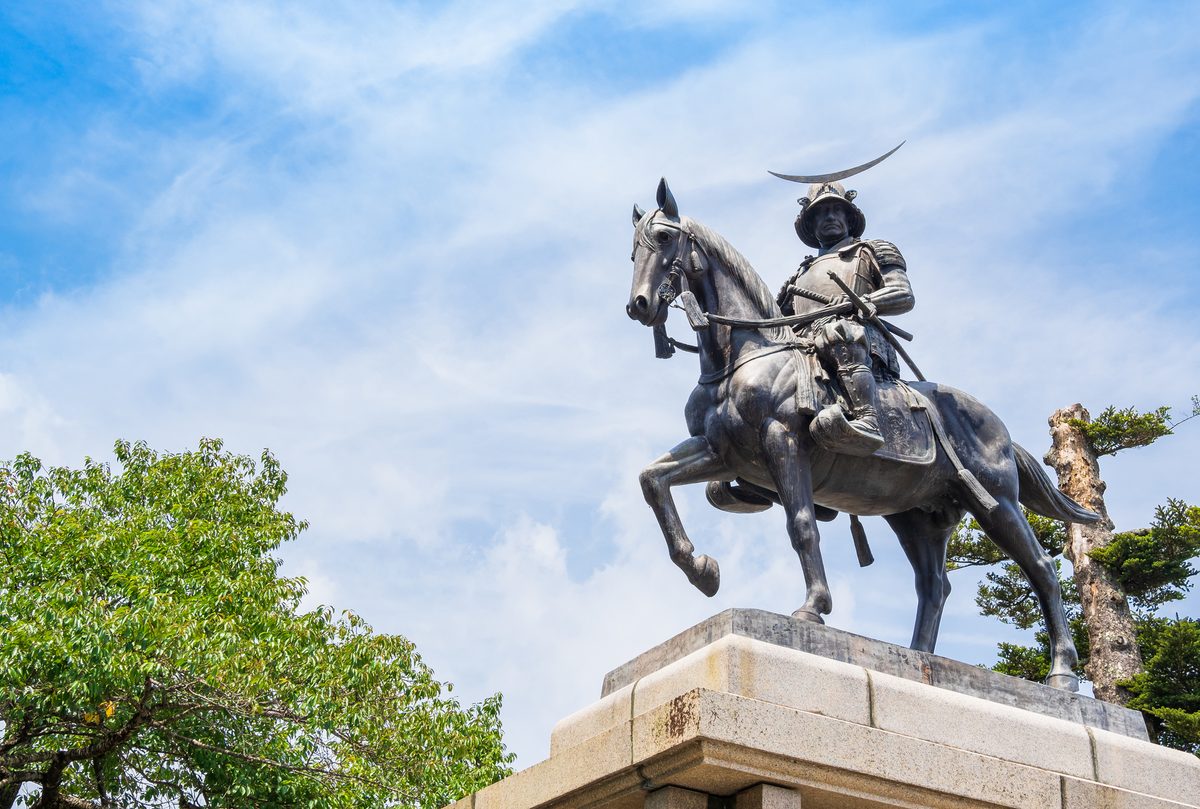
Miyagi: The Coast, the Castle, and Sendai Between Them
11 min read
Iwate: Where the Mountains Lean Against the Pacific
12 min read
Aomori: Where Winter Invented Its Own Festival
12 min read
Kagoshima: Where the Mainland Finally Runs Out of Land
12 min read
Miyazaki: Where the Sun God Hid and the Horses Run Wild
11 min read
Saga: Older Than You Think, Quieter Than Most
11 min read
Nagasaki: Where Every Century Left Something Behind
13 min read
Oita: Where the Earth Still Boils
12 min read
Fukuoka: Where Japan Eats, Breathes, and Gets On With It
14 min read
Hokkaido Travel Guide: Ten Places Beyond Sapporo
16 min read