
Fukushima Travel Guide
Larger than many imagine, Fukushima spans the sake-and-lacquerware Aizu basin in the west, the highland marshes of Oze in the north, and the rugged Pacific Hamadori coast in the east. Tsurugajo Castle in Aizu-Wakamatsu stands among Japan's most storied strongholds; the Ouchi-juku post town feels genuinely lifted from the Edo period.
4 hidden gems in Fukushima include insider locations, local tips, and full access details.
Hidden Gems in Fukushima
Hand-picked spots off the tourist trail — all personally curated.
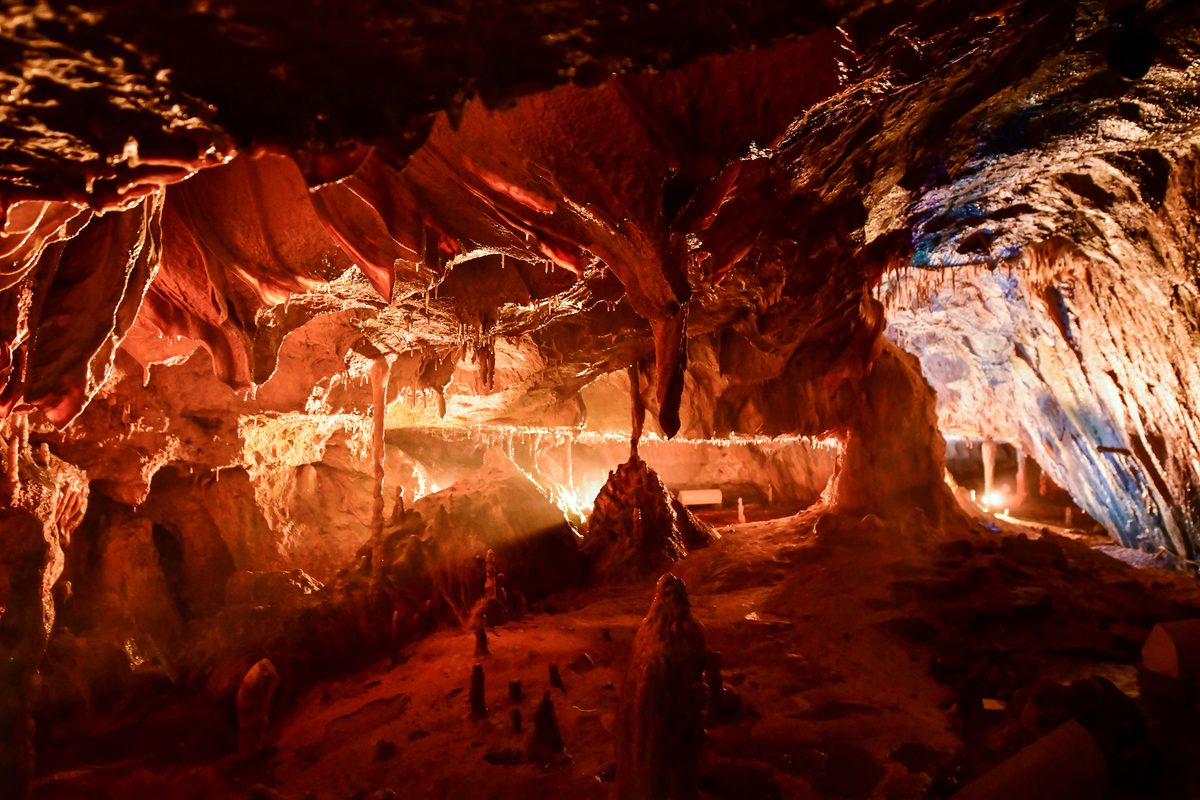
Abukuma Cave
Abukuma Cave is one of the largest limestone caverns in eastern Japan, formed over 80 million years and stretching more than 3 kilometres beneath the hills of central Fukushima. Approximately 600 metres are open to the public along a well-lit standard course, where stalactites, stalagmites, and flowstone formations of extraordinary delicacy fill illuminated chambers. An additional adventure course — requiring a helmet and crawling through narrow passages — takes visitors into sections rarely seen in Japanese show caves. The cave maintains a year-round temperature of around 15°C, making it refreshingly cool in summer and pleasantly mild in winter.
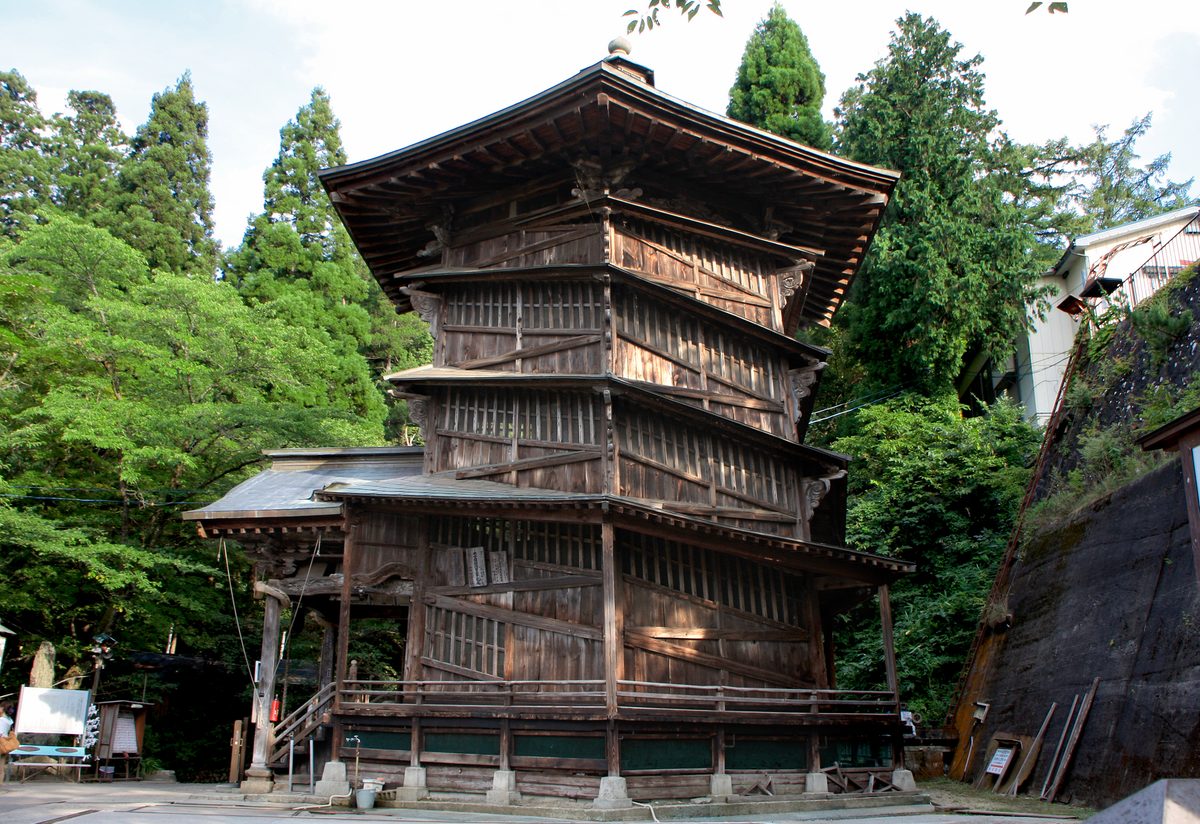
Aizu Sazaedo
A unique double-helix wooden temple built in 1796 whose ascending and descending ramps spiral around a central axis without ever crossing — 33 Kannon statues line the route, allowing a complete pilgrimage without retracing steps.
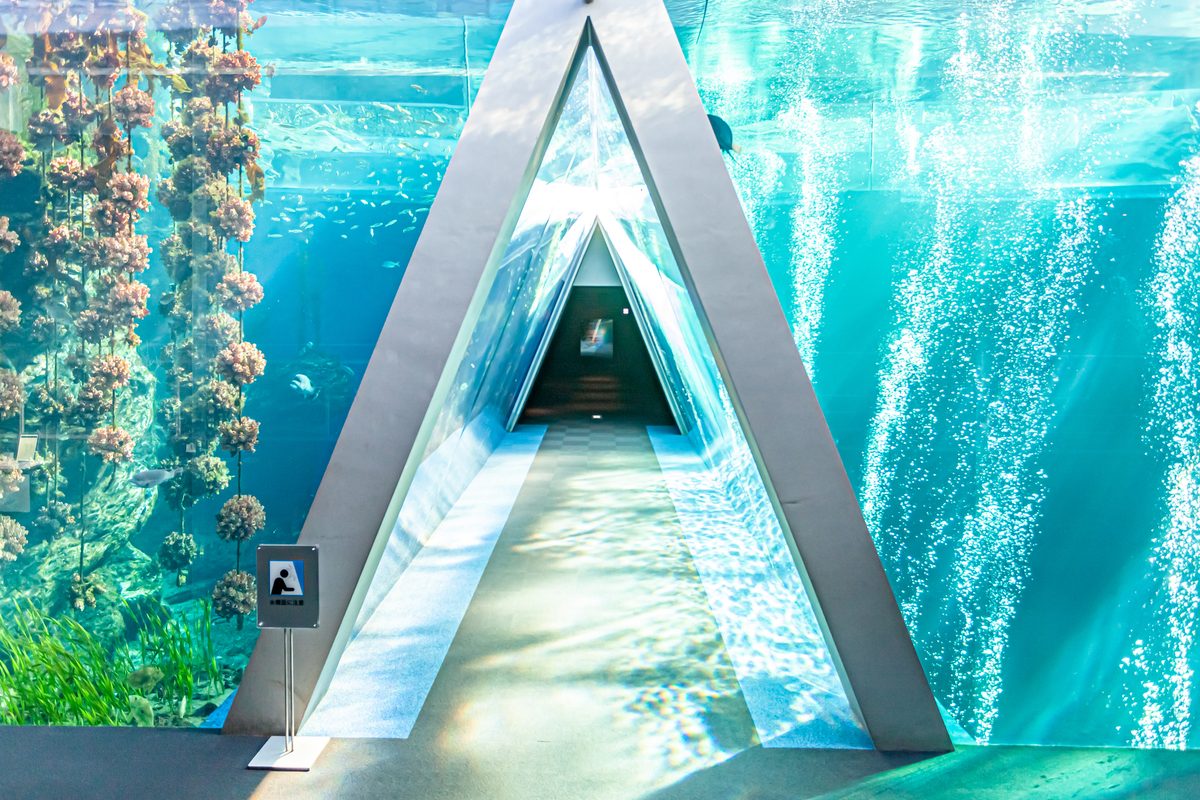
Aquamarine Fukushima
Aquamarine Fukushima is one of Japan's most conceptually distinctive aquariums, built around the theme of the Kuroshio and Oyashio ocean currents that collide off the Fukushima coast, creating one of the world's most biologically rich seas. The centrepiece is a vast tunnel tank through which visitors walk beneath schools of tuna, rays, and sharks. Unlike conventional aquariums, Aquamarine also incorporates rice paddy exhibits, river ecosystems, and a beachside outdoor zone, reflecting the connection between land and sea that defines the Hamadori coast. Hands-on programs include touch pools, fishing experiences, and behind-the-scenes tours, making it one of the most engaging aquariums in Tohoku.
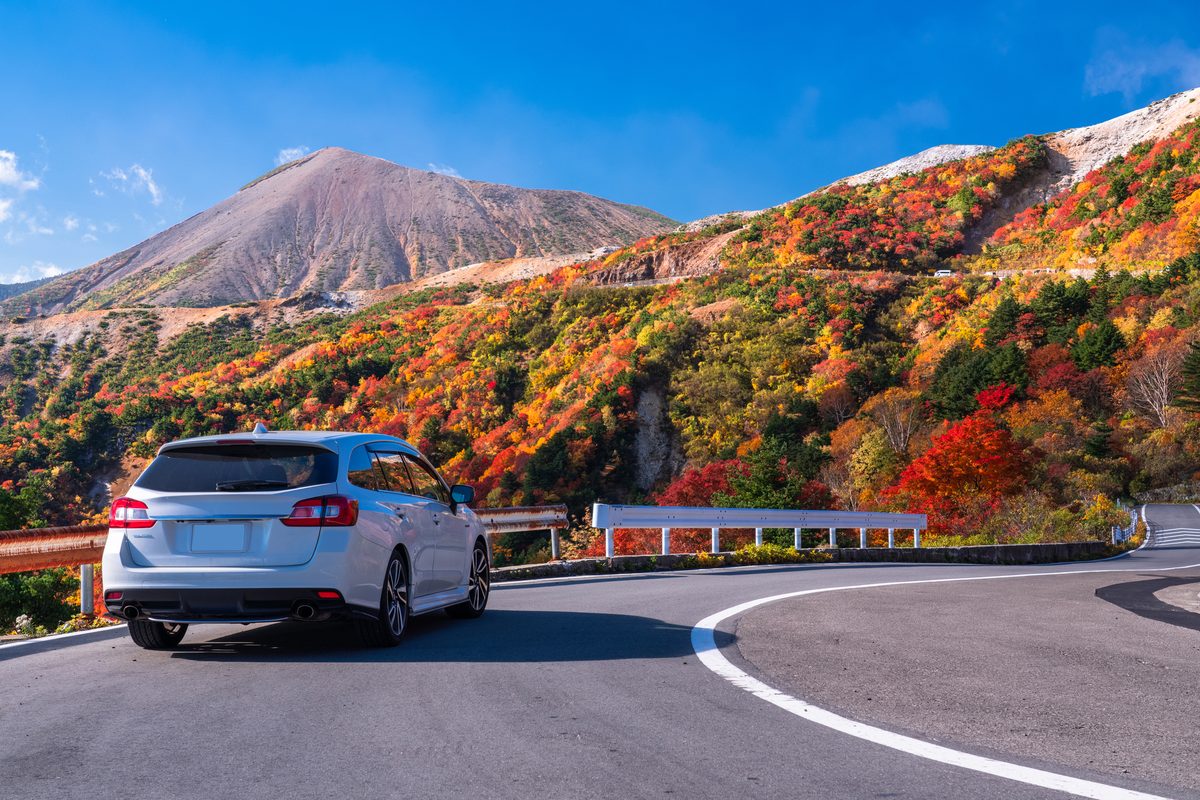
Bandai-Azuma Skyline
The Bandai-Azuma Skyline is a 29-kilometre mountain road crossing the Azuma volcanic range at over 1,600 metres, connecting Fukushima city with the Bandai plateau. The drive passes through landscapes that shift dramatically with the seasons: in early spring, walls of snow several metres high line the freshly opened road; in summer, volcanic vents at Jododaira emit sulphurous steam beside hiking trails; and in autumn, the entire mountainside erupts in one of Tohoku's finest displays of red and gold foliage. The road is closed in winter, making the spring opening — typically in late April — one of the most anticipated events of the Fukushima outdoor calendar.
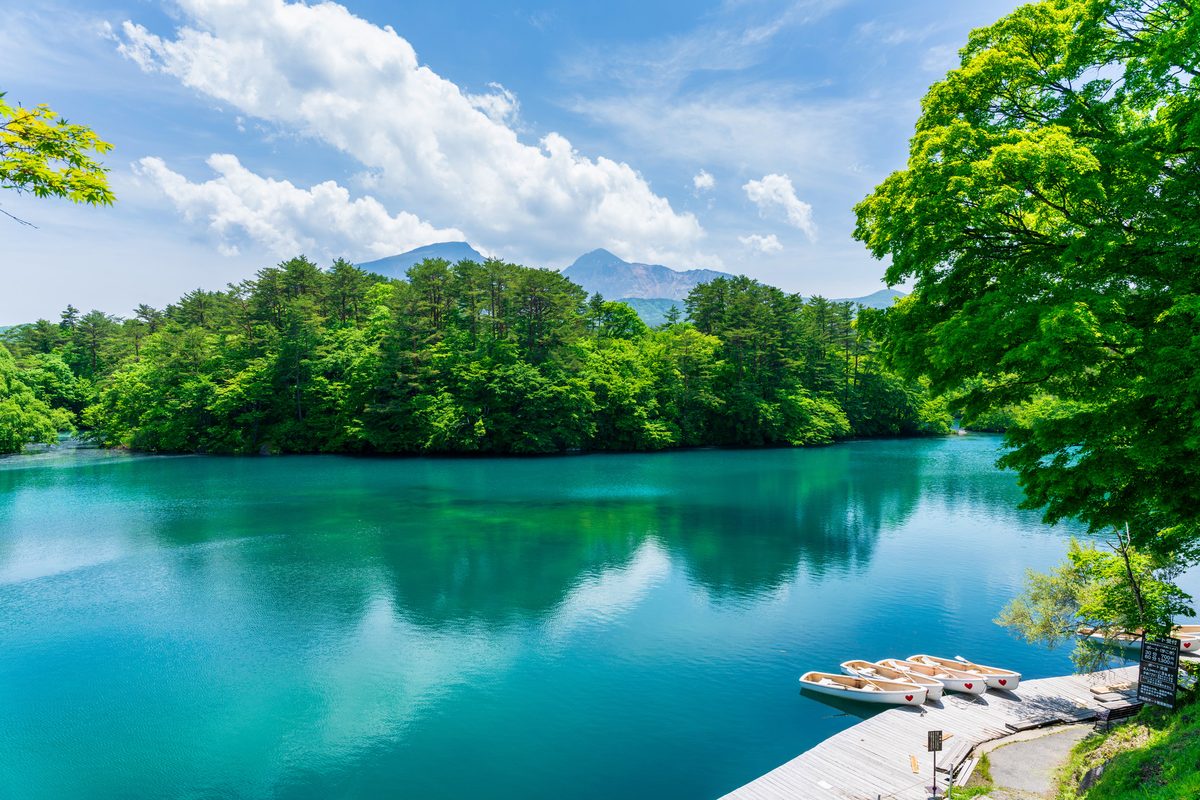
Goshikinuma Lakes
A cluster of volcanic lakes and ponds formed by the 1888 eruption of Mt. Bandai, each displaying a different colour — cobalt, emerald, turquoise, red-brown and white — due to varying mineral compositions. A 3.6 km trail passes through the most scenic ones.
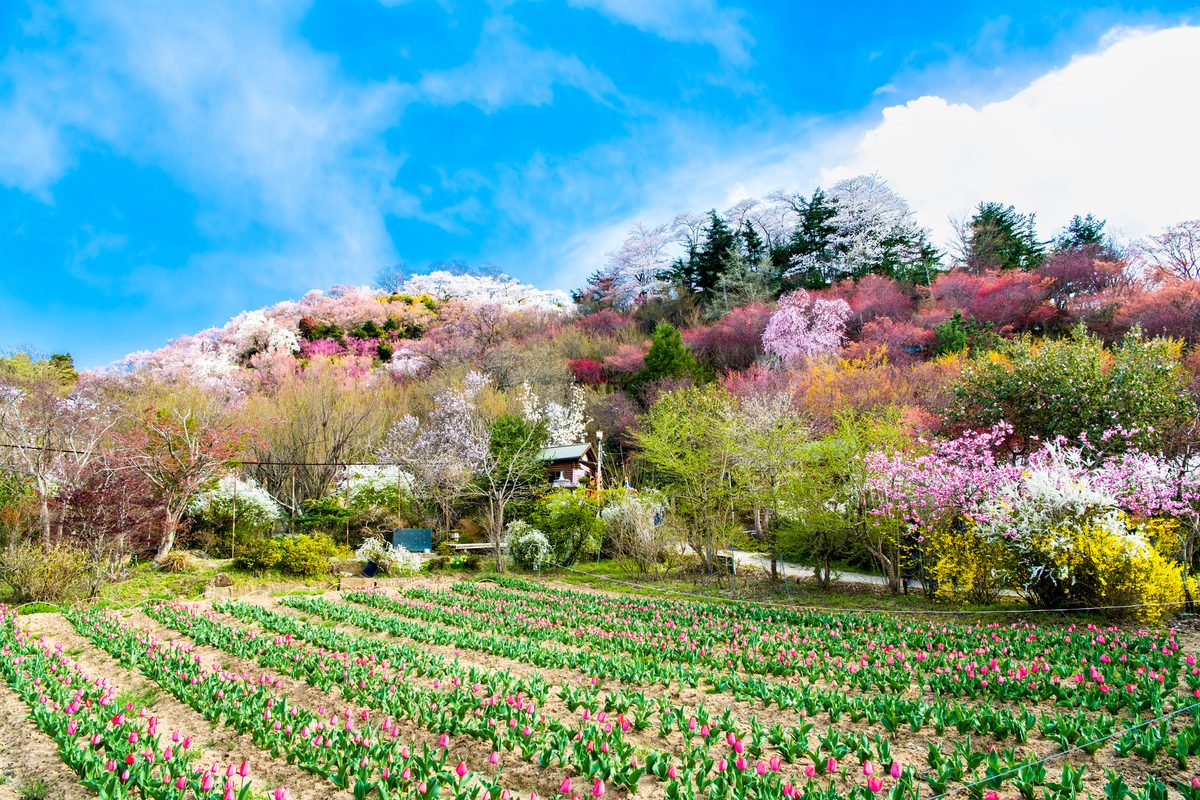
Hanamiyama Park
A private flower farm opened to the public each spring — cherry, plum, forsythia, magnolia, redbud and rapeseed all bloom simultaneously in late March and April, creating a hillside explosion of pink, yellow and white.
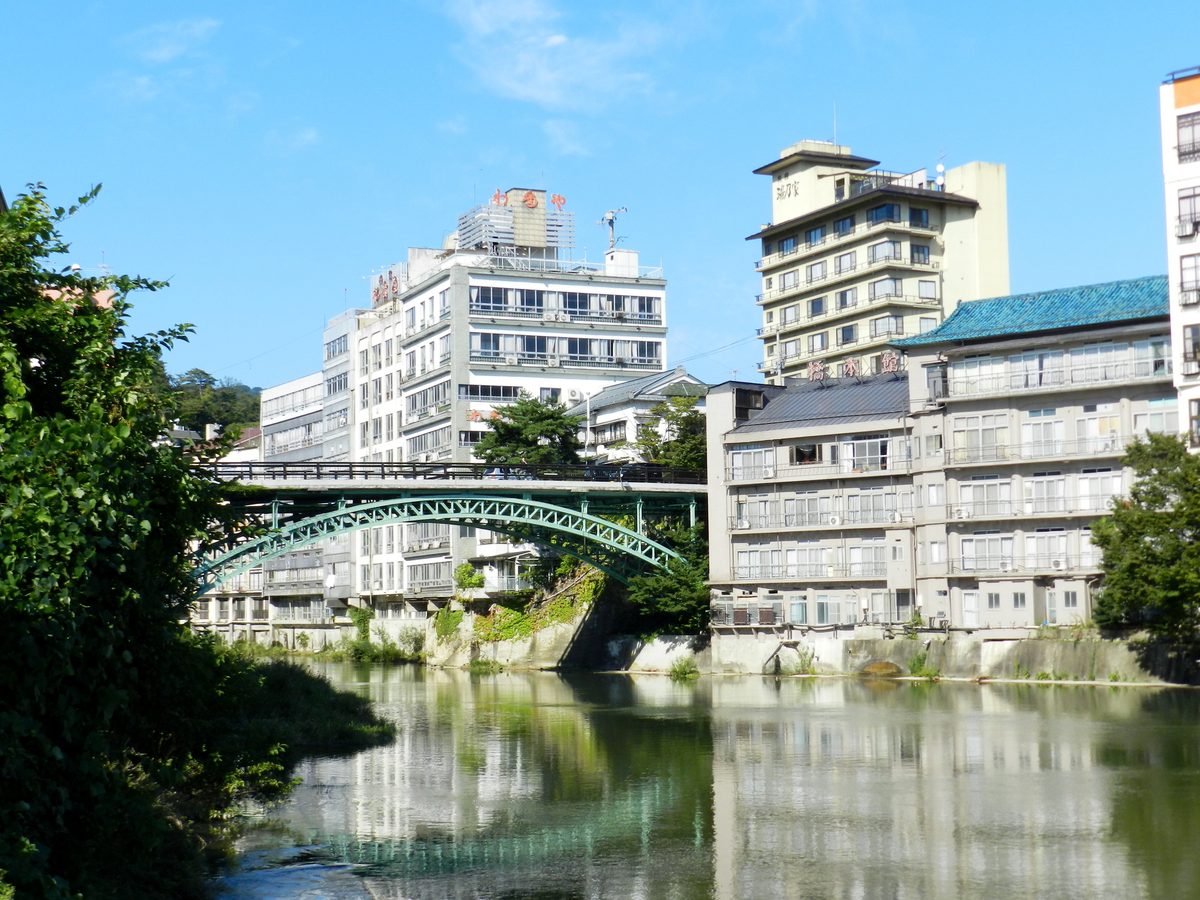
Iizaka Onsen
One of the Oshu Three Great Hot Springs (奥州三名湯), documented since the 8th century. A free footbath district, a 19th-century public bathhouse and ryokan along the Surikami River give this spa town a lived-in, unhurried atmosphere.
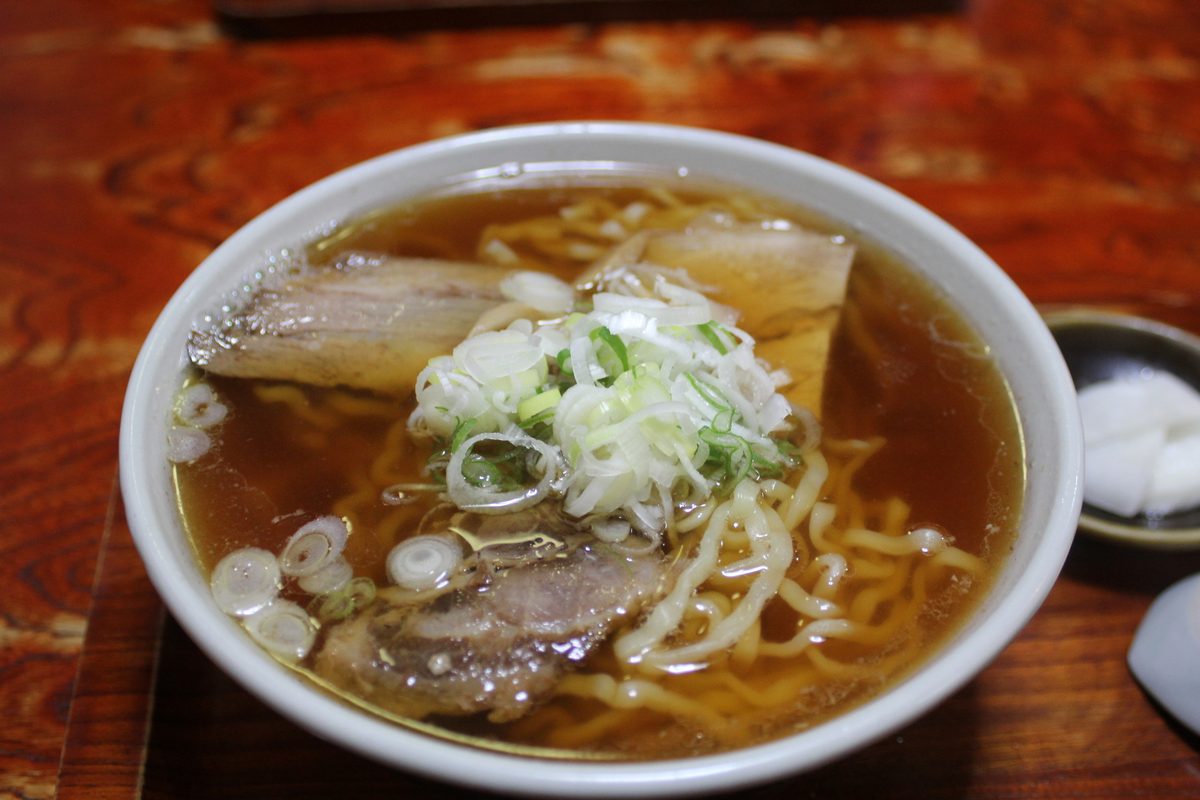
Kitakata Ramen Town
A small rice-farming city with one of the highest densities of ramen shops per person in Japan — approximately 100 shops for around 47,000 residents. Kitakata ramen uses wide, flat, curly noodles in a light soy-pork broth, and locals eat it for breakfast.
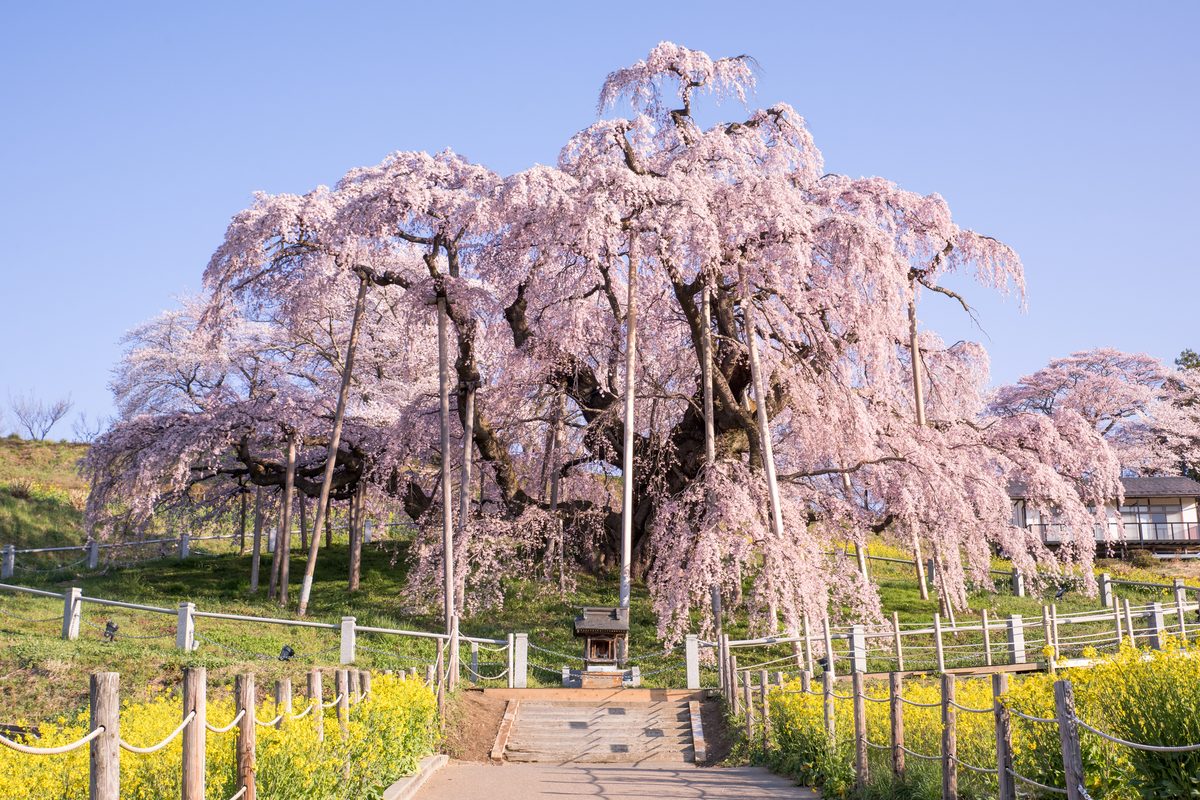
Miharu Takizakura
Japan's most celebrated tree — a 1,000-year-old weeping cherry 13.5 metres tall with branches spreading up to 14.5 metres, whose cascading branches of pale pink blossoms pour like a waterfall each April. One of Japan's three greatest cherry trees.
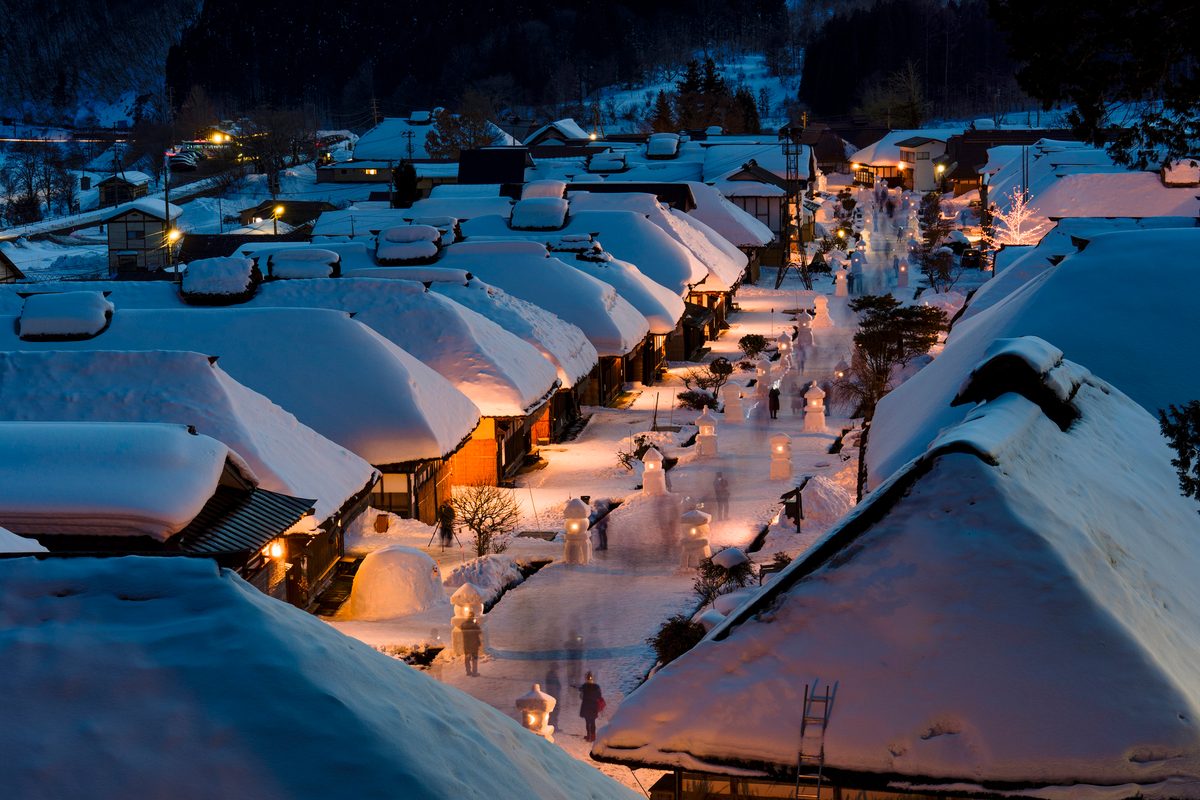
Ouchi-juku
A perfectly preserved Edo-period post town where thirty thatched farmhouses line a single road exactly as they did 200 years ago — still inhabited and still serving buckwheat noodles eaten with a green onion instead of chopsticks.
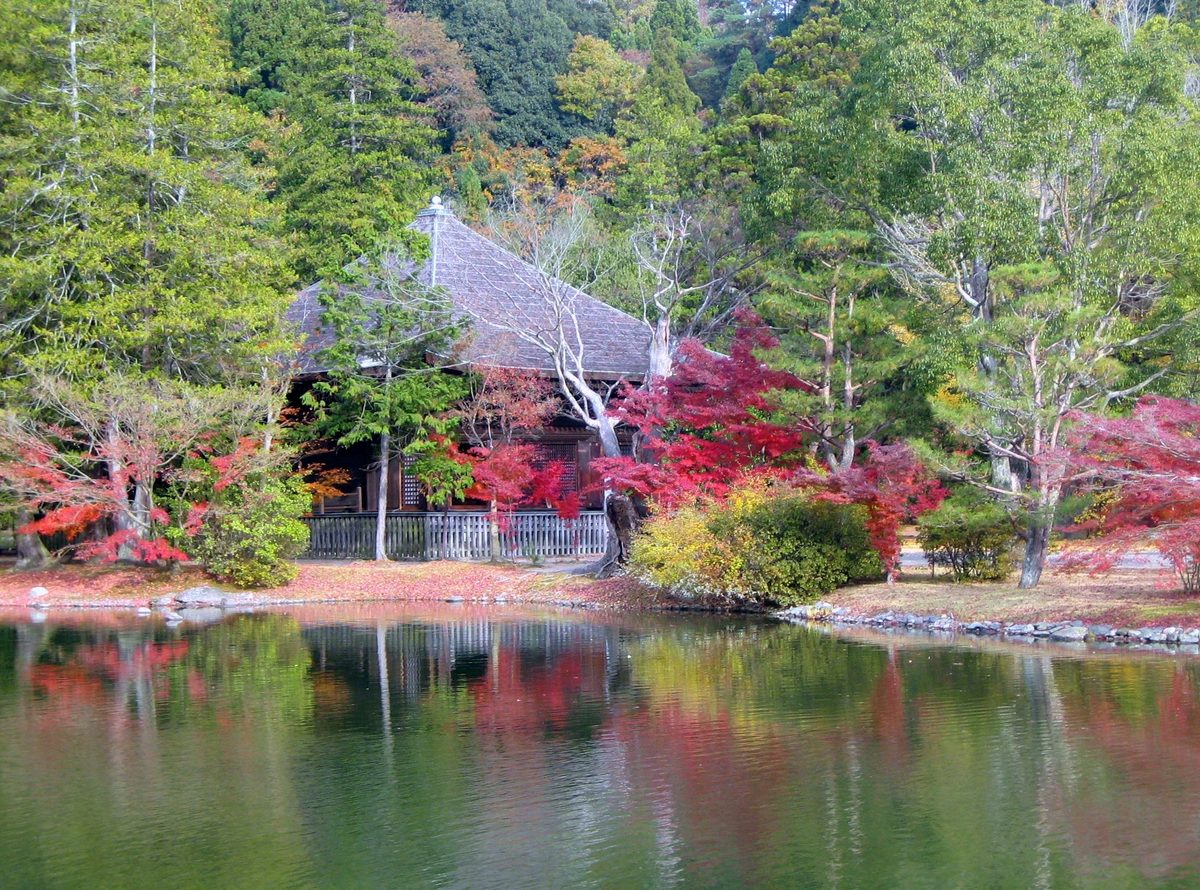
Shiramizu Amidado Temple
Shiramizu Amidado is a small Amida hall dating from 1160, the only National Treasure building in Fukushima Prefecture and one of the finest surviving examples of Heian-period Buddhist architecture in Tohoku. The hall's gilded Amida triad and four flanking bodhisattvas are preserved in remarkable condition, while the surrounding Pure Land garden — centred on a lotus pond — evokes the Buddhist paradise with quiet grace. In summer, the lotus flowers bloom in spectacular profusion around the hall; in autumn, ginkgo and maple trees frame the structure in gold and red. Located in Iwaki, the temple also represents the first major spiritual landmark in the long-neglected Hamadori coastal region.
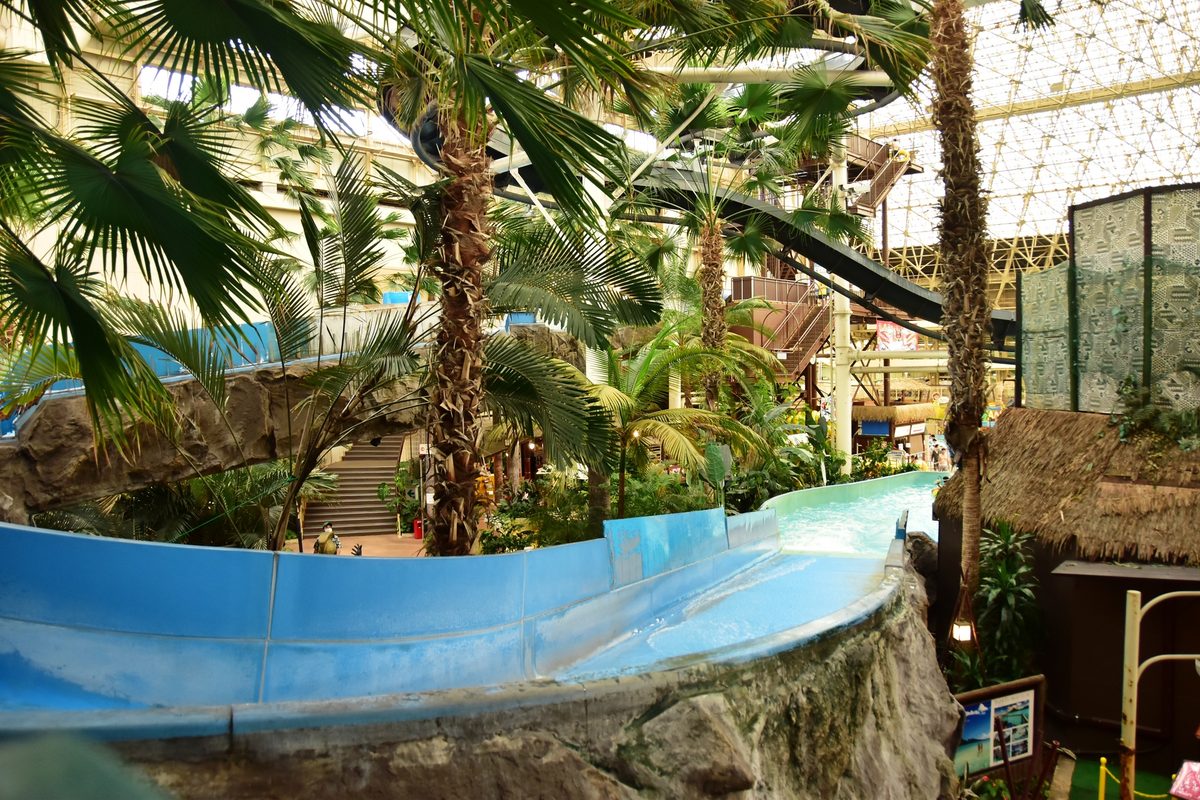
Spa Resort Hawaiians
A tropical hot spring resort built over coal mines in the 1960s after the mines closed. The story of former miners' daughters trained as hula dancers to save the town was made into the hit film "Hula Girls" (2006).
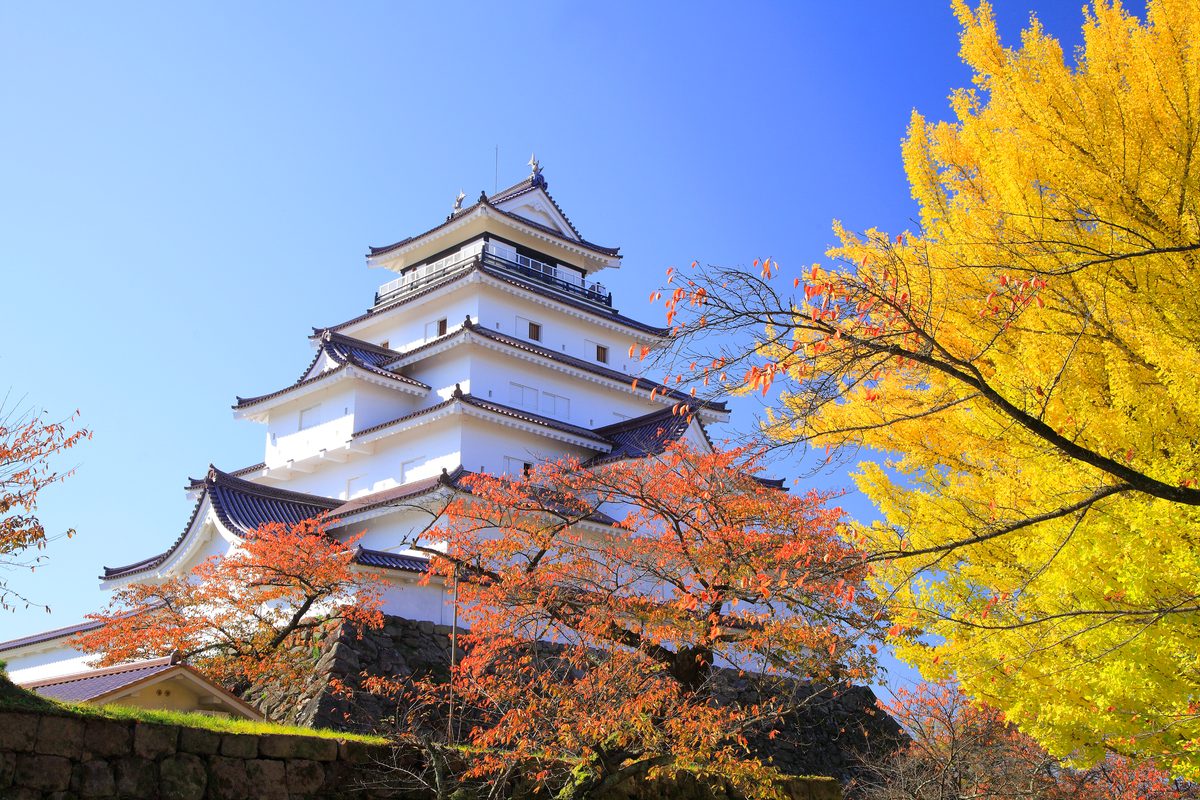
Tsurugajo Castle
Japan's only castle with distinctive red roof tiles, symbol of the Aizu clan's fierce resistance to the Meiji imperial forces in 1868. The castle held out for a month — the story of the Byakkotai teenage samurai who died nearby remains one of Japan's most moving tales.
Advertisement
When to Visit Fukushima
Peak spots by season — ordered by best match.
More from Tohoku
Other prefectures in the same region
Ready to visit Fukushima?
Let AI build a personalized day-by-day itinerary based on your interests and travel style.
Create a Fukushima Itinerary