
Kochi: The Wild Coast That Japan Forgot to Tame
Kochi has always operated at a slight remove from the rest of Japan. The distances from Osaka and Tokyo are real even with the Shinkansen connections through Okayama; the prefecture faces a different ocean and follows different weather patterns. The people here are described as direct and sociable in ways that residents take as factual rather than complimentary. The food — katsuo tataki, prepared with fire and ceremony — is treated with the seriousness that wine regions in Europe apply to their product. Ryoma came from here. Makino came from here. The cape points south and does not wait for approval.
Kochi faces the Pacific with the directness of a prefecture that has always been far from the centre of things. The Kuroshio current keeps the water warm and the air humid; the rivers run clear and cold from the mountains; the cape at Ashizuri points south into open ocean. Sakamoto Ryoma came from here and disrupted the 19th century. The botanist Makino Tomitaro came from here and catalogued Japanese flora. The prefecture's relationship with the rest of the country has always been slightly on its own terms.
Kochi City — A Castle Market, a Morning Fish, and the Clearest Light in Shikoku
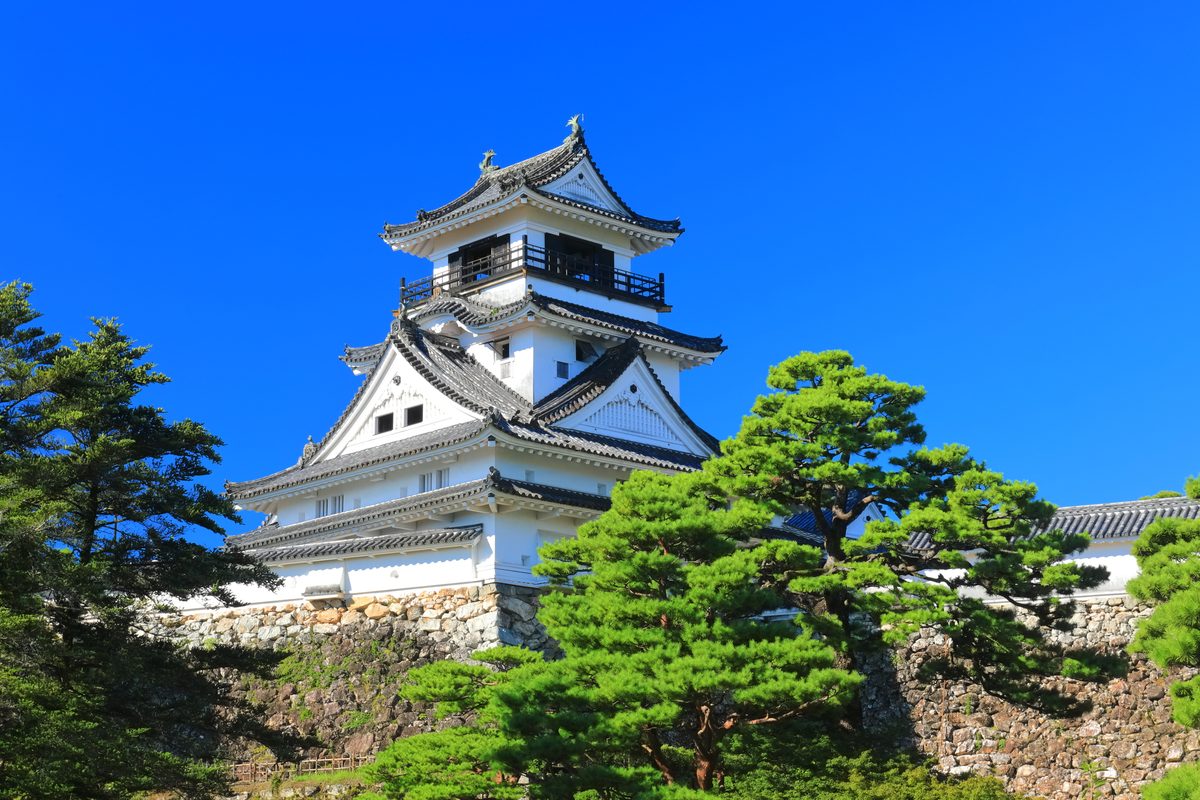
Kochi City is a flat castle town on the Kagami River delta, compact enough to cover on foot or tram and confident enough not to oversell itself. Kochi Castle is one of the twelve surviving original castle keeps in Japan and one of the few where both the keep and the main gate remain from the Edo period; the view from the upper floors across the Shikoku mountains is best on clear mornings.
The Hirome Market, a covered food hall a short walk from the castle, operates like a permanent festival: vendors selling katsuo no tataki — seared bonito over ice, dressed with ponzu and ginger — share the space with yakitori stalls and sake counters. Locals eat standing or at shared tables; the noise starts at lunch and does not stop until evening.
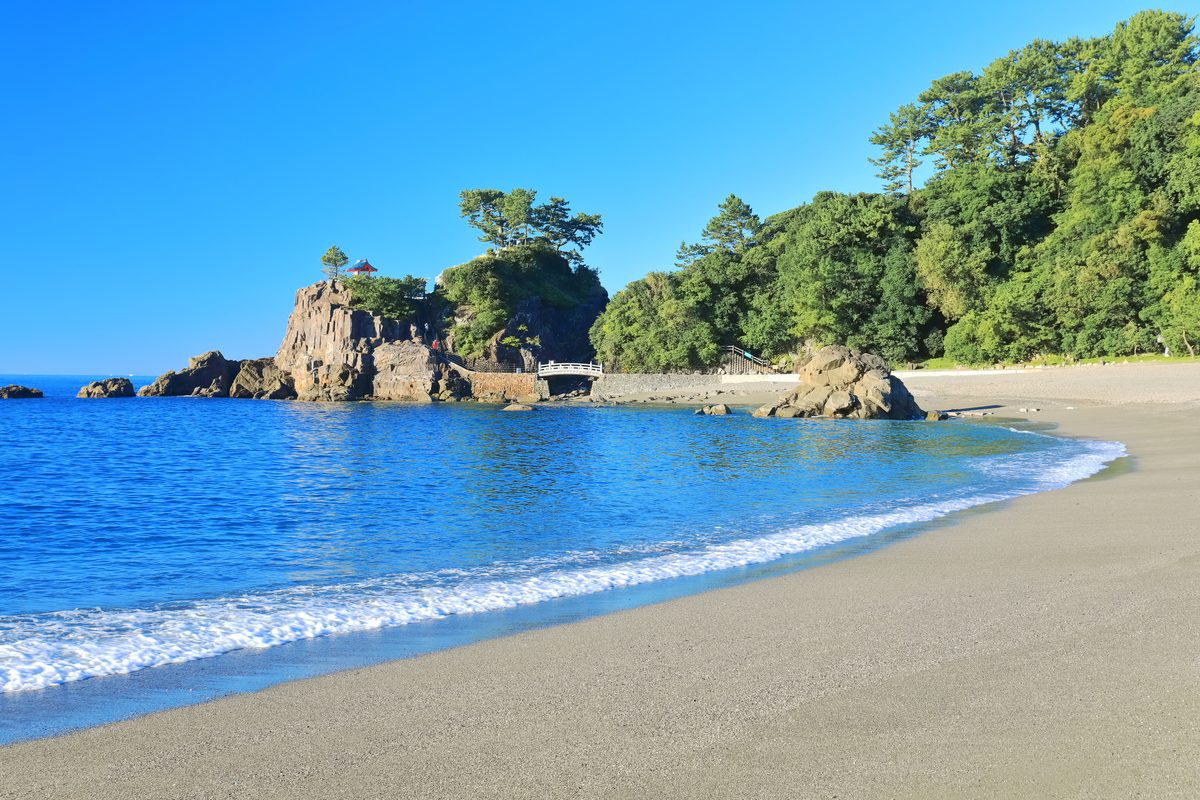
Katsurahama Beach curves around a rocky bay south of the city, backed by pines and the Sakamoto Ryoma Memorial Museum on the headland. The museum is one of the better prefectural history museums in Shikoku — specific about the man and his context rather than generically patriotic.
Explore Kochi City spots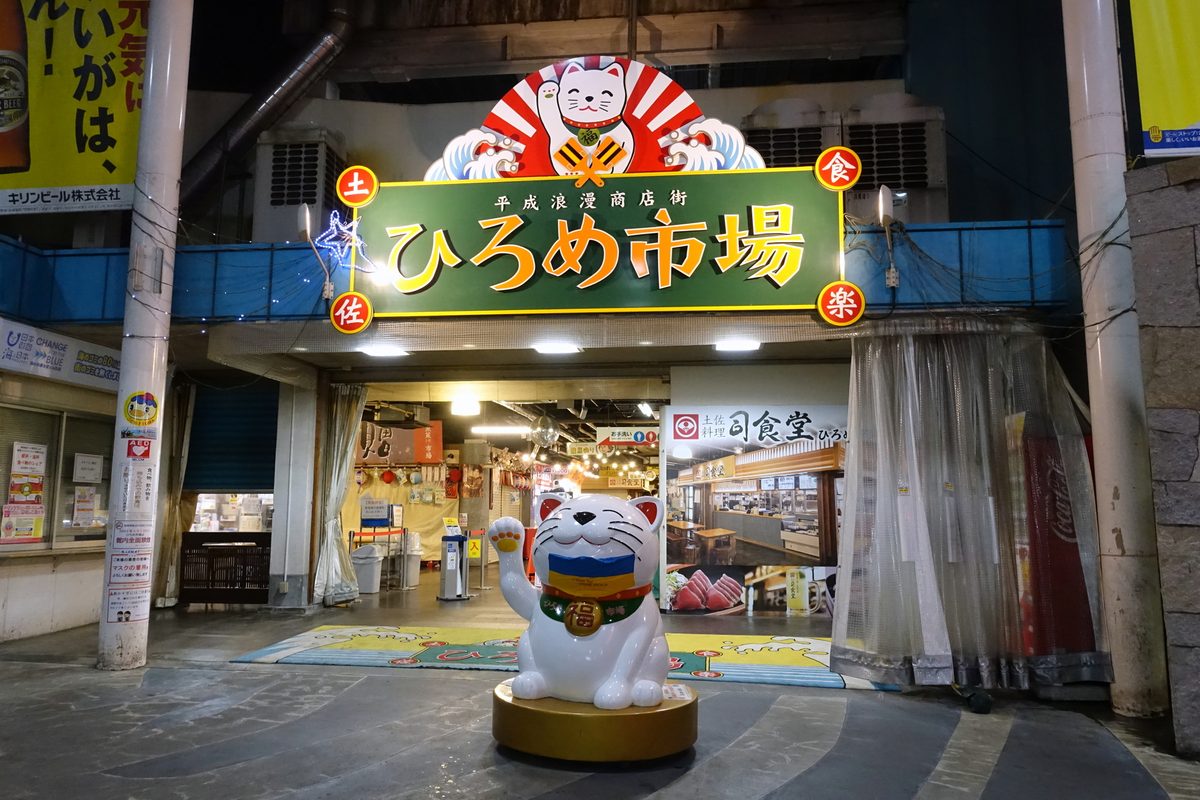
Godaisan — A Botanical Garden and a Pilgrimage Temple on the Same Hill
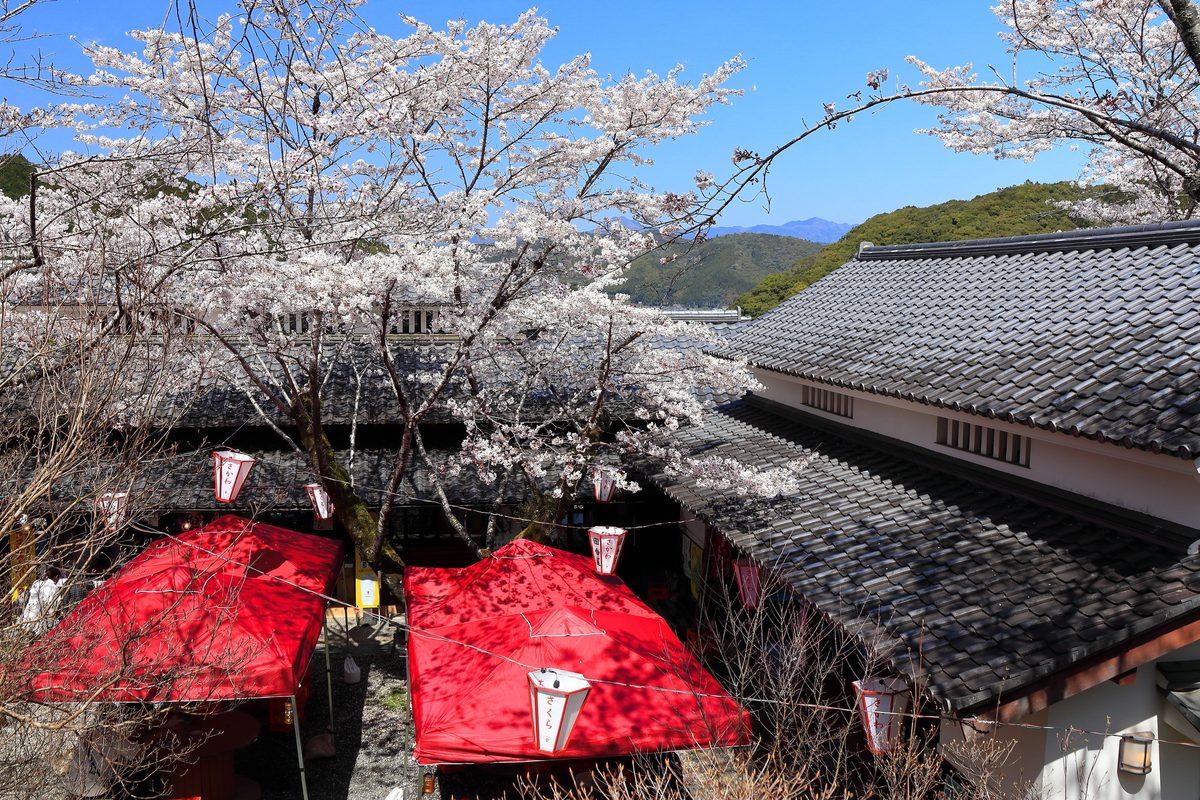
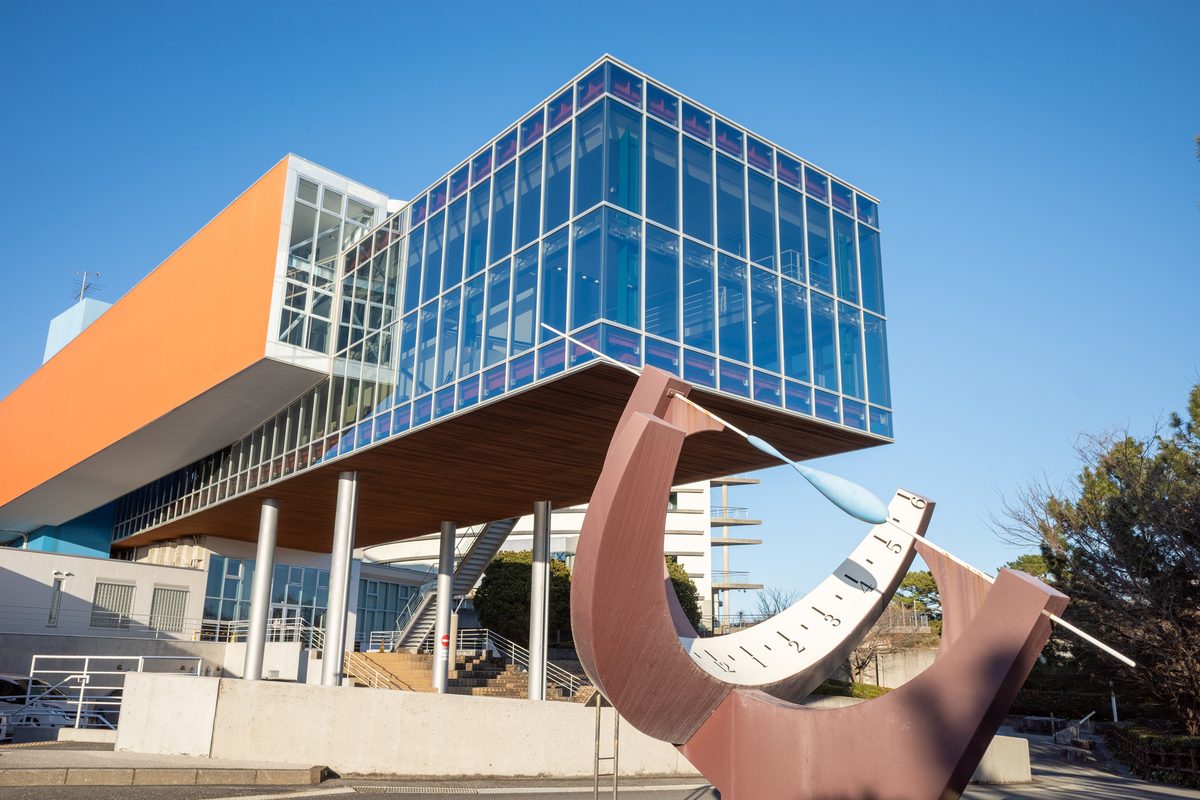
Godaisan is the forested hill east of Kochi City, and it holds two things that suit each other unusually well. The Kochi Prefectural Makino Botanical Garden covers 8 hectares of hillside, dedicated to the memory and work of Makino Tomitaro — the self-taught botanist from Kochi who identified and named over 1,500 plant species and produced botanical illustrations of exceptional accuracy. The garden is scientific in its organisation and genuinely beautiful in spring.
Chikurin-ji, temple 31 of the Shikoku Pilgrimage, occupies the forested ridge immediately adjacent to the garden. The five-storey pagoda in the cedar grove and the approach through old stone lanterns give the temple a weight that more celebrated pilgrimage sites sometimes lack.
Combining both in a half-day from the city is easy on foot; the elevation gives views over Kochi Bay that justify a slow pace.
Explore Godaisan spots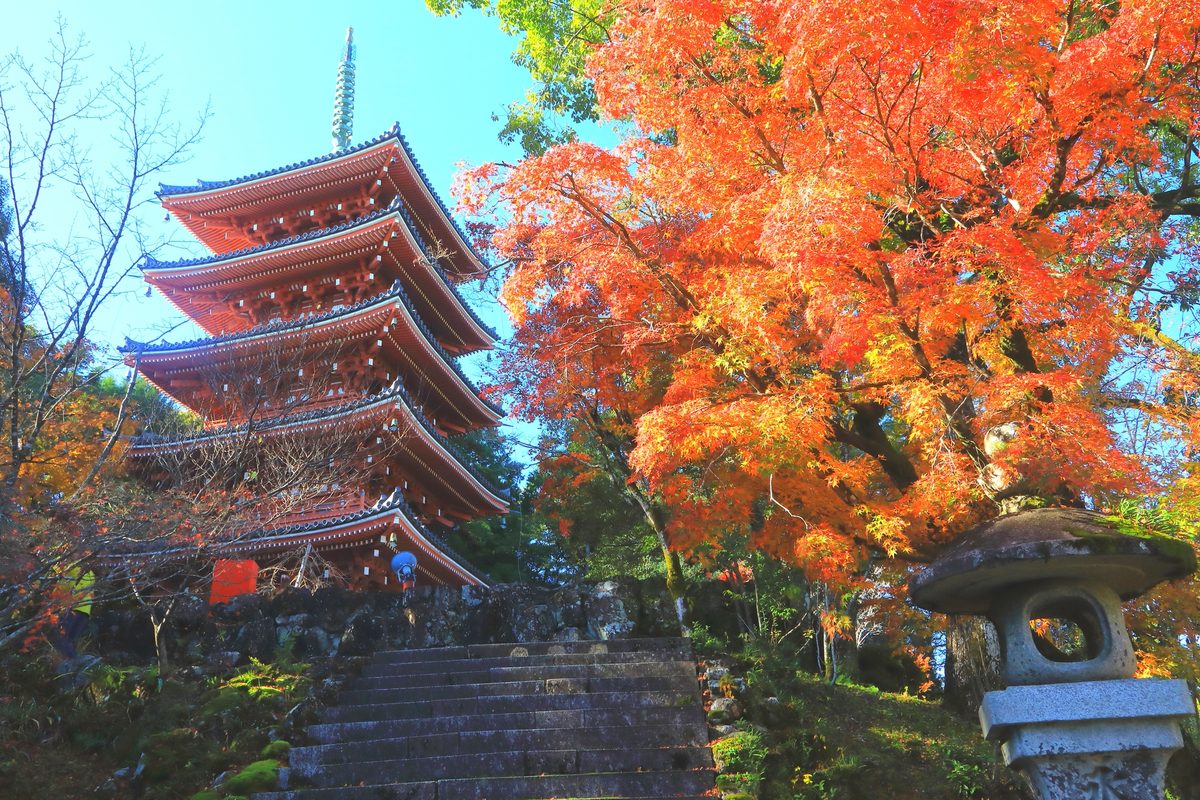
Niyodo River — The Clearest Water in Japan Has a Name
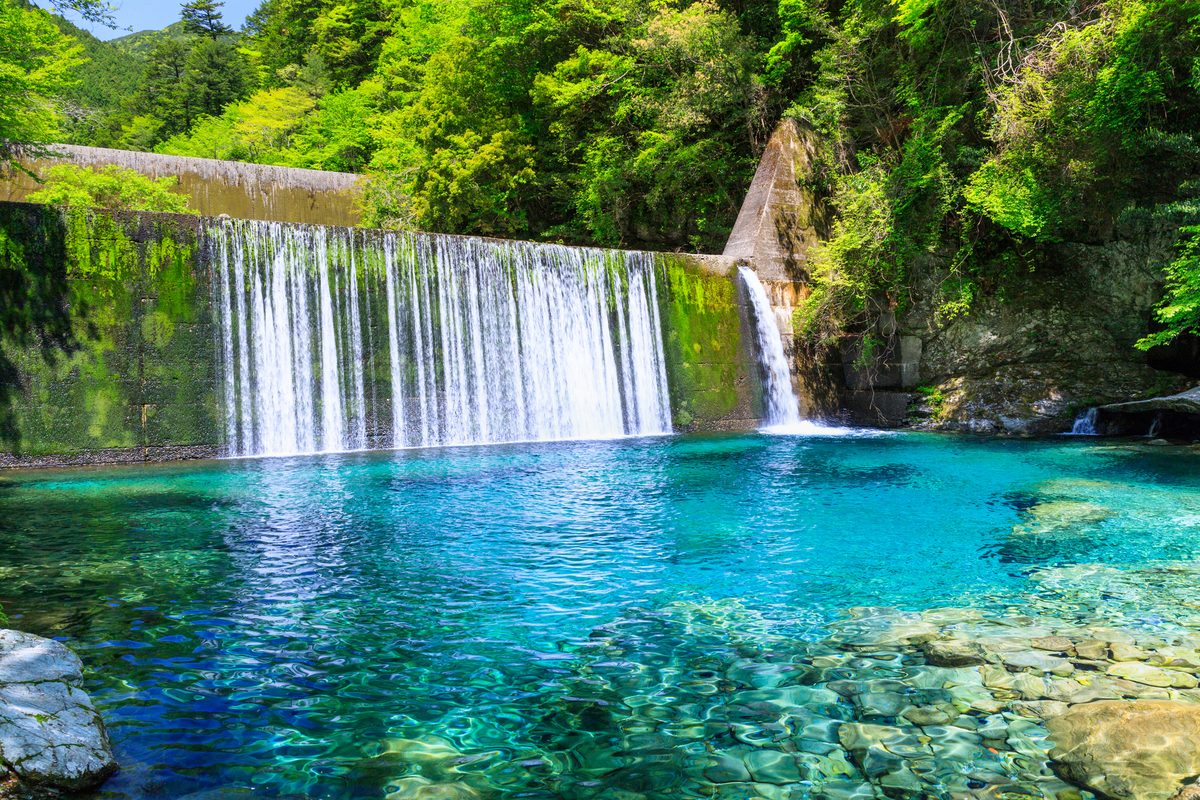
The Niyodo River is routinely cited as the clearest river in Japan — a designation based on measured turbidity that locals have turned into a point of civic pride. The water runs from the Shikoku Mountains to Tosa Bay in a series of pools and gorges that shift from glacier-green to transparent depending on depth and light.
Nakatsu Gorge, in Ino Town upstream from the city, is the most accessible section: a walking path follows the river through a narrow canyon with suspension bridges and pools deep enough to swim in during summer. The colour of the water against limestone rock in afternoon light has been photographed so often that the reality, when you reach it, still manages to exceed the pictures.
Without a car, access involves a local train and bus combination that limits return options; a rental car from Kochi City makes the day significantly more flexible and allows stops at smaller pools along the lower river.
Explore Niyodo River spotsRyugado & the Anpanman Museum — A Limestone Cave and a Very Famous Bread Hero
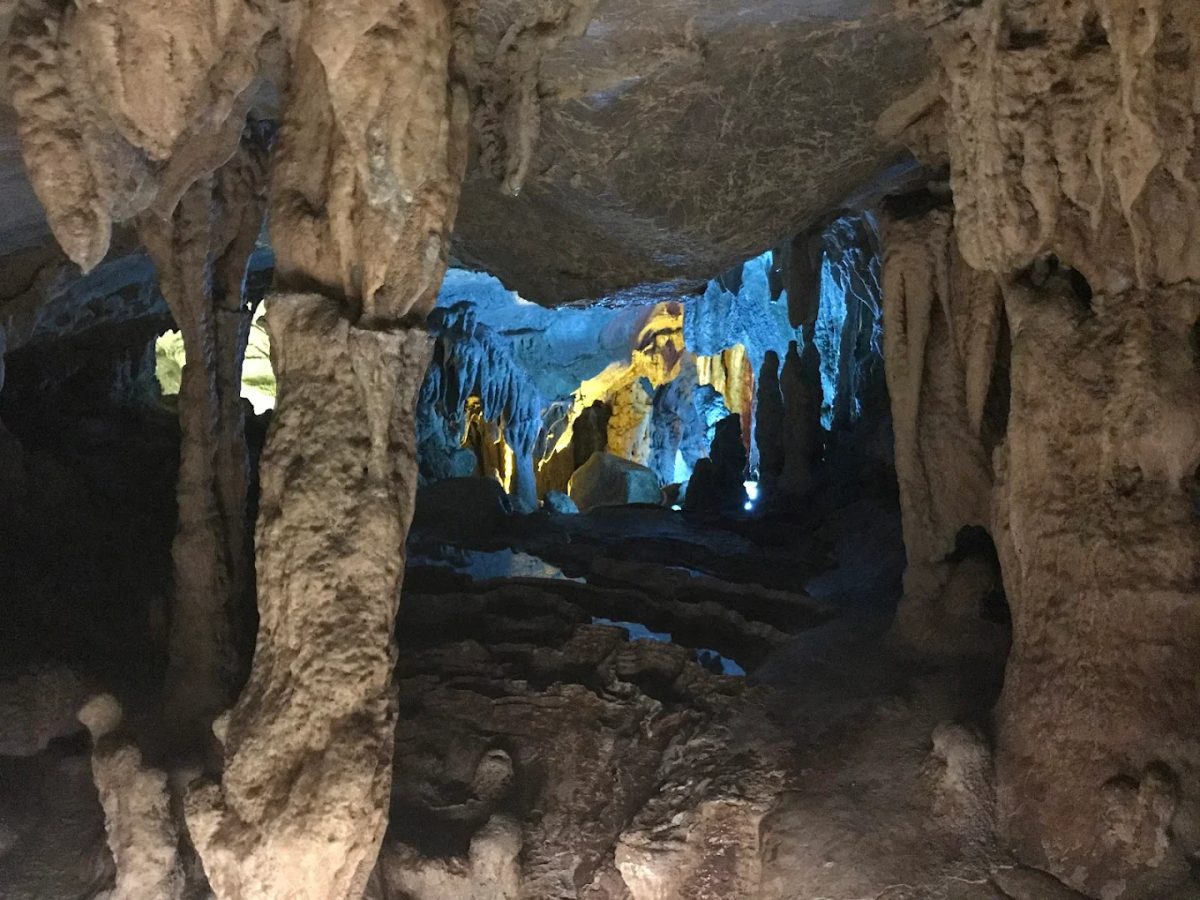
Ryugado, near Kami City, is a limestone cave system explored via walkways that pass through chambers and past underground streams over about a kilometre of developed route. The cave maintains a constant 16 degrees; the formations include unusual cave pearls and stalactite curtains in sections that require ducking through low passages.
In the same area, the Yanase Takashi Memorial Hall — commonly known as the Anpanman Museum after the author's most famous creation — documents the life and work of the illustrator who created Anpanman, one of the most recognised children's characters in Japan. Yanase was born in Kochi Prefecture; the museum is not merely a franchise attraction but a serious exhibition on his illustration career.
The two sites are close enough to pair in a half-day from Kochi, and the combination — geological and cultural, completely different in atmosphere — is one of the more peculiar pairings in Shikoku.
Explore Kami spots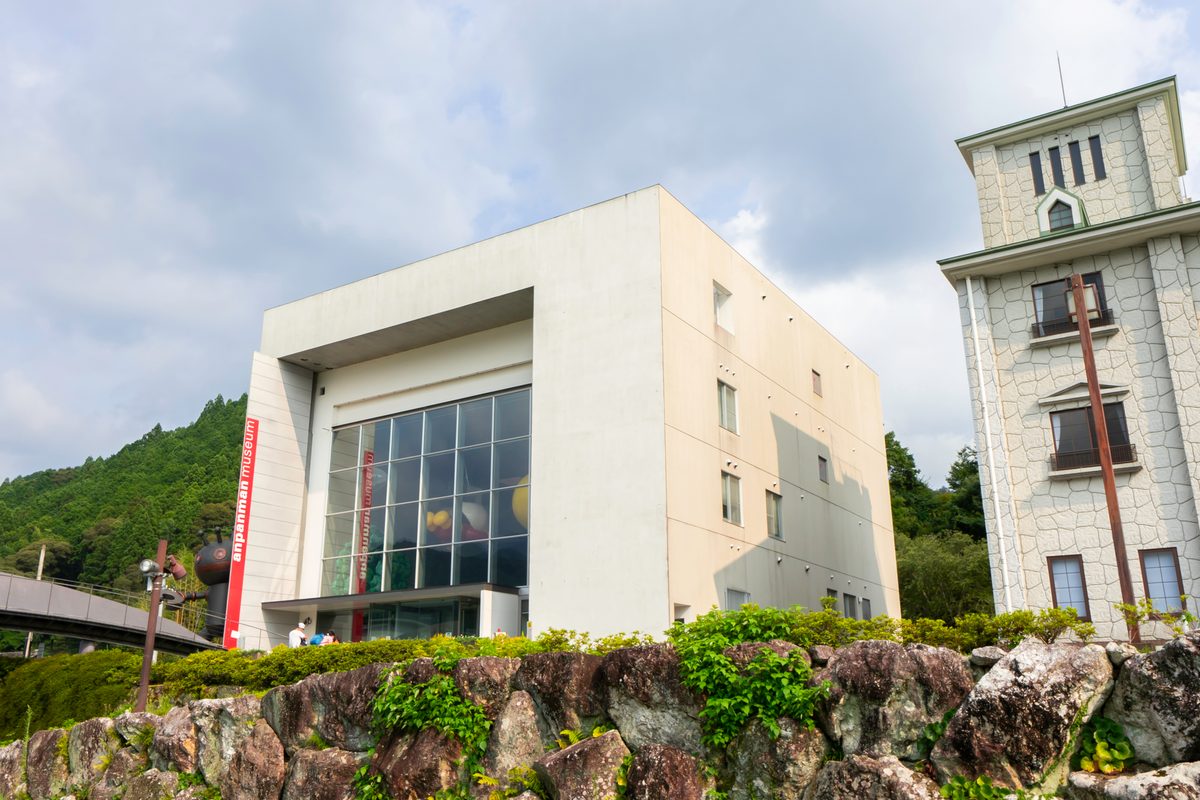
Nakatosa — Whale Watching on the Kuroshio Coast
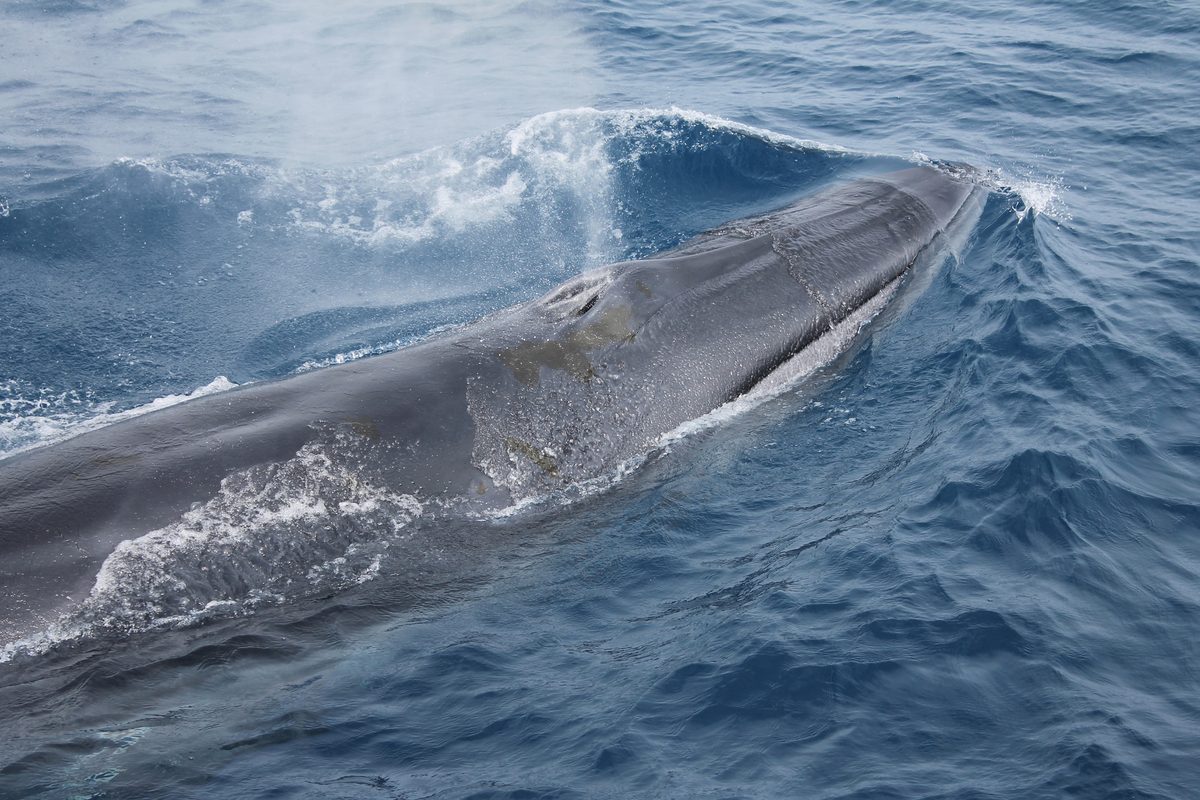
Nakatosa sits on the Kuroshio coast midway between Kochi City and the Shimanto estuary, and the warm current offshore draws sperm whales and humpbacks close enough that boat tours run from spring through autumn with reasonable reliability. The tours depart from Irino Port and last two to three hours; conditions and sightings are weather-dependent, but cetacean encounter rates in season are among the higher ones for Pacific Japan.
The town itself is a small fishing port with almost no tourist infrastructure beyond the whale-watching operation. The combination of open Pacific ocean, Kuroshio warmth, and a functional fishing economy gives the coast around Nakatosa a quality that is easier to feel than to describe — the prefecture's characteristic directness applied to a coastline.
Nakatosa pairs naturally with Shimanto as a coastal itinerary heading west.
Explore Nakatosa spotsShimanto River — The Last Clear River in Japan That Earned the Name
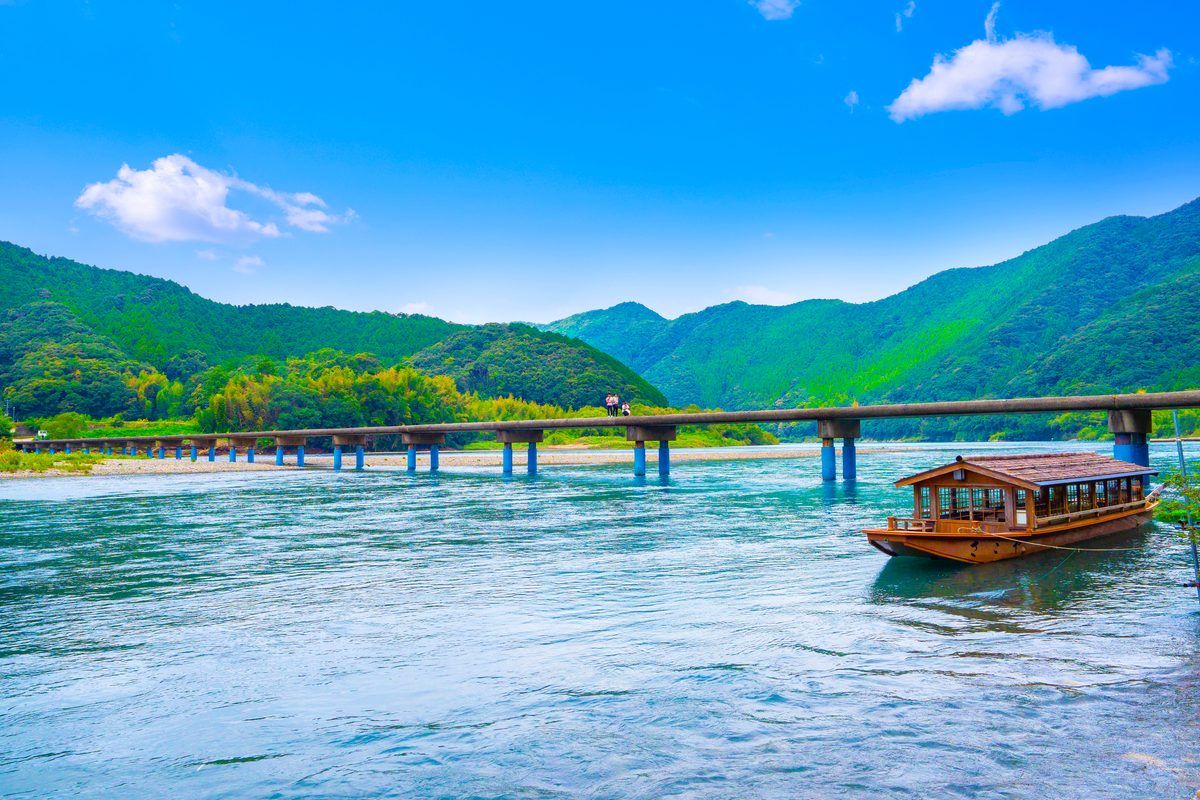
The Shimanto is marketed as Japan's last major river without a dam, which is almost true and significant enough. The river runs 196 kilometres from the Shikoku Mountains to Tosa Bay through a valley of rice paddies, cedar plantation, and secondary-growth forest, crossed by a series of low-water bridges designed to flood rather than block the river during heavy rain.
The sinking bridges — chinkabashi — are the most photographed element: flat wooden spans barely above the water surface that disappear when the river rises, used for cycling and walking when dry. Canoes can be hired in Nakamura for multi-hour river trips; kayaking through the lower gorge in early summer, when the water is high enough for sustained paddling, is one of the better active experiences in Shikoku.
Nakamura, the nearest town, is small and unhurried. The river itself does not perform — it is simply a large, clear river in the mountains that has not been interrupted as thoroughly as most.
Explore Shimanto spotsCape Ashizuri & Cape Muroto — The Two Ends of the Kuroshio Shore
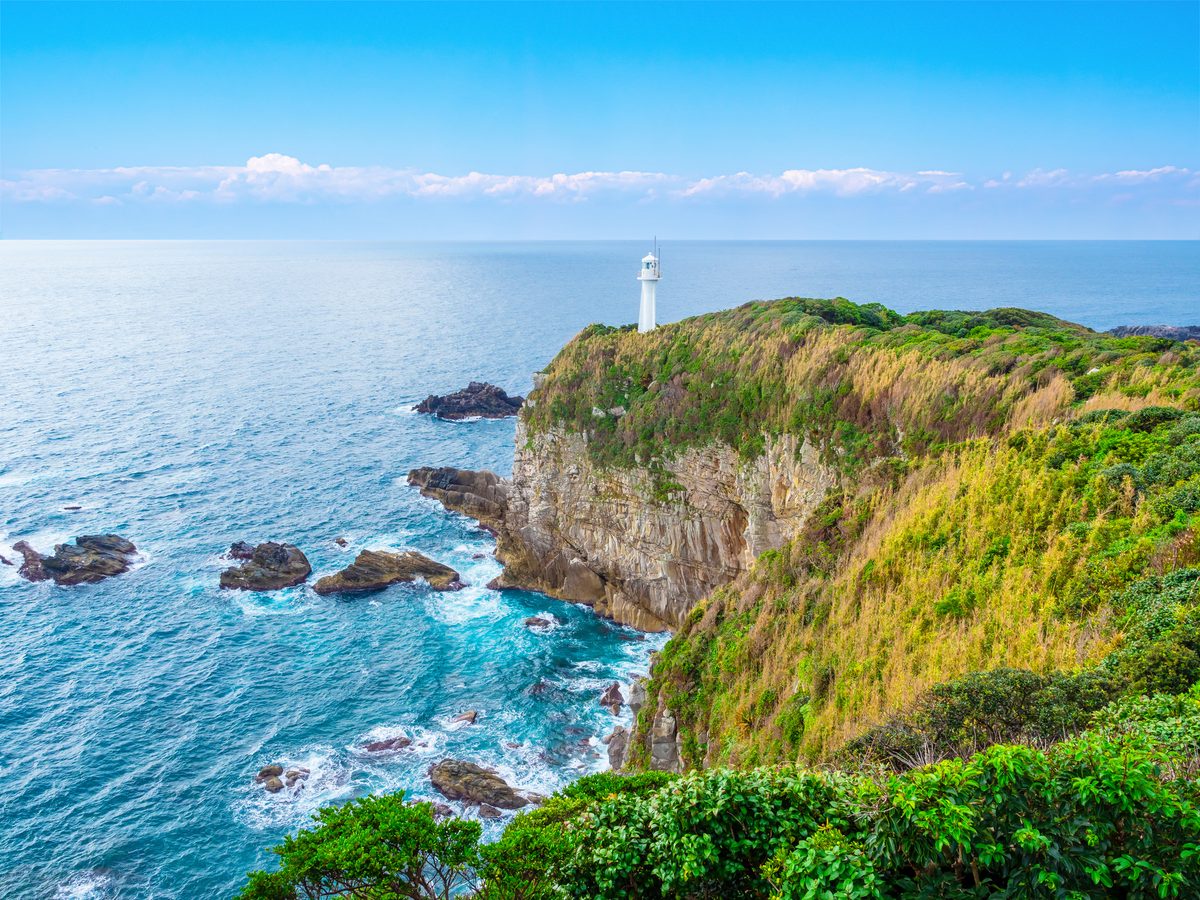
Cape Ashizuri is the southernmost point of Shikoku, a forested headland dropping to rock platforms above the Pacific with a lighthouse and the 38th temple of the Shikoku Pilgrimage — Kongofukuji — set back from the cliff edge. The approach road runs through subtropical forest; the cape faces open ocean in three directions and feels, on clear days, further from the rest of Japan than geography alone explains.
Cape Muroto, on the opposite end of the prefecture, is the site where the pilgrim Kukai is said to have attained enlightenment in a sea cave before establishing the Shingon school of Buddhism. Temple 24, Hotsumisaki-ji, sits directly above the cape. The coastline on both sides has been shaped by the Kuroshio tectonic plate; the exposed rock formations are the most striking on Shikoku.
The two capes are a full day apart even with a car; combining them in a single journey through coastal Kochi makes the most sense as part of a multi-day loop rather than as day trips from the city.
Explore cape spots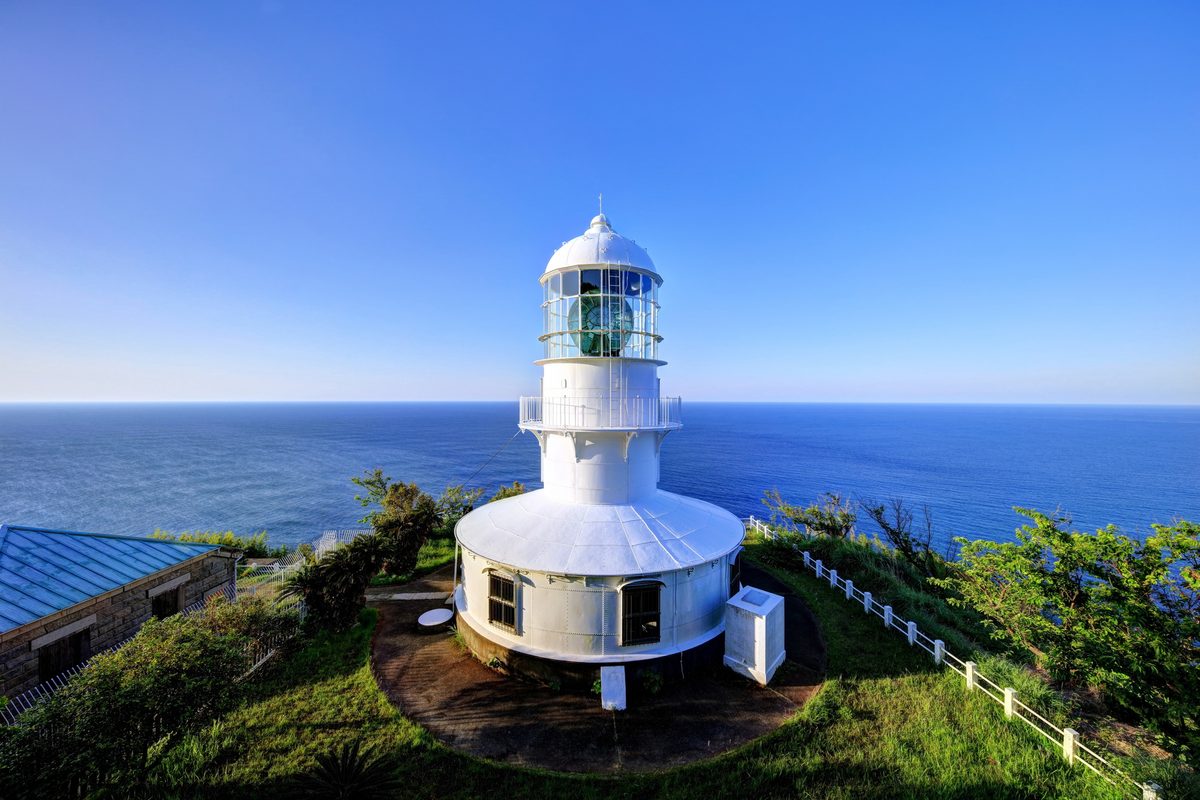
Noichi Zoo — Kochi's Quietly Serious Animal Park
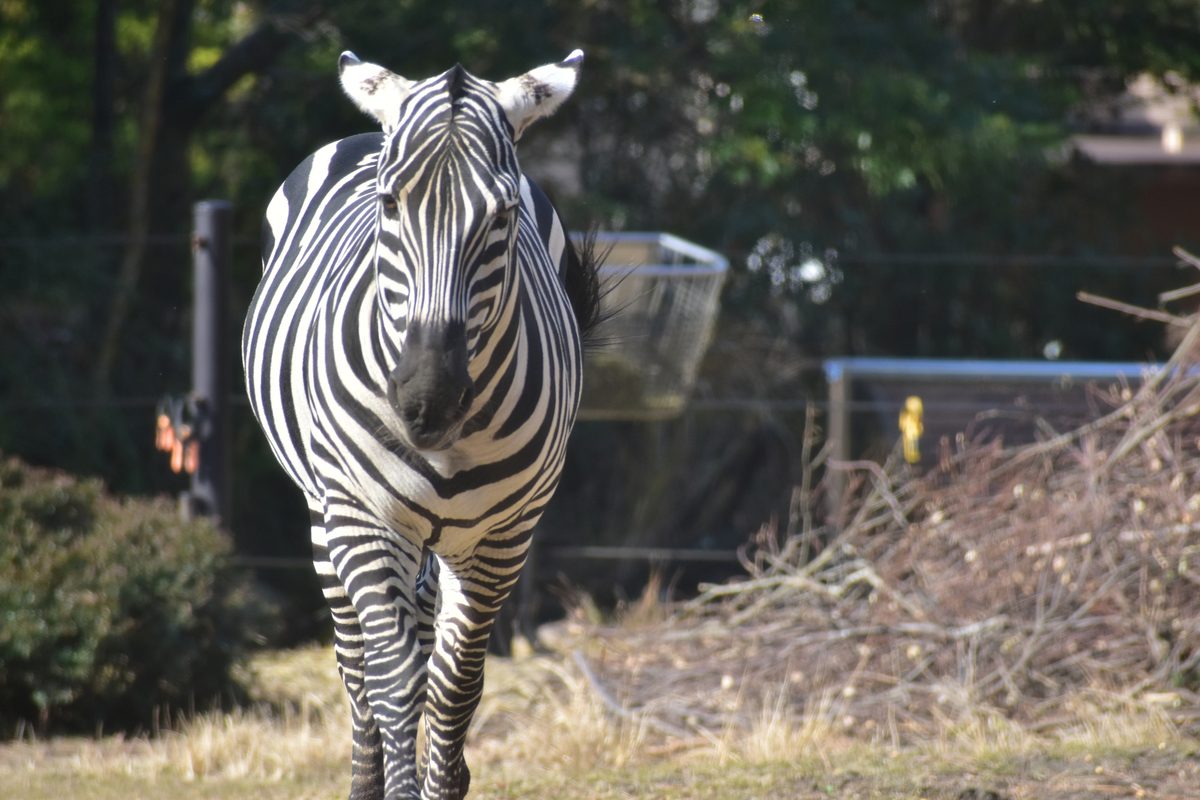
The Noichi Zoological Park, in Konan City east of Kochi, is a regional zoo of modest scale that has developed a reputation among Japanese zoo visitors for unusually naturalistic enclosure design and serious animal welfare standards. It is not internationally famous; it is the kind of institution that earns consistent praise from those who visit without expecting much.
The gorilla facility in particular has been noted for design that allows complex social behaviour; the smaller mammal houses are less compromised by the typical zoo tendency to maximise visibility at the expense of space.
Noichi works as a half-day from Kochi City for visitors travelling with children, or for anyone whose interest in animal behaviour makes a zoo visit worthwhile regardless. The surrounding farmland and the lack of commercial development around the park give it a quality that larger zoo complexes in cities rarely maintain.
Explore Noichi spotsHow to Plan Your Kochi Trip
Kochi City is the only realistic base. The tram network covers Godaisan and the castle; a rental car opens the Niyodo River, Ryugado, and the Nakatsu Gorge in a single day. Shimanto and Ashizuri each require a dedicated half-day to full day with a car; the bus connections exist but add several hours to each journey.
A week allows Kochi City, Godaisan, Niyodo, Ryugado/Anpanman, one coastal destination (Nakatosa or Shimanto), and either Ashizuri or Muroto without rushing. Attempting both capes in one trip is a full day of driving regardless of base.
Kochi is significantly warmer than the Seto Inland Sea side of Shikoku — the Kuroshio keeps winters mild and summers humid. Typhoon season affects the Pacific coast more directly than the north side; late August and September require weather flexibility. Yosakoi festival in August fills accommodation in the city a year in advance.
Where are these spots?
How to Get There
Kochi Ryōma Airport is west of the city, connected by bus in around 35 minutes. Direct flights from Tokyo (Haneda) take around 1 hour 20 minutes. From Okayama on the Shinkansen corridor, the limited express Nanpū runs to Kochi in around 2 hours. Trams serve the city centre and Godaisan. Limited express Ashizuri runs west toward Nakamura for Shimanto access. Rental cars are available at Kochi Station and Airport — essential for the Niyodo River, Ryugado, and the Pacific capes.
Find your Japan
Find Your Kochi
Browse curated spots across Kochi Prefecture — from the Hirome Market and Niyodo River to the wild Pacific capes — on Tobira.
Find match spotsMore Prefecture Guides
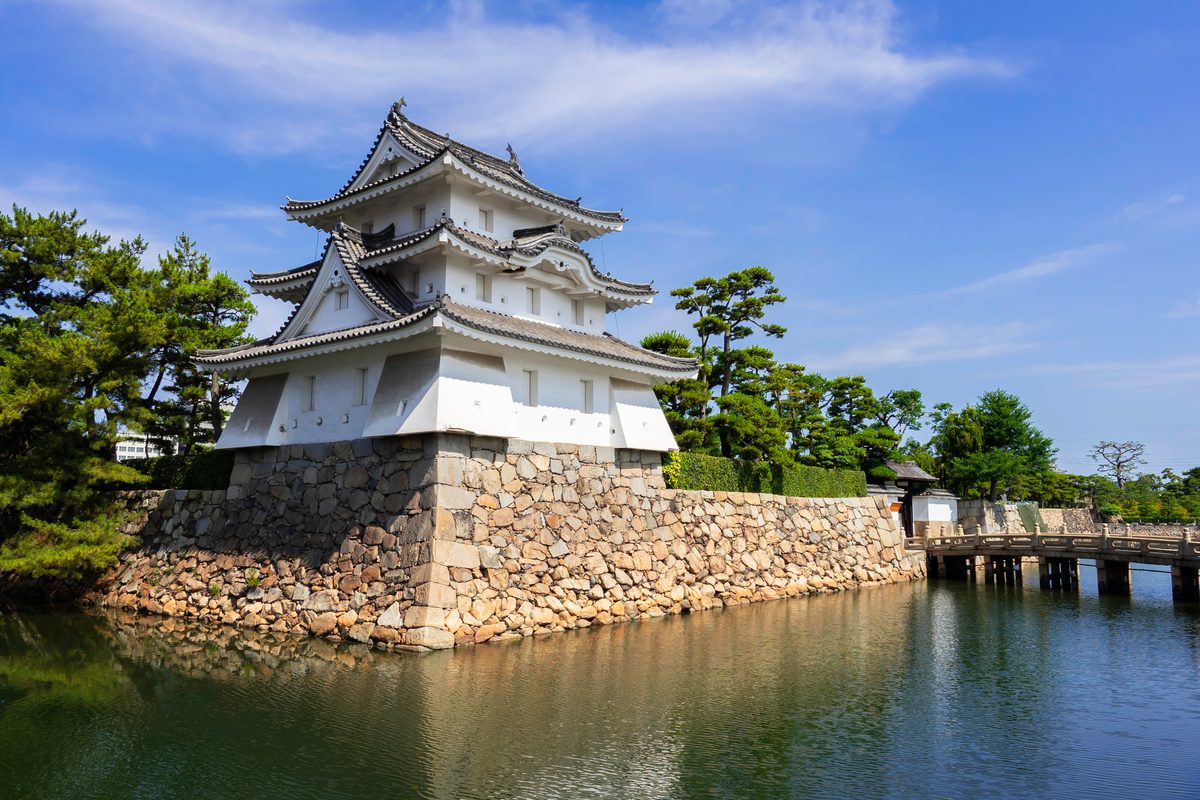
Kagawa: Udon, Art Islands, and the Most Climbed Stairs in Shikoku
11 min read
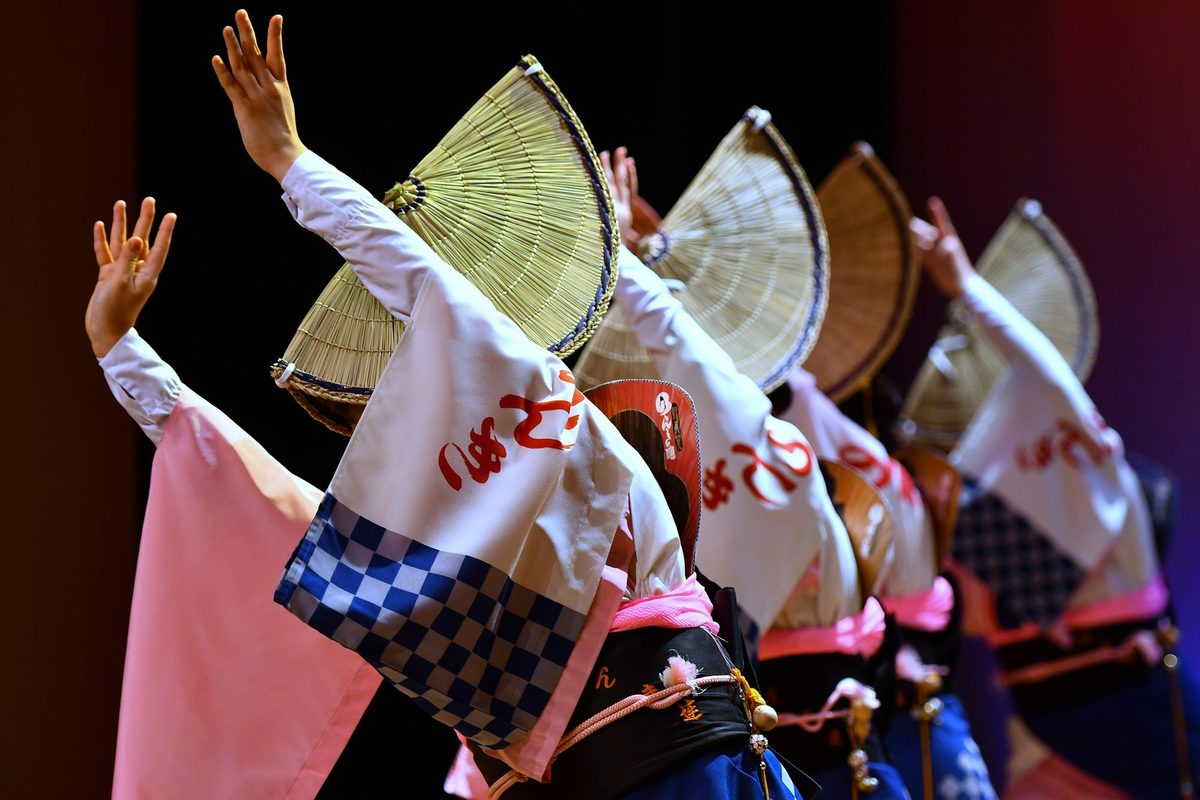
Tokushima: Whirlpools, the Valley That Time Missed, and Japan's Loudest Dance
11 min read
Ehime: Islands, Castles, and the Road That Goes Between
13 min read
Fukushima: Three Regions, One Prefecture, No Simple Story
12 min read
Akita: Snow Country, Rice Country, and Monsters on New Year's Eve
12 min read
Yamagata: Cherries, Sacred Mountains, and Snow That Eats the Trees
12 min read
Miyagi: The Coast, the Castle, and Sendai Between Them
11 min read
Iwate: Where the Mountains Lean Against the Pacific
12 min read
Aomori: Where Winter Invented Its Own Festival
12 min read
Kagoshima: Where the Mainland Finally Runs Out of Land
12 min read
Miyazaki: Where the Sun God Hid and the Horses Run Wild
11 min read
Saga: Older Than You Think, Quieter Than Most
11 min read
Nagasaki: Where Every Century Left Something Behind
13 min read
Oita: Where the Earth Still Boils
12 min read
Fukuoka: Where Japan Eats, Breathes, and Gets On With It
14 min read
Hokkaido Travel Guide: Ten Places Beyond Sapporo
16 min read