
Miyagi: The Coast, the Castle, and Sendai Between Them
Miyagi carries itself with the confidence of a prefecture that knows it is Tohoku's default gateway. Sendai has universities, concerts, and a food scene dense enough to feel like a small Tokyo satellite; the coast still smells of fish and salt; the mountains west of the city are close enough for onsen after work. There is less of the defensive regional pride you sense further north — Miyagi has enough population and enough Shinkansen platforms not to need it. What remains underneath is straightforward: good ingredients, honest construction, and a coastline that has rebuilt itself more than once.
Miyagi is Tohoku's most populous prefecture, and Sendai — the largest city north of Tokyo — sits almost exactly between the Pacific coast and the Ou Mountains. That geography has shaped everything here: Date Masamune's castle overlooking the Hirose River, the pine islands of Matsushima, fishing ports that supply some of Japan's best maguro, and onsen valleys an hour from the centre. It is more accessible than most of Tohoku and less self-conscious about it.
Sendai — The One-Eyed Dragon's City, Still Eating Well
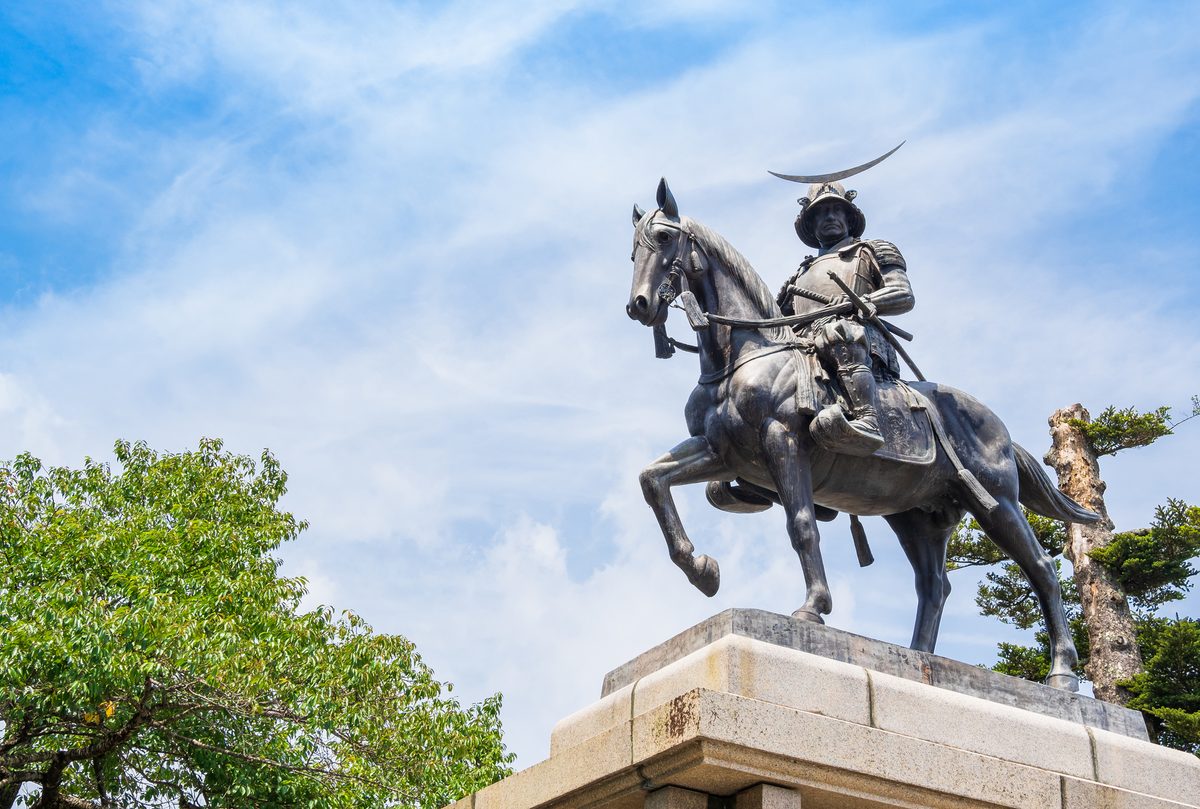
Sendai was founded as a castle town by Date Masamune in 1601; the keep no longer stands, but the ruins on Mount Aoba still command a view over the city and the Hirose River gorge below. The stone walls and reconstructed gate give enough sense of scale to understand why the domain mattered in the Edo period.
The Asaichi morning market in the city centre opens early with vendors selling vegetables, pickles, and prepared food in a covered arcade that feels more lived-in than tourist-oriented. Osaki Hachimangu, a few kilometres west of the core, is one of Tohoku's major shrines — a spacious compound with a long approach that sees serious foot traffic on New Year and festival days.
Sendai Umino-Mori Aquarium, near the coast in Miyagino Ward, focuses on species from the Sanriku and Joban coasts; it is aimed at families but the regional specificity of the tanks is more interesting than a generic city aquarium usually manages. Combined with the castle site and a morning market breakfast, a full day in Sendai covers urban Miyagi without leaving the city limits.
Sendai Castle Ruins (Aoba Castle)
Miyagi
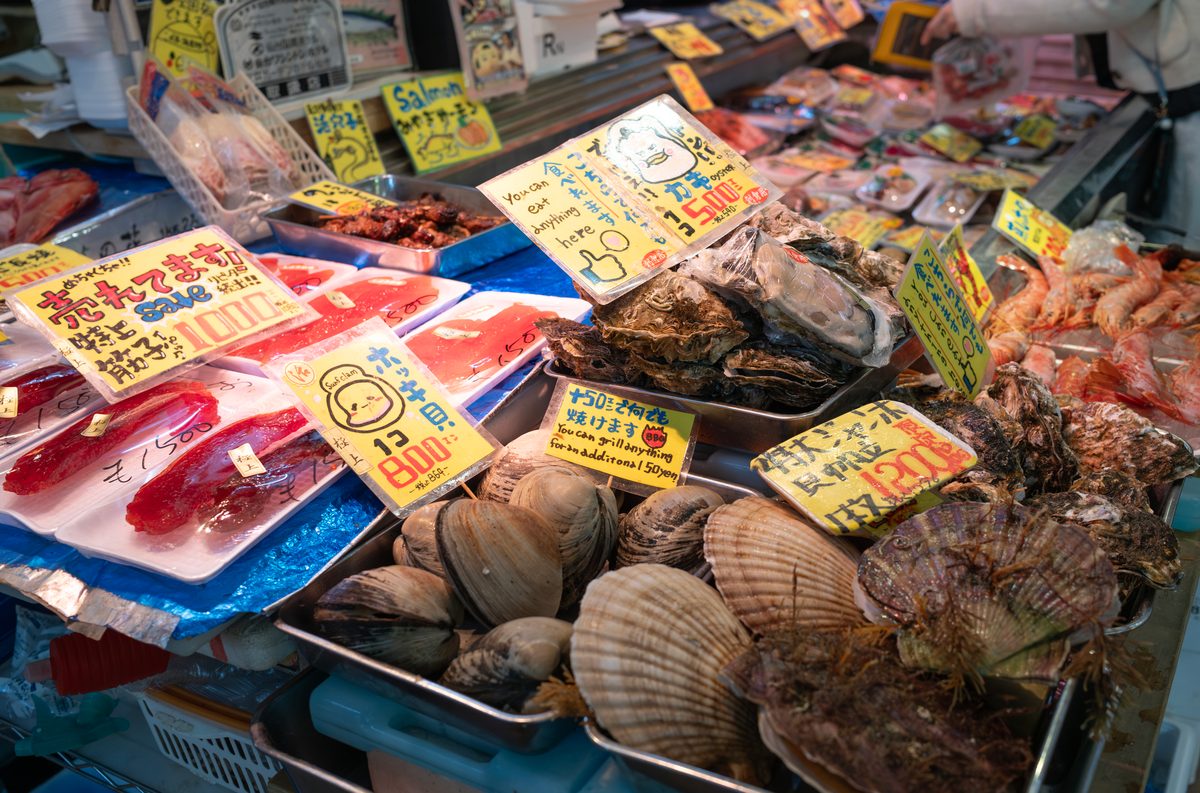
Sendai Asaichi Market
Miyagi
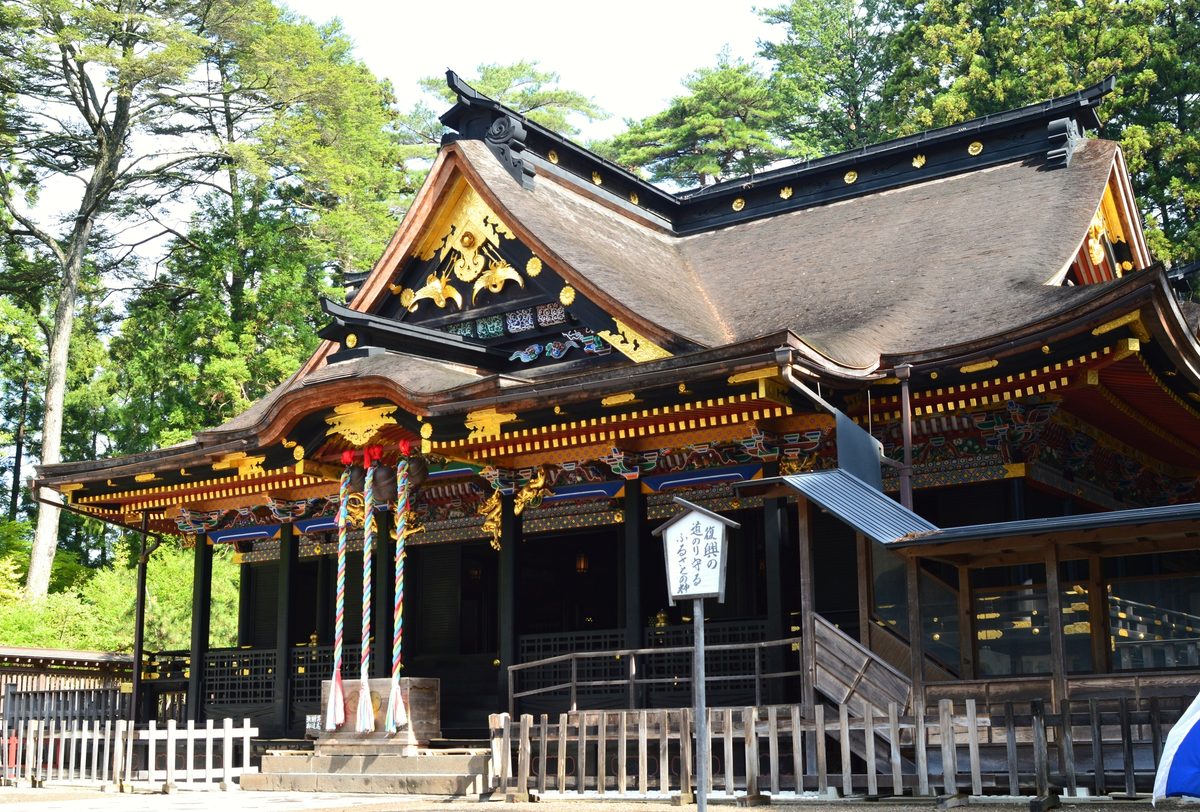
Osaki Hachimangu Shrine
Miyagi
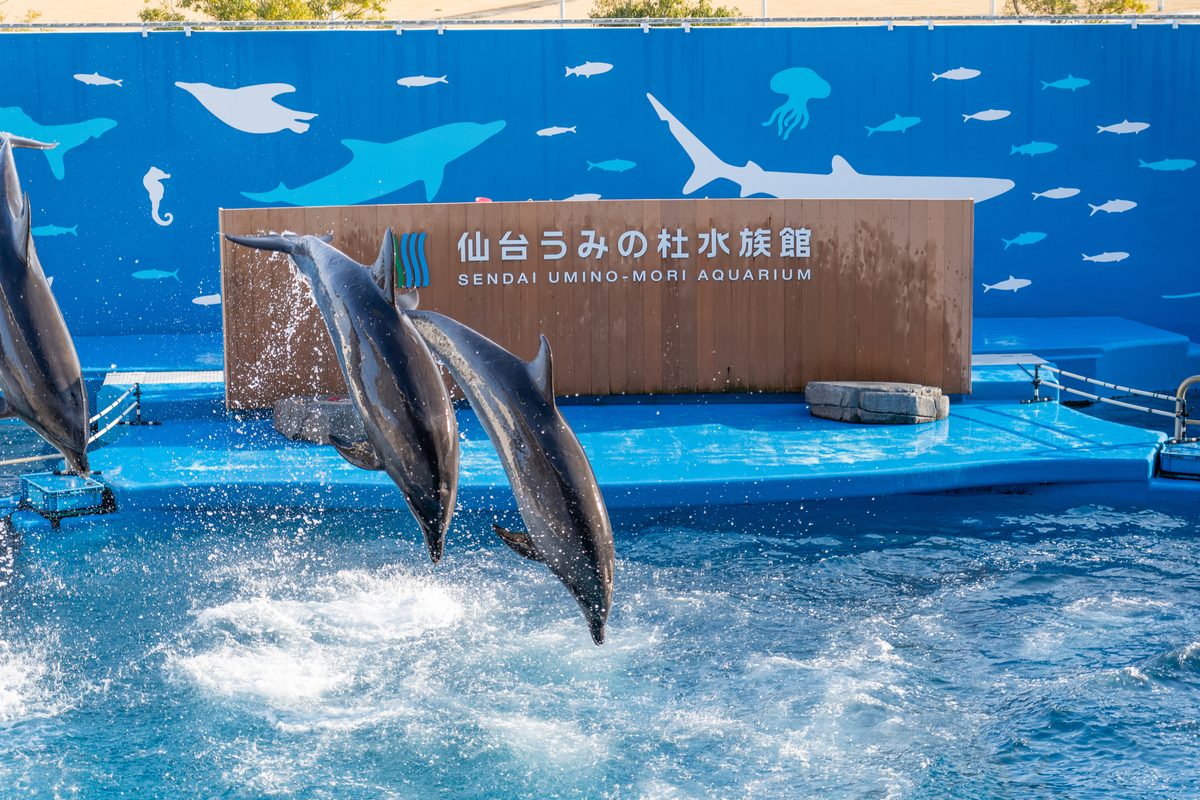
Sendai Umino-Mori Aquarium
Miyagi
Akiu Onsen — Hot Springs Thirty Minutes from the Skyscrapers
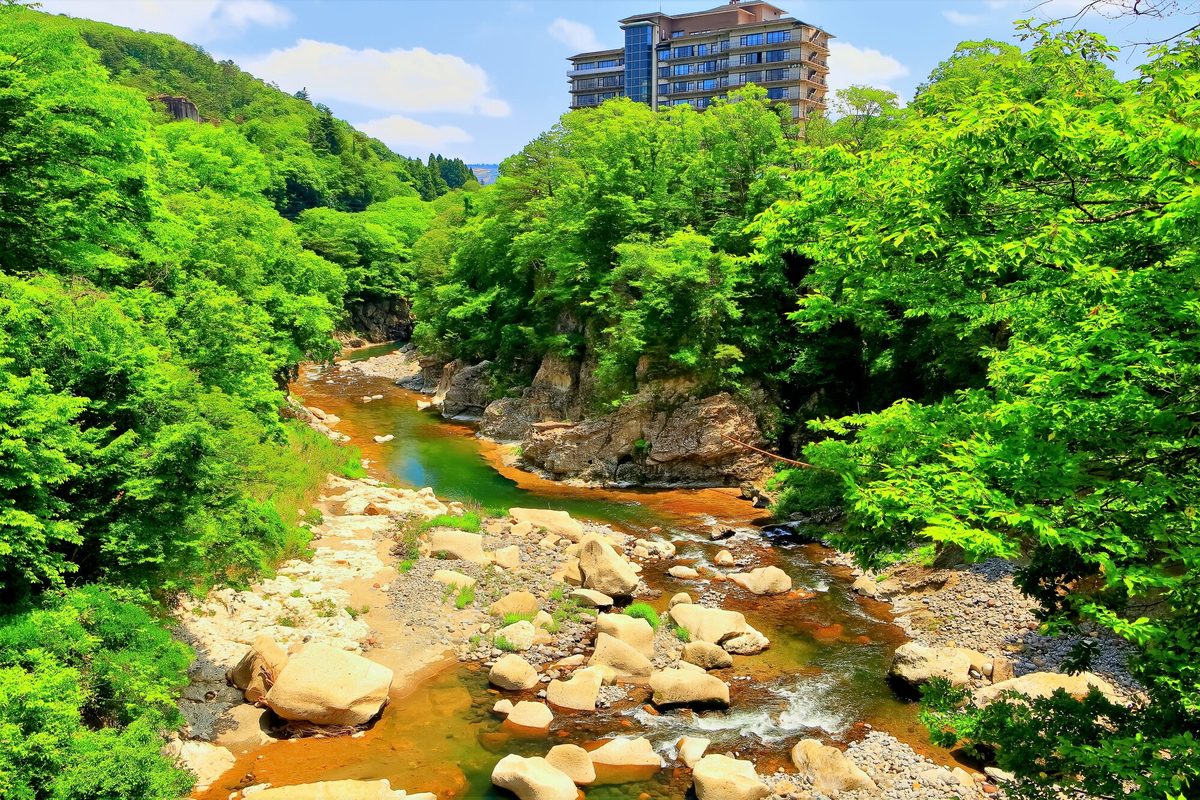
Akiu sits in a narrow valley in the hills west of Sendai, close enough for an after-work soak for city residents but far enough that the air temperature drops noticeably. The river gorge runs through the centre of the resort; ryokan line both banks, and walking paths follow the water upstream into forest.
The water is simple alkaline spring — not sulphurous, not especially famous nationally — which keeps the crowds lighter than at onsen with stronger branding. The appeal is proximity: you can sleep in a Sendai hotel, spend a half-day here, and return for dinner in the city without feeling you have changed prefectures.
Akiu works as a counterweight to Sendai's urban energy — slower, darker in the evenings, with the sound of the river replacing traffic.
Explore Akiu spotsMatsushima — The Bay Basho Could Not Finish Describing
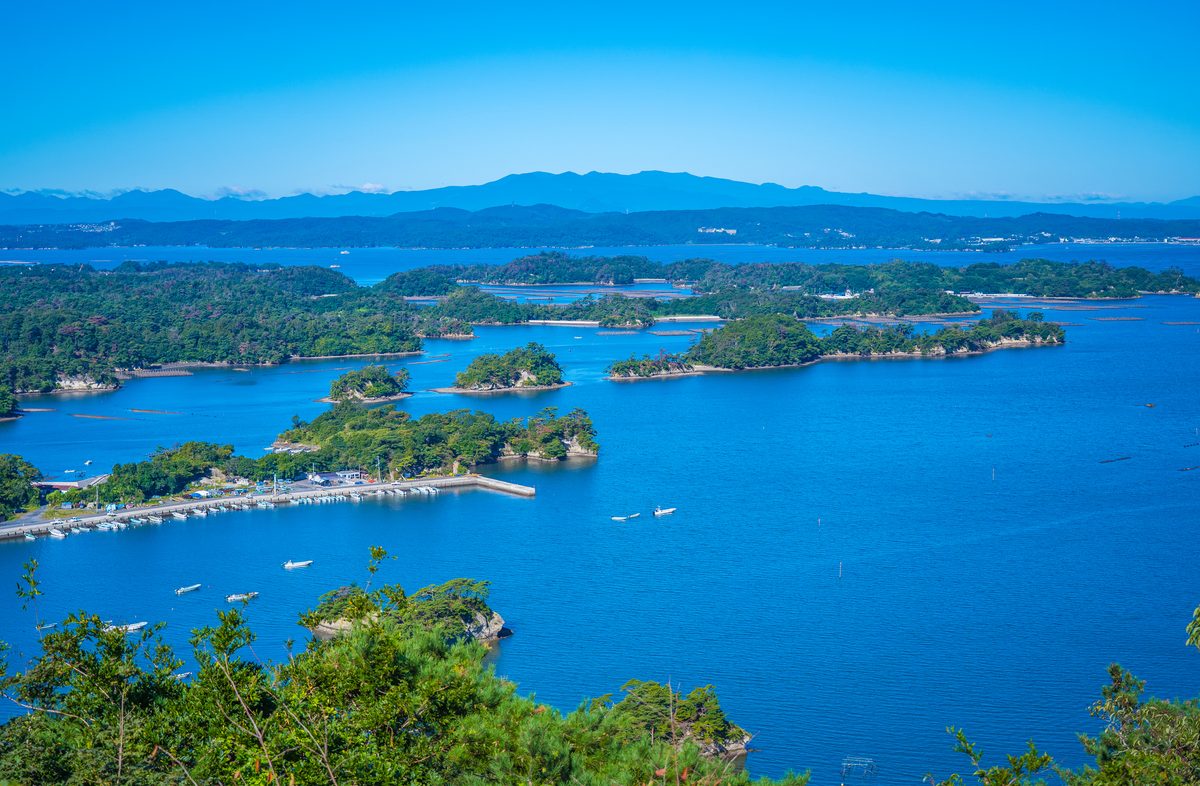
Matsushima Bay is one of the Nihon Sankei — the three most celebrated views in Japan — though what that designation means in practice is hundreds of small pine-covered islands in a sheltered inlet, best seen from a sightseeing boat or from the terraces behind Zuiganji Temple.
Zuiganji was founded in the 9th century and rebuilt under Date Masamune in the early 17th century; the main hall and connected corridors are carved into a cliff face, with meditation caves from earlier eras still visible along the approach. The craftsmanship is restrained — dark wood, gold detail used sparingly — and the relationship between architecture and the bay below is the point.
The town of Matsushima caters heavily to domestic day-trippers; the food stalls near the pier are predictable, but the view from the temple grounds in late afternoon, when the light flattens the water into silver, justifies the train ride from Sendai.
Explore Matsushima spots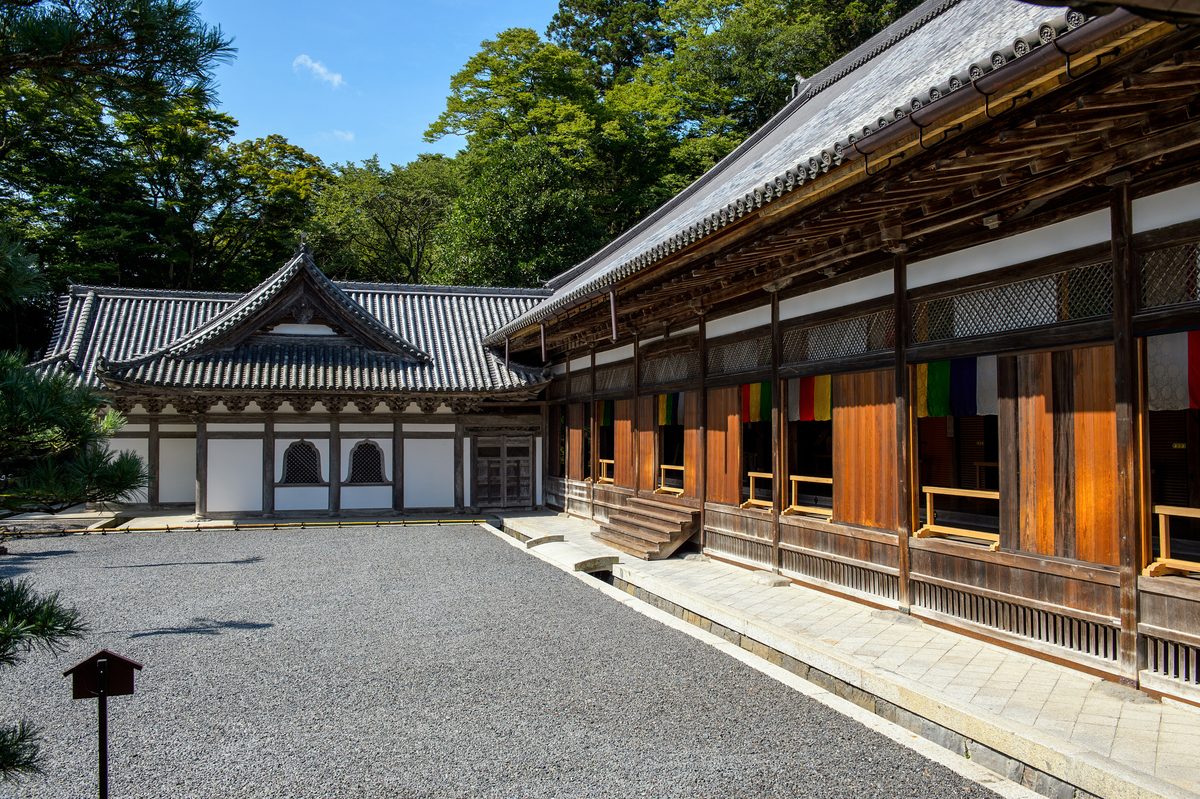
Shiogama — Japan's Busiest Tuna Port Before Breakfast
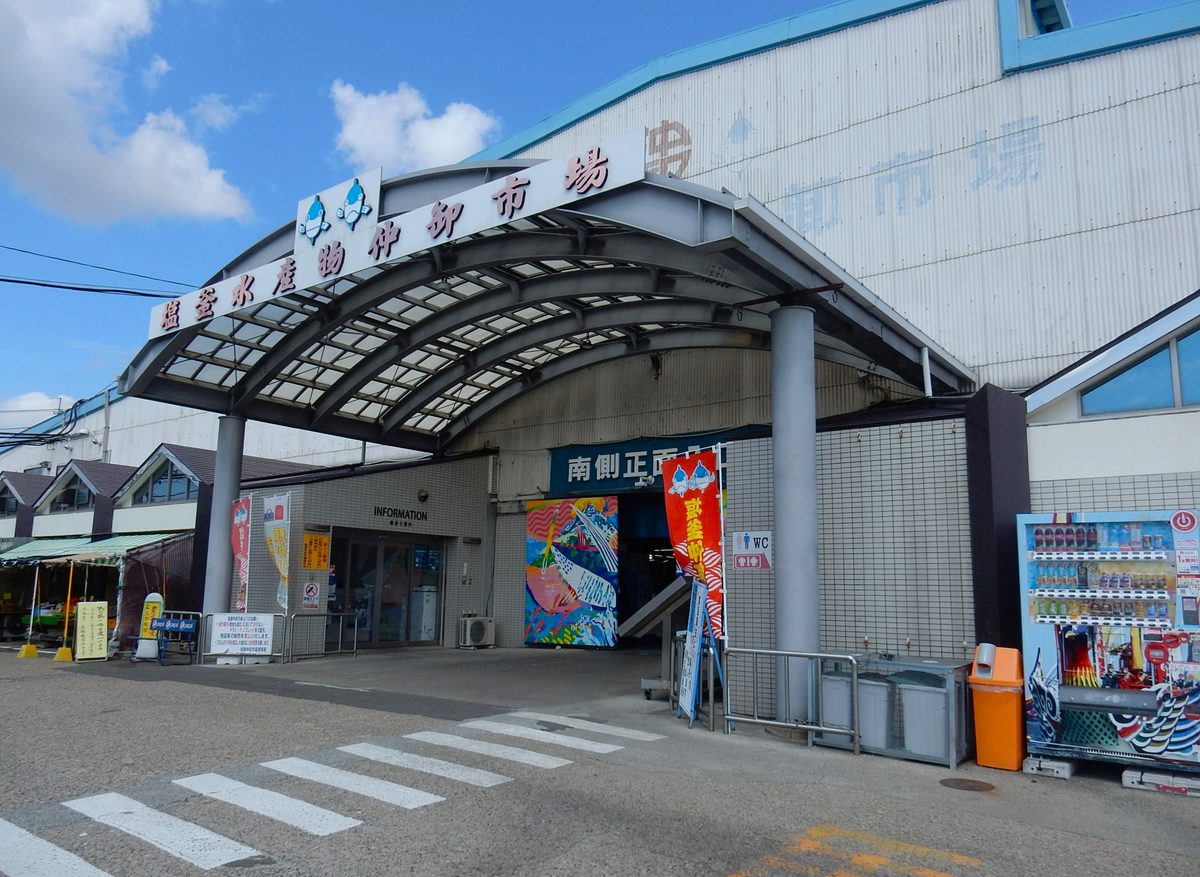
Shiogama has one of the highest volumes of fresh tuna landings in Japan — a statistic that matters most if you are standing in the wholesale market before dawn, watching auctions and buying sushi-grade cuts from retail counters that open as soon as the lots clear.
The port town sits a few kilometres north of Matsushima on the same train line; the shrine on the hill above the harbour — Shiogama Jinja — is among the older fishing shrines on the Sanriku coast, though it is not in our spot database as a separate entry. The market is the reason most visitors come.
Arriving after nine means missing the intensity of the morning trade but still access to restaurant-quality fish at prices that embarrass Tokyo. Shiogama pairs naturally with Matsushima as a single coastal day from Sendai.
Explore Shiogama spotsKinkasan — A Sacred Island Where Deer Outnumber People
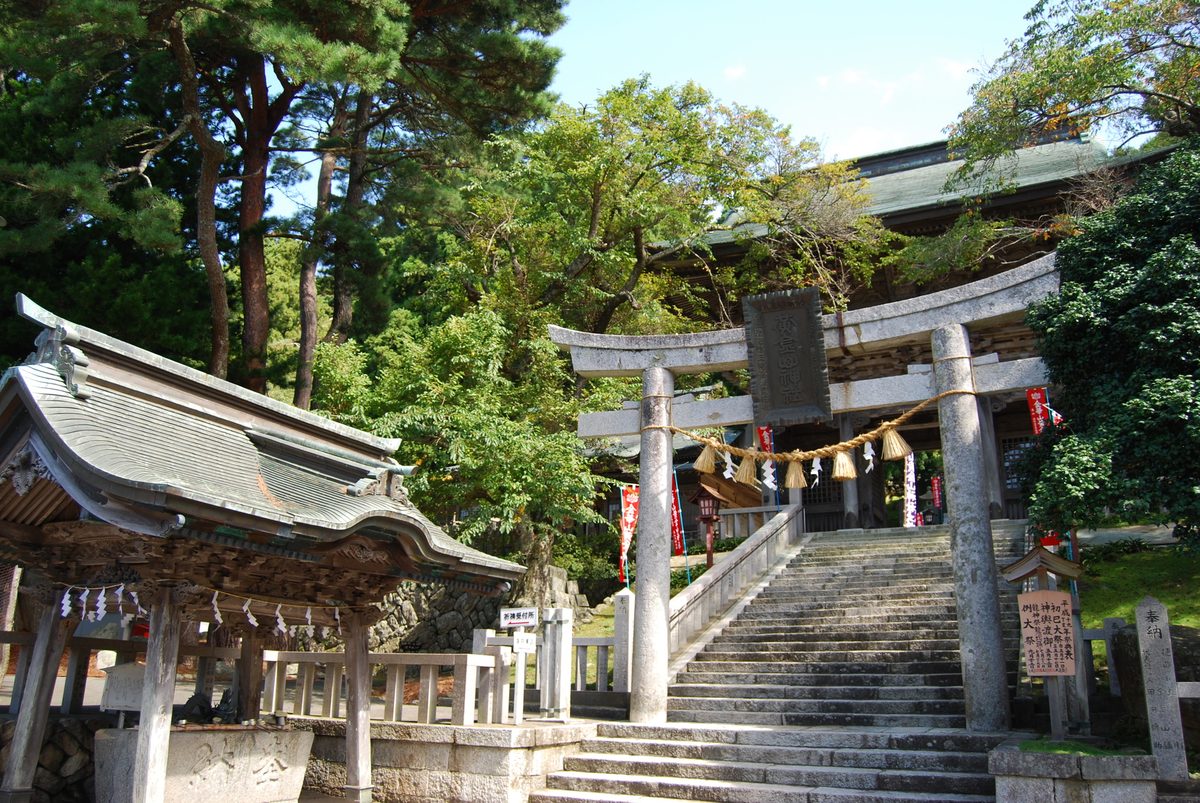
Kinkasan lies off the Oshika Peninsula, a small mountainous island occupied almost entirely by Koganeyama Shrine and the deer considered its messengers. Visitors may stay overnight in shrine lodgings; day trips are possible when ferries run from Ayukawa or Ishinomaki-area ports, though schedules are weather-dependent and sparse compared with Miyajima or other famous shrine islands.
The hiking trails circle the island's forested ridge; the views back towards the mainland coast include areas still visibly marked by the 2011 tsunami — a context that makes the island's continued pilgrimage tradition feel less escapist than it might elsewhere.
Kinkasan requires planning: check ferry timetables days in advance, bring cash, and accept that rough seas cancel crossings without apology. It is not a casual add-on; it is a destination for those who want Tohoku's religious coastline without the infrastructure of more famous sites.
Explore Kinkasan spotsNaruko — Gorge Walking and Onsen in the Same Valley
Naruko Onsen is a cluster of ryokan and public baths in a valley in western Miyagi, best known nationally for kokeshi dolls — the simple wooden figures turned on lathes and painted with minimalist faces. Workshops still operate; the onsen water is sulphurous enough to smell before you see the town.
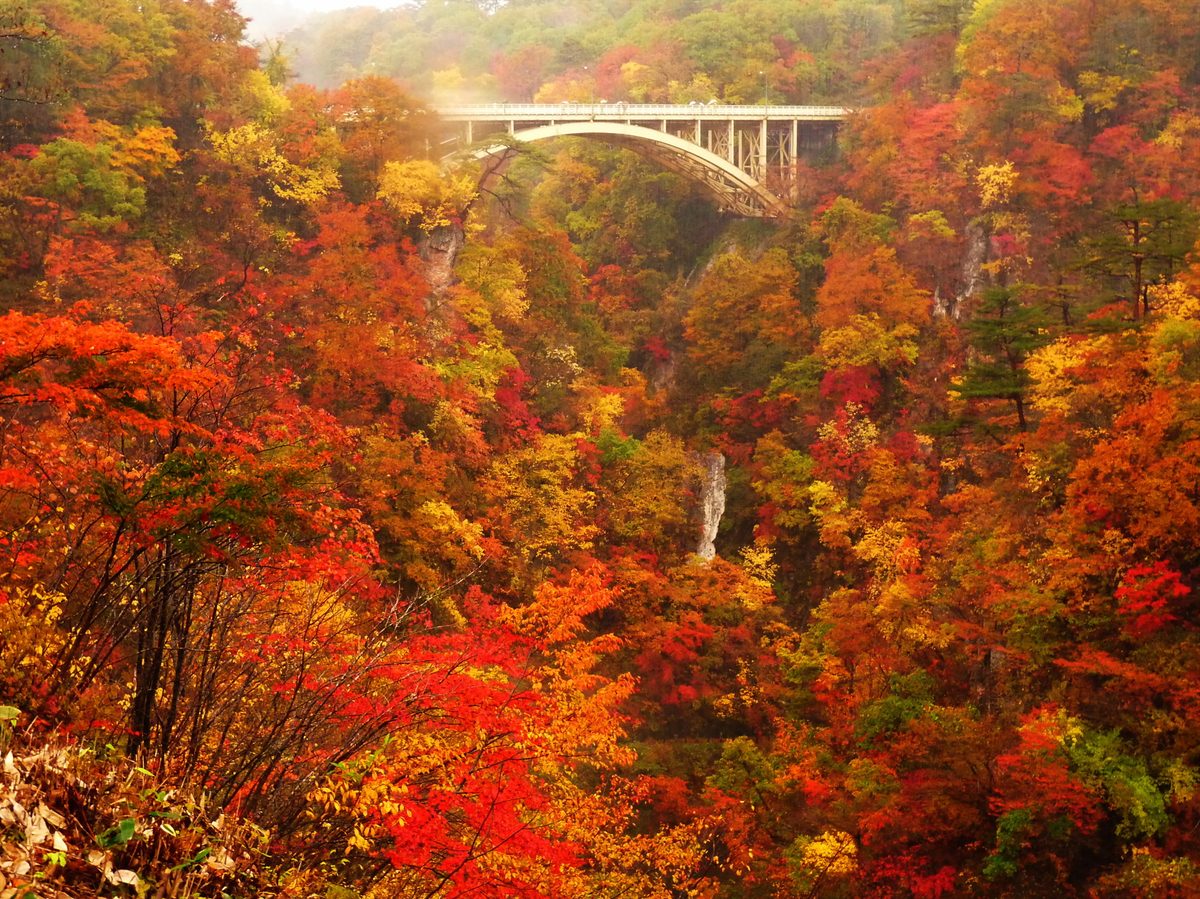
Naruko Gorge, a short walk or bus ride from the onsen district, cuts through layered volcanic rock in a series of tight bends. A walking trail runs along the rim; suspension bridges cross side ravines. In late October the maples turn the canyon into a vertical wall of colour — the season is short and crowded on weekends, but midweek visits remain manageable.
Naruko works as an overnight stop between Sendai and Yamagata, or as a long day trip for those who start early. Without a car, bus connections from Naruko Station require attention to timetables.
Explore Naruko spots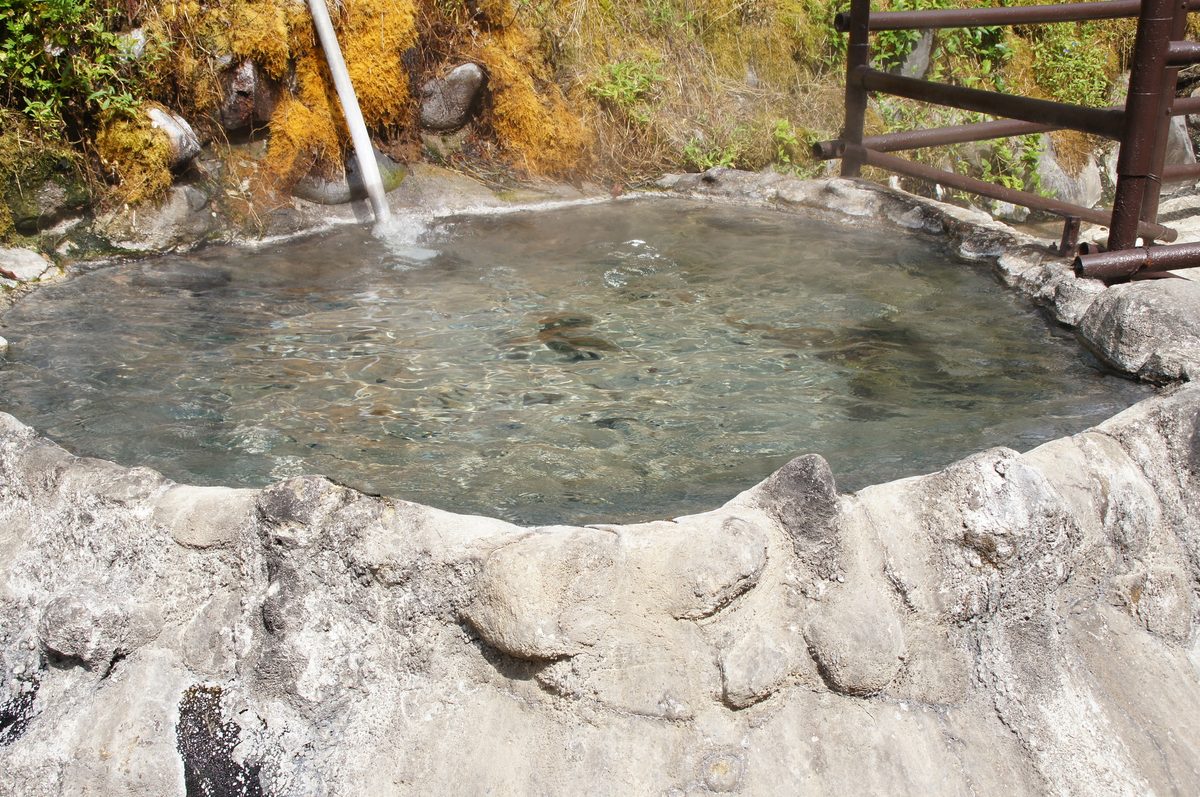
Shiroishi — A Rebuilt Castle on the Old Oshu Highway
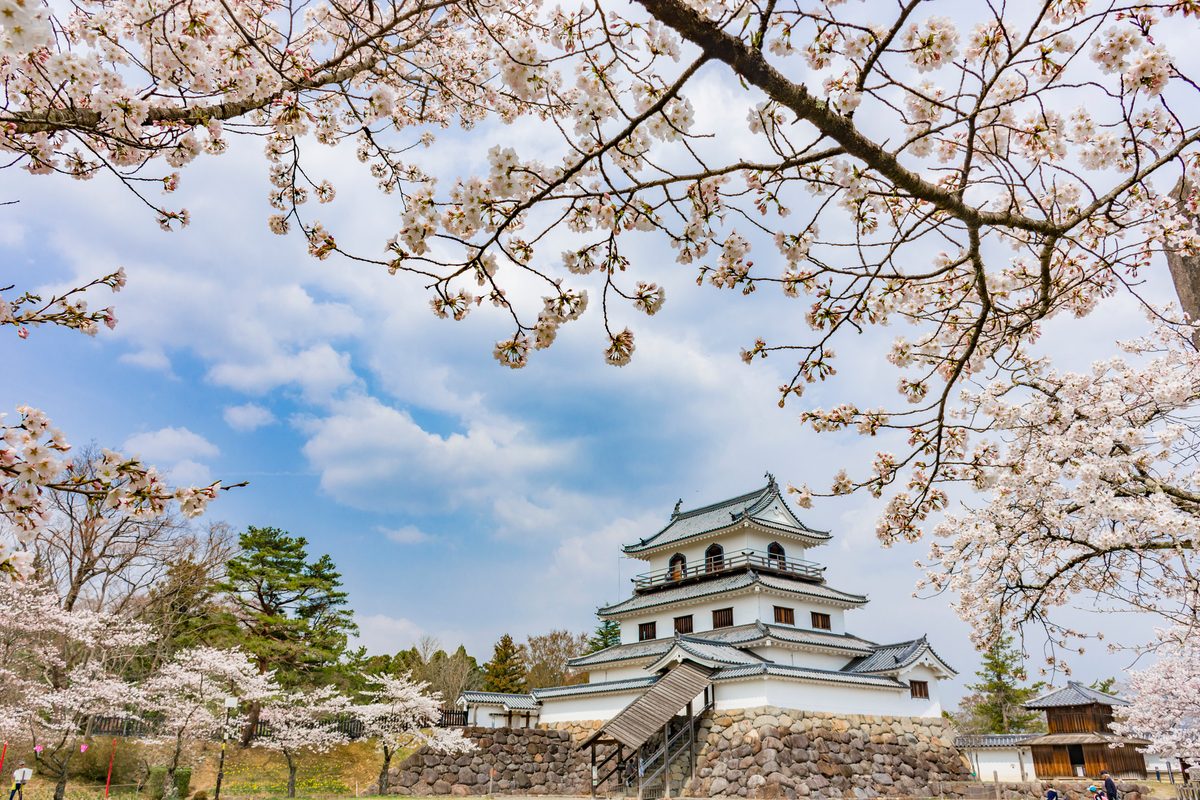
Shiroishi was a post town on the Oshu Kaido, the Edo-period highway north from Edo towards Sendai and beyond. The castle — destroyed in the Meiji era — was reconstructed in concrete in the 1990s; the keep is museum space, but the park around it is spacious enough to suggest the original fortified enclosure.
The town below preserves sections of merchant street architecture at a modest scale; compared with Kanazawa or Takayama, Shiroishi is quiet almost to the point of emptiness, which suits visitors who prefer castle towns without performance.
Shiroishi sits on the Shinkansen line between Sendai and Fukushima, making it a straightforward hour-long stop for anyone travelling through — less a destination in itself than a useful break in a longer Tohoku journey.
Explore Shiroishi spotsHow to Plan Your Miyagi Trip
Sendai is the obvious base — Shinkansen access, hotel capacity, and enough restaurants to sustain a week without repetition. Matsushima and Shiogama combine easily into a single coastal day on the Senseki Line. Akiu fits a half-day or evening escape; Naruko justifies an overnight if you want both gorge and onsen without rushing.
Kinkasan requires a dedicated day and tolerance for ferry schedules; attempting it on the same day as Matsushima is unrealistic without a car and favourable weather. Shiroishi works as a stop on arrival or departure if you are travelling south.
August in Sendai means Tanabata — the city fills with paper decorations and the hotels fill with domestic tourists. Late October brings leaf-peepers to Naruko Gorge. Winter is milder than inland Iwate but still grey; spring arrives a week or two earlier than in Morioka.
Where are these spots?
How to Get There
Sendai Station is on the Tohoku Shinkansen; Hayabusa and Yamabiko services connect Tokyo in under two hours. Sendai Airport is linked to the city by subway and bus in around 25 minutes. The JR Senseki Line runs to Matsushima and Shiogama; the Rikuu East Line reaches Naruko from Furukawa Station. Kinkasan is reached by train to Ishinomaki or Furukawa and onward bus to Ayukawa, then ferry — timetables vary by season. Rental cars are available at Sendai Station for coast and mountain combinations.
Find your Japan
Find Your Miyagi
Browse curated spots across Miyagi Prefecture — from Sendai to Matsushima and the Sanriku coast — on Tobira.
Find match spotsMore Prefecture Guides
Kagawa: Udon, Art Islands, and the Most Climbed Stairs in Shikoku
11 min read
Tokushima: Whirlpools, the Valley That Time Missed, and Japan's Loudest Dance
11 min read
Kochi: The Wild Coast That Japan Forgot to Tame
12 min read
Ehime: Islands, Castles, and the Road That Goes Between
13 min read
Fukushima: Three Regions, One Prefecture, No Simple Story
12 min read
Akita: Snow Country, Rice Country, and Monsters on New Year's Eve
12 min read
Yamagata: Cherries, Sacred Mountains, and Snow That Eats the Trees
12 min read
Iwate: Where the Mountains Lean Against the Pacific
12 min read
Aomori: Where Winter Invented Its Own Festival
12 min read
Kagoshima: Where the Mainland Finally Runs Out of Land
12 min read
Miyazaki: Where the Sun God Hid and the Horses Run Wild
11 min read
Saga: Older Than You Think, Quieter Than Most
11 min read
Nagasaki: Where Every Century Left Something Behind
13 min read
Oita: Where the Earth Still Boils
12 min read
Fukuoka: Where Japan Eats, Breathes, and Gets On With It
14 min read
Hokkaido Travel Guide: Ten Places Beyond Sapporo
16 min read