
Miyagi Travel Guide
Gateway to Tohoku, anchored by the vibrant city of Sendai. Matsushima Bay — one of Japan's classically celebrated 'three views' — scatters 260 pine-covered islands across a misty sea. Gyūtan (grilled beef tongue) and fresh Pacific oysters are local staples worth building a meal around.
2 hidden gems in Miyagi include insider locations, local tips, and full access details.
Hidden Gems in Miyagi
Hand-picked spots off the tourist trail — all personally curated.
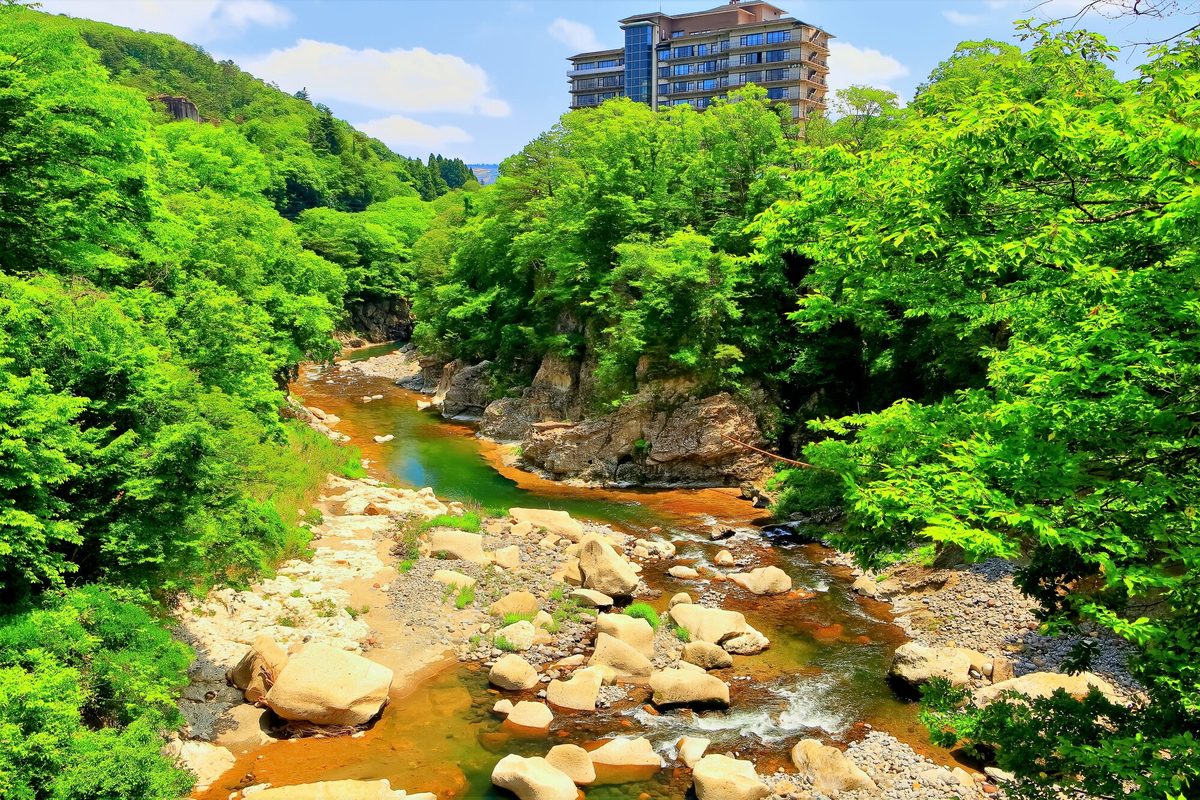
Akiu Onsen
Sendai's ancient thermal retreat in a gorge 30 minutes from the city — documented in 6th-century records as a place where samurai recovered from battle. Ryokan built over the Natori River offer rooms with the sound of rapids below.
Kinkasan Island
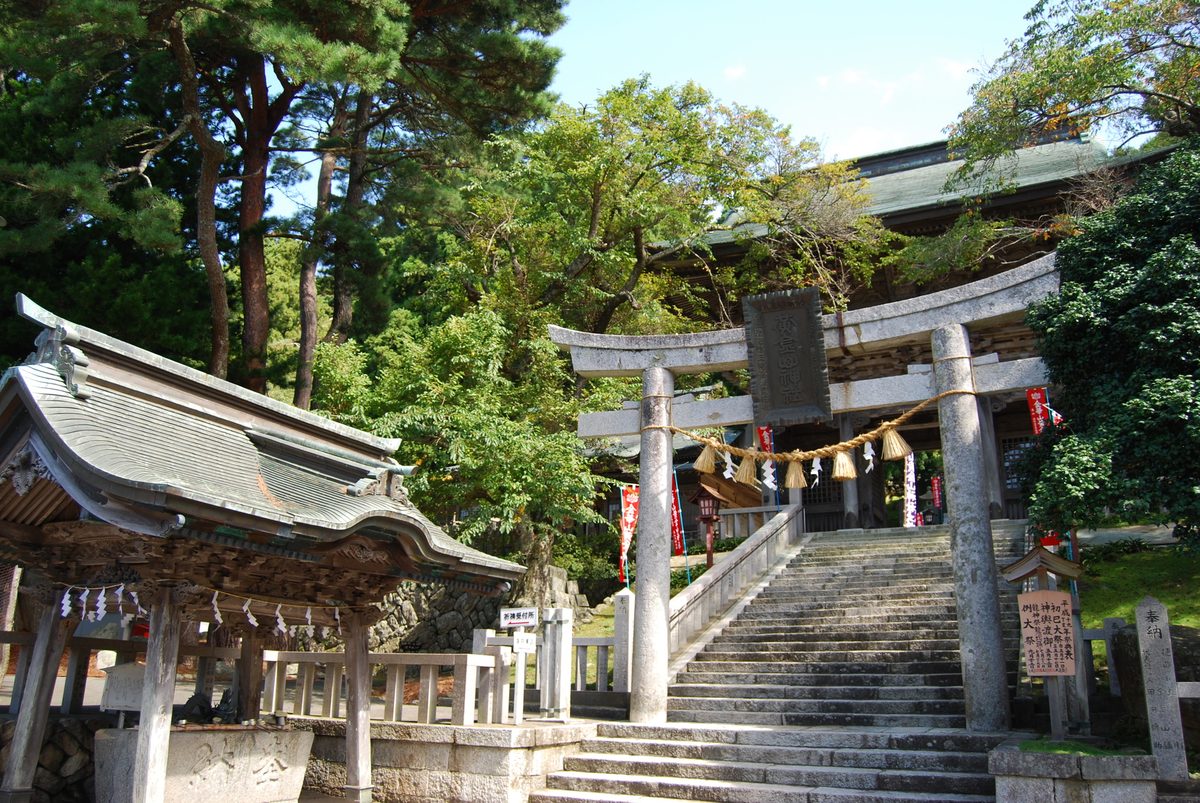
A sacred island reached by a 15-minute ferry where wild deer and monkeys roam freely among ancient shrine buildings. Traditionally, visiting three years in a row guarantees freedom from money worries for life.
Matsushima Bay
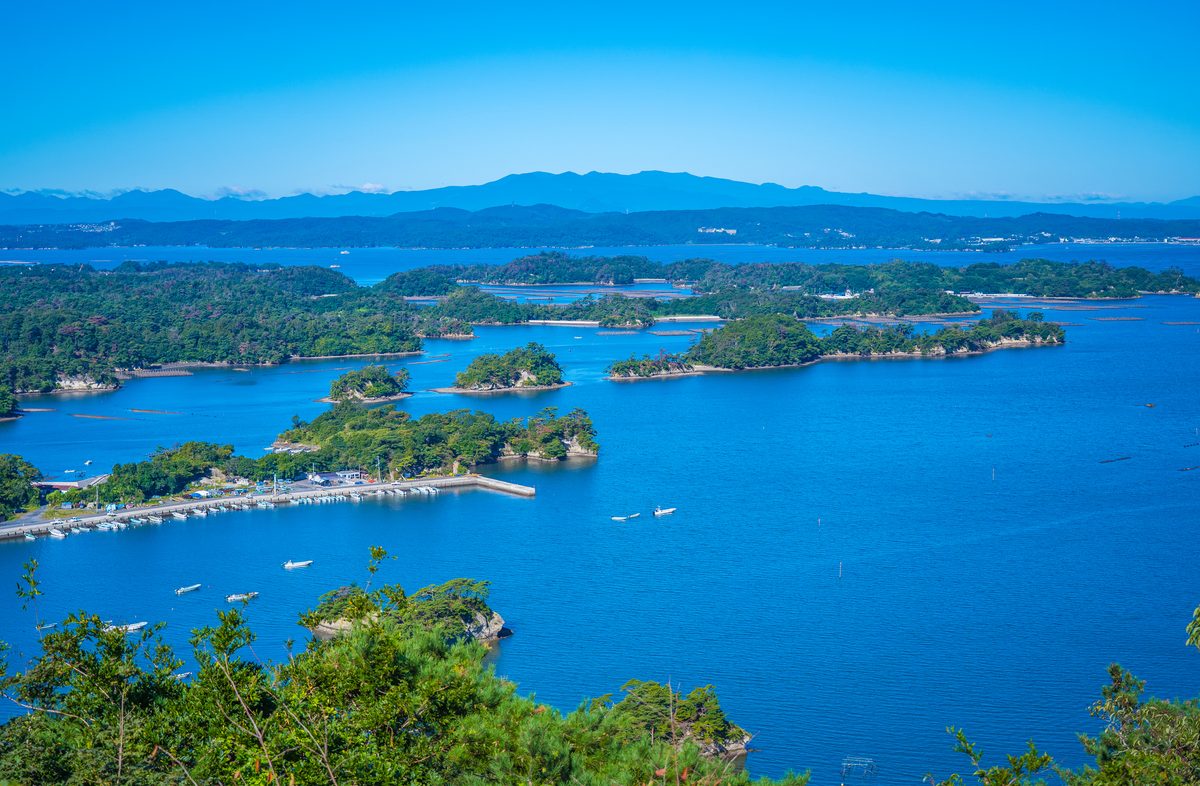
One of Japan's three officially designated great views — 260 pine-clad islands of every shape and size scattered across a calm bay. Basho wrote a famous haiku here, unable to find words for its beauty.
Naruko Gorge
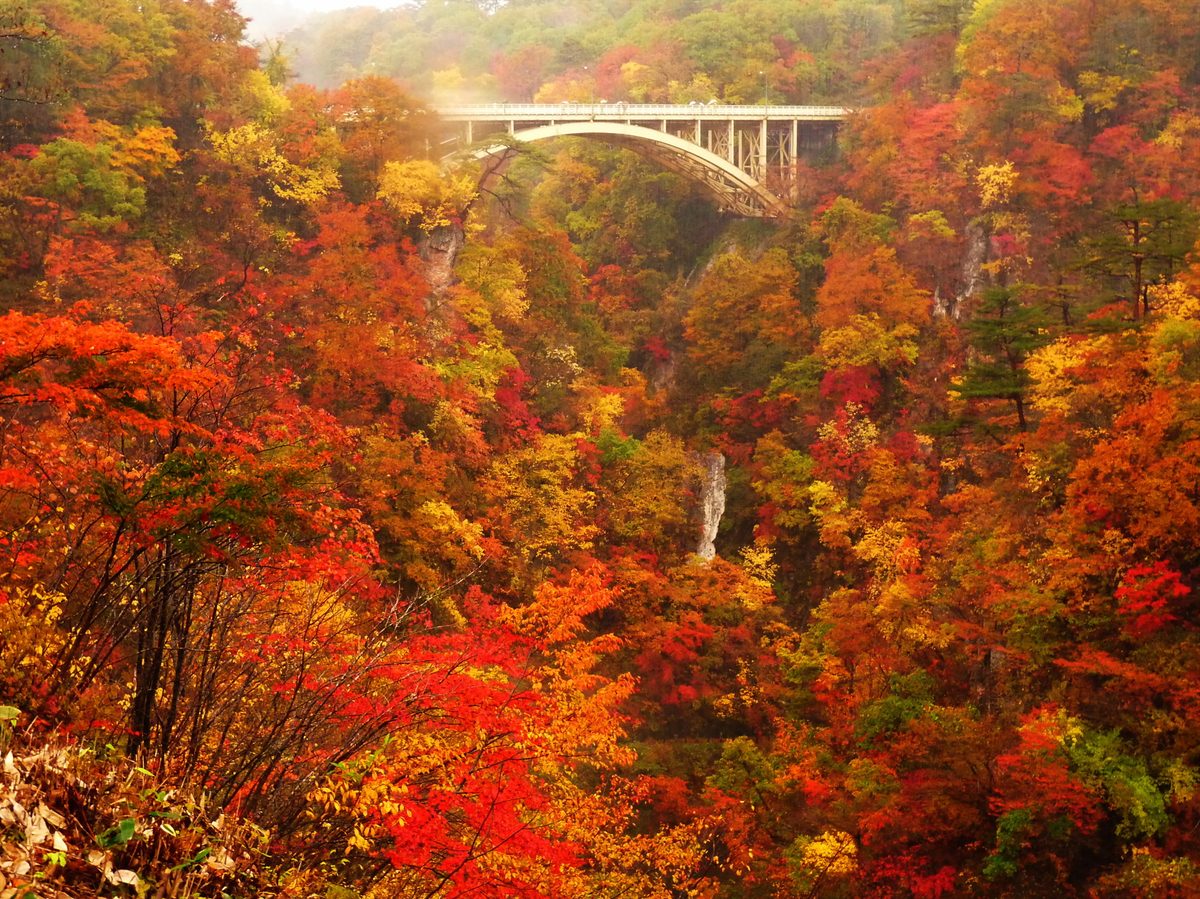
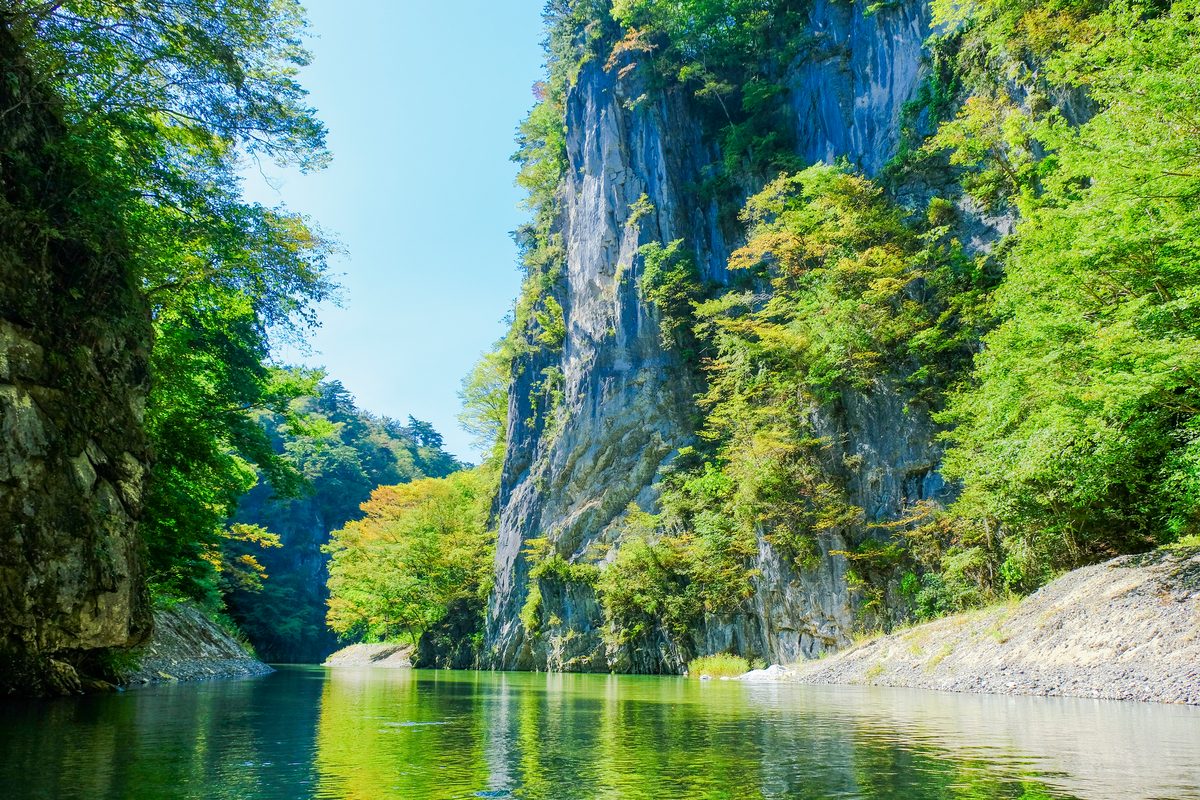
A dramatic 100-metre deep river gorge lined with Japanese maple, cherry and rowan trees — ranked among Japan's top ten autumn foliage spots. The bridge viewpoint offers a helicopter-like look down into the canopy.
Naruko Onsen
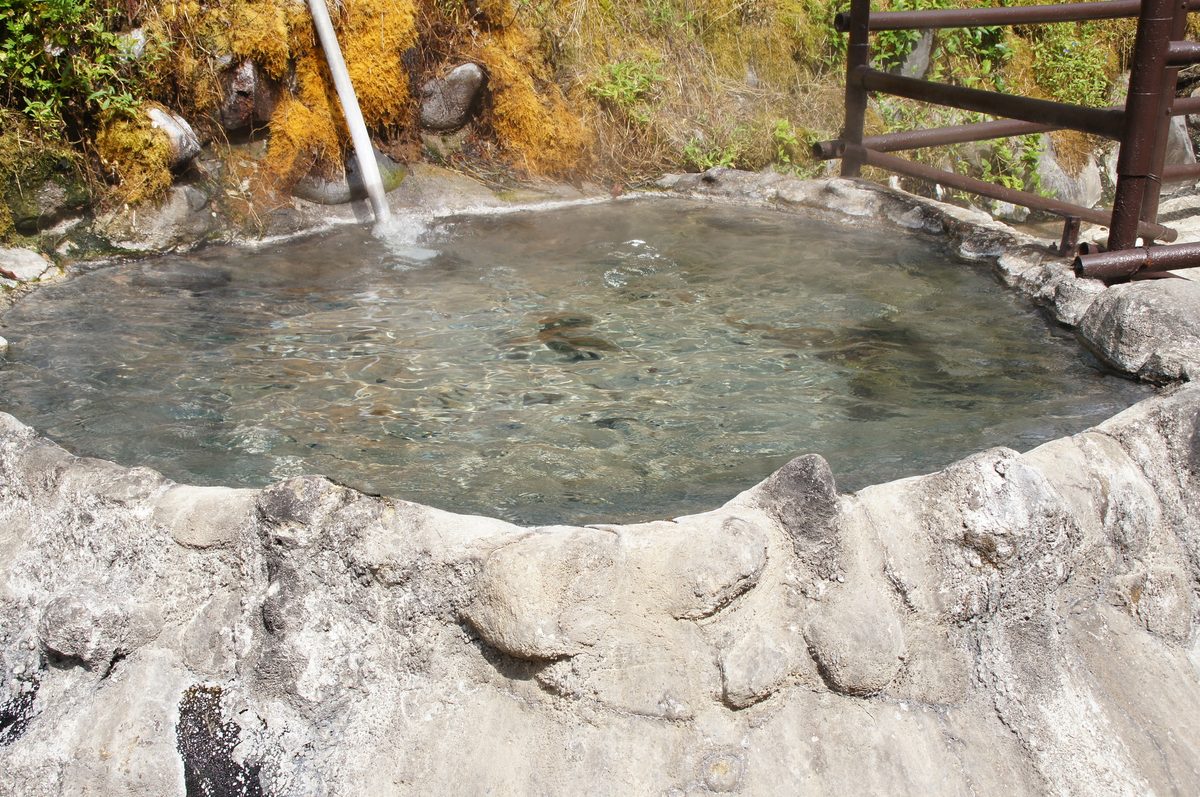
One of Tohoku's most beloved hot-spring towns, with five different spring types within walking distance — a rarity even in Japan. Kokeshi doll workshops, a steaming street of public bathhouses and a dramatic autumn gorge nearby.
Osaki Hachimangu Shrine
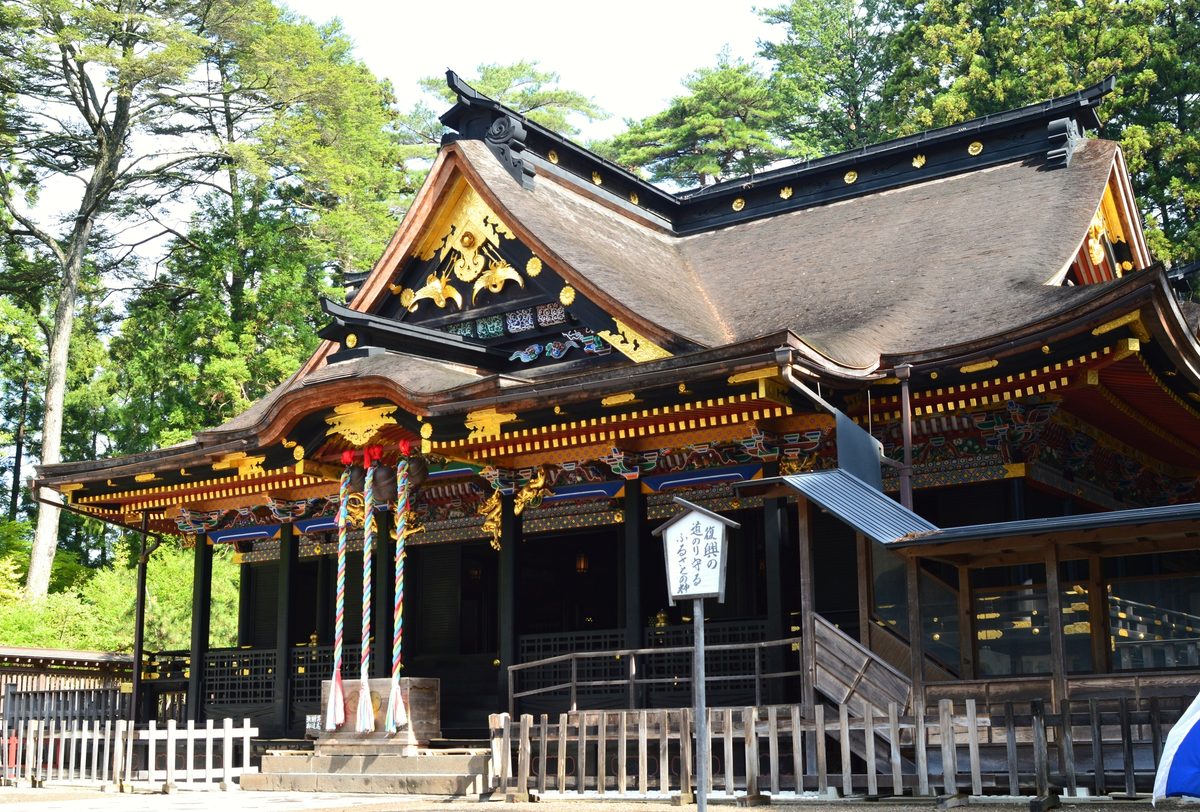
Date Masamune's personal shrine, built in 1607 and designated a National Treasure — the only Momoyama-period shrine in Tohoku. The lacquered black main hall decorated with gold is considered one of Japan's finest examples of shrine architecture.
Sendai Asaichi Market
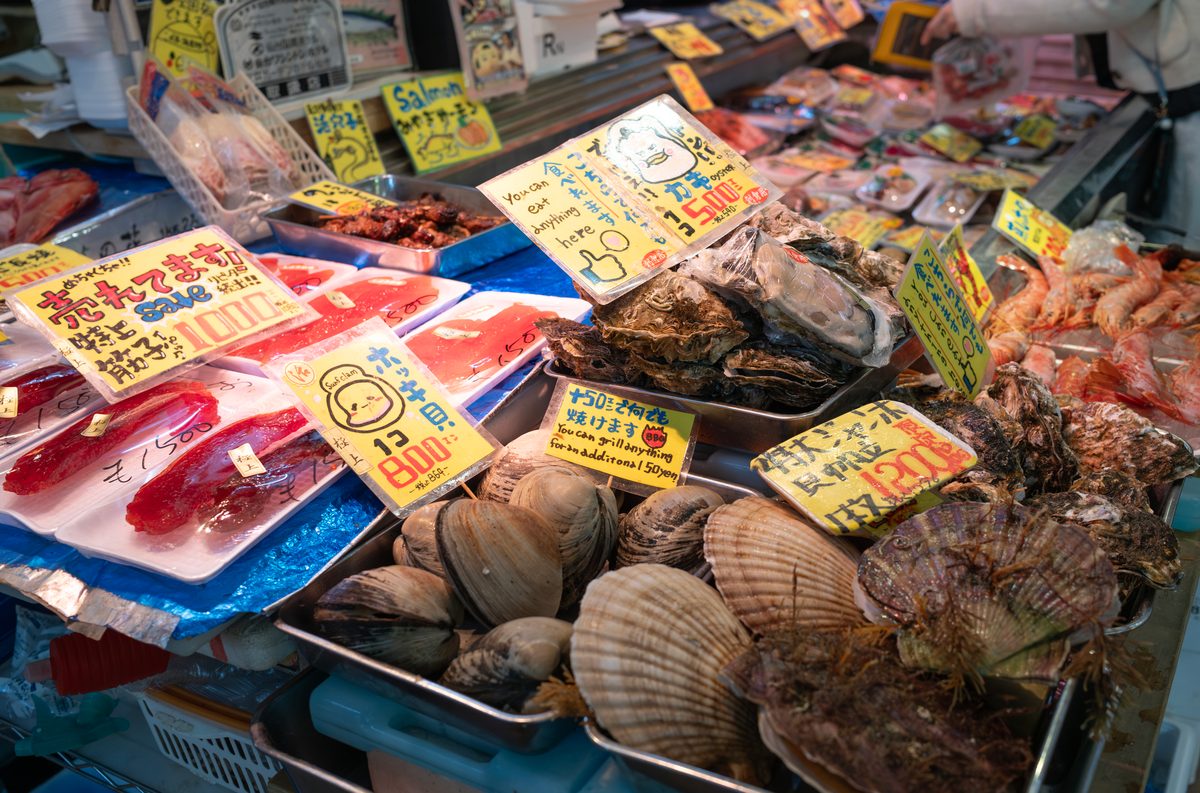
Sendai Asaichi — the morning market — has served as the city's culinary heart for generations, offering a concentrated taste of Miyagi's food culture within easy walking distance of Sendai Station. Stalls and shops sell fresh seafood, local vegetables, Miyagi beef, sasa-kamaboko fish cakes, and a full range of prepared foods. Several dedicated gyutan (beef tongue) restaurants operate within the arcade, making it a natural first stop for visitors seeking the quintessential Sendai food experience. The market atmosphere is lively from early morning, with vendors calling out to shoppers in a way that feels genuinely local rather than tourist-facing.
Sendai Castle Ruins (Aoba Castle)
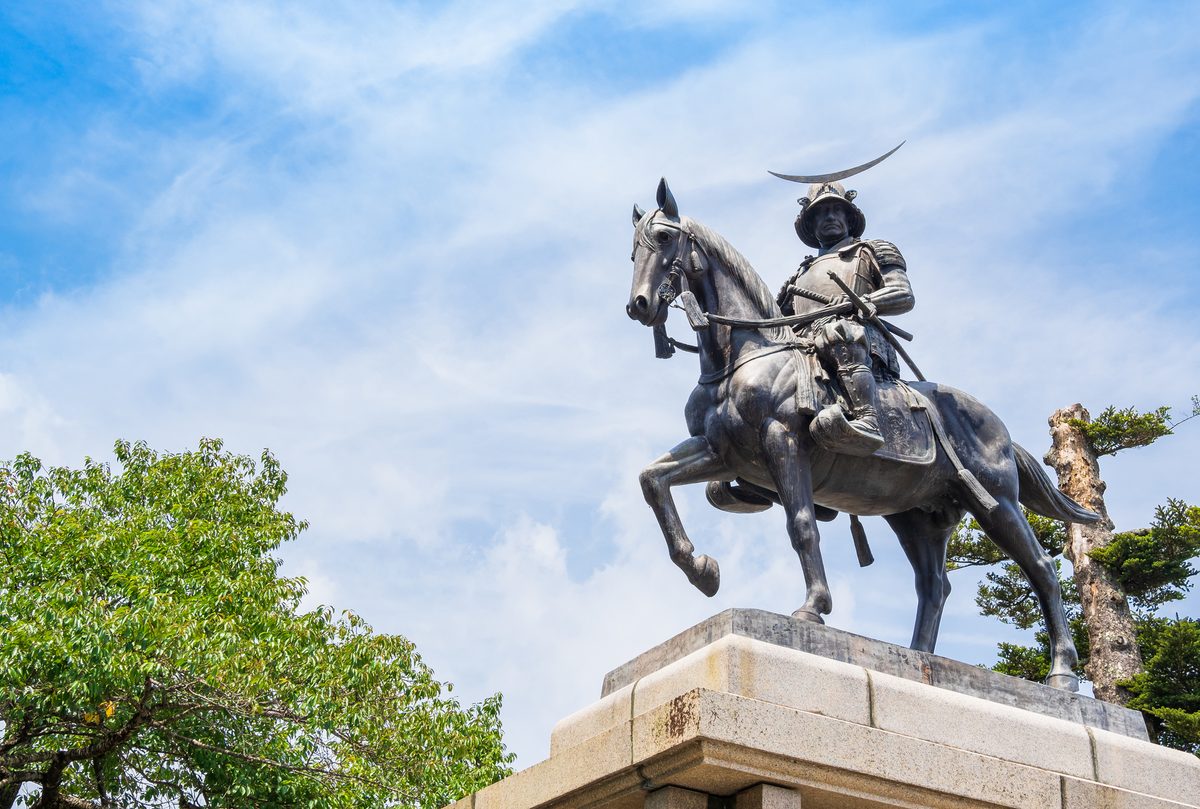
Aoba Castle, perched on a forested hill overlooking the city Date Masamune founded in 1601, is the defining symbol of Sendai and one of Tohoku's most visited historical sites. The castle itself no longer stands — it was never rebuilt after its destruction in the Second World War — but the surviving stone walls, a reconstructed corner turret, and the iconic equestrian statue of Date Masamune command sweeping views over the city, the Hirose River, and on clear days, the Pacific Ocean. A museum on site tells the story of the One-Eyed Dragon's political acumen and his remarkable overseas diplomacy. The hilltop atmosphere, with cherry trees lining the approach in spring, remains genuinely atmospheric.
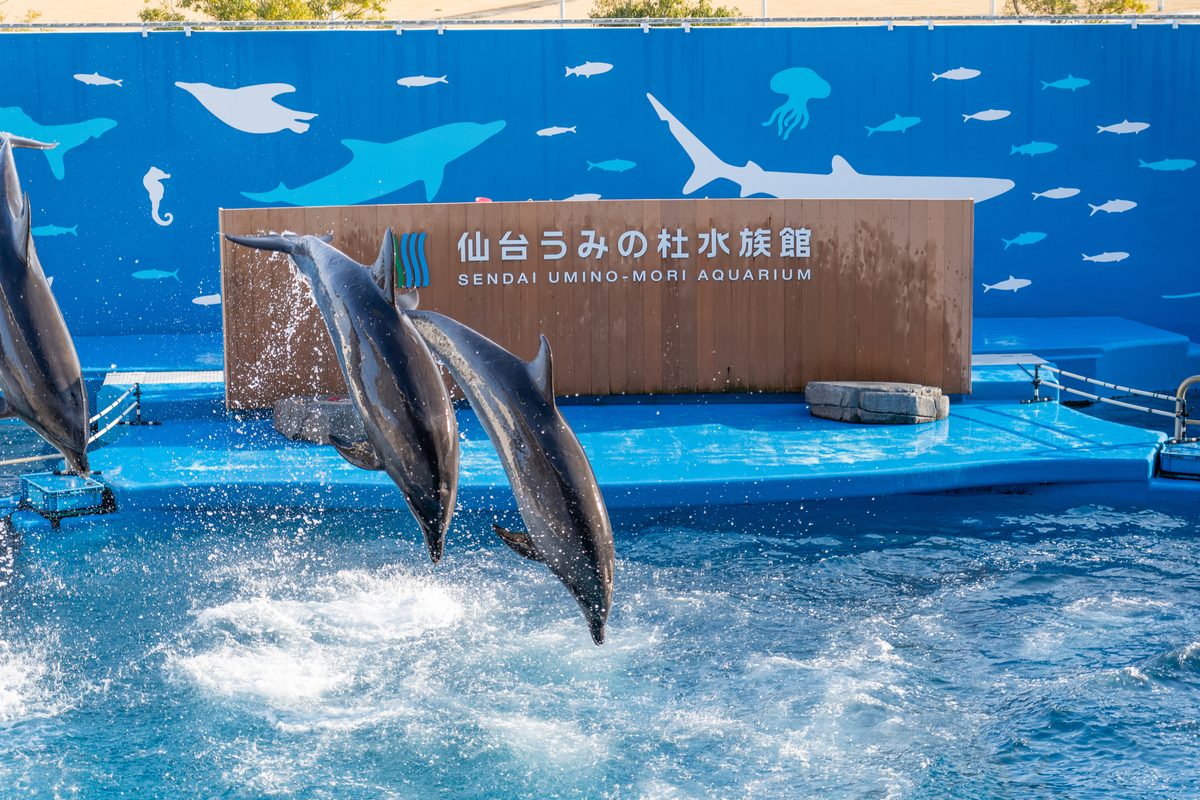
Sendai Umino-Mori Aquarium
Opened in 2015, Sendai Umino-Mori Aquarium is the largest aquarium in the Tohoku region, built on the site of the former Sendai port fish market near the coast. Its centrepiece is a massive tank recreating the Sanriku coastal ecosystem, with schools of sardines, rays, and sharks moving through water that evokes the extraordinary richness of the sea off Miyagi's coast. The aquarium also features dolphin and sea lion performances in an open-air stadium, a touch pool area, and a dedicated section focusing on ocean recovery after the 2011 tsunami. It offers a weather-proof, immersive way to experience the character of Miyagi's sea — particularly meaningful in a prefecture whose coastal communities were reshaped by the disaster.
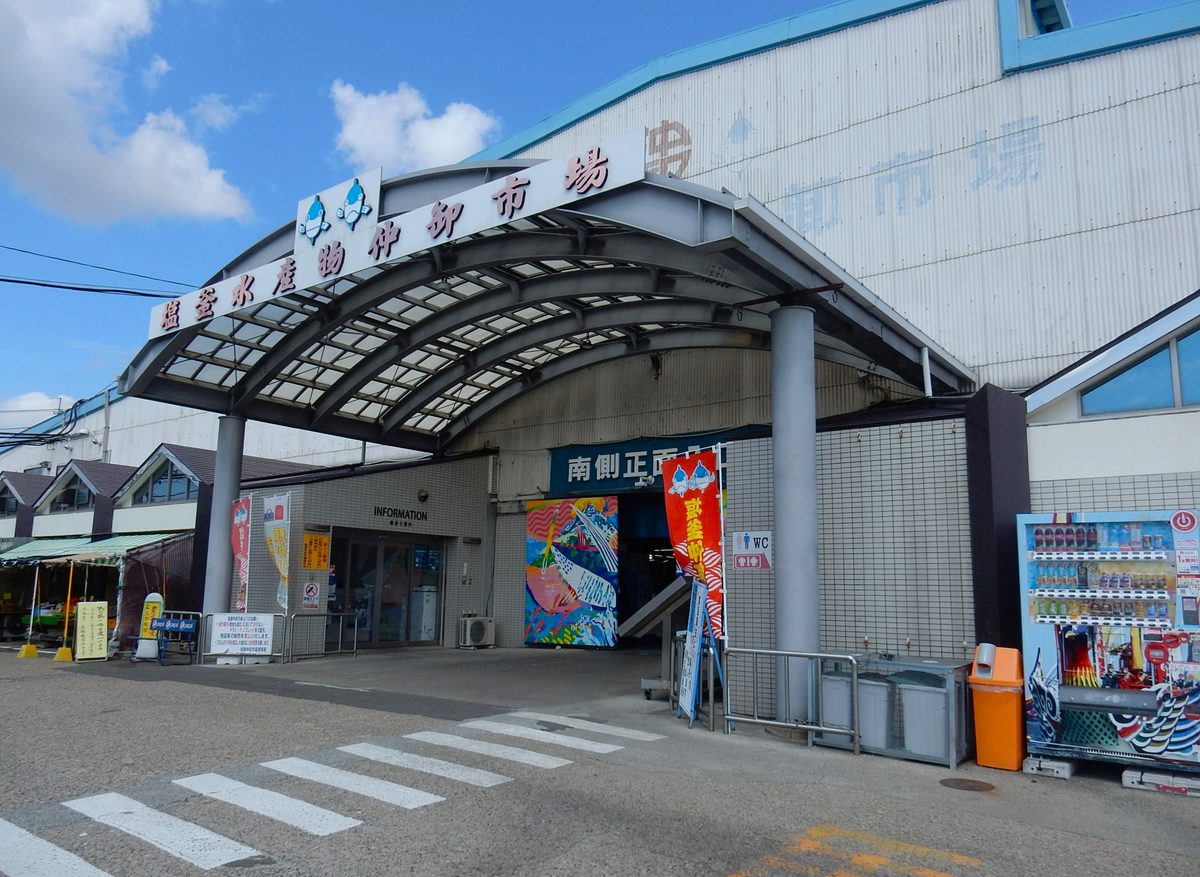
Shiogama Seafood Wholesale Market
The Shiogama Seafood Wholesale Market is one of the largest fish markets in Tohoku, handling a significant share of the Pacific catch that arrives through Shiogama Port each morning. The market opens to the general public, allowing visitors to browse fresh tuna, oysters, sea urchin, and seasonal catch at wholesale prices, and many stalls sell directly for on-site eating. Shiogama is home to Japan's largest concentration of sushi restaurants per capita, and the city's "Higashimono" bigeye tuna — caught in autumn — is regarded as some of the finest eating fish in the country. The market is most rewarding when visited on a Sunday morning, when weekend shoppers join the usual traders.
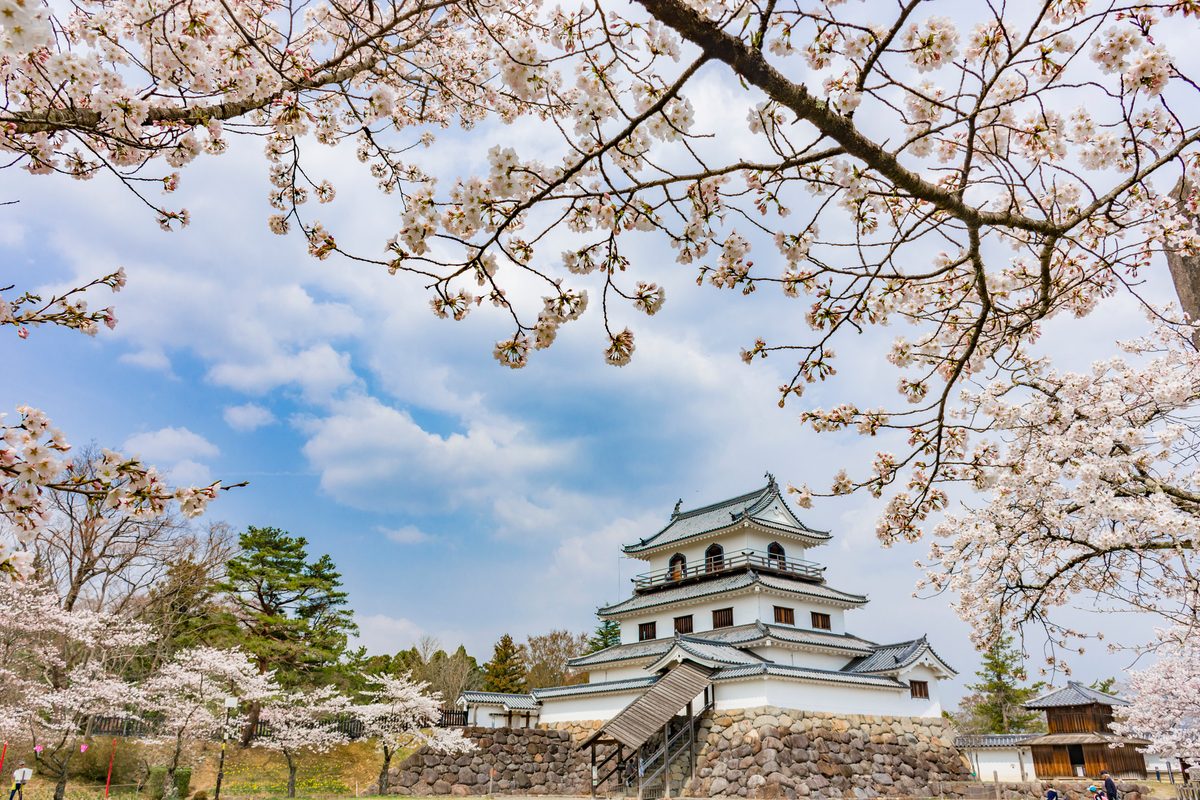
Shiroishi Castle
A rebuilt three-tier castle of Date Masamune's trusted retainer Katakura Kojuro "the Legendary Samurai", perched on a wooded hill above a small castle town. Particularly atmospheric in cherry blossom season.
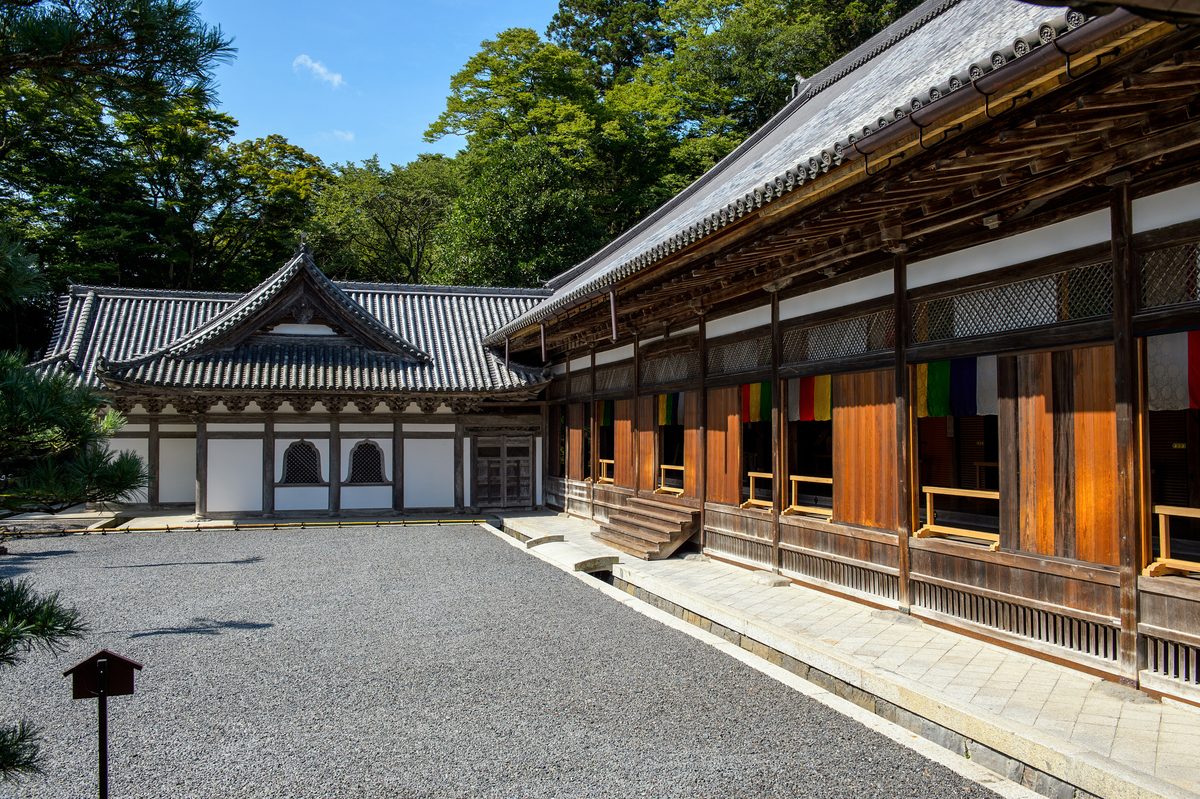
Zuiganji Temple
The most magnificent Zen temple in Tohoku, rebuilt by warlord Date Masamune in 1609. A cedar-lined approach passes rock face hermitages where monks carved cells and Buddhas for meditation. The main hall is a National Treasure.
Advertisement
When to Visit Miyagi
Peak spots by season — ordered by best match.
More from Tohoku
Other prefectures in the same region
Ready to visit Miyagi?
Let AI build a personalized day-by-day itinerary based on your interests and travel style.
Create a Miyagi Itinerary