
Oita: Where the Earth Still Boils
Oita does not have a single identity, and the prefecture seems untroubled by this. Beppu and Yufuin attract millions of visitors and remain, essentially, themselves — working onsen towns that happened to become famous. The highlands of Kuju and Kokonoe are a different country: cold, volcanic, agricultural, with almost no tourism infrastructure and an extraordinary amount of natural scenery. Kunisaki, on its remote peninsula, has been quietly important for over a thousand years. What connects these places is heat — geothermal, historical, spiritual — and a refusal to perform for anyone.
Oita produces more hot spring water than anywhere else in Japan, and it is tempting to reduce the prefecture to that single fact. It would be a mistake. From the volcanic highlands of Kuju to the ancient Buddhist peninsula of Kunisaki, Oita has an interior life that most visitors, arriving for the onsen, do not bother to find.
Beppu — Where the Earth Is Still Boiling
Beppu produces more hot spring water than anywhere in Japan except Yellowstone, and it does not hide this fact. Steam rises from drains, gutters, and gaps in the pavement; the city smells faintly of sulphur in a way that becomes, within a day, entirely normal.
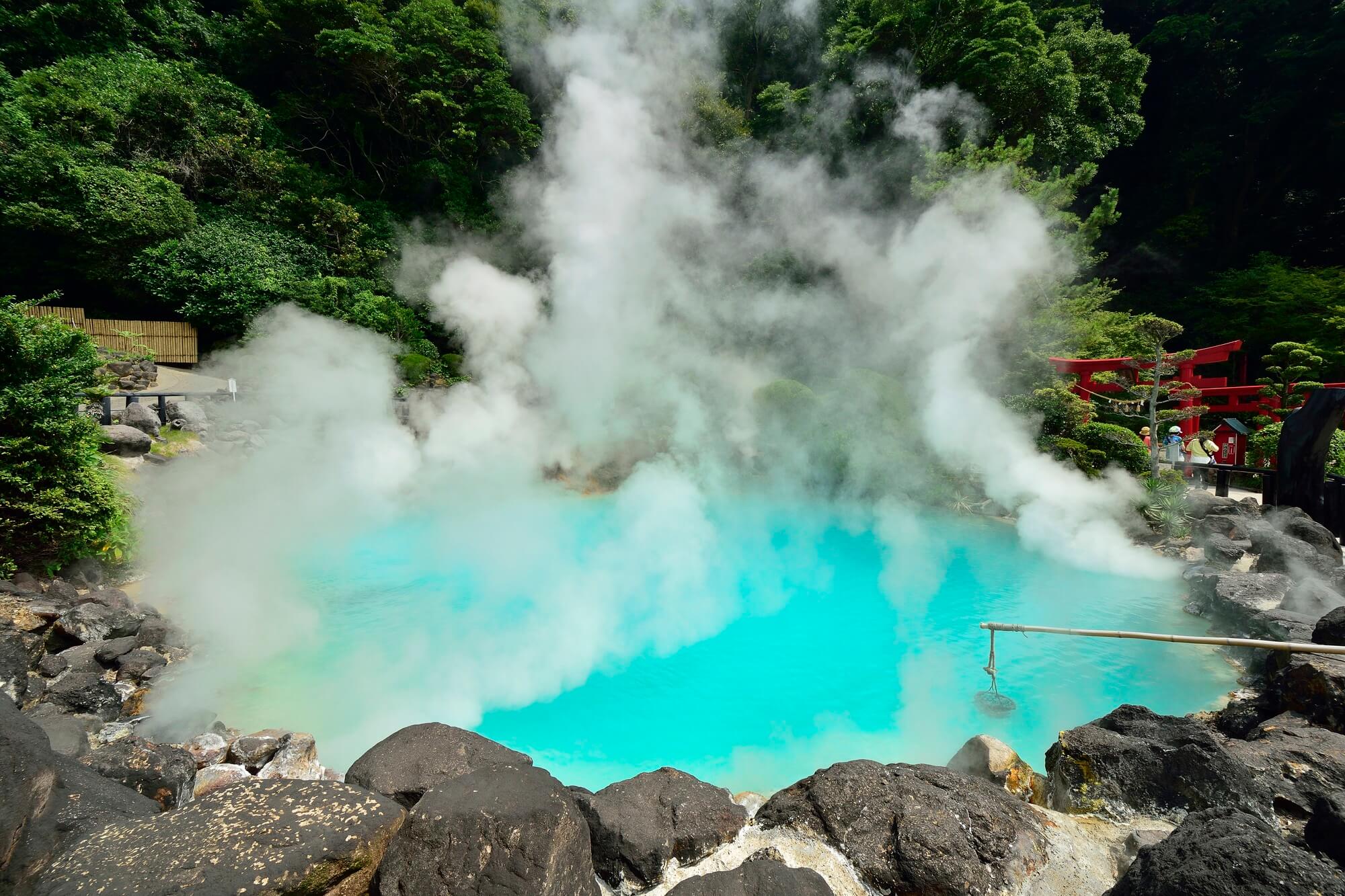
The Jigoku — the 'hells' of Kannawa — are the city's most visited attraction: a circuit of geothermal pools in improbable colours, each with its own personality. The Umi Jigoku is a cobalt blue that has nothing to do with water at any expected temperature. The Chi no Ike Jigoku runs a dark arterial red. They are theatrical, unambiguously so, and worth seeing for exactly that reason.
Beyond the hells, Beppu rewards those who use it as intended — as a place to take a bath. The public sento in Kannawa charge a few hundred yen and see mostly local customers. The Takegawara bathhouse in the centre, built in 1879, offers sand bathing in a timber building that has barely changed since. This is a working onsen city, not a theme park version of one.
Explore Beppu spotsYufuin — Japan's Most Overrated Onsen Town (and Why You Should Go Anyway)
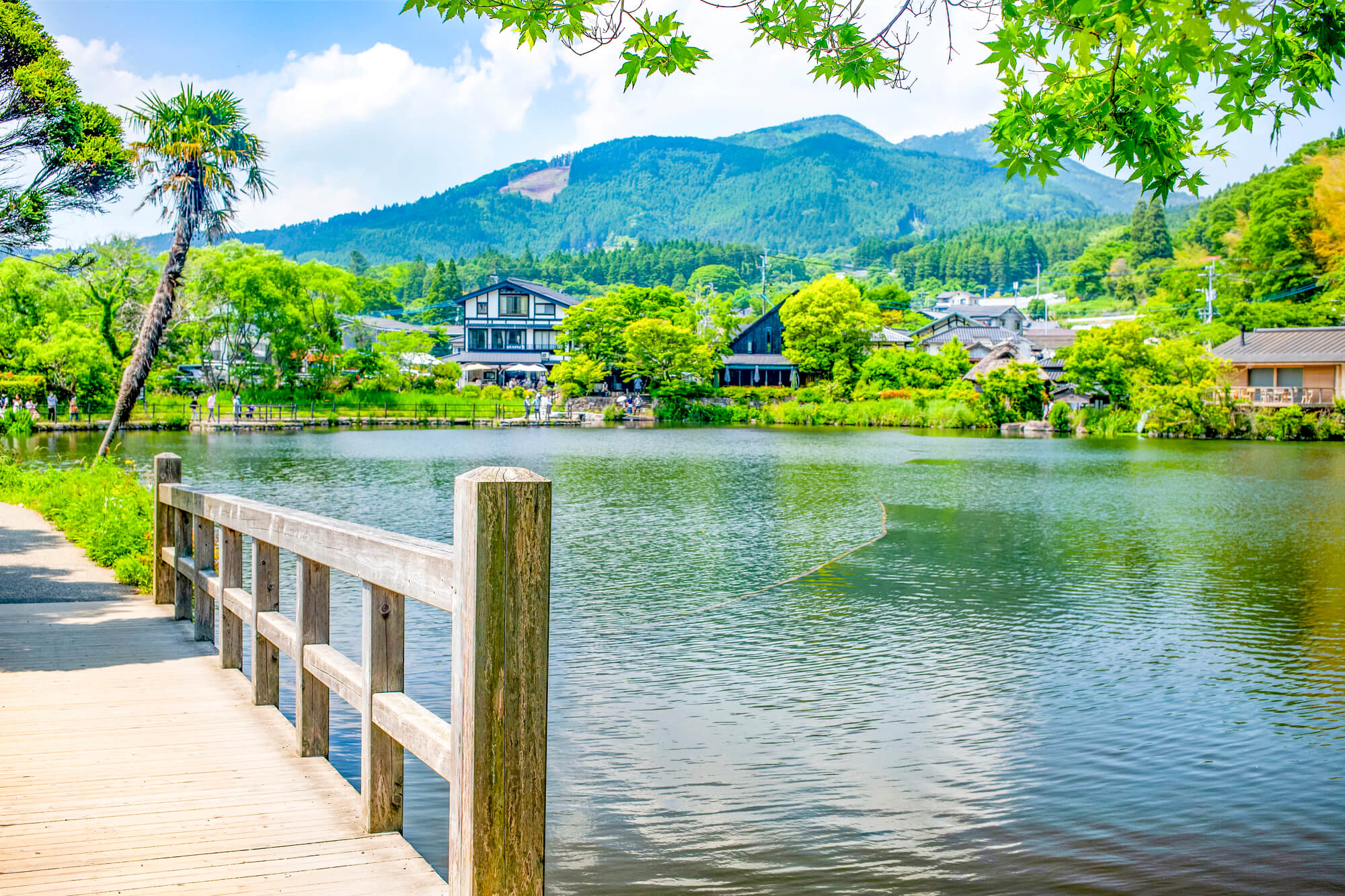
Yufuin has a reputation problem. It is the most-visited onsen town in Japan, overrun on weekends with day-trippers buying flavoured soft-serve and photographing the lake. This is accurate, and it is also beside the point.
The town sits in a bowl of mountains, and in the early morning — before the buses arrive — it earns every word of its reputation. Mist comes off the Kinrin-ko lake surface in slow ribbons; Yufu-dake volcano rises behind the valley in perfect silhouette; the streets are empty. This is when Yufuin is actually itself.
Yunohira-kaido, the older street running up towards the mountains, has the kind of shops and cafés that made Yufuin famous before the crowds arrived — small, considered, not particularly interested in selling you anything quickly. Coming on a weekday, or staying overnight, changes the experience entirely. The ryokan along the valley fringe are among the best in Kyushu.
Explore Yufuin spotsKokonoe & Kuju — The Highlands Nobody Talks About
The Kuju highlands sit in the centre of Oita at around 1,000 metres, and they feel nothing like the rest of the prefecture. The air changes noticeably arriving from the coast; the landscape opens into broad volcanic meadows, and in late April, the hillsides above Hana Mitate turn entirely pink and white with Kyushu azaleas — one of the most concentrated flower displays in Japan, largely unknown to foreign visitors.
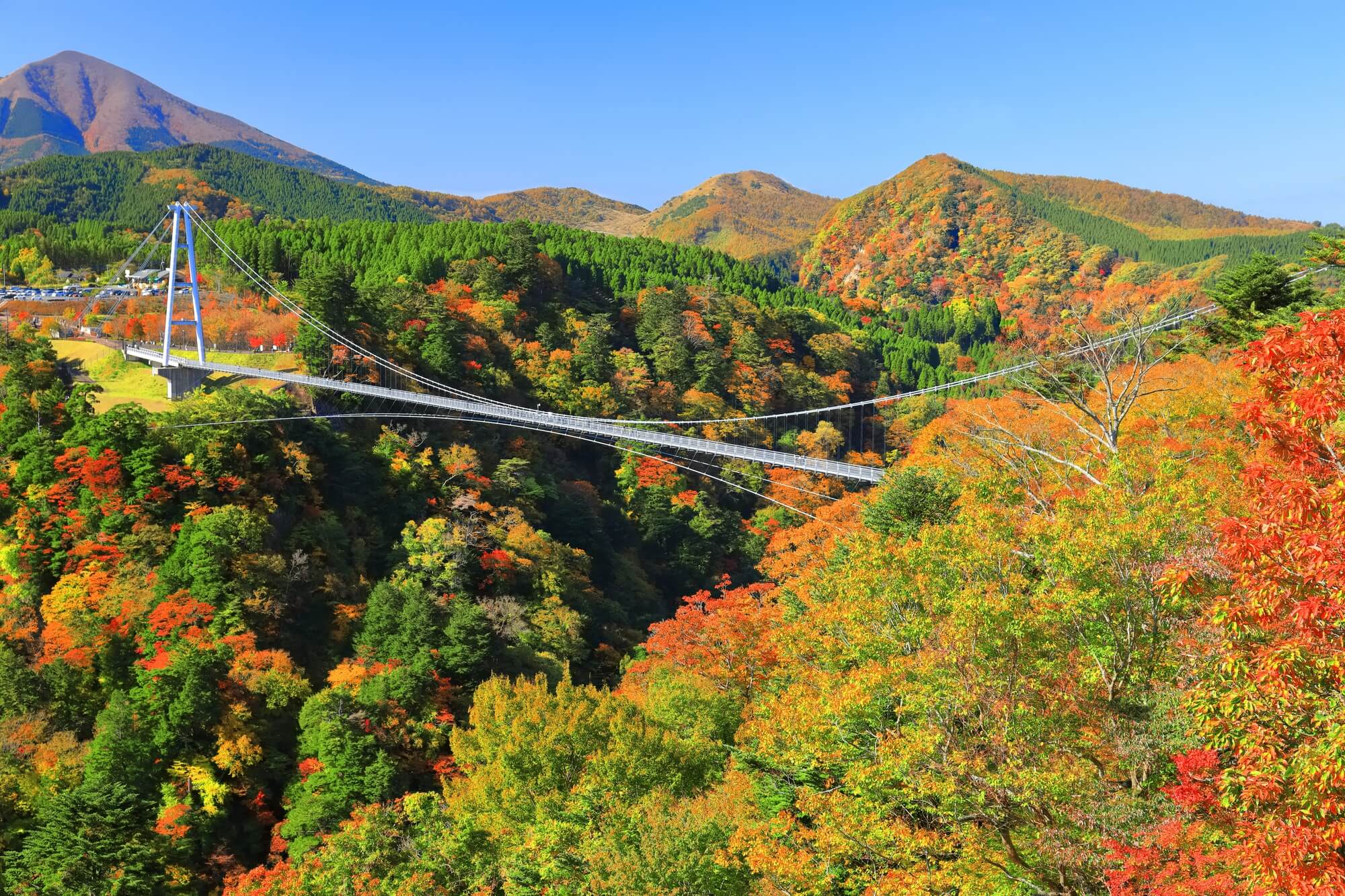
The Kokonoe Yume suspension bridge spans a gorge 173 metres above the valley floor. The bridge itself is engineered for views rather than drama, and the gorge below — with waterfalls visible from the walkway — is more interesting than the structure itself. It is busy on weekends and worth a weekday visit.
This part of Oita requires a car and rewards one. The roads through Kokonoe and around the Kuju caldera pass through a landscape of cattle farms, geothermal vents, and almost no tourist infrastructure — which is the point.
Explore Oita highlands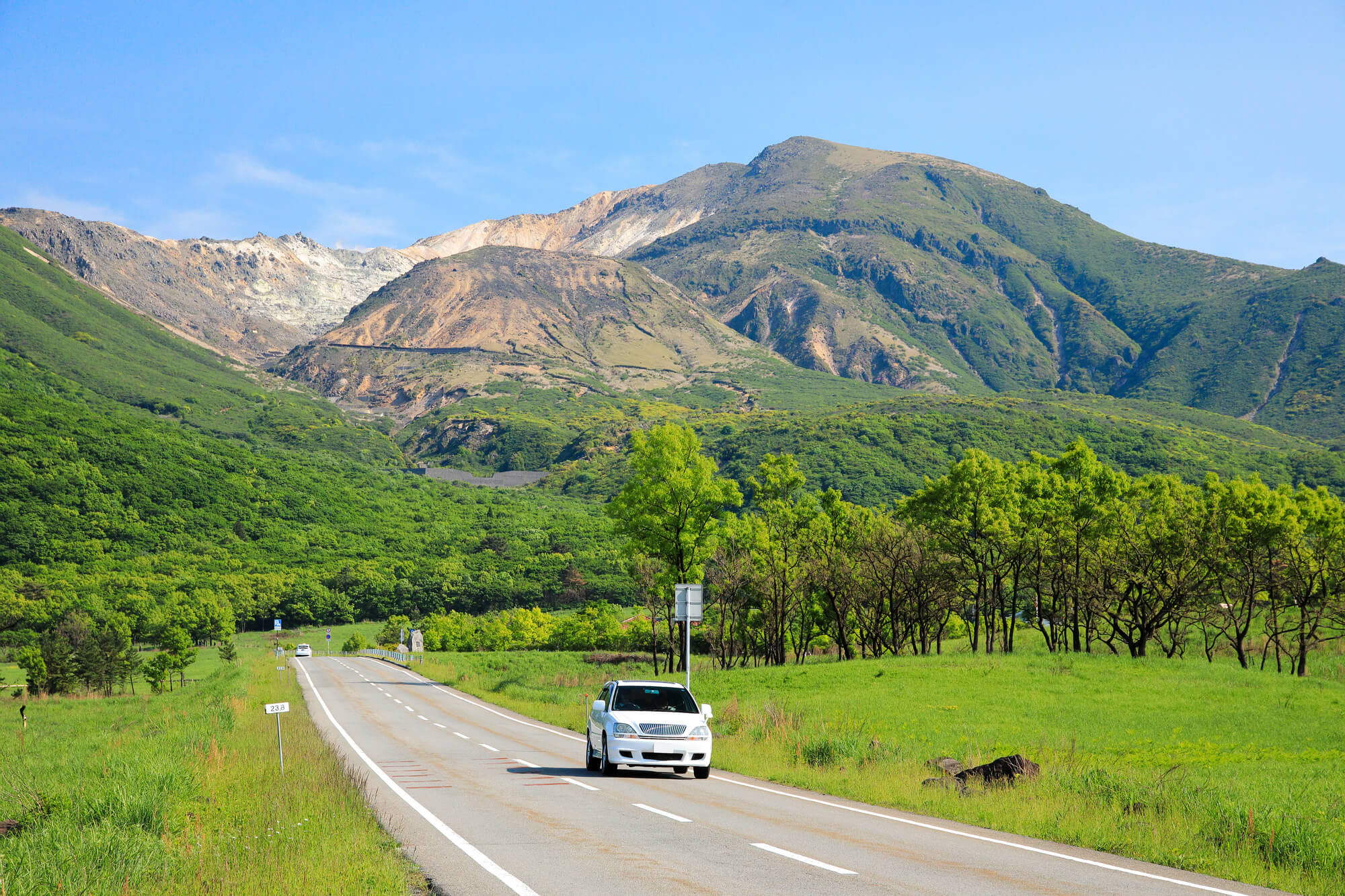
Taketa & Oka — A Castle Ruin Worth the Detour
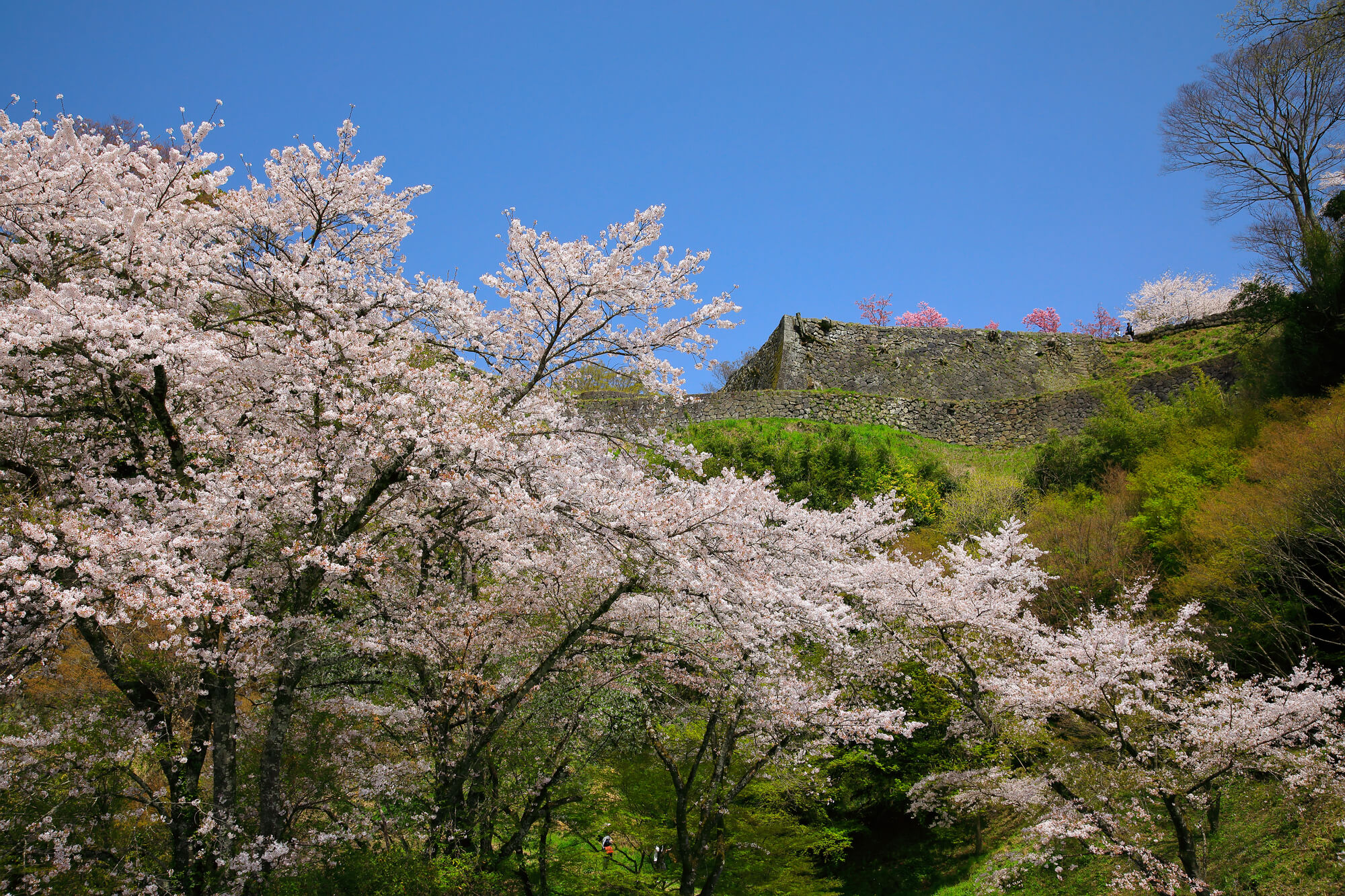
Taketa is a small inland city that became famous for a ruin. Oka Castle, built in the 12th century and expanded over the following 400 years, was deliberately dismantled by the Meiji government in 1874 to prevent it becoming a military stronghold. What remains are stone walls and terraces climbing a steep forested ridge — one of the most dramatic castle sites in Kyushu, and one of the least visited.
The approach from the car park is a 20-minute climb through cedar forest that arrives, without much announcement, at the first stone walls. From the upper terrace, the view across the Taketa valley — mountains, farmland, the occasional roof — is exactly the kind of view that makes Japanese castle architecture make sense.
Taketa itself has a small historic quarter worth an hour on foot, and a mild obsession with Taki Rentaro, the Meiji-era composer who grew up here. The music festival held each summer in the castle ruins is either charming or obvious, depending on your tolerance for that kind of thing.
Explore Taketa spotsKunisaki & Usa — Where Buddhism Took a Different Shape
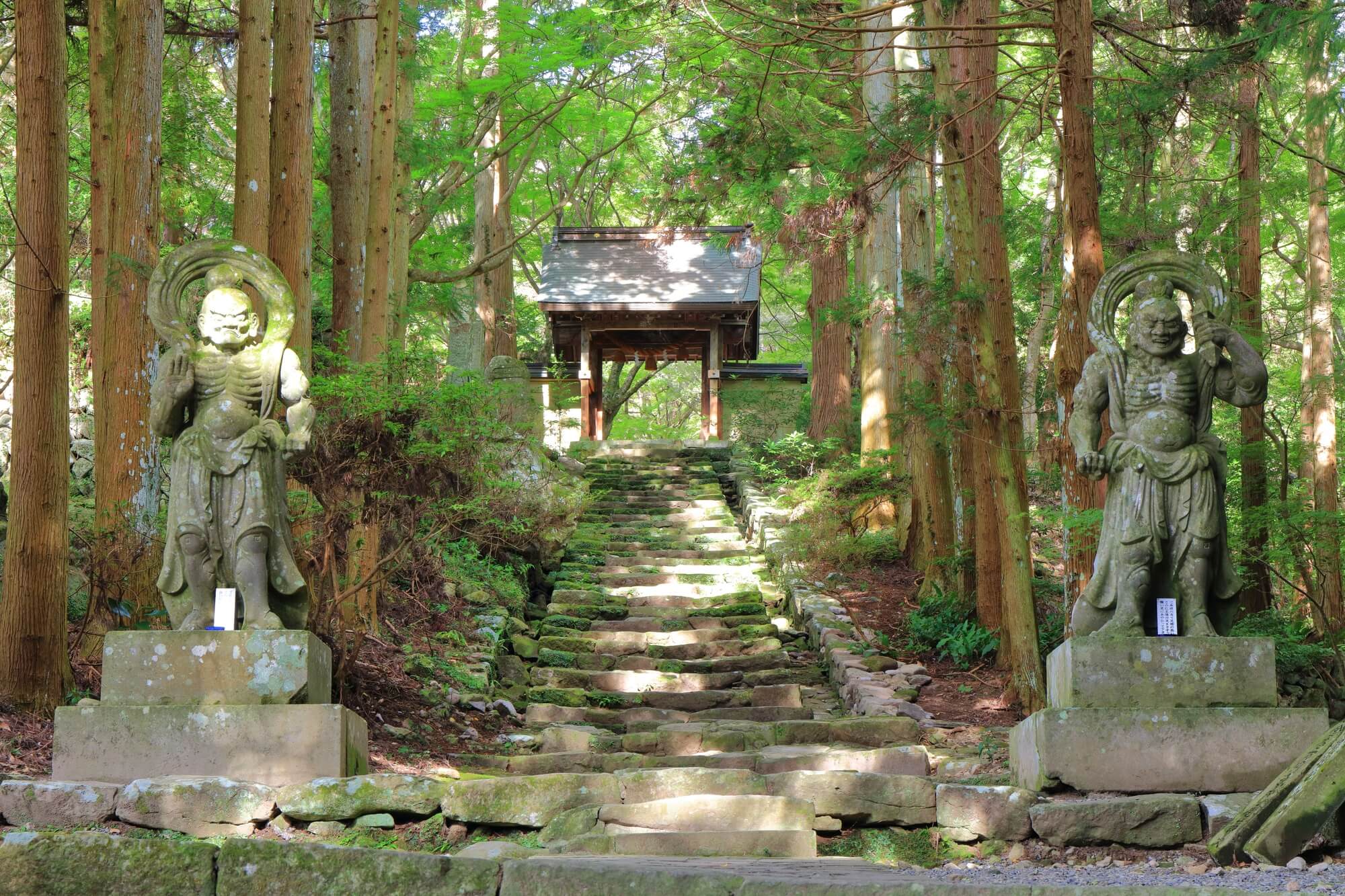
The Kunisaki Peninsula juts out from the north coast of Oita into the Seto Inland Sea, and it has been one of Japan's most significant religious landscapes for over 1,300 years. The Buddhism that developed here — Rokugo Manzan, a syncretic blend of Buddhist and Shinto practice specific to this peninsula — produced a culture of stone carving and mountain asceticism unlike anything elsewhere in Japan.
The trails that connect the peninsula's temples and stone carvings are still walkable, and still used for pilgrimage. The Kunisaki Peninsula Buddhist Trail passes stone lanterns, ancient carved Buddhas, and mountain shrines in a sequence that makes the religious geography of the place legible in a way that no museum could.
Usa Jingu, to the west of the peninsula, is one of the most important Shinto shrines in Japan — the original Hachimangu, to which all other Hachiman shrines trace their origin. The complex is large, the approach long, and the atmosphere substantially different from the more theatrical shrines of Kyushu.
Explore Kunisaki spots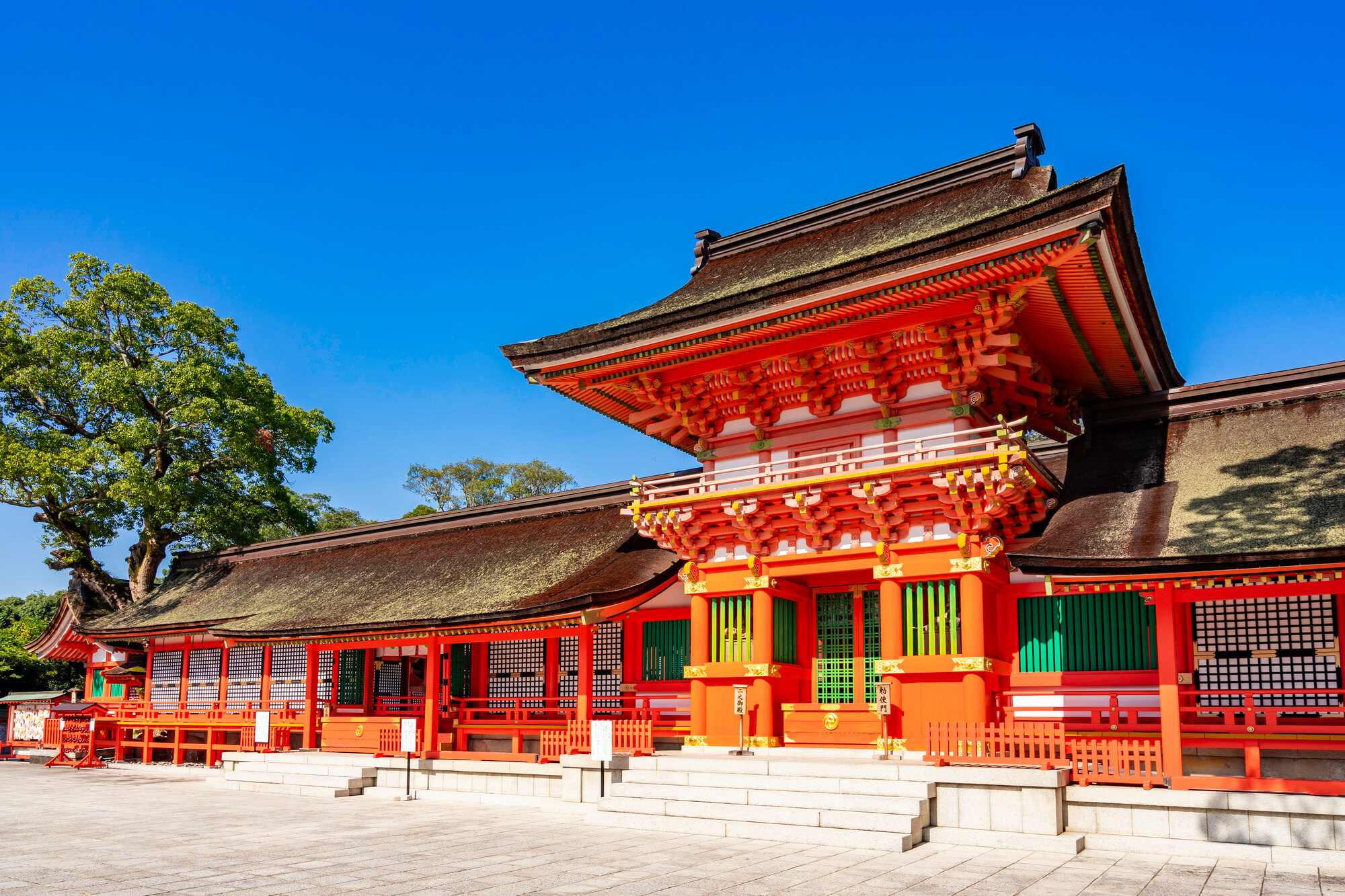
Usuki — Stone Buddhas at the Edge of the World
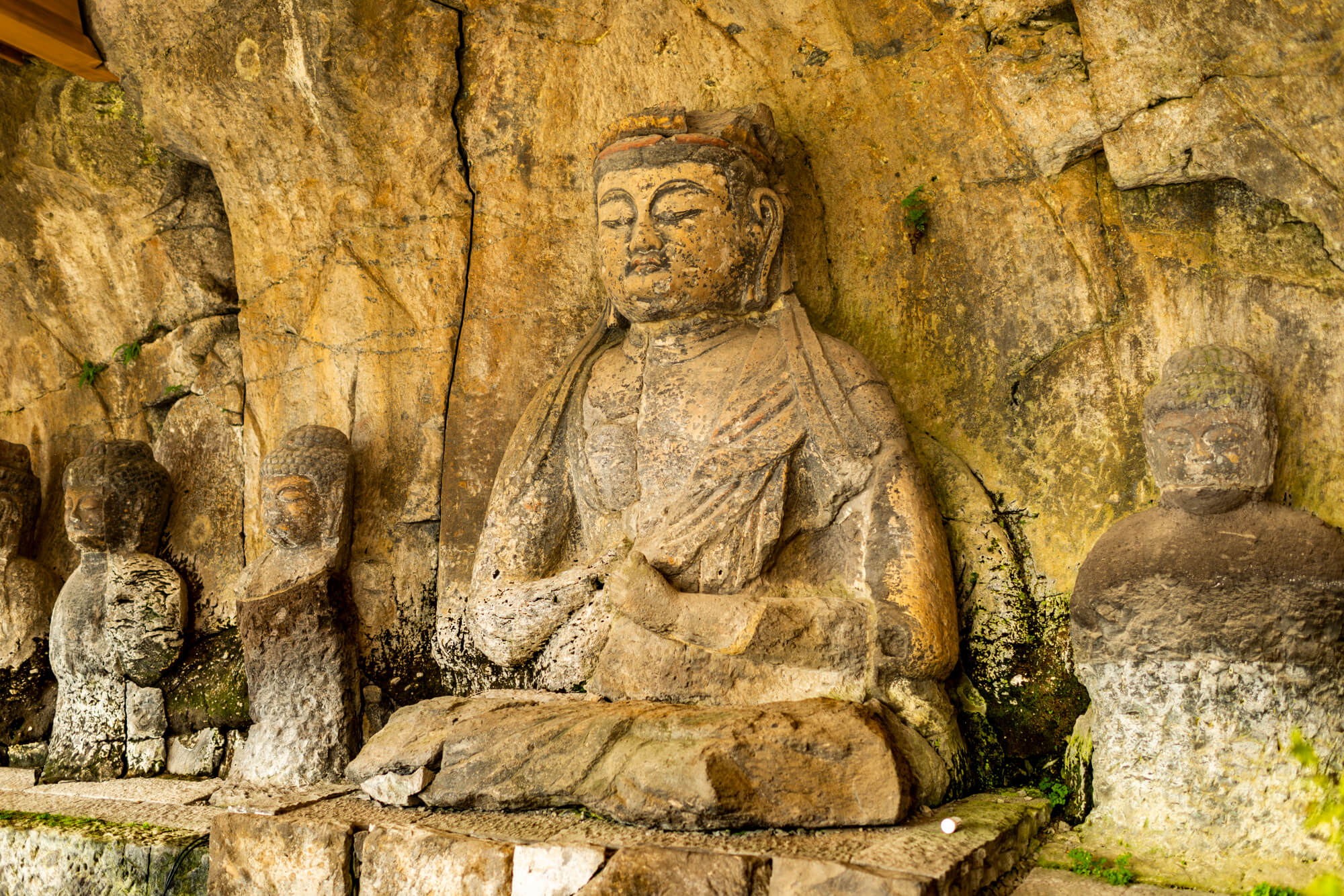
Usuki is a small port city on the southern coast of Oita, and its famous stone Buddhas are among the most unusual things in Japan. Carved directly into soft tuff cliffs in the 10th or 11th century — the exact origins remain disputed — the Usuki Sekibutsu are a collection of around 60 figures, the finest of which have a precision and serenity that seems improbable given the material and the age.
The site is not large. Most visitors can cover the four clusters of carvings in under two hours, following a path through a cedar grove above the river. There is almost no visitor infrastructure, which suits the place. The Dainichi Nyorai, restored in 1994, is the most famous figure — a full-faced Buddha emerging from the rock with an expression that has been studied and argued over for decades.
Usuki also has a modest samurai quarter, a castle ruin above the port, and a local speciality fermented fish sauce that features in most local restaurant menus. It is a sensible place to spend a night rather than just an afternoon.
Explore Usuki spotsNakatsu & Yabakei — The Gorge Fukuzawa Yukichi Called Home
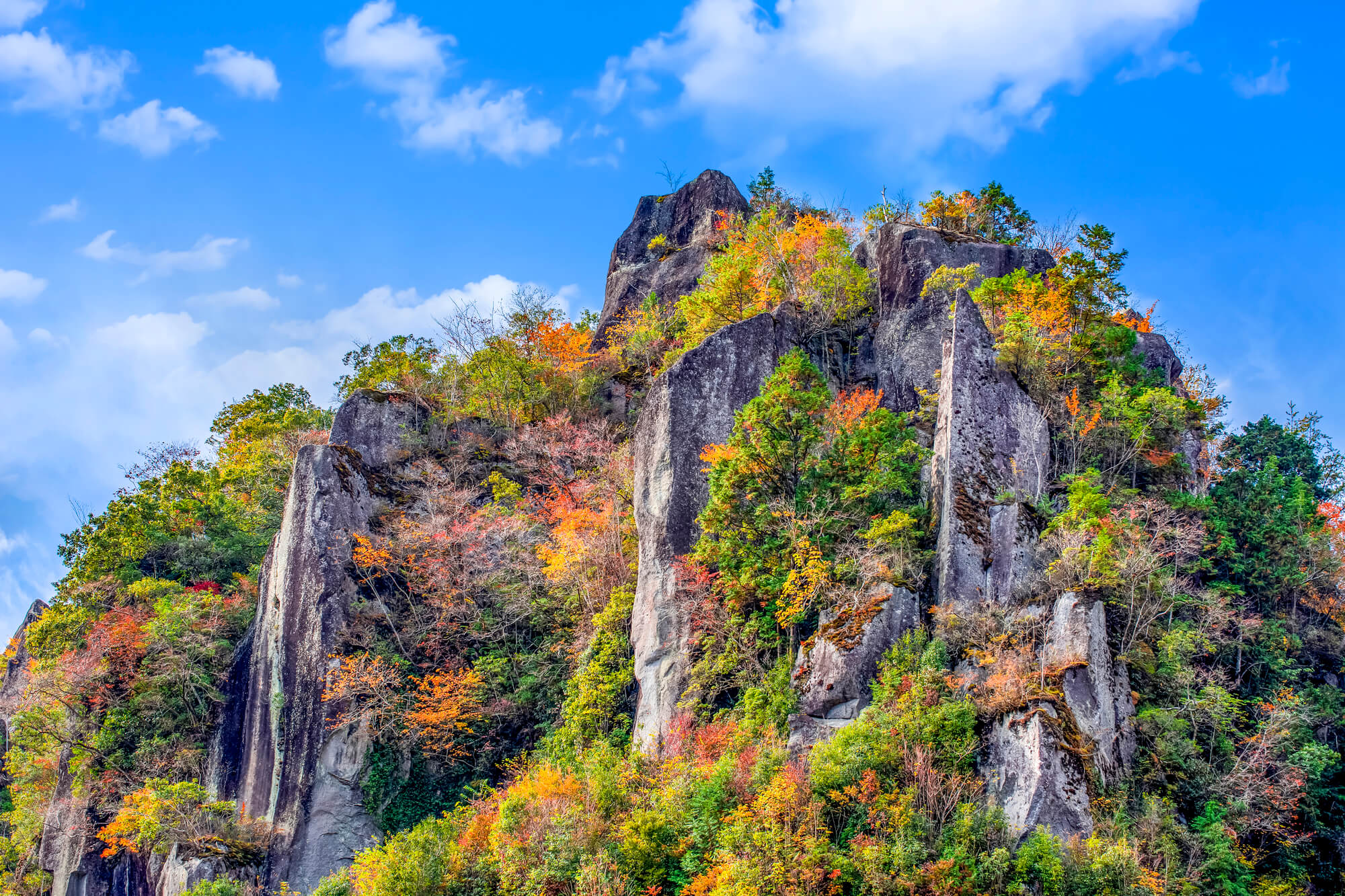
Nakatsu sits on the northern coast near the Fukuoka border, and it has two claims on Japanese attention: it was the birthplace of Fukuzawa Yukichi (whose face appears on the 10,000-yen note), and it has developed an unlikely reputation for karaage — Japanese fried chicken — that has spread far enough that Nakatsu chicken is now a recognisable style across the country.
To the south of the city, the Yabakei gorge cuts through volcanic rock in a series of narrow valleys lined with columns of basalt and conglomerate. The autumn colour here is extraordinary — the rock formations concentrate and frame the foliage in a way that explains why the gorge has been a designated scenic area since the Meiji period.
The most visited section is Hitome Hakkei, where the valley widens and the cliffs present their full height. The gorge rewards exploration by car, particularly the back roads along the Yamakuni River that most visitors do not reach.
Explore Nakatsu spotsHow to Plan Your Oita Trip
Most Oita itineraries begin in Beppu or Yufuin and go no further — which means most visitors see two of the prefecture's most commercially developed places and leave with an incomplete picture. The interior of Oita, from Kuju to Kunisaki, is where the prefecture becomes genuinely interesting.
Three to four days covers Beppu, Yufuin, and the highlands comfortably. Add two more for Kunisaki and Usuki, which are best done as a loop from Oita City by car. Nakatsu and Yabakei work as a day trip from Beppu or as part of a wider Kyushu itinerary heading towards Fukuoka.
A car makes the difference between an onsen holiday and a proper understanding of the place. The coastal rail lines cover Beppu, Oita City, and Usuki adequately; Yufuin is accessible by the scenic Yufu train from Hakata. Everything inland — Kuju, Kokonoe, Kunisaki, Yabakei — rewards its own time and its own transport.
Where are these spots?
How to Get There
Oita Airport is on the northern coast, connected to Oita City by bus in around 45 minutes. Direct flights from Tokyo (Haneda) take around 1.5 hours; ANA and Peach operate the route. From Fukuoka, the Limited Express Sonic runs to Oita Station in around 2 hours along the coast. The JR Kyudai Line connects Oita City to Beppu (15 minutes) and Yufuin (1.5 hours). Beppu and Yufuin are accessible without a car; Kokonoe, Kuju, Kunisaki, Usuki, and Yabakei are considerably easier with one. Car hire is available at Oita Station and Oita Airport.
Find your Japan
Find Your Oita
Browse curated spots across Oita Prefecture — from volcanic onsen towns to ancient Buddhist trails — on Tobira.
Find match spotsMore Prefecture Guides
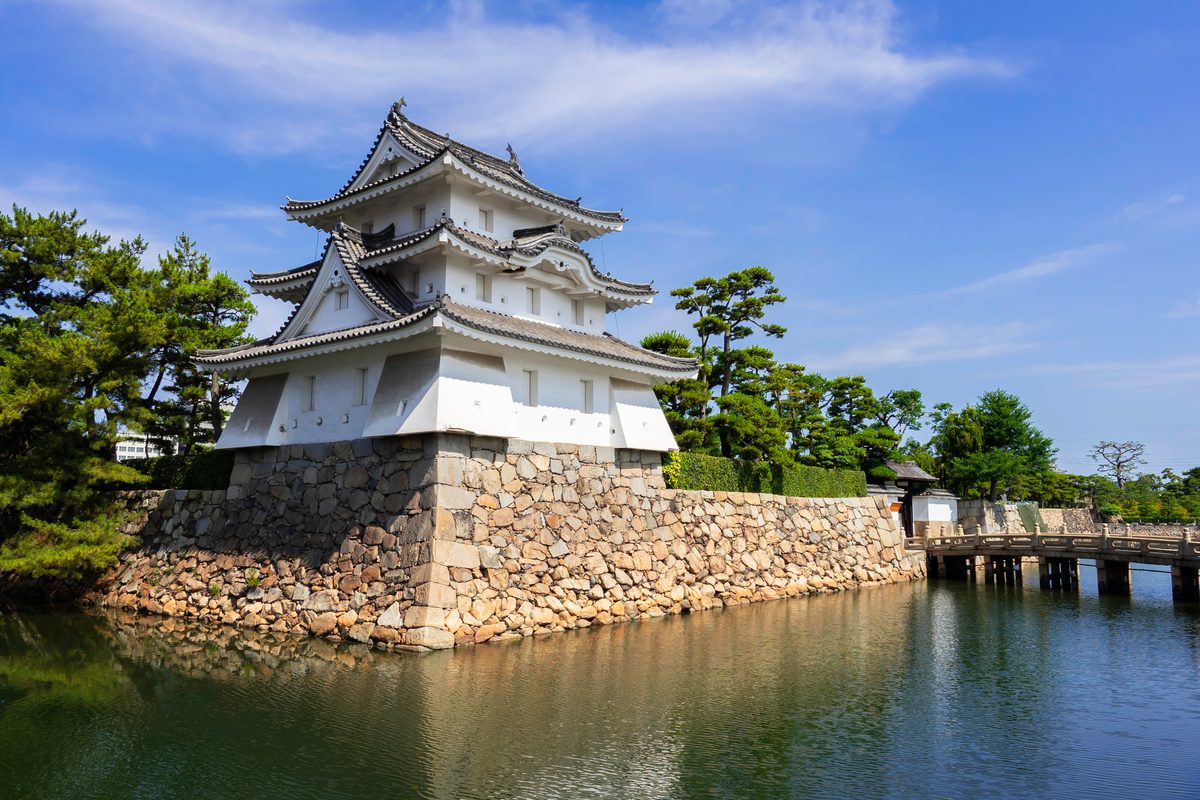
Kagawa: Udon, Art Islands, and the Most Climbed Stairs in Shikoku
11 min read
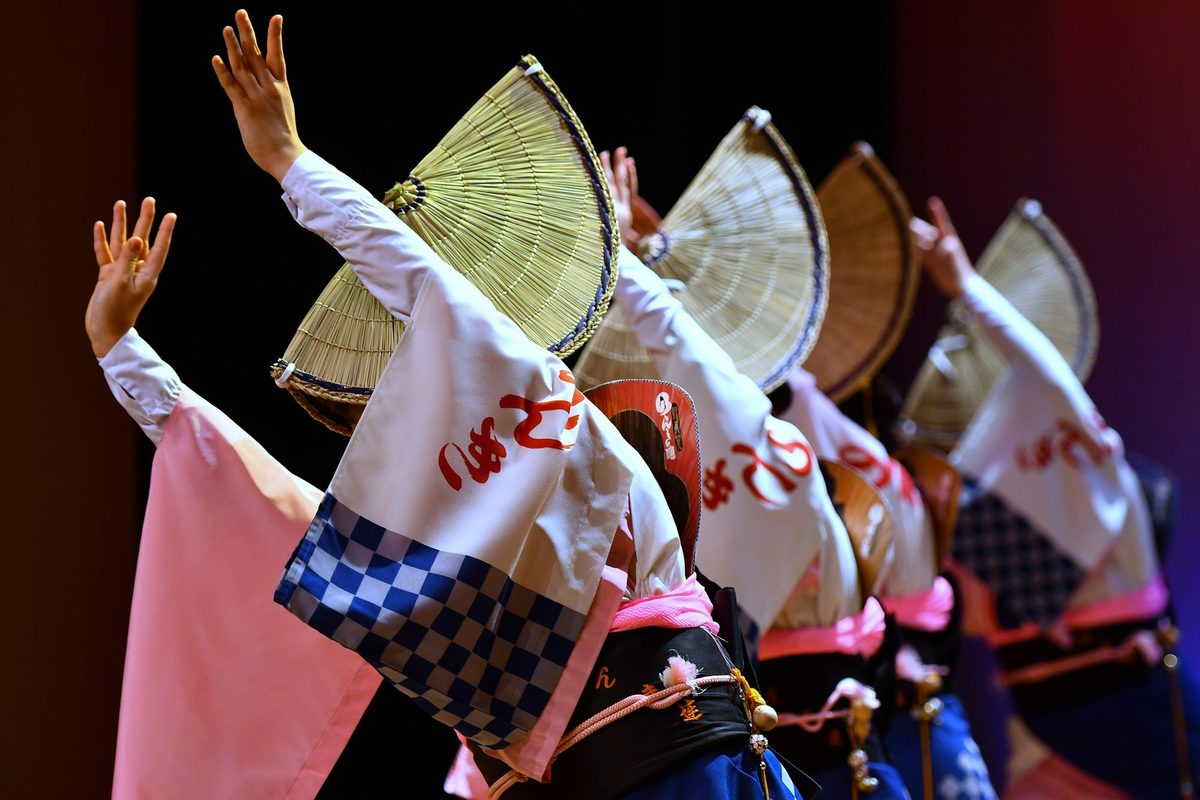
Tokushima: Whirlpools, the Valley That Time Missed, and Japan's Loudest Dance
11 min read
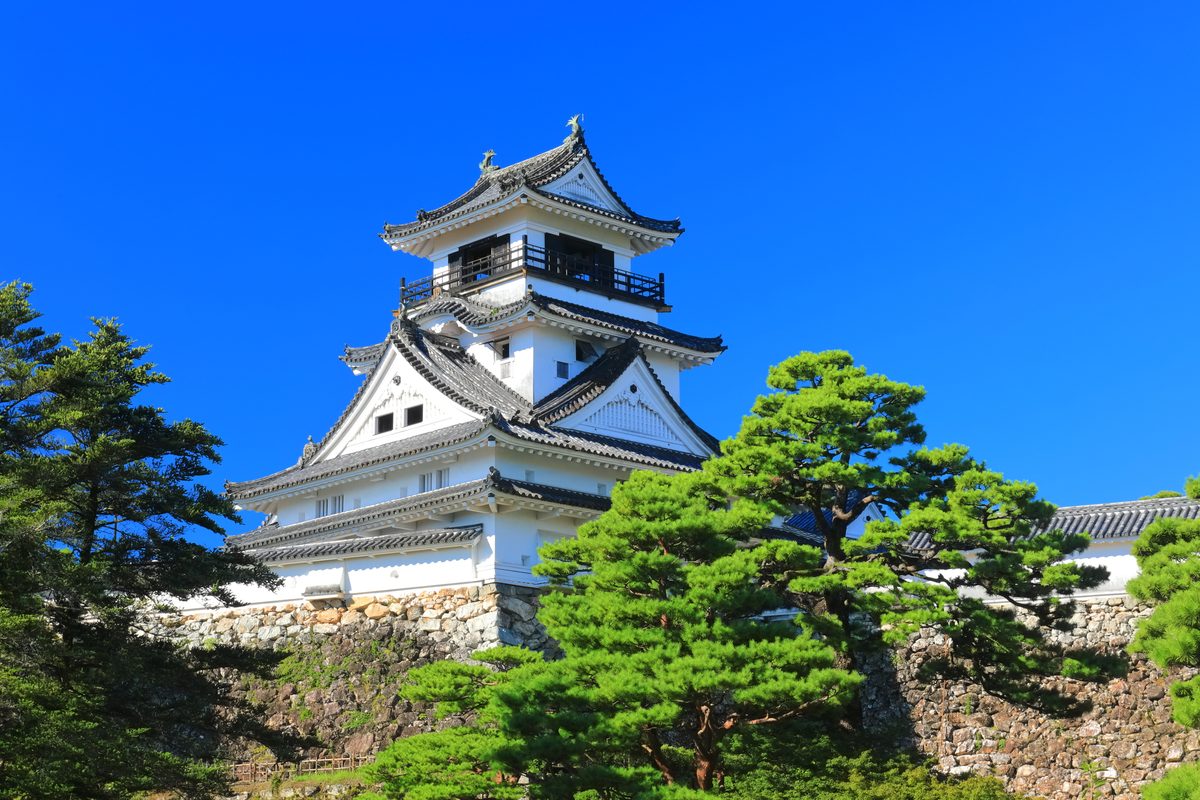
Kochi: The Wild Coast That Japan Forgot to Tame
12 min read
Ehime: Islands, Castles, and the Road That Goes Between
13 min read
Fukushima: Three Regions, One Prefecture, No Simple Story
12 min read
Akita: Snow Country, Rice Country, and Monsters on New Year's Eve
12 min read
Yamagata: Cherries, Sacred Mountains, and Snow That Eats the Trees
12 min read
Miyagi: The Coast, the Castle, and Sendai Between Them
11 min read
Iwate: Where the Mountains Lean Against the Pacific
12 min read

Aomori: Where Winter Invented Its Own Festival
12 min read
Kagoshima: Where the Mainland Finally Runs Out of Land
12 min read
Miyazaki: Where the Sun God Hid and the Horses Run Wild
11 min read
Saga: Older Than You Think, Quieter Than Most
11 min read
Nagasaki: Where Every Century Left Something Behind
13 min read
Fukuoka: Where Japan Eats, Breathes, and Gets On With It
14 min read
Hokkaido Travel Guide: Ten Places Beyond Sapporo
16 min read