
Kagoshima: Where the Mainland Finally Runs Out of Land
Kagoshima carries itself with the confidence of a place that has never depended on Tokyo's approval. The Satsuma domain was among the most powerful in feudal Japan and among the most disruptive during the Meiji Restoration; the prefecture's food, alcohol, and dialect remain assertively local. There is a roughness to the landscape — volcanoes, black sand, typhoon-season humidity — that softens into something else entirely on the outlying islands. It is not a prefecture that flatters visitors; it expects them to adapt.
Kagoshima is Japan's southernmost mainland prefecture, and it behaves like one. A volcano sits in the middle of the bay, smoking visibly from the city centre. Beyond the urban fringe, the land fragments into islands — some famous, some barely visited — until the Ryukyu chain begins in earnest. The prefecture is too large and too scattered to see in a single trip; what it offers instead is a series of destinations that have almost nothing in common except latitude and stubborn independence.
Kagoshima City — Samurai Gardens and a Volcano on the Horizon
Kagoshima City faces Kinko Bay with Sakurajima filling half the horizon — a stratovolcano that has been in a state of near-continuous eruption since 1955, ash falling on the city often enough that residents treat it as weather. The juxtaposition of a functioning regional capital and an active volcano four kilometres offshore is not something most Japanese cities can claim.
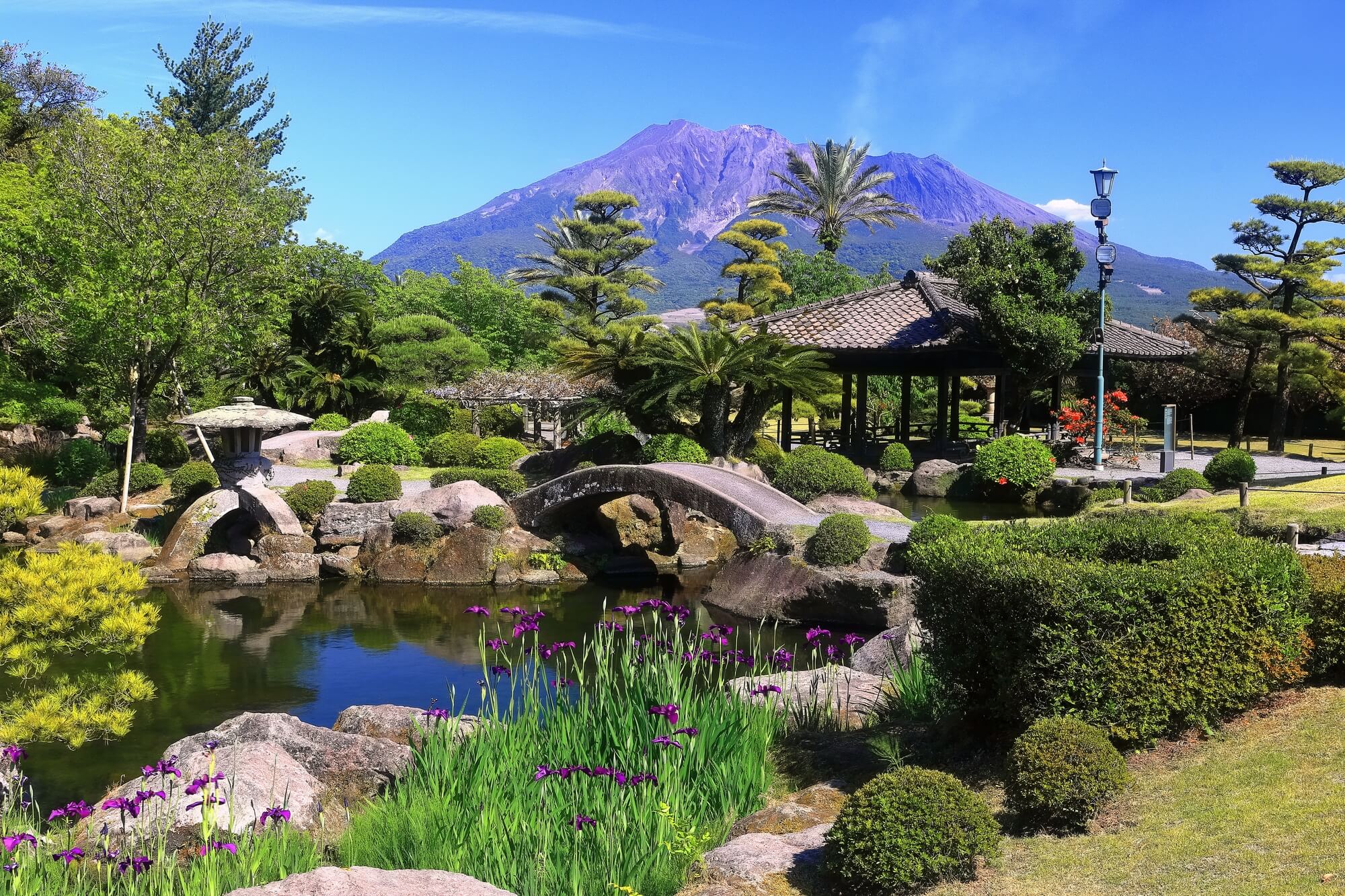
Sengan-en, the garden and estate of the Shimazu clan who ruled southern Kyushu for nearly 700 years, is the clearest expression of how that rule looked. The garden frames Sakurajima deliberately in borrowed scenery; the Shoko Shuseikan museum on the same grounds documents the clan's role in Japan's industrialisation — the first Western-style factory in Japan was built here in 1851.
Shiroyama, the forested hill behind the city centre, gives the standard panoramic view over the bay and the volcano. Tenmonkan, the downtown eating and drinking district, is where Kagoshima's food culture — kurobuta pork, sweet potato shochu, and a regional style of ramen — is most concentrated. The foot onsen at Iso Nagisa, on the waterfront promenade, is free and open late; it is used by locals after work more than by tourists.
Sengan-en Garden & Shoko Shuseikan
Kagoshima
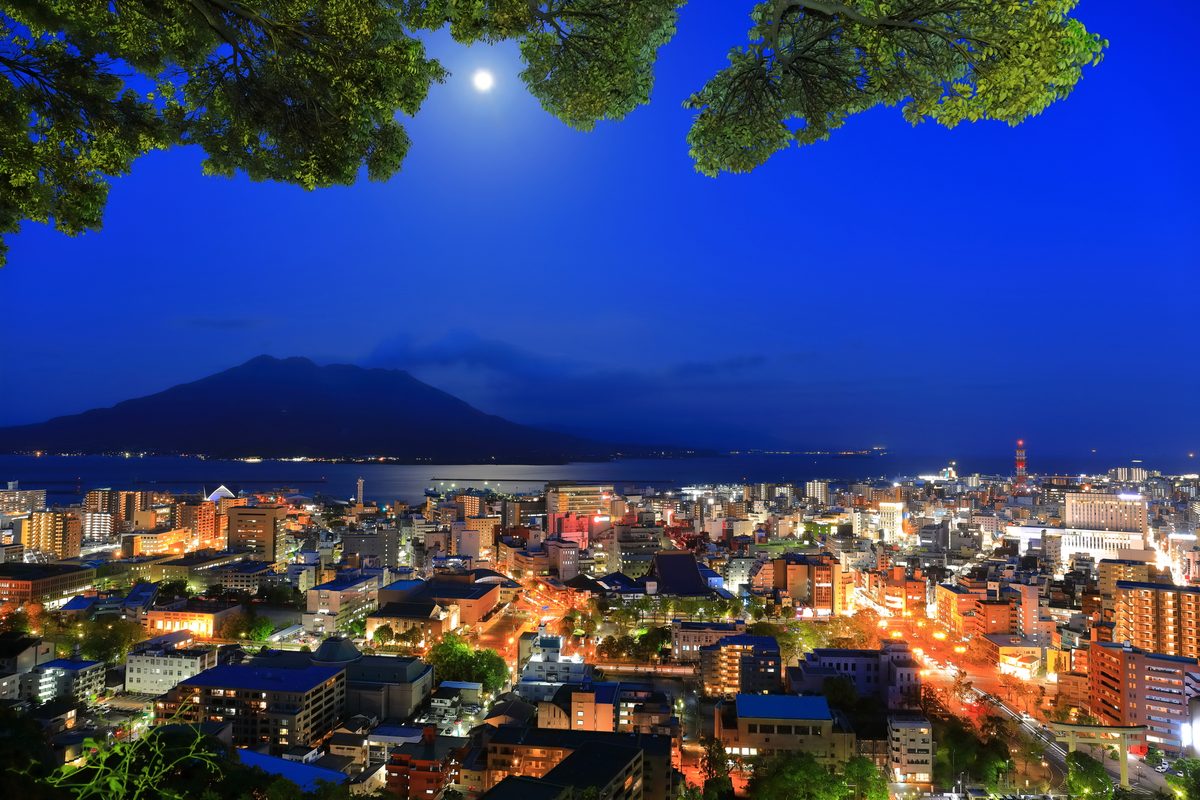
Shiroyama Observatory
Kagoshima
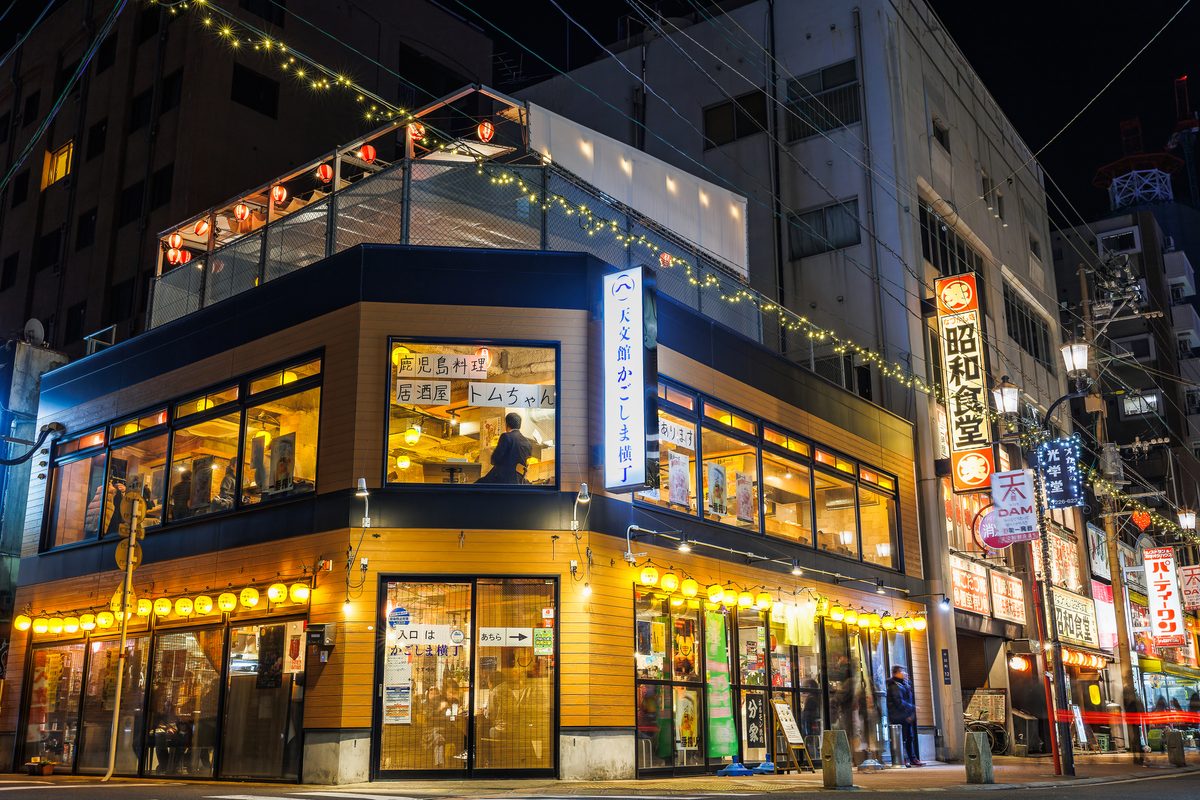
Tenmonkan Food District
Kagoshima
Sakurajima — Living With a Volcano in the Kitchen
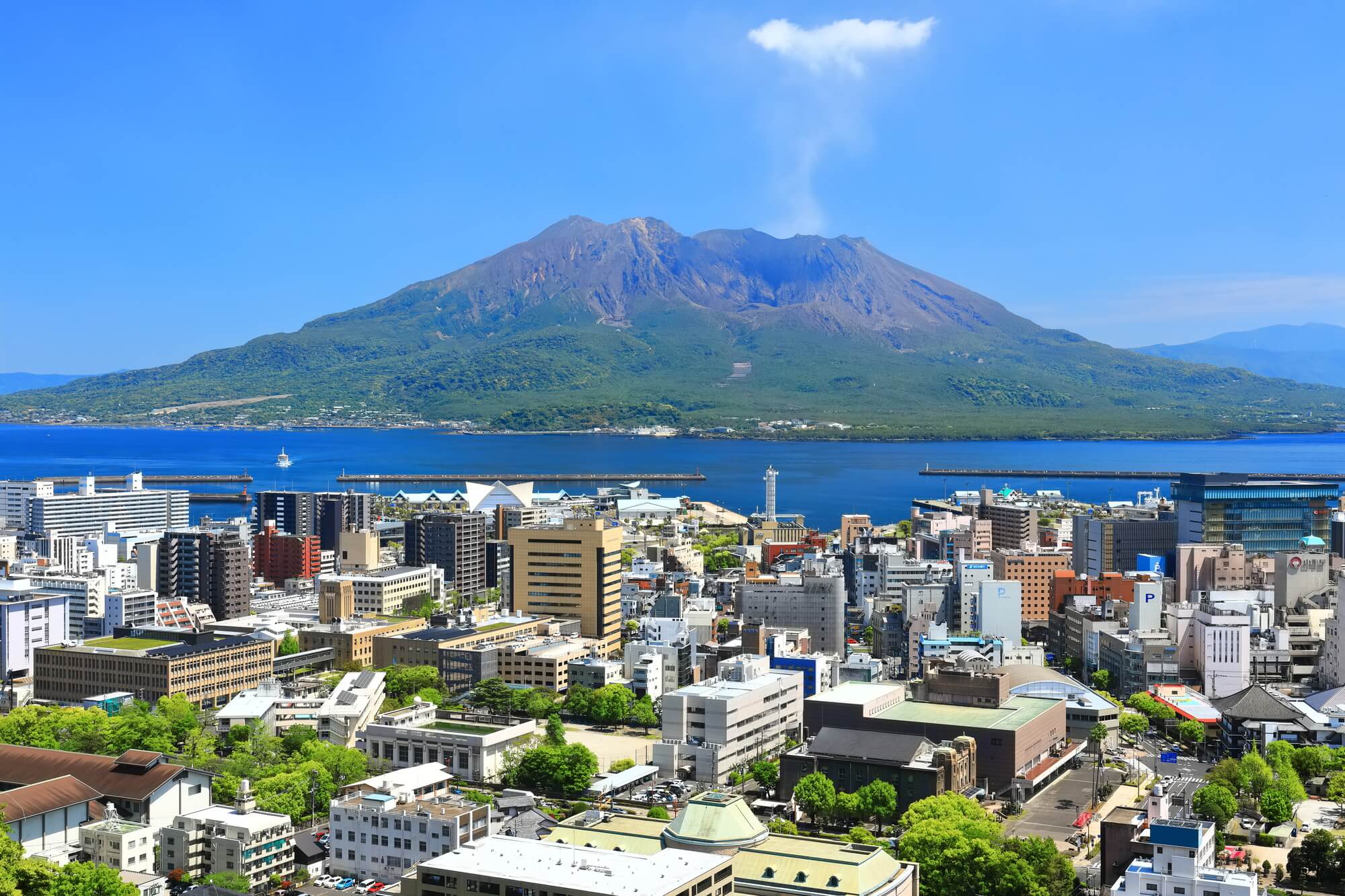
Sakurajima is not an attraction in the conventional sense — around 4,000 people live on the island, farming small fields of radish and citrus in soil enriched by volcanic ash. The ferry from Kagoshima runs every fifteen minutes; the crossing is short enough that the volcano appears to grow rather than approach.
The island's visitor infrastructure is modest: observation points along the coast, a buried torii gate half-covered by lava from a 1914 eruption, and walking trails through lava fields that are still warm in places. The Yunohira observation point, halfway up the slope, is as close as civilians are allowed when activity levels permit — the view across the bay to the city is among the more unusual in Japan.
Living with Sakurajima means accepting ash as a fact of life. Residents sweep it from doorsteps the way people elsewhere clear snow. The radishes grown here — the largest in Japan — owe their size directly to the soil. Tourism is secondary to the fact that this is, for thousands of people, simply home.
Explore Sakurajima spotsIbusuki — Where Japan Buries Itself in Hot Sand
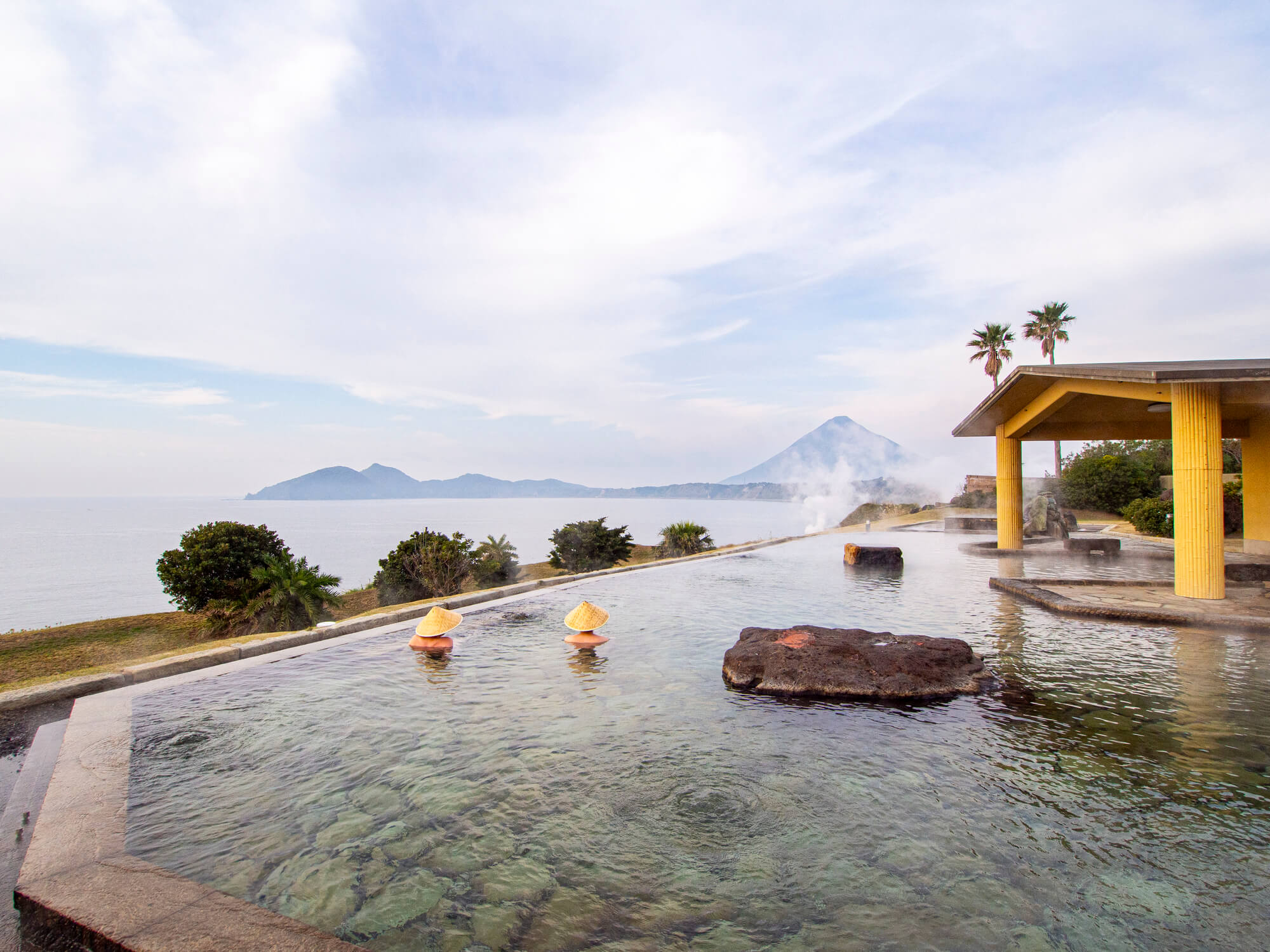
Ibusuki is famous for a single thing: sunamushi, or sand bathing — being buried up to the neck in naturally heated black volcanic sand while lying on a beach where underground hot springs raise the temperature of the sand itself. The experience lasts around ten minutes and ends with a rinse in an onsen bath; the claimed health benefits are extensive and difficult to verify.
The town stretches along a curved bay with the volcano Kaimondake — known locally as Satsuma Fuji for its symmetrical cone — visible at the southern end. The mountain is climbable in a few hours from the trailhead; the view from the summit takes in the entire Satsuma Peninsula and, on clear days, Yakushima on the horizon.
Ibusuki has the slightly faded quality of a resort that peaked in the 1970s and has been quietly sustaining itself since. The sand baths are still taken seriously; the beach architecture is less photogenic than the geology underneath it.
Explore Ibusuki spots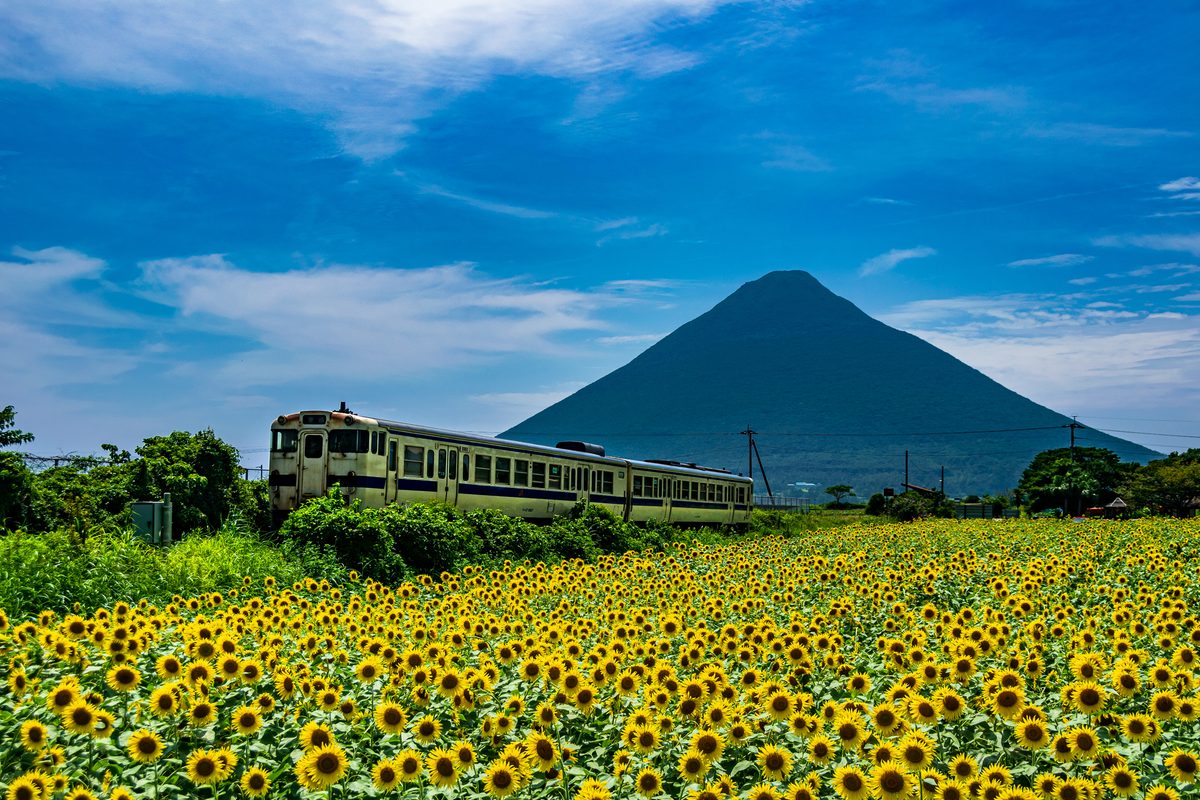
Chiran — Samurai Streets and the Weight of 1945
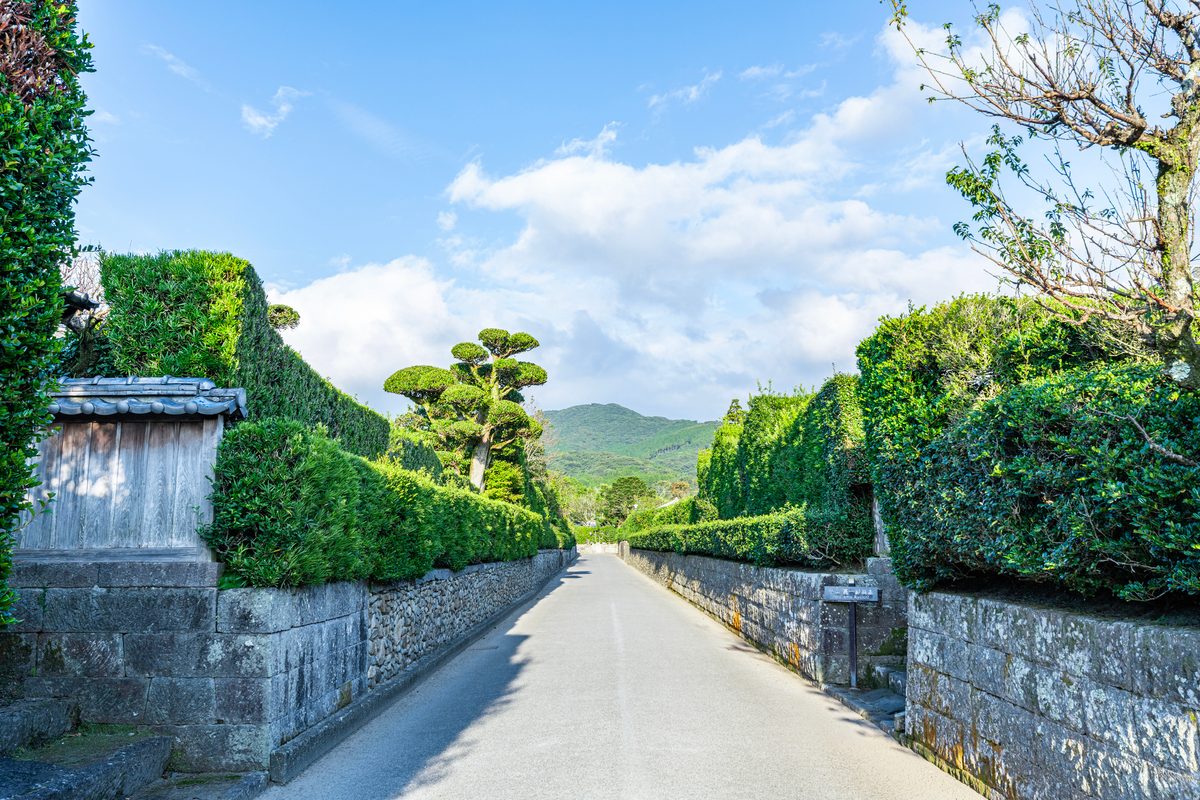
Chiran preserves one of the best surviving samurai residential districts in Japan — seven hectares of earthen walls, narrow lanes, and Edo-period houses behind which the lower-ranking retainers of the Satsuma domain once lived. The gardens are small and precise; the architecture is restrained; the atmosphere is quieter than almost any comparable district still open to the public.
A few kilometres away, the Chiran Peace Museum for Kamikaze Pilots occupies the site of a former airfield from which tokko pilots departed on one-way missions in the final months of the Pacific War. The museum is explicit about what it documents: photographs of the pilots, letters written the night before departure, and the aircraft types they flew. The tone is memorial rather than celebration, though the politics of how Japan remembers the tokko remain contested.
Visiting both in a single day produces a disorienting contrast — the long continuity of the samurai era and the compressed violence of its final chapter, separated by geography but not by history.
Explore Chiran spots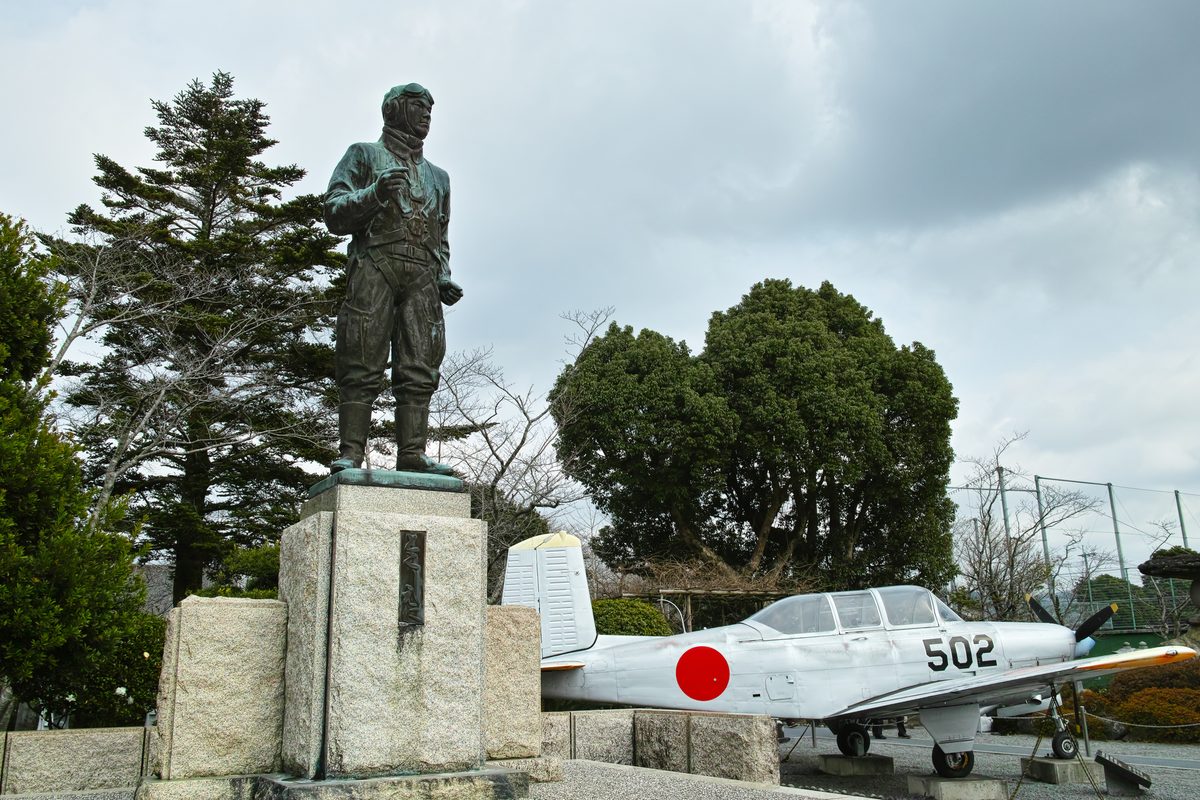
Kirishima — A Shrine Built Among Active Volcanoes
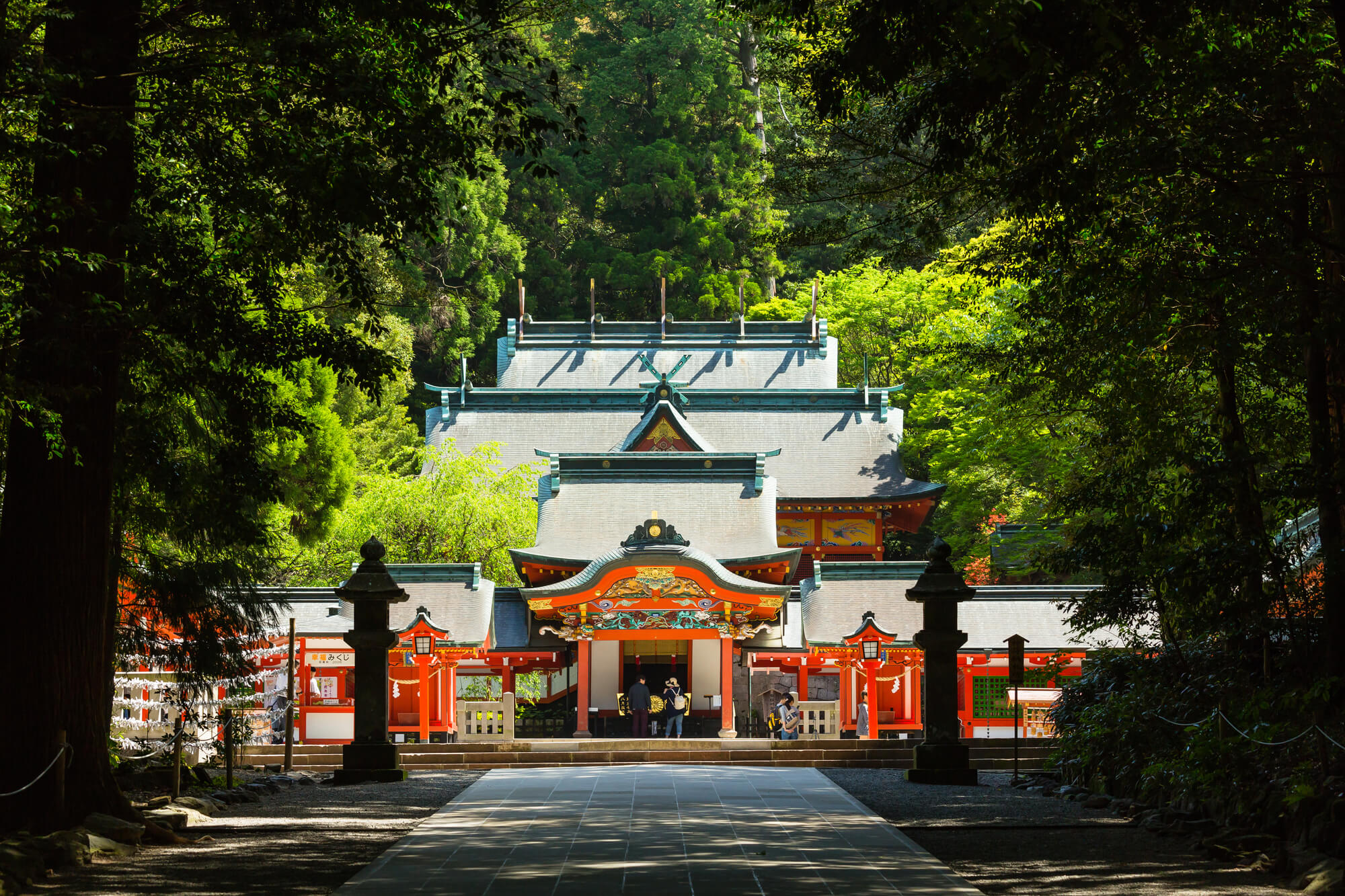
Kirishima Jingu stands in a cedar forest on the slopes of Mount Takachiho-no-mine, surrounded by a volcanic range that has erupted repeatedly in living memory — most recently in 2011, when Shinmoedake produced a plume visible across Kyushu. The shrine was founded in the 6th century according to legend and has been rebuilt multiple times after fire and eruption.
The current buildings date largely from 1715; the approach, a long staircase flanked by cryptomeria, is among the more dramatic in southern Japan. The shrine enshrines Ninigi-no-Mikoto, the divine ancestor of the imperial line according to the Kojiki — a mythological claim that gives Kirishima a significance disproportionate to the size of the town below it.
The surrounding Kirishima-Kinkowan National Park contains multiple crater lakes, highland walking trails, and onsen towns scattered through the caldera. The shrine is the most accessible single point for visitors without a car; the highlands beyond it reward those who have one.
Explore Kirishima spotsYakushima — The Island That Rewrote What 'Ancient' Means
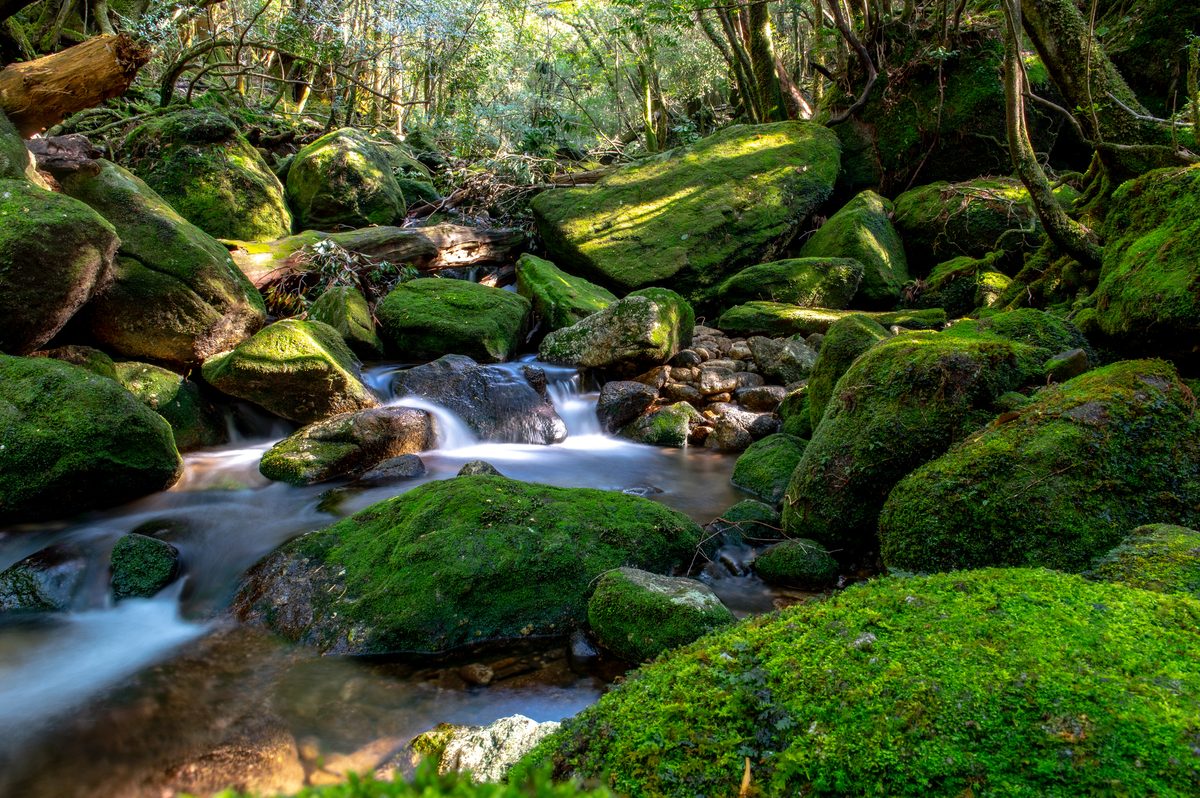
Yakushima, 135 square kilometres of granite mountain rising straight from the Pacific, contains trees older than any wooden structure in Japan. The Jomon sugi — a cedar estimated at between 2,000 and 7,000 years old — gives the island its international reputation, though the hike to reach it takes most of a day and requires advance planning.
The interior is almost entirely protected forest: yakusugi cedars, moss-covered roots, and rainfall measured in metres per year. The island was logged heavily until the 1960s; what remains is now strictly conserved, and the walking trails through the ancient groves are among the most regulated in the country.
Yakushima is not a casual destination. Ferries from Kagoshima take between two and four hours depending on the vessel; flights are faster but weather-dependent. Accommodation books up months in advance during peak hiking season. The reward is an ecosystem that feels genuinely outside the scale of ordinary Japanese travel.
Explore Yakushima spotsAmami Oshima — The Subtropical Archipelago Most Visitors Miss
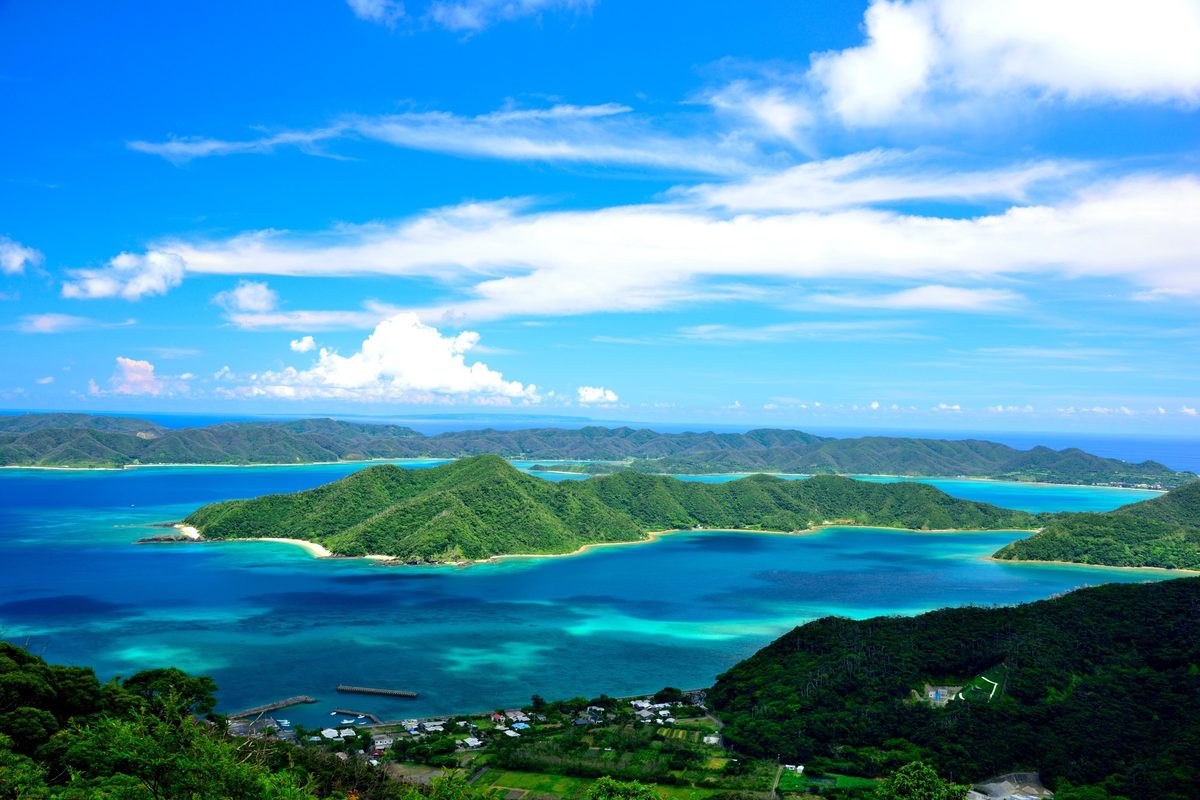
Amami Oshima sits roughly halfway between mainland Kyushu and Okinawa, and it shares aspects of both — coral reefs, mangrove forests, and a music tradition (shima-uta) distinct from anything on the main islands. The prefecture only incorporated the Amami Islands in 1953; culturally, many residents still identify as part of a chain that extends south rather than north.
The island's interior is mountainous rainforest; the coast is ringed with beaches that see a fraction of the traffic of Okinawa's main islands. Diving and kayaking are the primary activities; the mud dyeing tradition that produces the island's distinctive dark textiles is harder to access but worth seeking out for those staying several days.
Reaching Amami requires commitment — the flight from Kagoshima is the practical option; the overnight ferry is cheaper and slower. Either way, the island makes more sense as a multi-day detour than a day trip, and it pairs naturally with a Kagoshima itinerary only for travellers with time to spare.
Explore Amami spotsHow to Plan Your Kagoshima Trip
Kagoshima City works as a base for Sakurajima, Kirishima, and Chiran by public transport; Ibusuki is a straightforward day trip on the JR line south. Yakushima and Amami require separate bookings — ferries and flights both fill up in peak season.
A week allows Kagoshima City, Sakurajima, Ibusuki, and one of Chiran or Kirishima without rushing. Yakushima needs at least two nights to justify the crossing; Amami needs three or four to feel proportionate to the travel time.
A car opens the Satsuma Peninsula and the Kirishima highlands in ways that trains cannot, though the core sights remain reachable without one. The prefecture rewards slow movement: the distances are real, the ferries run to schedules rather than convenience, and the best parts — the islands especially — require accepting that not everything will fit into a single itinerary.
Where are these spots?
How to Get There
Kagoshima Airport is northeast of the city centre, connected by airport limousine bus in around 50 minutes. Direct flights from Tokyo (Haneda) take around 2 hours. The Kyushu Shinkansen runs from Hakata to Kagoshima-Chuo in around 1 hour 40 minutes. Ferries to Sakurajima depart from Kagoshima port every 10–15 minutes. High-speed ferries to Yakushima take 2–3 hours; propeller flights take around 40 minutes. Amami Oshima is reachable by air from Kagoshima in just over an hour or by overnight ferry. A car is recommended for the Kirishima highlands and the Satsuma Peninsula interior.
Find your Japan
Find Your Kagoshima
Browse curated spots across Kagoshima Prefecture — from volcanic bays to subtropical islands — on Tobira.
Find match spotsMore Prefecture Guides
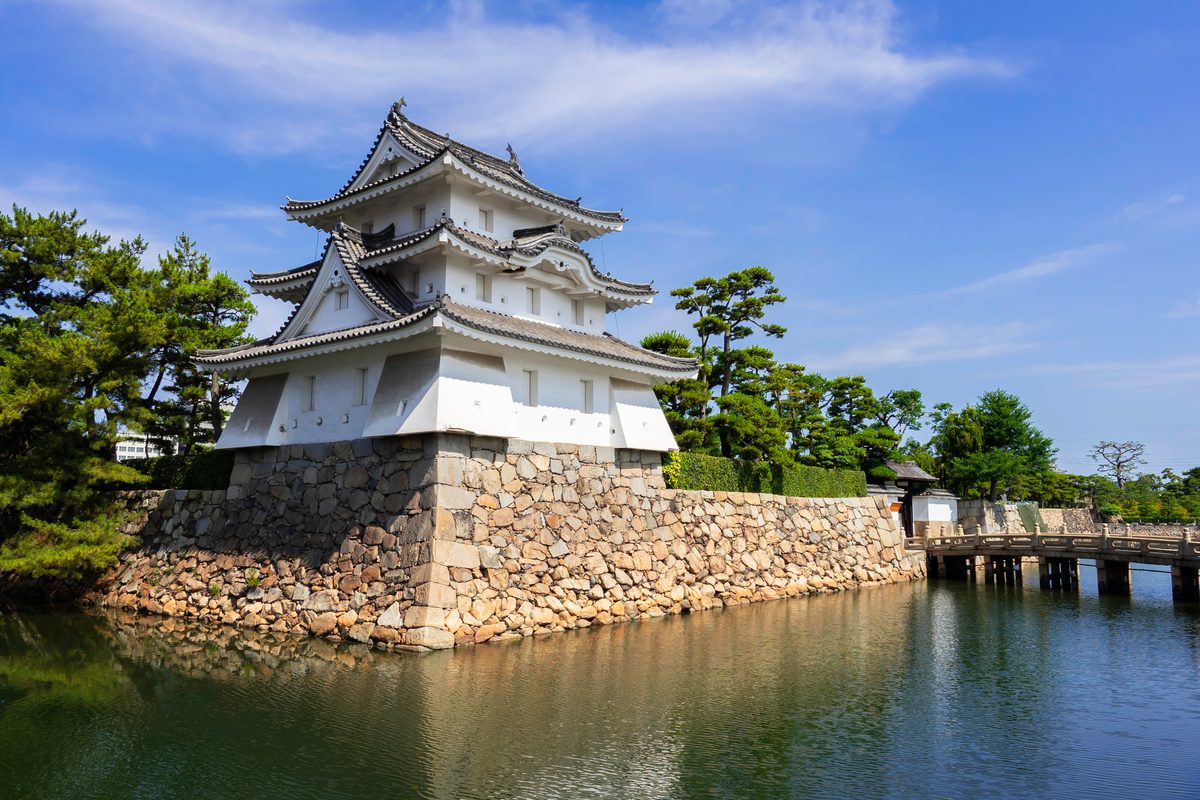
Kagawa: Udon, Art Islands, and the Most Climbed Stairs in Shikoku
11 min read
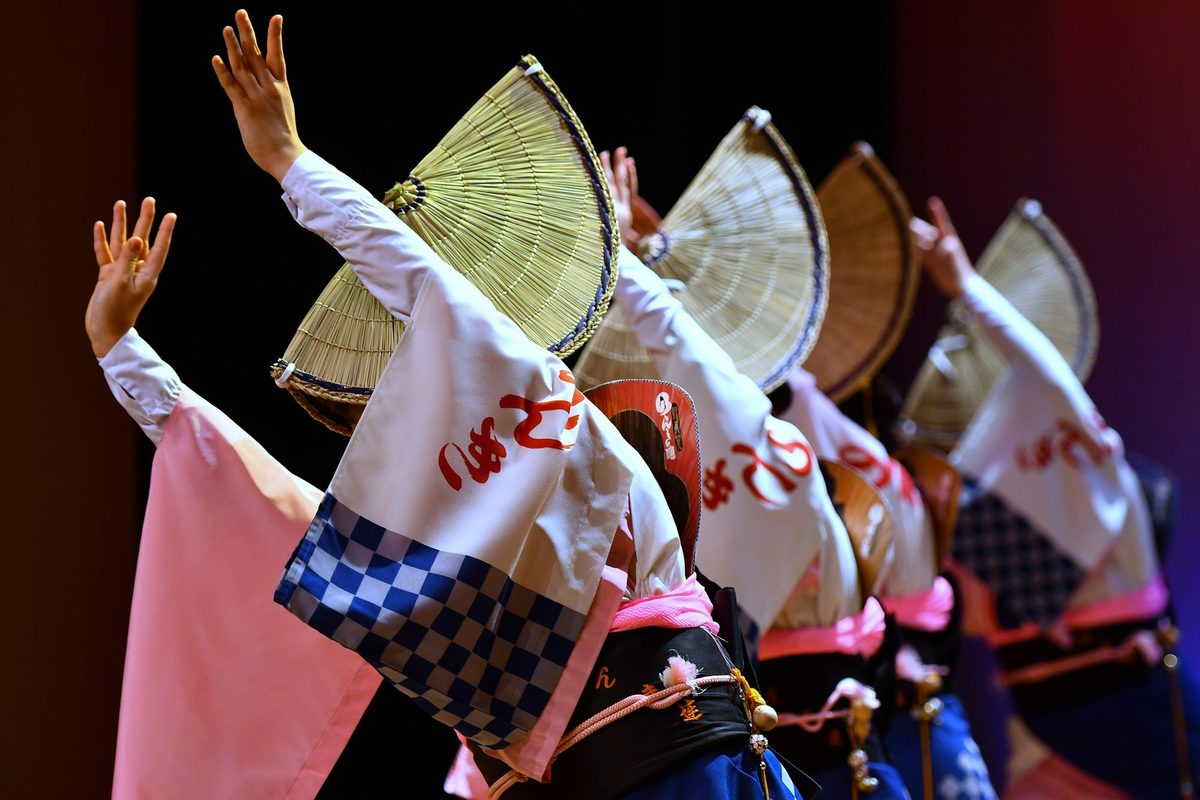
Tokushima: Whirlpools, the Valley That Time Missed, and Japan's Loudest Dance
11 min read
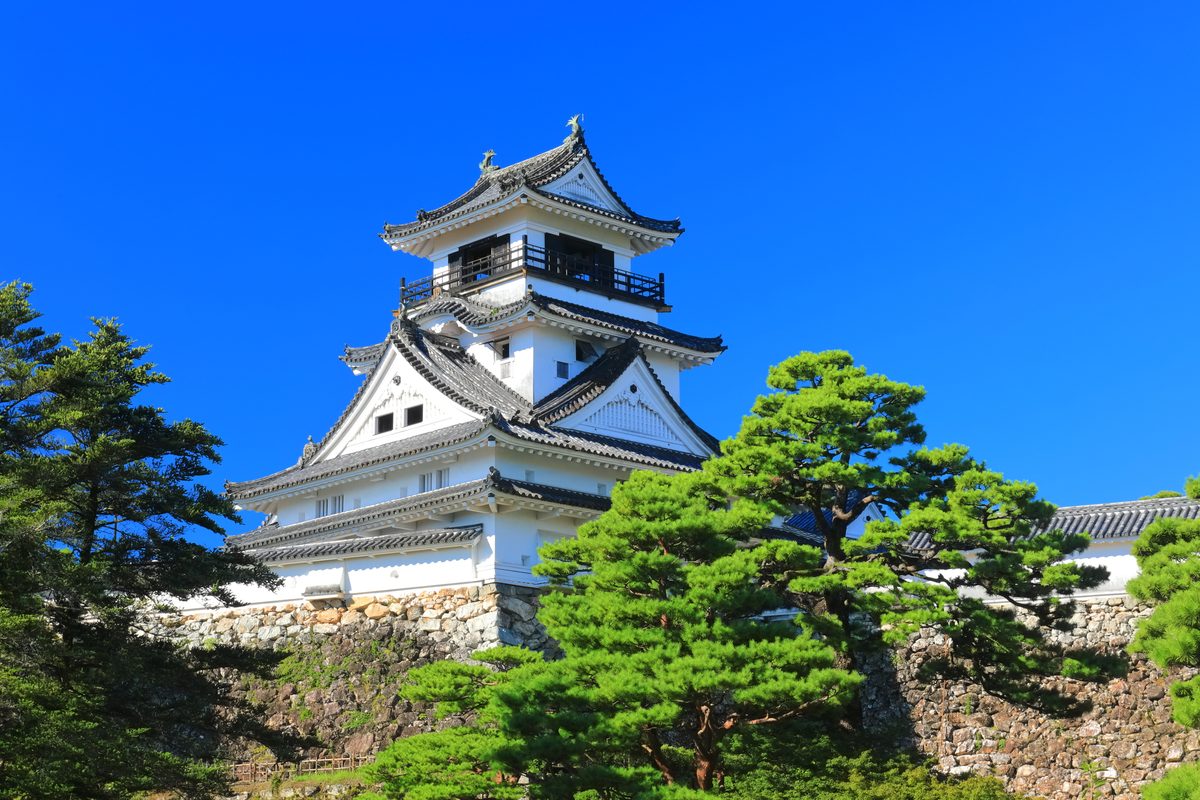
Kochi: The Wild Coast That Japan Forgot to Tame
12 min read
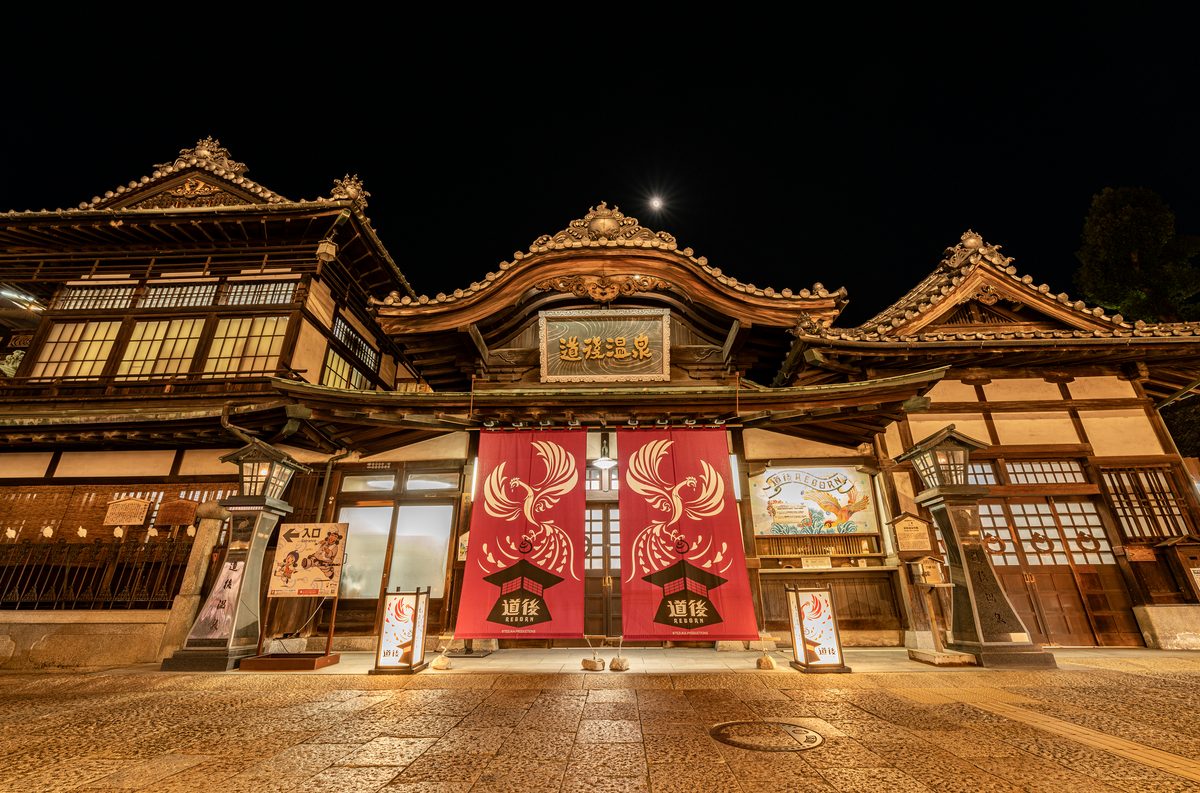
Ehime: Islands, Castles, and the Road That Goes Between
13 min read
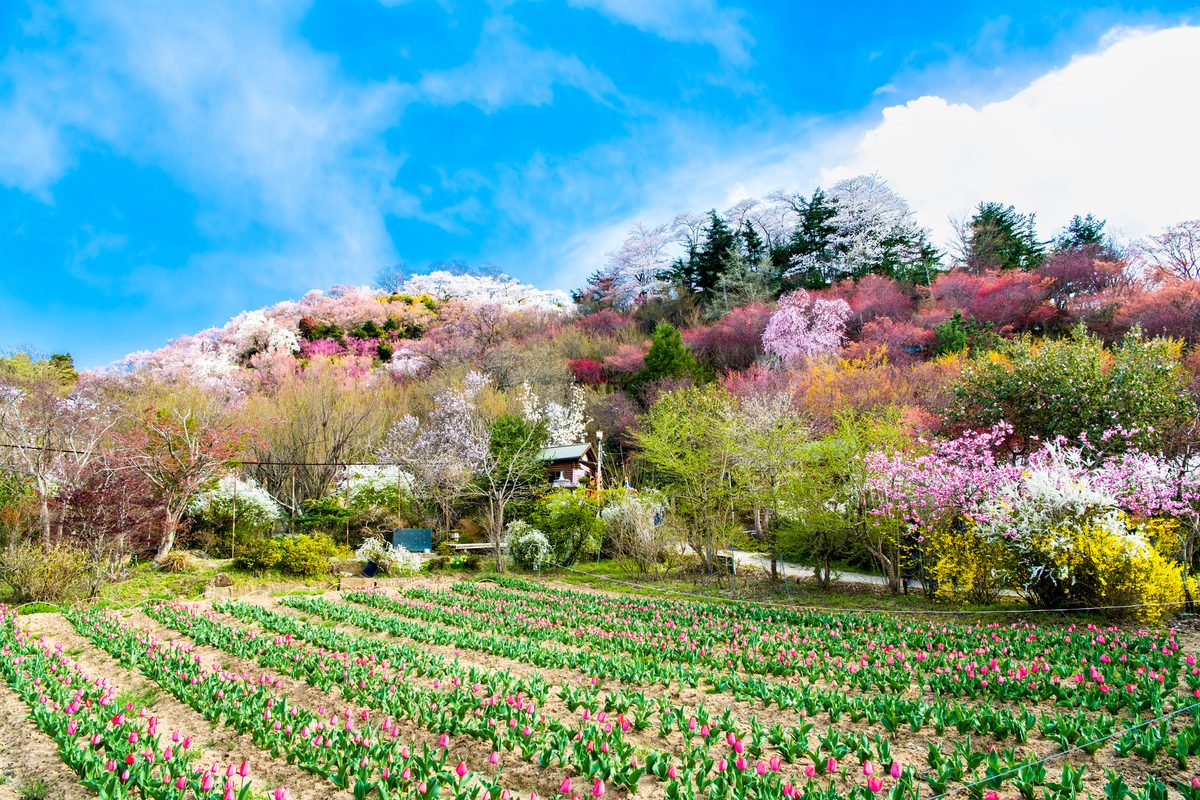
Fukushima: Three Regions, One Prefecture, No Simple Story
12 min read
Akita: Snow Country, Rice Country, and Monsters on New Year's Eve
12 min read
Yamagata: Cherries, Sacred Mountains, and Snow That Eats the Trees
12 min read
Miyagi: The Coast, the Castle, and Sendai Between Them
11 min read
Iwate: Where the Mountains Lean Against the Pacific
12 min read
Aomori: Where Winter Invented Its Own Festival
12 min read
Miyazaki: Where the Sun God Hid and the Horses Run Wild
11 min read
Saga: Older Than You Think, Quieter Than Most
11 min read
Nagasaki: Where Every Century Left Something Behind
13 min read
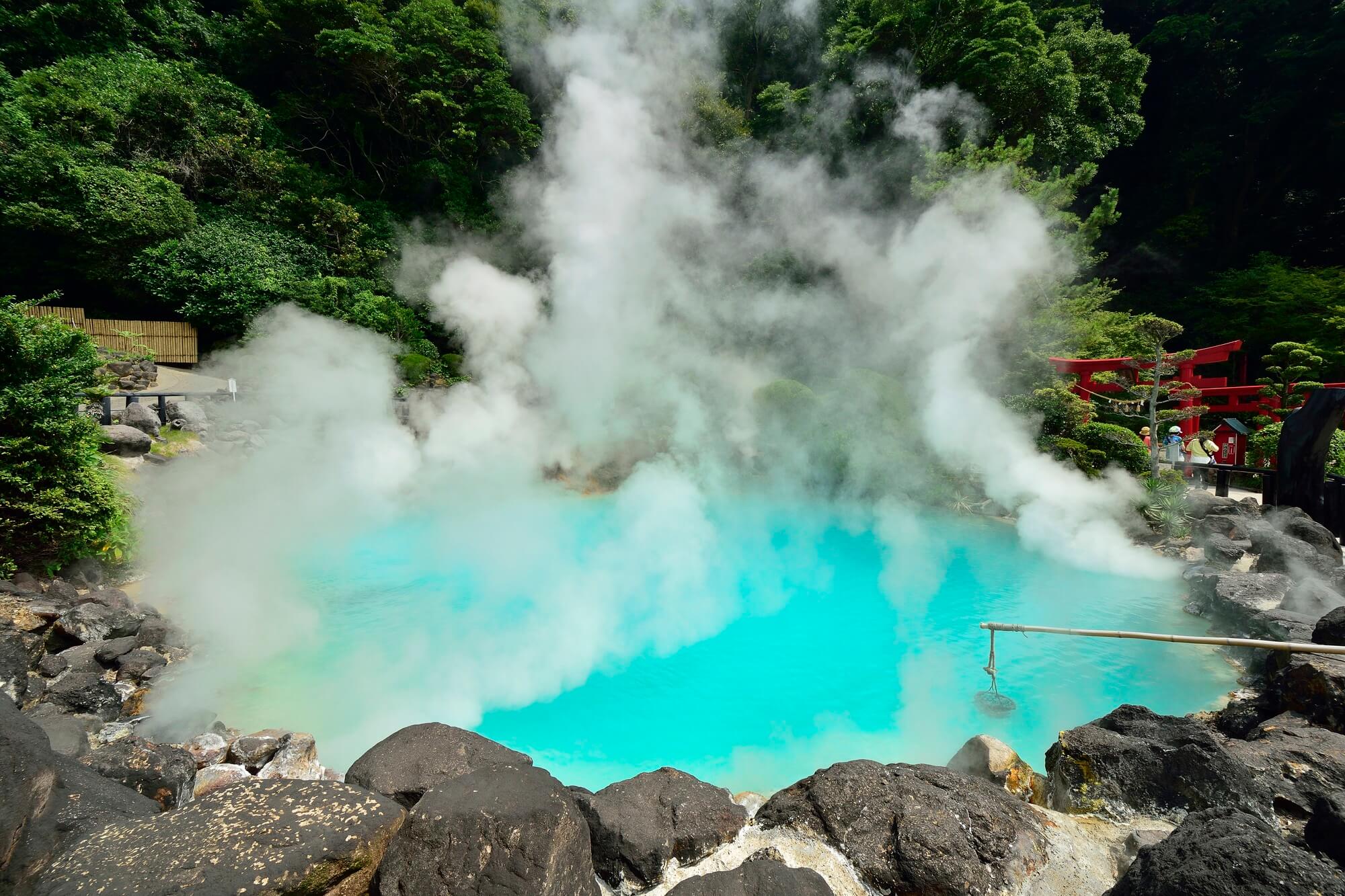
Oita: Where the Earth Still Boils
12 min read
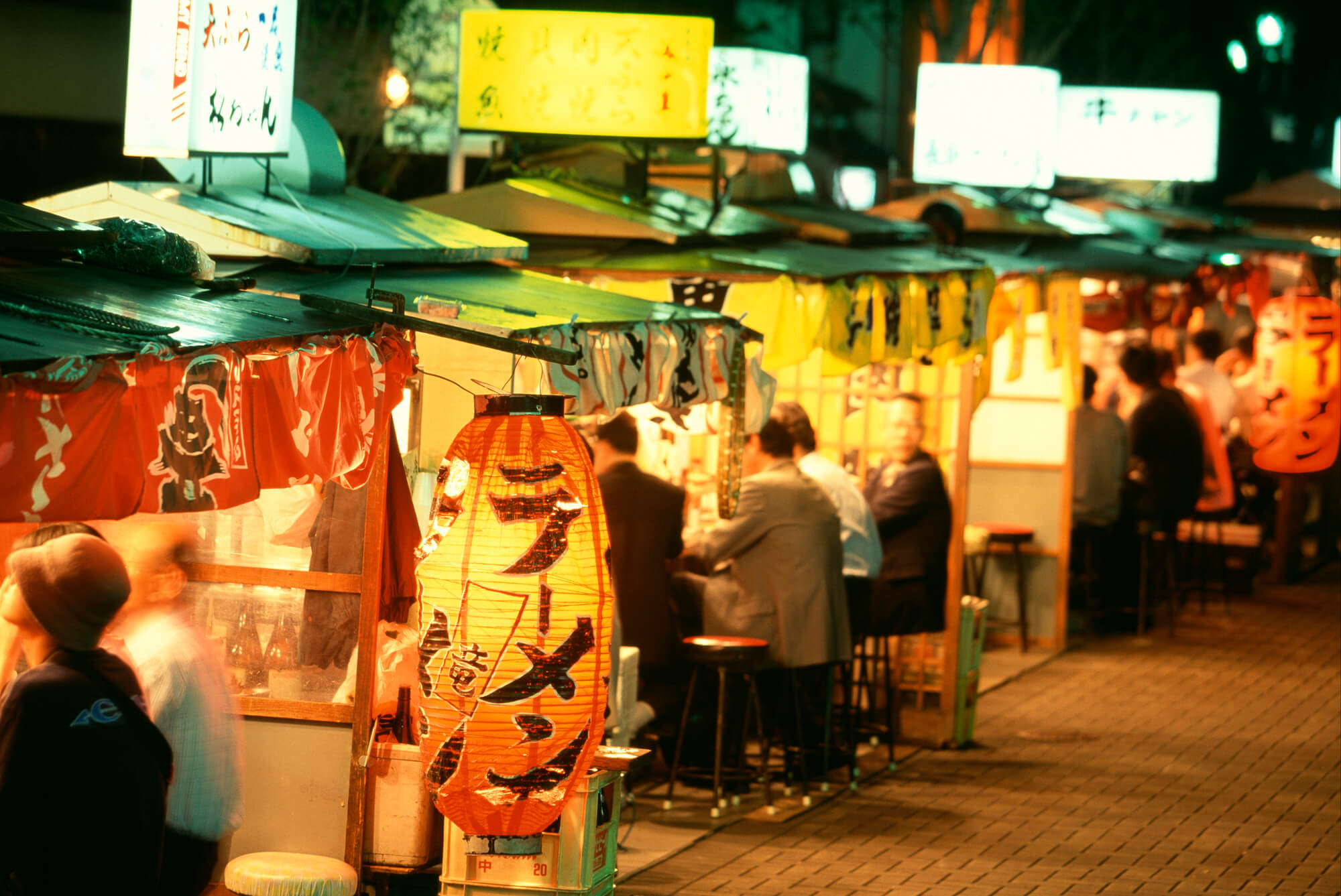
Fukuoka: Where Japan Eats, Breathes, and Gets On With It
14 min read
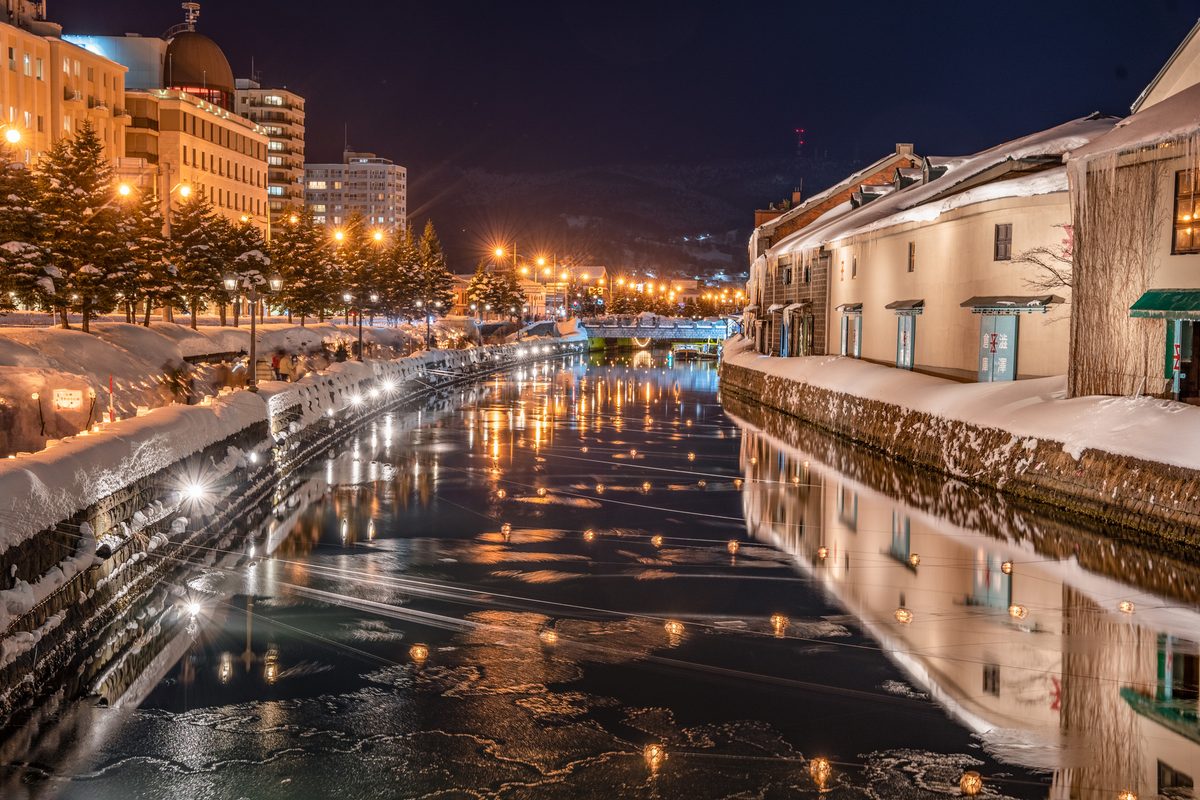
Hokkaido Travel Guide: Ten Places Beyond Sapporo
16 min read