
Akita: Snow Country, Rice Country, and Monsters on New Year's Eve
Akita carries the self-image of a place that works hard and does not explain itself. The rice is excellent, the winters are serious, and the festivals retain enough edge — poles that could kill if dropped wrong, demons that still frighten small children — to feel older than tourism. Visitors who expect the polish of Kyoto or the convenience of Tokyo will be under-served; those who accept slower trains, heavier food, and long silences will find the prefecture unusually direct.
Akita is one of the snowiest and least populated prefectures on Honshu. Rice still shapes the economy and the plate; festivals here involve balancing twelve-metre bamboo poles hung with lanterns, or men in demon masks barging into living rooms on New Year's Eve. The interior holds some of Tohoku's deepest onsen valleys and Japan's last great virgin beech forest; the coast points into the Sea of Japan with a bluntness that matches the local dialect. Nothing is designed for speed tourism.
Akita City — Kubota Castle Grounds, Kiritanpo, and Poles That Touch the Sky
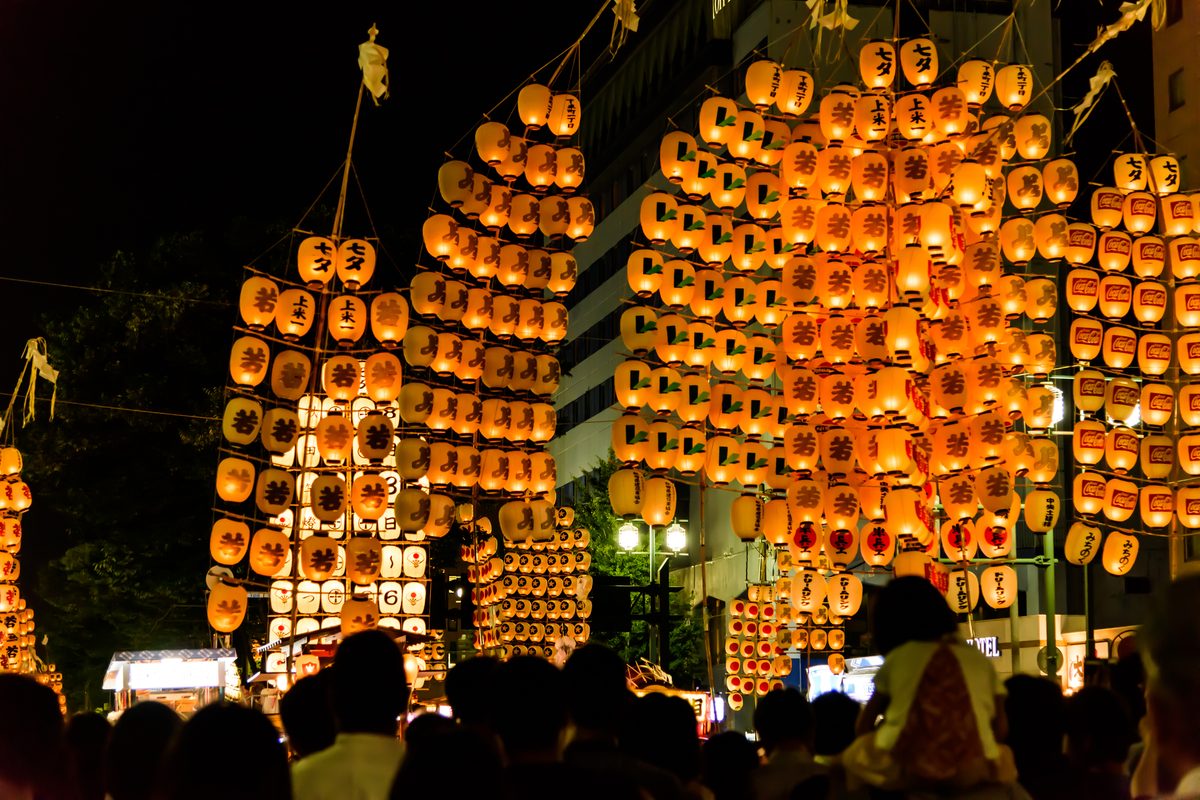
Akita City sits on the Sea of Japan coast at the mouth of the Omono River — a flat, windy place in winter that fills with spectators each August for the Kanto Festival, when teams balance twelve-metre bamboo poles hung with dozens of paper lanterns, shifting weight so the structures sway without falling. The skill is athletic; the effect at night is theatrical.
Senshu Park preserves the stone walls and moats of Kubota Castle, seat of the Satsuma-aligned Satake branch that ruled western Akita in the Edo period. The keep no longer stands, but the cherry trees and open lawns make the site one of the better urban parks in northern Honshu.
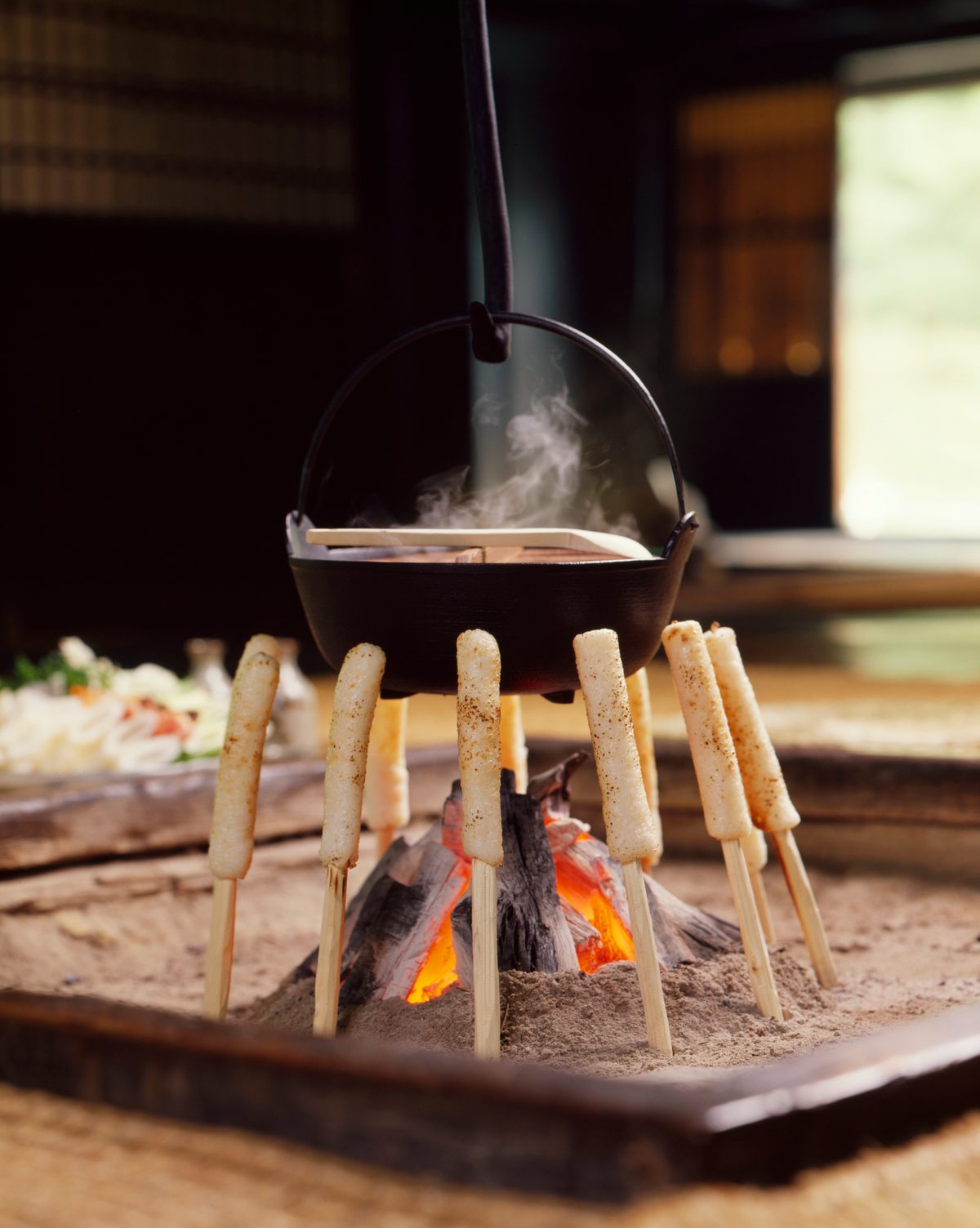
Kiritanpo — rice pounded onto cedar skewers, grilled, and simmered in chicken-and-miso hotpot — is the dish visitors are expected to try at least once. It is heavier than it sounds and suited to the climate; local restaurants treat it as ordinary winter food rather than a novelty.
Explore Akita City spots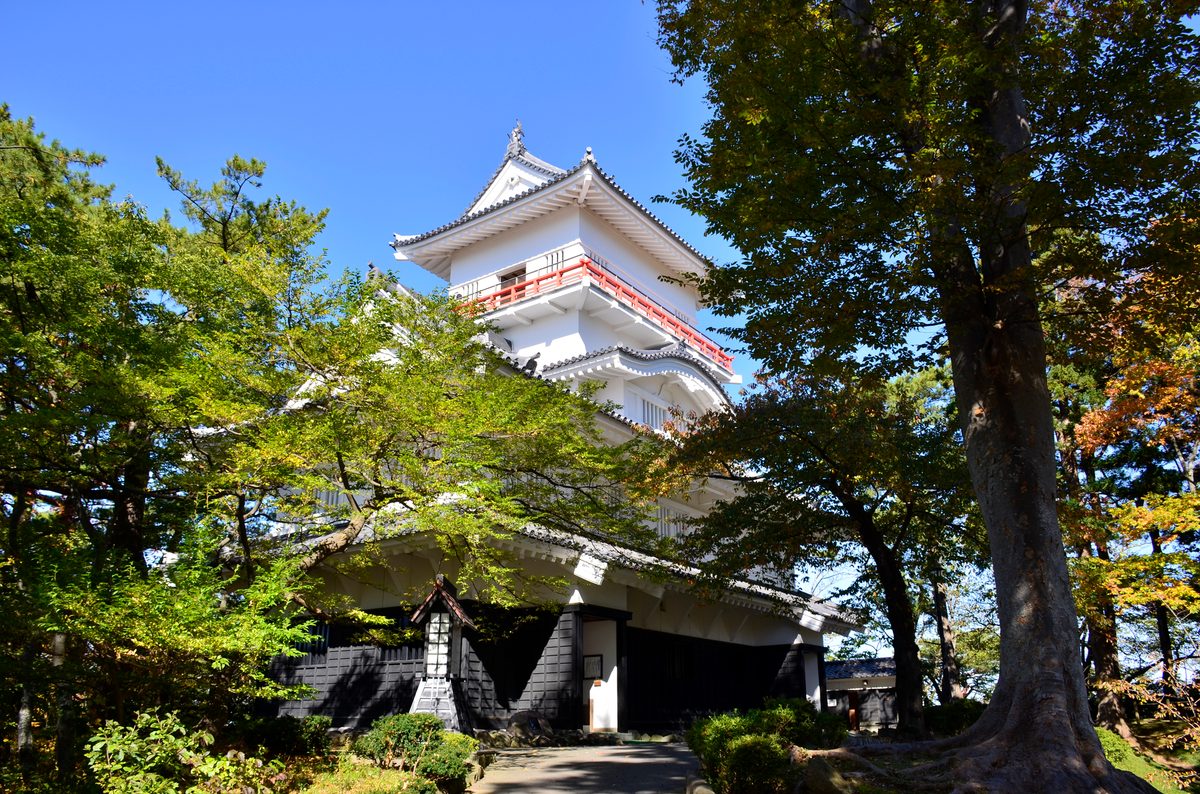
Kakunodate, Lake Tazawa, and Inaniwa — The Inland Triangle
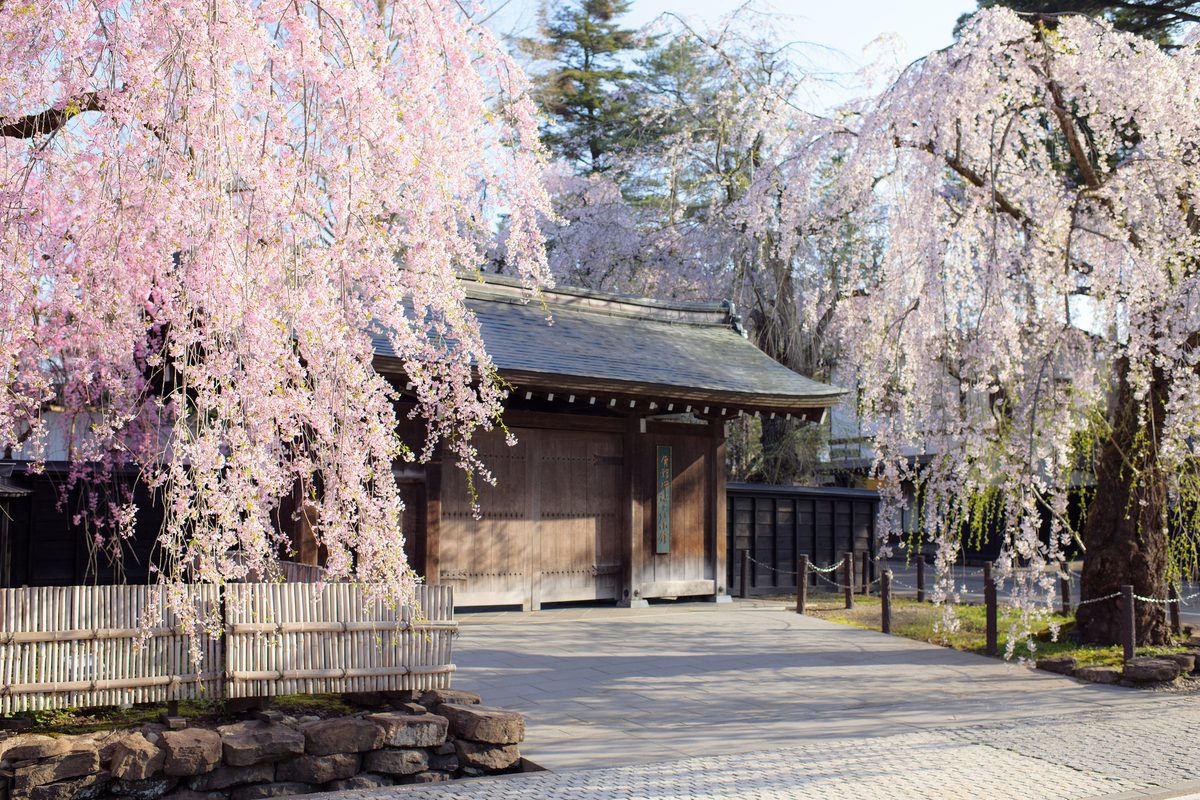
Kakunodate preserves one of Tohoku's best samurai residential quarters — narrow lanes of black-plank walls and weeping cherry trees planted along the earthen embankments. Several houses open to the public; the scale is domestic rather than martial, which is what made the district survivable when castles elsewhere were demolished.
Lake Tazawa, a short drive or bus ride south, is Japan's deepest freshwater lake — depth figures vary in official literature, but the colour is consistently an opaque blue-green that changes with cloud cover. A small golden statue of Tatsuko on the shore references a local legend; the cycling path around part of the rim is flat enough for casual riders.
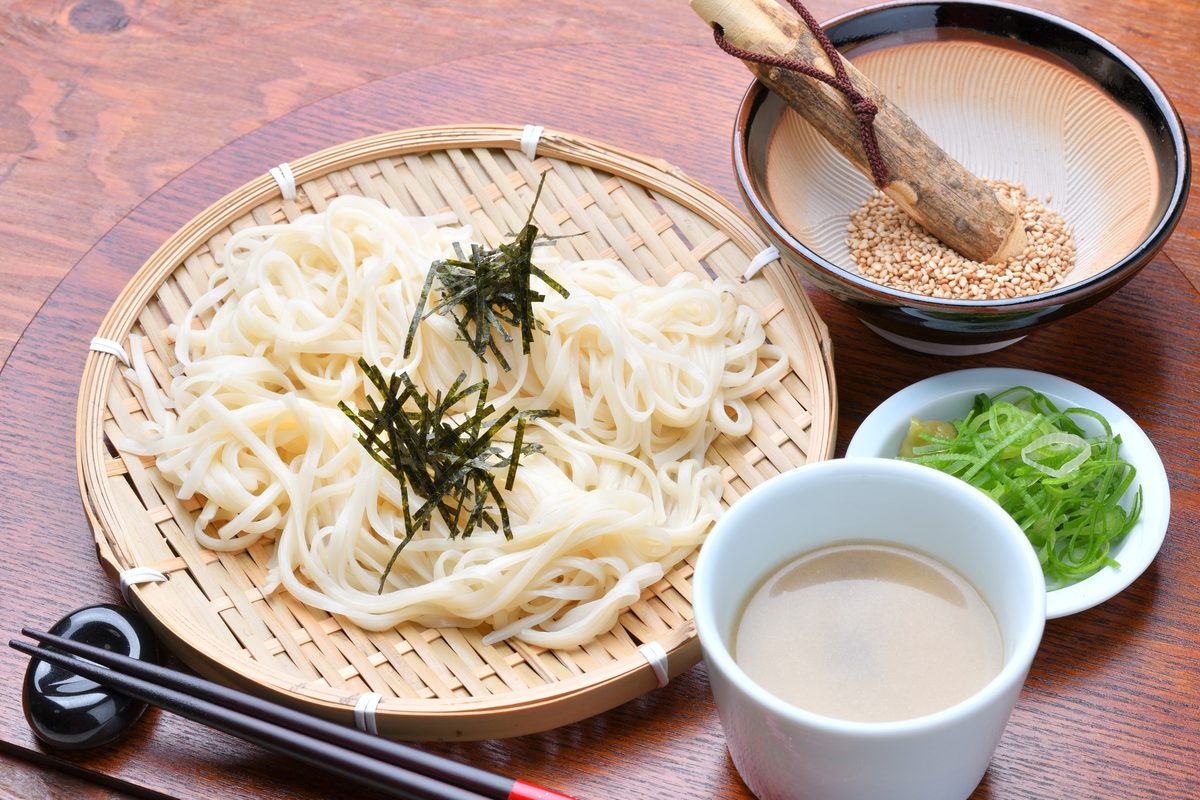
Inaniwa udon from Yuzawa, between Akita City and Kakunodate on the Ou line, is hand-stretched into fine ribbons and dried — silkier than most udon and priced accordingly. The workshops along the highway sell bundles to take home; sit-down meals in town justify the detour if you are already on the train.
Explore Kakunodate spots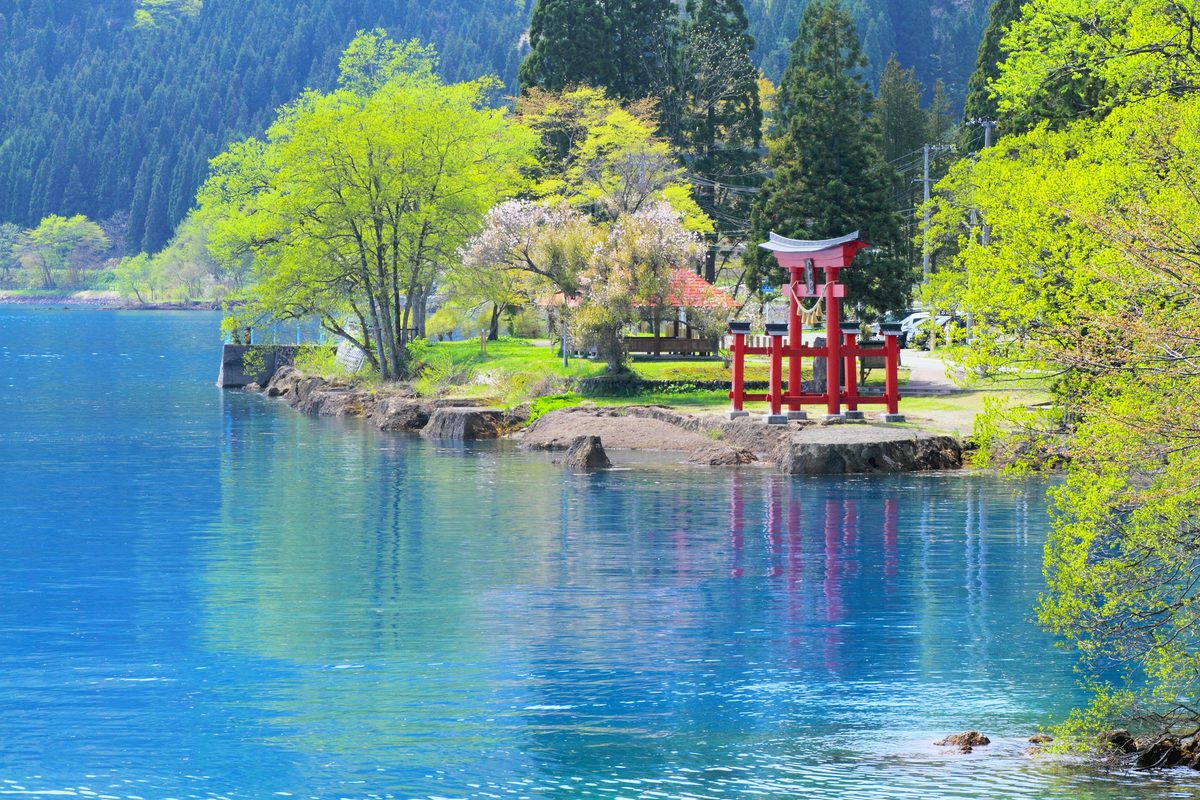
Nyuto Onsen & Dakigaeri Gorge — Mixed Bathing and a River Cut Through Andesite
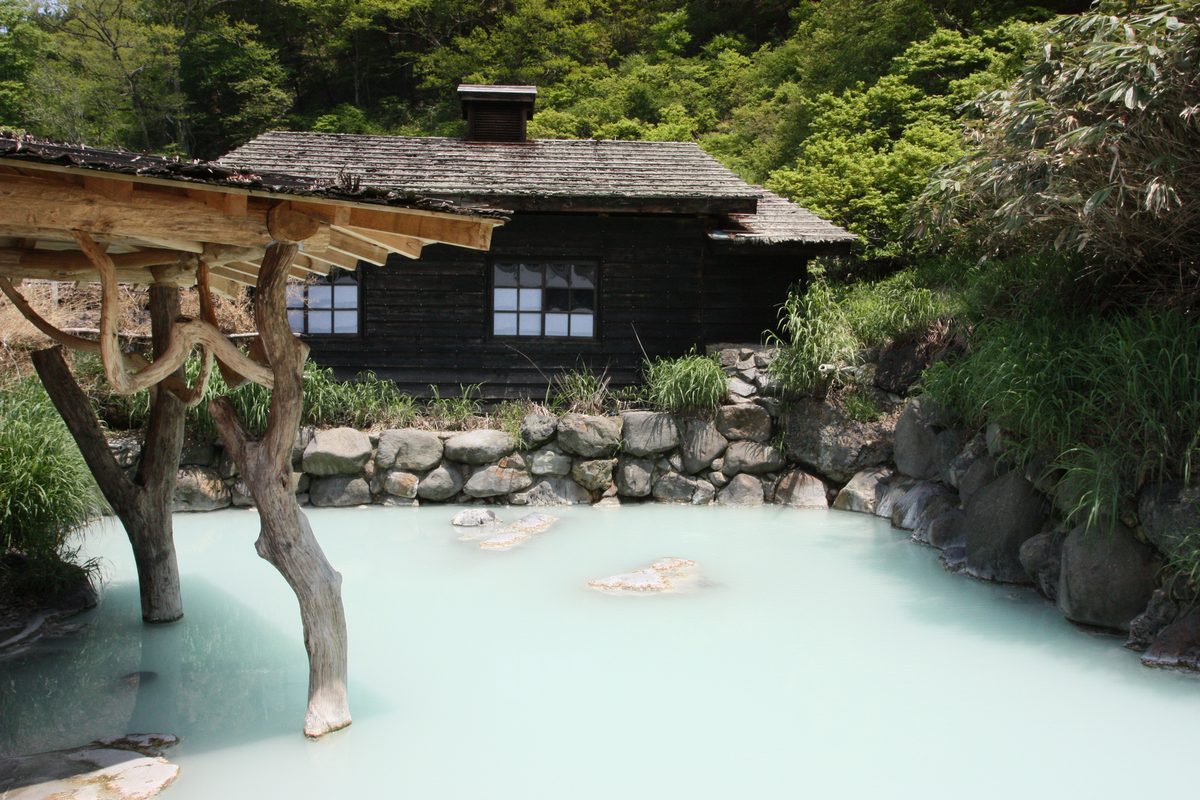
Nyuto Onsen is a cluster of ryokan in a side valley of the Towada-Hachimantai range, each with its own spring character and several still offering konyoku mixed bathing in rustic wooden baths. Tsuru-no-yu, the oldest, sits beside a milky blue pool in forest; access in winter assumes snow tyres or resort shuttles.
Dakigaeri Gorge, a few kilometres away on the same bus route, cuts through dark andesite in a series of pools and footbridges. The walking path is short and mostly level; autumn colour here competes with Nyuto for weekend traffic in October.
The two sites pair naturally as a full day from Tazawako Station — morning gorge, afternoon soak, or the reverse depending on bus timetables. Overnighting at one of the Nyuto ryokan requires advance booking in any season.
Explore Nyuto spots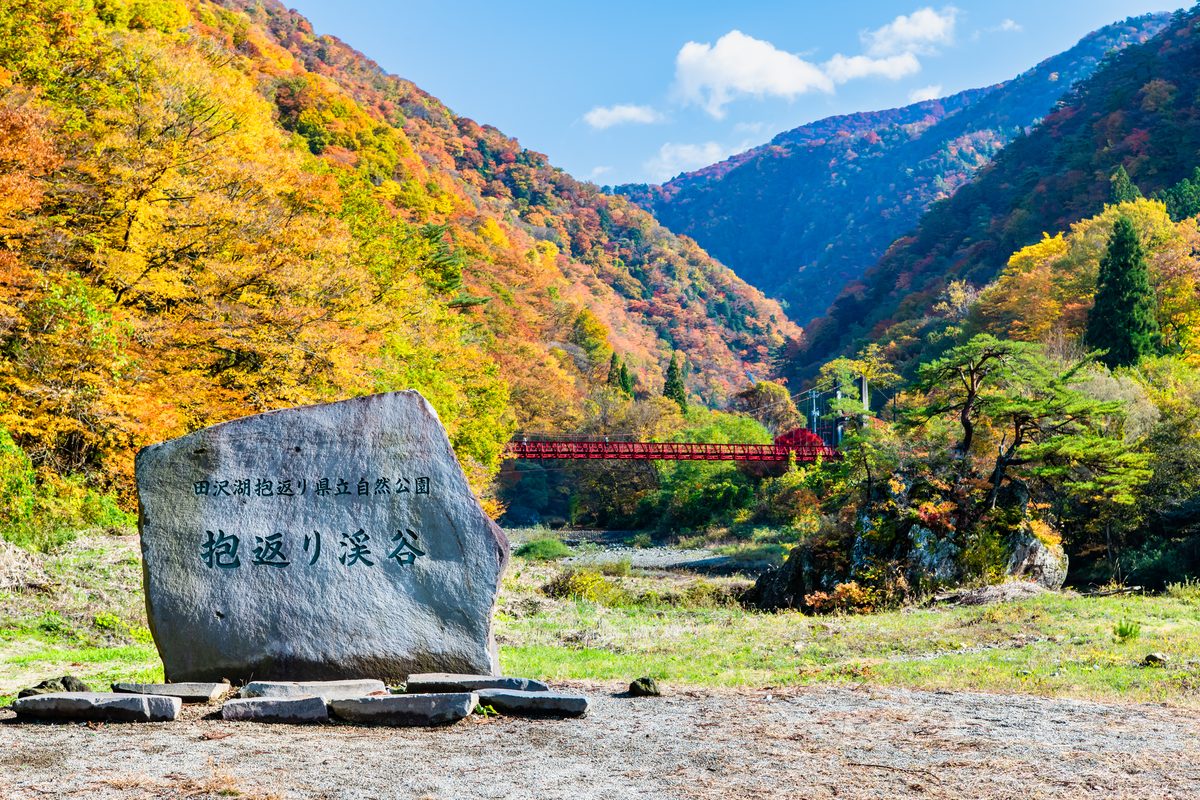
Lake Towada & Hachimantai — Caldera Water and the Plateau Between Prefectures
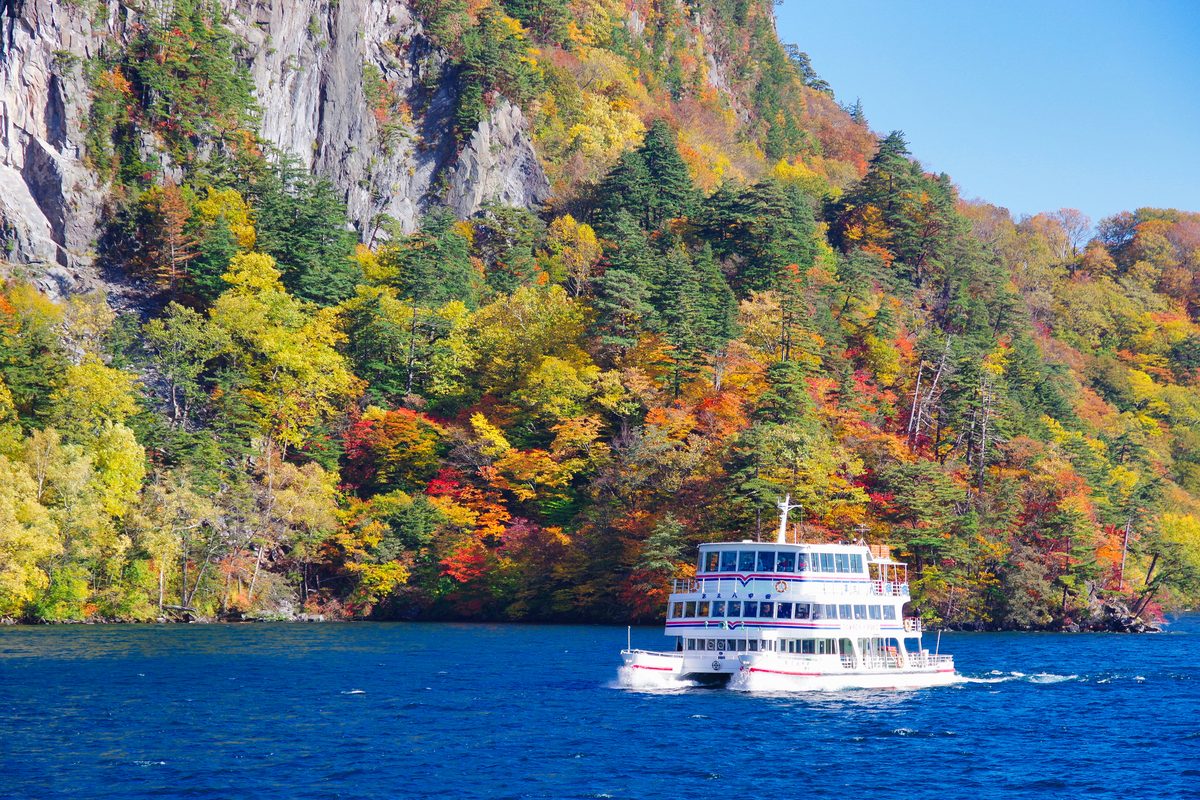
Lake Towada straddles the border with Aomori — a caldera lake with forested shores and boat access from the Akita side at Yasumiya as well as from Aomori. The water is cold year-round; hiking trails on the rim give views that emphasise how recently, in geological time, the caldera formed.
Hachimantai Plateau lies southeast of the lake, shared administratively with Iwate. Marshland, small volcanic ponds, and boardwalk trails characterise the high plain; in winter the same roads close intermittently under snow. The plateau is quieter than Zao to the east and less developed than the Towada tourist infrastructure to the north.
Visiting both in one day without a car is difficult; choosing one based on whether you prefer lake scenery or alpine wetland is more realistic for public-transport travellers.
Explore Towada spots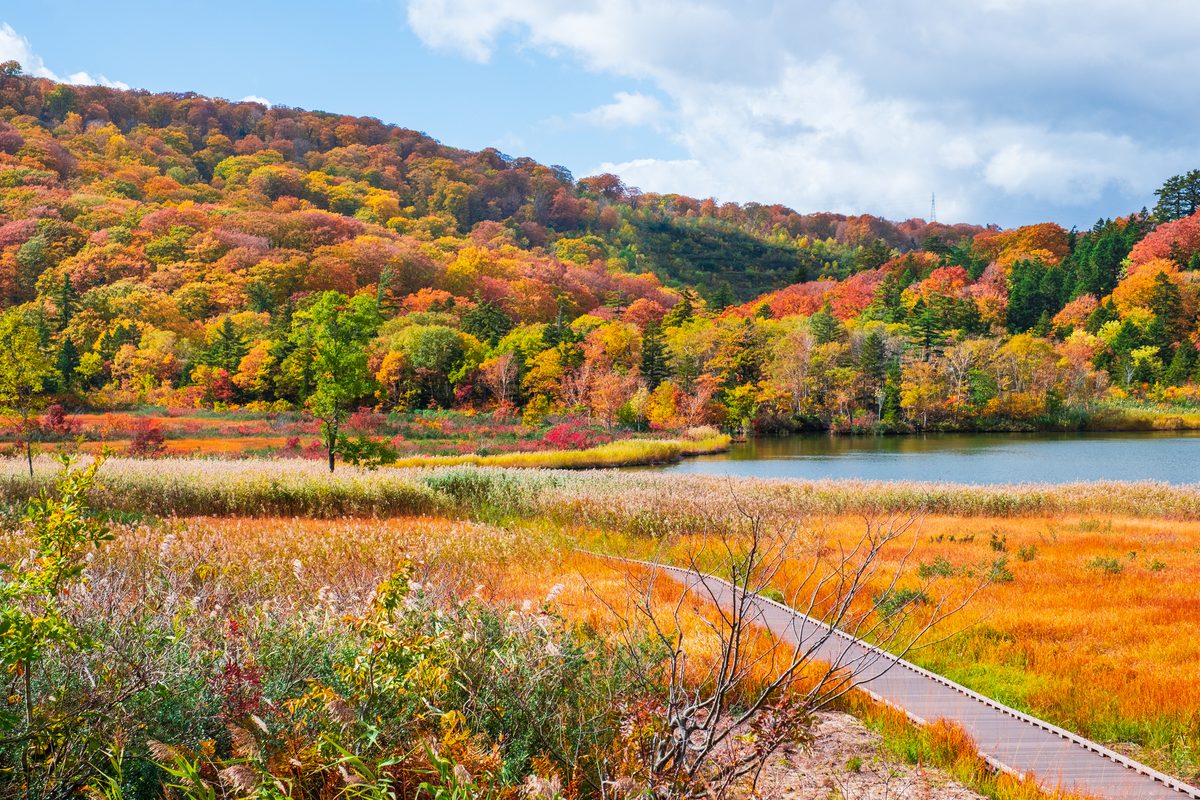
Mount Moriyoshi — Juhyo Without the Zao Crowds
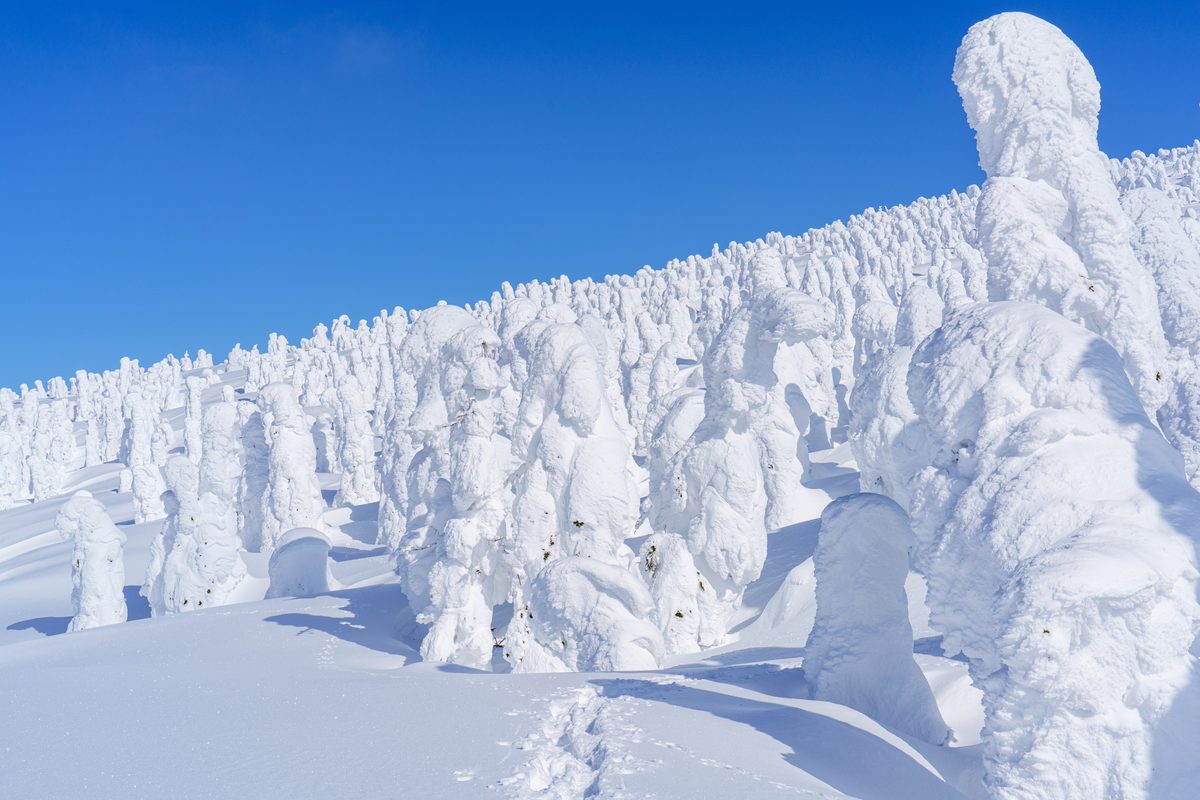
Moriyoshi, in northern Akita, forms juhyo — ice-coated trees similar to those at Zao — under the right wind and temperature conditions, with far fewer domestic visitors than the more famous Yamagata resort. The Ani ski area operates ropeways and groomed runs; the juhyo zone depends on weather and may not form every winter.
Summer hiking follows ridges above beech forest with views toward the Sea of Japan on clear days. The mountain is not technically demanding at trailhead level but assumes appropriate clothing — the same exposure that produces ice in January produces fog in July.
Moriyoshi suits travellers who already plan a car in northern Akita or who are willing to align with infrequent winter buses from Odate. It is not a casual add-on from Akita City in a single day.
Explore Moriyoshi spotsShirakami-Sanchi — Beech Forest the Size of a Prefecture
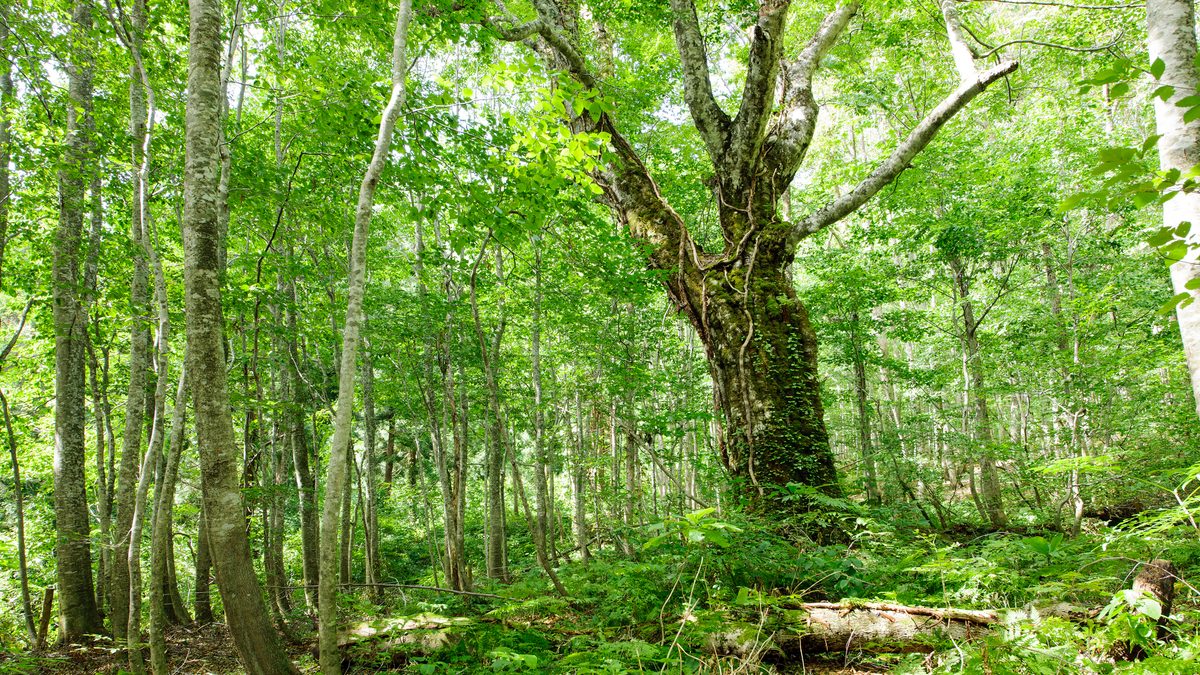
Shirakami-Sanchi, registered as World Heritage in 1993, protects the largest surviving stand of virgin Japanese beech forest in Honshu — a continuous woodland spanning Akita and Aomori that was never fully logged because the terrain was too steep for profitable extraction.
Trail access from the Akita side includes routes through Fujisato toward the core zone; permits and registration are required for some entry points, and bears are a genuine consideration — bells and awareness are expected, not optional.
Day hikes from trailheads give a sense of the forest's scale without committing to multi-day crossings. Serious trekkers link the range with guides; casual visitors should research which gates are open in the season of travel. Shirakami rewards patience and preparation more than spontaneity.
Explore Shirakami spotsOga Peninsula — Namahage, Cliff Coast, and New Year's Intimidation
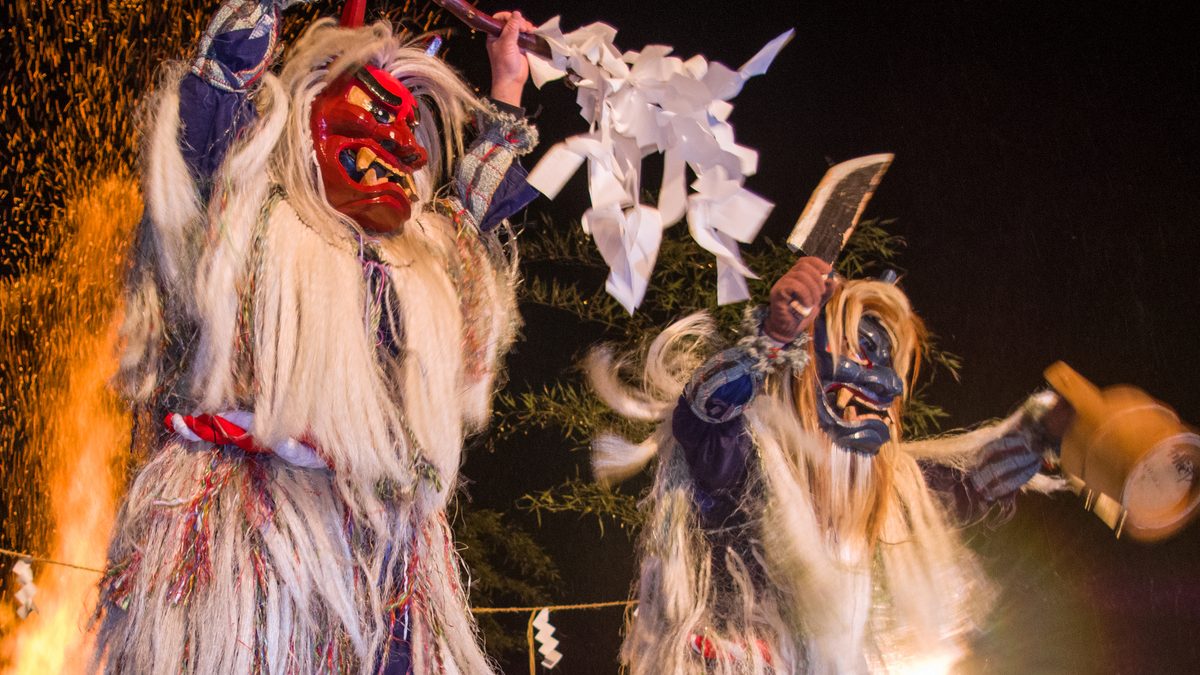
The Oga Peninsula juts into the Sea of Japan northwest of Akita City — fishing villages, exposed cliffs, and a folklore tradition in which men dressed as namahage — straw capes, wooden masks, knives — visit houses on New Year's Eve to scold lazy children and bless households. The performance is scripted now in places but still occurs in remote communities.
The Namahage Museum in Oga explains the masks and seasonal calendar; winter visitors may see practice sessions or small-scale re-enactments outside peak dates. The coast itself — especially the western cliffs — offers walking with sea wind and few foreign tourists.
Oga works as a long half-day from Akita City or as an overnight if you want both museum and coast without rushing. New Year's Eve itself assumes local contacts or advance research — not every village welcomes outside observers.
Explore Oga spotsYokote — Snow Huts and Miso Mochi in February
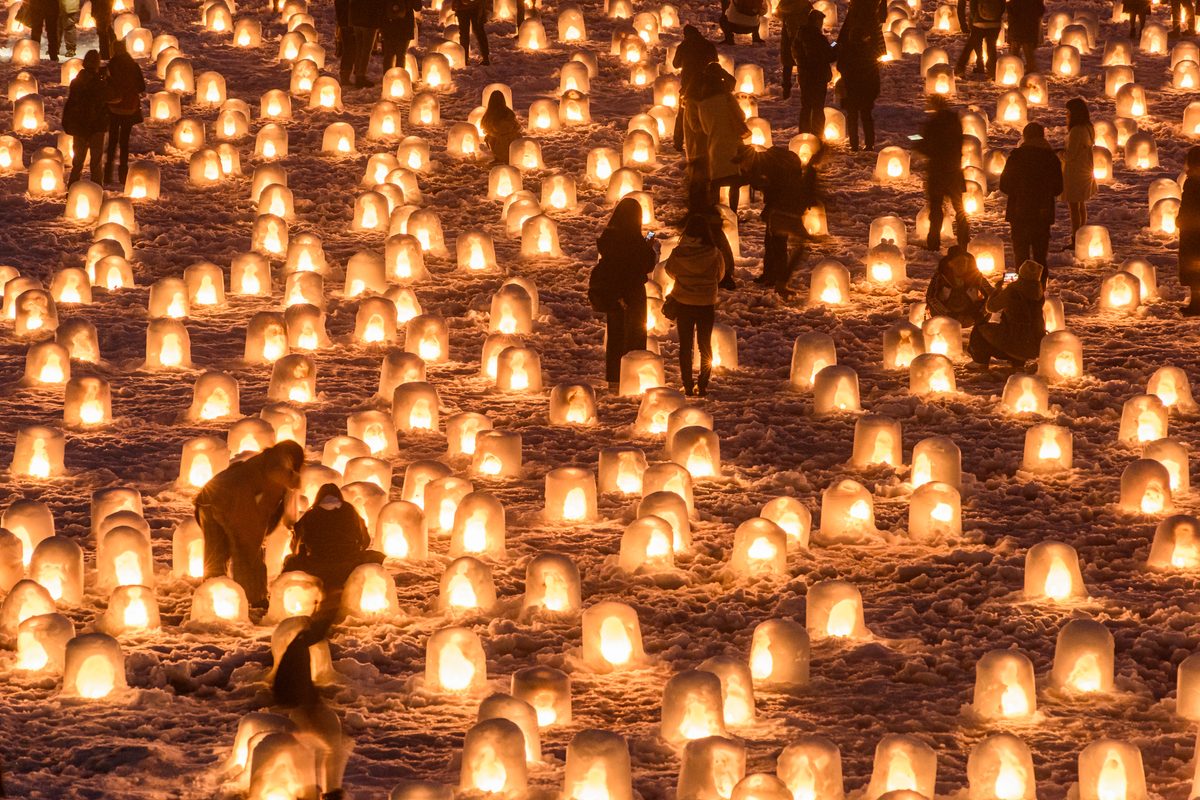
Yokote, in southeastern Akita, holds the Kamakura Festival each February — hundreds of small snow domes built along streets and riverbanks, each lit from within and offering visitors amazake and grilled mochi in exchange for stepping inside. The tradition is agricultural in origin, linked to the water deity; the effect at night is closer to lantern festival than ski resort.
Outside festival dates, Yokote is a quiet inland city with a modest castle site and access toward the border with Iwate. The festival justifies the train ride specifically in mid-February; other months offer little that competes with Kakunodate or Nyuto for visitor time.
Accommodation in Yokote during the festival weekend books early; day trips from Akita City are possible on local trains if you accept a late return.
Explore Yokote spotsHow to Plan Your Akita Trip
Akita City is the simplest base for the coast — Oga, and the Kanto Festival in August — but inland highlights cluster around Kakunodate and Tazawako Station. Spending two or three nights in the Semboku area makes Nyuto, Dakigaeri, and Lake Tazawa manageable without repeated long transfers.
Shirakami and Moriyoshi assume a car or tolerance for seasonal buses. Lake Towada links logically with an Aomori itinerary as well as with Akita. Yokote requires checking exact festival dates before booking.
Winter travel across Akita means snow on roads and occasional train delays; summer is humid but festivals concentrate in August. Spring arrives late; cherry blossoms in Kakunodate often peak in late April, among the latest in Honshu.
Where are these spots?
How to Get There
Akita Station is the terminus of the Akita Shinkansen from Morioka; Komachi services run through from Tokyo. Kakunodate and Tazawako are Shinkansen stops serving the inland sights. Buses run from Tazawako to Nyuto Onsen and Dakigaeri. Oga is reached by JR Oga Line from Akita. Yokote is on the JR Ou Main Line. Shirakami and Moriyoshi are most practical by rental car from Akita City or Hirosaki. Winter driving requires snow tyres.
Find your Japan
Find Your Akita
Browse curated spots across Akita Prefecture — from samurai streets to beech forest and the Sea of Japan — on Tobira.
Find match spotsMore Prefecture Guides
Kagawa: Udon, Art Islands, and the Most Climbed Stairs in Shikoku
11 min read
Tokushima: Whirlpools, the Valley That Time Missed, and Japan's Loudest Dance
11 min read
Kochi: The Wild Coast That Japan Forgot to Tame
12 min read
Ehime: Islands, Castles, and the Road That Goes Between
13 min read
Fukushima: Three Regions, One Prefecture, No Simple Story
12 min read
Yamagata: Cherries, Sacred Mountains, and Snow That Eats the Trees
12 min read
Miyagi: The Coast, the Castle, and Sendai Between Them
11 min read
Iwate: Where the Mountains Lean Against the Pacific
12 min read
Aomori: Where Winter Invented Its Own Festival
12 min read
Kagoshima: Where the Mainland Finally Runs Out of Land
12 min read
Miyazaki: Where the Sun God Hid and the Horses Run Wild
11 min read
Saga: Older Than You Think, Quieter Than Most
11 min read
Nagasaki: Where Every Century Left Something Behind
13 min read
Oita: Where the Earth Still Boils
12 min read
Fukuoka: Where Japan Eats, Breathes, and Gets On With It
14 min read
Hokkaido Travel Guide: Ten Places Beyond Sapporo
16 min read