
Akita Travel Guide
Known for long winters, exceptional nihonshu (sake), and the strikingly serene Kakunodate samurai district, lined with weeping cherry trees and preserved kura storehouses. The Oga Peninsula's Namahage demon tradition and the mirror-still Tazawako — Japan's deepest lake — capture Akita at its most elemental.
3 hidden gems in Akita include insider locations, local tips, and full access details.
Hidden Gems in Akita
Hand-picked spots off the tourist trail — all personally curated.
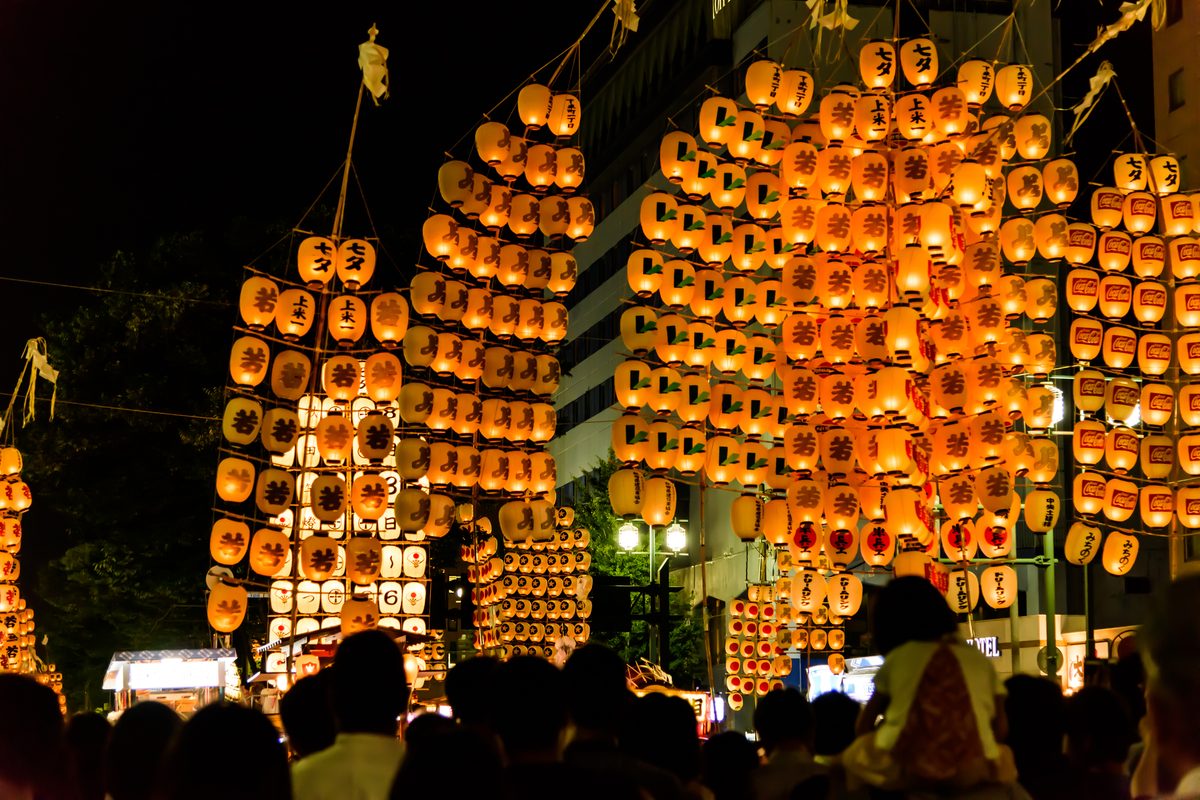
Akita Kanto Festival
The Akita Kanto Festival, held every August, is one of the great summer festivals of Tohoku and a designated Important Intangible Folk Cultural Property of Japan. Performers balance towering bamboo poles hung with dozens of glowing paper lanterns — some poles reaching 12 metres and weighing 50 kilograms — on their foreheads, shoulders, lower backs, and even hips. The sight of thousands of lanterns swaying against the night sky is genuinely breathtaking. Each evening, the main boulevard fills with performers and spectators, and the collective skill on display has been refined over 270 years.
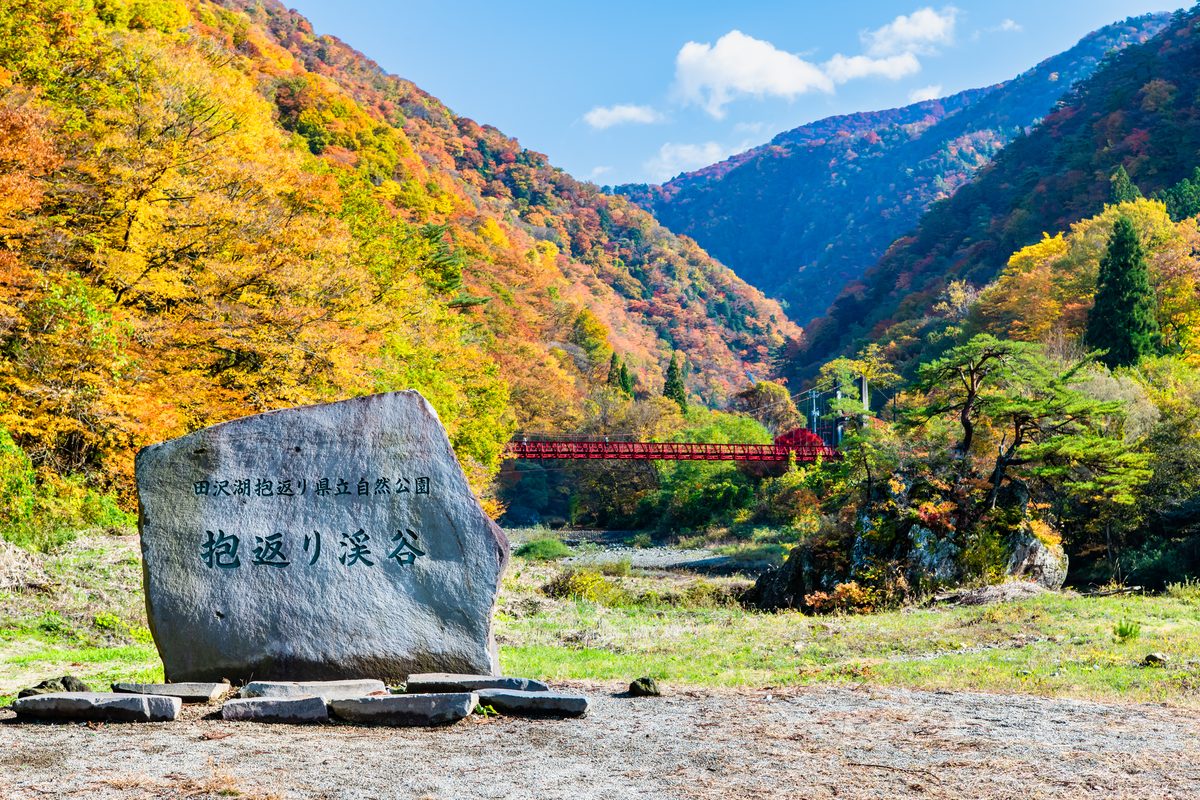
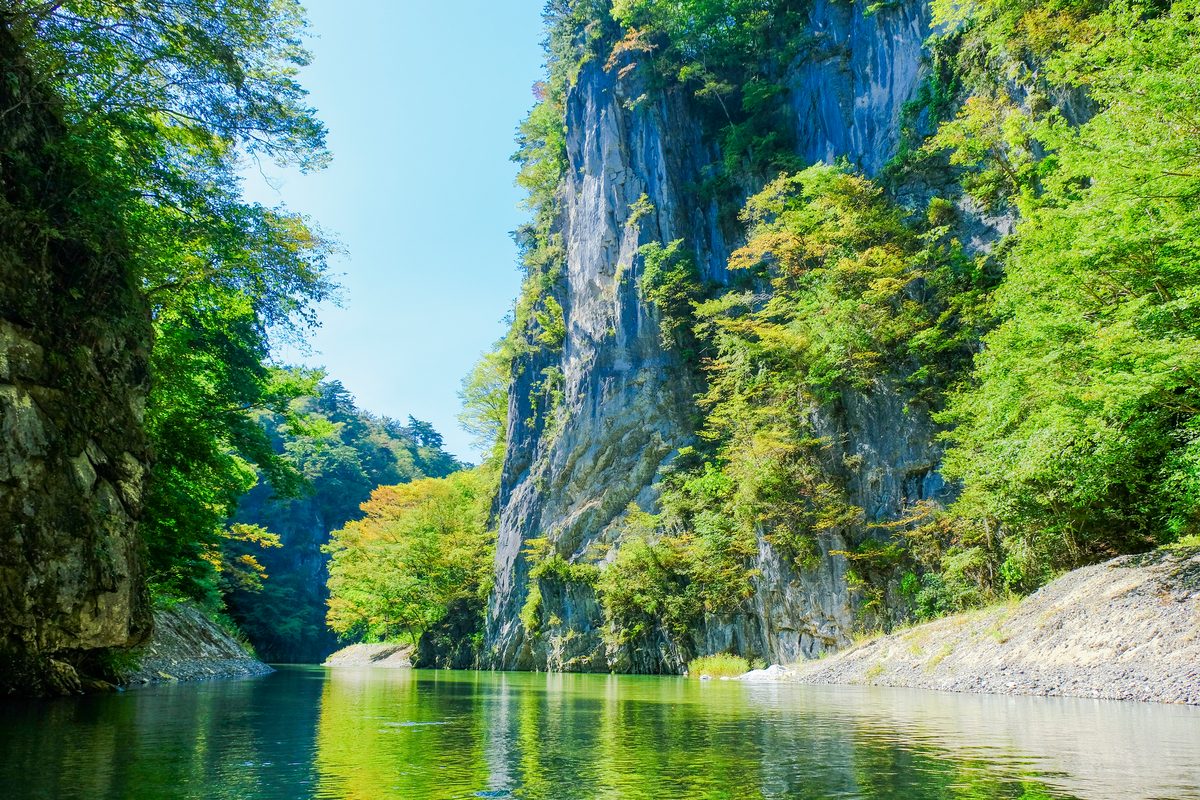
Dakigaeri Gorge
"Hold me and turn around" gorge — a narrow granite canyon so tight that hikers must press against the rockface to pass. The emerald river reflects maple, beech and Japanese cedar creating tunnels of colour in autumn.
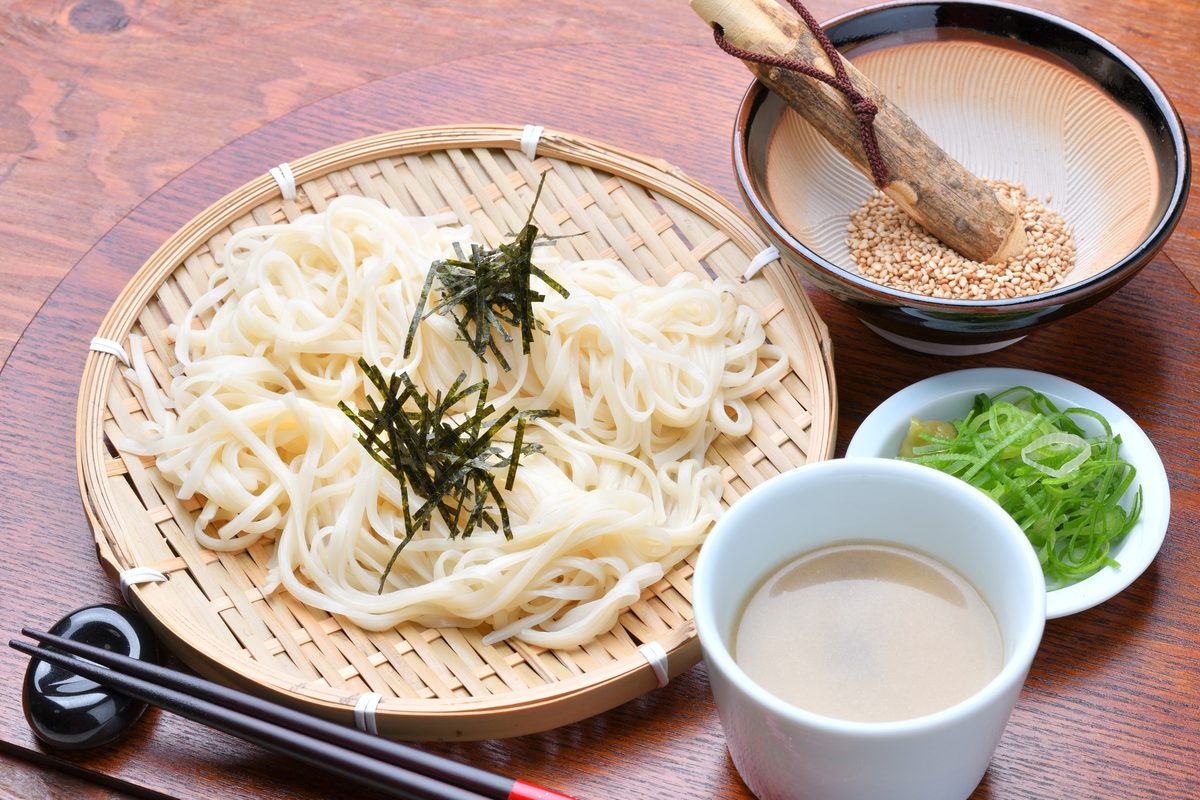
Inaniwa Udon — Silken Noodles of Akita
Inaniwa udon, produced in the small village of Inaniwa in southern Akita, is one of Japan's three great udon styles and has been made by hand using the same technique for over 350 years. Unlike the thick, chewy udon of Kagawa, Inaniwa noodles are thin, flat, and silky smooth, with a delicate bite that feels almost refined. The noodles are hand-stretched and dried over several days without machines. Eating them in their home region — hot in a light dashi broth or chilled in summer — is a markedly different experience from packaged versions sold elsewhere in Japan.
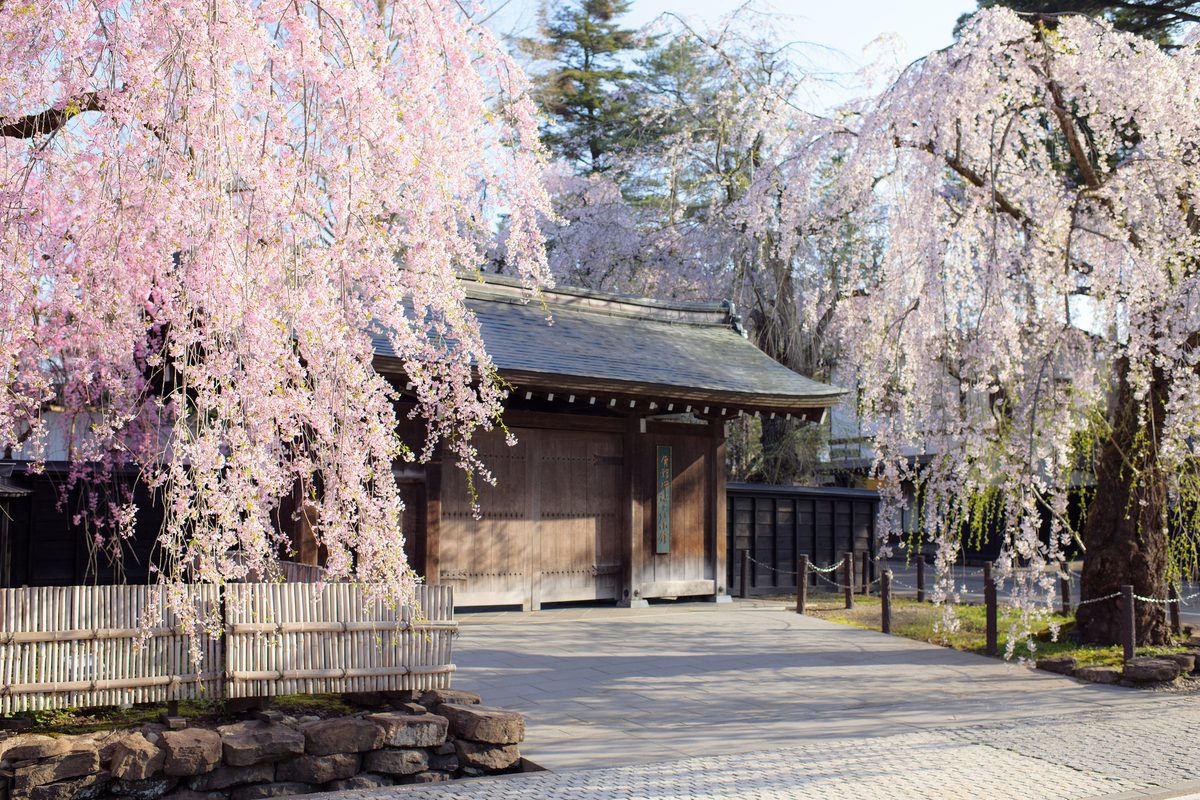
Kakunodate Samurai District
Japan's best-preserved samurai district outside Kyushu — a long avenue of black-walled samurai residences beneath weeping cherry trees, unchanged since the Edo period. Called the "Little Kyoto of Tohoku".
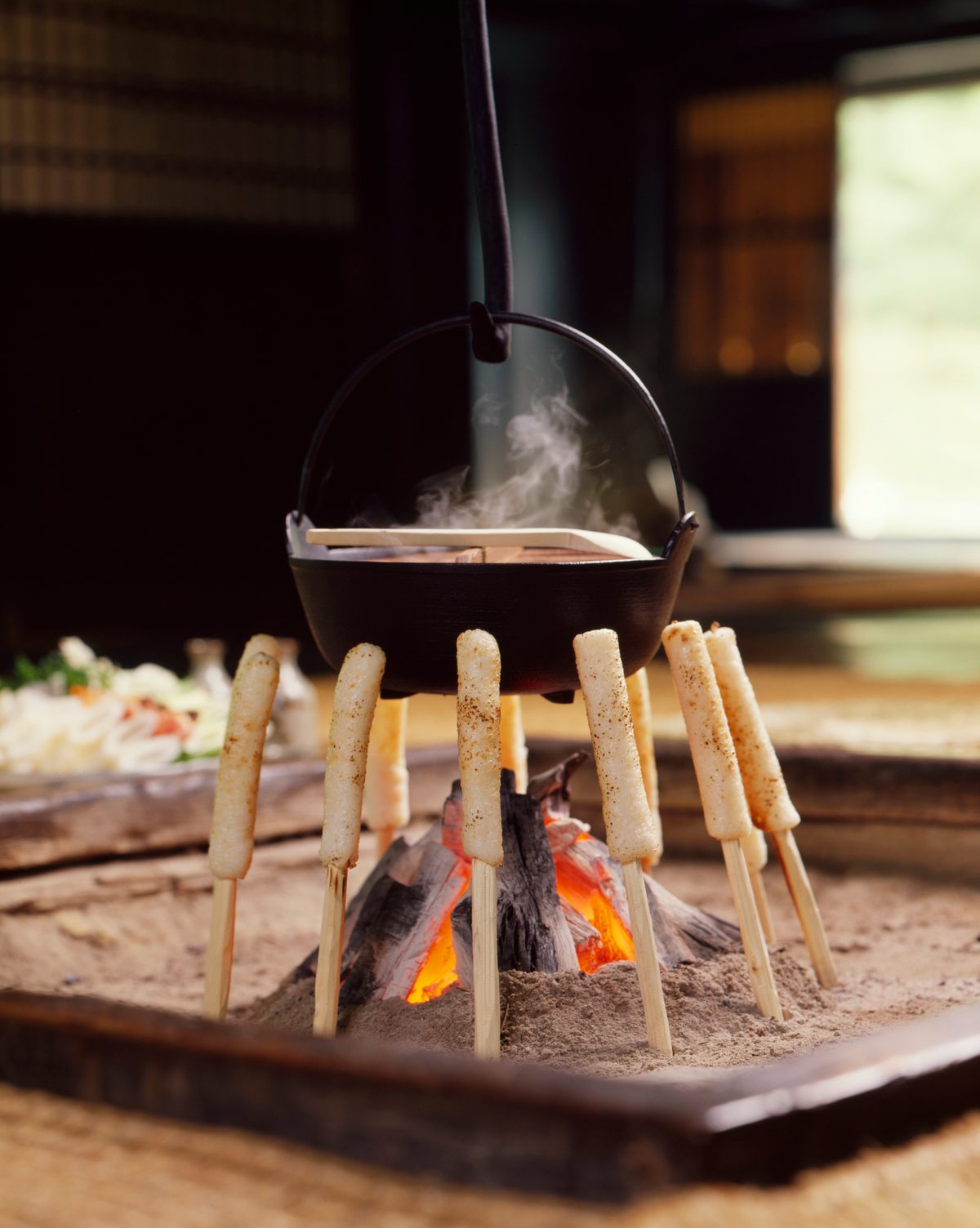
Kiritanpo — Akita's Hearth Dish
Kiritanpo is Akita's most beloved regional dish — cylindrical rice cakes made by wrapping cooked rice around cedar skewers, grilling them over charcoal, then simmering in a richly flavoured chicken broth with burdock root, maitake mushrooms, and green onions. The result is a warming, deeply comforting nabe (hot pot) that has sustained people through Akita's long, cold winters for centuries. Originally a hunters' mountain food, kiritanpo nabe is now the defining dish of the prefecture and is available throughout Akita city from autumn through spring.
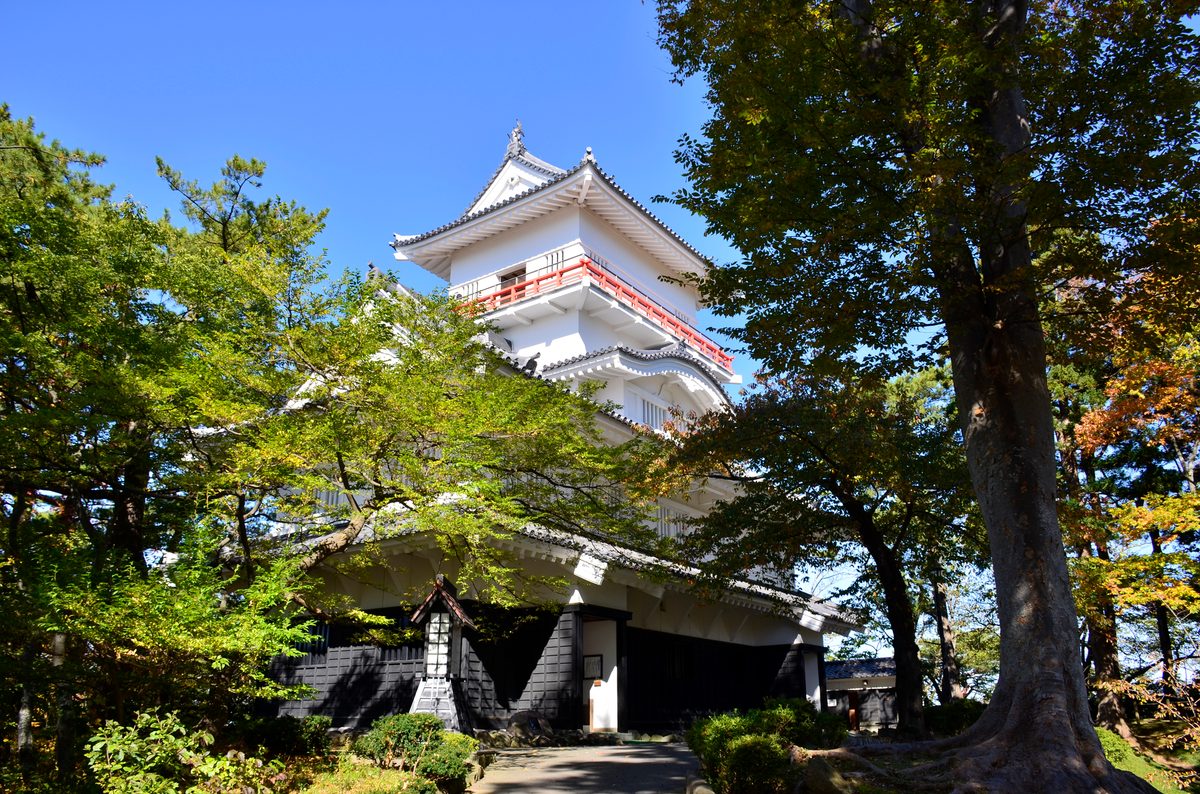
Kubota Castle Ruins (Senshu Park)
Kubota Castle, the seat of the Satake clan who ruled the Akita domain for over 260 years, stood at the heart of present-day Akita city from 1604. Unlike many Japanese castles, Kubota was deliberately built without stone walls or a keep, relying instead on earthen ramparts and water features — a reflection of the Satake clan's political caution during the Edo period. Today the grounds form Senshu Park, one of Akita's finest green spaces, with a reconstructed turret (Osumi-yagura) offering city views. Cherry blossoms in spring and autumn foliage make it a year-round destination for locals and visitors alike.
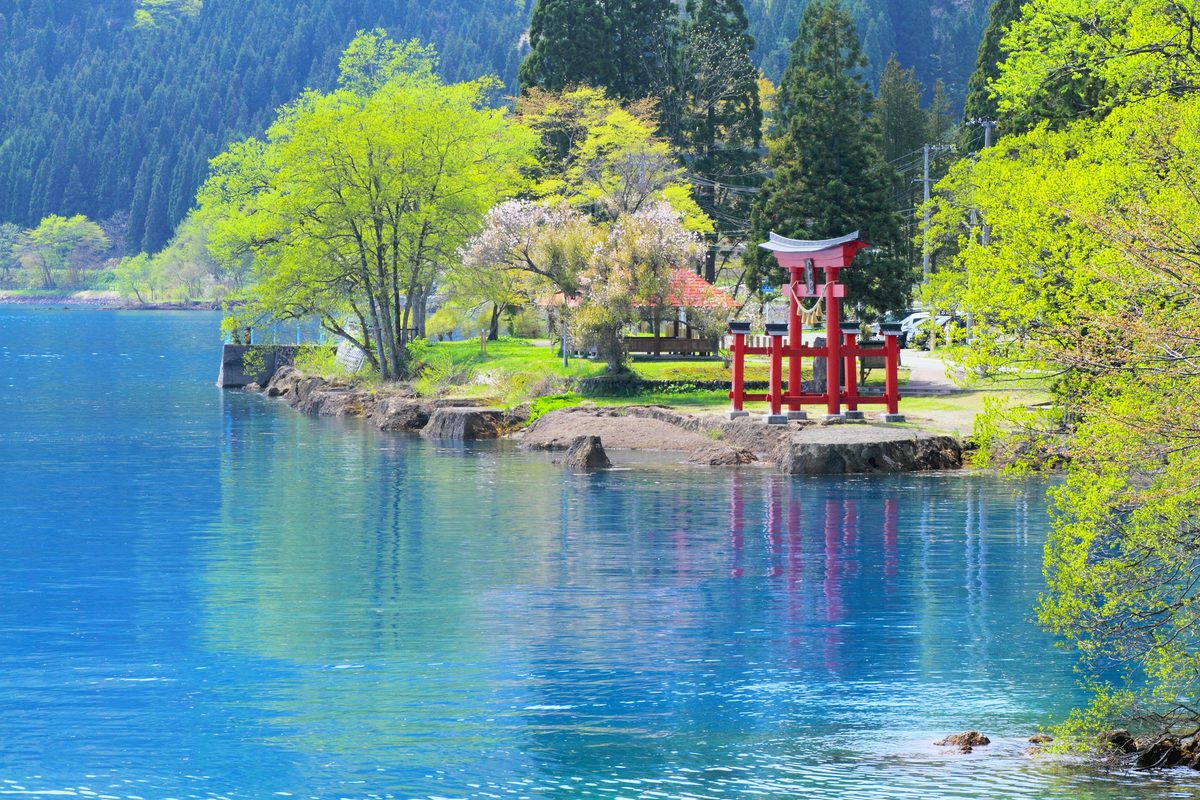
Lake Tazawa
Japan's deepest lake at 423 metres — a cobalt-blue jewel that never freezes even in the harshest Akita winters. The legendary maiden Tatsuko, turned into a dragon to preserve her beauty forever, is said to sleep in its depths.
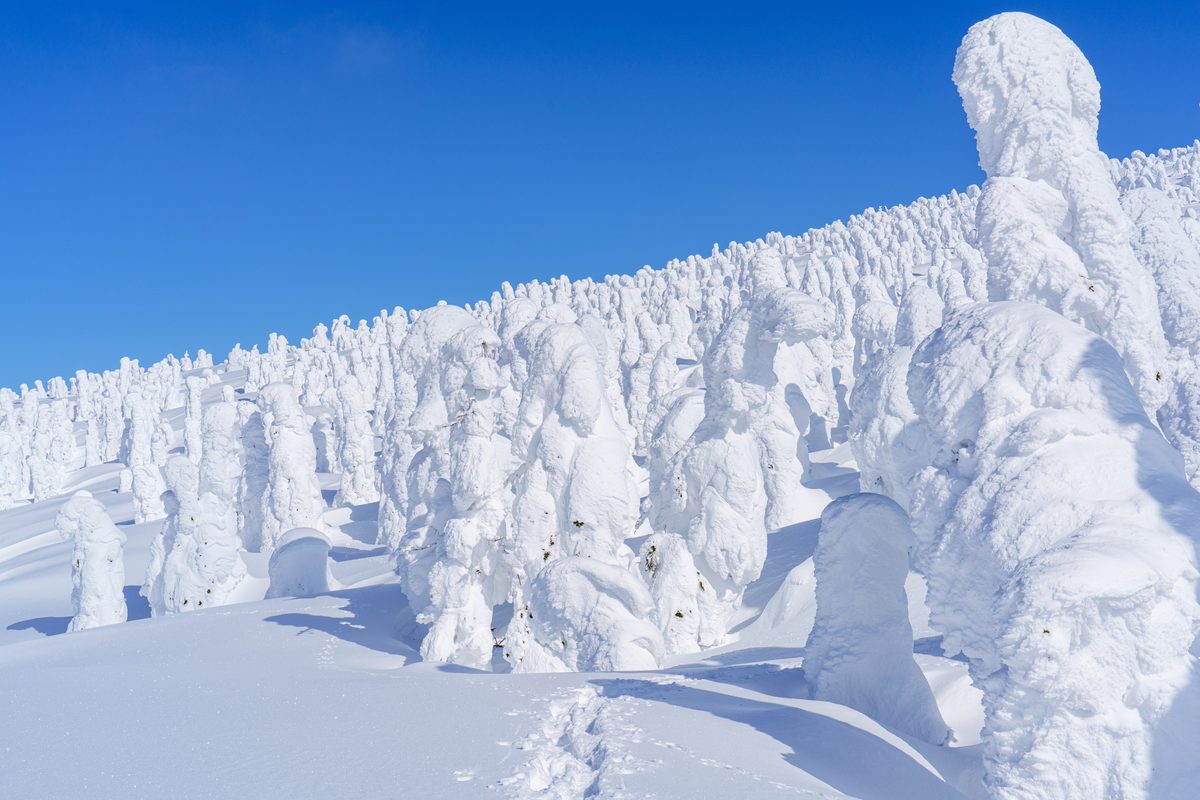
Mt. Moriyoshi (Juhyo)
A ski mountain in northern Akita with the densest concentration of juhyo (frost trees) in Japan — every February the rime-coated fir trees look like thousands of white monsters emerging from the snow.
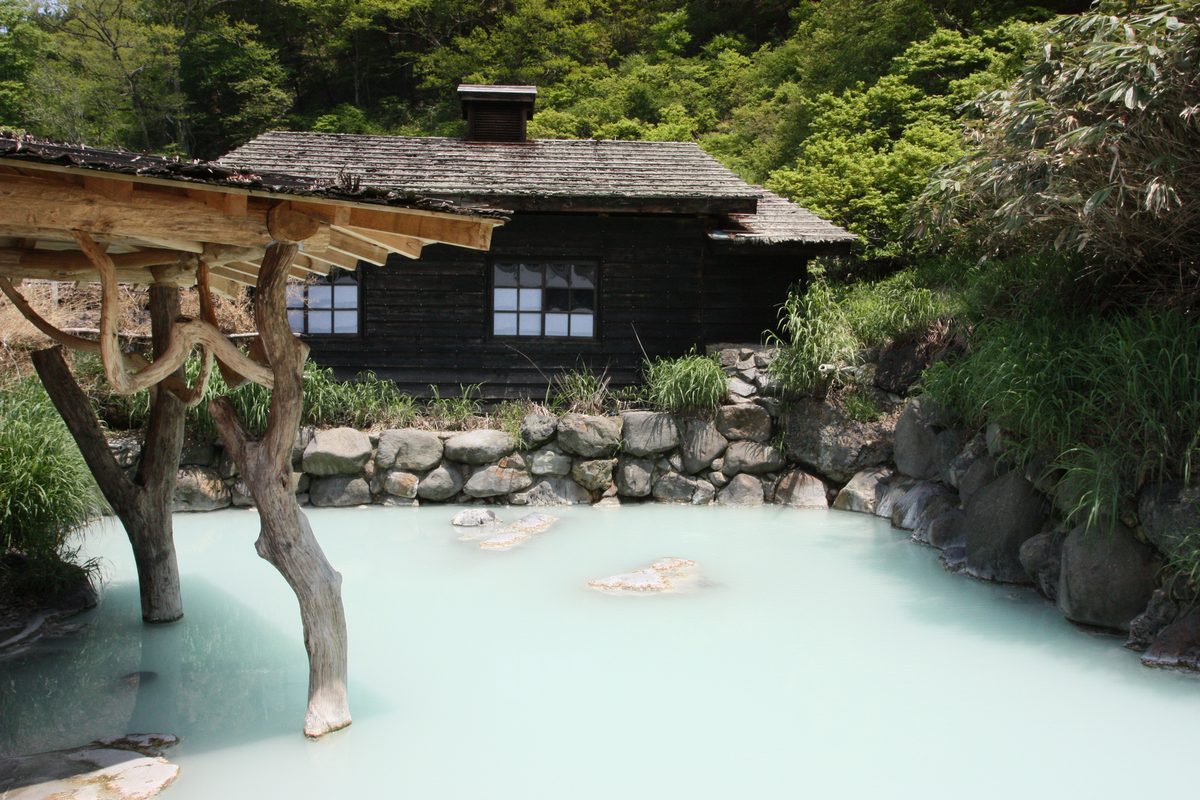
Nyuto Onsen
Seven centuries-old hot spring inns tucked separately into a beech forest above Lake Tazawa, each with different mineral water. The Tsurunoyu inn with its open-air milky-white bath surrounded by snow is one of Japan's most iconic hot-spring images.

Oga Peninsula & Namahage
A rugged peninsula jutting into the Sea of Japan — home to the fearsome Namahage demon tradition listed as UNESCO Intangible Cultural Heritage. On New Year's Eve, costumed demons visit homes to scare lazy children into virtue.
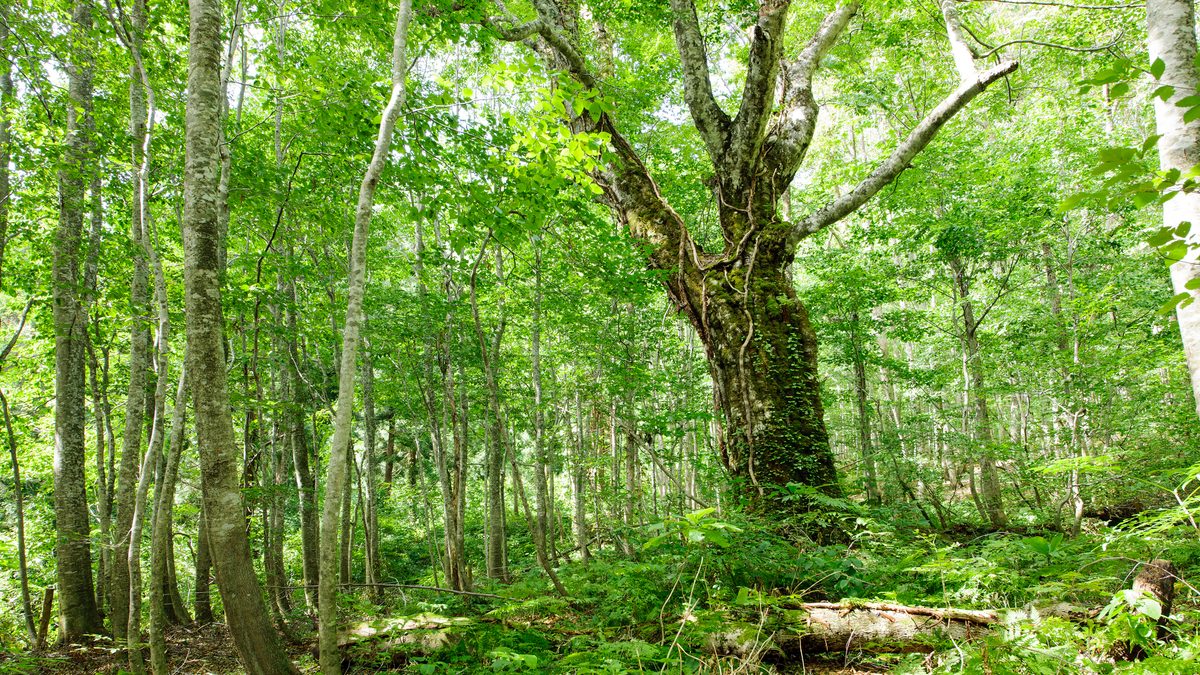
Shirakami-Sanchi World Heritage Forest
Shirakami-Sanchi is a vast mountain range straddling Akita and Aomori prefectures, home to the largest remaining primeval beech forest in East Asia and a UNESCO World Heritage Site since 1993. The core zone is entirely untouched by human development, and the ancient beech trees — some over 400 years old — create a cathedral-like canopy that filters light in extraordinary ways. Trails lead to emerald-green lakes, including the famous Juniko lakes, and the forest hosts rare wildlife including golden eagles and black bears. The autumn foliage, when the beech turns amber and gold, is among the most spectacular in Japan.
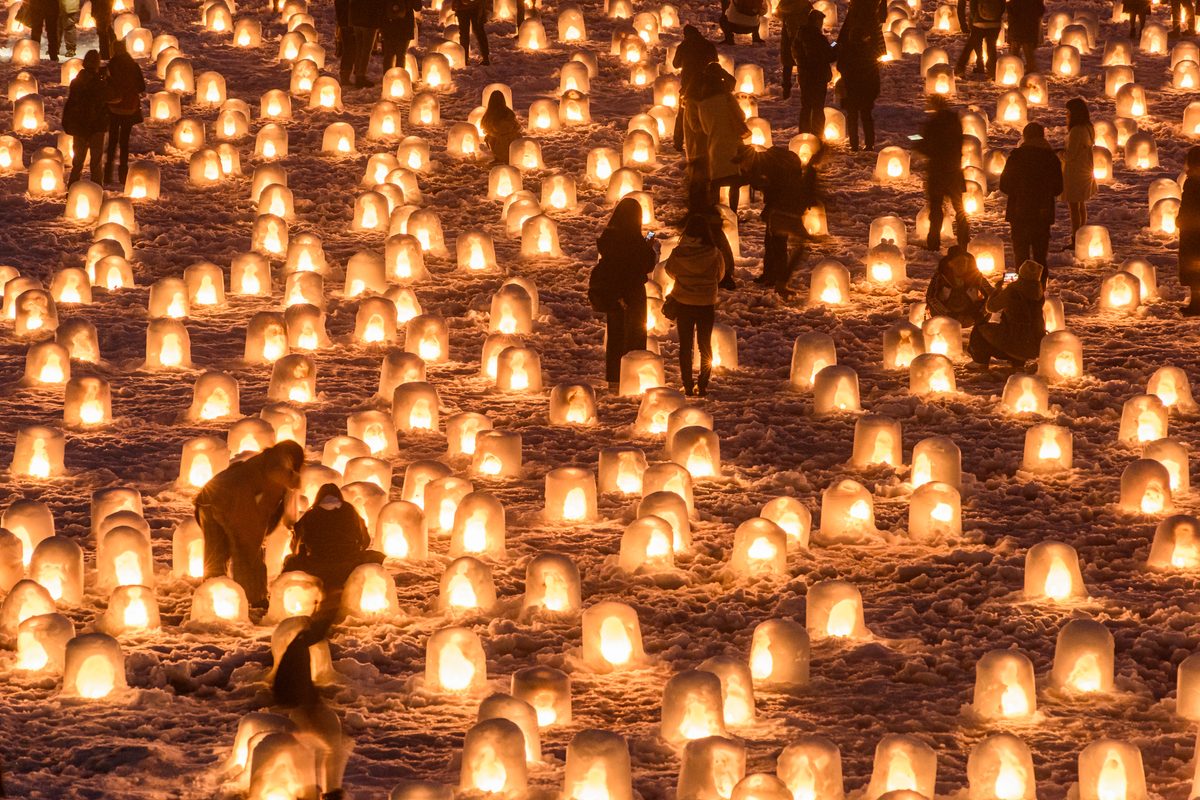
Yokote Kamakura Festival
Each February 15–16, hundreds of igloo-like snow houses (kamakura) appear throughout Yokote. Children sit inside by small altars and candles, offering amazake rice wine to visitors — a 450-year-old winter tradition.
Advertisement
When to Visit Akita
Peak spots by season — ordered by best match.
More from Tohoku
Other prefectures in the same region
Ready to visit Akita?
Let AI build a personalized day-by-day itinerary based on your interests and travel style.
Create a Akita Itinerary