
Saga Travel Guide
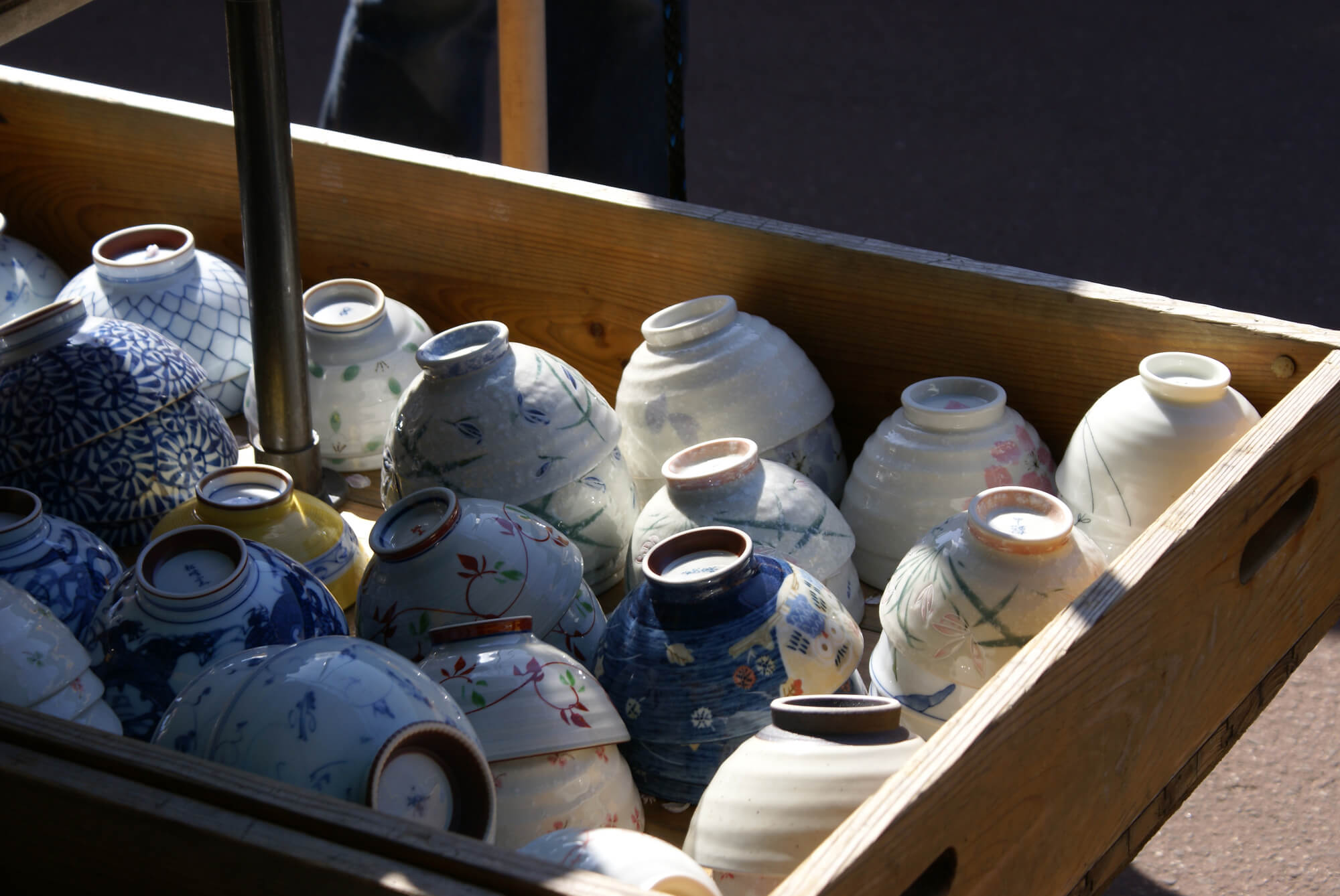
Between Fukuoka and Nagasaki, Saga is Japan's porcelain soul. Arita — birthplace of Japanese porcelain production in the early 17th century — still fires kilns today; Imari and Karatsu maintain their own distinct ceramic traditions. Yoshinogari, Japan's largest Yayoi-period archaeological site, preserves a settlement from 2,000 years ago in remarkable detail.
2 hidden gems in Saga include insider locations, local tips, and full access details.
Hidden Gems in Saga
Hand-picked spots off the tourist trail — all personally curated.
Arita Pottery Town
The birthplace of Japanese porcelain, where ceramic production began in 1616 after kaolin clay was discovered. The main street is lined with kilns, galleries, and manufacturers exporting worldwide.
Higashiyoka Tidal Flat
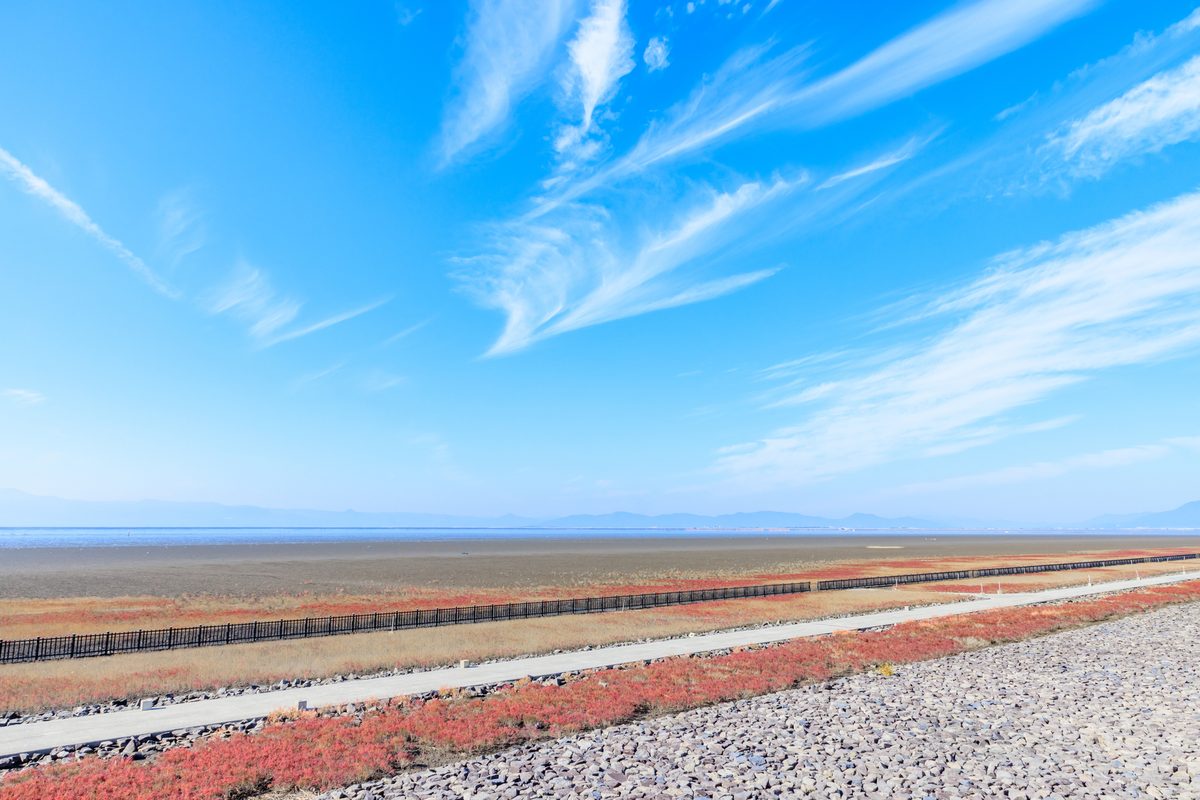
A Ramsar Convention wetland on Ariake Sea — one of Japan's most biodiverse tidal flats, home to 140 species of migratory birds and the spectacle of mudskippers and fiddler crabs at low tide. In autumn, the shichimenso (salicornia) turns the mudflat a vivid red, creating an otherworldly landscape.
Imari Okawachi-yama Kiln Village
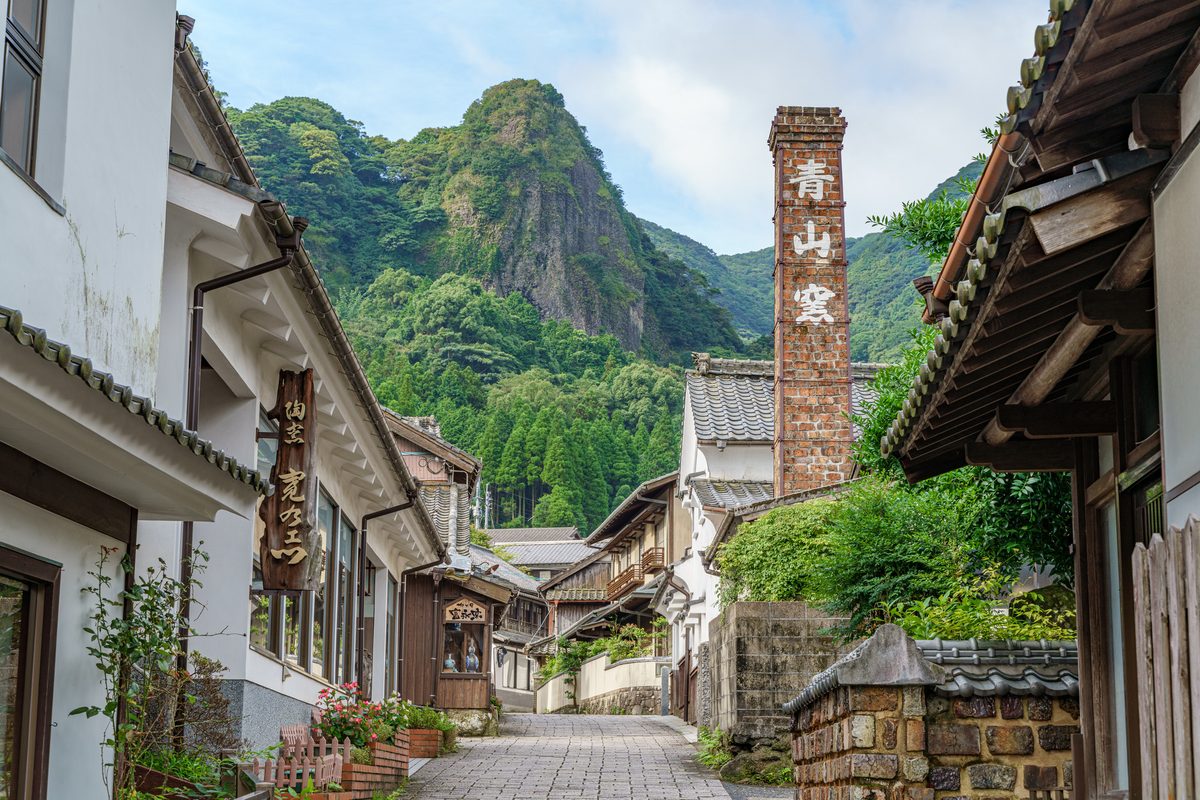
A hidden valley where the Nabeshima clan's secret kilns produced porcelain exclusively for the Edo shogunate and European royalty. Today 30+ kilns still operate in this quiet mountain valley — you can watch master potters at work and buy directly from the kilns that supplied Versailles.
Karatsu Castle
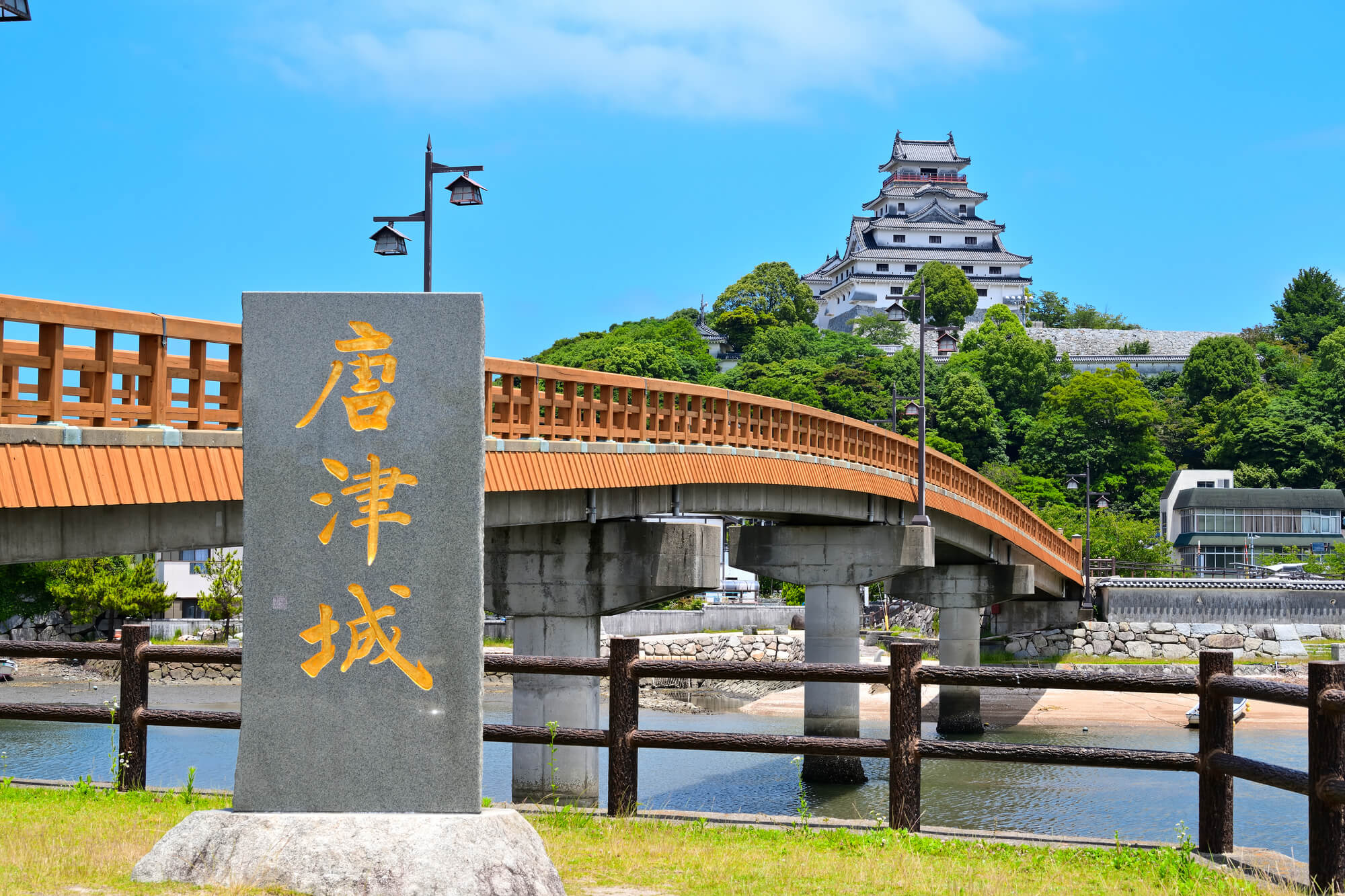
A beautifully restored castle perched on a pine-covered promontory over Karatsu Bay, nicknamed "Dancing Crane Castle." The view over the bay from the top floor is stunning.
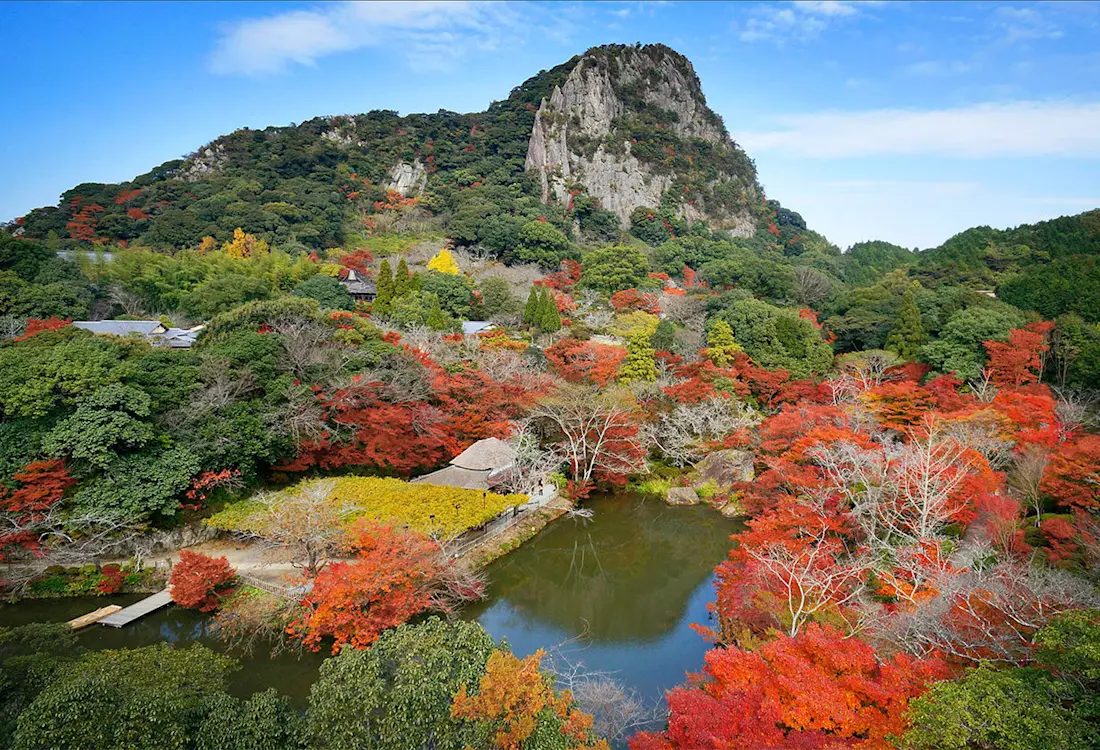
Mifuneyama Rakuen Garden
A 500,000 sq metre garden carved into the cliffs of a 235-meter granite mountain, created by the lord of Takeo Domain in 1845. Famous for 200,000 azalea bushes in spring and fiery maple foliage in autumn — one of Kyushu's great seasonal spectacles.
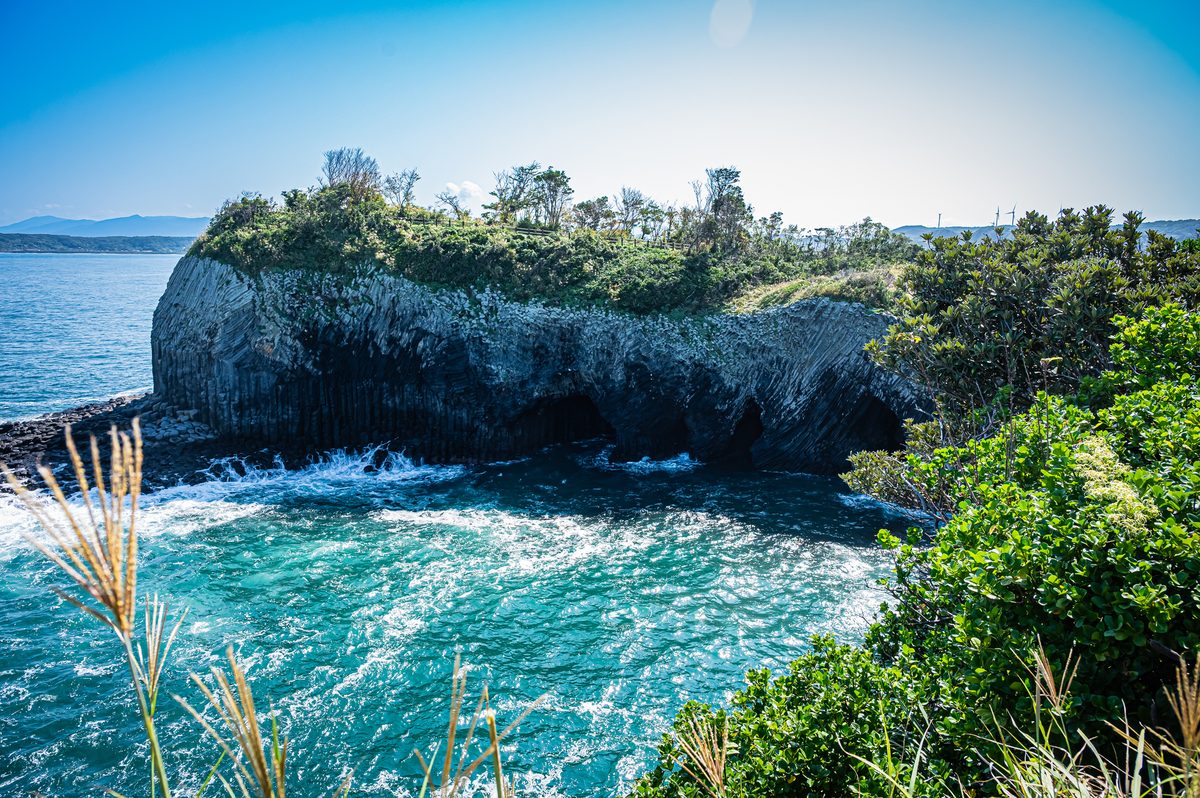
Nanatsugama Sea Caves
Seven sea caves (nana = seven, kama = pot) carved into volcanic basalt cliffs on the Genkai coast. The largest cave reaches 110 metres deep with a 16-metre ceiling. Access by sightseeing boat lets you glide right inside the cave chambers as waves echo around you.
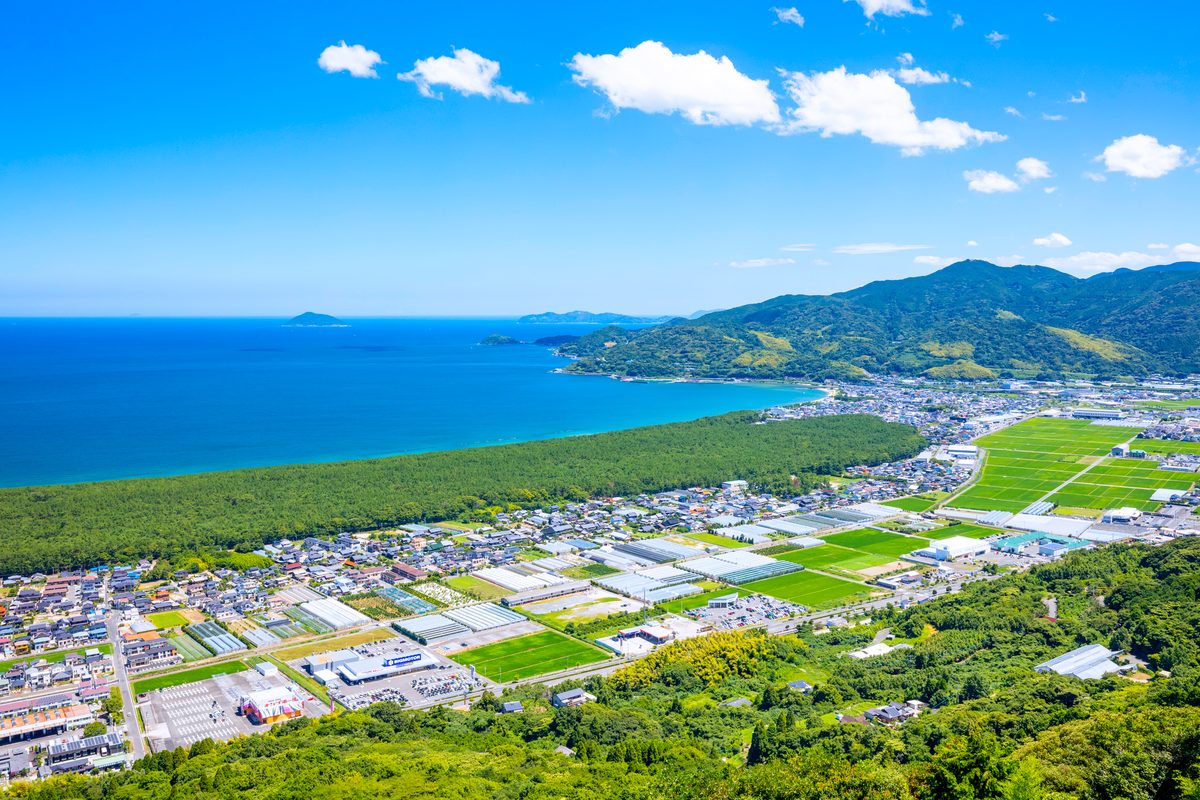
Niji-no-Matsubara Beach
One of Japan's Three Great Pine Groves — a 5 km arc of white sand beach backed by half a million pine trees. The trees were planted 400 years ago to protect the town from sea winds, and today the combination of turquoise water, white sand, and dark pines is simply extraordinary.
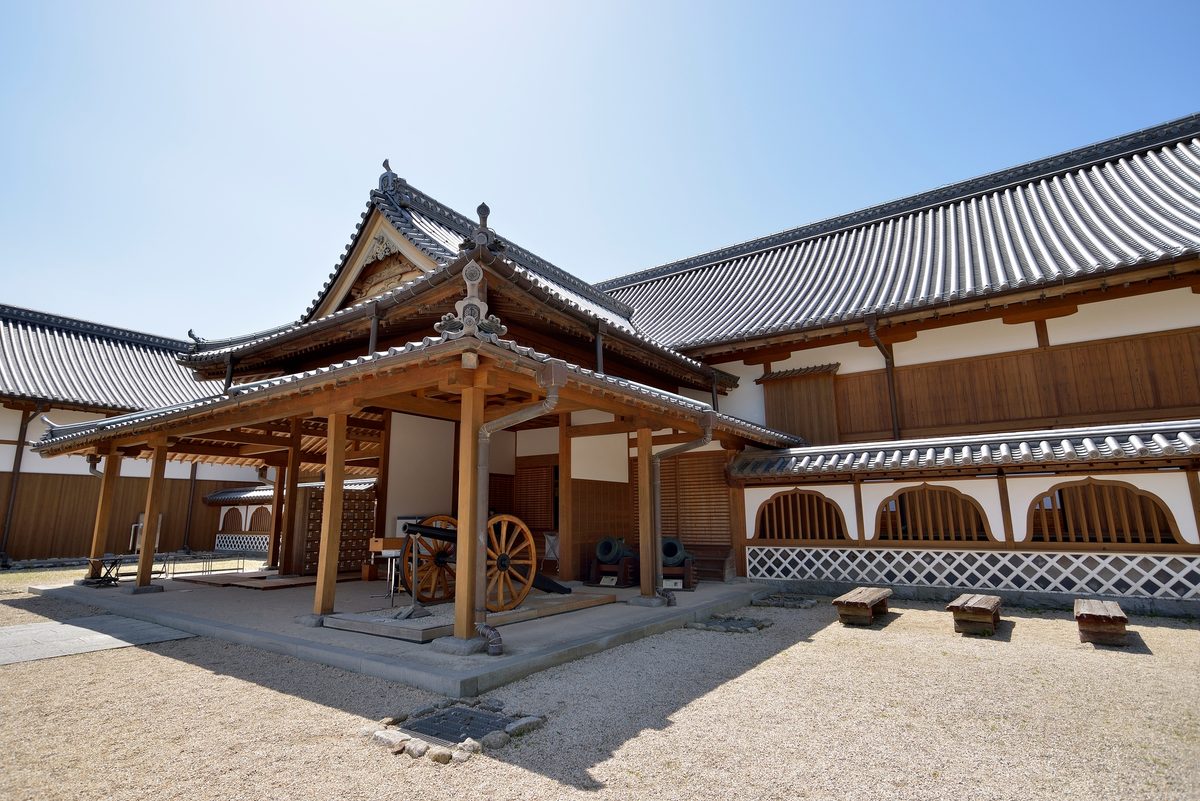
Saga Castle & History Museum
Saga Castle was the seat of the Nabeshima clan for 270 years, and its partial reconstruction now houses one of Japan's best-designed samurai history museums. The moat, stone walls, and the magnificent Tamon Yagura gate tower are original — some of the finest surviving examples of Edo-period castle architecture in Kyushu.
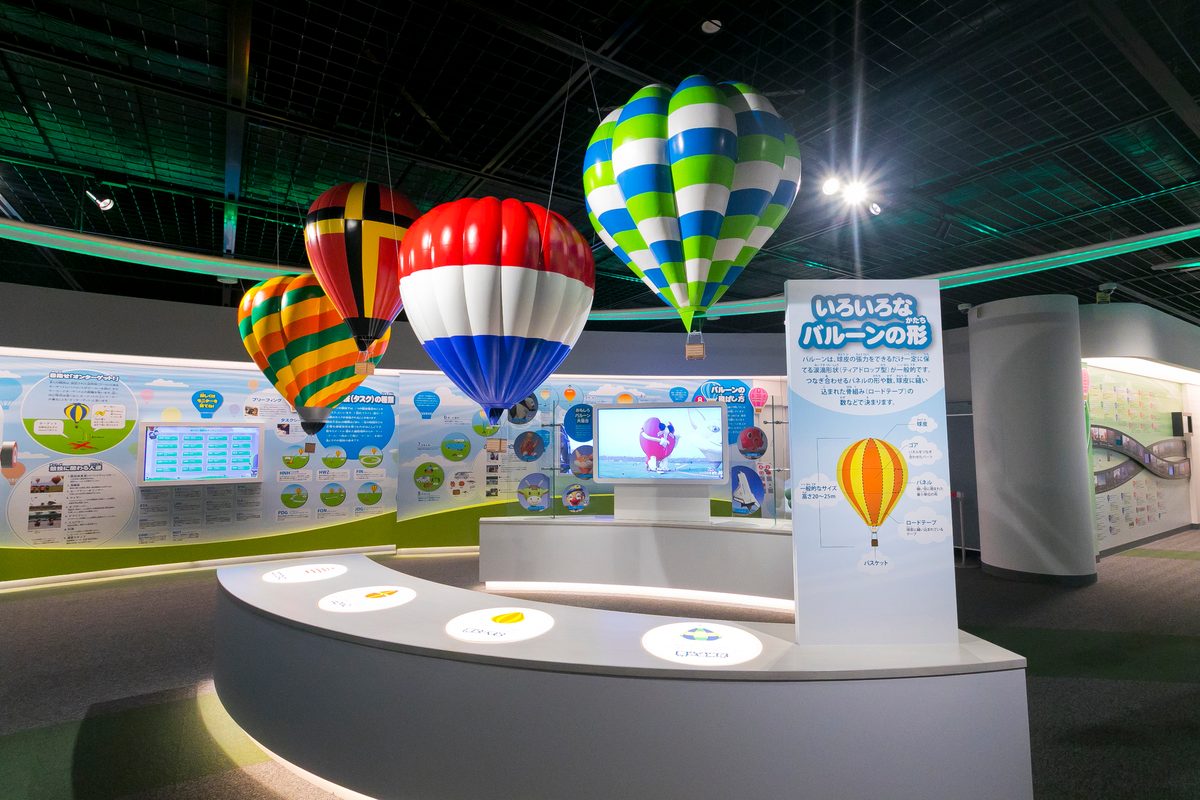
Saga International Balloon Fiesta Museum
Saga hosts Asia's largest hot air balloon festival each autumn, attracting 100+ balloons from 20+ countries. The year-round museum lets you experience a balloon gondola simulator, see the engineering behind it, and understand why Saga's flat terrain and calm dawn winds make it the world's best balloon location.
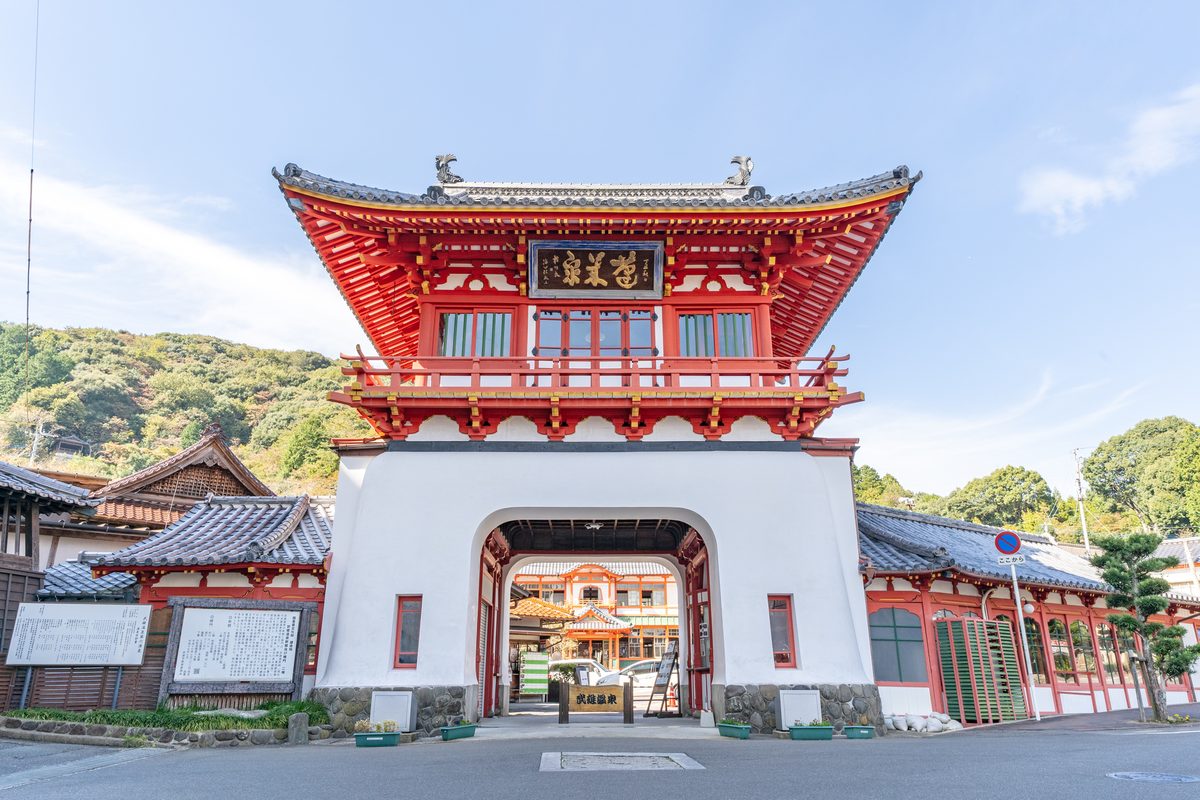
Takeo Onsen
One of Japan's oldest hot spring towns with a 1,300-year history, anchored by a magnificent vermilion gate (romon) that has become the symbol of Saga Prefecture. The spring water is a smooth, skin-softening alkaline type beloved by locals for centuries.
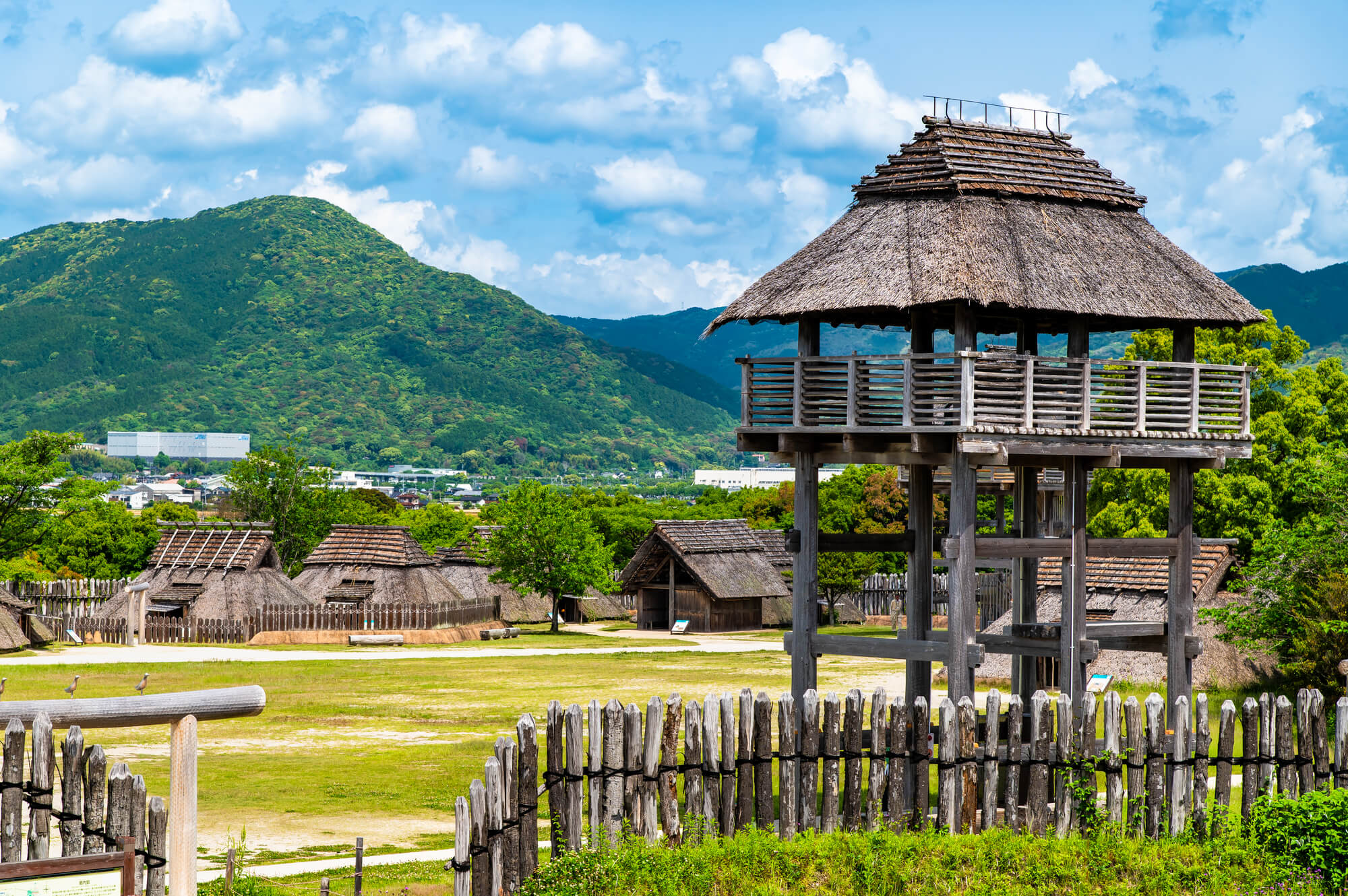
Yoshinogari Historical Park
Japan's largest and most complete Yayoi period (300 BC – 300 AD) village reconstruction. Walk through ancient moat-encircled settlements and watchtowers on a 98-hectare site.
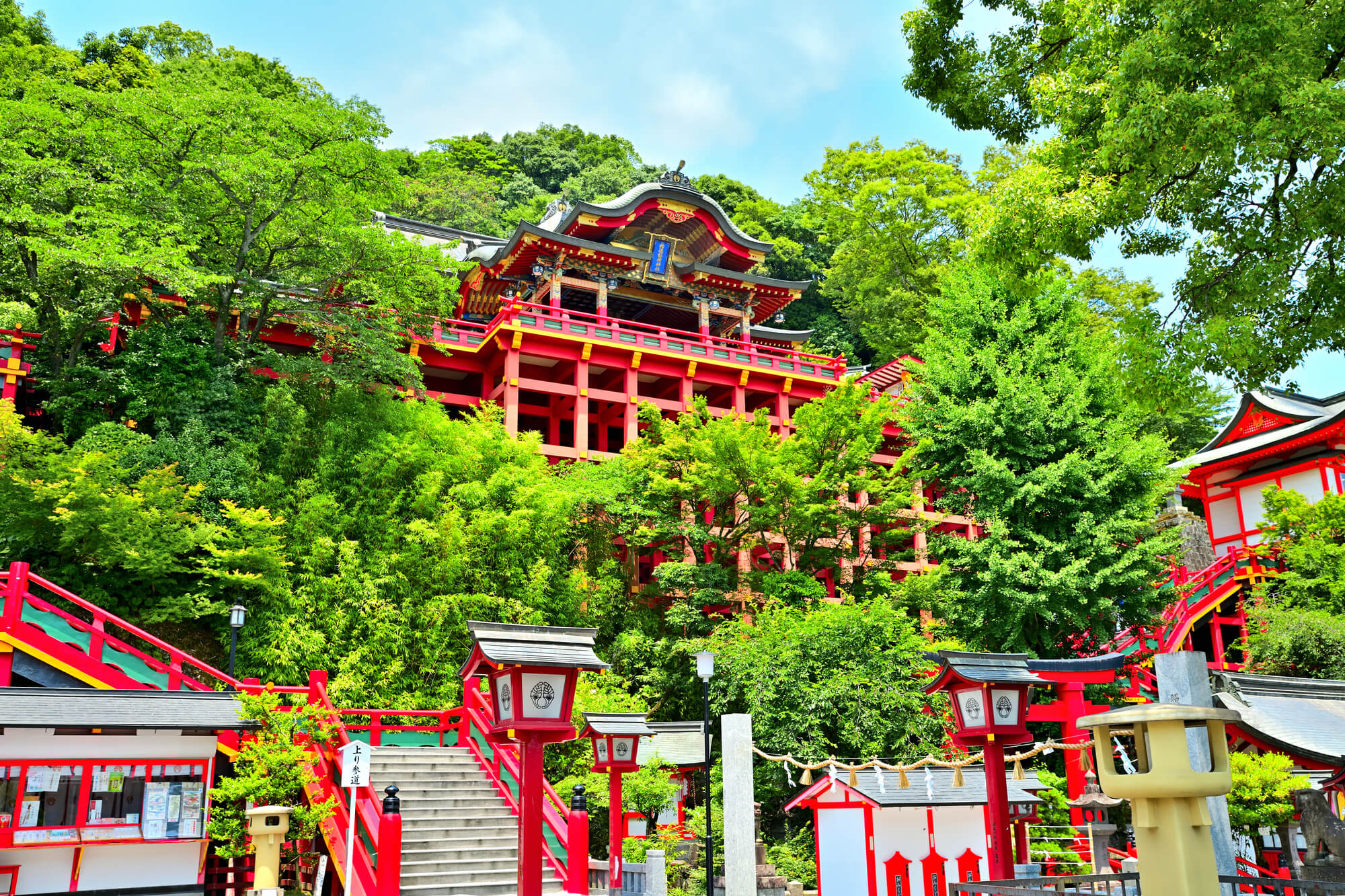
Yutoku Inari Shrine
One of Japan's three greatest Inari shrines, and the most architecturally dramatic in Kyushu. The main hall is built on stilts over a forested hillside using the same method as Kyoto's Kiyomizudera.
Advertisement
When to Visit Saga
Peak spots by season — ordered by best match.
More from Kyushu
Other prefectures in the same region
Ready to visit Saga?
Let AI build a personalized day-by-day itinerary based on your interests and travel style.
Create a Saga Itinerary