
Ishikawa Travel Guide
Centered on Kanazawa, one of Japan's finest surviving castle towns, Ishikawa offers cultural richness that rivals Kyoto without the crowds. Kenrokuen garden, the Higashi Chaya geisha district, the 21st Century Museum of Contemporary Art, and the Omicho morning market combine to make Kanazawa a city worth spending days in.
Hidden Gems in Ishikawa
Hand-picked spots off the tourist trail — all personally curated.
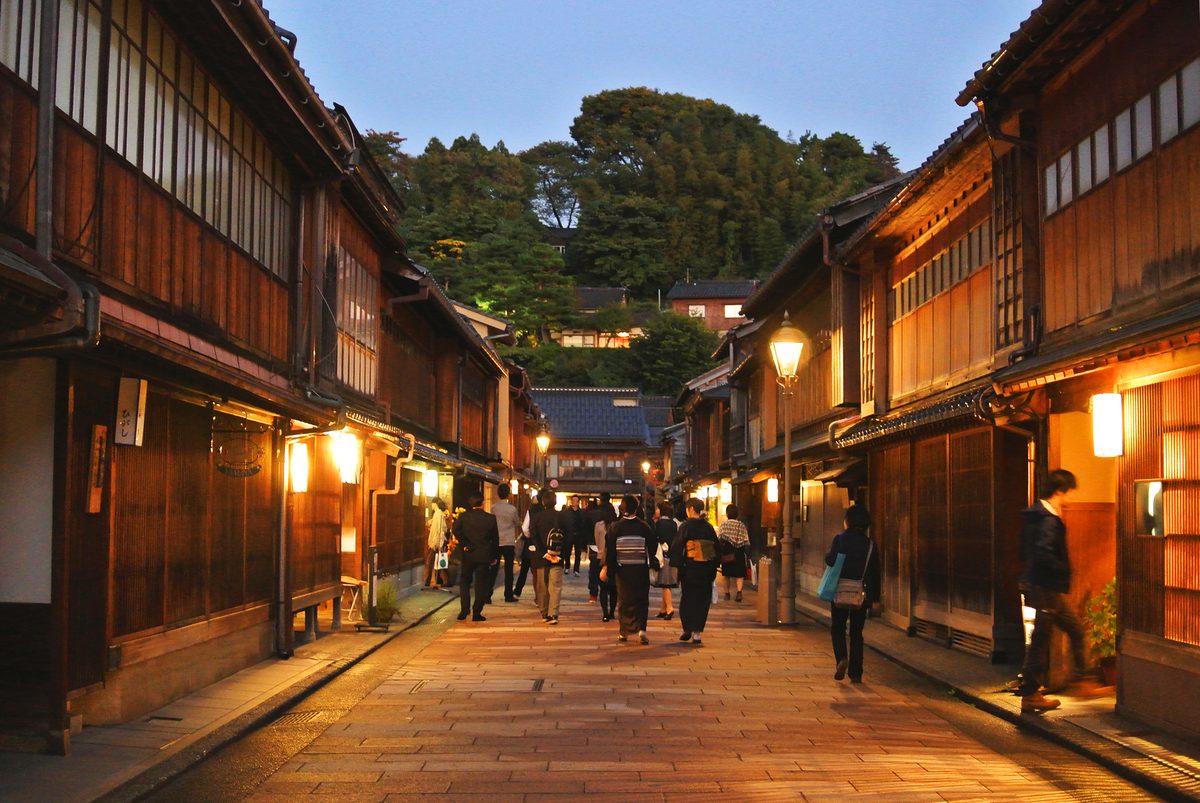
Higashi Chaya District
Kanazawa's most intact geisha teahouse quarter, established by the Maeda clan in 1820 and little changed since. The ochaya (teahouses) with their latticed facades and inner gardens still operate — some as galleries and gold-leaf shops, a few as active geisha venues accessible by reservation. Kanazawa retains more active geisha than anywhere outside Kyoto.
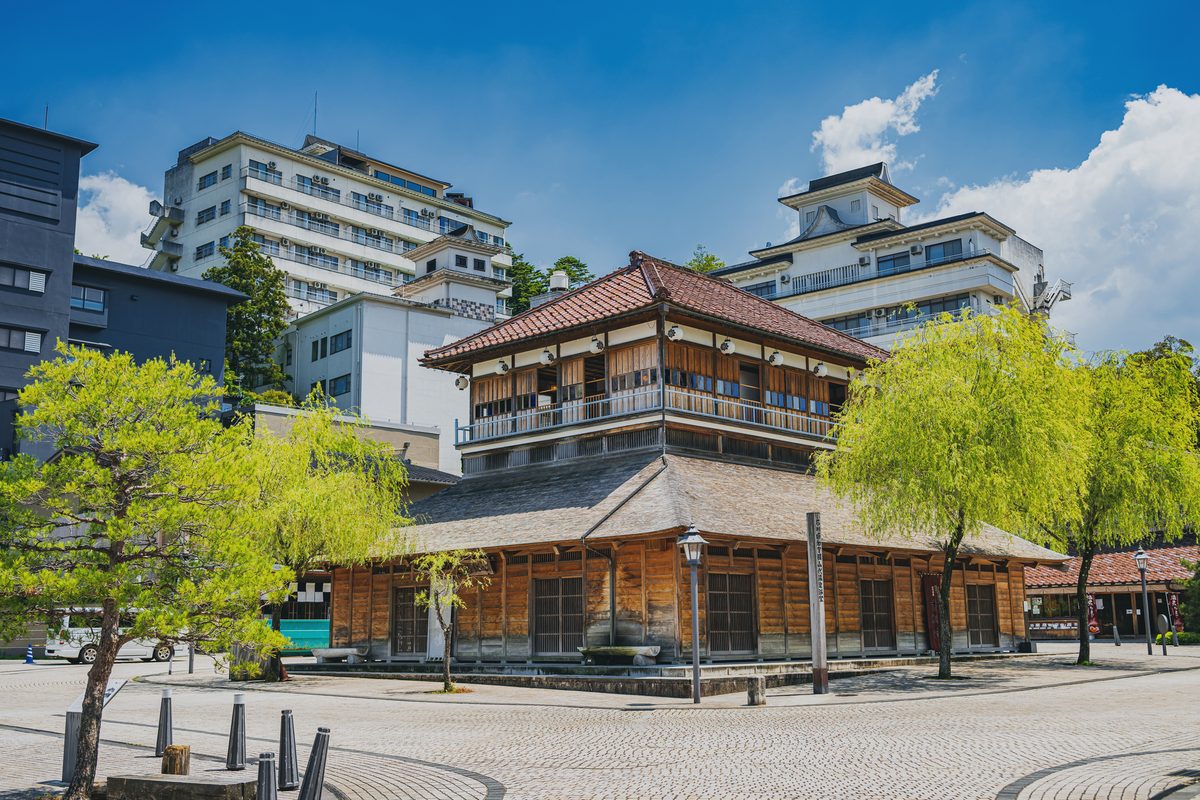
Kaga Onsen (Katayamazu)
A cluster of four historic spa towns (Yamanaka, Yamashiro, Awazu, Katayamazu) collectively known as Kaga Onsen. Katayamazu sits on the shore of Lake Shibayama with ryokan building over the water's edge. The combined bathing district has been operating since the 9th century and serves Noto Peninsula crab.
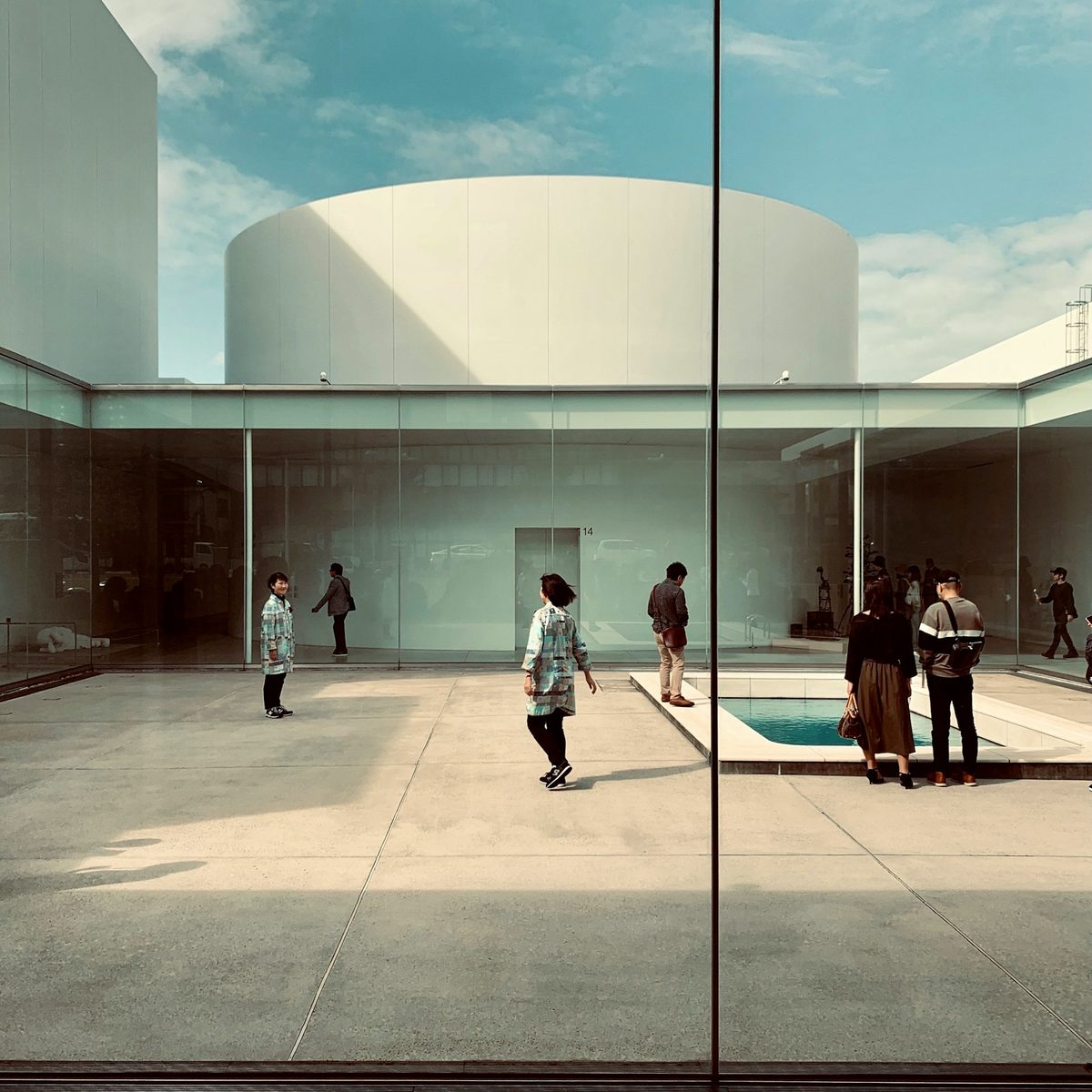
Kanazawa 21st Century Museum
One of Japan's most visited contemporary art museums — a circular glass building with no front or back, designed so visitors wander freely through interactive exhibitions. Leandro Erlich's Swimming Pool installation lets visitors stand both on top and below the water simultaneously.
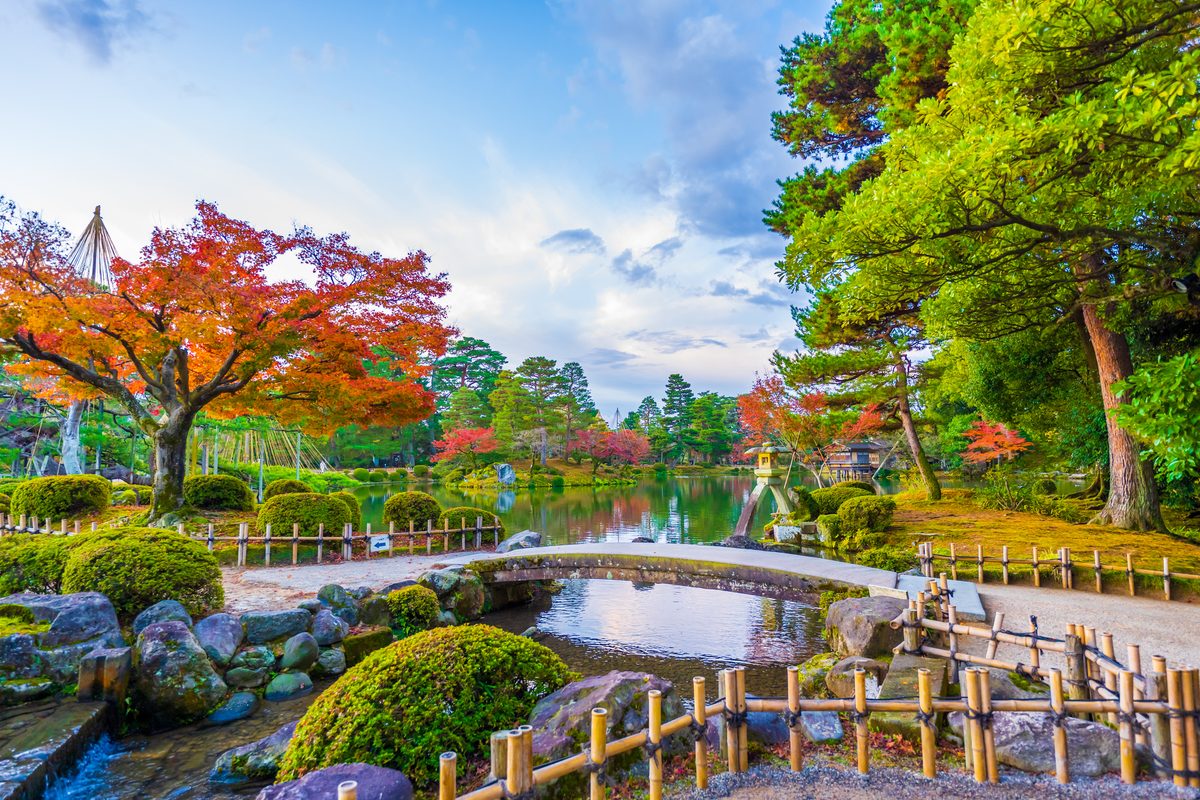
Kenroku-en Garden
One of Japan's three great landscape gardens, developed over 180 years by the Maeda clan beside Kanazawa Castle. The name means "garden with six attributes" (spaciousness, seclusion, artifice, antiquity, waterways, panoramas) — all present simultaneously. The famous two-legged stone lantern (Kotojitoro) reflected in the pond has become Kanazawa's symbol.
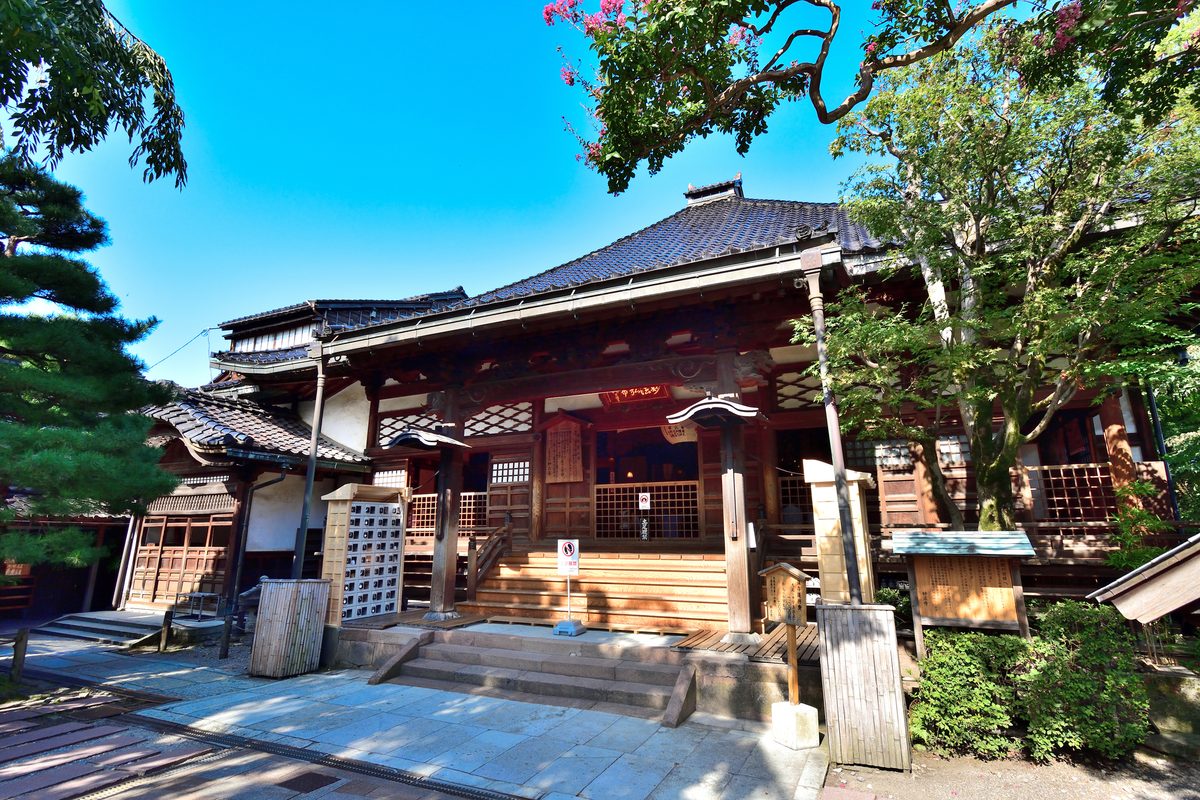
Myoryuji — Ninja Temple
A 17th-century temple with 29 staircases, 23 rooms, hidden corridors, secret rooms, trapdoors, and a well connecting to an escape tunnel. Built as a samurai watchtower by the Maeda clan disguised as a temple to avoid Tokugawa suspicion. Guided tours (mandatory) reveal one hidden device after another.
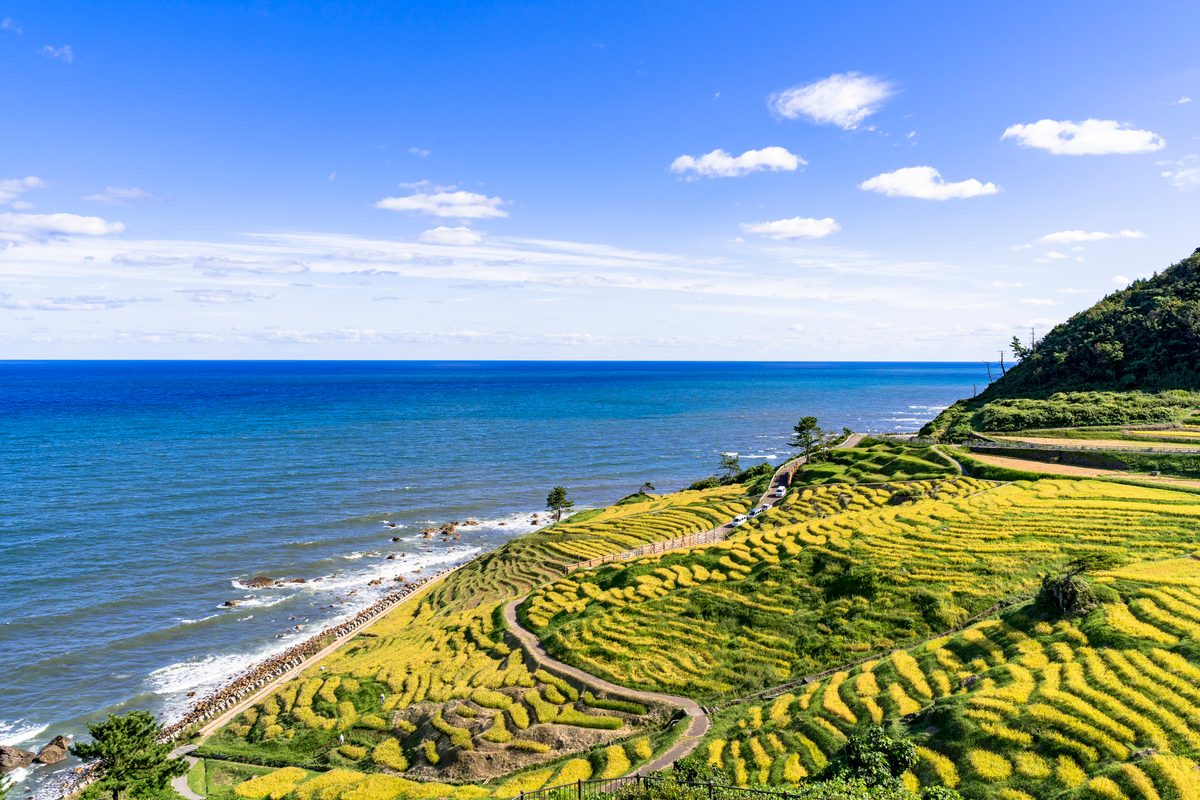
Noto Peninsula Coast
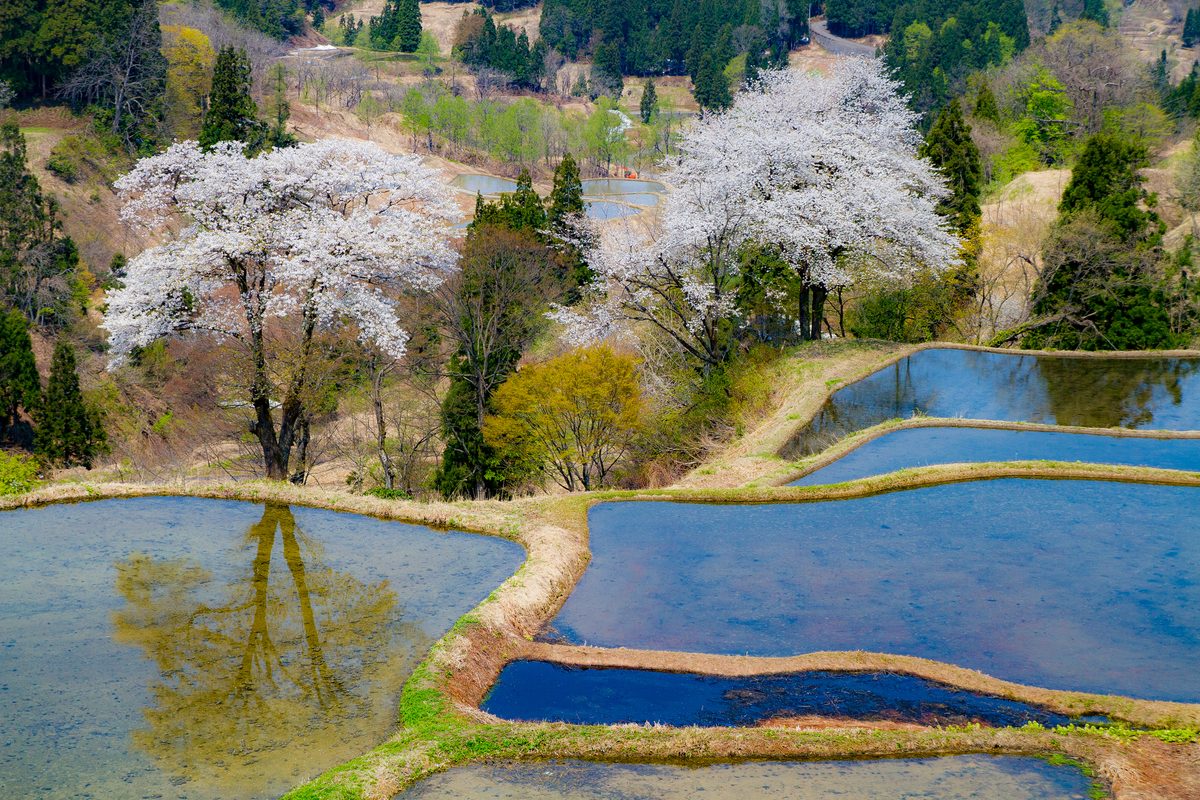
A wild, barely-touristed peninsula jutting into the Japan Sea with rugged cliffs, rice terraces stepping into the sea (Shiroyone Senmaida), morning fish markets in small fishing ports, and salt farms operating for 1,200 years. The oyster-growing coast near Nanao produces Japan's finest winter oysters.
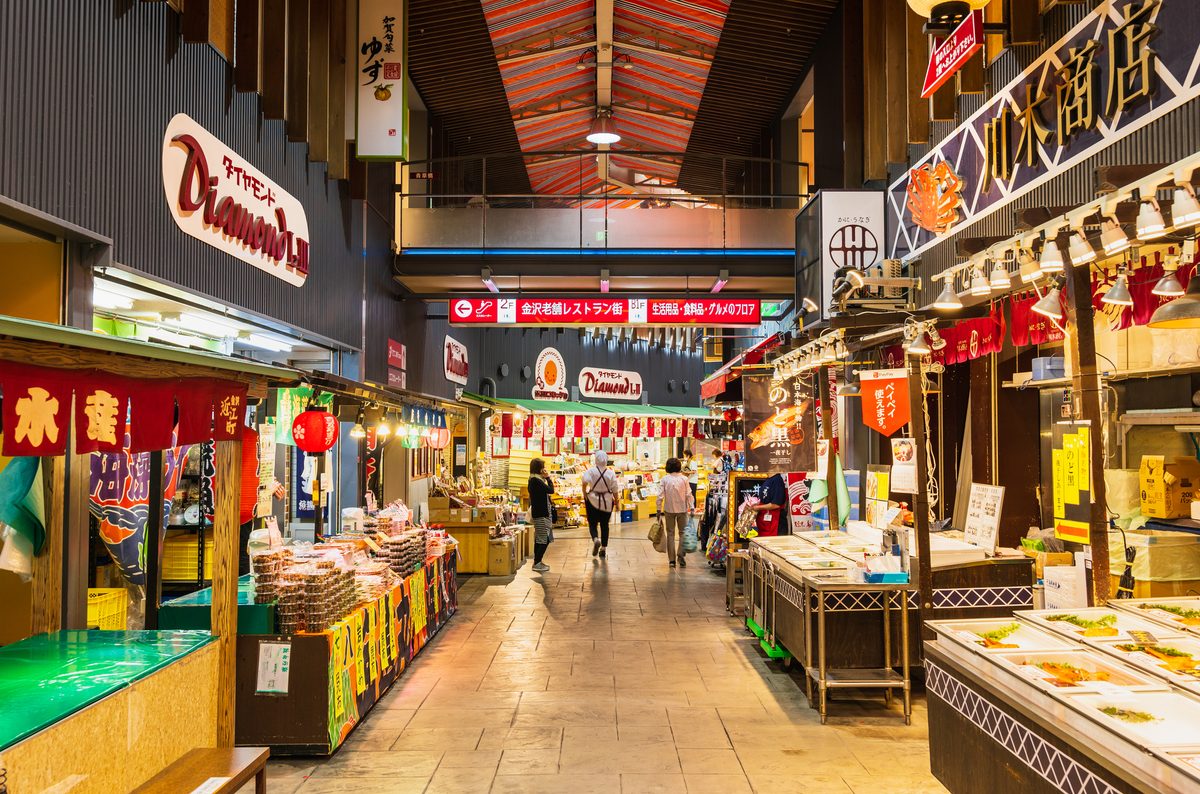
Omicho Market
Kanazawa's kitchen since 1721 — a covered market of 200+ stalls bursting with fresh Noto Peninsula seafood, including the world's finest snow crab (zuwaigani). The market is particularly famous for live crab, which restaurants buy by the crate each morning. Dozens of kaisen-don restaurants serve inside the arcade.
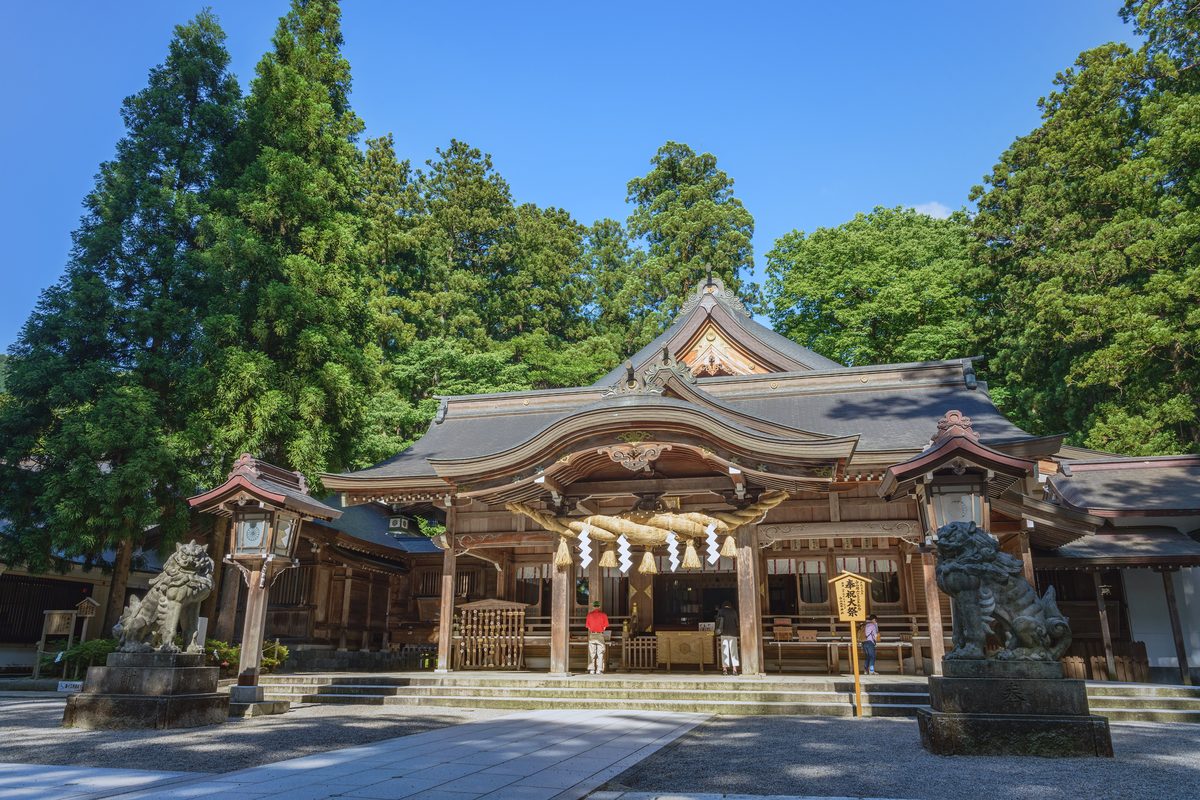
Shirayama Hime Shrine
The head shrine of 2,700 Shirayama shrines across Japan and the spiritual centre of the White Mountain range. Deep in cedar forests at the base of Mt Hakusan, it has been a pilgrimage destination since 717 CE. The autumn foliage here, dyed red by the cold mountain air, is Ishikawa's finest.
Yamanaka Onsen
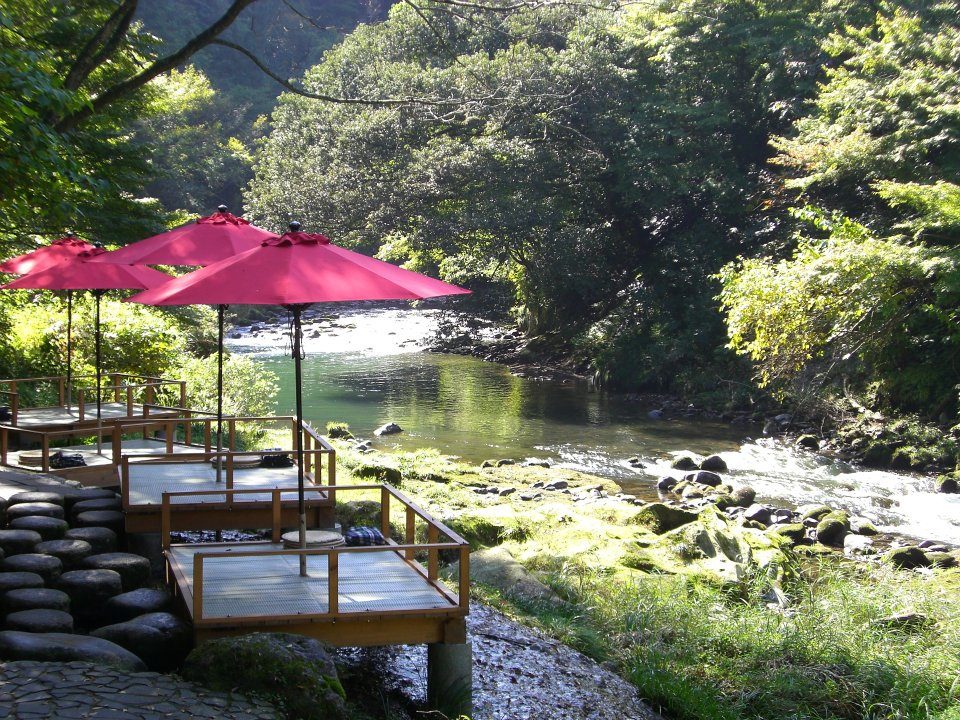
One of Japan's top three onsen praised by the haiku master Matsuo Basho in 1689 — "more beautiful than Arima, more mysterious than Kinosaki." The Kakusenkei gorge walk alongside the Daishoji River is Ishikawa's finest nature walk, with a suspension bridge and old roofed promenade beside the stream.
Advertisement
When to Visit Ishikawa
Peak spots by season — ordered by best match.
More from Hokuriku
Other prefectures in the same region
Ready to visit Ishikawa?
Let AI build a personalized day-by-day itinerary based on your interests and travel style.
Create a Ishikawa Itinerary