
Nagano Travel Guide
Framed by the Japanese Alps and home to more 3,000-metre peaks than any other prefecture, Nagano is Japan's highland heartland. The snow-monkey onsen of Jigokudani, the pilgrimage city of Zenkoji, and the untouched Kamikochi alpine valley are standouts — as is the wasabi, buckwheat soba, and oyaki dumplings that define local life.
1 hidden gem in Nagano include insider locations, local tips, and full access details.
Hidden Gems in Nagano
Hand-picked spots off the tourist trail — all personally curated.
Bessho Onsen
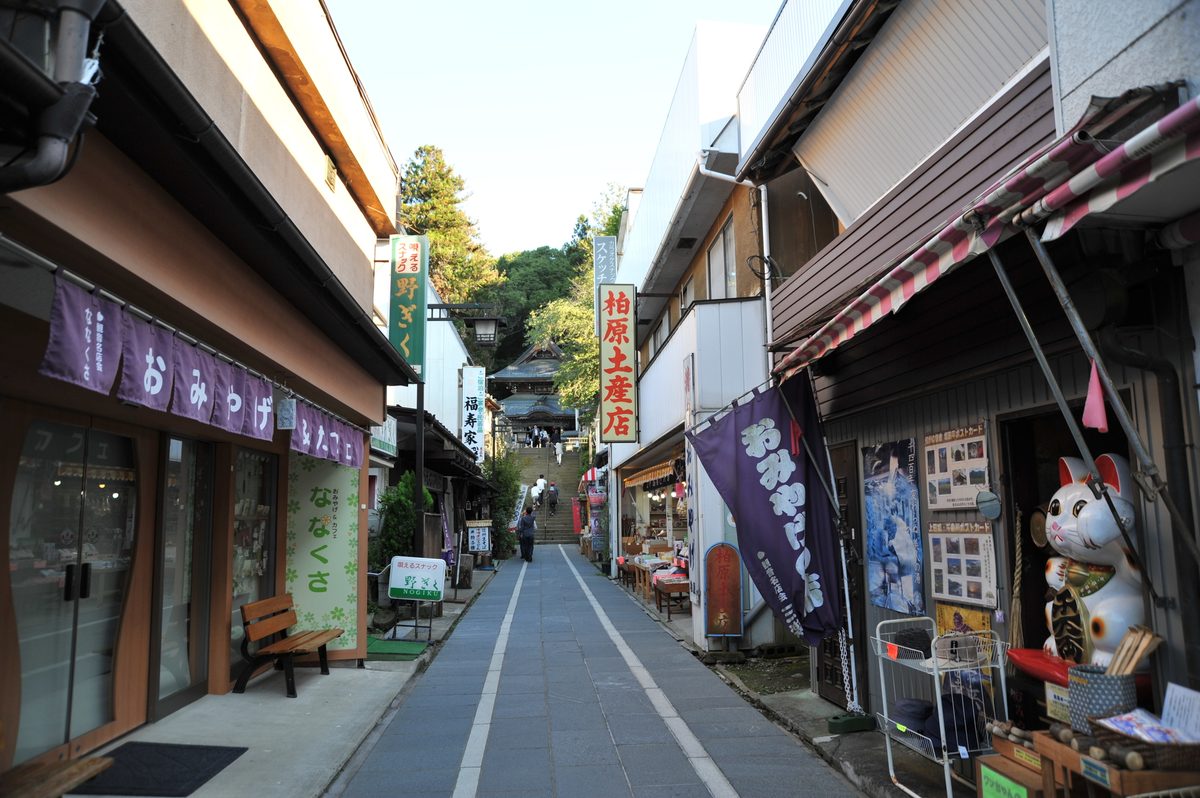
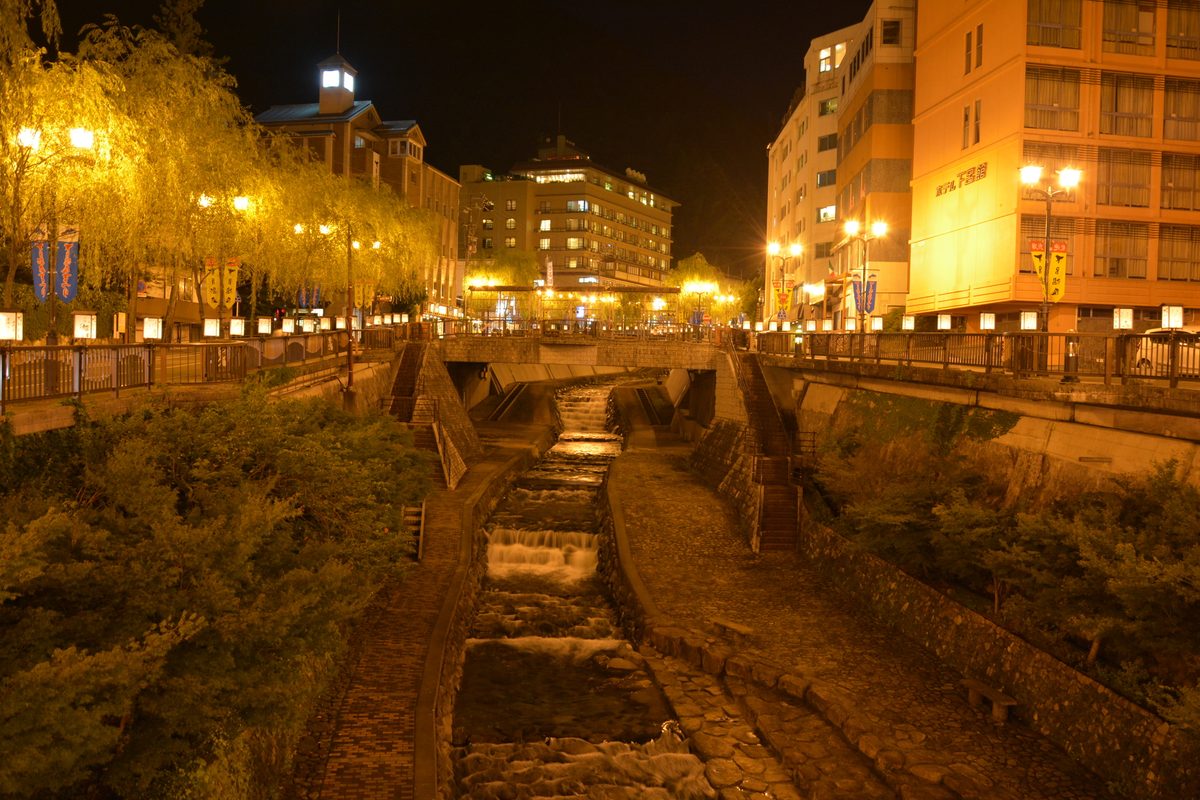
Nagano's oldest hot spring resort and a compact cluster of Kamakura-era temples. Three free public baths dot the streets, and the Kita-Muki Kannon temple dates to 808 CE. The town is called "Little Kyoto of the Shinshu" for its atmospheric lanes and Buddhist heritage.
Jigokudani Monkey Park
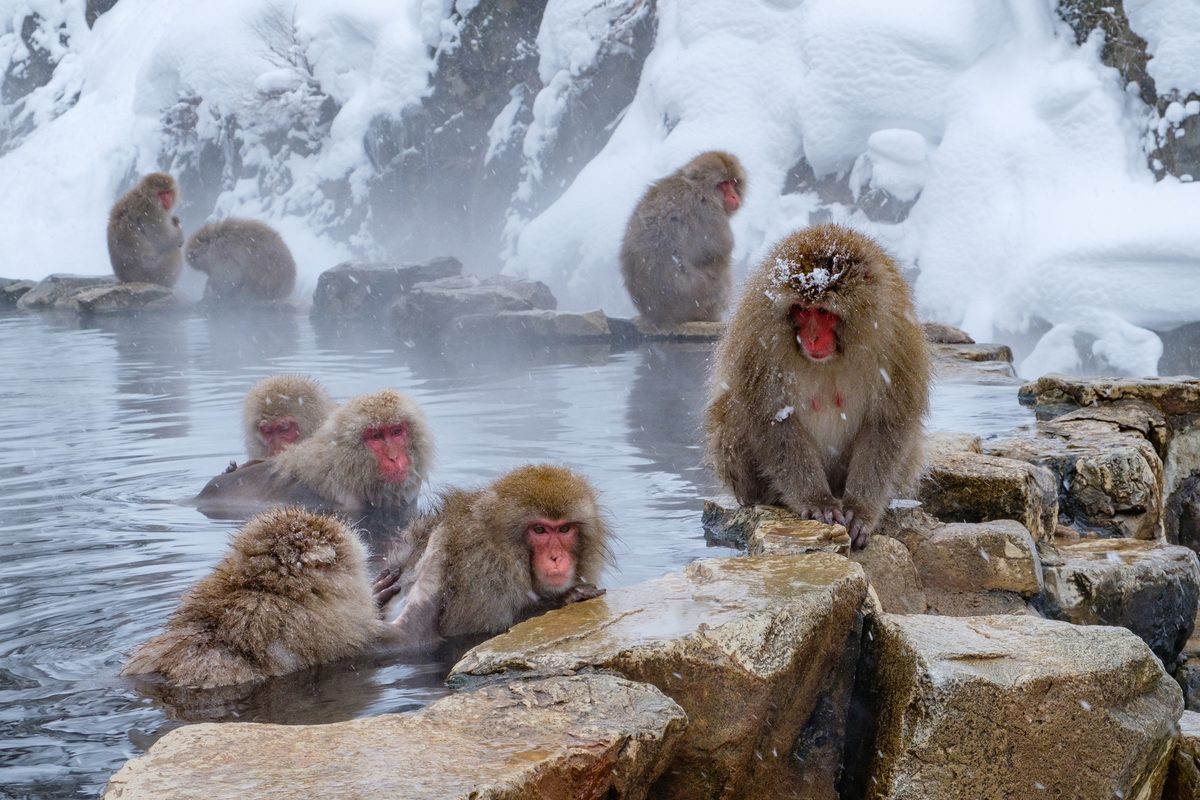
The only place in the world where wild Japanese macaques (snow monkeys) bathe in a natural outdoor hot spring. The 30-minute forest trail approach through steam vents and deep snow heightens the surreal arrival at the thermal pool where monkeys float, groom, and sleep. Best visited on the coldest mornings when steam is thickest.
Kamikochi Alpine Valley
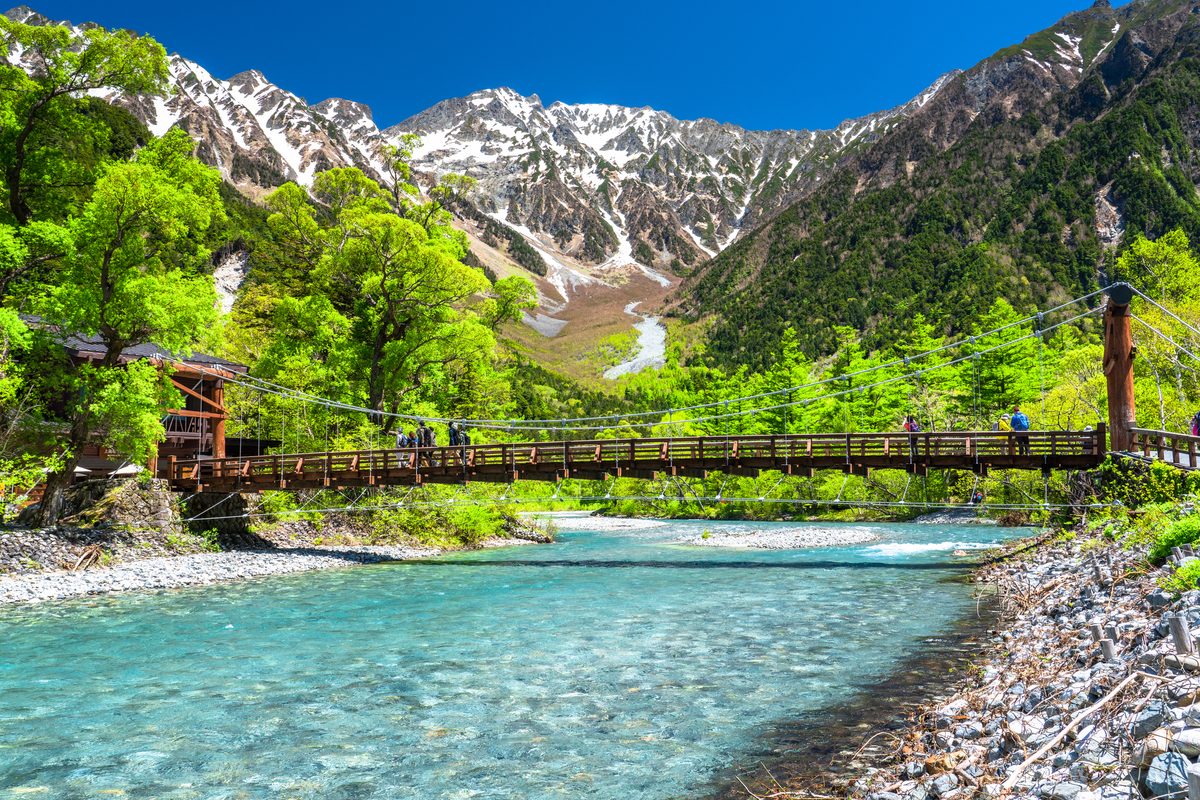
A pristine alpine valley at 1,500 metres, accessible only by bus or on foot (private vehicles banned since 1975), with the Azusa River winding through birch and fir forests beneath the jagged Hotaka range. The clear blue-green water of Taisho Pond reflects the volcanic Yake-dake peak. One of Japan's great wilderness walks.
Matsumoto Castle
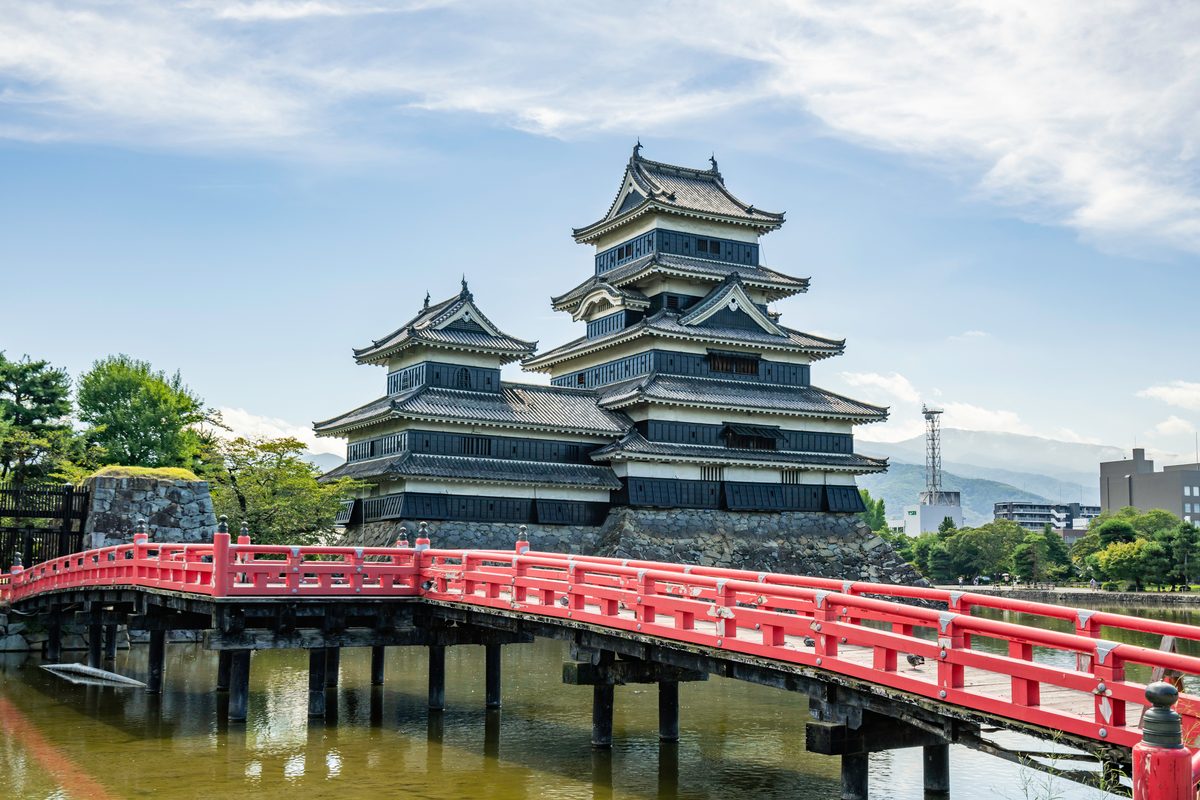
Japan's most dramatically sited original castle — a black-and-white six-tiered keep reflected in its surrounding moat against the Northern Alps backdrop. Built in 1594, it is one of four surviving original castles and the oldest in the country. Known as the "Crow Castle" for its black lacquered walls.
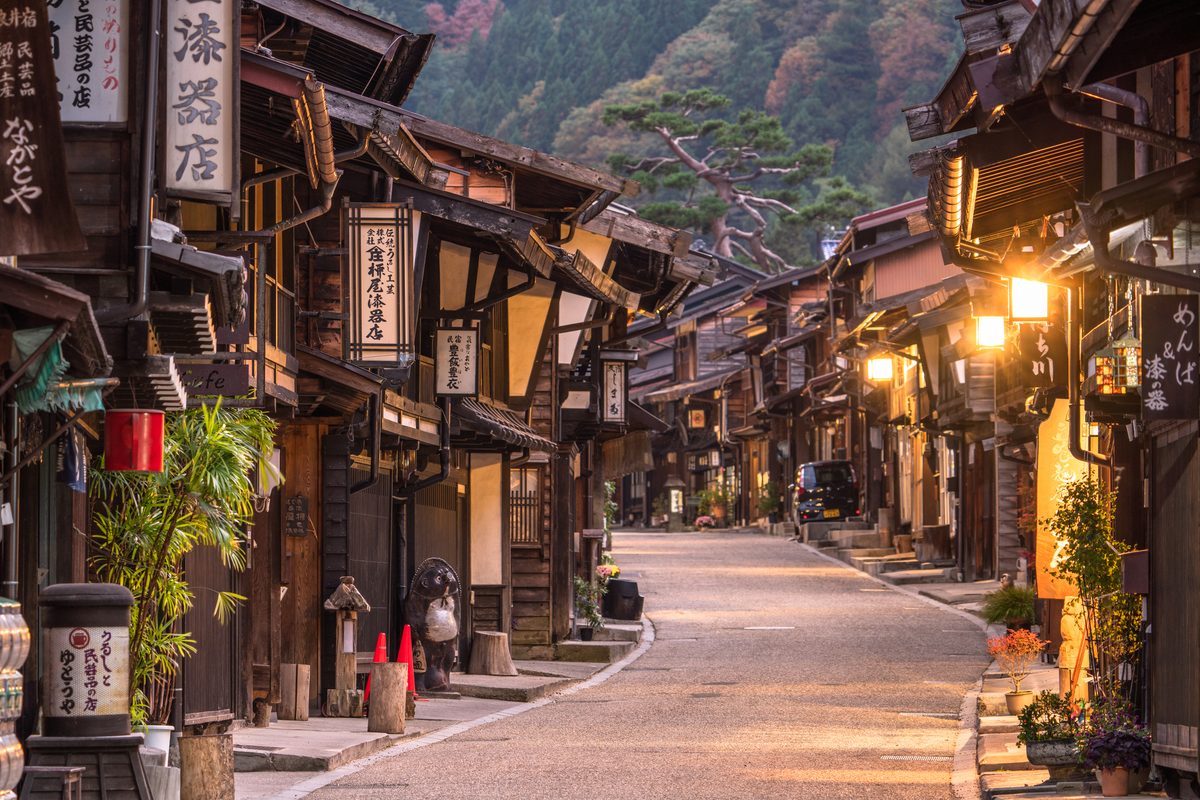
Narai-juku Post Town
The best-preserved of the 69 Nakasendo highway post towns, its single 1km street flanked by 350-year-old wooden inns, lacquerware shops, and sake breweries that still operate as they did in the Edo period. Known as "Narai of a Thousand Houses" for its former prosperity. Almost entirely overlooked by international visitors.
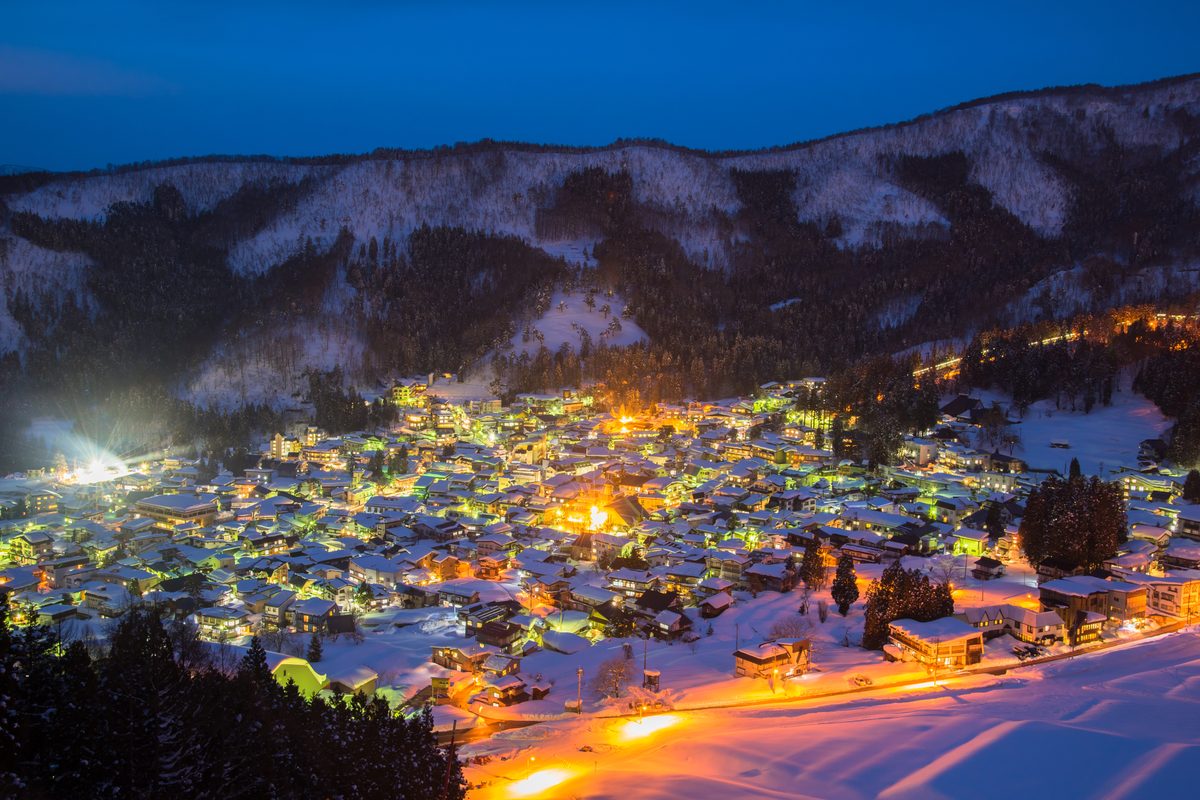
Nozawa Onsen
A working farming village turned hot spring ski resort that hasn't over-commercialised itself. Thirteen free public baths (soto-yu) are owned by local families and maintained by the community since the 8th century. Nozawa is also Japan's finest traditional pickled vegetable (nozawana-zuke) source, sold everywhere in the village.
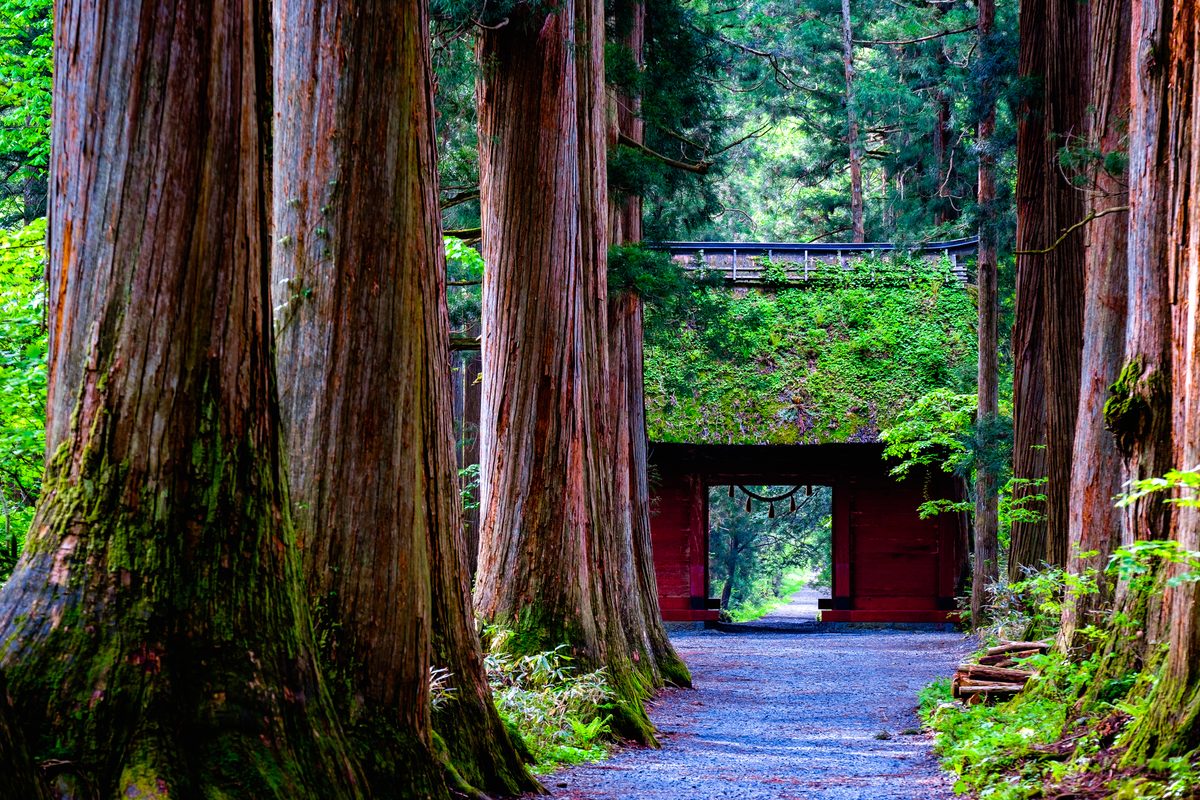
Togakushi Shrine
A mountain shrine complex deep in ancient cedar forests, associated with the myths of Amaterasu and the origin of Japanese theatrical arts. The 2km avenue of 400-year-old cedars leading to the upper shrine is one of Japan's most dramatic shrine approaches. Togakushi was also a historic ninja training village.
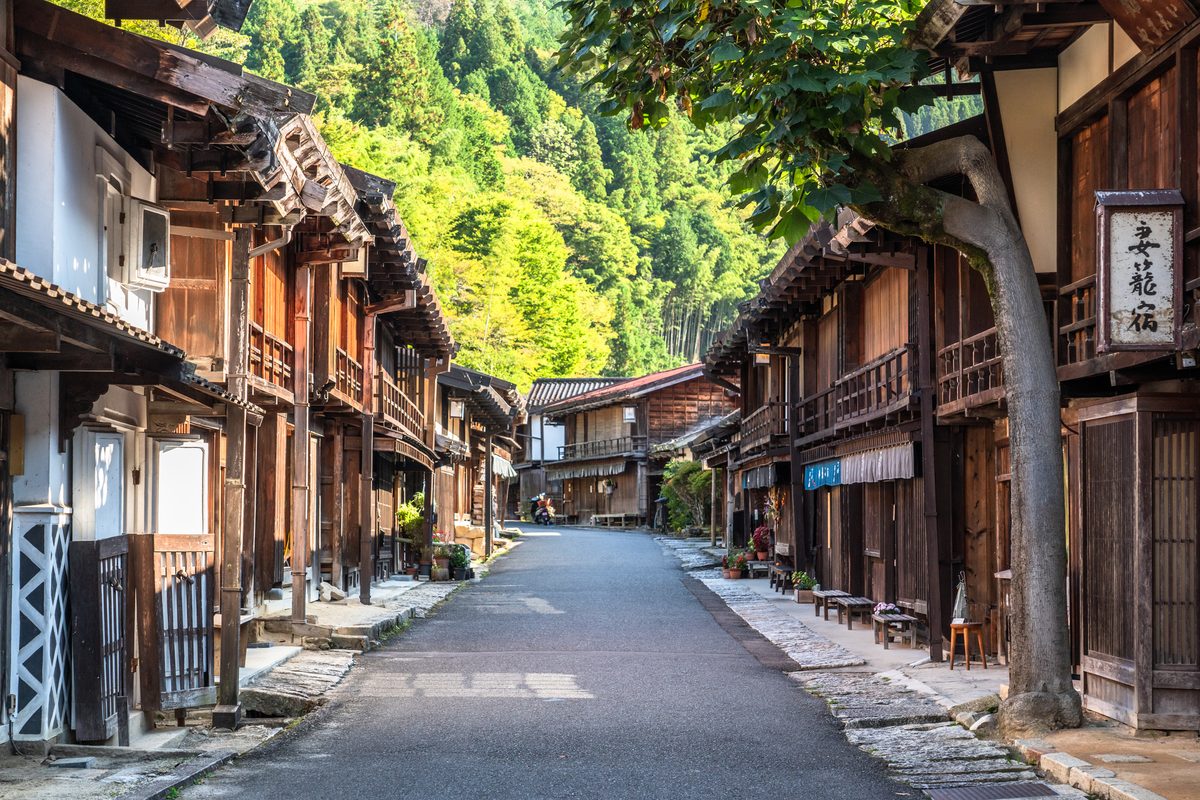
Tsumago-juku
The best-preserved post town on the Nakasendo road — the mountain highway that connected Edo and Kyoto. In 1968, Tsumago became Japan's first historically preserved district; no power lines, cars, or modern structures break the Edo-period streetscape. The 8km hike to neighbouring Magome is one of Japan's finest historical walks.
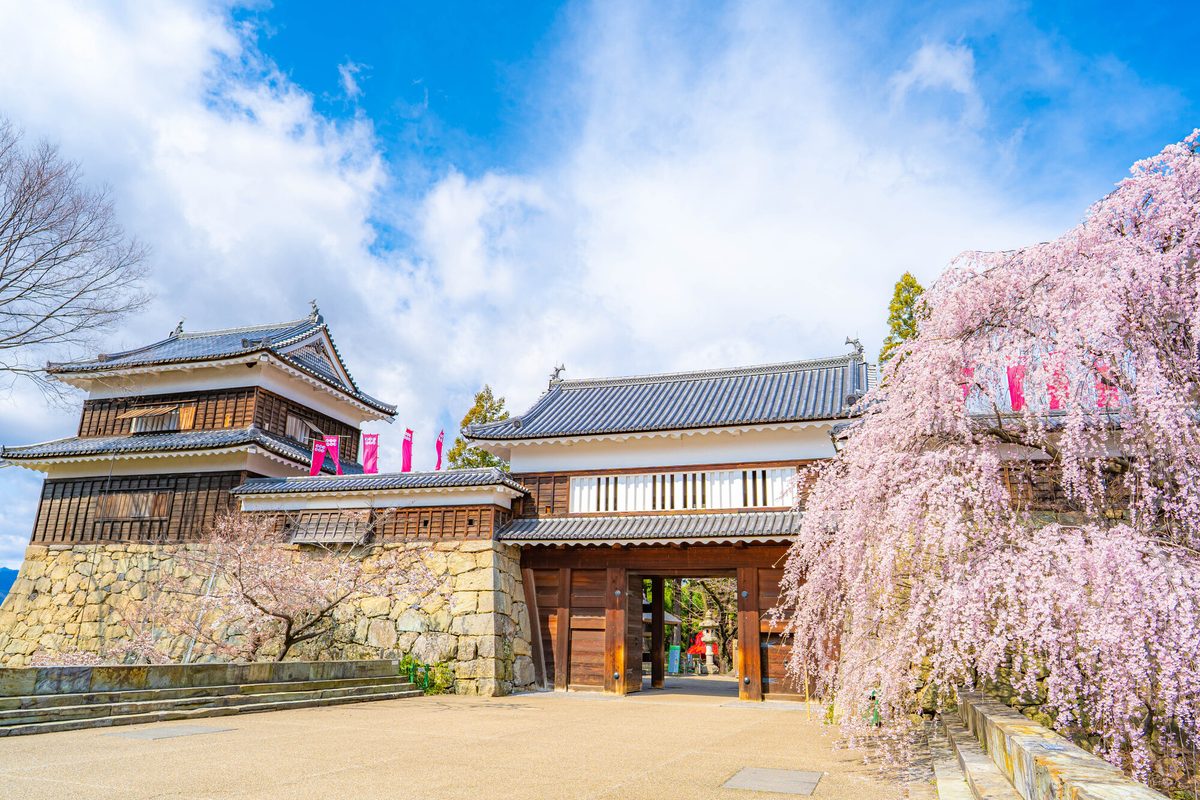
Ueda Castle
A compact castle that twice repelled Tokugawa armies against all odds — the only castle to do so. Sanada Masayuki defended it with 2,000 men against 7,000 Tokugawa troops in 1585, then again in 1600. The Sanada clan's story inspired Japan's most popular samurai drama series and draws history fans nationwide.
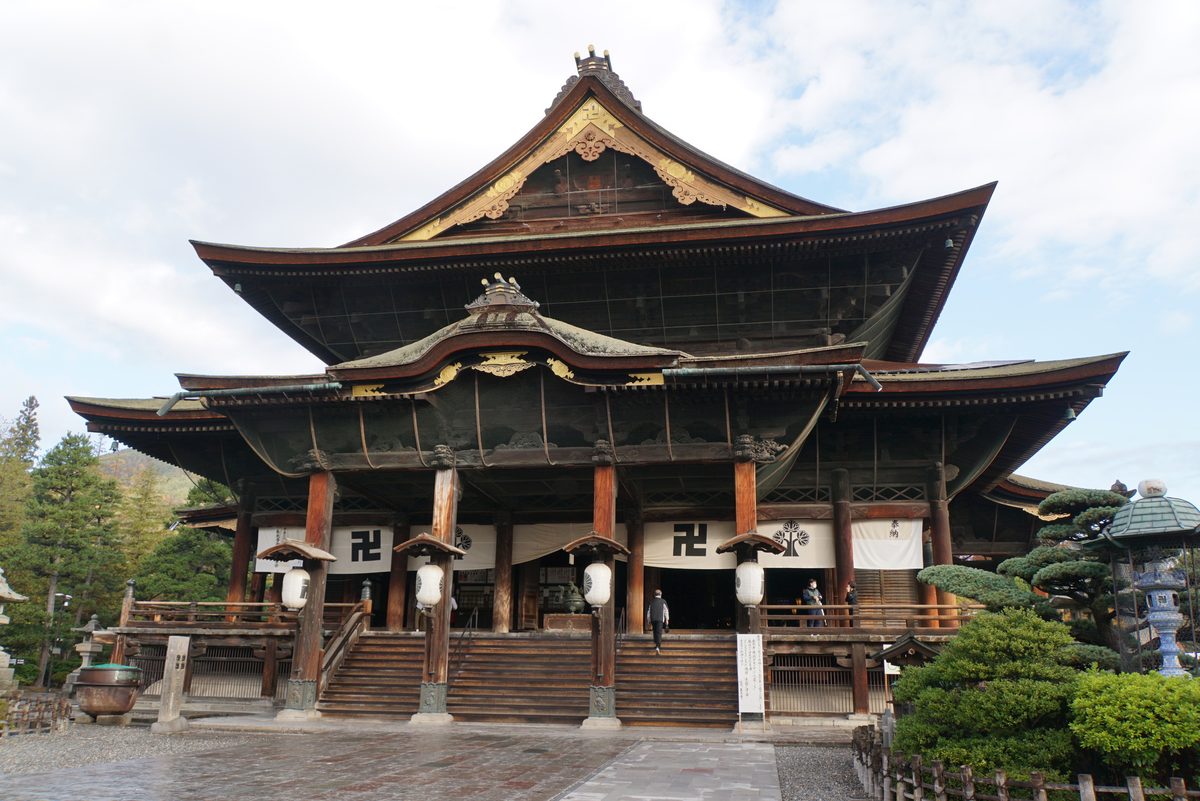
Zenko-ji Temple
One of Japan's most important Buddhist temples, enshrining Japan's first Buddhist image — a golden statue that no one has seen for 1,400 years. Every seven years, a wooden replica is displayed, drawing millions. The underground Kaidan-meguri corridor lets you walk in complete darkness to touch the key to salvation.
Advertisement
When to Visit Nagano
Peak spots by season — ordered by best match.
More from Chubu
Other prefectures in the same region
Ready to visit Nagano?
Let AI build a personalized day-by-day itinerary based on your interests and travel style.
Create a Nagano Itinerary