
Kagawa Travel Guide
Japan's smallest prefecture punches well above its weight. Sanuki udon — springy, wheat-forward, served in dozens of permutations at shops open before dawn — is a genuine regional obsession. The islands of the Seto Inland Sea host one of the world's most distinctive art destinations: Naoshima and Teshima's museum-islands, where Tadao Ando concrete meets Monet and James Turrell.
3 hidden gems in Kagawa include insider locations, local tips, and full access details.
Hidden Gems in Kagawa
Hand-picked spots off the tourist trail — all personally curated.
Chichibugahama Beach
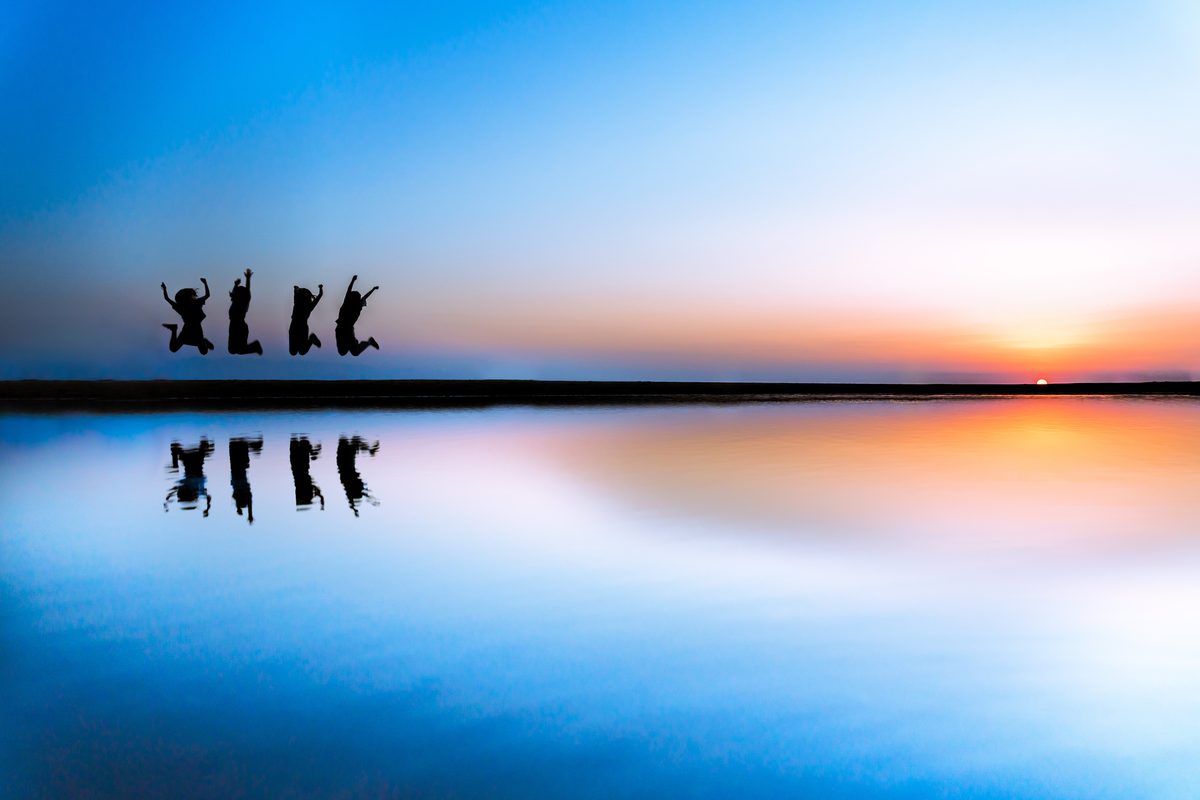
Kagawa's 'Salar de Uyuni' — at low tide, a vast flat beach becomes a perfect mirror reflecting the sky, clouds and distant islands. The effect lasts only 30–60 minutes and requires specific conditions.
Kotohiragu Shrine (Konpira-san)
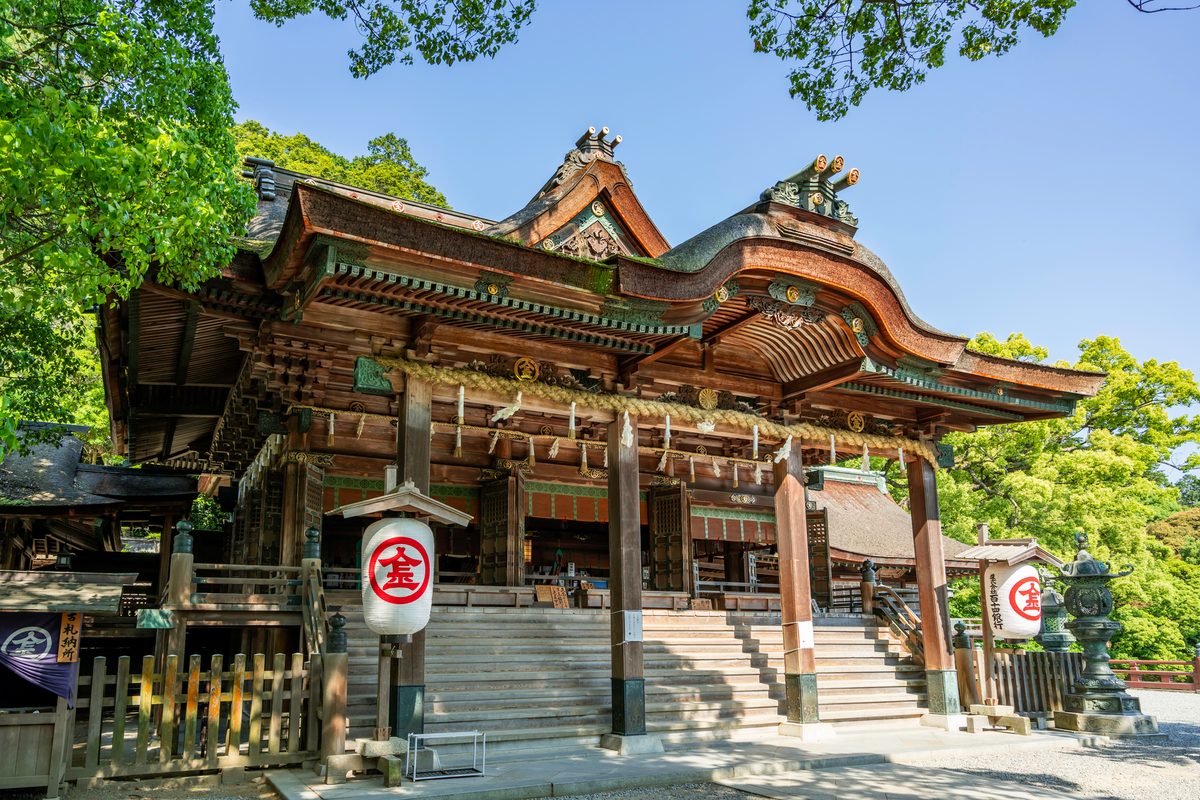
Shikoku's most famous shrine, reached by climbing 1,368 steps up a forested mountain. The ascent takes 1–2 hours through stone lanterns, treasure halls, and increasingly wild forest.
Marugame Castle
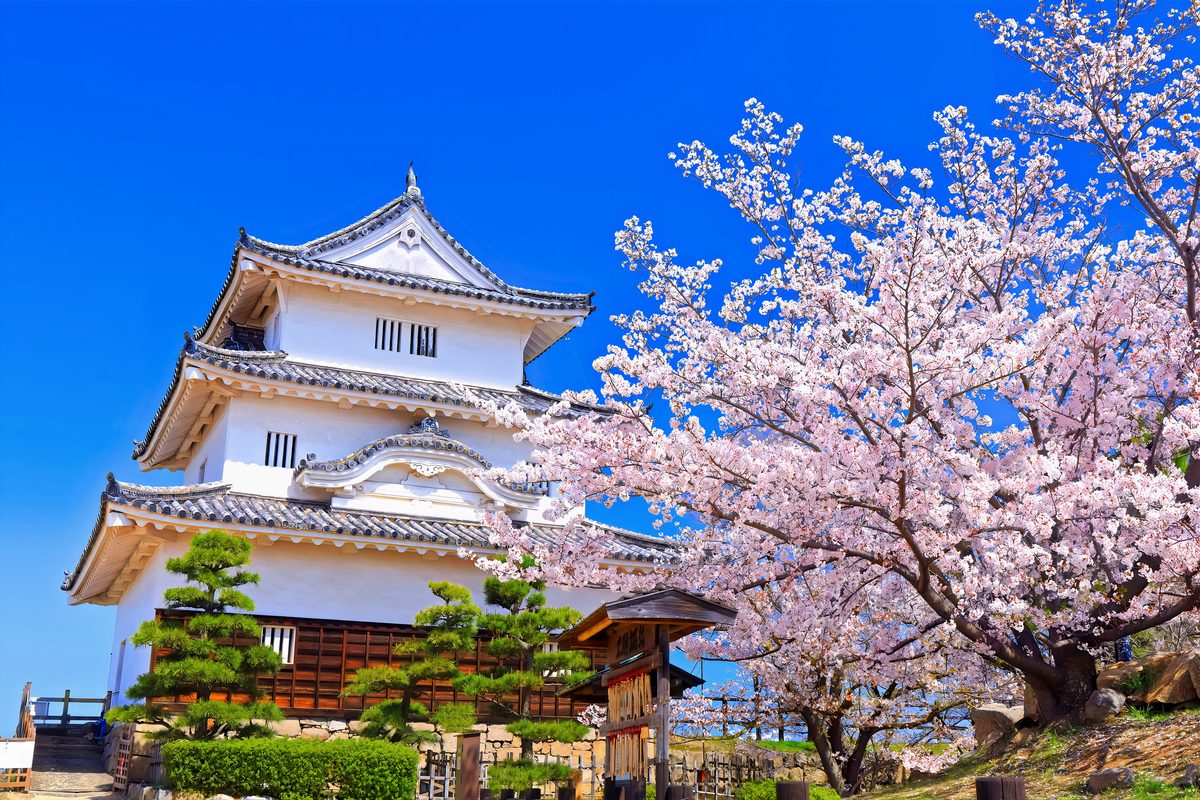
Japan's highest stone walls (60m fan-shaped ramparts), topped by one of Japan's 12 surviving original wooden keeps. The construction geometry is considered masterful — the walls curve outward, impossible to climb.
Naoshima Island
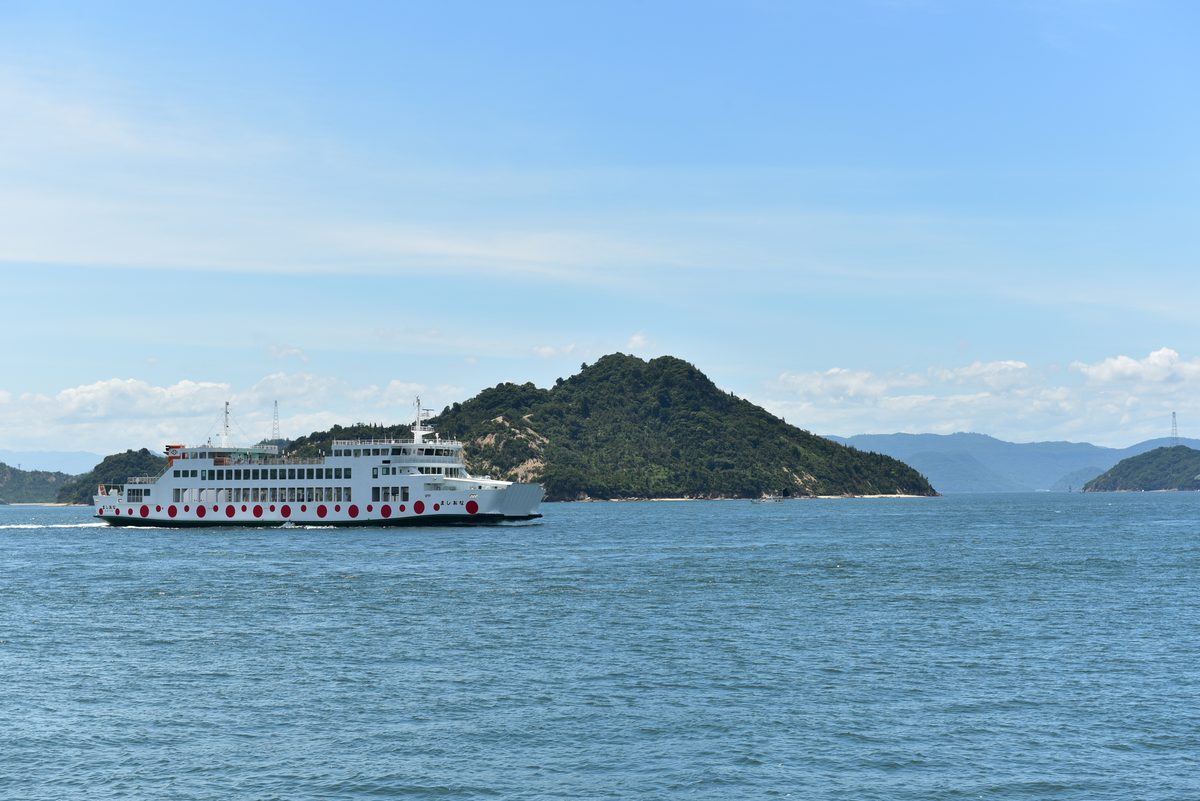
Japan's most celebrated contemporary art island — a former industrial wasteland transformed by Tadao Ando and the Benesse Foundation into a world-class open-air museum set among rice paddies and sea breezes.
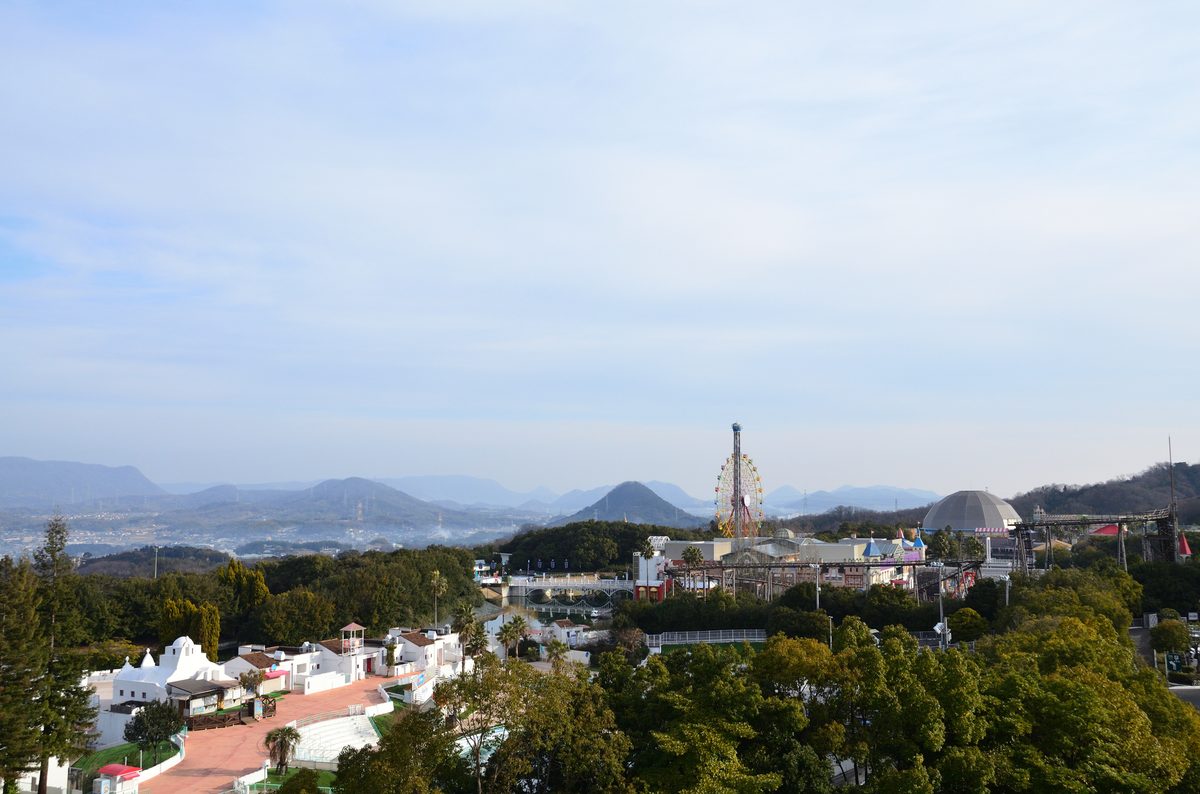
NEW Reoma World
One of Shikoku's largest theme parks, NEW Reoma World is a long-established leisure destination known for rides, seasonal flower displays, parades, and large-scale illuminations. It has stronger mainstream family appeal than smaller local attractions in inland Kagawa.
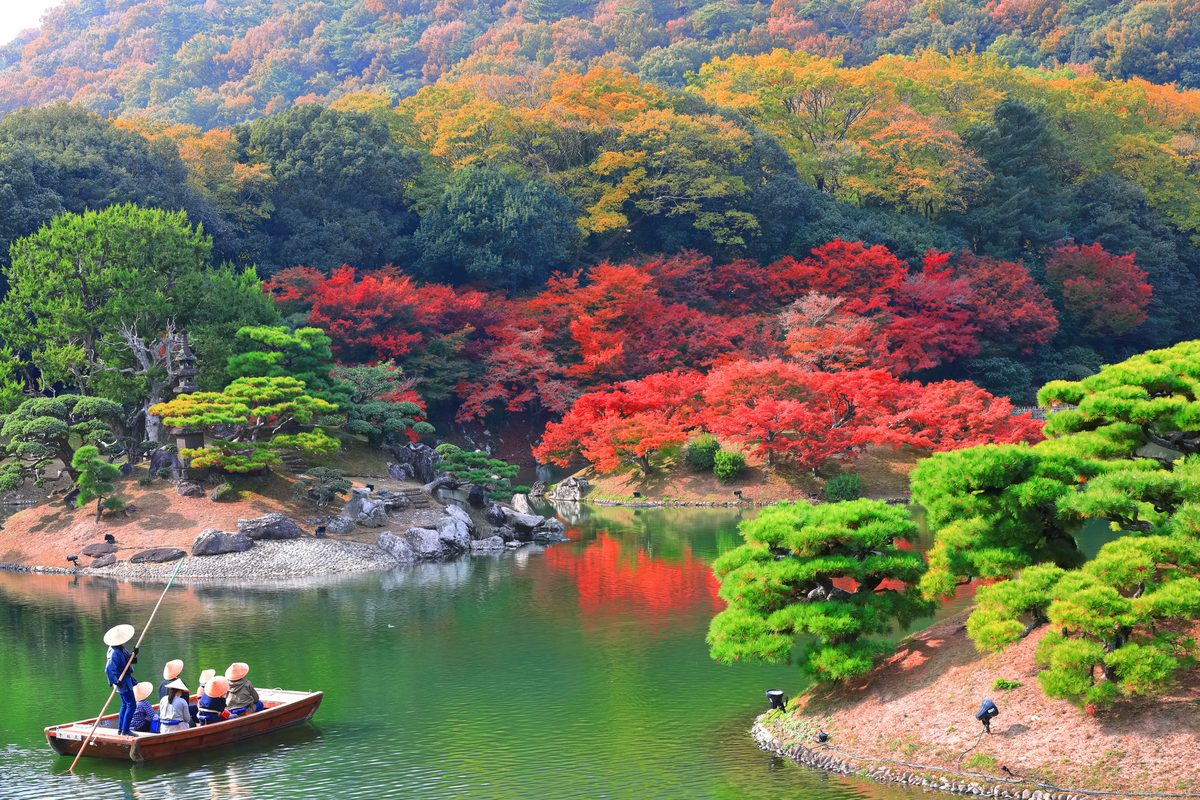
Ritsurin Koen Garden
One of Japan's finest historical landscape gardens — 100 years of development by Takamatsu domain lords created 6 ponds, 13 hills, and 1,400 manicured pines.
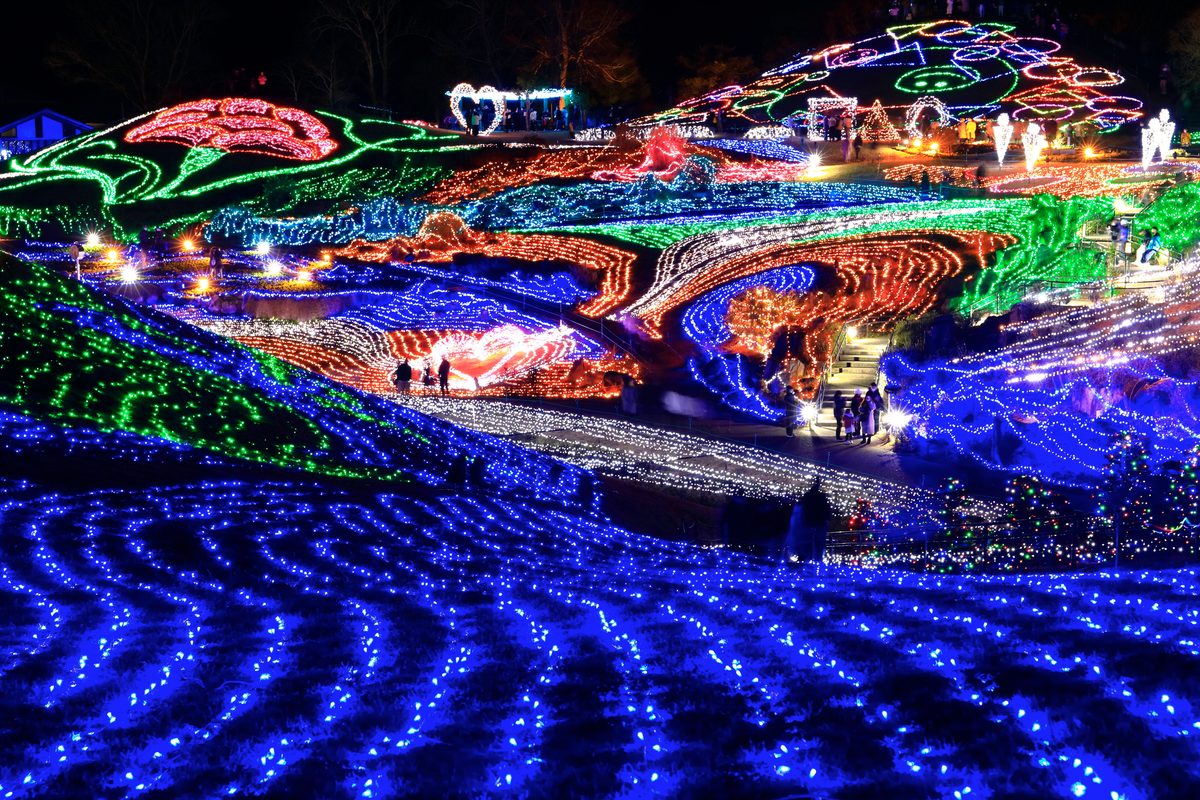
Sanuki Manno Park
Shikoku's only national government park is one of Kagawa's best-known flower and outdoor recreation destinations, with expansive grounds, cycling, playgrounds, and seasonal events. It is especially established as a repeat-visit spot for spring blooms, autumn kochia, and winter illumination.
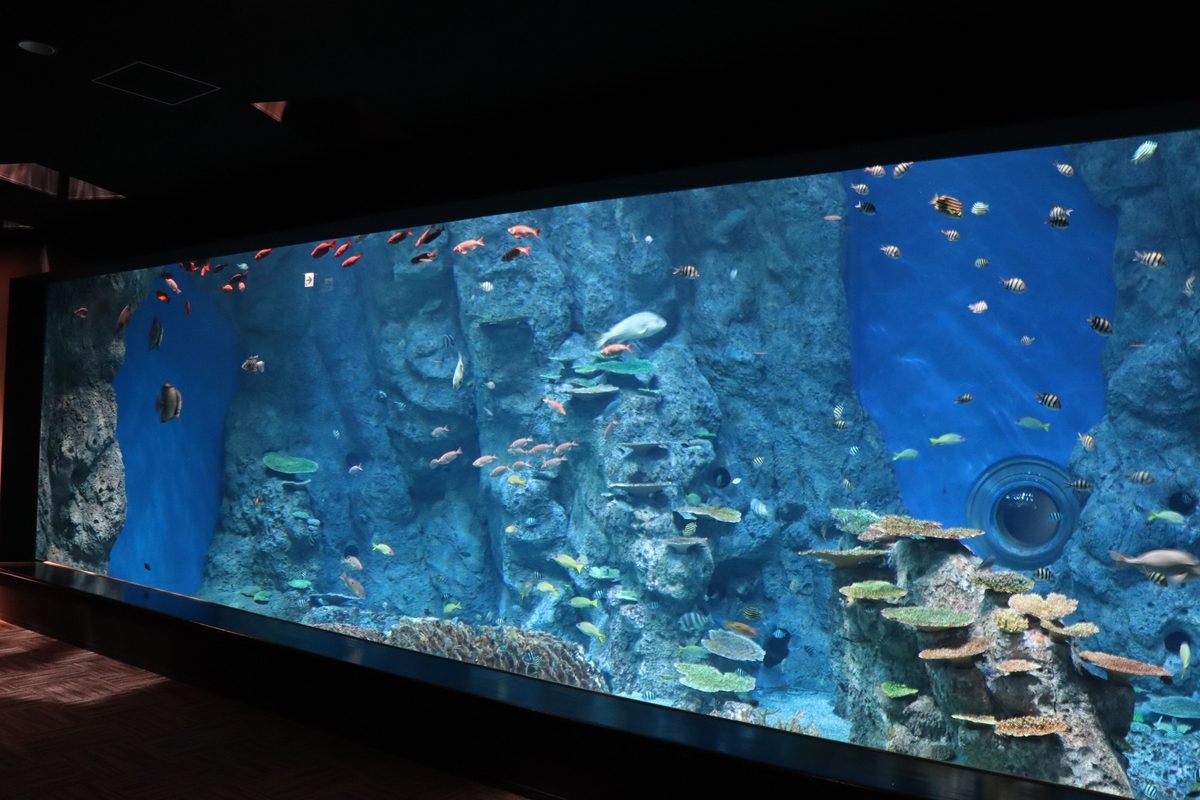
Shikoku Aquarium
One of Kagawa's highest-profile modern attractions, this major aquarium showcases roughly 400 species connected to Shikoku's seas and rivers. Its sunset-facing dolphin pool and easy access from Utazu make it a mainstream stop for first-time visitors.
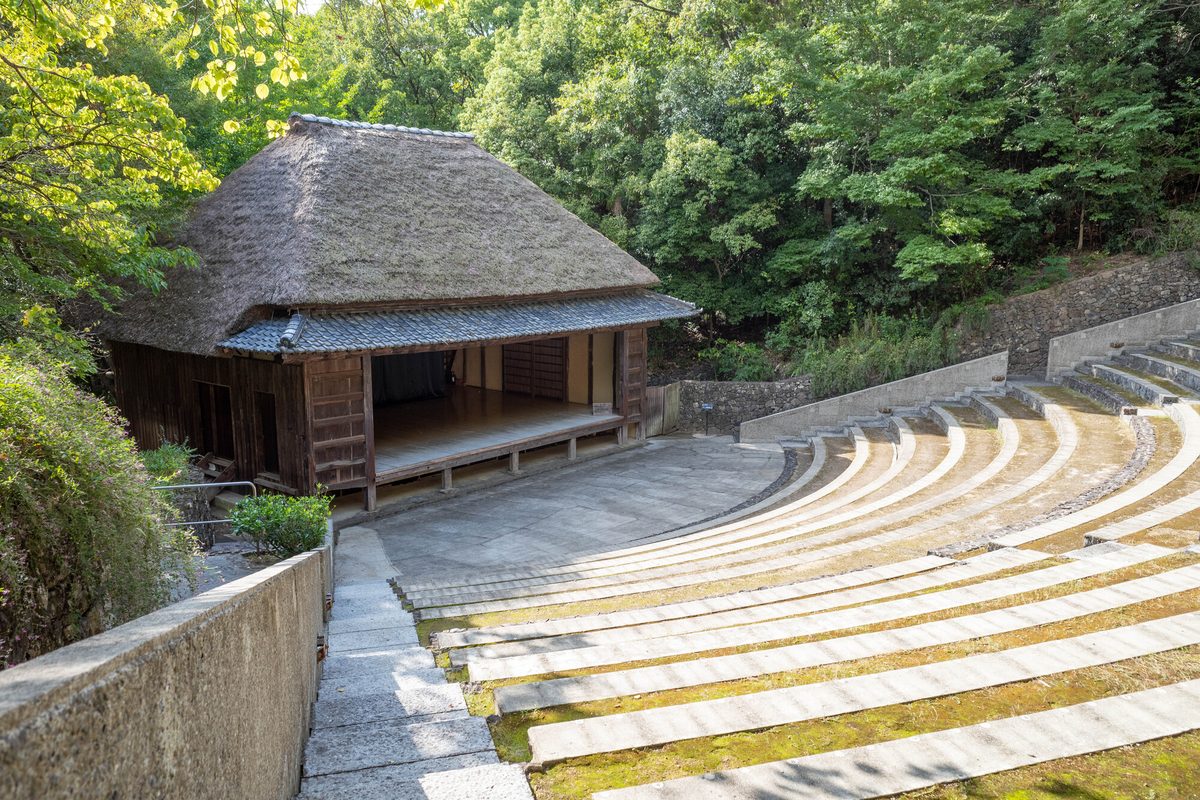
Shikoku Mura Museum
This open-air museum at the foot of Yashima gathers traditional buildings from across Shikoku, making it one of Takamatsu area's most established cultural sightseeing stops outside the better-known plateau itself. The grounds, relocated folk architecture, and Tadao Ando-designed gallery give it broad appeal.
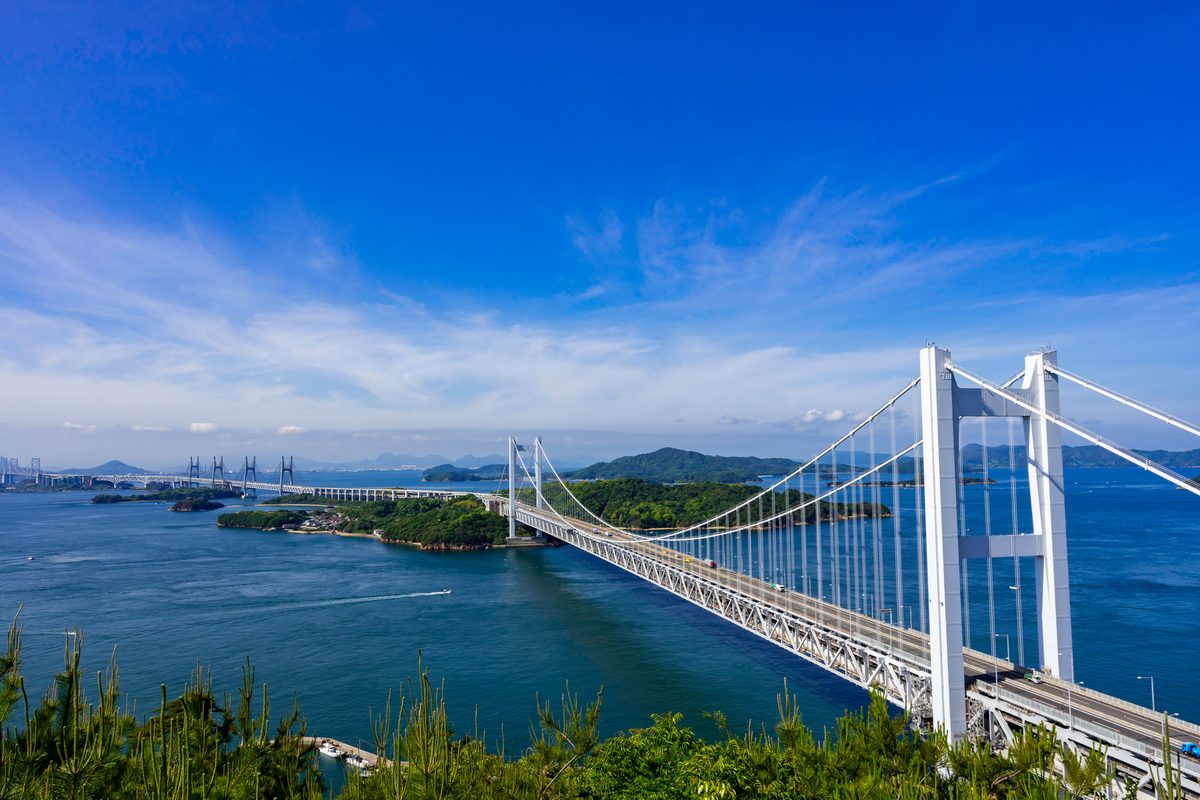
Shiwaku Islands
Former pilot-guild islands where medieval Japan's greatest navigators lived. Honjima Island preserves one of Japan's finest concentrations of traditional merchant houses from the 17th–19th centuries.
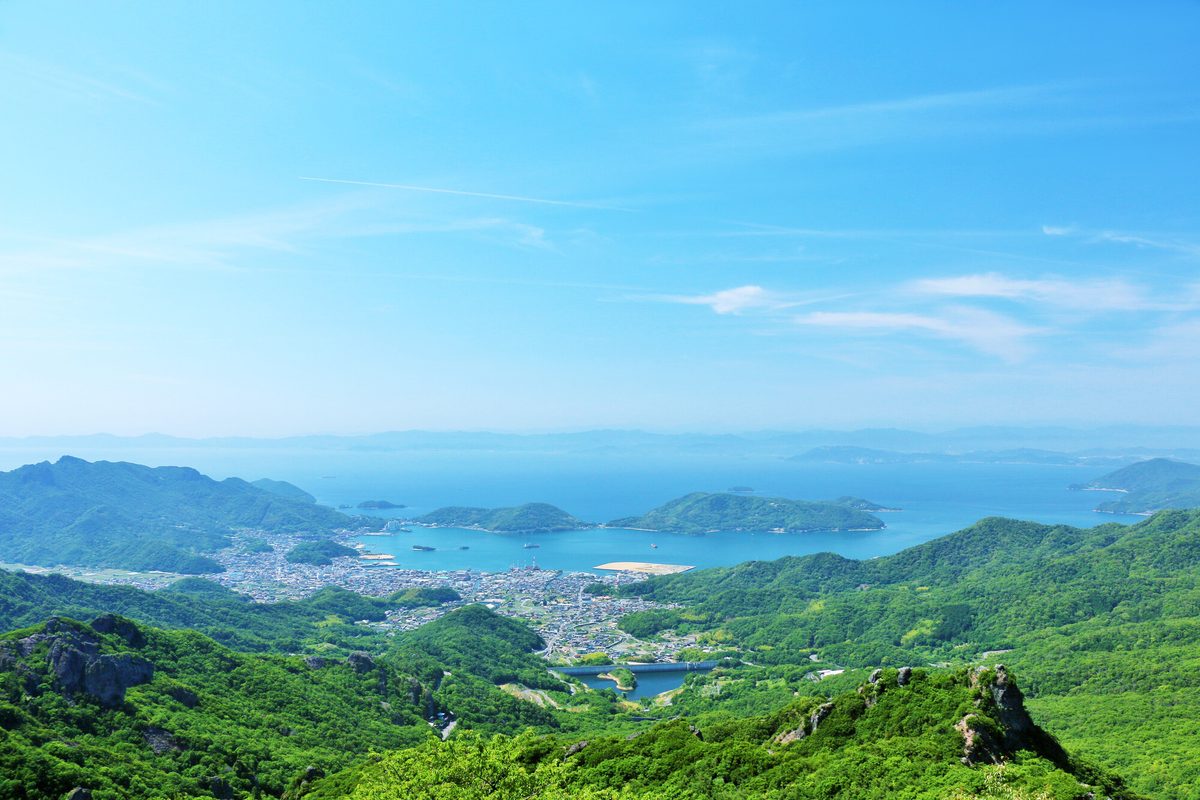
Shodoshima Island
Kagawa's largest island — olive groves, Angel Road tidal sandbar, soy sauce breweries and sesame oil production. Often called Japan's Greece for its Mediterranean microclimate.
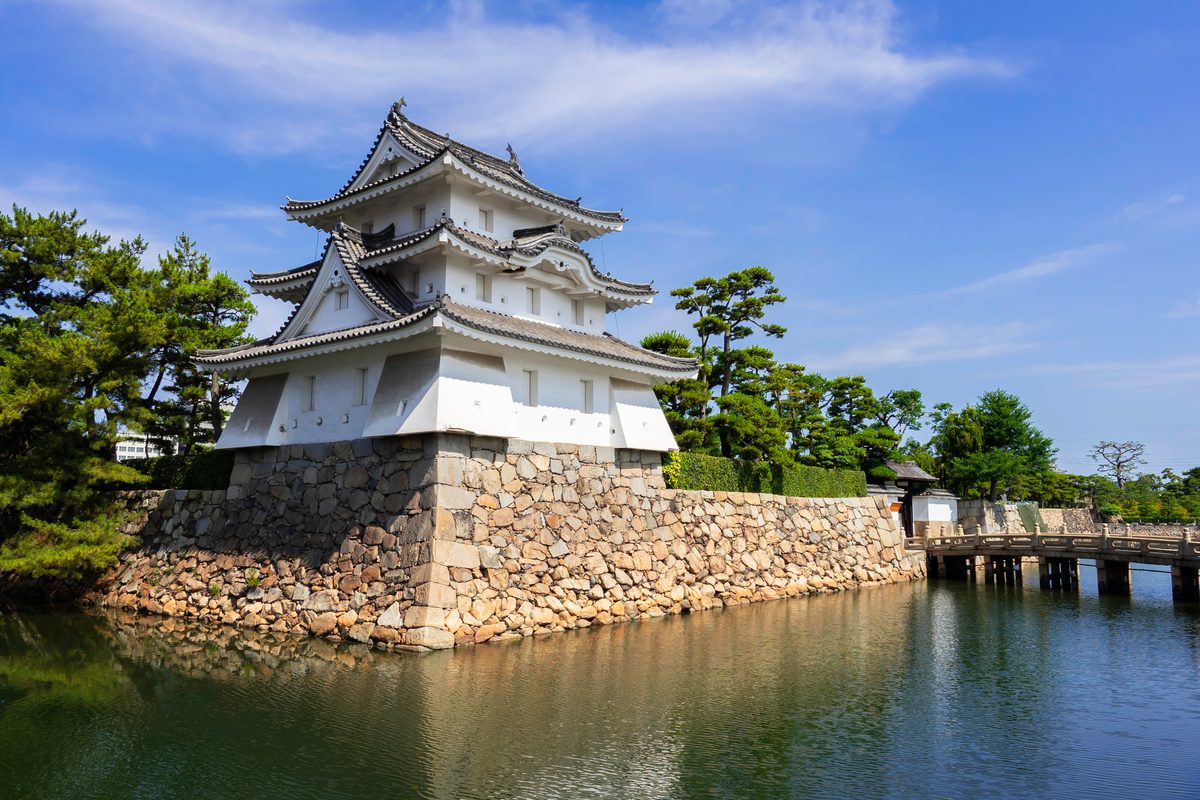
Takamatsu Castle (Tamamo Park)
One of Japan's three great sea castles — the tide once entered directly into the moat, and on storm days still does. The elegant stone walls rise from the Seto Inland Sea with unusual beauty.
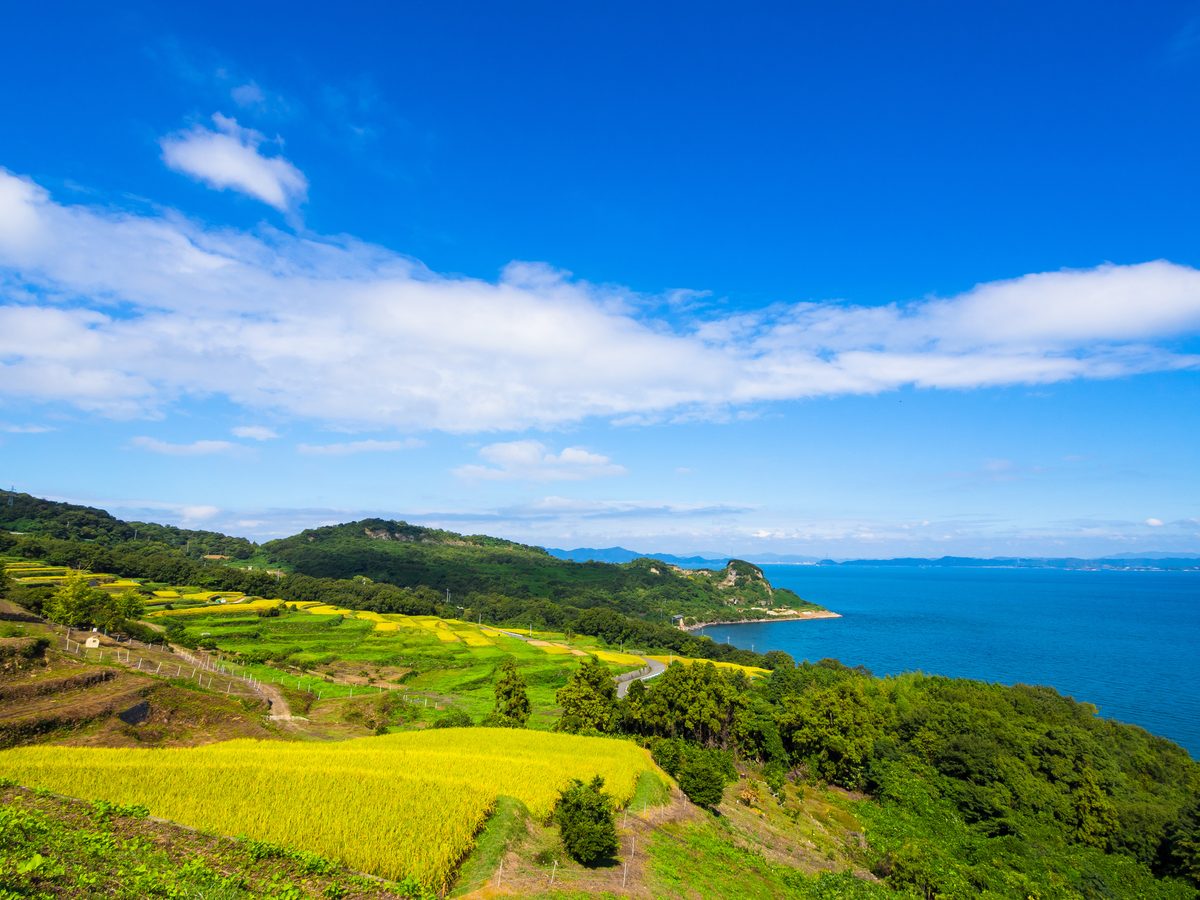
Teshima Island
Naoshima's quieter sister — the Teshima Art Museum is a concrete shell without pillars or artificial light, built over a spring. Water bubbles from the floor and light enters through apertures in the ceiling.
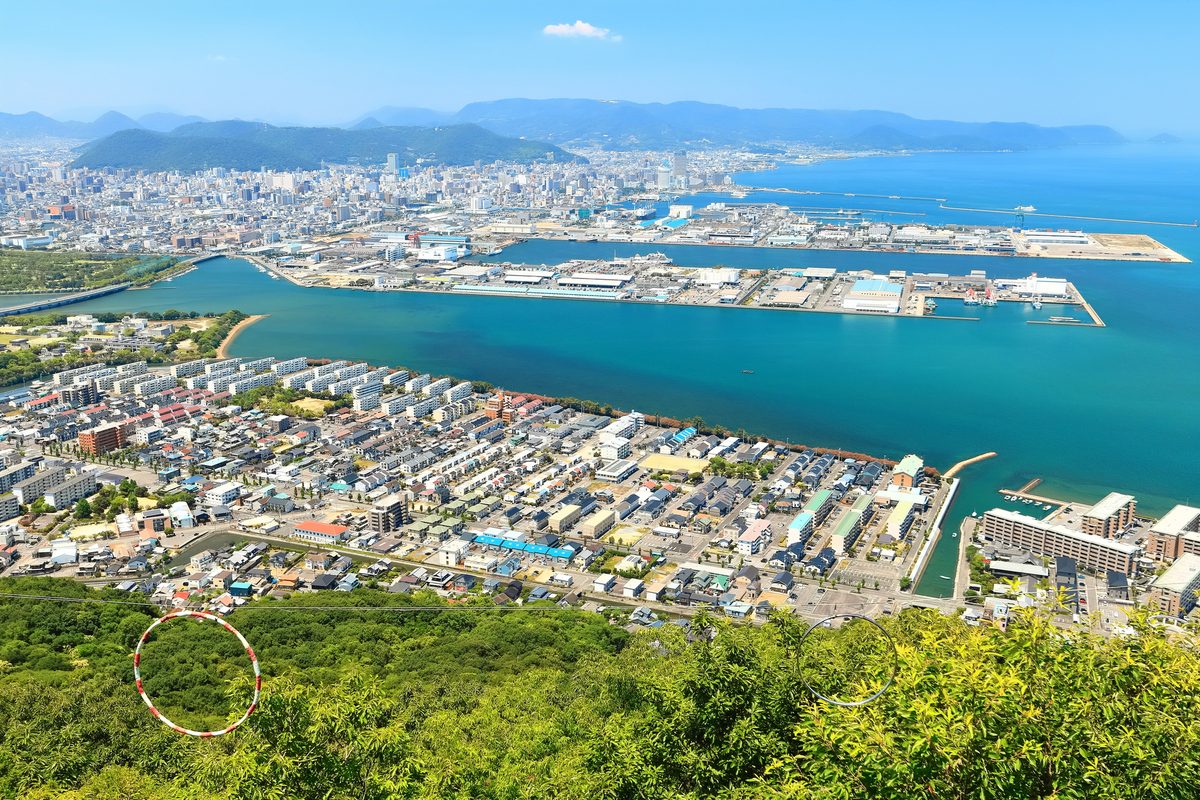
Yashima Plateau
A flat-topped mountain (292m) rising from the sea like an ancient stage — site of the decisive 1185 Yashima naval battle (Genpei War). The plateau-edge views over the Seto Inland Sea are magnificent and overlooked by tourists.
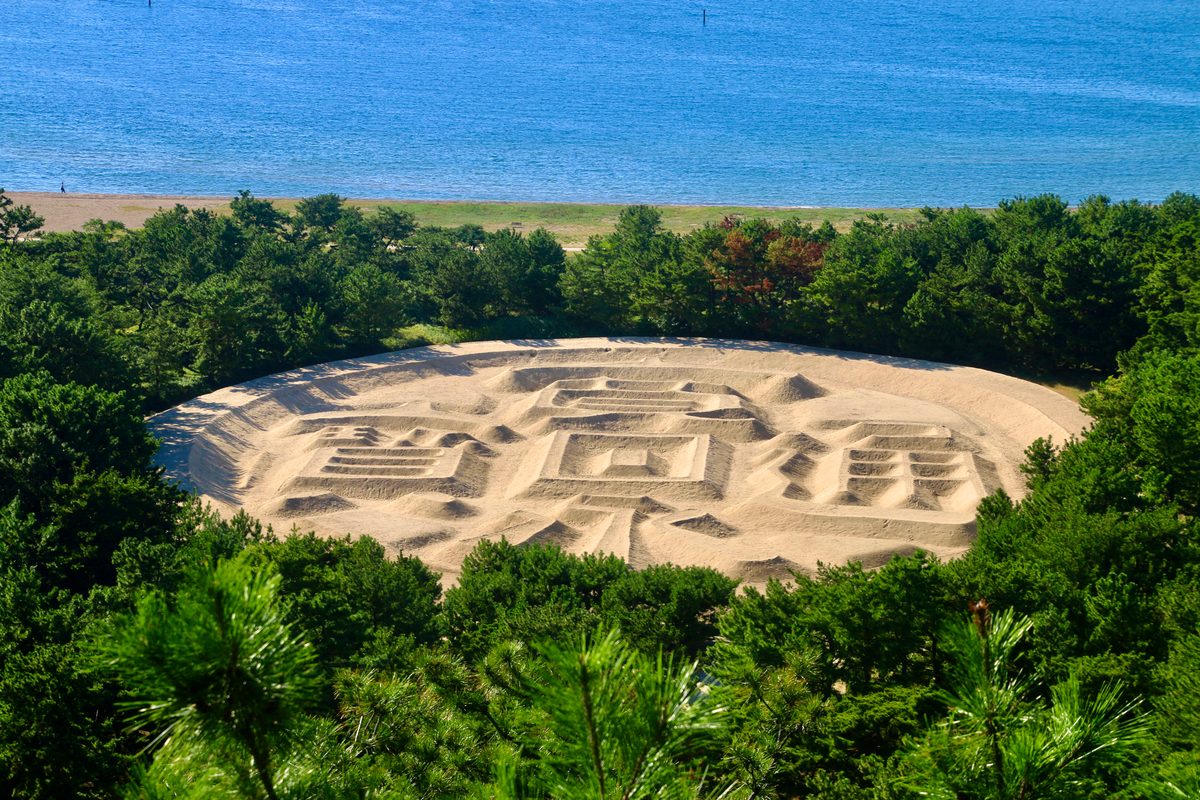
Zenigata Sand Coin
Kannonji's giant Edo-period coin-shaped sand drawing is one of western Kagawa's signature landmarks and a classic luck-themed sightseeing stop. Its scale, long-running local upkeep, and regular night illumination make it one of the prefecture's most recognizable non-island photo spots.
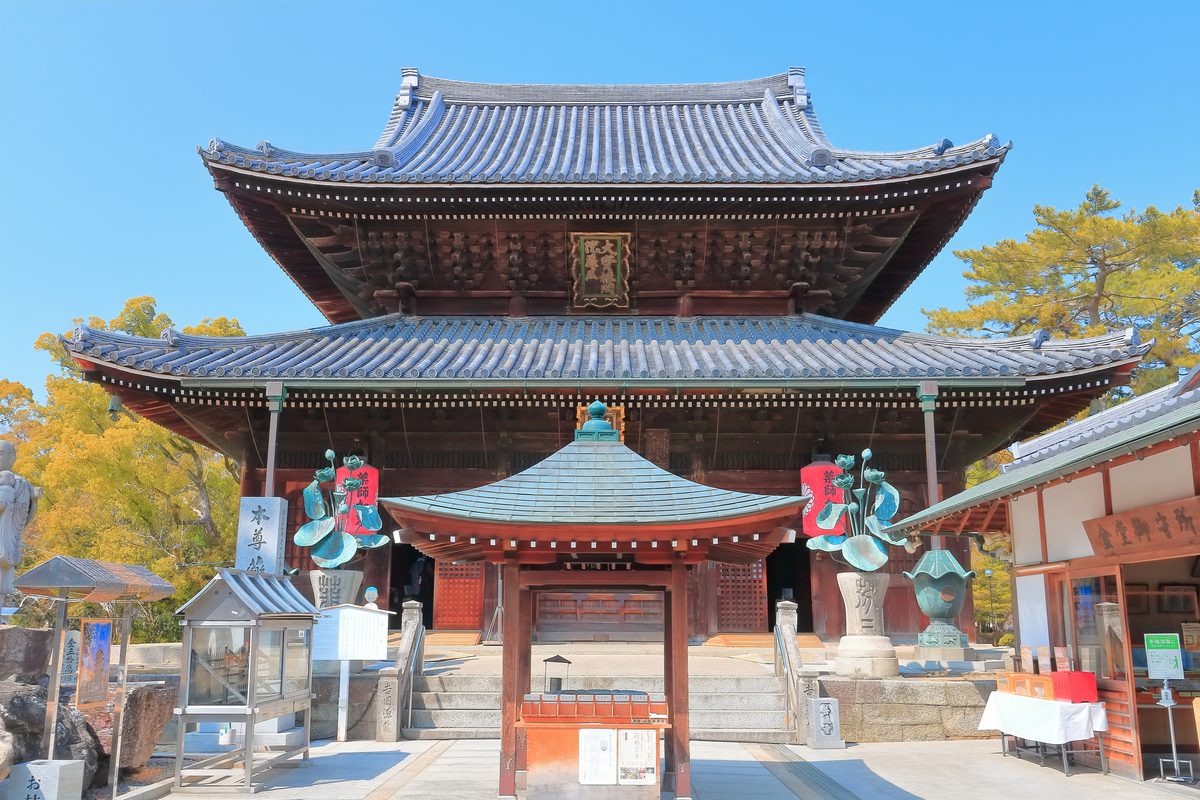
Zentsuji Temple
The largest and most sacred temple on the 88-temple pilgrimage — the birthplace of Kobo Daishi (Kukai), founder of Shingon Buddhism, in 774 AD. The underground tunnel walk is uniquely immersive.
Advertisement
When to Visit Kagawa
Peak spots by season — ordered by best match.
More from Shikoku
Other prefectures in the same region
Ready to visit Kagawa?
Let AI build a personalized day-by-day itinerary based on your interests and travel style.
Create a Kagawa Itinerary