
Where to Go in Japan for a Second Trip
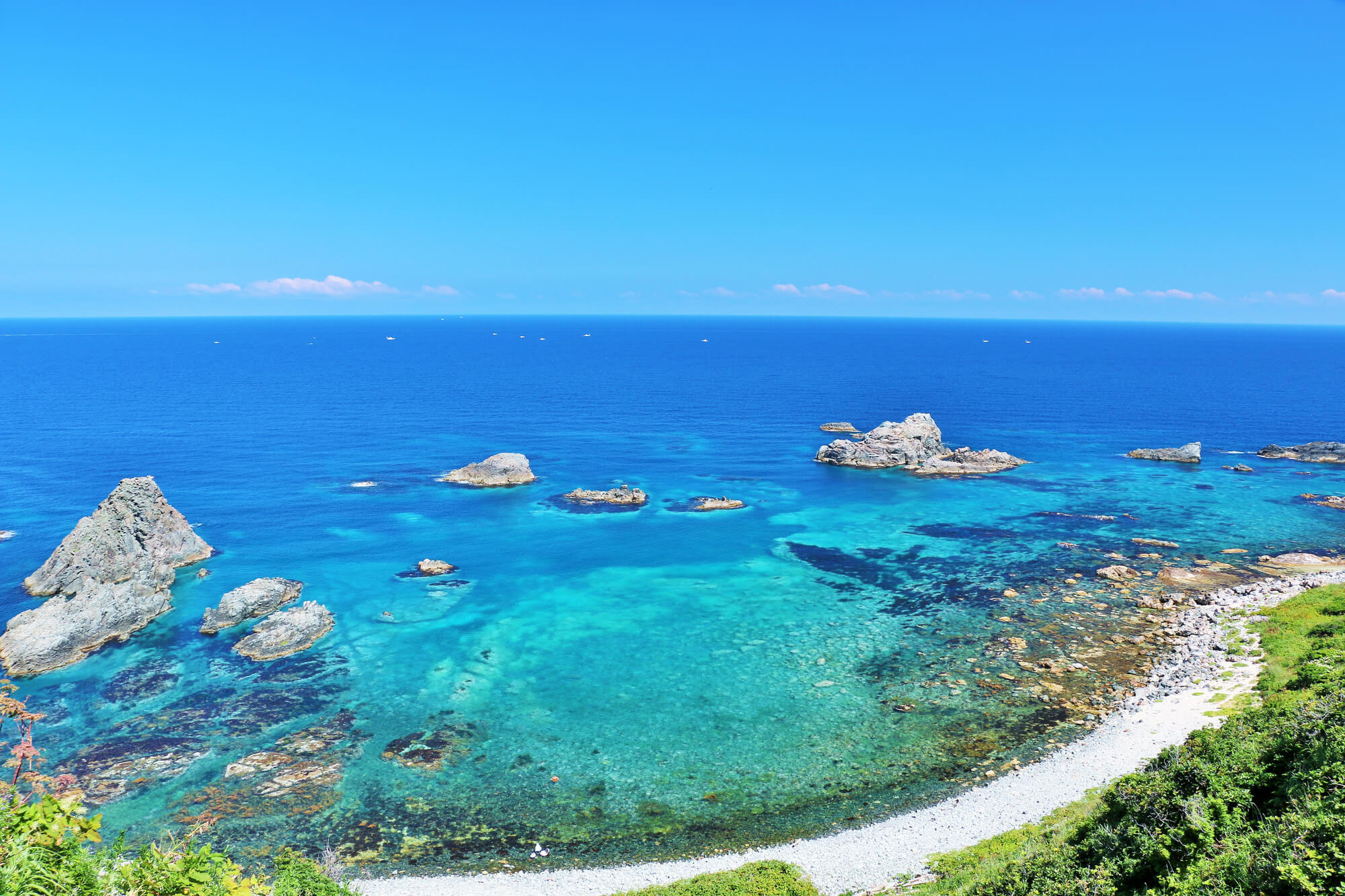
The Tokyo–Kyoto–Osaka loop is a good first trip. Those cities earned their reputations and the infrastructure for visiting them is excellent. The second trip is harder to plan — not because Japan runs out of things to see, but because the next tier isn't obvious. This guide covers seven destinations that stand on their own terms: each worth a dedicated visit, each different enough from what you've already done to feel like a new country.
Hokkaido — Where Japan Finally Has Room to Breathe
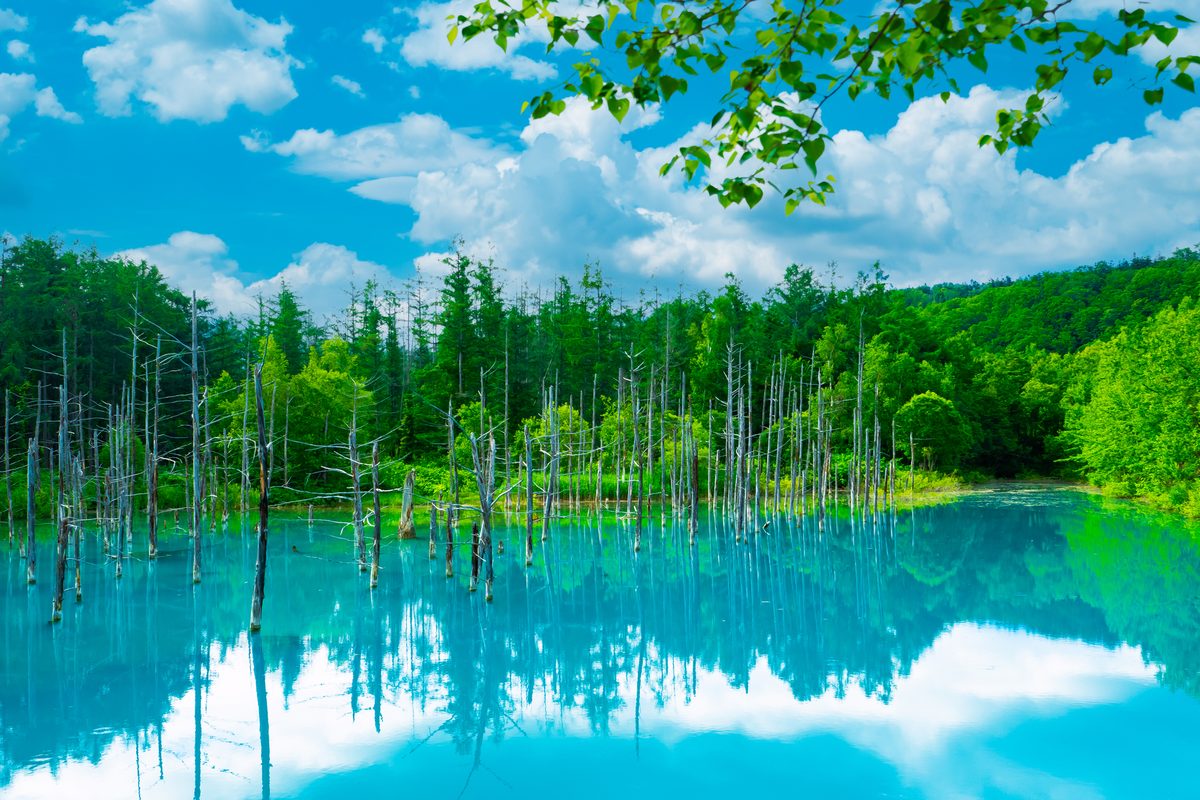
Hokkaido is Japan's northernmost island and operates differently from Honshu in almost every respect. The landscape is continental rather than compressed — wide valleys, flat plains, mountains that give you room. Sapporo, the regional capital, has a food culture built around what the surrounding sea and farmland produce: snow crab, sea urchin, scallops served still cold, dairy that shows up in everything.
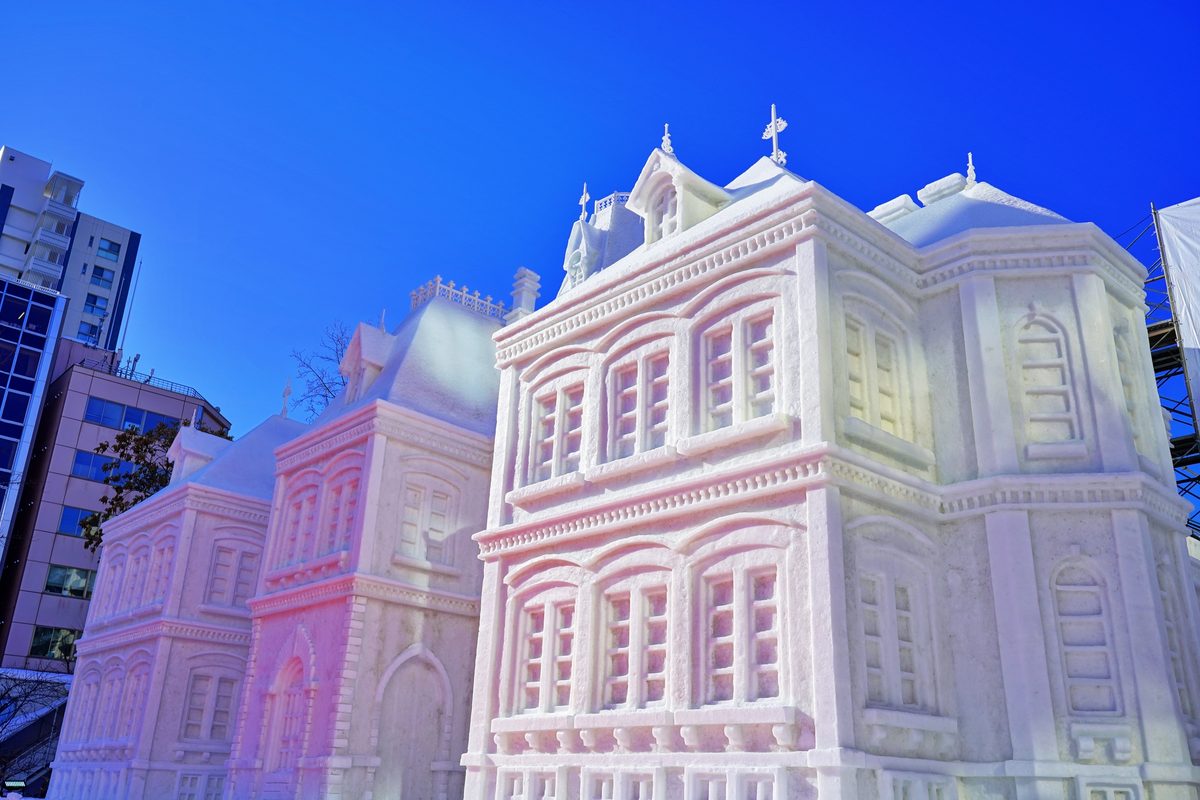
The island changes completely with the seasons. In July, the lavender fields of Furano turn the interior into something out of Provence. In winter, Niseko and Furano receive some of the best powder snow in the world, and the Sapporo Snow Festival fills the city's parks with enormous ice sculptures. Spring brings cherry blossoms two weeks after Tokyo's — useful if you missed them. No single trip captures all of it.
Why here on a second trip: Most first-time Japan itineraries skip Hokkaido entirely — it feels like an add-on, and the island requires a flight or overnight train. That barrier keeps it genuinely uncrowded. Best season: July for Furano lavender; February for skiing and the Snow Festival; late April to early May for cherry blossoms. Allow three to four days minimum.
Explore Hokkaido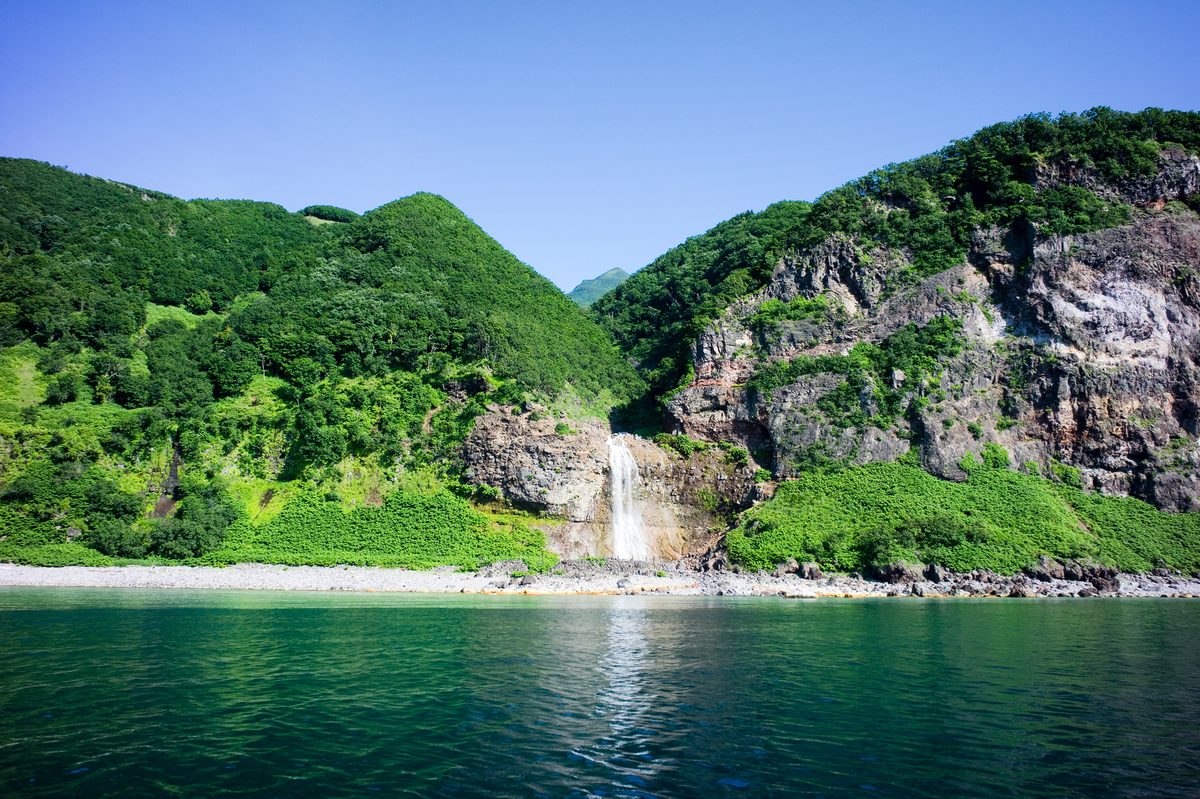
Hiroshima and Miyajima — History and an Island Worth the Photographs
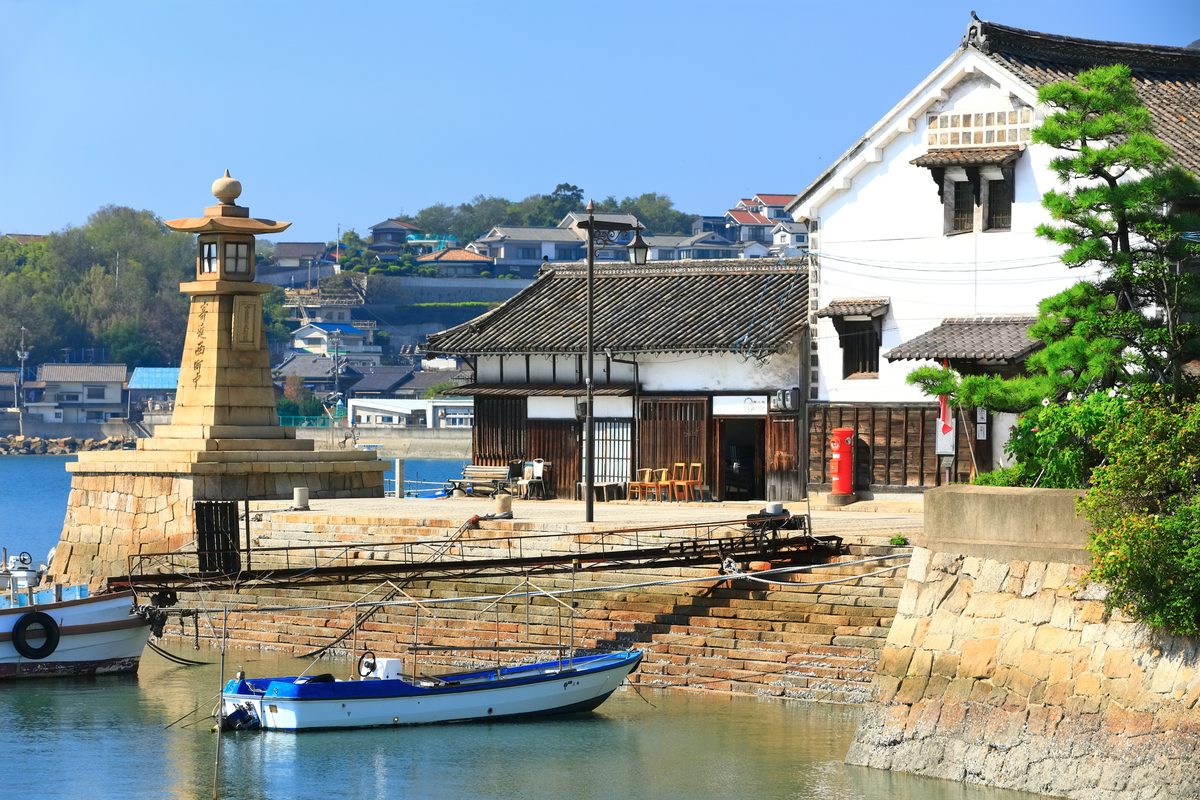
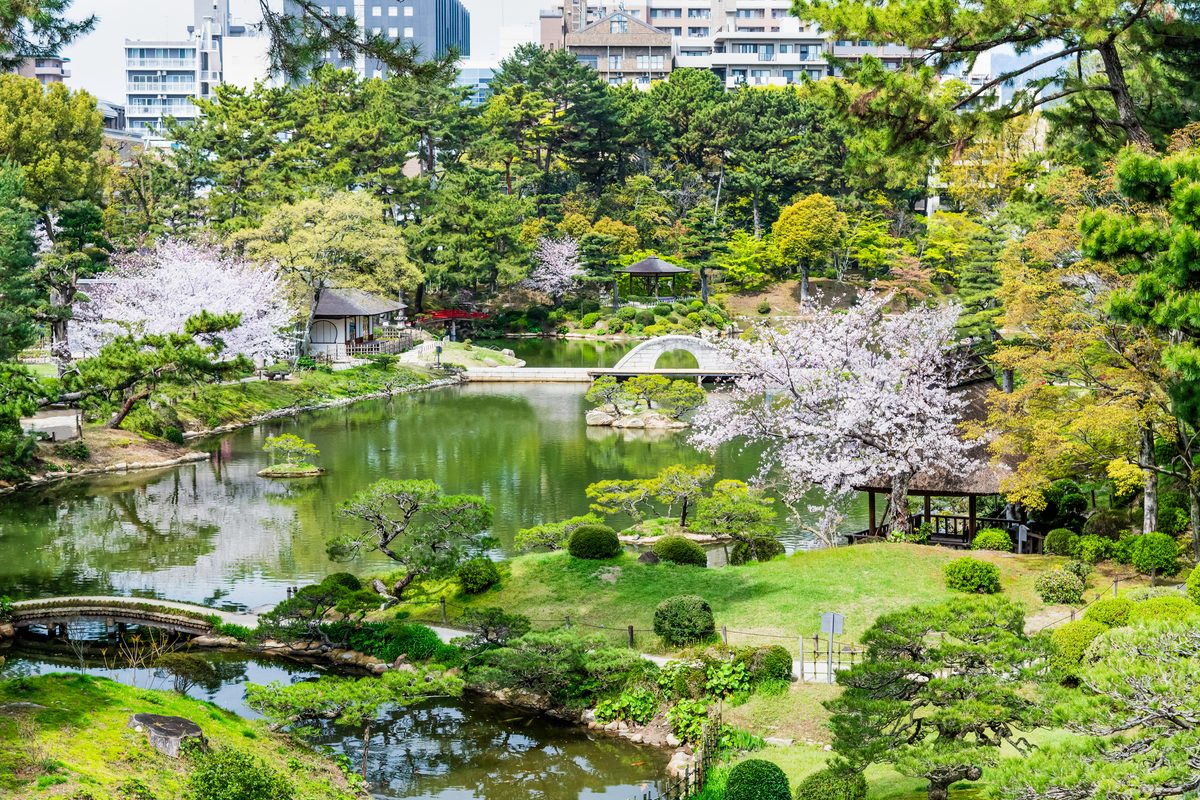
Hiroshima earns its place on any Japan itinerary, and it's often planned but skipped in practice — people run out of time. The Peace Memorial Park and Museum are not comfortable to visit, but they are serious and necessary. The museum does not flinch, and leaving it you understand something about modern Japan that temple tours don't address.
Miyajima island is thirty minutes by ferry from the city. The floating torii gate — standing in the sea at high tide — is one of the most reproduced images in Japanese travel photography, which usually means crowds and disappointment. Here it delivers. The island has deer, a hillside cable car, and an approach to the shrine through covered arcades selling grilled oysters. Stay overnight and the crowds leave with the last ferry.
Why here on a second trip: Not because it's obscure — it isn't — but because the combination of the Peace Memorial and Miyajima gives Hiroshima a range that most stops don't. The city has good food (okonomiyaki built at the table in layers, local oysters) and a functional modern feel that contrasts with both the museum's weight and the island's atmosphere. Best season: spring for cherry blossoms along the Peace Park river; autumn for Miyajima maple colour. Allow two days.
Explore Hiroshima
Takayama — An Edo-Period Town That Never Left the Mountains
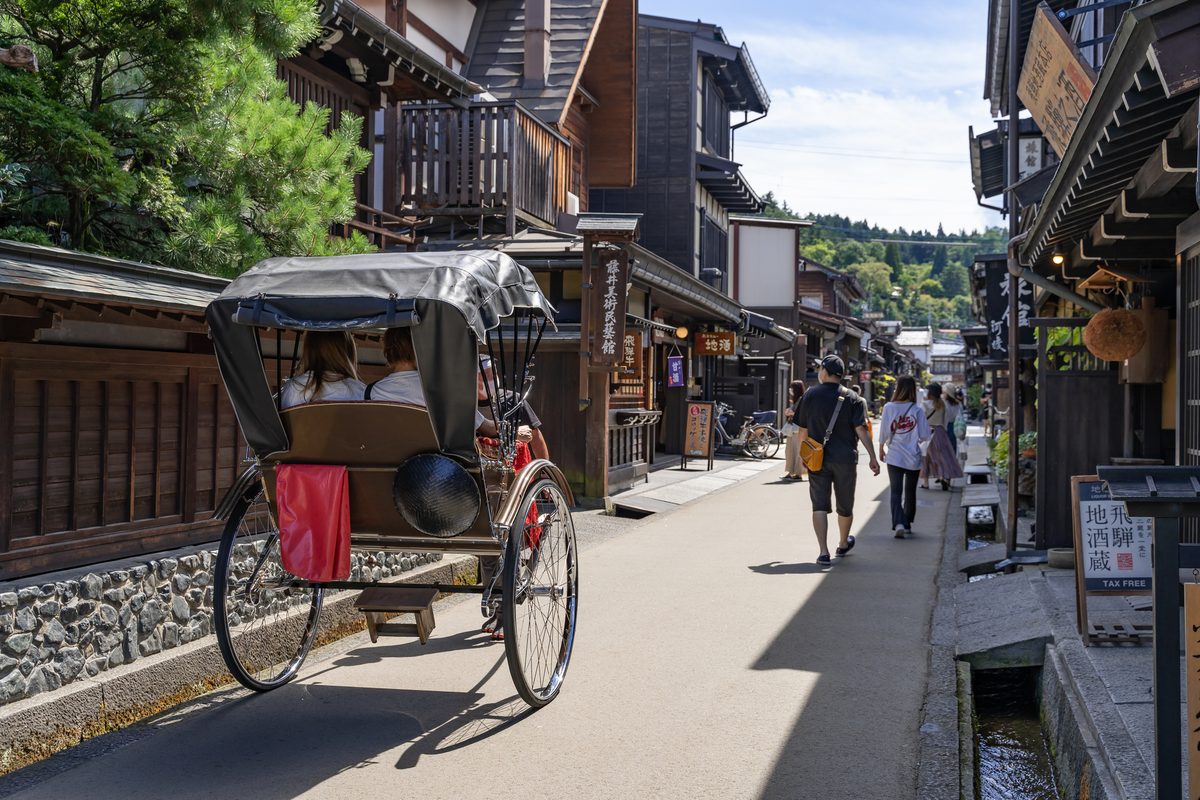
Takayama sits at 560 metres in the Hida Mountains of Gifu Prefecture, accessible only by limited express through a sequence of river gorges. The old town — Sanmachi Suji — is a preserved grid of Edo-period sake breweries, merchants' houses, and craft shops, most still operating. This is not a reconstruction. The buildings are original, the sake is made in the same warehouses, and the morning markets have been running for three hundred years.
The Hida Folk Village, a ten-minute walk from the station, collects traditional farmhouses from across the region — gassho-zukuri structures with steeply pitched thatched roofs designed to shed serious snowfall. In winter, with snow on the roofs and smoke rising from the irori hearths inside, the effect is difficult to overstate. From here, the UNESCO-listed gassho-zukuri villages of Shirakawa-go and Gokayama are day trips.
Why here on a second trip: Takayama is popular with independent travellers who know about it, but sits outside the main Shinkansen network in a way that keeps group tours away. Two days is right. Best season: spring for cherry blossoms against old town rooflines; late October for autumn colour; winter for snow-covered gassho-zukuri — cold, but visually the most dramatic.
Explore GifuKanazawa — The Depth of Kyoto, Without Kyoto's Crowds
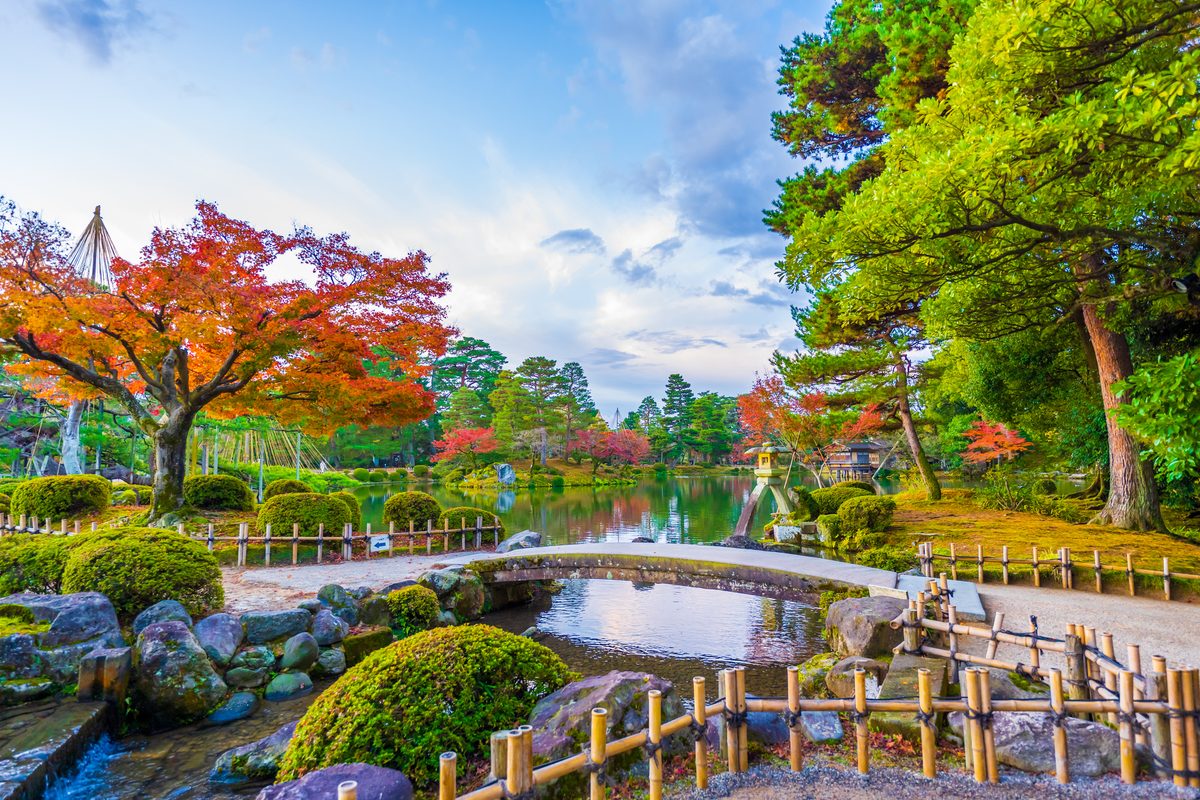
Kanazawa was one of the few major Japanese cities never bombed during World War II. The result is an intact old city — samurai residential districts, geisha quarters, teahouses — that feels lived-in rather than preserved. Kenroku-en, one of Japan's three great landscape gardens, changes with the seasons: snow-weighted pine branches in winter, azaleas in May, maple colour in November.
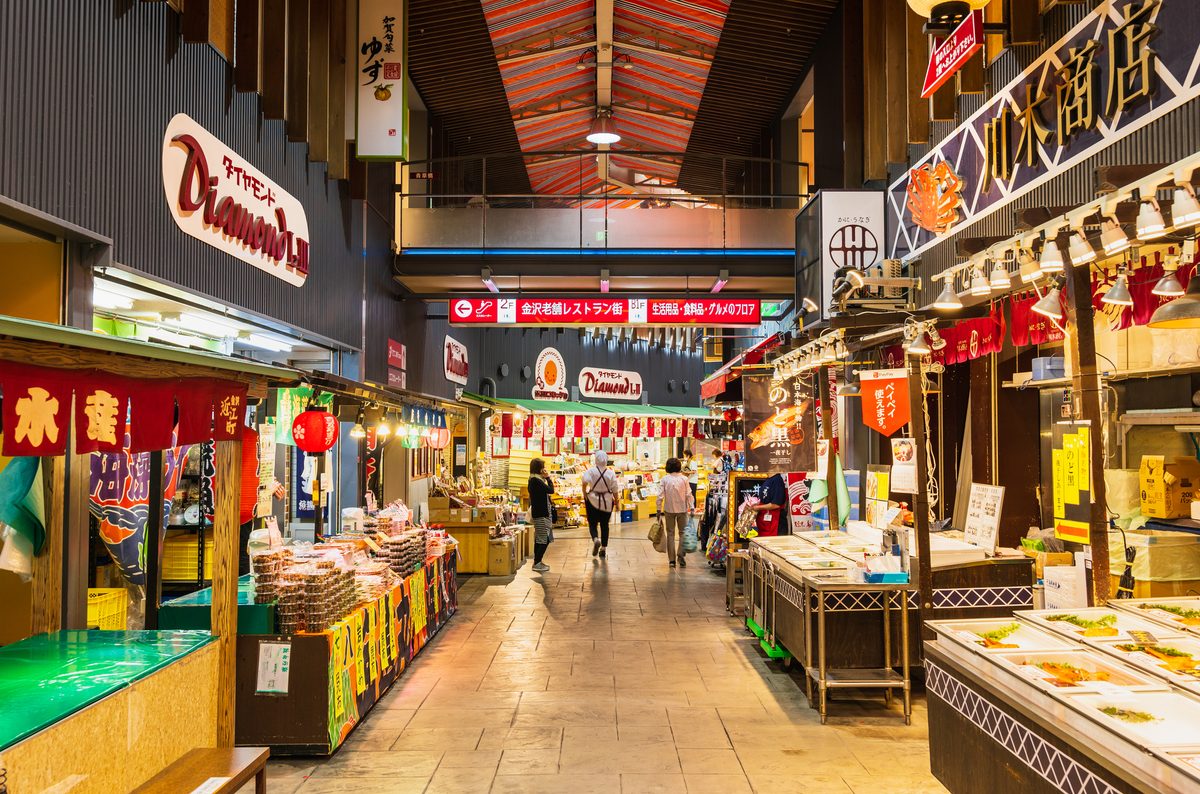
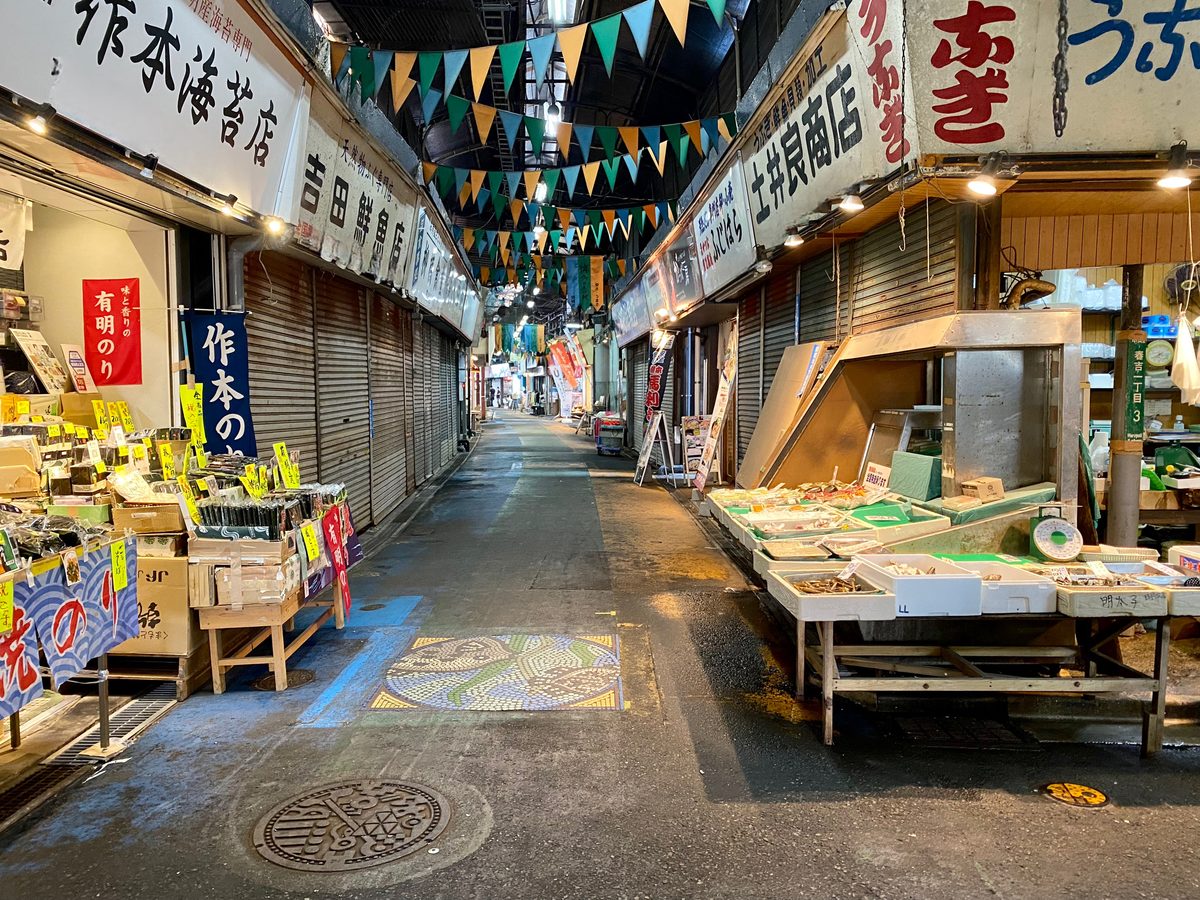
The food is the other reason to come. Kanazawa sits on the Sea of Japan coast and has built a serious culinary reputation on what that means: dungeness crab in winter, fatty yellowtail, oysters, and the kaisen-don bowls at Omicho market worth getting up early for. The 21st Century Museum of Contemporary Art — free entry to parts of it — is one of the better contemporary art institutions in the country.
Why here on a second trip: Kyoto receives the visitor numbers. Kanazawa has the same depth of cultural tradition — lacquerwork, Noh theatre, Japanese sweets, tea ceremony — at a fraction of the crowds. Two days is comfortable. Best season: spring for Kenroku-en cherry blossoms; winter for crab season and the dramatic yukitsuri pine-branch supports in the garden.
Explore Ishikawa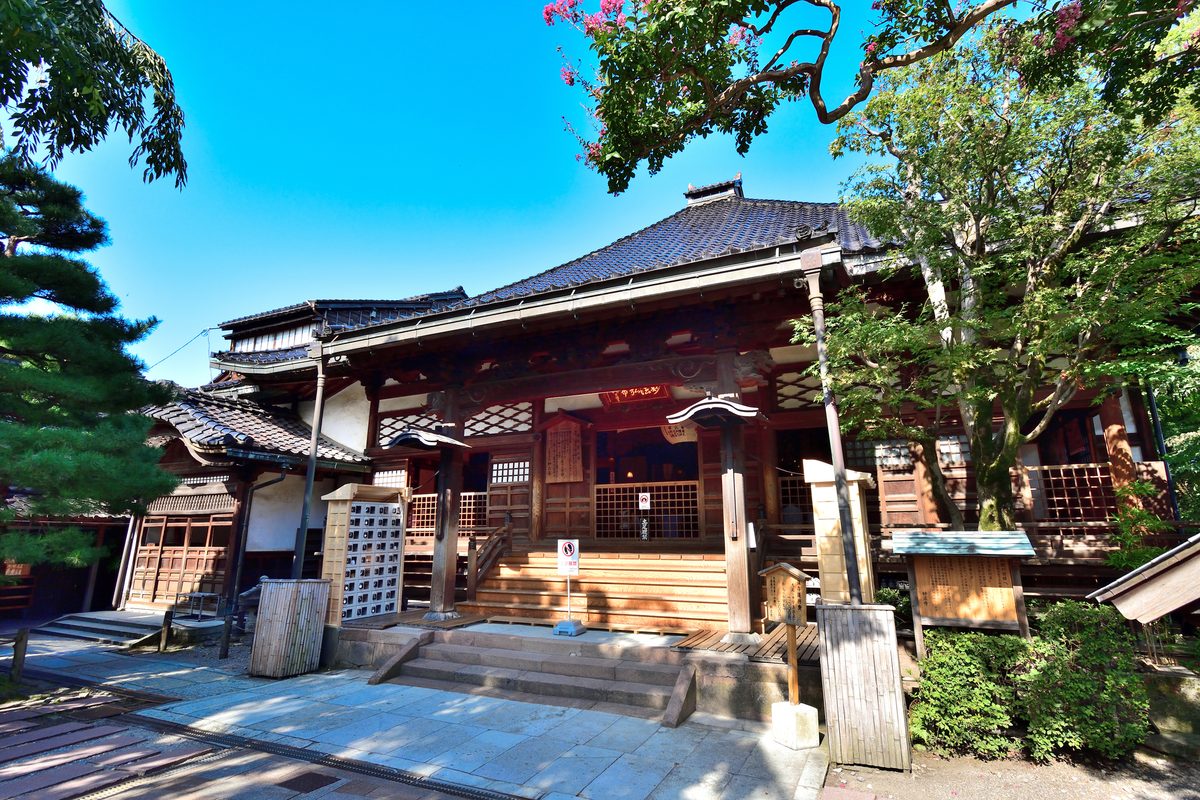
Fukuoka — Japan's Most Liveable City, and Its Best Street Food
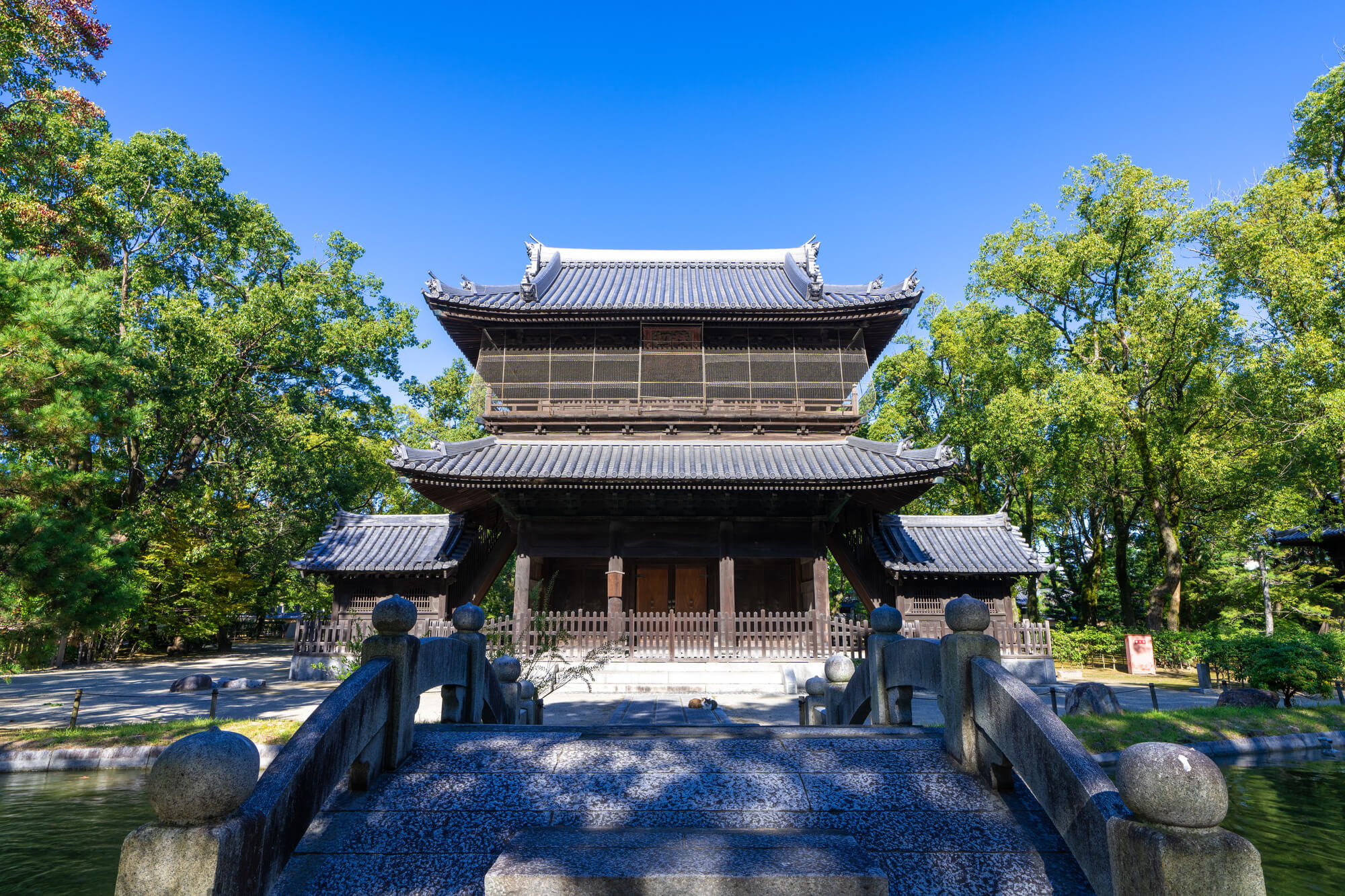
Fukuoka is Japan's fifth-largest city, the youngest demographically, and the one that comes closest to a genuinely relaxed urban energy. Hakata — the older eastern side — has a street food culture built around yatai: small canvas-covered stalls that line the river and canal banks from around six in the evening, serving Hakata ramen, grilled skewers, and mentaiko rice to a mix of salarymen, students, and visitors. The yatai are the experience.
Beyond the food, Fukuoka is the natural base for Kyushu. Dazaifu, a thirty-minute train ride, has one of the most atmospheric shrine complexes in western Japan — the plum trees alone in February are worth the detour. The fast ferry to Busan, South Korea, runs twice daily, making Fukuoka the easiest Japan–Korea crossing by some distance.
Why here on a second trip: Fukuoka gets skipped because most Shinkansen itineraries push straight through to Kyoto or Hiroshima. Treating it as a two-night destination changes things. Best season: year-round — the yatai run through rain and cold; July has the Hakata Gion Yamakasa festival, one of the most intense matsuri in the country.
Explore Fukuoka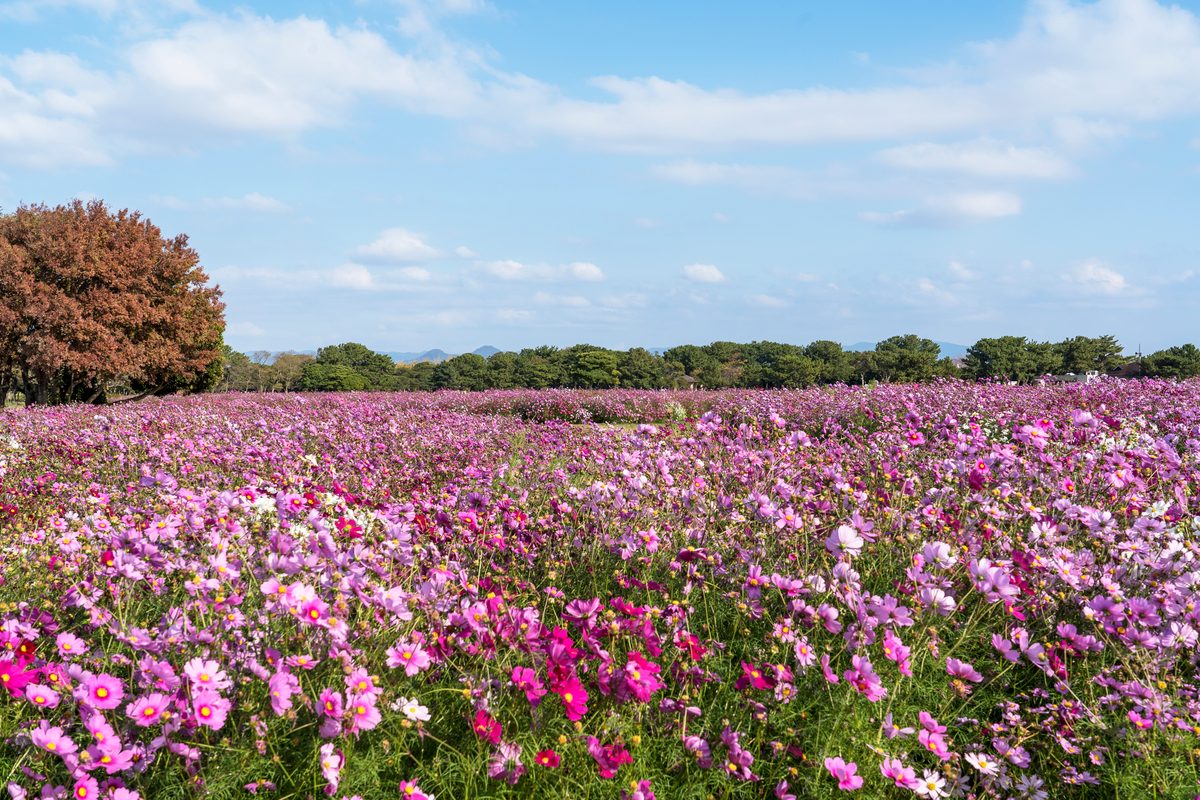
Nikko — The Exception That Makes Japan's Aesthetic Rules Legible
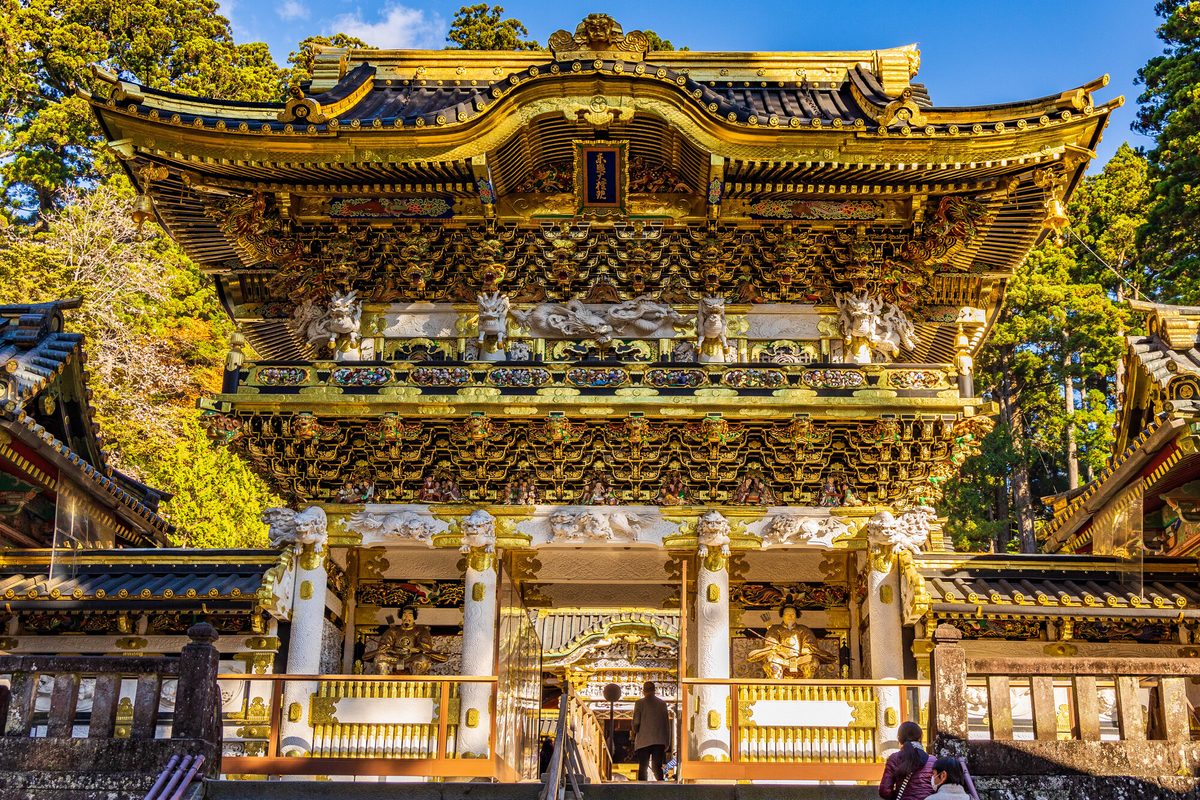
Nikko is two hours from Tokyo and it answers a question that comes up on every second trip: is there anything this close to the capital worth the detour? The Toshogu shrine complex — built in 1617 as the mausoleum of Tokugawa Ieyasu — is the most ornate religious site in Japan, and deliberately so. Where most Japanese temples are defined by restraint and negative space, Toshogu is gold leaf, lacquer, and carved animals across every surface. It is the exception that makes the rule legible.
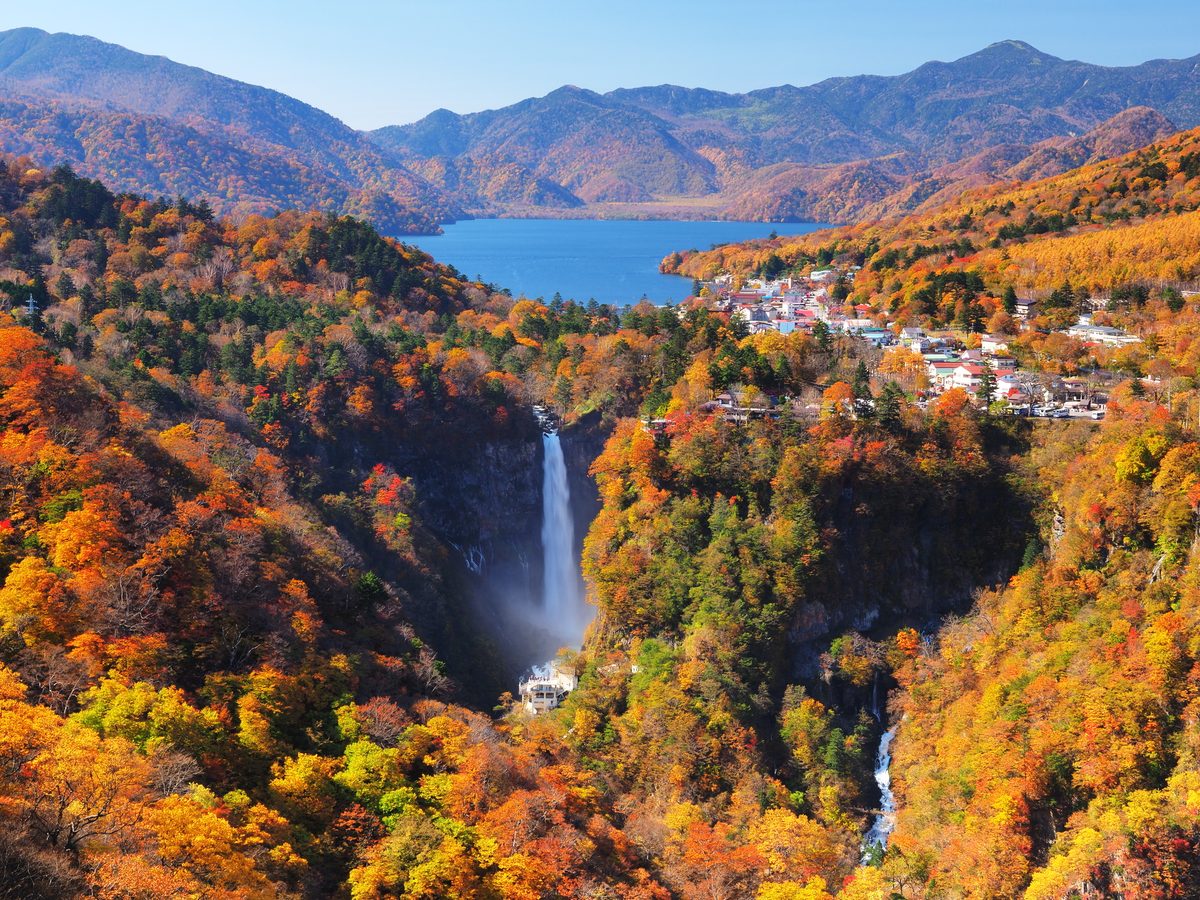
The surrounding Nikko National Park runs from the shrine complex into mountains with waterfalls, a volcanic lake, and hot springs. The Kegon Falls drop 97 metres into a gorge, and the viewing platform at the base puts you close enough to feel the spray. The road up to Lake Chuzenji passes through the Irohazaka switchbacks — 48 curves, each named after a different syllable of the Japanese phonetic alphabet.
Why here on a second trip: Nikko is often treated as a day trip from Tokyo, which undersells it. One night lets you see the shrine complex after day-trippers leave and again in the early morning — both completely different from midday. Best season: late April to May for new leaves against the shrine's lacquer; late October to November for autumn colour along the Irohazaka switchbacks.
Explore Tochigi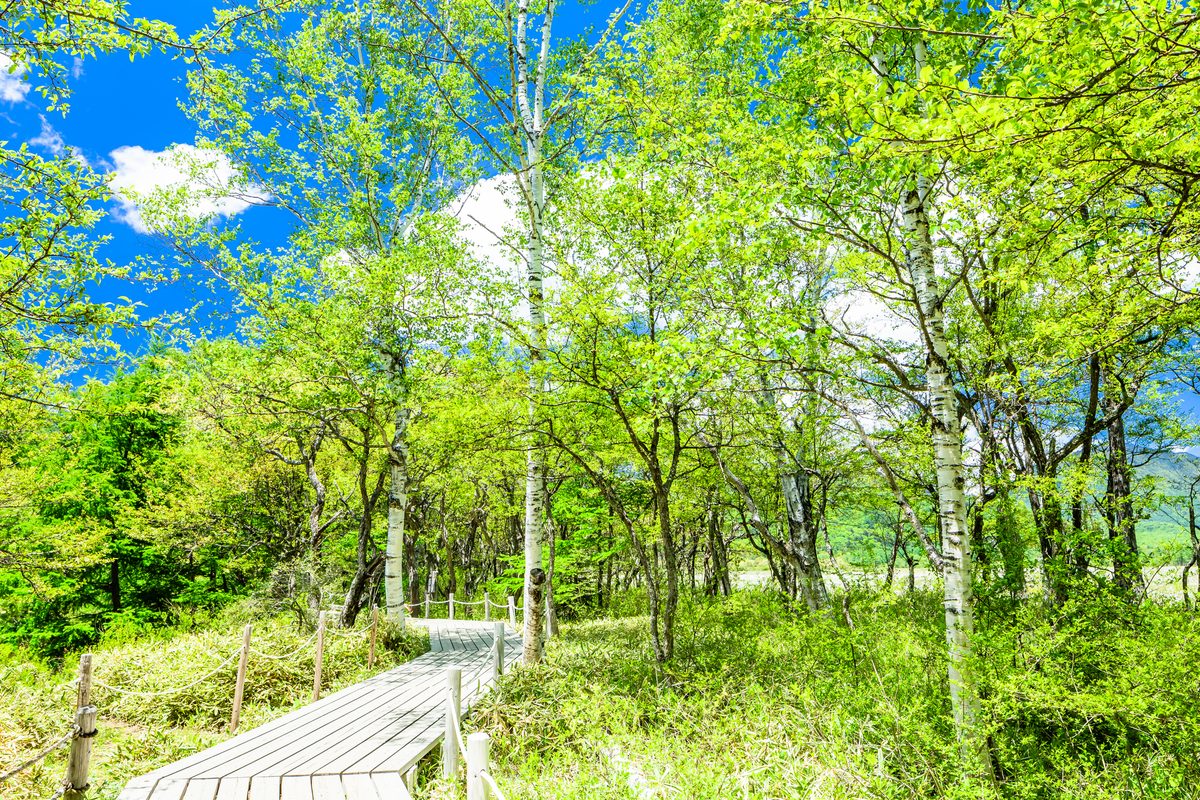
Okinawa — The Part of Japan That Was a Different Country
Okinawa is not Japan in the way that Kyoto is Japan. It was an independent kingdom — the Ryukyu Kingdom — until 1879, and the culture, architecture, food, and music reflect that distinct history. Shuri Castle in Naha, the seat of the Ryukyu kings, is built in a style unlike anything on Honshu: red-lacquered walls, curved rooflines, Chinese and Southeast Asian influences running through every detail. It was largely destroyed in World War II and rebuilt — but the reconstruction is faithful and the site is substantial.
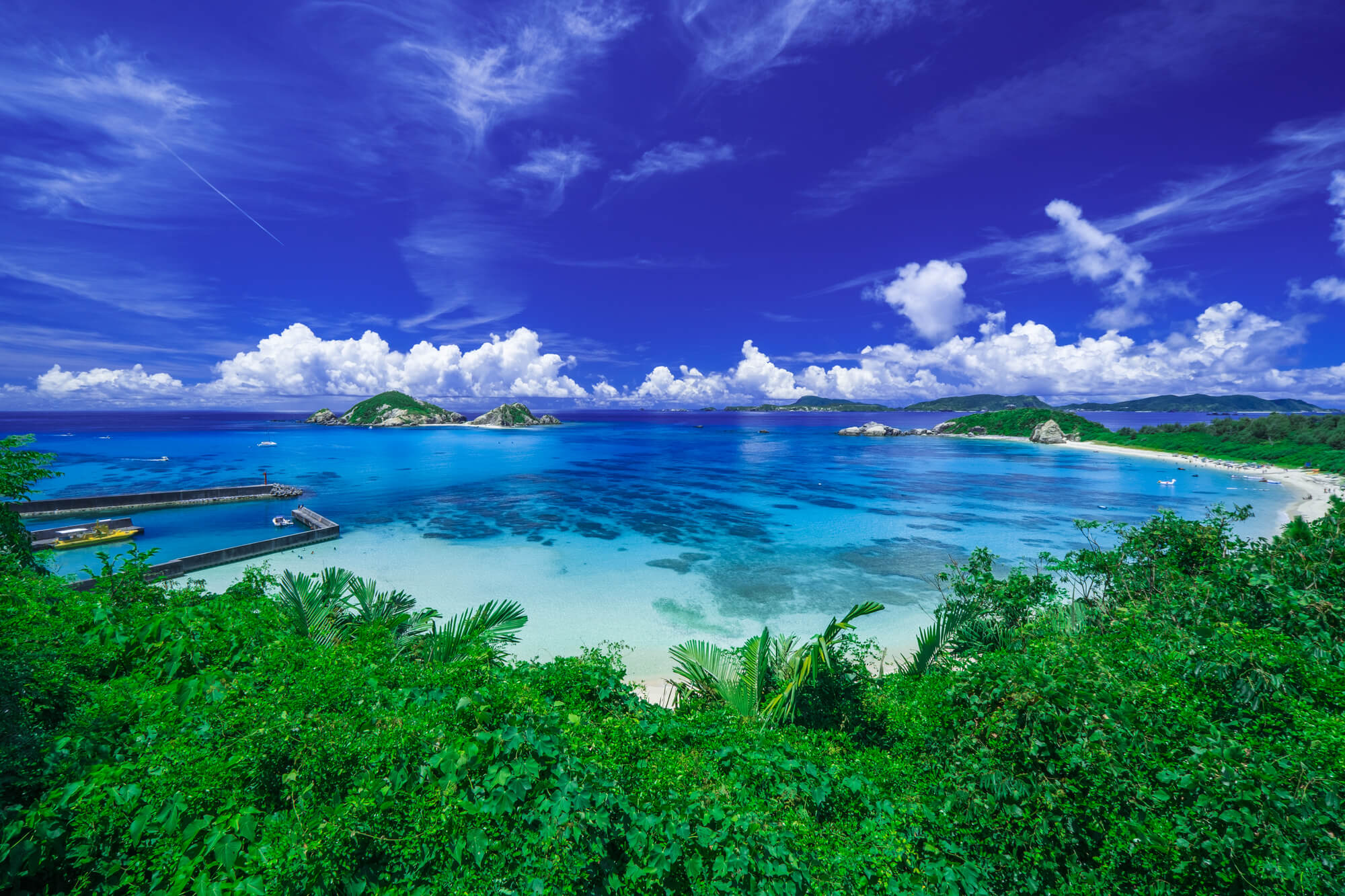
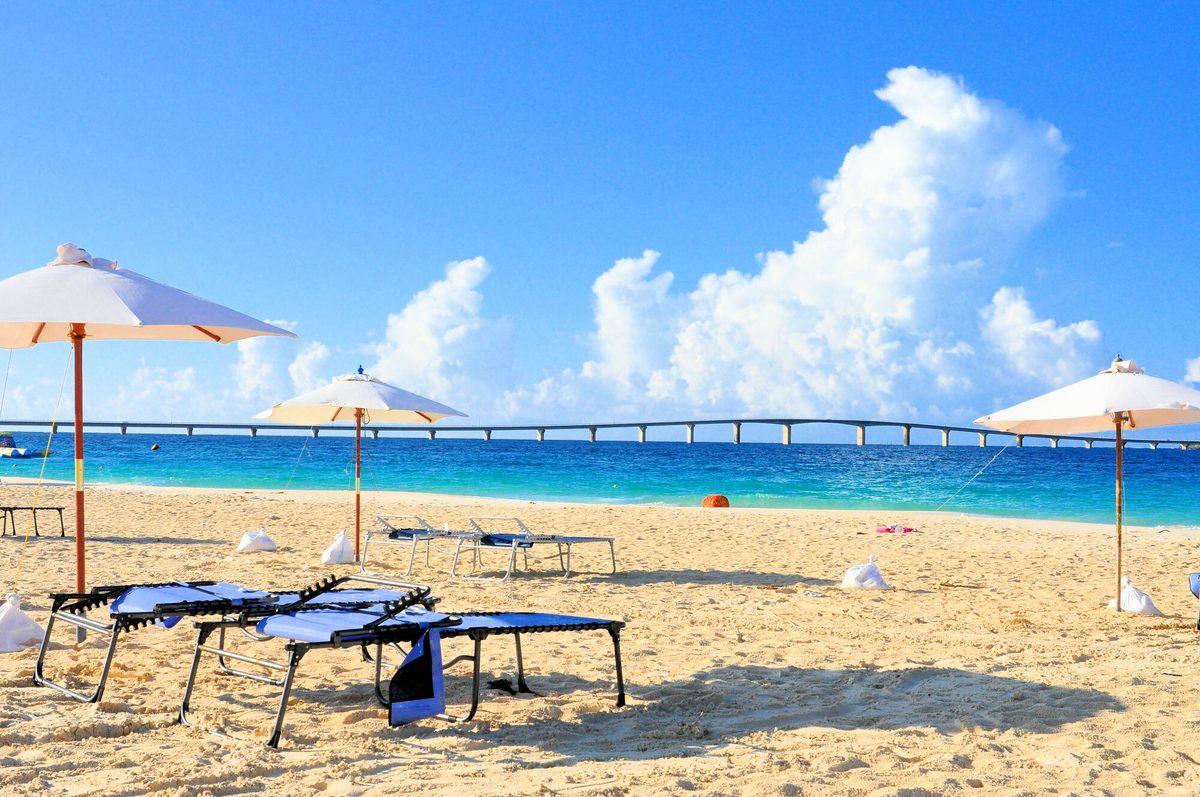
The main island has beaches and a food culture shaped by the Ryukyu past and the post-war American presence — pork, bitter melon, Spam worked into dishes that the mainland never adopted. The outer islands — Ishigaki, Miyako, Iriomote — are where the coral reefs and genuine subtropical quiet are. Iriomote is 90% jungle, and the diving and snorkelling here is the best in Japan.
Why here on a second trip: Okinawa is not a continuation of the Tokyo–Kyoto experience — it is a departure from it. Coming here having seen the mainland makes the differences legible and interesting in a way they would not be on a first visit. Best season: May to September for beaches and water. Allow three to four days for the main island; five or more to reach the outer islands.
Explore Okinawa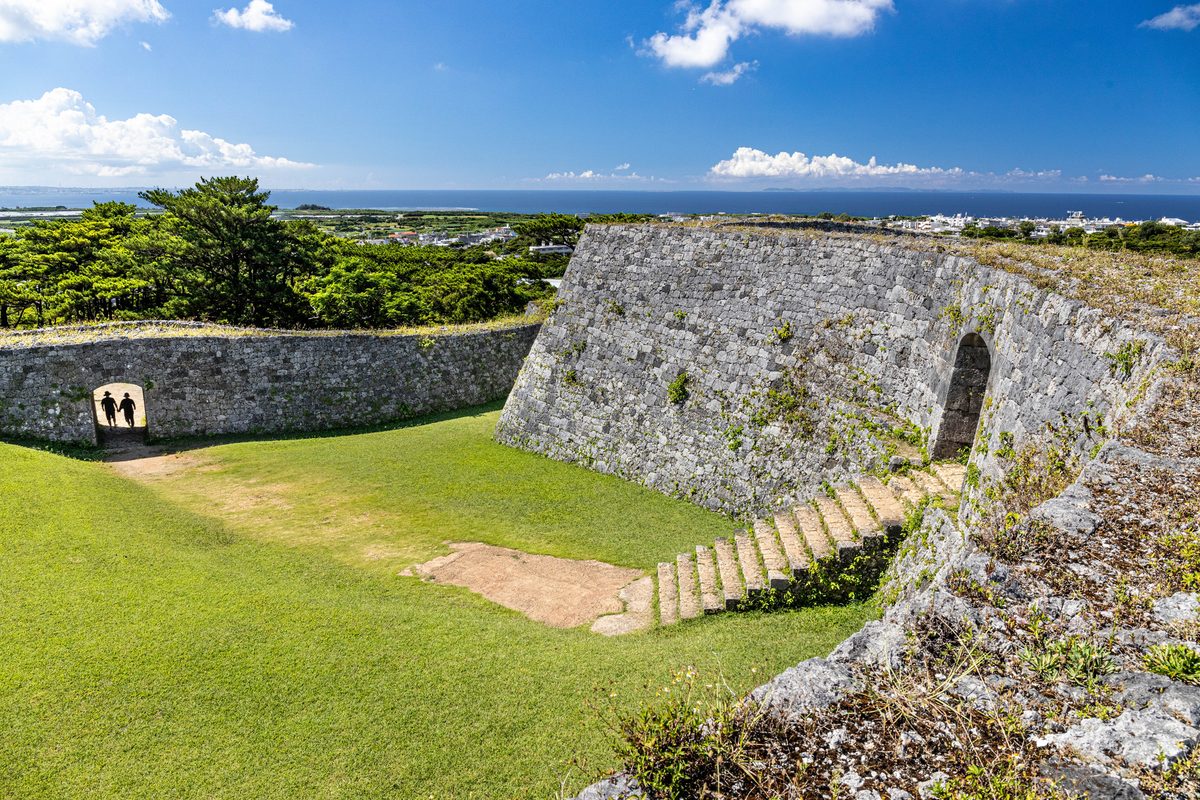
How to Choose
The seven destinations above cover most of what Japan offers beyond its three main cities. Hokkaido and Okinawa are the geographical extremes — both reward travellers who want landscape and a change of pace from urban Japan. Hiroshima, Nikko, and Kanazawa are for travellers drawn to history and craft. Takayama sits at the intersection of mountain landscape and preserved townscape. Fukuoka is for travellers who want a city that works on its own terms.
All are accessible by public transport. None require a hire car, though Hokkaido and Okinawa's outer islands benefit from one. The common thread is that each of them requires a decision to go — they don't appear automatically on the standard itinerary, which is exactly why they're worth the effort.
If you're not sure where your interests point, use Tobira's spot finder to describe what you're looking for — the results will narrow it down.
Find your Japan
Find your next Japan
Tell us what draws you — landscape, food, history, or something slower — and we'll match you with the spots that fit how you actually travel.
Find match spots