
Hokkaido Travel Guide
Japan's wild northern frontier — vast national parks, volcanic landscapes, and some of the country's best skiing and seafood. Each season brings a dramatically different character: white powder snow and ski resorts in winter, lavender fields and wildflower meadows in summer, and fiery foliage blanketing the hills each autumn.
7 hidden gems in Hokkaido include insider locations, local tips, and full access details.
Hidden Gems in Hokkaido
Hand-picked spots off the tourist trail — all personally curated.
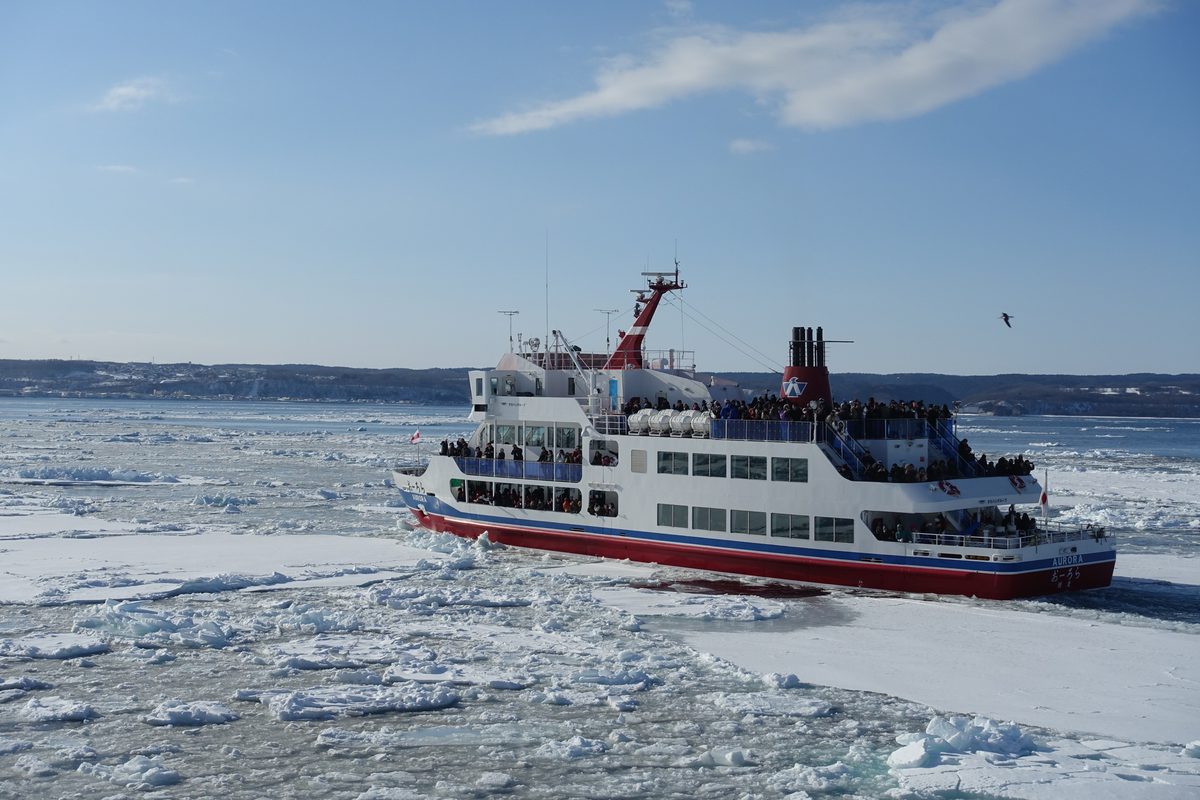
Abashiri Drift Ice & Aurora Icebreaker Cruise
Each winter the Sea of Okhotsk freezes in Siberia and vast sheets of drift ice — up to 1 metre thick — flow south to Abashiri, turning the sea into a grinding white plain. The Aurora icebreaker smashes through these floes on 1-hour cruises, and on calm days visitors can step onto the ice itself. This is the southernmost naturally occurring drift ice on the planet.
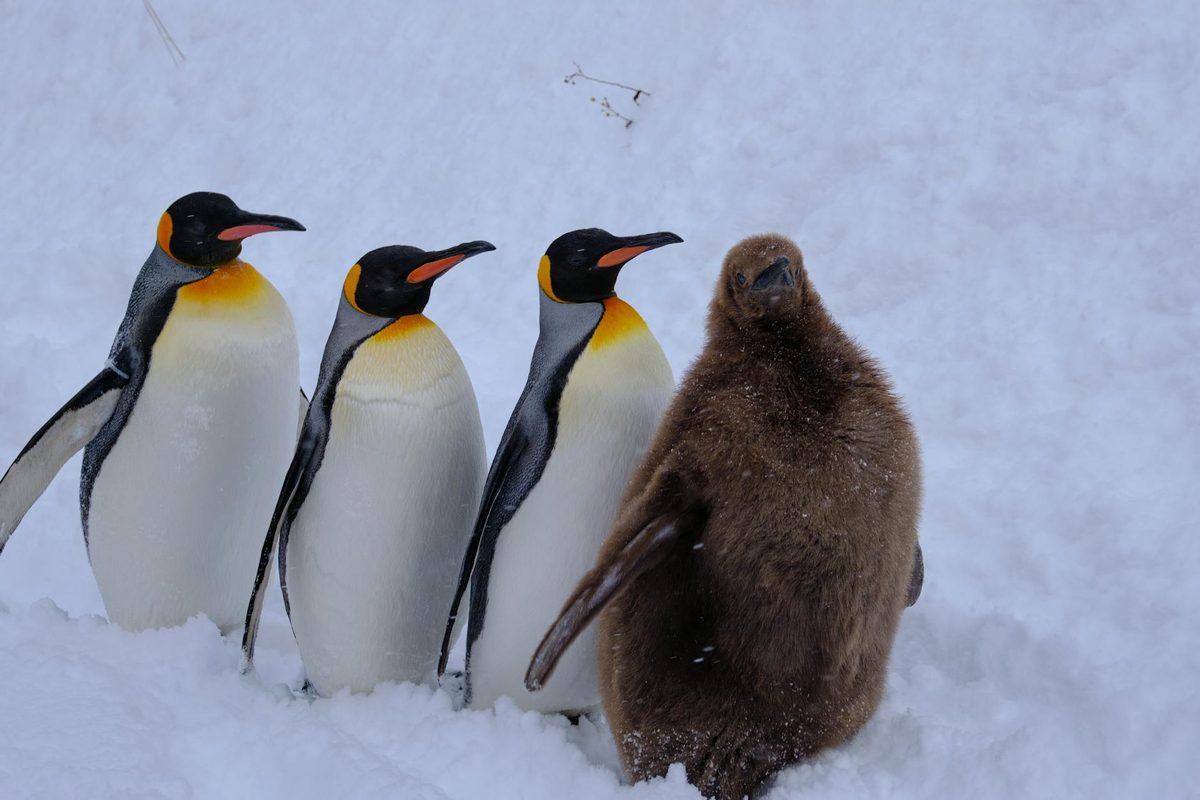
Asahiyama Zoo
Japan's most innovative zoo, which rescued itself from near-closure in the 1990s by pioneering "behaviour exhibits" — glass tunnels through penguin tanks, polar bear pools with underwater viewing, and orangutan sky-walks overhead. The winter penguin parade, when keepers walk the birds through snow for exercise, has become one of Hokkaido's most beloved daily spectacles.
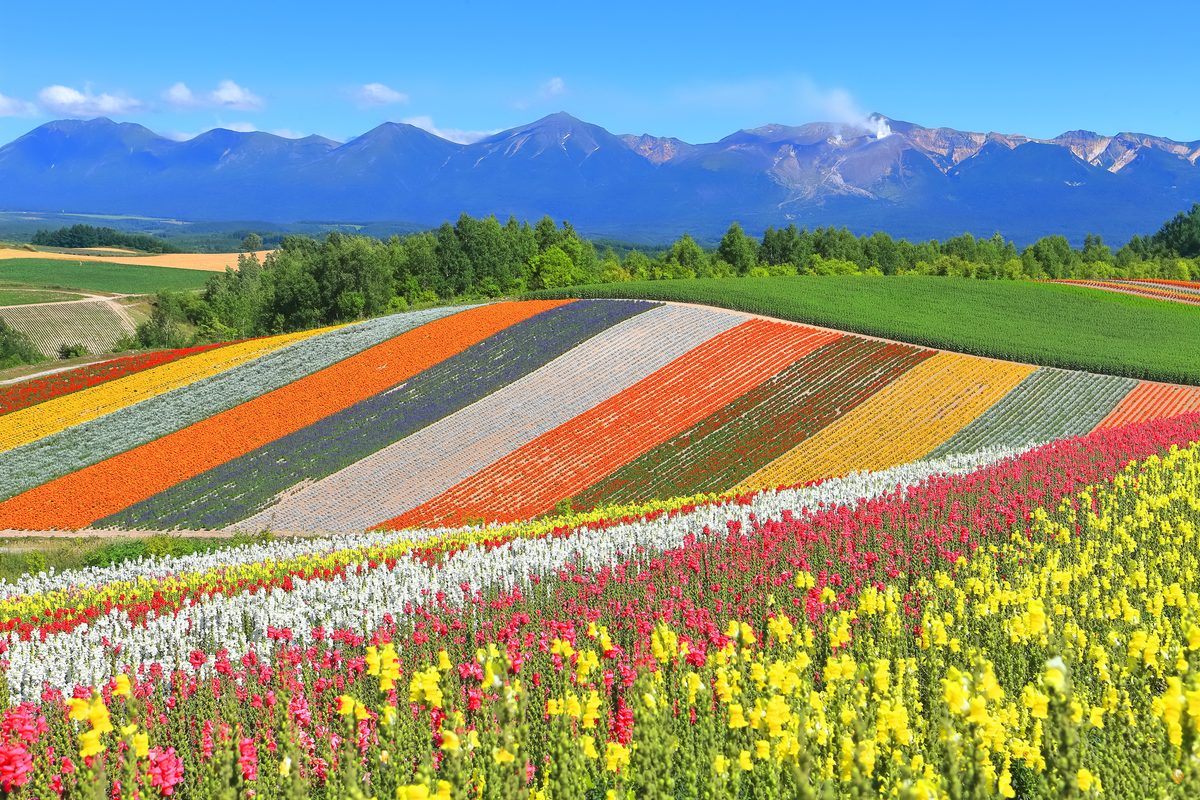
Biei Patchwork Road
Rolling farmland hills west of Biei town that resemble a giant patchwork quilt — wheat, potatoes, lavender and sunflower fields stitched together across gentle knolls. Best explored by rental bicycle in summer.
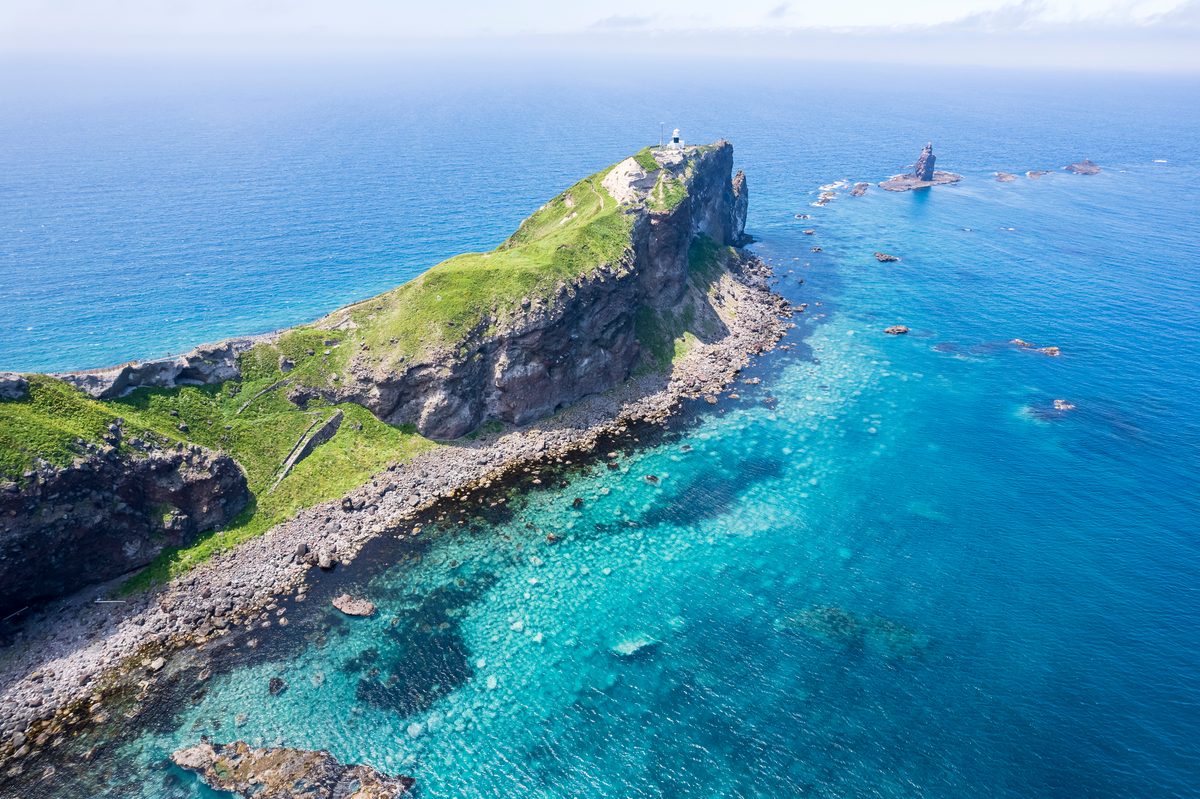
Cape Kamui
The dramatic tip of the Shakotan Peninsula — sheer volcanic rock cliffs plunging into cobalt blue "Shakotan Blue" sea. A 20–30 minute coastal walk leads to the cape where you stand surrounded on three sides by open ocean.
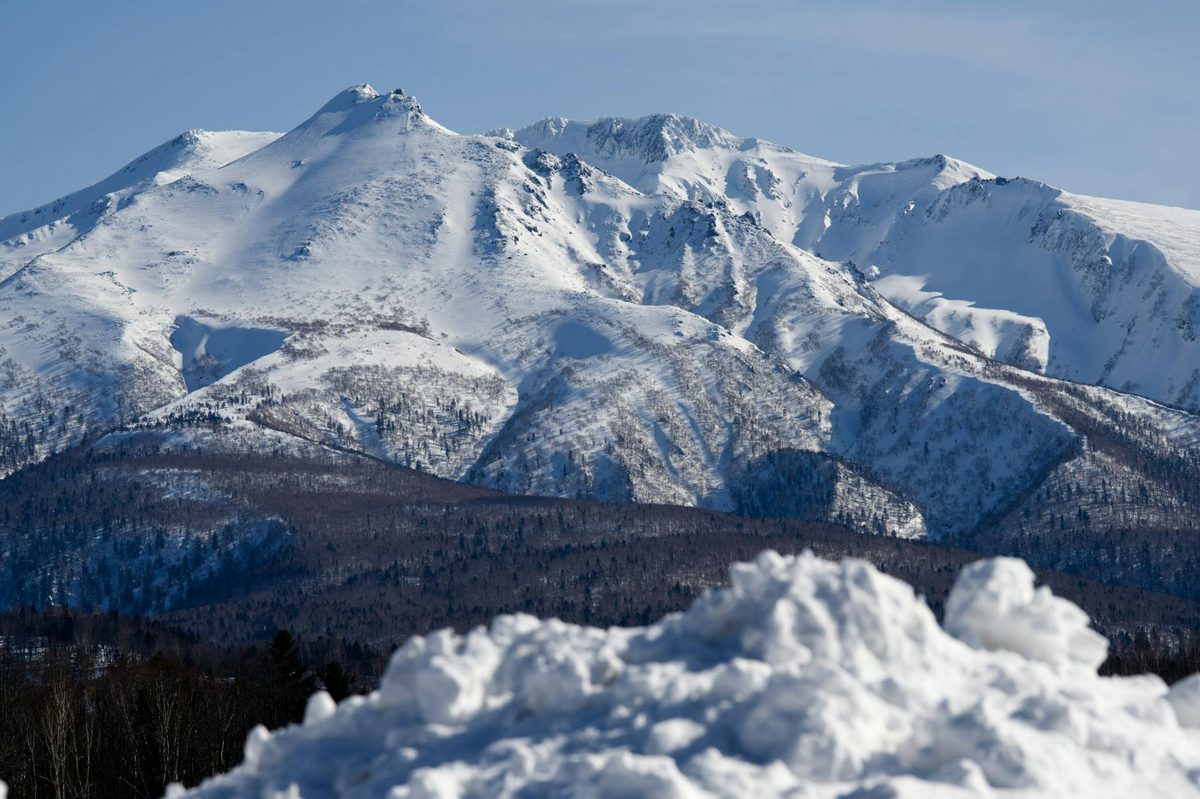
Daisetsuzan National Park
Japan's largest national park — bigger than Tokyo Prefecture — a volcanic plateau of jagged peaks, alpine meadows and cascading waterfalls at the geographical heart of Hokkaido. Autumn colours arrive here 6–8 weeks earlier than the rest of Japan, earning Daisetsuzan the title "first stage of autumn in Japan". The Sounkyo gorge, with its 150m basalt columns and twin waterfalls, is the most dramatic gateway into the park.
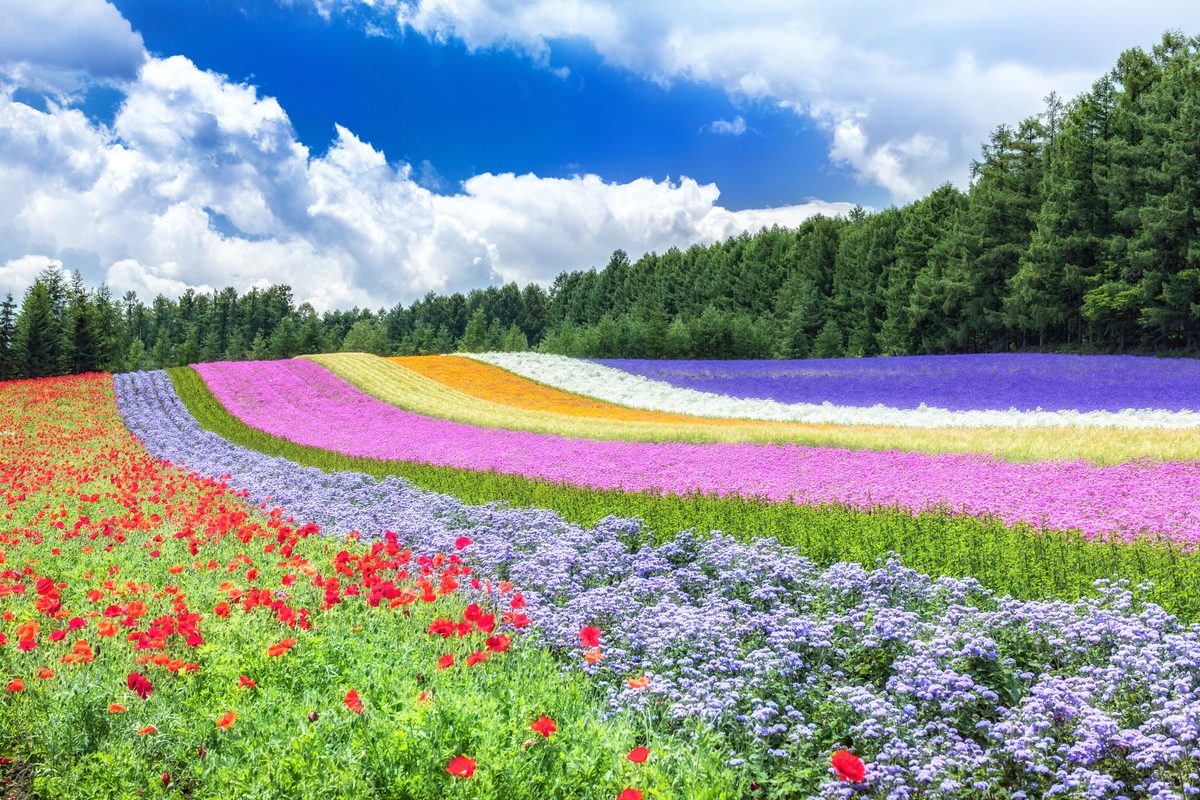
Farm Tomita (Furano Lavender)
Japan's most iconic lavender farm, with stripe after stripe of purple rolling over gentle hillsides. Farm Tomita pioneered lavender cultivation in Hokkaido and still draws visitors who arrive just for the scent.
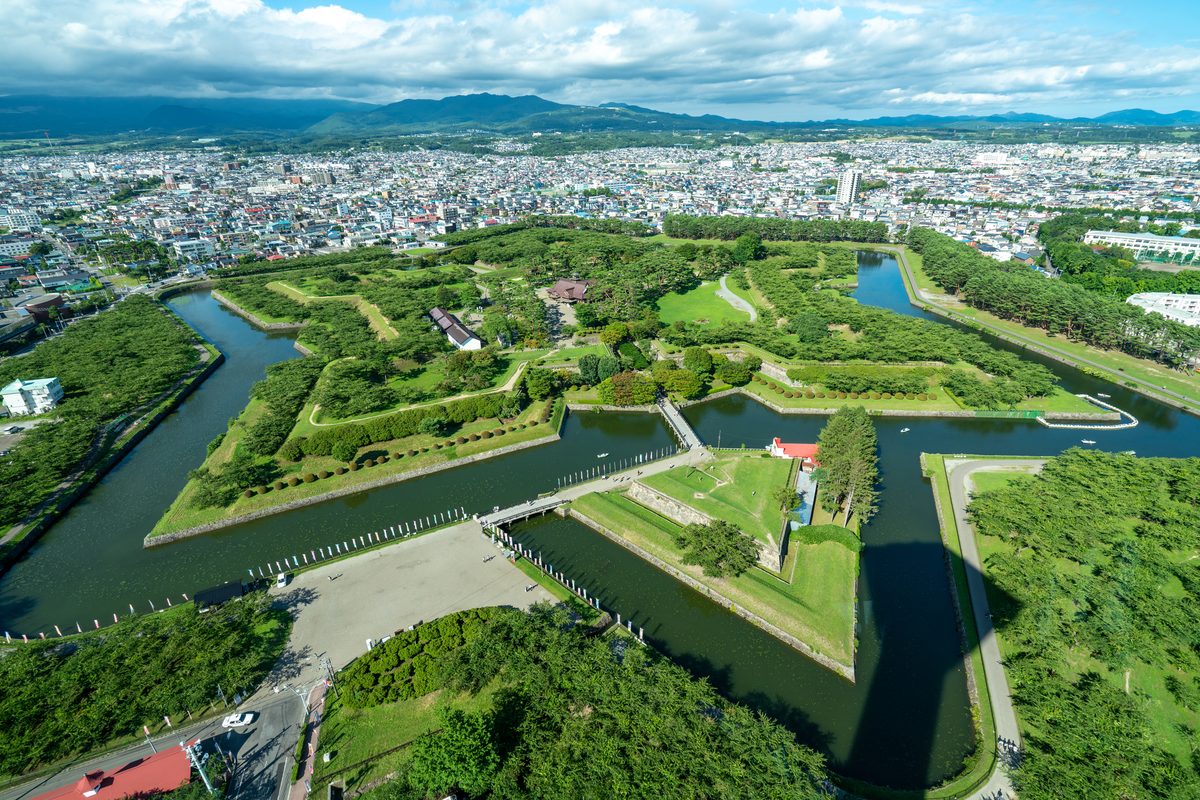
Goryokaku Fort
Japan's only Western-style star-shaped fort, site of the 1869 Battle of Hakodate — the last stand of the Tokugawa shogunate. Today a park, it becomes one of Japan's top cherry blossom viewing sites each spring.
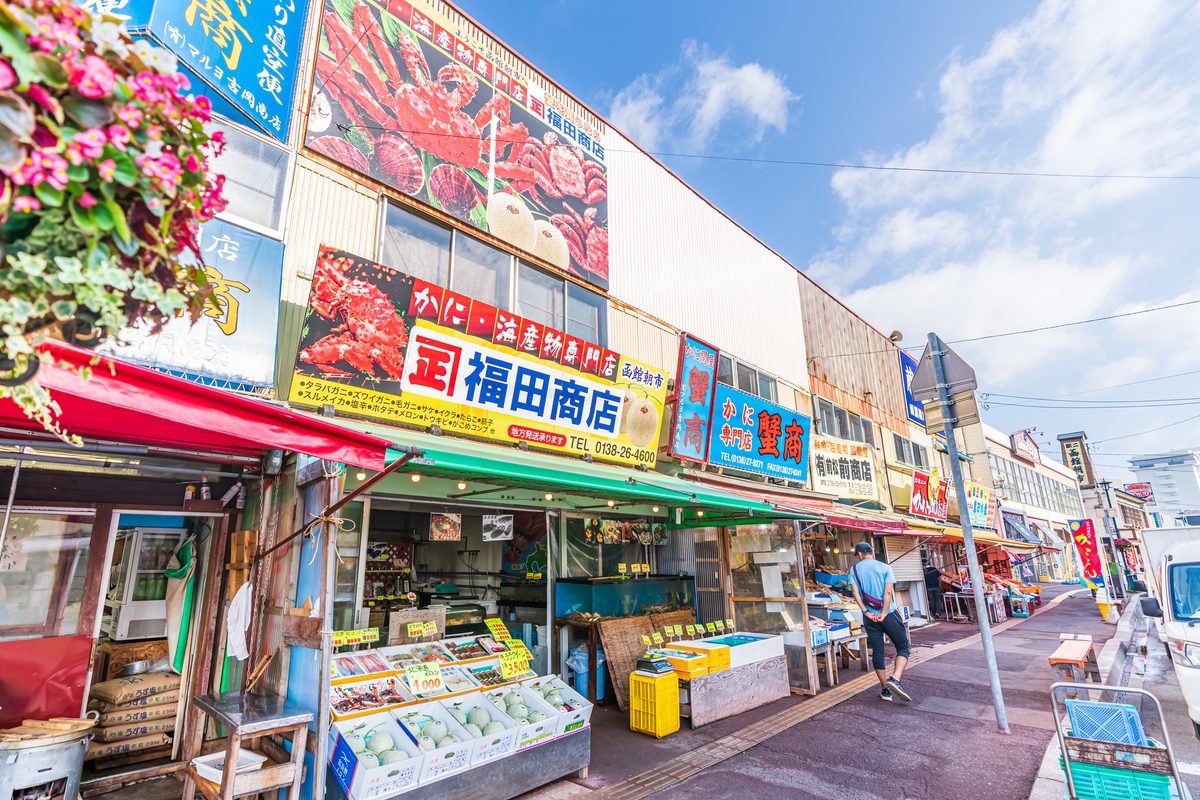
Hakodate Morning Market
One of Japan's top morning markets, open from 5:00am (May–Dec) or 6:00am (Jan–Apr) with hundreds of stalls selling live hairy crab, scallops, sea urchin and salmon roe straight from the Tsugaru Strait. Eat it raw, grilled or in a rice bowl on the spot.
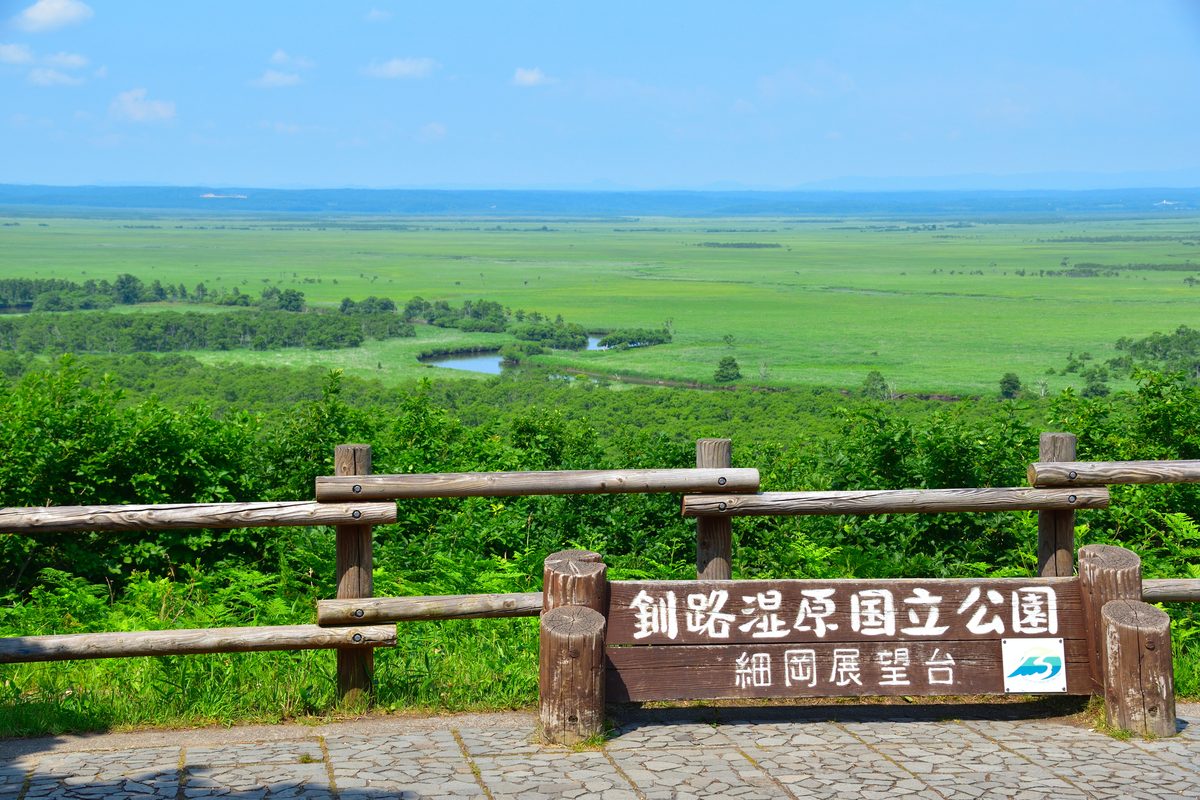
Kushiro Wetlands National Park
Japan's largest wetland, a peat-bog wilderness of reeds, meandering rivers and oxbow lakes covering 183 km² — a primeval landscape unchanged since the ice age. The park is the last stronghold of the red-crowned crane (tancho), the rarest crane on Earth. In winter, dozens of cranes gather at feeding stations and perform elaborate courtship dances on the snow.
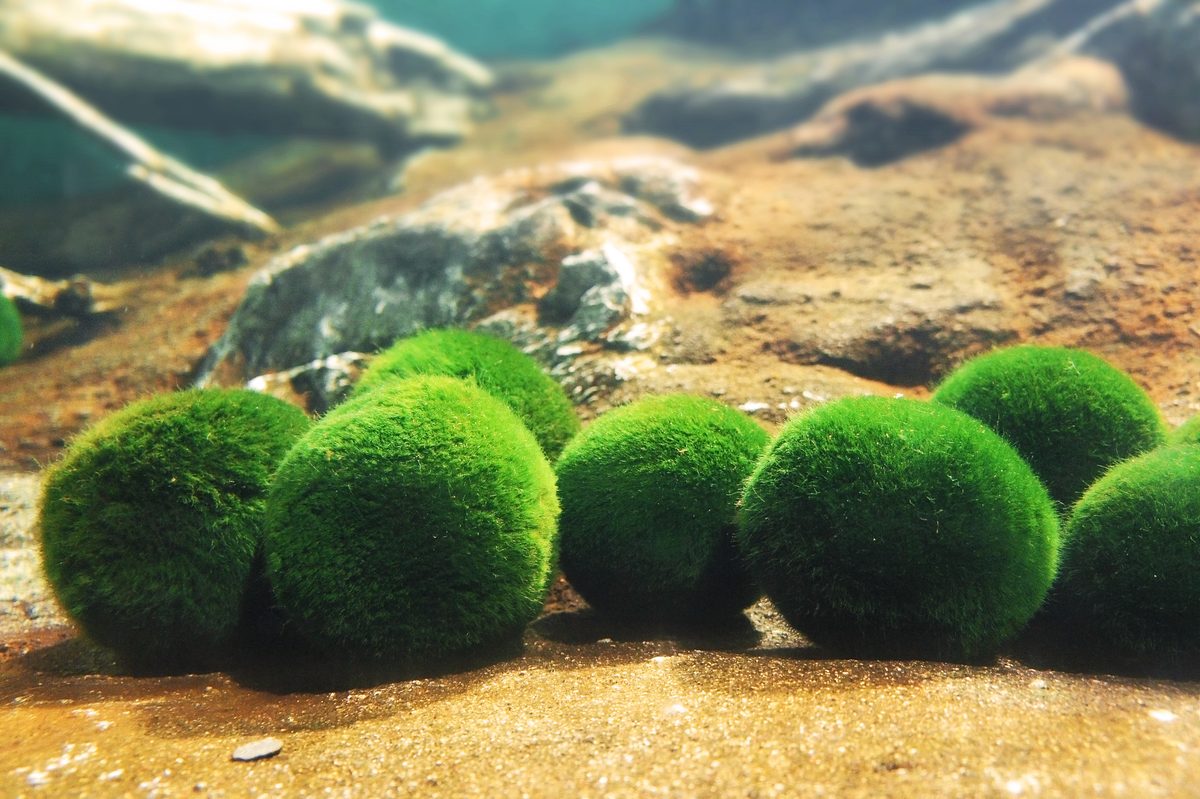
Lake Akan
Sacred Ainu homeland with twin volcanic peaks reflected in jade waters. Home to the world's only living population of spherical marimo algae balls, thermal springs and a lakeside Ainu village where traditional crafts and dance are performed nightly.
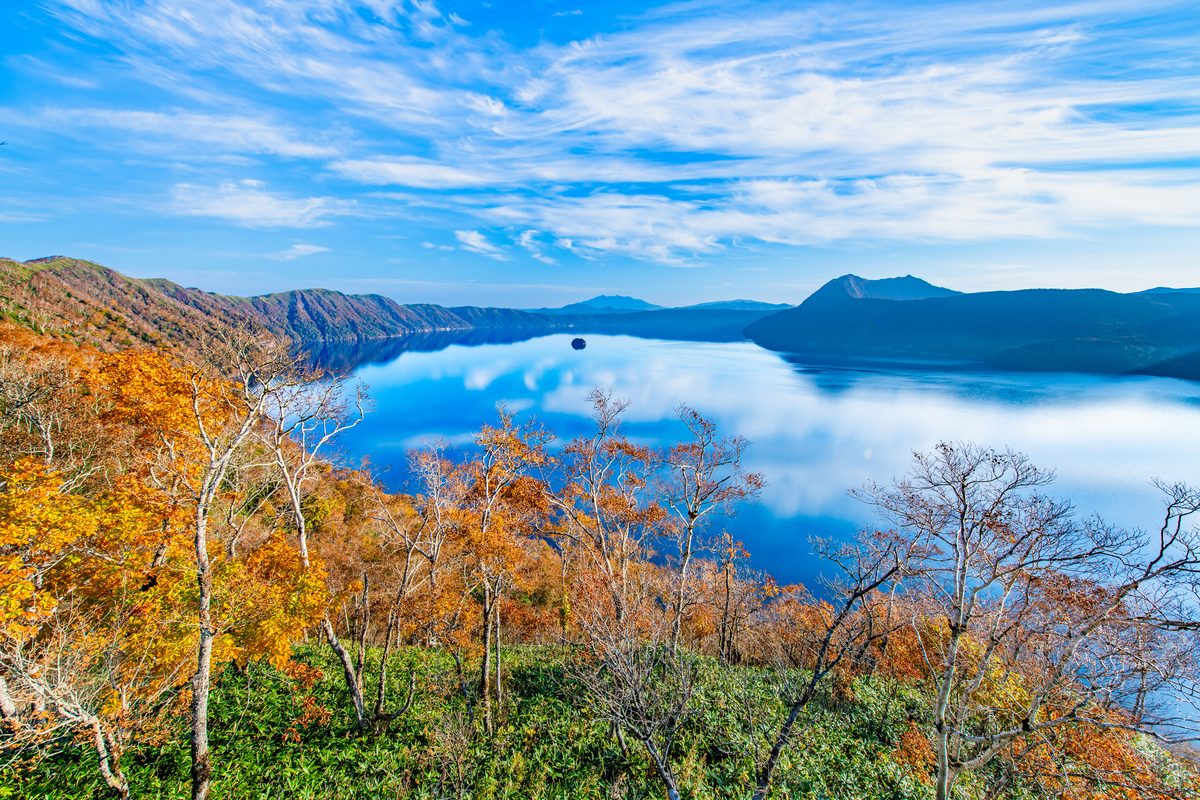
Lake Mashu
One of the world's clearest lakes — a caldera filled to its brim with translucent cobalt water, ringed by sheer 200m cliffs that drop straight into the lake with no shoreline. The Ainu called it "Lake of the Devil" for the impenetrable fog that rolls in from the sea of Okhotsk and swallows it whole. No rivers enter or leave; the water is naturally filtered to near-distilled clarity.
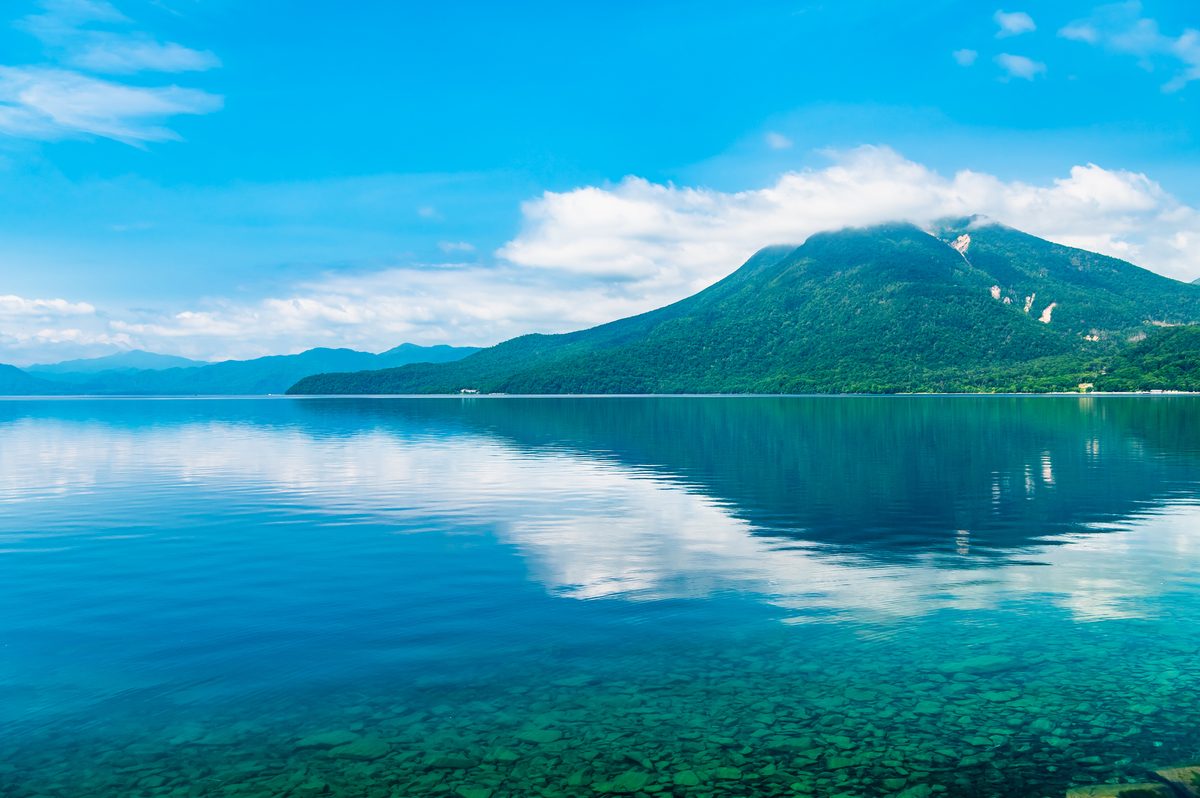
Lake Shikotsu
Japan's northernmost caldera lake, famous for extraordinary water clarity — visibility up to approximately 17–20 metres. Surrounded by three volcanoes, the lake offers kayaking, scuba diving and a winter ice festival each January–February.
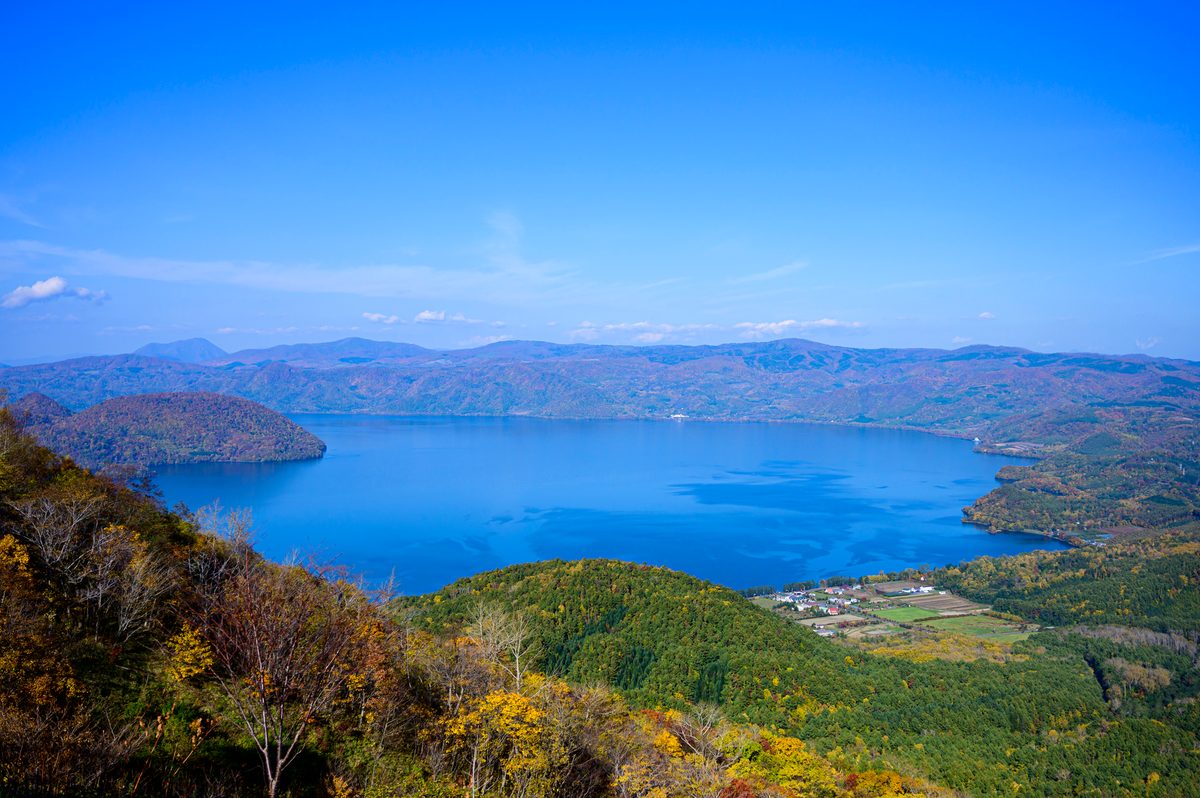
Lake Toya
A perfectly circular caldera lake with a forested island at its centre. The active volcano Mt. Usu erupted as recently as 2000, and its lava domes and ash craters are now open as a geopark trail.
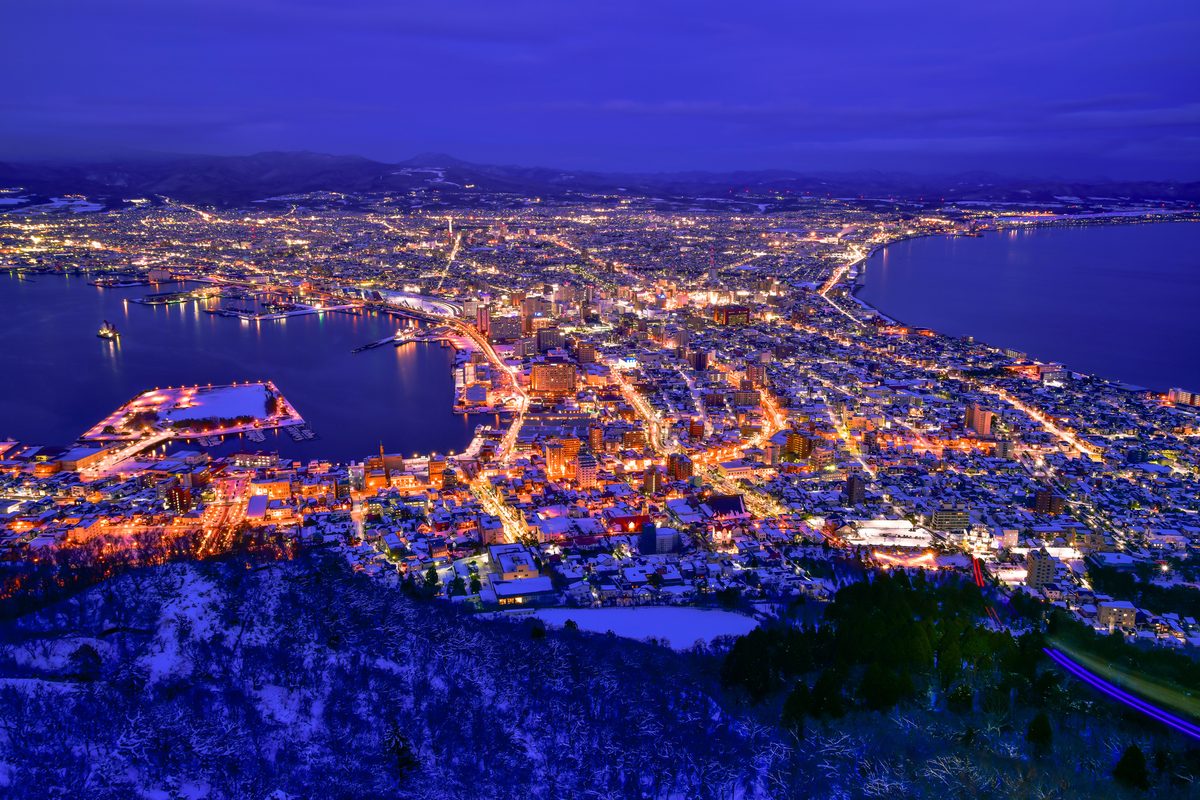
Mt. Hakodate Night View
From the 334m summit of Mt. Hakodate, the city glitters below in one of the world's most celebrated night views — a narrow hourglass of light pinched between two bays, the dark ocean curving away on both sides. Listed alongside Naples and Hong Kong as one of the world's three great night views, the panorama is most dramatic in the blue hour just after sunset.
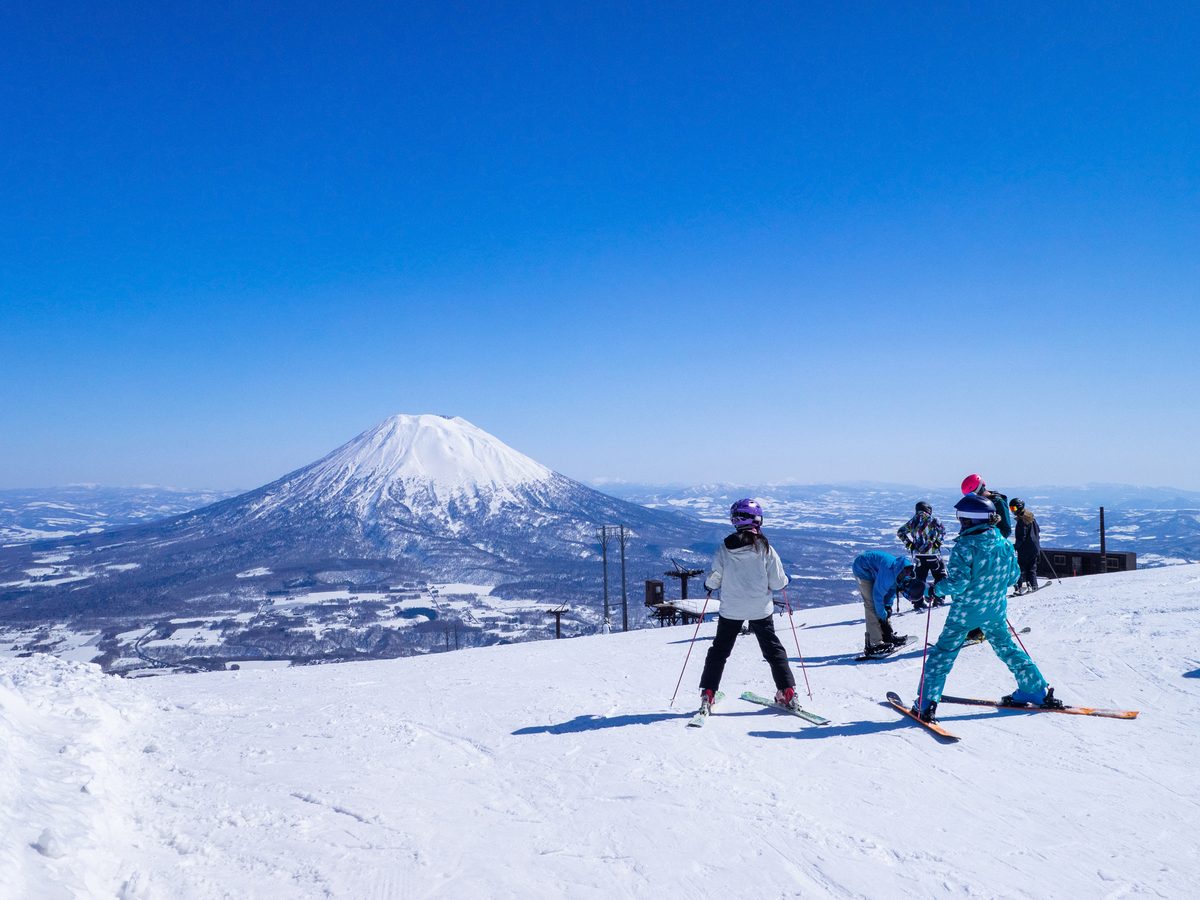
Niseko United Ski Resort
Asia's premier powder skiing destination — four interconnected resorts on the flanks of the active volcano Mt. Yotei receive an average of 15 metres of feather-light JAPOWder snow per season, driven by cold air crossing the Sea of Japan and wrung dry over the mountains. In summer the resorts reinvent themselves as mountain biking and hiking hubs with Yotei's perfect cone as a backdrop.
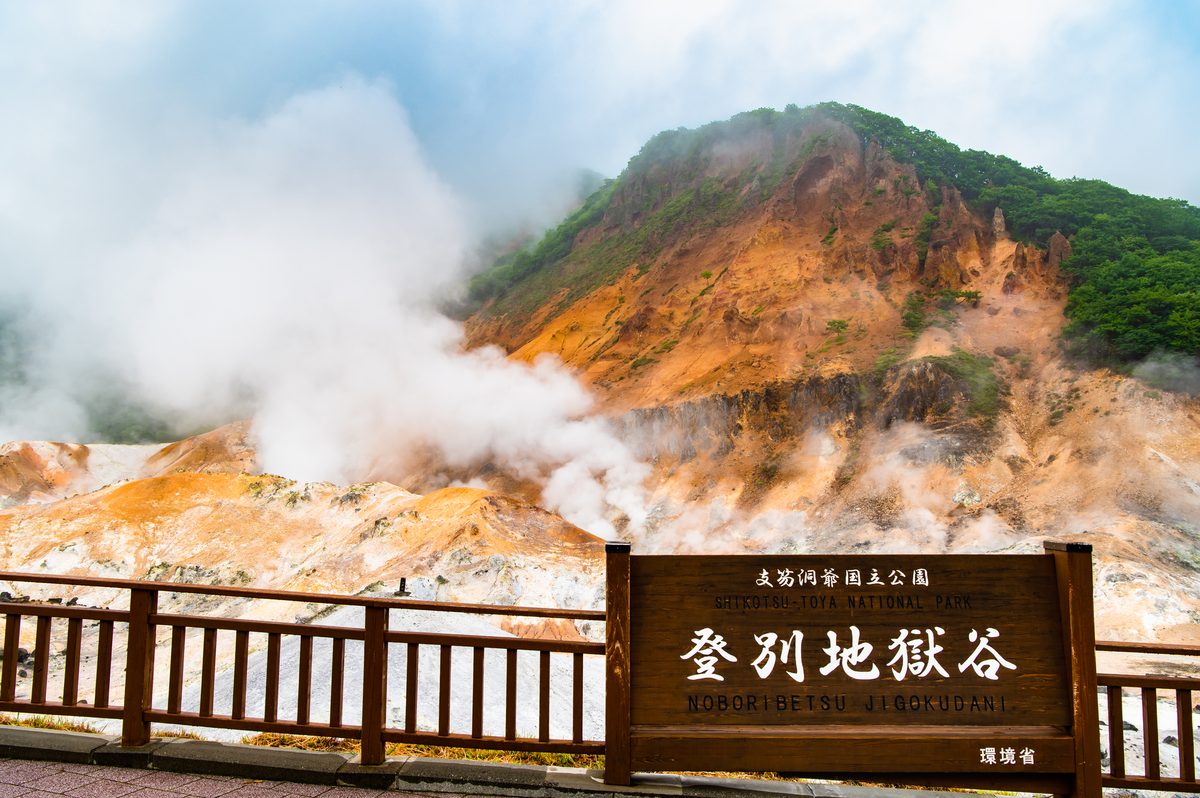
Noboribetsu Jigokudani (Hell Valley)
A steaming volcanic crater valley nicknamed "Hell Valley" — sulphur-yellow vents, boiling mud pools and orange mineral streams cut through a barren landscape just minutes from a renowned hot-spring resort town.
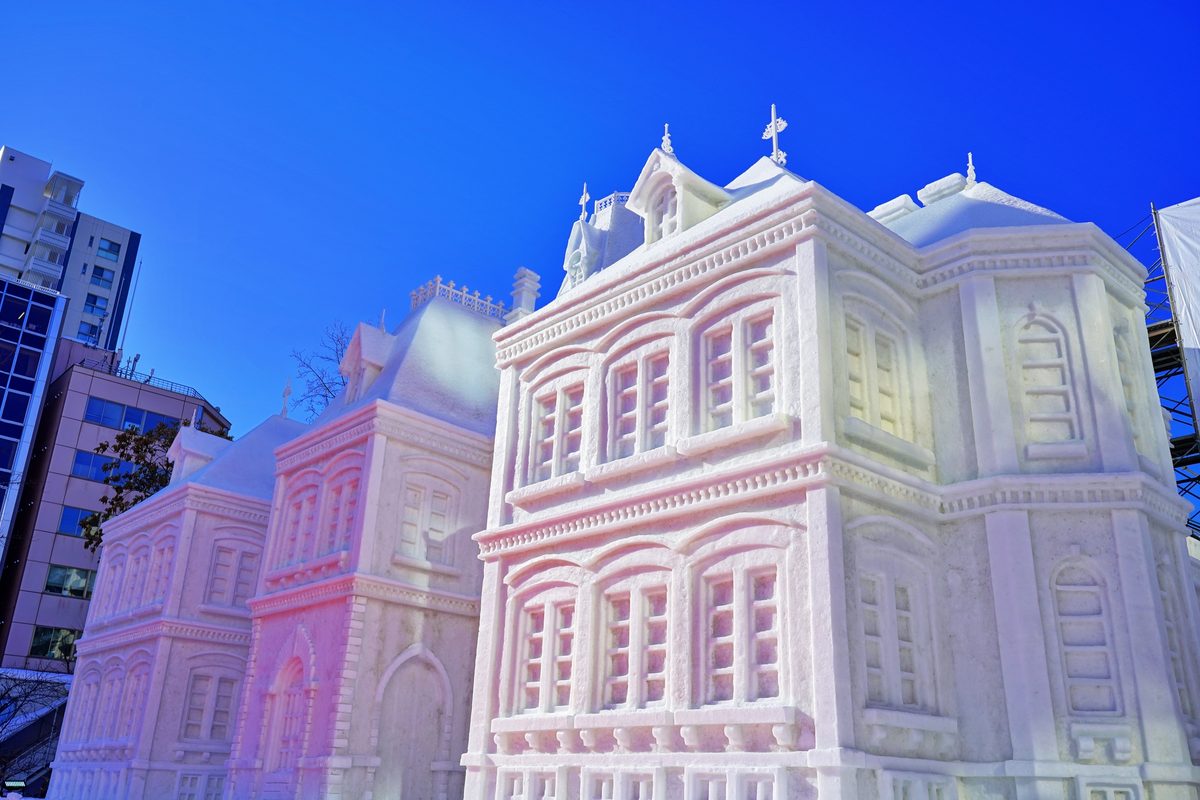
Odori Park & Sapporo Snow Festival
A 1.5 km green boulevard bisecting central Sapporo that transforms each February into the world-famous Snow Festival — 200-plus enormous ice and snow sculptures lit up across six blocks. In summer the park hosts flower gardens, beer gardens and outdoor concerts beneath the TV Tower.
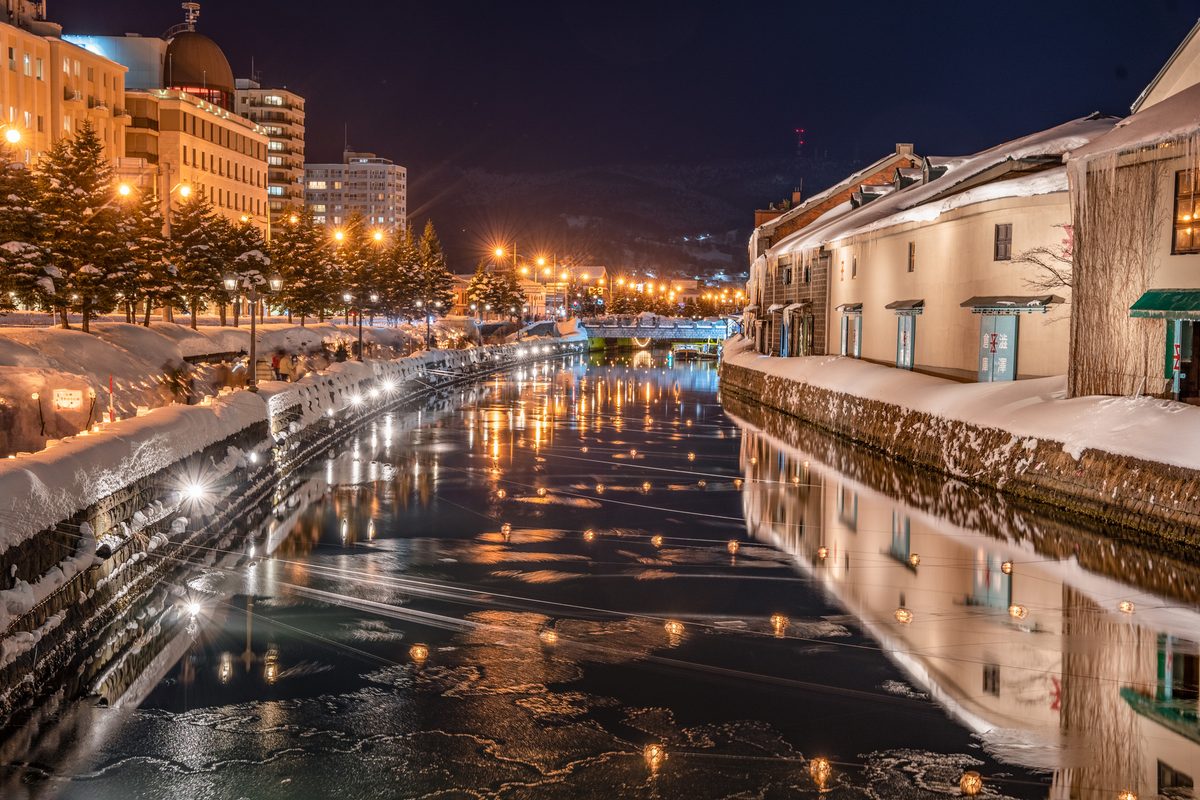
Otaru Canal District
A preserved 19th-century canal lined with stone warehouses once used by herring merchants — now converted into glass studios, sake breweries, music boxes and acclaimed sushi restaurants serving just-landed Hokkaido seafood.
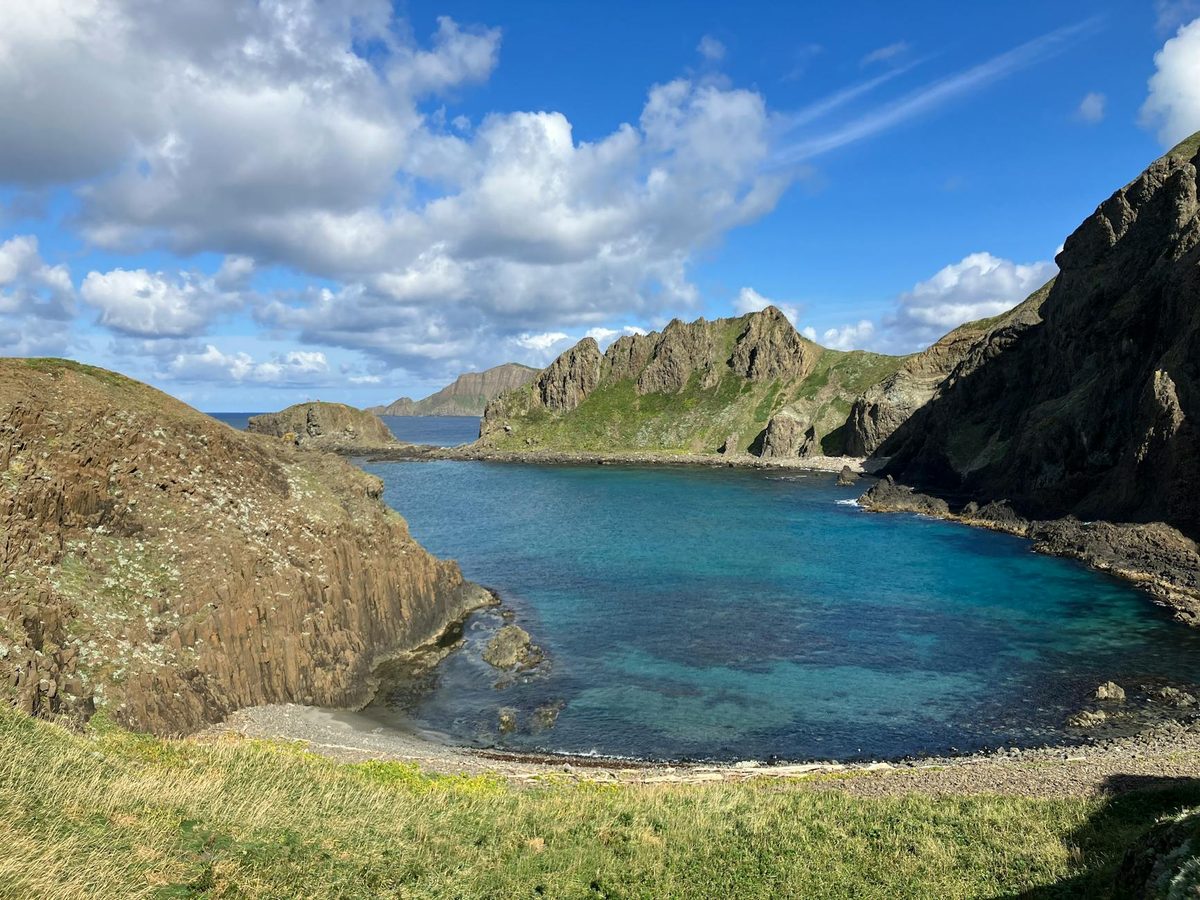
Rebun Island
A sliver of island 60 km off the northern tip of Hokkaido, closer to Sakhalin than to Sapporo — nicknamed "the floating island of flowers" for the 300 alpine plant species that bloom across its treeless plateau each June and July. Because the island has no mountains high enough to create snow-line conditions, these rare arctic-alpine flowers grow unusually low, just metres above sea level.
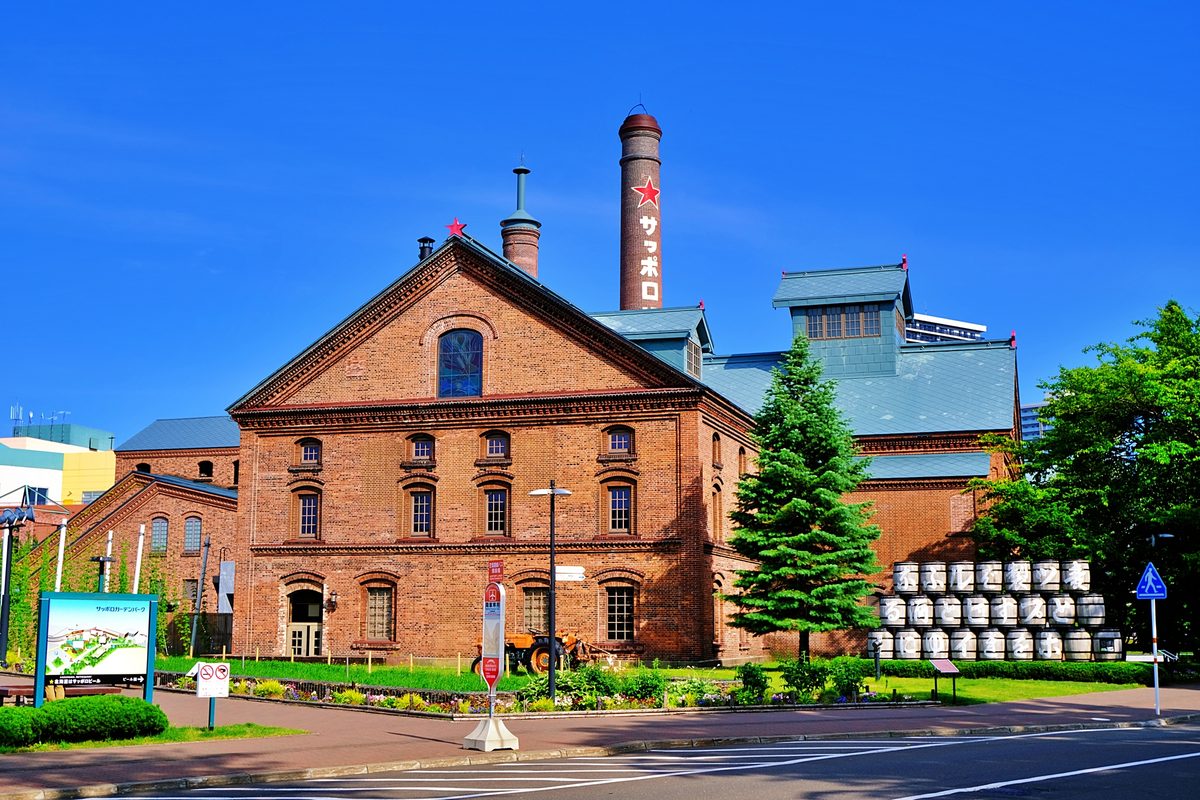
Sapporo Beer Garden & Museum
The birthplace of Sapporo Beer, housed in a grand red-brick factory complex built in 1890. The free museum traces the history of Japan's oldest brand through vintage posters and brewing machinery, while the cavernous Genghis Khan halls serve all-you-can-eat lamb BBQ and unlimited draft beer beneath soaring ceilings.
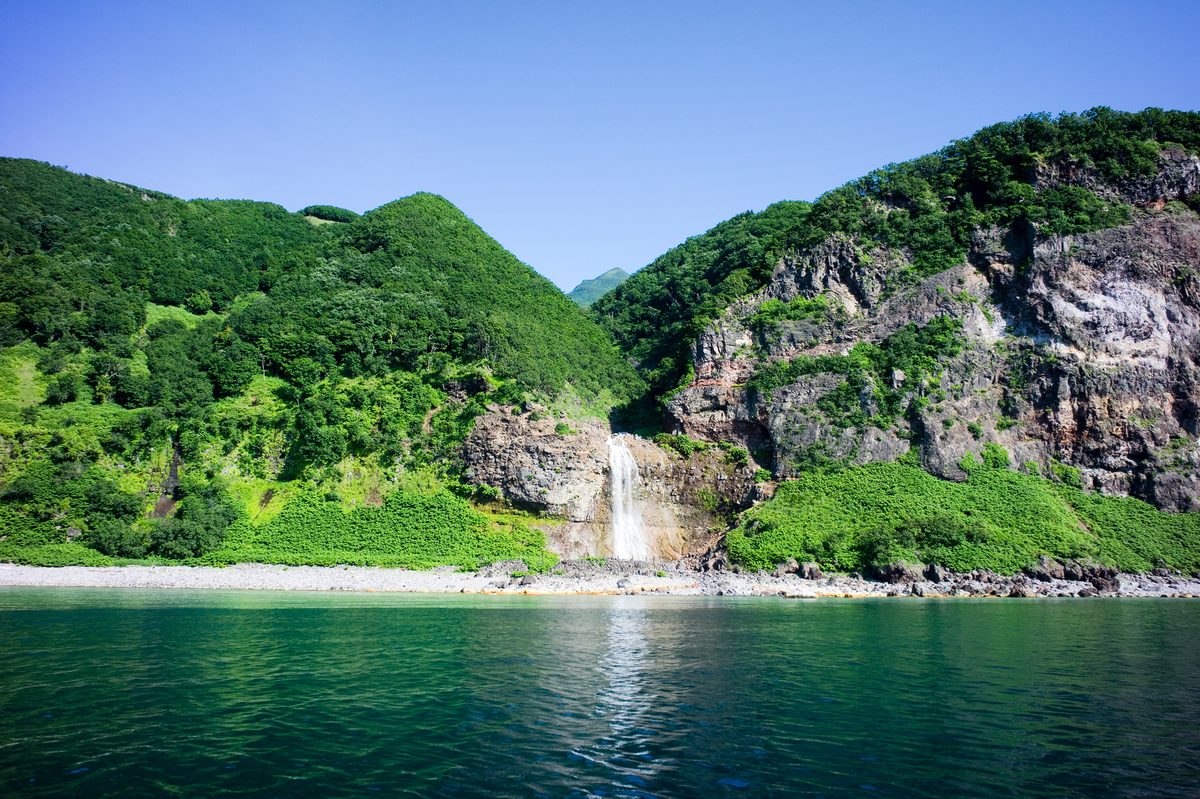
Shiretoko Peninsula
Japan's wildest UNESCO World Heritage wilderness — brown bears fish for salmon on river banks, Steller sea eagles soar over drift ice, and five volcanic lakes glow green in beech forest. Almost entirely roadless, it's Japan as it was before people.
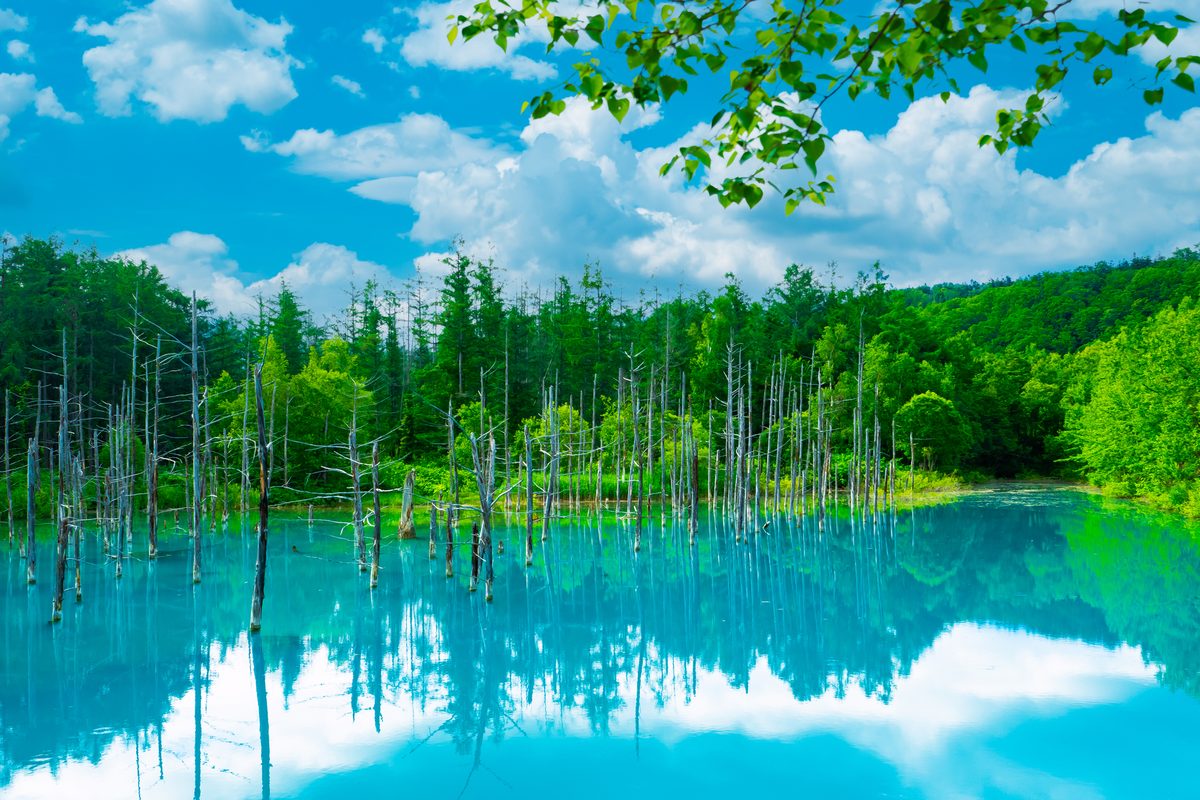
Shirogane Blue Pond
A surreal milky-blue pond created by volcanic minerals leaching into a dammed stream, surrounded by silver birches and ghost-like dead trees. The colour shifts from aquamarine to deep cobalt depending on the light.
Advertisement
When to Visit Hokkaido
Peak spots by season — ordered by best match.
Ready to visit Hokkaido?
Let AI build a personalized day-by-day itinerary based on your interests and travel style.
Create a Hokkaido Itinerary