
Fukuoka Travel Guide
The gateway to Kyushu and arguably Japan's most liveable city. Fukuoka's food culture — tonkotsu ramen, fresh Genkai Sea seafood, mentaiko cod roe, and the open-air yatai stalls lining the canal — drives its identity as powerfully as any landmark. Canal City, the Dazaifu Tenmangu plum blossom shrine, and the offshore Genkai islands deliver more than any first visit can hold.
4 hidden gems in Fukuoka include insider locations, local tips, and full access details.
Hidden Gems in Fukuoka
Hand-picked spots off the tourist trail — all personally curated.
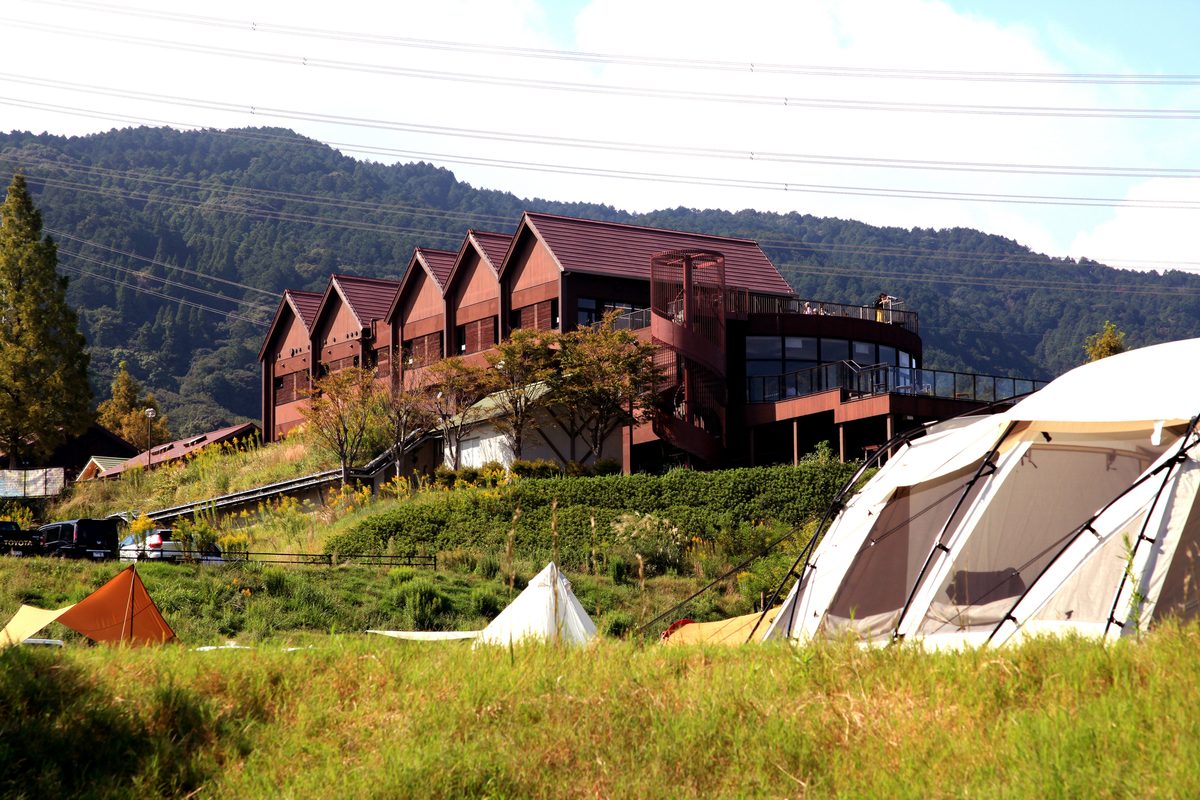
Aburayama Forest Park
Fukuoka's green lung — a forested mountain park just 30 minutes from the city center with mountain biking trails, a kids' forest museum, scenic viewpoints, and glamping facilities. On weekends it attracts Fukuoka's athletic community for trail running and mountain biking; on weekdays it's blissfully quiet.
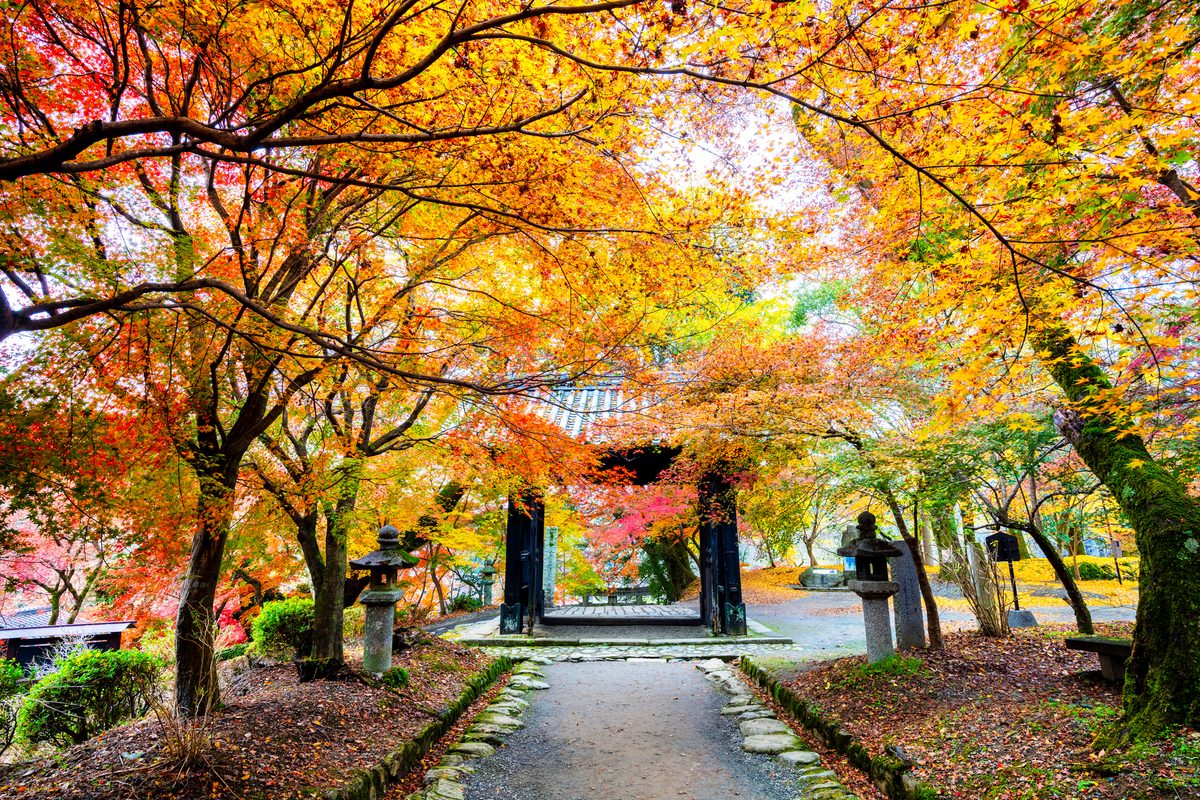
Akizuki Castle Ruins
A serene castle-town deep in the mountains 60km from Fukuoka, preserved by accident of geography — the Kuroda clan seat that never had to modernize. The approach road lined with 200-year-old cherry trees is among Kyushu's most beautiful.
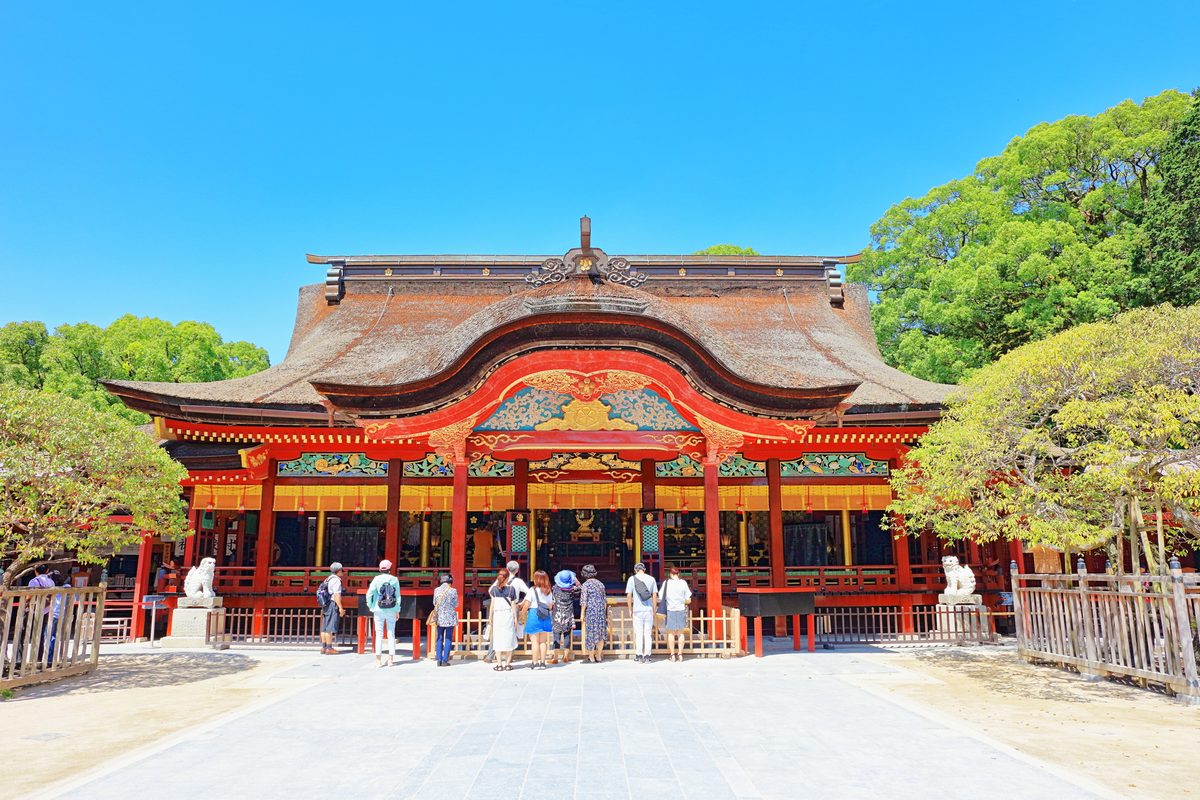
Dazaifu Tenmangu
One of Japan's most important Shinto shrines, dedicated to Sugawara no Michizane, the deity of learning. Surrounded by 6,000 plum trees that burst into bloom each February.
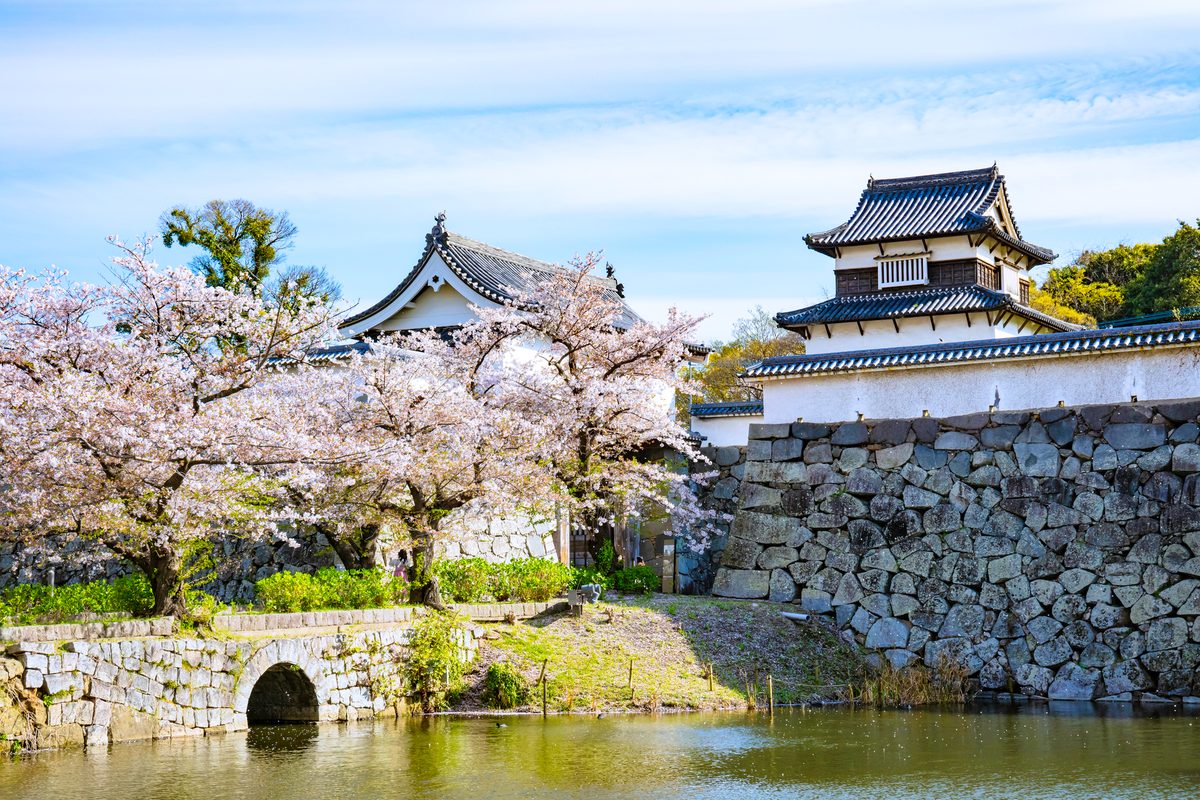
Fukuoka Castle Ruins & Maizuru Park
The remains of one of Kyushu's largest castles, built in 1607 for the powerful Kuroda clan. The stone walls, moats, and surviving turrets still impress despite the main tower's disappearance. In spring, 1,300 cherry trees turn the castle grounds into one of Fukuoka's best hanami (cherry blossom viewing) spots — and it's completely free.
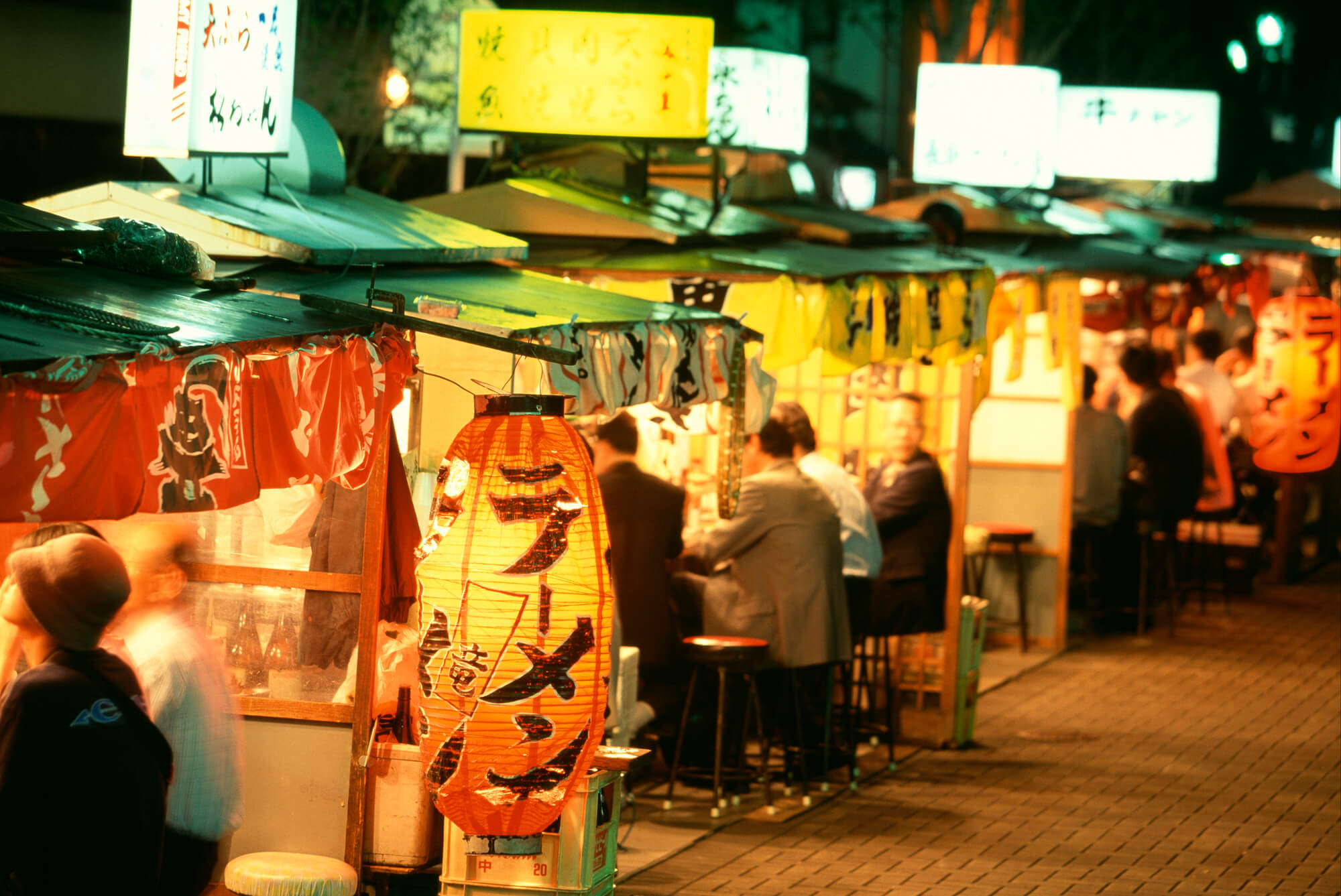
Fukuoka Yatai Stalls
Fukuoka's iconic open-air food stalls that pack out along the Naka River and Tenjin every evening. Squeeze in for tonkotsu ramen, yakitori, and cold beer under the city lights.
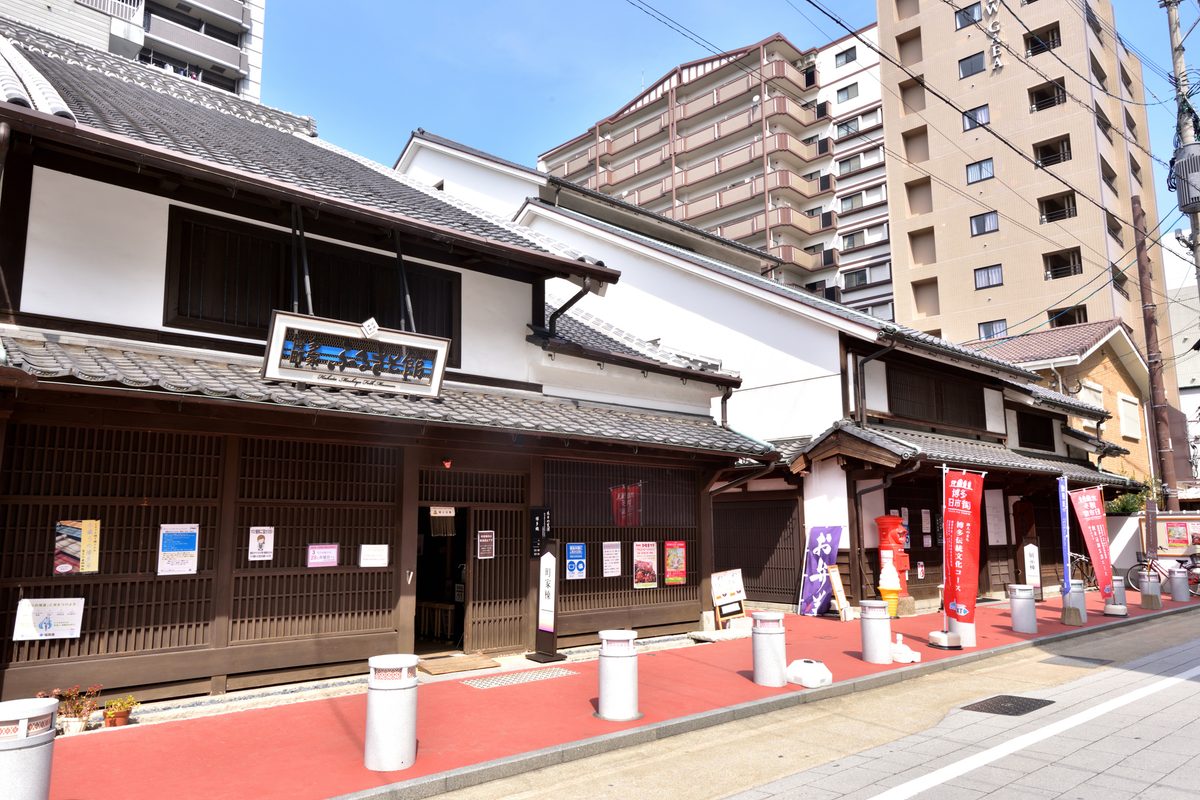
Hakata Machiya Folk Museum
Three authentic Meiji and Taisho-era Hakata townhouses relocated and meticulously preserved to show how merchant life looked in old Hakata. The museum also houses the city's finest collection of Gion Yamakasa festival artifacts — the giant festival floats (kazariyama) that are displayed year-round.
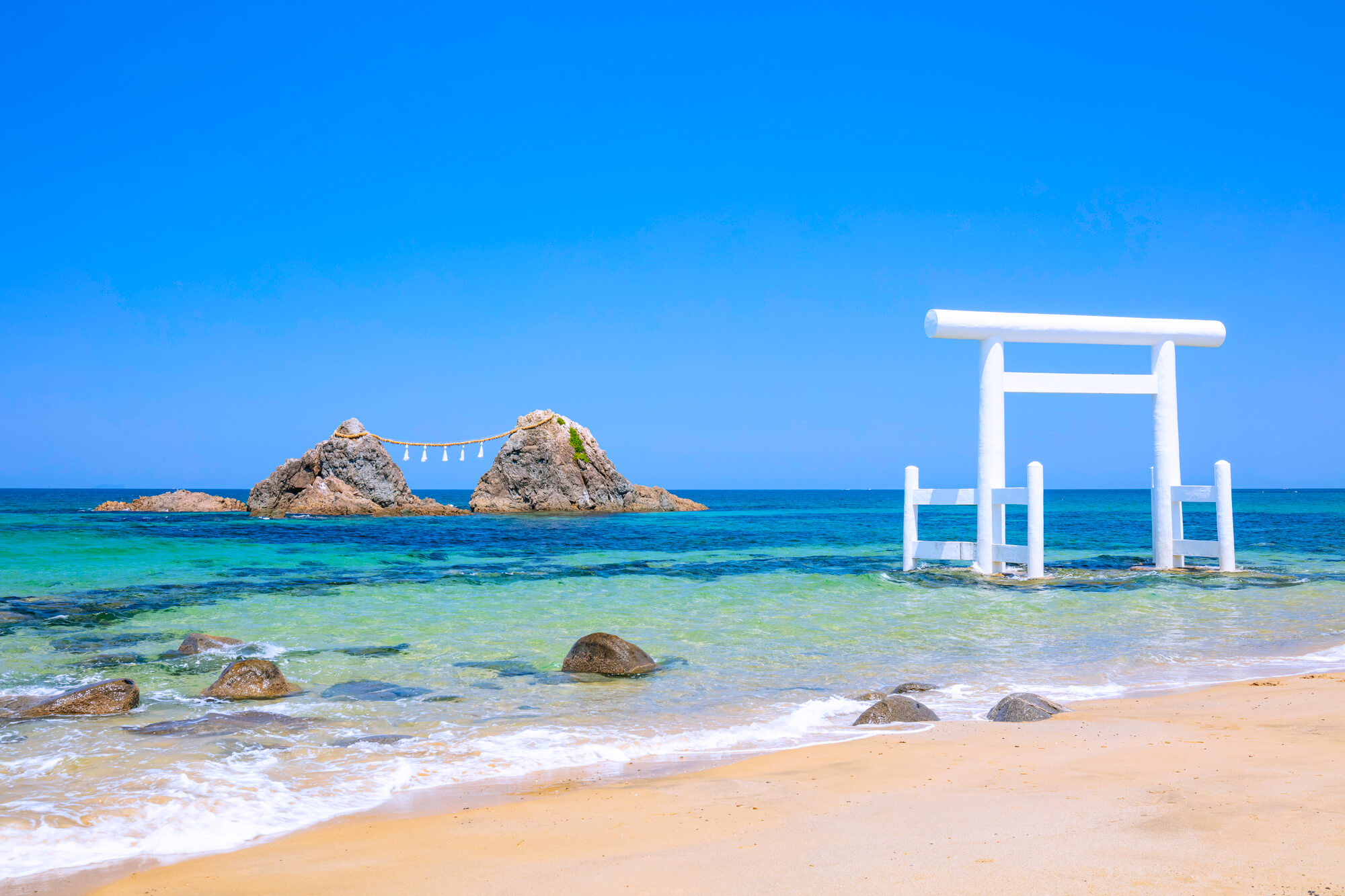
Itoshima Peninsula
A laid-back coastal peninsula just 30 minutes from Fukuoka city with sweeping ocean views, oyster shacks, sunset Instagram spots, and a growing craft scene.
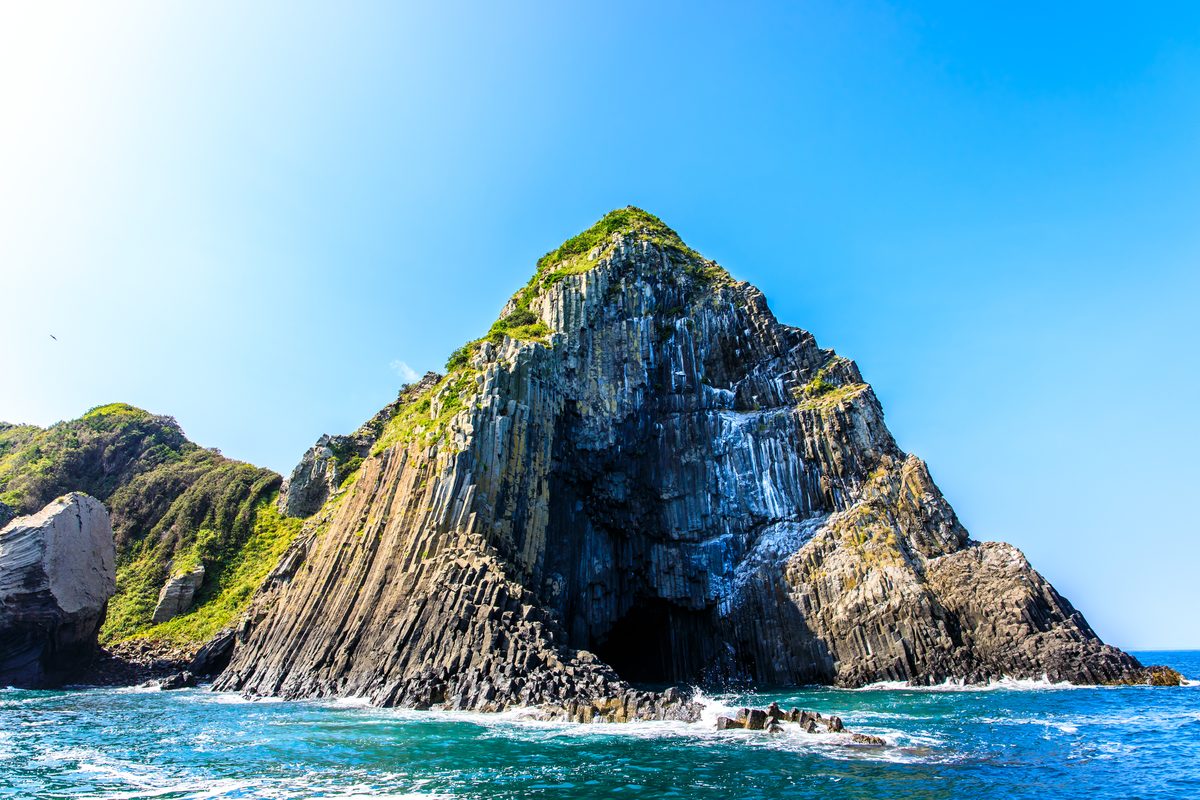
Keya no Oto Sea Cave
The largest sea cave in Japan, carved 64 metres high and 10 metres wide into the volcanic basalt coast of the Itoshima Peninsula. At high tide, waves boom against the walls with a sound like thunder (oto means sound). A 1-km clifftop trail leads to the cave entrance where you can stand at the lip and look straight down into crashing surf.
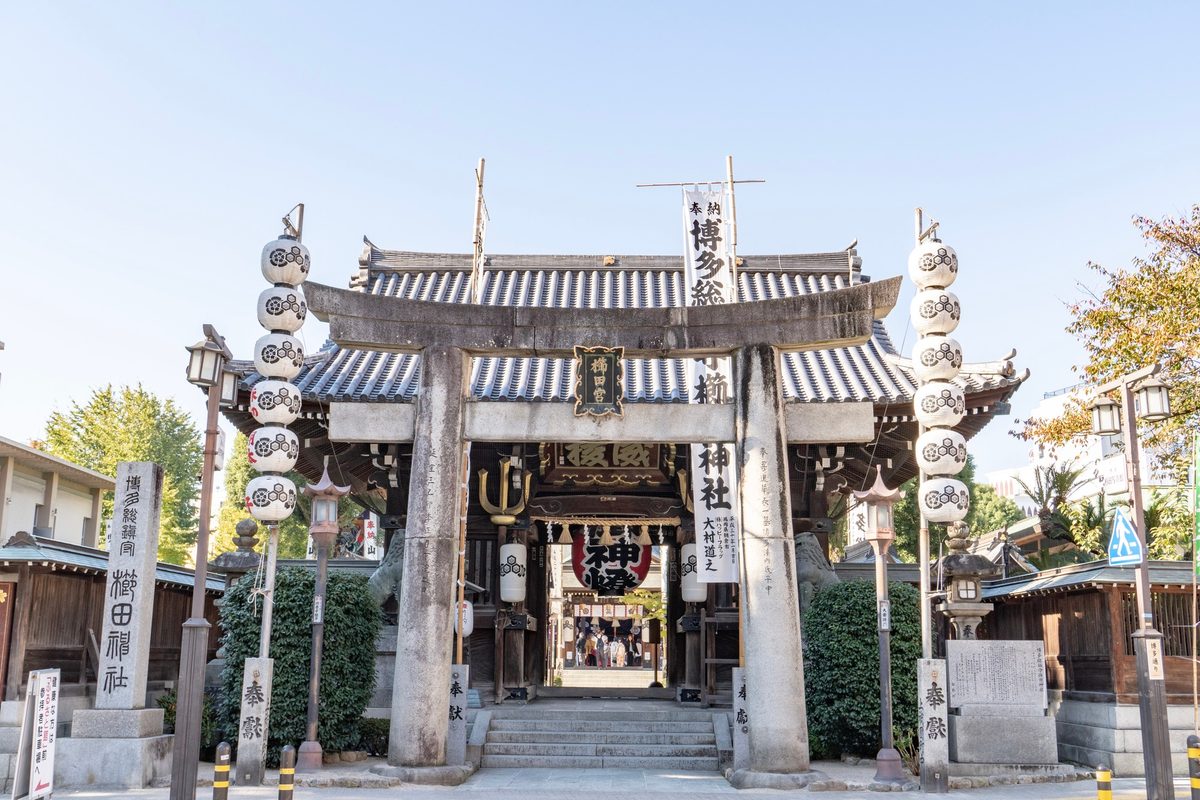
Kushida Shrine
Hakata's guardian shrine and birthplace of the Gion Yamakasa festival — every July, enormous float-mountains weighing over 1 tonne are raced through city streets at 4am. Outside festival season, a peaceful enclave in downtown Hakata.
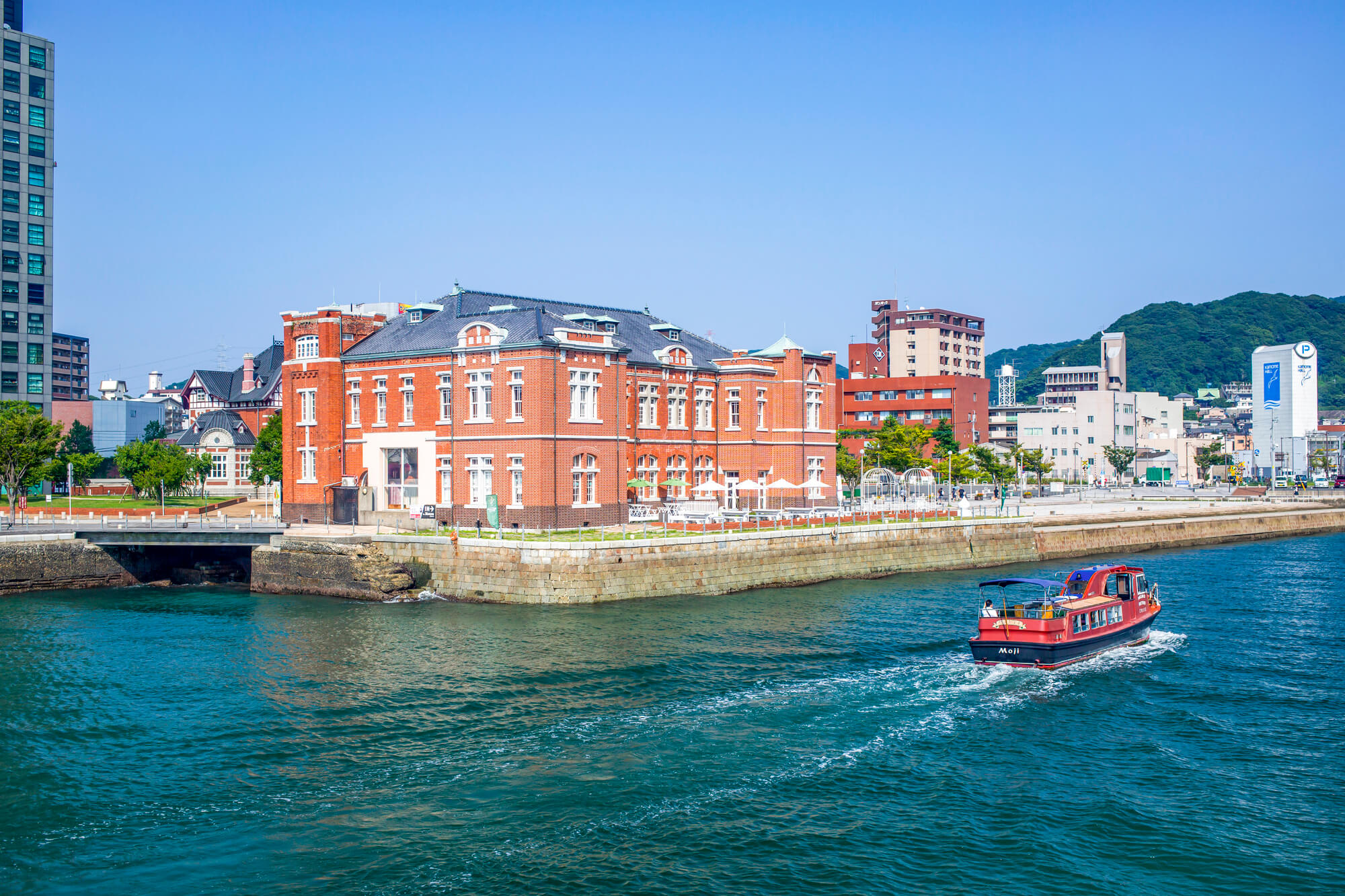
Mojiko Retro District
A beautifully preserved Meiji-era port town at the northern tip of Kyushu. European-style brick buildings, a pedestrian waterfront, and Japan's best grilled curry.
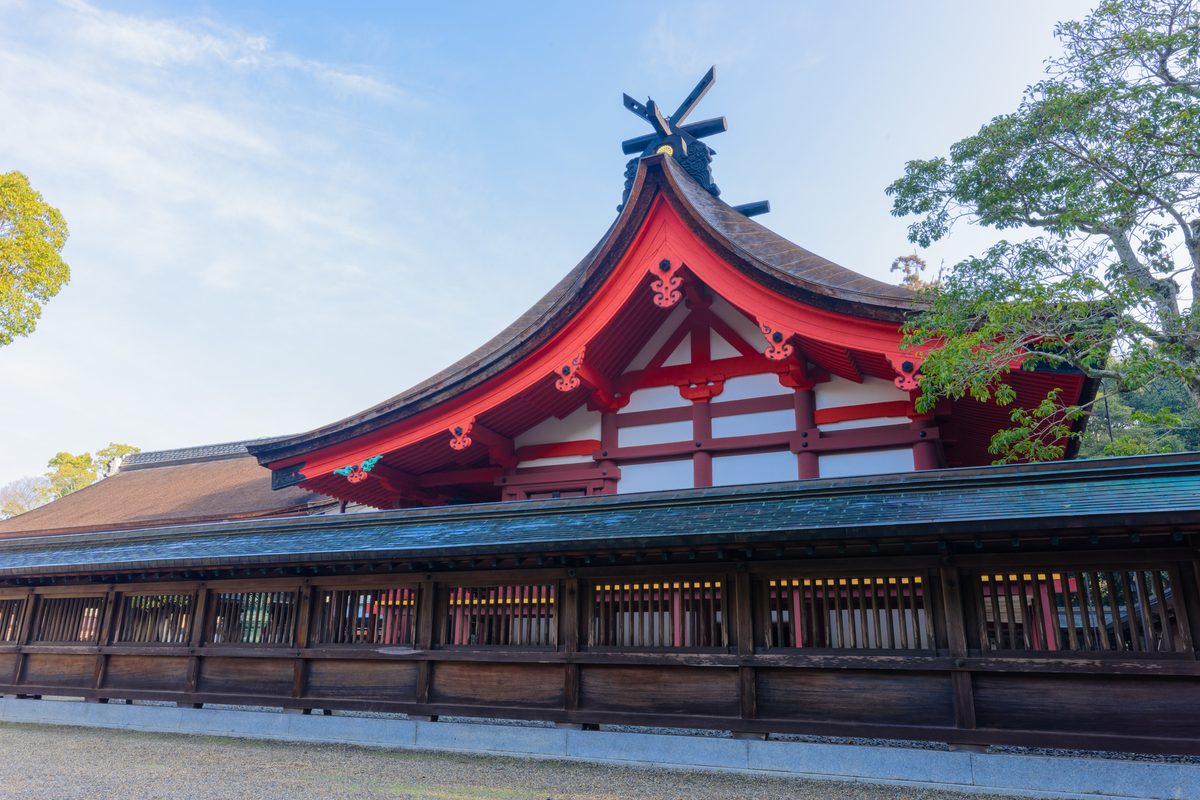
Munakata Taisha
A UNESCO World Heritage shrine complex of three separate shrines dedicated to three goddesses of the sea. The outermost island, Okinoshima, is so sacred no women have ever set foot on it and visiting men must ritually bathe before landing.
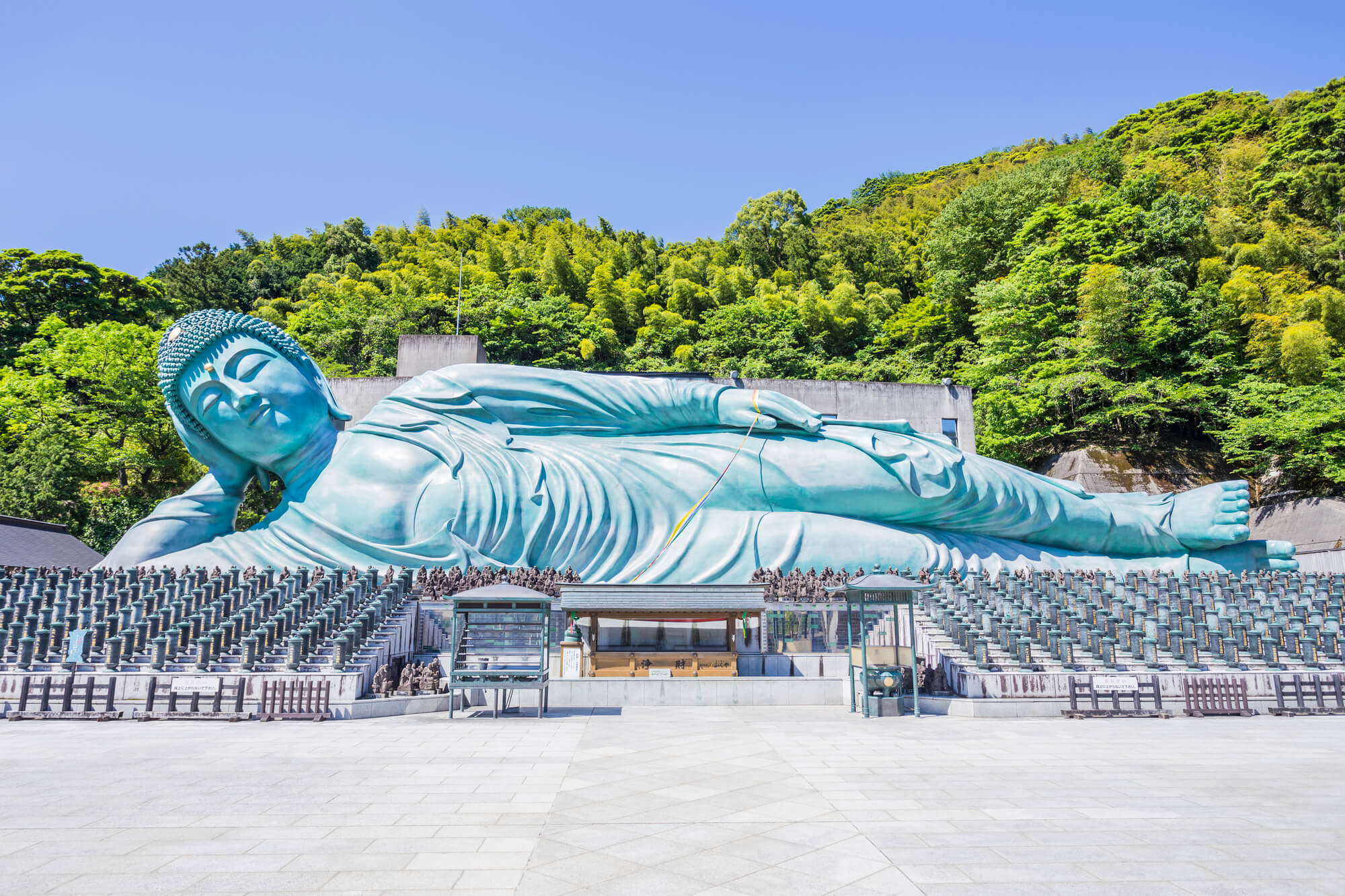
Nanzoin Temple
Home to the world's largest bronze reclining Buddha statue at 41 metres long — bigger than the Statue of Liberty. Set deep in cedar forest, this temple has a deeply serene atmosphere.
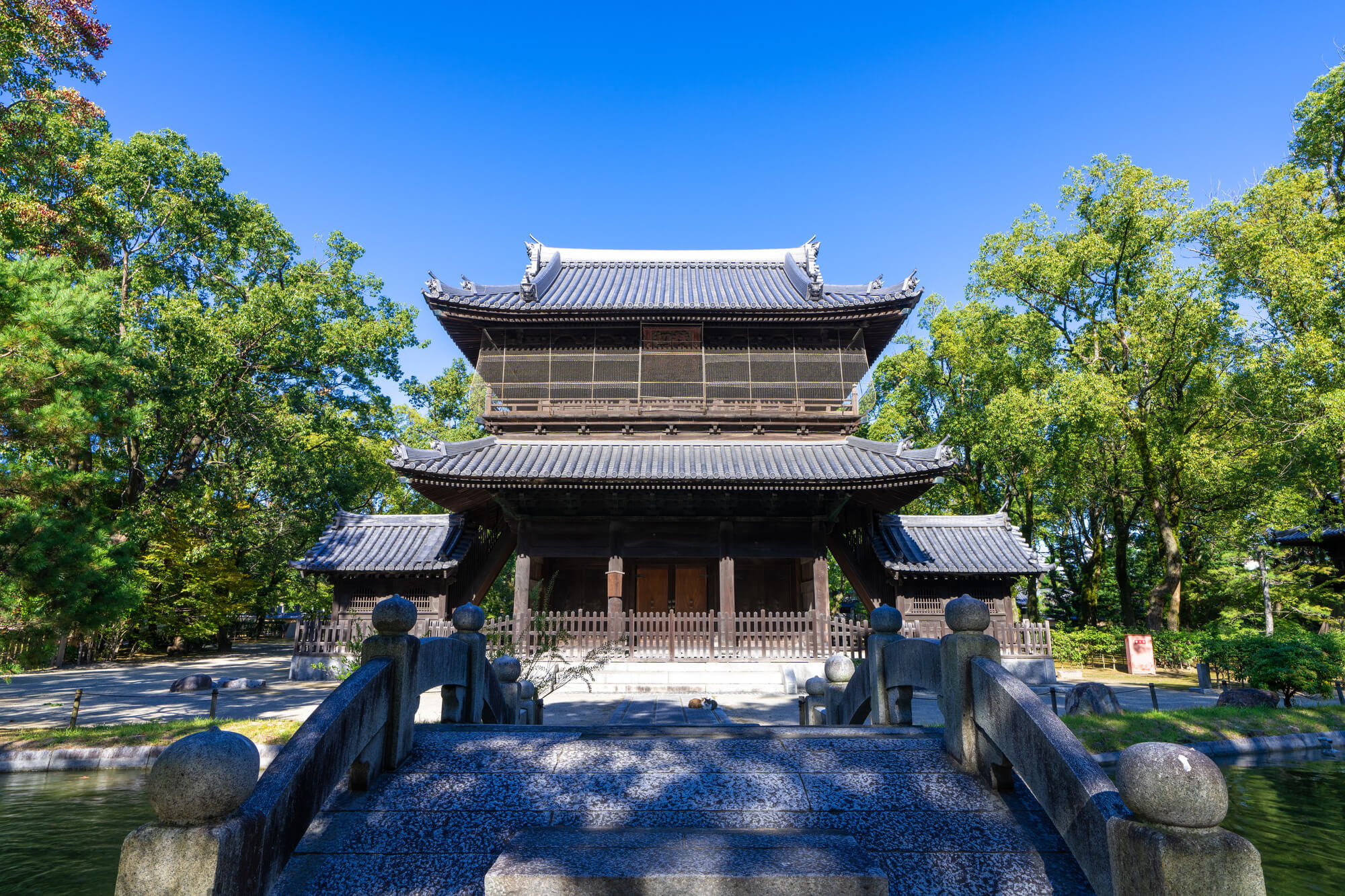
Shofukuji Temple
Japan's first Zen temple, founded in 1195 by Eisai who brought tea seeds back from China — making this the birthplace of Japanese tea culture. A hidden gem in the heart of Hakata.
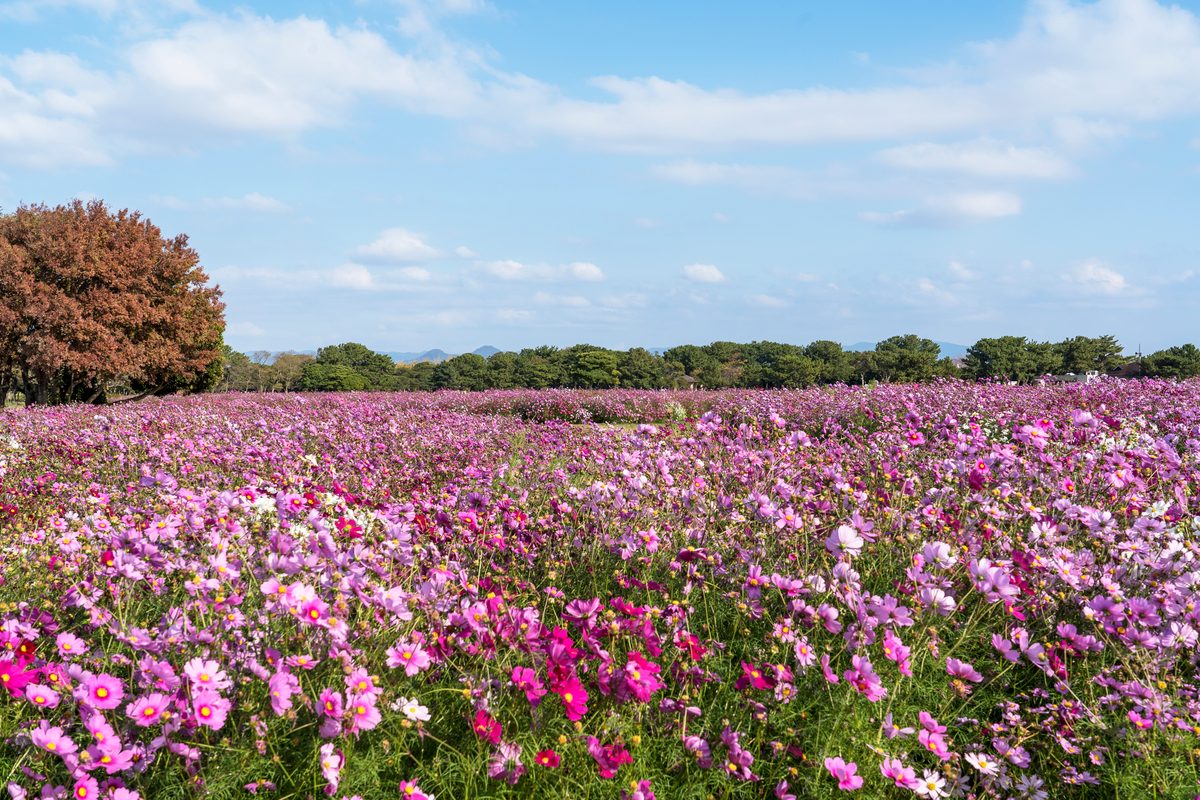
Uminonakamichi Seaside Park
A national seaside park on the narrow peninsula enclosing Hakata Bay. 350 hectares of flower gardens, cycling paths, animal park, and amusement zone — different flower species bloom each month, from tulips and poppies in spring to cosmos and dahlias in autumn. The cycling paths run along the bay with views back toward Fukuoka city.
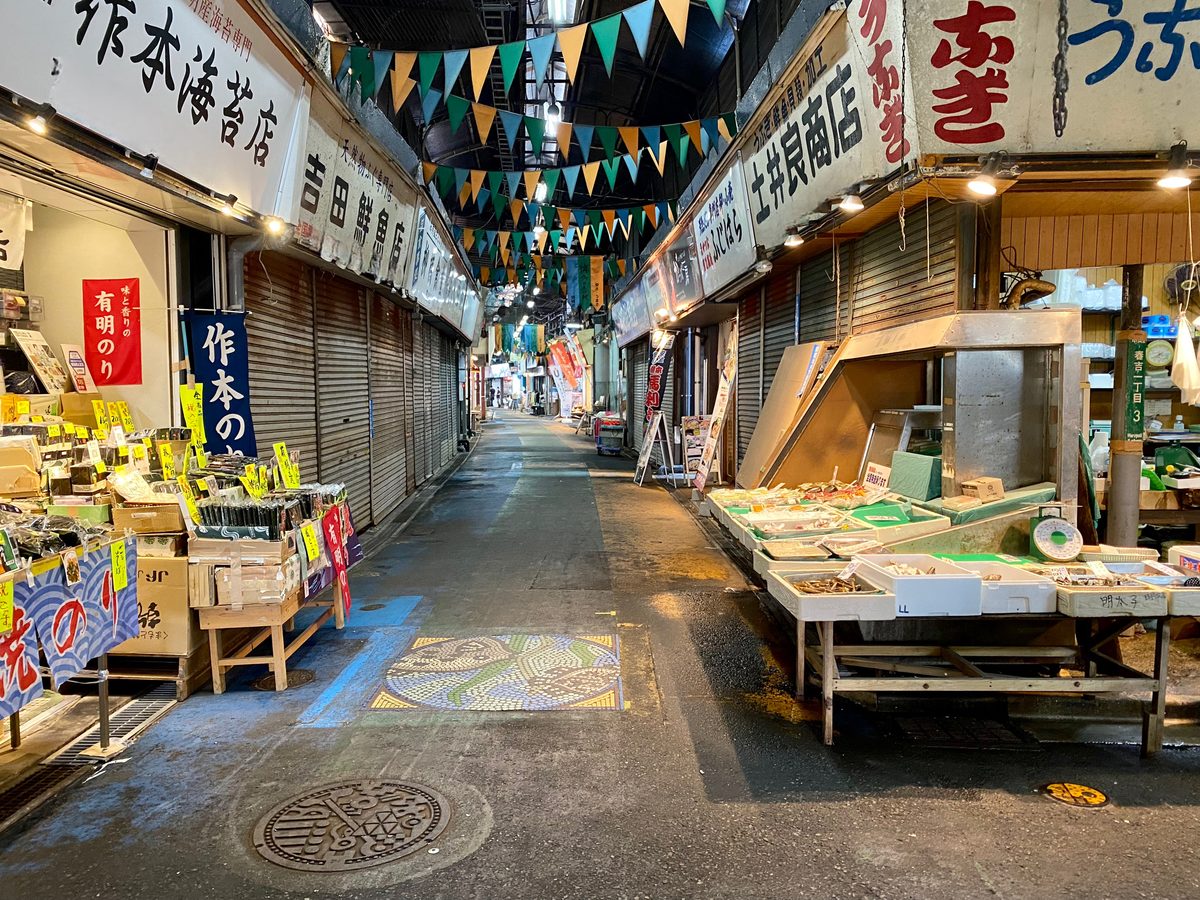
Yanagibashi Rengo Market
Hakata's "kitchen" — a covered market of 35 specialist shops that has supplied the city's restaurants and home cooks since 1910. Fishmongers, vegetable sellers, tofu makers, pickle shops, and ready-to-eat food stalls pack the narrow aisles. The morning energy is extraordinary: chefs negotiating with fishmongers over the overnight Genkai Sea catch.
Advertisement
When to Visit Fukuoka
Peak spots by season — ordered by best match.
More from Kyushu
Other prefectures in the same region
Ready to visit Fukuoka?
Let AI build a personalized day-by-day itinerary based on your interests and travel style.
Create a Fukuoka Itinerary