
Iwate Travel Guide
Japan's second-largest prefecture by area, yet one of its least visited — which is exactly the appeal. The scenic Sanriku coastline, the medieval pilgrimage temple of Chūsonji, and traditional Nambu ironware make Iwate a destination for travelers seeking depth over crowds and time over itineraries.
4 hidden gems in Iwate include insider locations, local tips, and full access details.
Hidden Gems in Iwate
Hand-picked spots off the tourist trail — all personally curated.
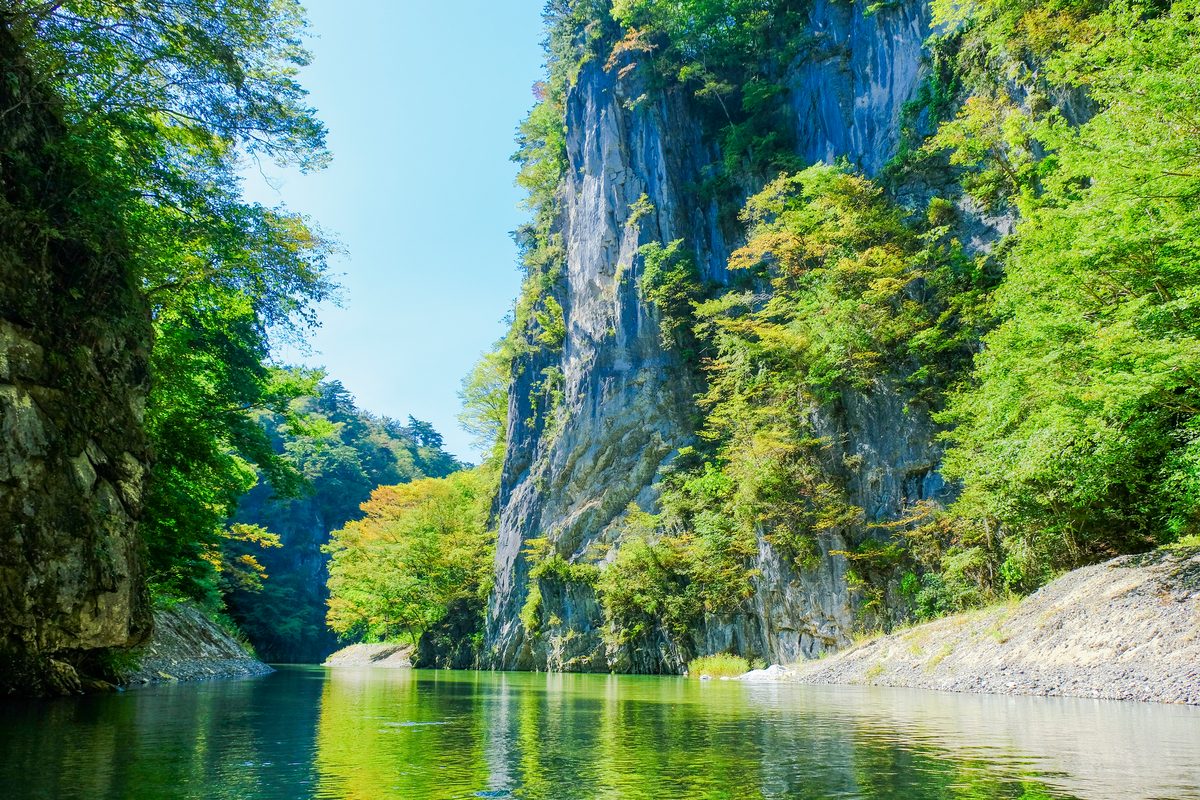
Geibikei Gorge
A narrow limestone gorge where flat-bottomed boats are poled through approximately 2 kilometres of canyon flanked by 100-metre cliffs. The boatman sings traditional Geibikei rowing songs as herons and kingfishers fly through the gorge.
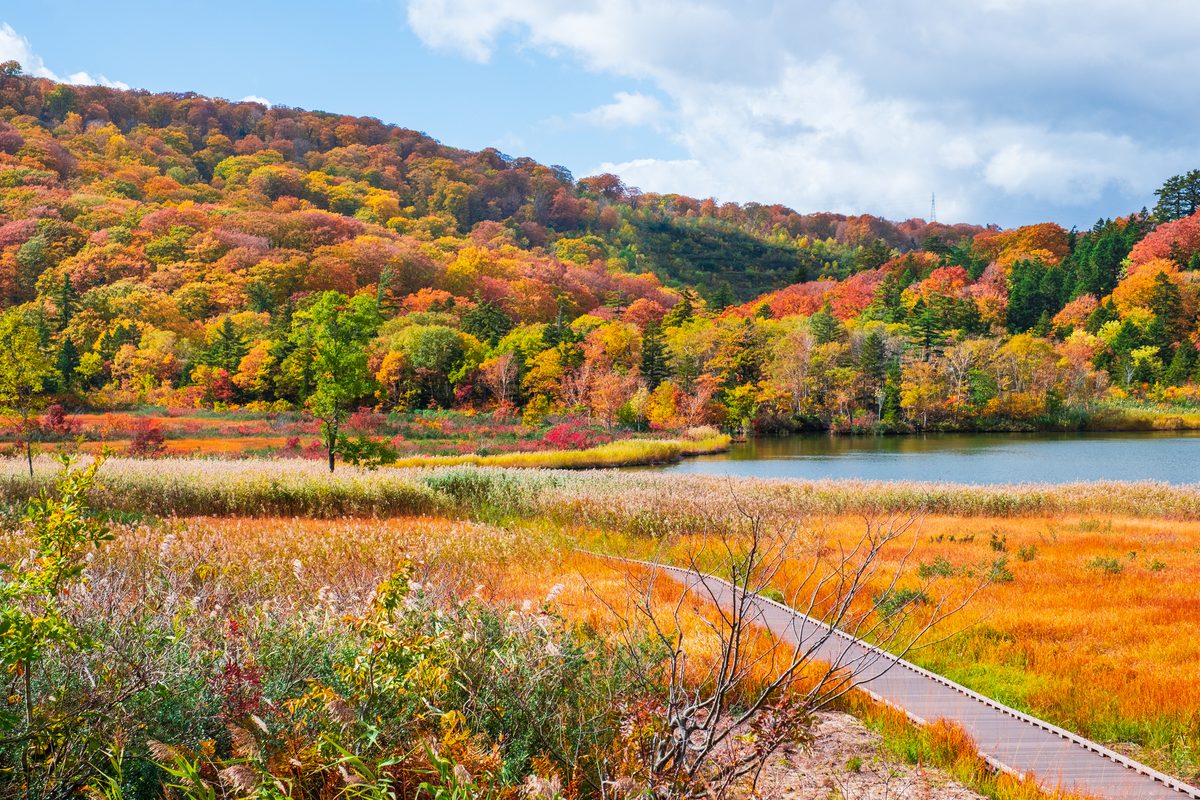
Hachimantai Plateau
A high volcanic plateau straddling Iwate and Akita, famous for the "Dragon Eye" — a crater lake that develops a circular eye-shaped opening as snow melts each June. The plateau offers hiking, skiing and vivid autumn colour.
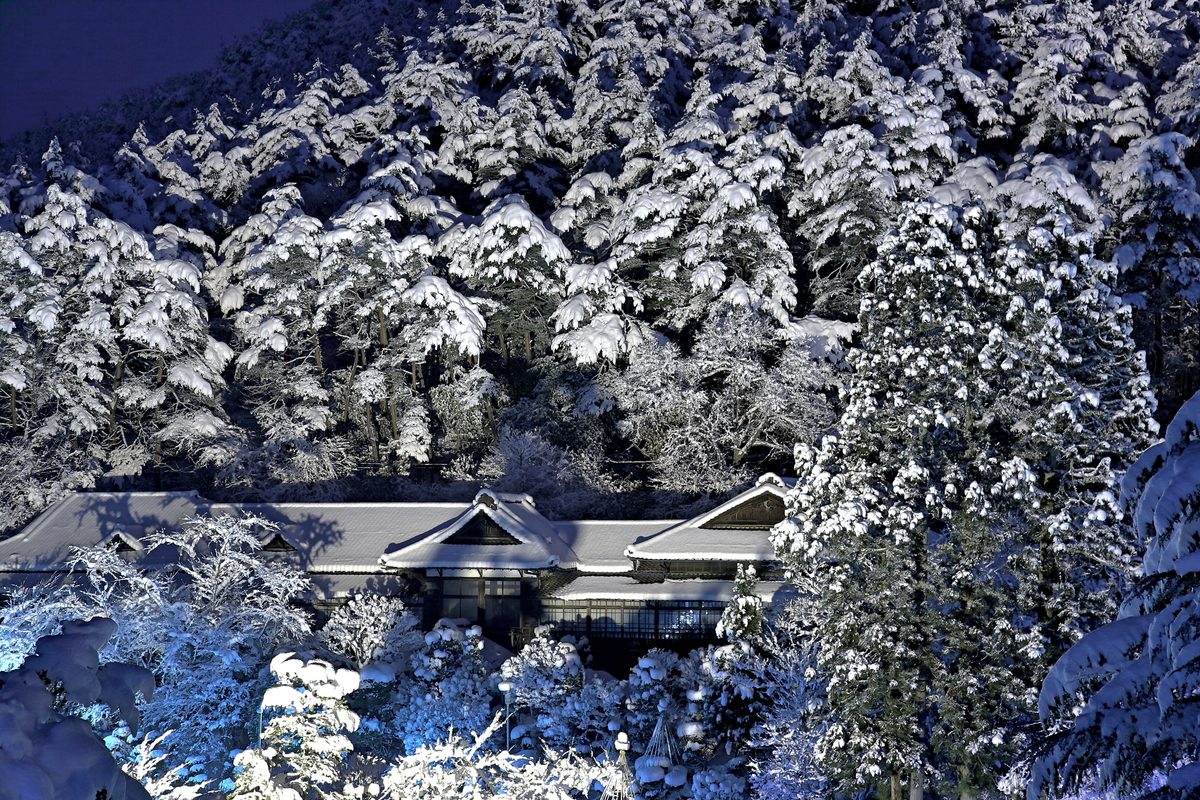
Hanamaki Onsen
A cluster of hot spring villages in the rolling hills around Hanamaki — hometown of poet and farmer Kenji Miyazawa. Ryokan here draw on centuries of spring history, surrounded by the forests Miyazawa immortalized in his stories.
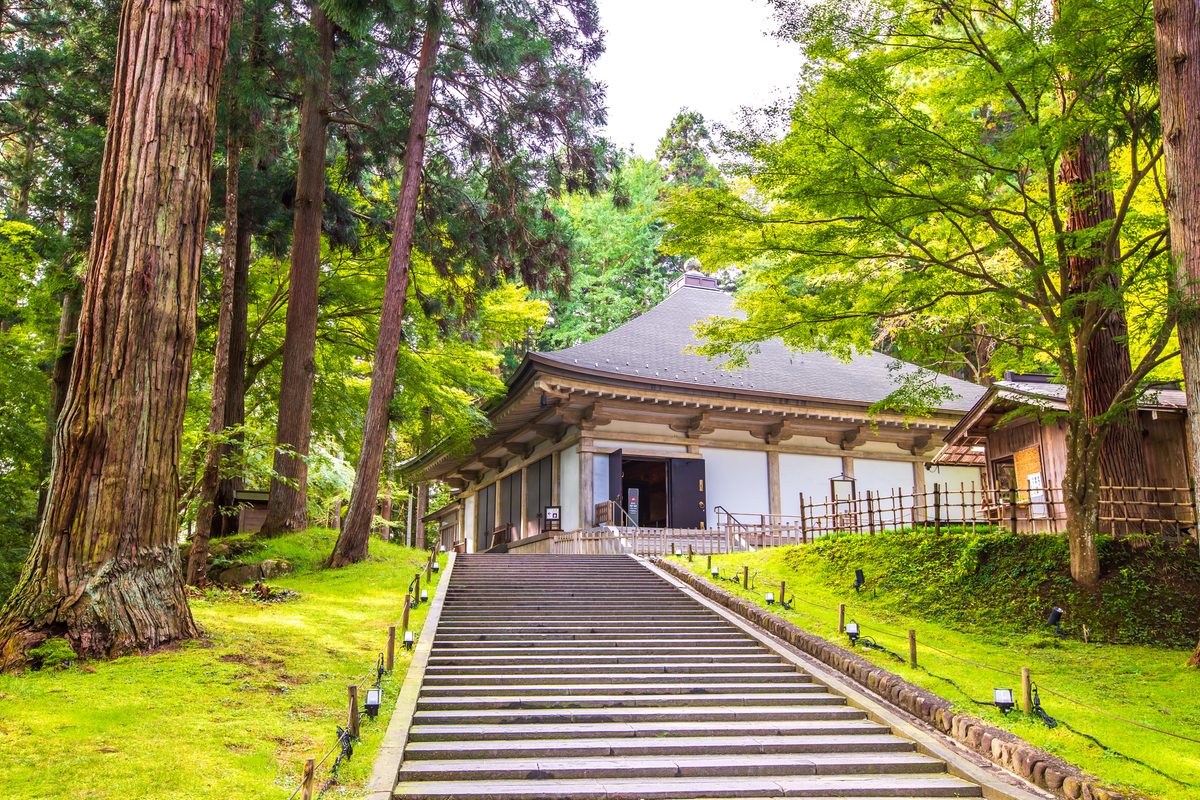
Hiraizumi Chusonji Temple
The centerpiece of the UNESCO World Heritage Hiraizumi site — an 11th-century Golden Hall (Konjikido) that houses the gilded mummies of the Fujiwara lords who built a Buddhist paradise in Tohoku to rival Kyoto.
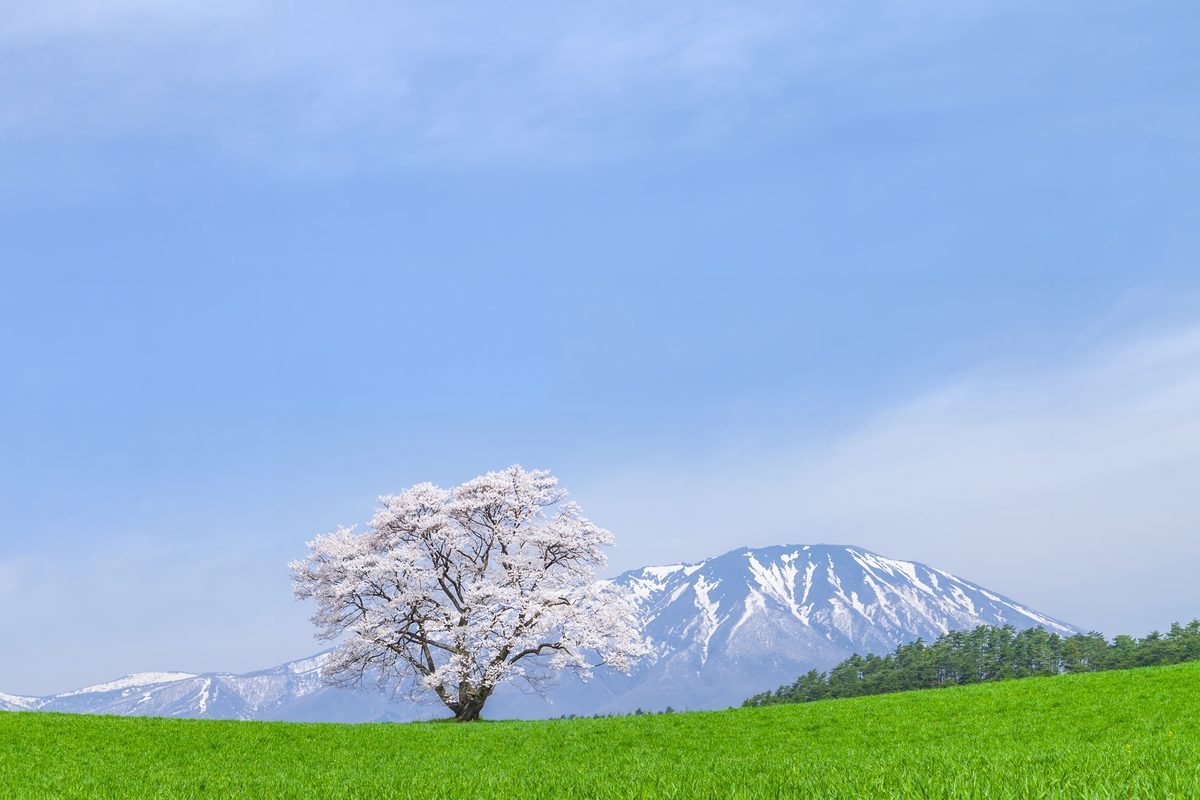
Iwate-san Volcano
Iwate-san, at 2,038 metres, is the highest peak in Iwate Prefecture and one of the most visually striking volcanoes in the Tohoku region. Known locally as the "Fuji of Nanbu", its symmetrical cone dominates the skyline from Morioka on clear days. Several well-marked trails lead to the summit, rewarding hikers with sweeping views across Tohoku and, on exceptional days, as far as the Pacific Ocean. The mountain is still volcanically active, and the crater area retains a raw, elemental energy. Alpine wildflowers colour the slopes from July through August.
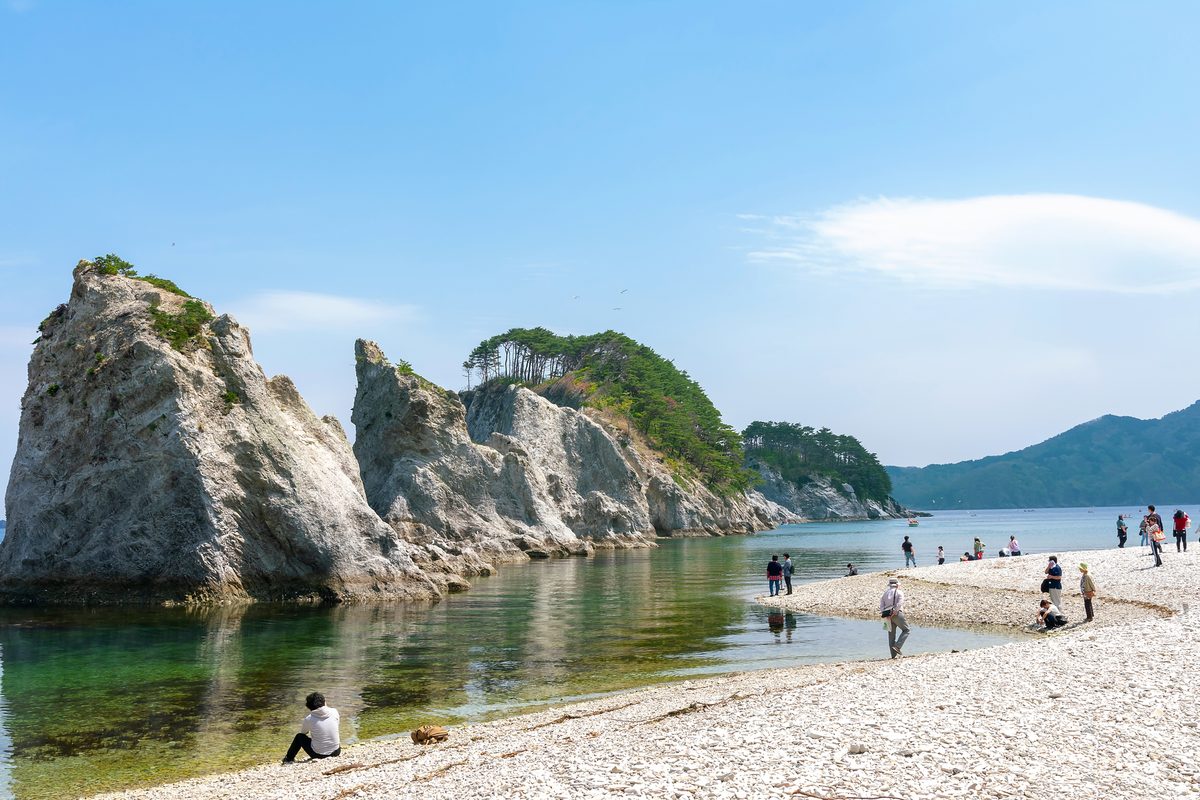
Jodogahama Beach
"Pure Land Beach" — white rhyolite rock pillars rise from crystal-clear turquoise water in a sheltered cove on the Sanriku coast. The 18th-century Buddhist monk who named it compared it to paradise.
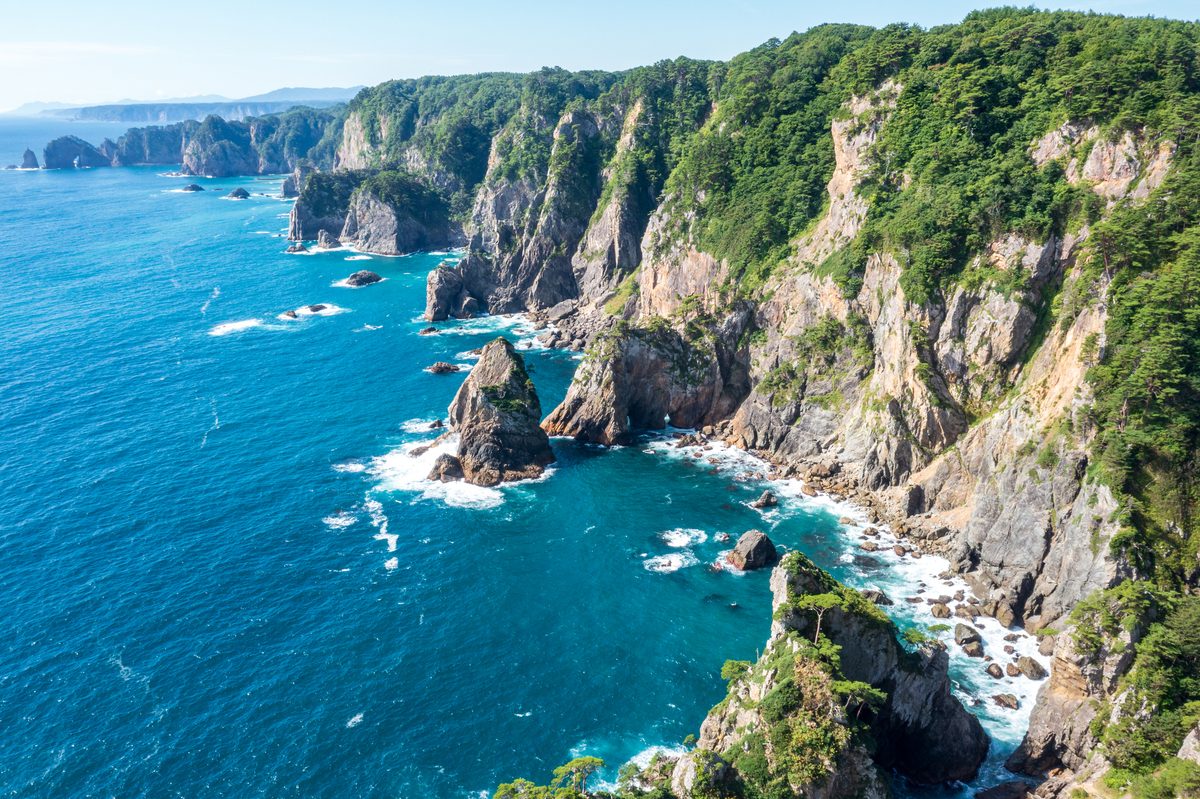
Kitayamazaki Cliffs
Two hundred metre sheer sea cliffs on the Sanriku Rias Coast, stretching for 8 kilometres above a cobalt Pacific. Observation decks offer vertiginous views; sea kayak tours enter the sea caves cut at the cliff base.
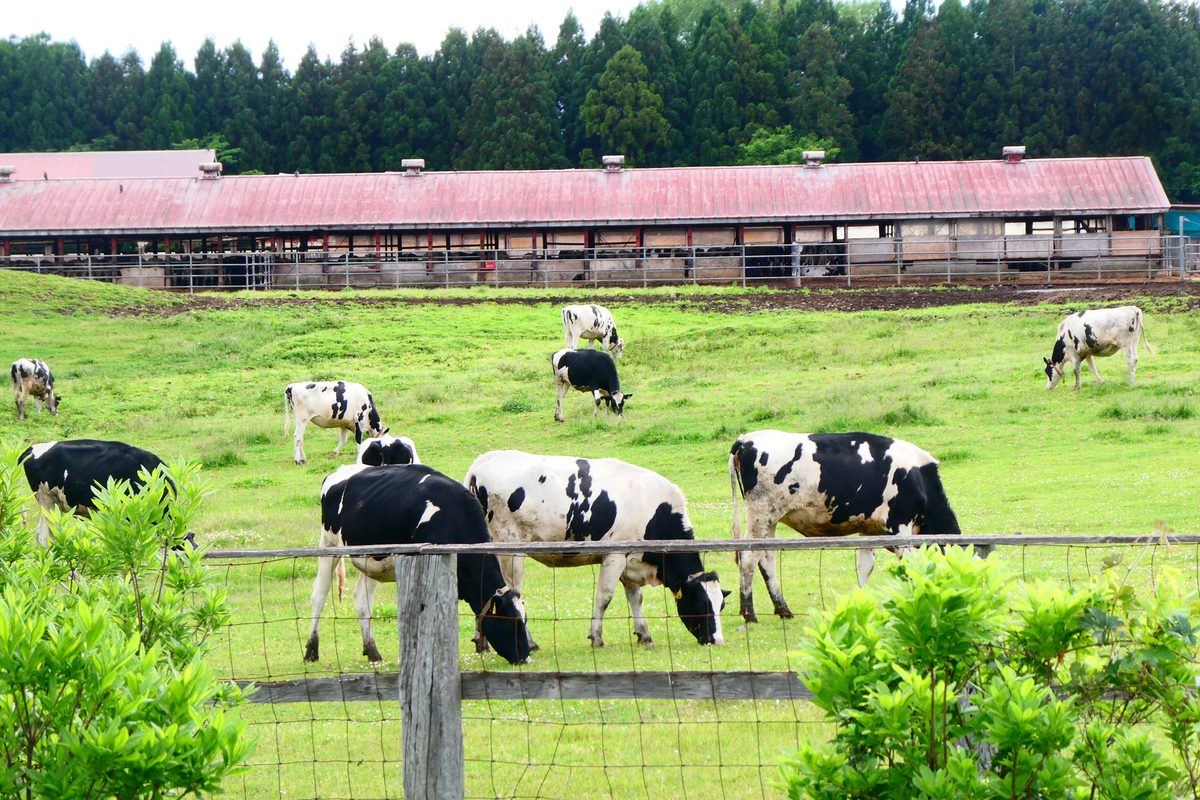
Koiwai Farm
Japan's largest private farm, operating since 1891 against a backdrop of Mt. Iwate. Dairy cattle, horses and sheep roam vast pastures; a 2-kilometre cherry-lined avenue becomes a pink tunnel each late April.
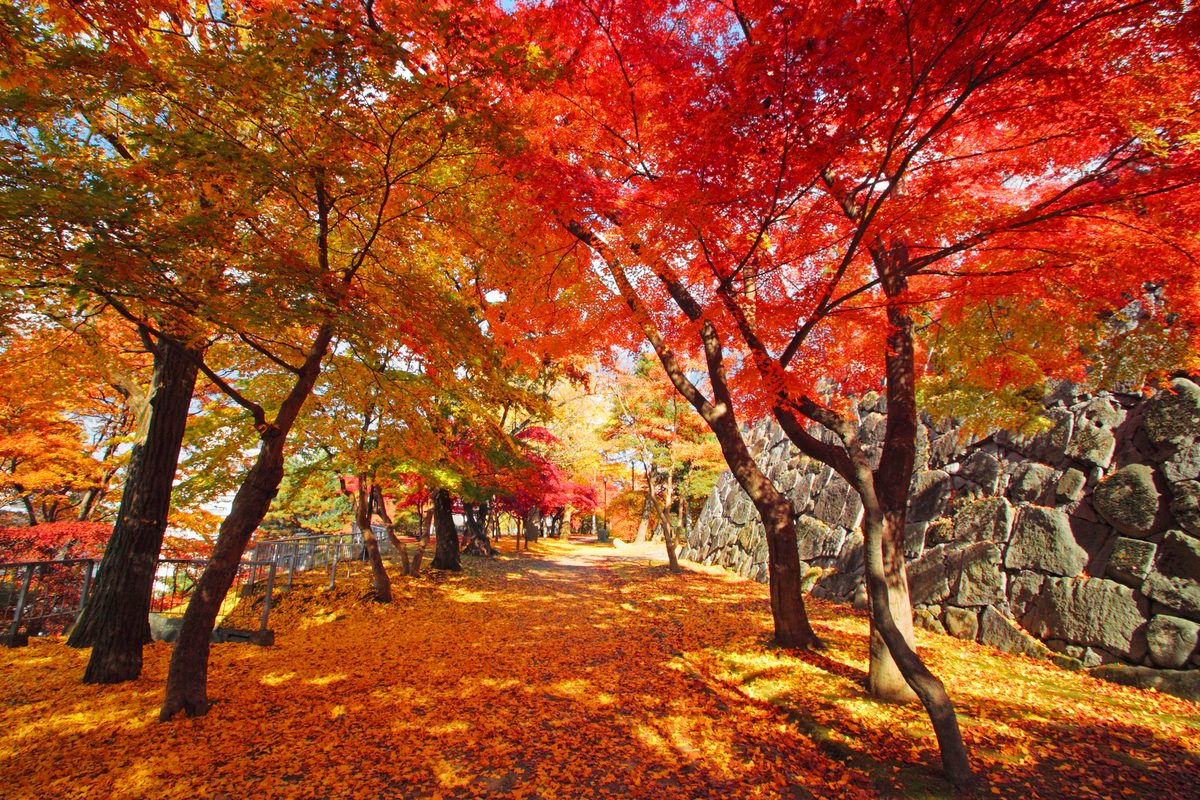
Morioka Castle Ruins
Morioka Castle, built in the early 17th century by the Nanbu clan, now stands as a serene park at the heart of the city. The stone walls and foundations are remarkably well preserved, offering a vivid impression of feudal-era architecture. Cherry blossoms transform the grounds into a pink canopy each spring, making it one of Iwate's most beloved hanami spots. The Kitakami River flows nearby, adding to the peaceful atmosphere. A small museum on-site provides context on the castle's long history.
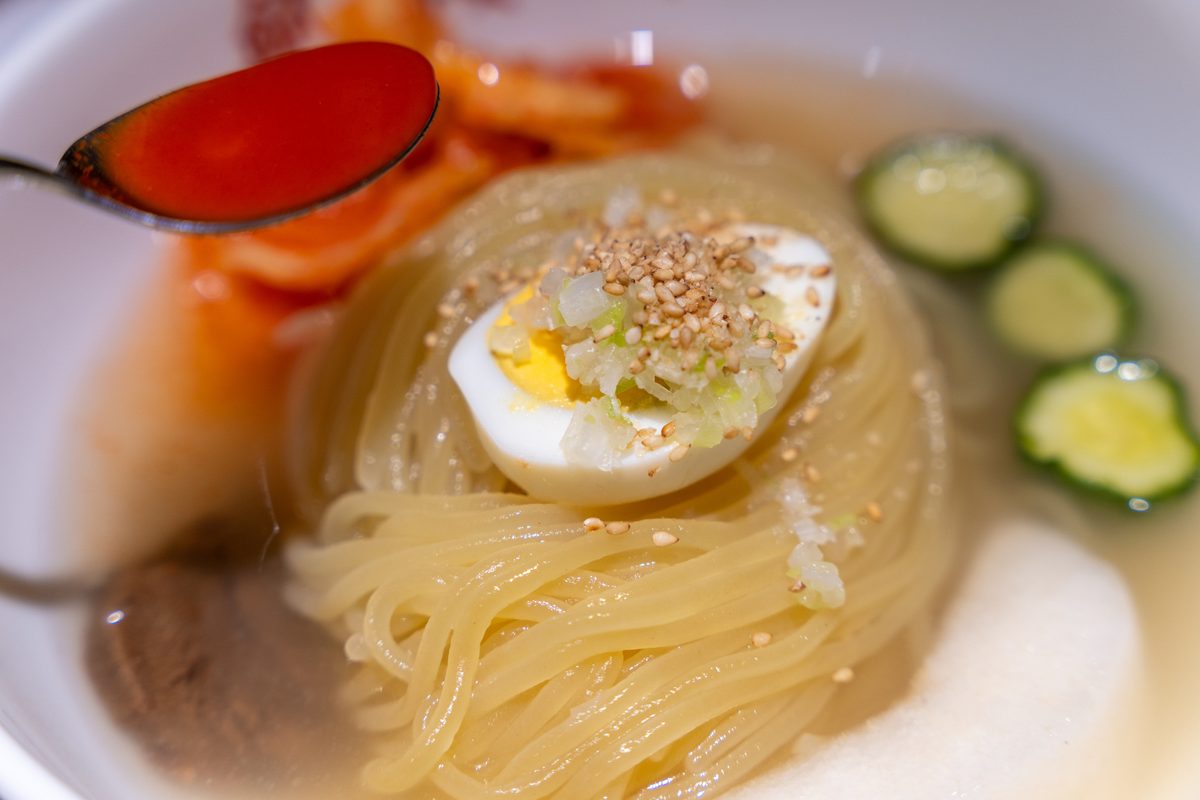
Morioka Cold Noodles (Reimen)
Morioka reimen is one of the three great noodle dishes of Morioka, alongside wanko soba and jajamen. Introduced by a Korean immigrant chef in the 1950s, the dish features thick, chewy noodles in a clear, icy beef broth, topped with kimchi, watermelon or nashi pear, and sliced beef. The combination of cold, refreshing broth and bold kimchi heat is distinctive and deeply satisfying. Dozens of restaurants throughout Morioka serve their own version, each with subtle differences in broth and topping style, making a reimen crawl a rewarding evening activity.
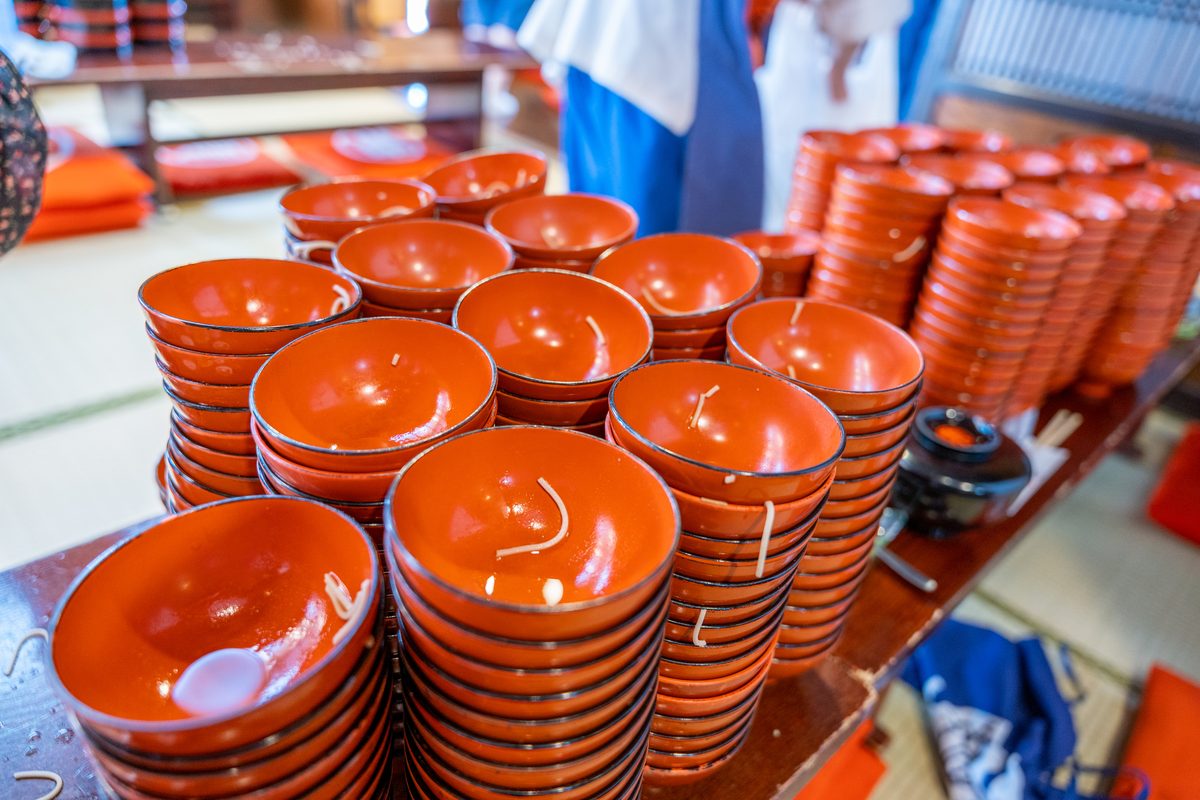
Morioka Wanko Soba Experience
Wanko soba is Iwate's most iconic culinary tradition — small one-bite portions of buckwheat noodles served continuously by an attentive host, who keeps refilling your bowl until you place the lid on top. Restaurants in central Morioka have perfected this ritual over generations, turning a simple meal into a lively competitive event. The average person finishes around 50 bowls, but serious eaters tackle well over 100. It's equal parts delicious and theatrical, and a quintessential Iwate experience.
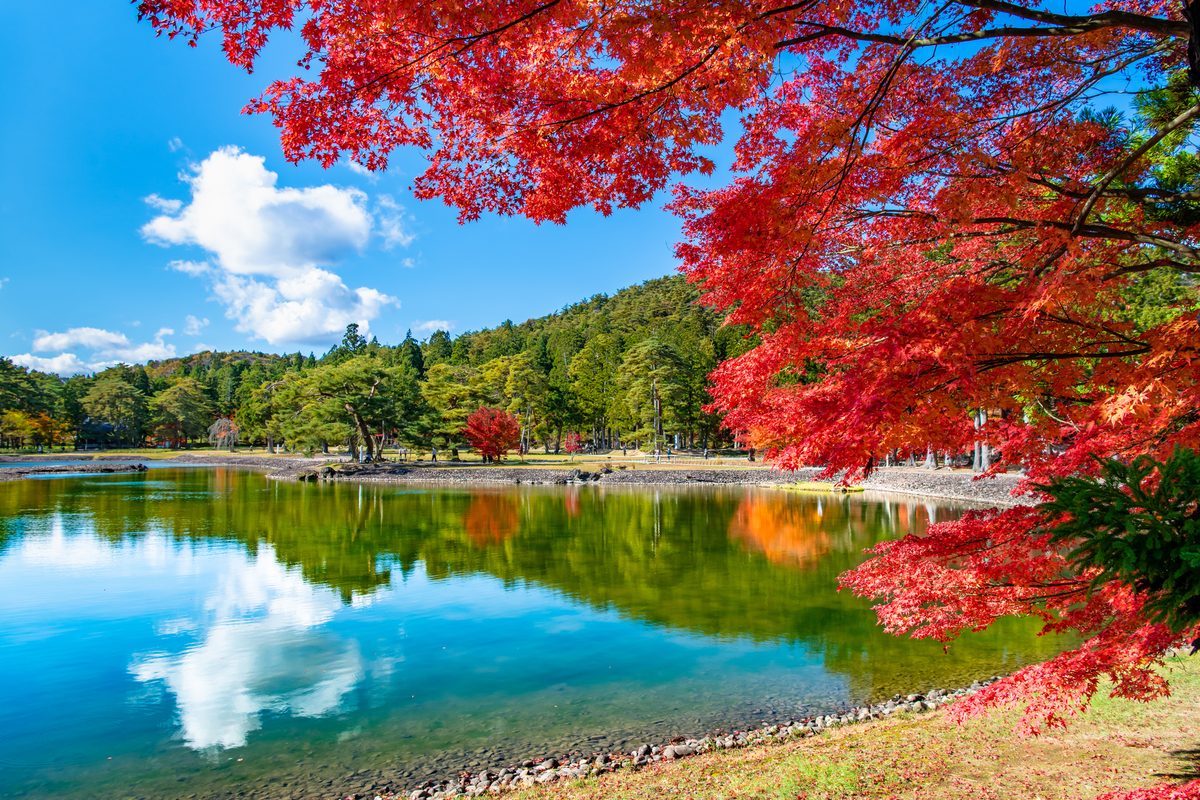
Motsuji Temple
Motsuji Temple, founded in the 9th century, was once one of the grandest temple complexes in all of Japan, rivalling even Kyoto in scale and beauty. Today, the original buildings are gone, but the Pure Land garden — a UNESCO World Heritage Site alongside nearby Chusonji — survives in near-perfect condition, centred on the tranquil Oizumi-ga-ike pond. The garden represents the Buddhist concept of paradise on earth, and walking its gravel paths feels genuinely otherworldly. Seasonal events including the Genpei Ennen-no-Mai dance performance bring the site to life throughout the year.
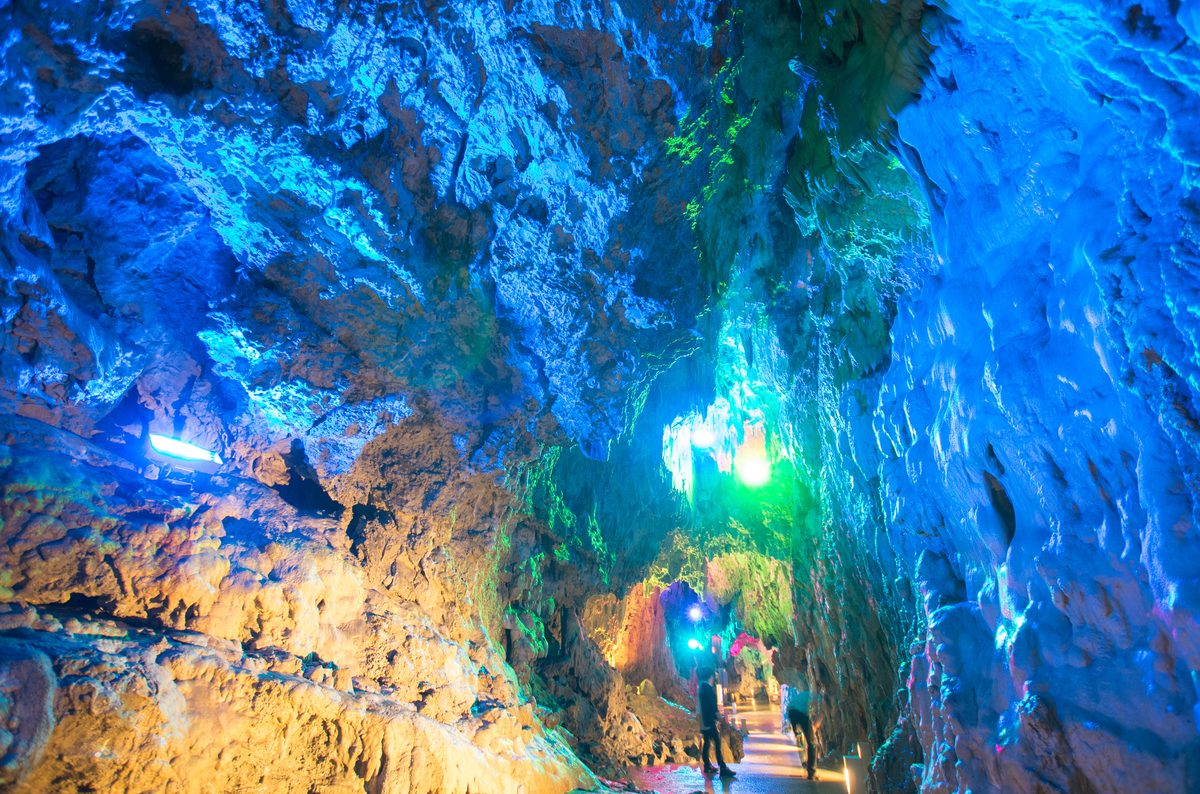
Ryusendo Cave
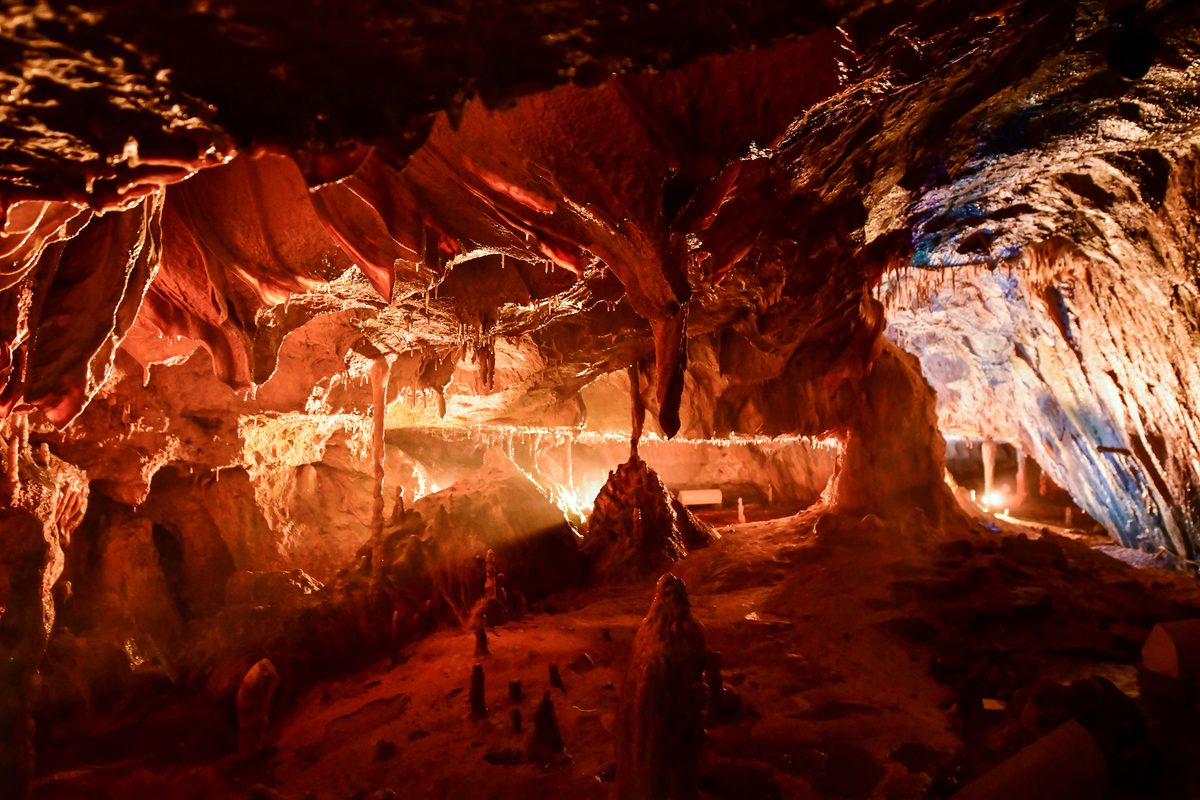
One of Japan's three great limestone caves, famous for underground lakes of extraordinary blue clarity — visibility reaches 41.5 metres. The cave system extends at least 4 kilometres (known length 4,088 m), with the most dramatic 700 metres open to visitors.
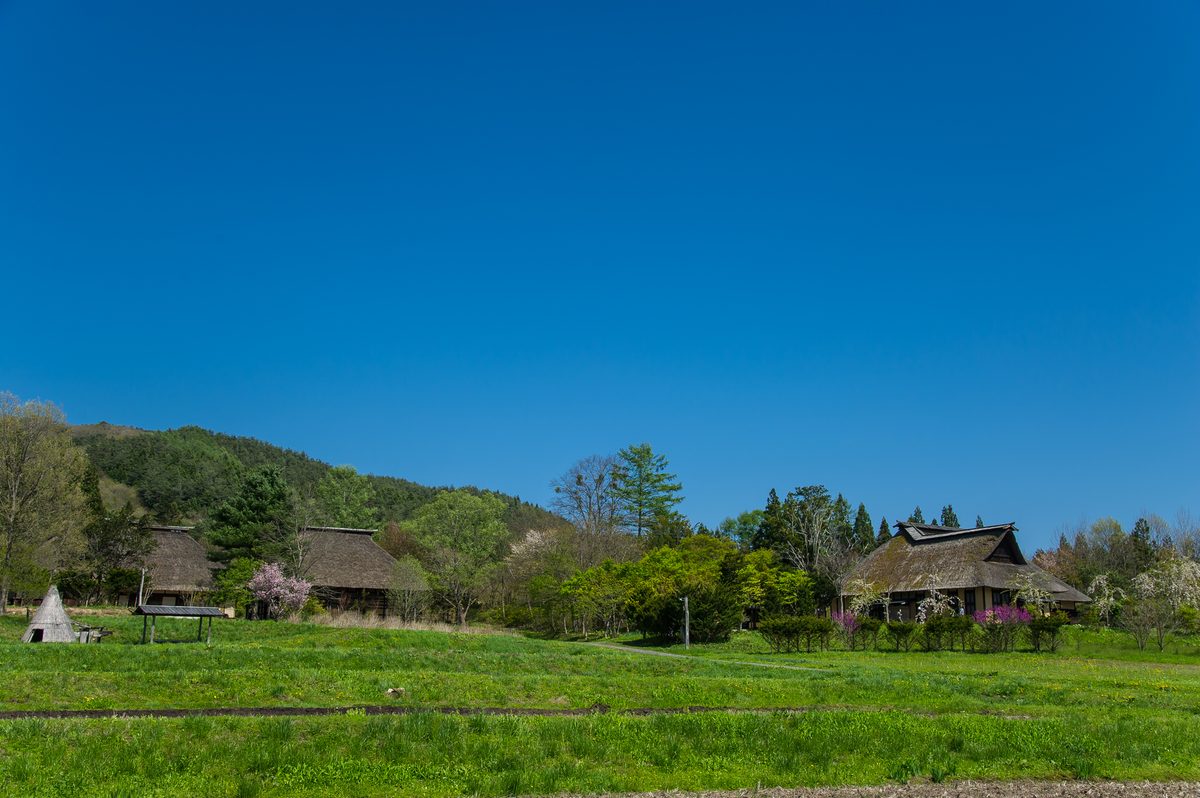
Tono Furusato Village
A living folk museum in the mythic Tono valley — home to Japan's most famous folklore including the river imp Kappa. Traditional L-shaped magariya farmhouses where horses once shared living space with families are preserved in working condition.
Advertisement
When to Visit Iwate
Peak spots by season — ordered by best match.
More from Tohoku
Other prefectures in the same region
Ready to visit Iwate?
Let AI build a personalized day-by-day itinerary based on your interests and travel style.
Create a Iwate Itinerary